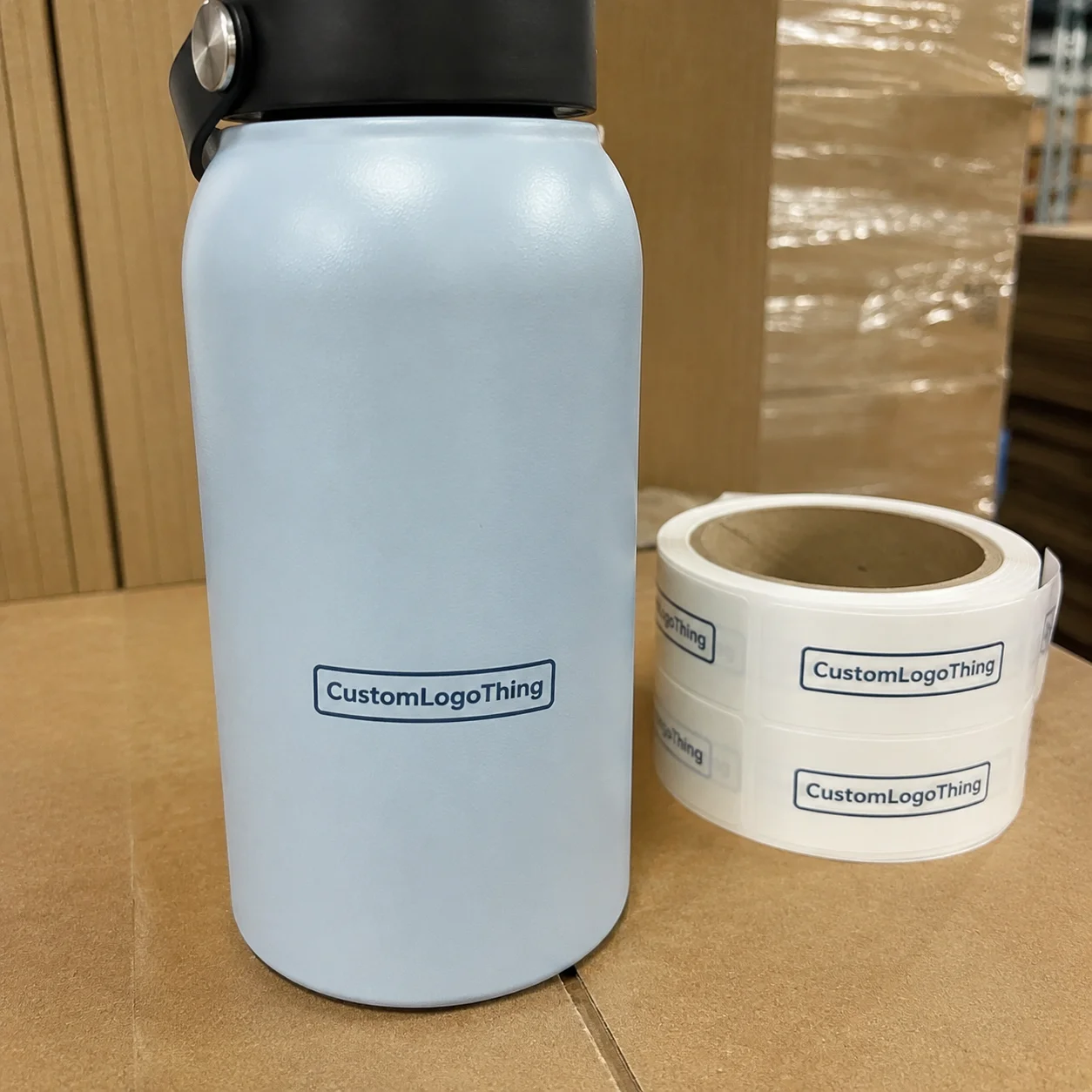
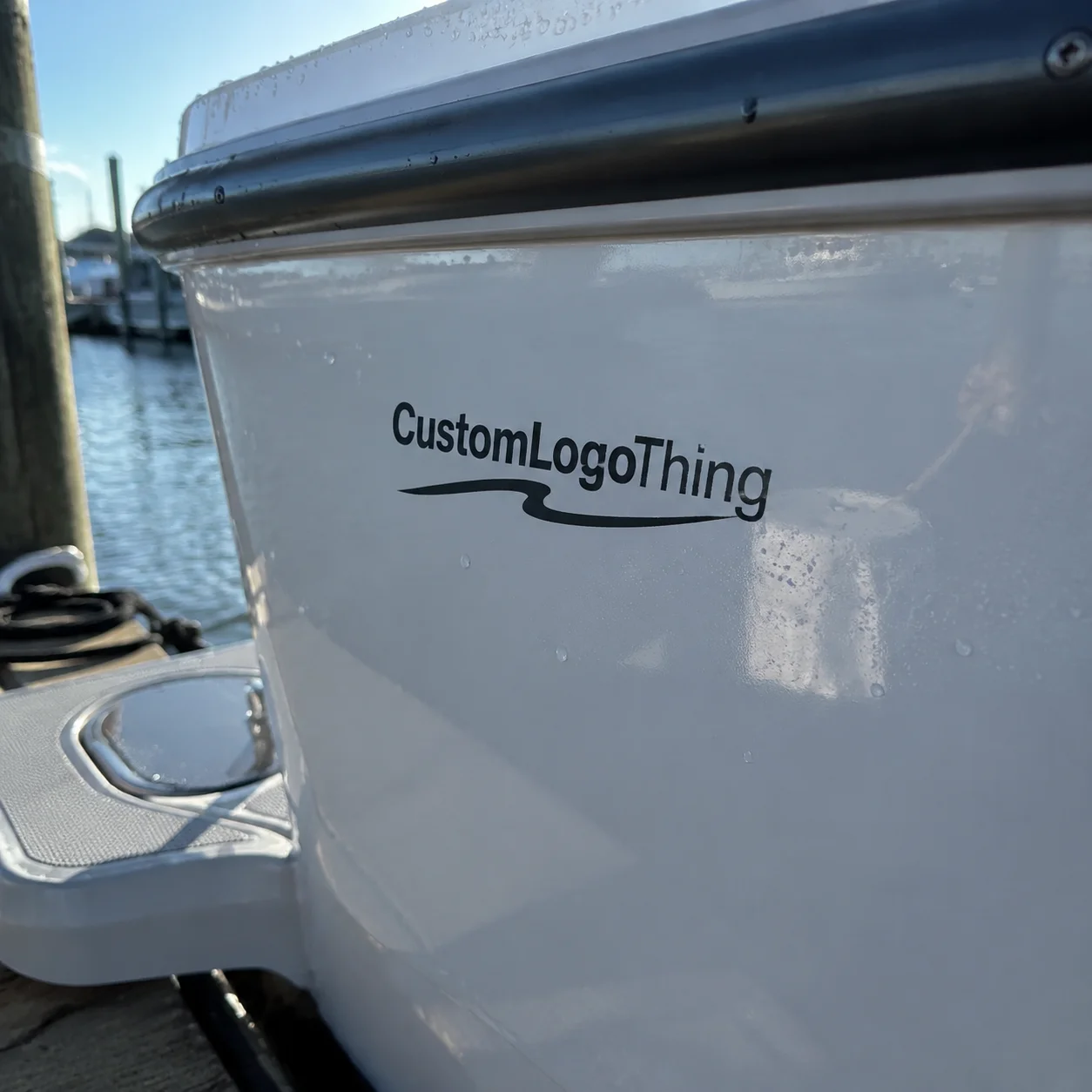
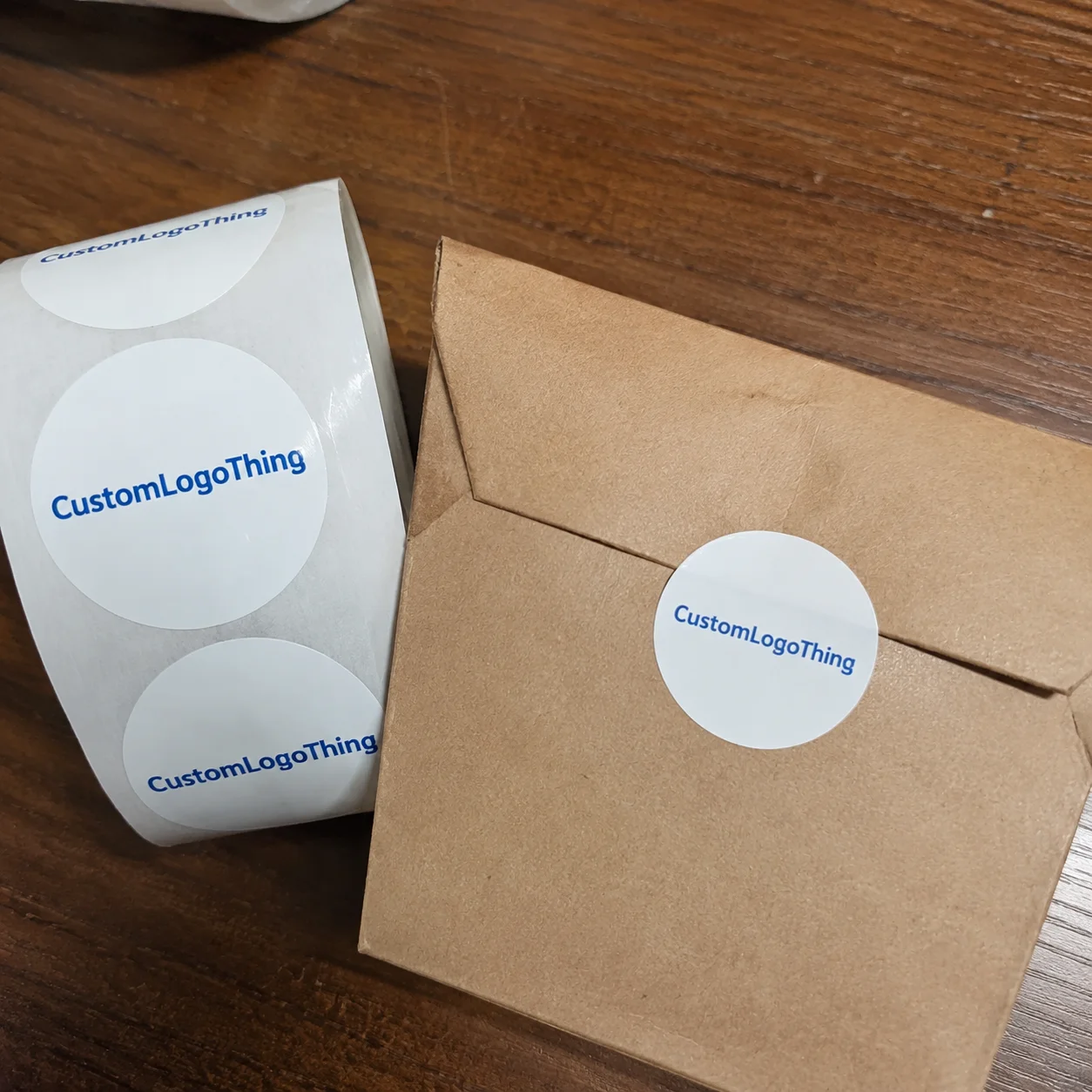
One oversized graphic can do the work of five taped-up signs, three temporary banners, and a sad stack of paper notices curling at the corners. Custom large vinyl stickers give you fast visual impact on glass, metal, walls, packaging equipment, retail displays, and event setups without making the space look like someone raided the office printer.
That does not make every big sticker a good one. Scale magnifies every decision. A fuzzy logo gets fuzzier. A weak adhesive fails faster. A glossy finish that looked sharp on a laptop can turn into a glare bomb under store lighting. Bigger is useful. Bigger is also less forgiving.
Custom Large Vinyl Stickers: What They Really Are
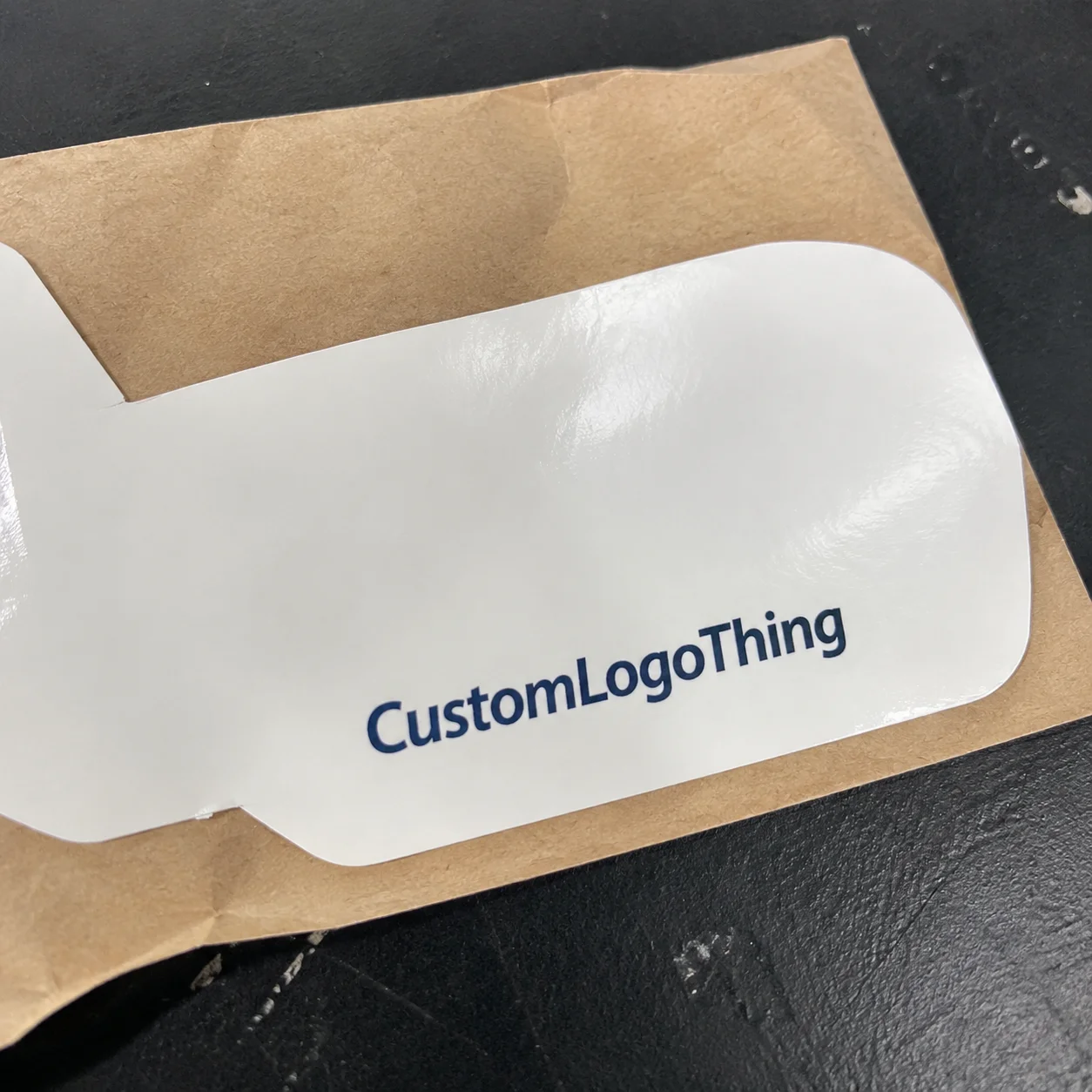
Large vinyl stickers are printed adhesive graphics made from vinyl face stock, printed with artwork, then cut to a finished size or shape. They are used on windows, walls, floors, equipment panels, product displays, trade show booths, vehicle panels, and temporary retail signage. In packaging environments, they can label storage zones, brand production equipment, mark display areas, or support short-run retail promotions without committing to permanent fixtures.
The “large” part is not a fixed industry size. A 12-by-18-inch decal may feel large on a countertop display, while a 36-by-72-inch window graphic is normal for a storefront. Once the finished piece passes roughly 18 inches on one side, buyers need to think about installation, panel splits, surface prep, and viewing distance. Tiny sticker rules stop applying. Physics did not ask for your brand guidelines.
Decorative vinyl is usually chosen for visual atmosphere: wall graphics, seasonal art, branded interiors, or showroom backdrops. Promotional decals are built around campaigns, sale messages, QR codes, product launches, or event traffic. Functional stickers do a job: safety labeling, equipment identification, wayfinding, floor direction, or zone marking. The same vinyl family can serve all three, but the specs should change based on use.
Paper labels still make sense for many boxes, jars, mailers, and cartons. If the sticker is going onto corrugated packaging, a folding carton, or a short-life retail insert, paper or BOPP may be cheaper and easier. For broader Custom Labels & Tags, vinyl is not always the default winner. Use vinyl when you need durability, moisture resistance, outdoor capability, cleaner removal, or a larger graphic that stays flat and sharp.
The value is not only size. It is the combination of scale, color, adhesion, finish, and installation behavior. Done right, one piece can make branded packaging displays, equipment areas, or storefront glass look intentional instead of temporary.
How the Material, Print, and Adhesive Work
A standard vinyl sticker has four working parts: the vinyl face stock, pressure-sensitive adhesive, printed ink layer, and sometimes a laminate or protective coating. The release liner is the backing sheet peeled away during installation. That liner matters more on large pieces because it controls handling. A flimsy liner on a 48-inch graphic is a fun way to invent new swear words.
Most large vinyl graphics are digitally printed because digital production handles full-color artwork, gradients, photos, short runs, and variable sizes without expensive plates. For brand-critical work, color-managed digital printing or spot-color workflows may be used to keep reds, blues, and corporate colors closer from run to run. If the sticker needs to match Custom Printed Boxes, retail packaging, or other product packaging, ask for a printed proof or at least a color target. Screens lie. They lie confidently.
Adhesive is where many orders succeed or fail. Removable adhesive is useful for temporary campaigns, window promos, event signage, and rented spaces where residue is a problem. Permanent adhesive is better for long-term branding, equipment markings, and outdoor panels. High-tack adhesive is used for lower-energy plastics, lightly textured surfaces, powder-coated metal, or areas where standard adhesive may not wet out properly.
Surface type changes the answer. Flat glass is friendly. Sealed metal is usually predictable. Finished plastic depends on the plastic type and surface energy. Painted drywall can be fine if the paint is fully cured, smooth, and clean. Fresh paint should usually cure for at least 2 to 3 weeks before application, depending on paint type, humidity, room temperature, and ventilation. Dusty walls, rough brick, raw wood, and chalky paint need testing before anyone promises magic.
Finish choices are practical, not just aesthetic. Matte laminate cuts glare and works well in bright retail spaces, trade show lighting, and photography-heavy environments. Gloss laminate boosts color and looks clean on windows, product displays, and high-contrast packaging design. Clear laminate can add scuff resistance and moisture protection without changing the artwork too aggressively. For outdoor use, a UV-resistant laminate is often worth the added cost, especially on south-facing windows, fleet panels, or signs exposed to cleaning chemicals.
Vinyl type matters too. Calendared vinyl is common, cost-effective, and suitable for many flat indoor or short-to-medium outdoor applications. Cast vinyl costs more but conforms better, shrinks less, and performs better on curves, rivets, and demanding exterior surfaces. For a flat retail wall, cast film may be unnecessary. For a vehicle panel or long-term outdoor graphic, cheaper material can become expensive later.
For material safety, disposal, and broader environmental questions around printed materials, the EPA is a useful starting point. If the sticker project is tied to shipping displays or transit packaging, organizations such as ISTA help define testing practices for packaged products. Stickers are not boxes, but the principle holds: specify for the real environment, not the cleanest version of the sales pitch.
Key Factors That Change Performance
Size changes everything. A 10-inch sticker can often be applied by one person with a squeegee and patience. A 48-by-96-inch wall graphic may need two installers, hinge-taping, registration marks, and split panels. If the graphic crosses seams, doors, windows, or curved surfaces, plan for trimming and alignment tolerance. A 1/8-inch shift is invisible on a small label and annoying on a six-foot logo.
Shape also matters. Simple rectangles are cheaper to cut and easier to install. Rounded corners reduce edge lifting and work well for equipment labels, floor graphics, and frequently handled surfaces. Detailed die cuts look sharp, but tight interior corners can lift, trap dirt, or tear during application. For big graphics, bold shapes usually beat delicate outlines.
Indoor and outdoor use need different specs. Indoor promotional vinyl may be fine with standard calendared vinyl, removable adhesive, and no laminate for campaigns lasting 30 to 90 days. Outdoor graphics need stronger ink durability, UV resistance, moisture resistance, and usually laminate. For longer exposure, cast vinyl may outperform calendared vinyl because it conforms better and shrinks less, though it costs more.
Surface texture is a bigger deal than most buyers think. Smooth glass is easy. Light orange-peel wall texture is manageable with the right adhesive and pressure. Powder-coated metal can be tricky because some coatings resist adhesion. Rough brick, concrete block, and unfinished wood are not normal sticker surfaces; they need specialty films, heat-assisted installation, mechanical signage, or a different format entirely.
Lifespan is a range, not a promise carved into stone. Short-term indoor promotional pieces may last a few months. Indoor wall or equipment branding can last 1 to 3 years if installed on a clean surface and not scraped daily. Outdoor laminated vinyl might last 2 to 5 years depending on sun exposure, abrasion, cleaning chemicals, and climate. Strong sun, salt air, pressure washing, and constant handling shorten life. Shocking, I know: abuse affects durability.
Design choices affect performance too. Use bold contrast, heavier line weights, and generous safe zones. Keep small text limited. For viewing distances around 6 to 10 feet, body copy below 0.5 inch tall can become weak fast. For window graphics viewed from across a parking lot, treat the design more like signage than a brochure: one headline, one strong visual, one action. Not a novel.
Practical spec rule: if the sticker is large, public-facing, outdoors, or hard to reinstall, pay for the proof, the right adhesive, and laminate. Saving $30 on a high-visibility failure is not strategy. It is just expensive optimism.
Cost and Pricing: What Actually Drives the Quote
Pricing for custom large vinyl stickers is driven by size, quantity, material grade, adhesive type, print coverage, laminate, cut complexity, proofing, and packing requirements. A simple 12-by-18-inch indoor rectangle is not in the same pricing universe as a 48-by-72-inch outdoor-rated die-cut graphic with high-tack adhesive and UV laminate.
Unit cost drops as quantity rises because setup, proofing, file checks, material handling, and cutting time spread across more pieces. Small runs can feel expensive because the job still needs artwork review, print setup, finishing, inspection, and packing. A single giant decal may cost more than expected because waste, handling, and install risk are higher. Vinyl rolls are not priced by vibes.
For rough planning, small indoor large-format decals may land around $6 to $18 each in short runs, depending on size and finish. Mid-size promotional vinyl, roughly 18 by 24 inches, might run $12 to $35 each at low quantities and less at higher volume. Oversized outdoor graphics with laminate can range from $45 to $150+ per piece, especially above 36 inches on one side or with custom contour cutting. Freight can add real cost because large pieces may ship flat, rolled, or in protective tubes.
| Option | Typical Use | Common Specs | Rough Cost Range | Tradeoff |
|---|---|---|---|---|
| Indoor promotional vinyl | Retail sale signs, temporary wall graphics, event displays | Calendared vinyl, removable adhesive, matte or gloss finish | $6-$35 each for common mid-size runs | Lower cost, shorter lifespan |
| Outdoor laminated vinyl | Windows, exterior signs, equipment branding | UV-resistant ink, permanent adhesive, clear laminate | $35-$150+ each for oversized pieces | Better durability, higher material and finishing cost |
| High-tack specialty vinyl | Powder-coated metal, select plastics, lightly textured walls | High-tack adhesive, test patch recommended, optional laminate | Often 15%-40% above standard vinyl | Improved grip, tougher removal |
| Contour-cut display graphics | Product launches, branded packaging displays, showroom graphics | Custom cutline, full-color print, laminate optional | Varies widely by shape and quantity | High visual impact, slower finishing |
Minimum order quantities vary by production method. Digital printing can support samples, pilots, and short runs better than screen or specialty processes, but some suppliers still set minimums for material efficiency. If you need one prototype, say that early. If you need 500 pieces across 12 sizes, say that too. Those are different production problems.
For accurate pricing, send exact dimensions, target quantity, surface type, indoor or outdoor use, finish preference, installation date, and shipping destination. If the project supports package branding, retail packaging, or a coordinated launch with Custom Packaging Products, mention that upfront so color and timing can be planned together.
Production Steps and Turnaround: From File to Ship Date
The production path is straightforward, but every step has a place where buyers can slow it down. First, Request a Quote with dimensions, quantity, use case, surface, and deadline. Next, confirm specs: vinyl type, adhesive, finish, laminate, cut style, and packing method. Then comes the proof. Approve that carefully. After approval, the job moves to print, laminate if needed, cut, inspect, pack, and ship.
Standard turnaround for large vinyl stickers often runs 5 to 10 business days after proof approval for simple jobs. More complex work can run 10 to 15 business days, especially if specialty material, laminate, contour cutting, or large quantities are involved. Rush production may be possible, but it usually costs more and leaves less room for changes. Rush plus vague specs is how people create chaos with a tracking number.
Timeline questions should include the installation date, not just the ship date. If your event opens on a Monday, a Friday delivery may not be enough. You still need receiving time, unpacking, surface prep, installer availability, and a backup plan if freight is late. Rolled graphics may also need time to relax before application, depending on size and material.
Most delays are boring and preventable: missing bleed, low-resolution artwork, no cutline, unclear finished size, brand colors supplied as screenshots, or five people trying to approve one proof. Large print files should usually be vector where possible. Raster files should be high resolution at final size, often 150 to 300 dpi depending on viewing distance. A billboard-style graphic viewed from 20 feet does not need the same pixel density as a close-up product label, but fuzzy source art still prints fuzzy.
Quality control should cover more than “does it look nice?” Check dimensions, spelling, color targets, cutline accuracy, laminate coverage, edge quality, and whether the adhesive matches the order. For multi-panel graphics, confirm panel order and overlap notes. For store kits or event packs, verify counts before shipping. A beautiful print in the wrong size is still wrong.
Use one decision-maker for approvals. Not a committee. Not the entire sales team. One person who can confirm dimensions, spelling, colors, and placement. If the proof is approved and then someone changes the headline, that is a new step, not a tiny favor the production schedule magically absorbs.
- Final dimensions: width, height, and whether the size is exact or approximate.
- Target quantity: include extras for install damage or future replacements.
- Surface type: glass, painted wall, metal, plastic, floor, or something stranger.
- Finish choice: matte, gloss, clear laminate, or specialty protection.
- Shipping destination: residential, commercial dock, event venue, or installer address.
- Approval owner: one person who can approve the proof without a group therapy session.
Common Mistakes Buyers Make
The first mistake is choosing the wrong adhesive and then acting shocked when the sticker peels, bubbles, or leaves residue. Removable adhesive is not weak by default, but it is not meant to behave like permanent adhesive on every surface. Permanent adhesive holds better but can damage paint or leave residue during removal. High-tack adhesive may solve grip problems and create removal problems. Pick your tradeoff before the vinyl hits the wall.
The second mistake is sending screenshot-quality artwork. A logo copied from a website may look fine at 2 inches wide. Blow it up to 36 inches and the jagged edges throw a parade. Send AI, EPS, or PDF files for logos and vector shapes. For photographic art, send high-resolution PNG, TIFF, or flattened PDF files at the correct scale. If the file is under 1 MB and meant to cover a storefront window, be suspicious.
Lighting gets ignored constantly. Gloss looks great under soft light and miserable under harsh glare. Dark colors can disappear on tinted glass. Low-contrast text may look elegant on a monitor and useless from across a room. Ask where the graphic will be viewed from: 3 feet, 10 feet, or 50 feet. Then design for that distance.
Another common mistake is assuming all vinyl is waterproof or outdoor-safe. Some vinyl stickers tolerate moisture but are not built for long UV exposure, frequent cleaning, or temperature swings. Outdoor performance depends on the vinyl, ink, adhesive, laminate, edge exposure, and installation quality. If a supplier cannot tell you whether a material is meant for outdoor use, keep asking. Or keep shopping.
Buyers also underestimate packaging and handling. A large decal shoved into the wrong tube can arrive with edge damage, tunneling, or curl that makes installation harder. Flat packing protects certain sizes better, but it costs more and takes more space. Rolled packing is common, but the roll diameter matters. Too tight, and the installer starts the day annoyed.
Skipping a sample or test patch is the fastest way to turn a tricky surface into a reprint. Painted walls, textured surfaces, powder-coated metal, and low-energy plastics deserve testing. A small patch applied for 24 to 72 hours can reveal lifting, bubbling, paint damage, or adhesion issues. Yes, it takes time. So does redoing the entire job.
Expert Tips Before You Order
Start with the use case, not the artwork. A window promotion, wall logo, equipment sticker, floor directional marker, and temporary event graphic need different materials. The artwork can adapt. The wrong substrate cannot. If a large sticker will be touched daily, cleaned weekly, or placed outdoors, treat it as a durability project, not just a print job.
Ask for a material recommendation. Give the supplier surface photos, measurements, and the expected lifespan. For high-visibility work, request a proof and a sample. A digital proof checks layout, spelling, size, cutline, and basic color expectations. A physical sample checks material feel, finish, opacity, and adhesion. Both are useful, but they answer different questions.
Match finish to environment. Matte is better for glare control, photography, and bright interiors. Gloss gives punchy color and works well on glass, polished retail displays, and high-energy promo graphics. Laminate adds abrasion resistance, moisture protection, and outdoor staying power. For floor graphics, ask specifically about slip resistance and wear rating; a normal wall vinyl on a floor is not a plan.
Measure the actual install area. Not the brochure dimension. Not the landlord’s guess. Measure width, height, nearby trim, door frames, handles, seams, outlets, and curves. Build in safe margins, usually at least 0.25 inch for small-to-mid pieces and more for large wall or window applications. For split panels, ask about overlap or butt seams. Installers have preferences, and ignoring them is a great way to make a clean graphic look slightly haunted.
If the sticker supports a bigger branded packaging campaign, coordinate it with cartons, inserts, displays, and labels early. The same red can shift across vinyl, paperboard, corrugated, and coated label stock. That does not mean color matching is hopeless. It means you need realistic tolerances, proofing, and production notes. Packaging design is full of tiny material differences pretending to be simple.
For buyers managing retail packaging or launch kits, think about packing too. Large vinyl can ship rolled in tubes, flat in mailers, or grouped by store, installer, or event location. Store-by-store kitting may add cost, but it can save hours in the field. If 50 locations each need three graphics and one placement sheet, label the packs clearly. Field teams appreciate not solving puzzles on ladders.
Before requesting a quote for custom large vinyl stickers, gather final dimensions, quantity, surface photos, indoor or outdoor use, finish preference, artwork files, shipping address, and deadline. That is the difference between a useful quote and a vague number that changes later. Give clean inputs, get cleaner production. Funny how that works.
FAQ
What surfaces work best for custom large vinyl stickers?
Smooth, clean surfaces like glass, sealed metal, finished plastic, and properly cured painted walls usually give the most reliable adhesion. Light texture can work with the right adhesive and firm installation pressure, but rough brick, dusty paint, chalky surfaces, and raw wood need testing first.
Are custom large vinyl stickers waterproof and outdoor-safe?
They can be, but only if the vinyl, ink, adhesive, and laminate are selected for outdoor exposure. For wet, sunny, or frequently cleaned environments, ask for UV resistance, moisture-resistant finishing, and a laminate suited to the expected wear instead of assuming standard sticker stock is enough.
How do large vinyl stickers differ from decals?
In practice, people often use the terms interchangeably. “Decal” may imply a transfer-style graphic, lettering, or specialty application method, while large vinyl stickers usually refer to printed adhesive graphics cut to shape and applied directly to a surface.
What file should I send for custom large vinyl stickers?
Vector files such as AI, EPS, or PDF are best for clean logos, sharp edges, and scalable text. High-resolution PNG or TIFF files can work for raster artwork. Include exact dimensions, bleed if required, cutline notes, color references, and placement instructions so production does not have to guess.
How long do custom large vinyl stickers last?
Lifespan depends on indoor or outdoor use, sunlight, abrasion, cleaning habits, surface prep, installation quality, and whether laminate is added. Short-term promo pieces may last a few months, while higher-grade outdoor vinyl with laminate can last several years under reasonable conditions.