Buyer Fit Snapshot
| Best fit | Custom Logo Bag Inserts projects where brand print, material claims, artwork control, MOQ, and repeat-order consistency need to be specified before quoting. |
|---|---|
| Quote inputs | Share finished size, material target, print colors, finish, packing count, annual reorder estimate, ship-to region, and any compliance wording. |
| Proofing check | Approve dieline scale, logo placement, barcode or warning zones, color tolerance, closure strength, and carton packing before bulk production. |
| Main risk | Vague material claims, crowded artwork, missing packing details, or unclear freight terms can make a low unit price expensive after revisions. |
Fast answer: Custom Logo Bag Inserts: Branding That Packs a Punch should be specified like a repeatable production item. The safest quote records material, print method, finish, artwork proof, packing count, and reorder notes in one written spec.
Production checks before approval
Compare the actual filled-product size with the drawing, then confirm tolerance on folds, seals, hang holes, label areas, and retail display edges. Reserve space for logos, QR codes, warning copy, and material claims before decorative graphics fill the panel.
Quote comparison points
Review material grade, print process, finish, sampling route, tooling charges, carton quantity, and freight assumptions side by side. A quote is only useful when the supplier can repeat the same color, closure quality, and packing count on the next order.
Custom Logo Bag Inserts: Branding That Packs a Punch
custom logo bag inserts do more than sit inside a package. They change how a purchase feels the second someone opens the bag. A plain carrier can look unfinished. A well-made insert makes the same product feel intentional, organized, and ready for retail. From a packaging buyer’s point of view, that gap matters. It affects perceived value, pack-out speed, damage rates, and whether the brand story feels planned or thrown together at the last minute.
The best inserts are not decoration for decoration’s sake. They organize product packaging, protect contents, explain care or usage, and create a cleaner handoff between the brand and the buyer. That is why they show up in apparel, cosmetics, gifts, events, and e-commerce. The right version supports branded packaging without adding waste, and it makes retail packaging feel more polished even when the bag itself is simple. In practice, the smartest insert is the one that has a job and does not pretend to be a full packaging system.
If you are comparing formats, materials, and production timelines, think of inserts as a small piece of package branding with outsized influence. They sit right between packaging design and logistics. That is where sourcing gets interesting. The spec, print method, fit, and quantity affect cost far more than the logo alone.
A good insert should earn its place by informing, protecting, or organizing. If it does none of that, it is just extra paper.
What Are Custom Logo Bag Inserts and Why Do They Matter?
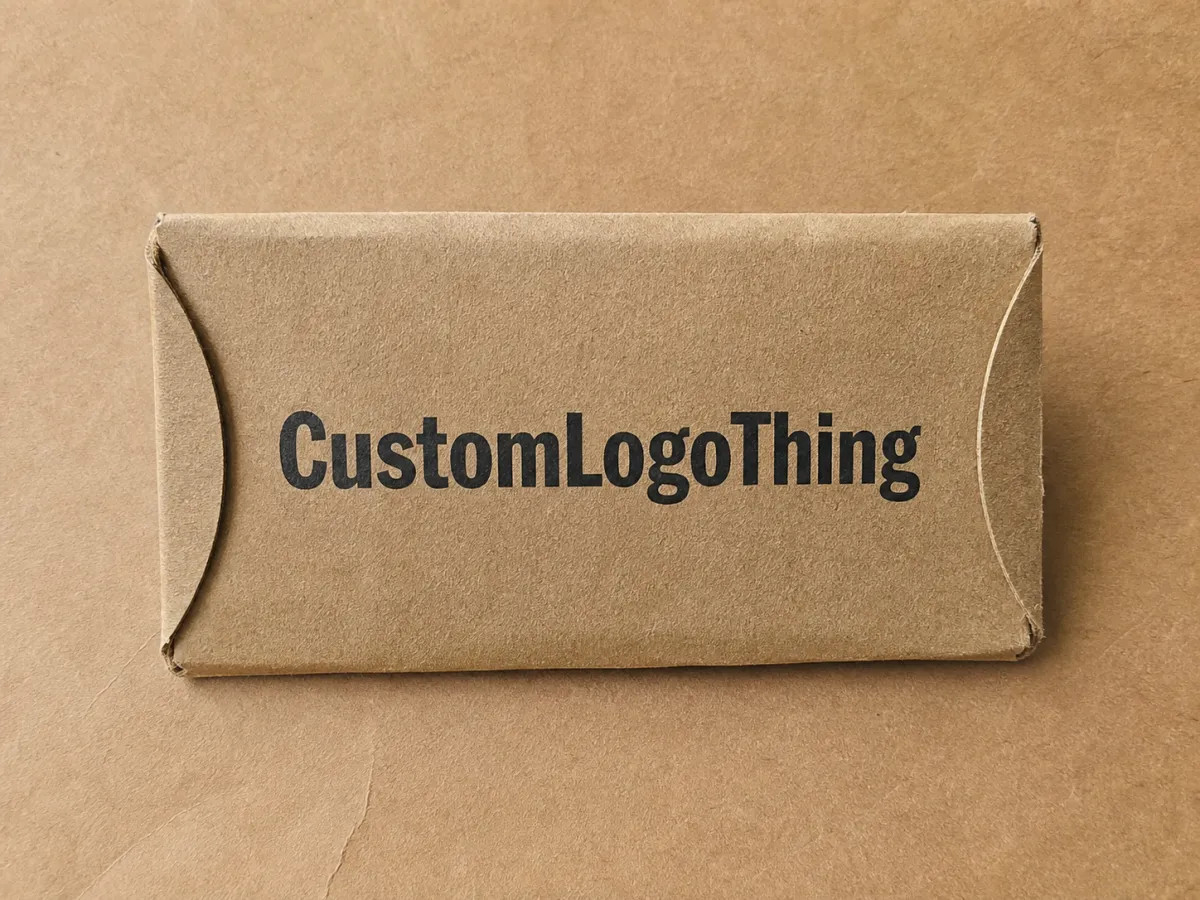
At the simplest level, an insert is a branded piece that sits inside or with a bag to support the product inside it. That might be a flat card, a folded sheet, a divider, a tissue wrap, a product sleeve, or a shaped carrier. The format changes, but the logic stays the same: the insert makes the bag work harder for the brand.
That is why custom logo bag inserts are not a visual add-on. They solve a presentation problem. A premium item in a bare bag can feel oddly temporary, as if the purchase is still waiting for the final step. The insert closes that gap. It tells the customer, “This was packed for you on purpose.” For a fashion label, that might mean a size card and branded tissue. For a cosmetics brand, it might mean a product guide and a QR code. For an event or gift program, it might be a message card that turns a handoff into a branded moment.
The hidden value is subtle but measurable. Inserts reduce perceived randomness. They make the package feel more controlled, which usually lifts first impressions even when the materials are modest. A kraft bag with a well-printed board insert often looks more considered than a flashy bag with no internal structure. That is a useful lesson in packaging design: the sequence matters. What the customer sees first, then second, then after that changes the emotional reading of the whole package.
Different sectors use inserts differently, and that variation is where smart sourcing starts. Apparel brands often want folds, tissue, and product cards that keep garments crisp. Beauty brands may need a compact insert that holds jars, tubes, or samples in place. Gift and promotional programs often need message-led inserts that do not slow packing. E-commerce sellers may care most about item protection and fast fulfillment. The question is rarely “Should we use inserts?” The better question is, “What job should this insert do, and how much space can it safely occupy?”
That framing helps avoid overspending. It also keeps package branding honest. If the insert is only there to show a logo, a simpler spec may be enough. If it needs to educate, protect, and elevate the product at once, the build should reflect that reality. Function first. Style second. Anything else gets expensive fast.
How Custom Logo Bag Inserts Work Inside the Bag
The mechanics are straightforward, but the customer experience is not. An insert can be tucked on top of the item, placed underneath it, folded around the product, or built as a separate carrier. Each placement changes how the bag opens and how the eye moves through the package. Good inserts control pacing. They slow the reveal just enough to make the product feel intentional without turning unboxing into theater.
Common insert formats
Flat cards are common because they are simple, light, and easy to print. Folded boards can create a pocket for a card or product sample. Tissue wraps soften the reveal and add visual texture. Dividers help separate multiple items so they do not scuff or tangle. Shaped carriers can hold a product in place and reduce movement during transit. Each format creates a different mix of presentation and protection.
For example, a flat insert printed on 14pt stock might be enough for a thank-you note, a care guide, or a QR code that links to setup instructions. A 24pt board insert may be a better choice if the item needs more rigidity, especially in heavier retail packaging sets. If the insert is doing structural work, paper weight matters as much as print quality. A beautiful layout on paper that bends in transit is still a failure.
How the customer sees it
There is a sequence to opening a bag. The bag appears first. Then the insert. Then the product. That order is useful because it lets the brand set expectations in stages. A well-designed insert can turn a quick grab into a short story. It can say who the product is for, how to use it, and where to go next without forcing the customer to hunt for the answer.
This matters in e-commerce and boutique retail, where the package may be the only physical touchpoint the buyer gets before deciding whether the brand feels worth returning to. If the internal presentation is polished, the customer often attributes that quality to the product itself. That is a quiet but real advantage of Custom Printed Boxes, branded bags, and inserts working together instead of acting like separate ideas. The customer does not separate the components. They read the whole thing as one experience.
What the insert communicates
The brand message can be functional or emotional. Some inserts carry care instructions, assembly steps, or safety notes. Others include a thank-you message, a loyalty prompt, a social handle, or a cross-sell offer. QR codes show up often because they reduce copy length while still directing customers to product pages, usage videos, or registration forms. The best part is that all of this can happen without crowding the outer bag.
From an operations standpoint, inserts also help consistency. When pack-out teams have a defined insert size and placement, the process becomes easier to repeat. That matters for fulfillment partners and seasonal labor, where variation in packing quality can become expensive fast. A stable insert spec supports stable output.
If the pack-out team uses Custom Packaging Products across multiple SKUs, a standardized insert format can also reduce training time. Fewer exceptions usually means fewer errors, and fewer errors usually means fewer remakes, returns, and awkward calls from customer service.
Custom Logo Bag Inserts Cost, Pricing, MOQ, and Quote Drivers
Cost is where many projects get misread. Buyers often assume the logo is the main price driver, but it is usually the least important one. Material, size, print coverage, finishing, folding, die cutting, and quantity have a much larger impact. A one-color insert on stock board can be surprisingly economical. A laminated, foil-stamped, custom-shaped insert with multiple panels can climb fast, even if the logo never changes.
For small to mid-size runs, simple inserts may land around $0.08-$0.25 per unit at 5,000 pieces, depending on size and print method. More premium builds often move into the $0.30-$0.90 range, especially when die cuts, specialty finishes, or heavier board are involved. Those numbers are directional, not universal. A clean quote always depends on the actual spec, and the same artwork can land very differently on kraft stock versus coated artboard. A supplier who gives you a fixed number without asking for dimensions or finish details is guessing, not quoting.
| Insert Type | Typical Use | Common MOQ Behavior | Indicative Unit Cost | Typical Lead Time |
|---|---|---|---|---|
| Flat printed card | Thank-you notes, product info, QR codes | Often the easiest to run in medium quantities | $0.08-$0.20 | 7-12 business days after proof approval |
| Folded board insert | Care instructions, multi-panel messaging | Moderate MOQ due to setup and finishing | $0.15-$0.35 | 10-15 business days |
| Die-cut shaped insert | Product holding, premium retail packaging | Higher MOQ to offset tooling | $0.30-$0.75 | 12-20 business days |
| Laminated or foil-finished insert | Luxury presentation, high-impact package branding | Usually needs stronger volume to make sense | $0.40-$0.90+ | 15-25 business days |
MOQ is another place where expectations can drift. Small runs are possible, but they may not be efficient if the project uses custom sizes or specialty finishes. The setup cost does not disappear just because the logo is small. For buyers with limited volume, it can be smarter to simplify the format, use stock materials, or reduce color count so the project stays within budget.
A good quote should include dimensions, quantity tiers, material type, print method, finish, packaging format, and delivery location. If those details are missing, the estimate will be shaky. If a supplier gives a narrow quote from a vague brief, that is a red flag. Pricing should also reflect handling realities. An insert that saves 30 seconds per package can matter more than a cheaper version that slows the line and adds labor.
That is why the cheapest option is not always the best value. If the insert wrinkles, bends, or creates extra touch points during packing, the savings can disappear in labor, rejects, and reprints. In product packaging, a low unit price only matters if the item actually supports the operation. A purchase that looks efficient on paper can become expensive on the floor.
Custom Logo Bag Inserts Process and Timeline From Brief to Delivery
The process usually starts with a simple brief and ends with a physical product that has to fit, print cleanly, and arrive on time. The fastest projects are the ones where the bag size, insert dimensions, artwork, and packing method are all defined early. The slow projects are usually slowed by gaps in the brief rather than by the production itself.
Typical workflow
- Define the insert’s job: inform, protect, organize, upsell, or elevate presentation.
- Measure the bag opening and the product dimensions.
- Select material, print coverage, and finish.
- Prepare artwork and place the logo in the final layout.
- Review the proof and confirm all copy, colors, and folds.
- Approve production and schedule delivery.
- Test a sample in the actual bag before full rollout.
That may sound basic, but it is where many delays start and end. Missing measurements cause fit issues. Blurry artwork slows proofing. Incorrect bag dimensions send the layout back to the beginning. Late approvals are another common bottleneck, especially when more than one person has to sign off on brand color, copy, and pricing.
What affects lead time
Stock paper and straightforward printing move faster than custom substrates or special finishes. A simple flat card may be ready sooner than a shaped insert with a custom die line. Foil, embossing, spot UV, and lamination can all extend the schedule. So can color matching if the brand needs a very specific tone across the bag, the insert, and any related Custom Packaging Products.
For planning purposes, many buyers should assume roughly 7-15 business days after proof approval for standard work, with custom builds taking longer. That does not include revision time. Revision time is often the hidden variable. If the design is not clear, the proofing phase can drag more than the press run itself.
Buffer time matters more than people want to admit. Seasonal launches, trade shows, product drops, and event kits should all have an extra margin built in so the team can test fit and packing flow before the final delivery date. A sample that arrives three days early is useful. A sample that arrives three days late is a problem wearing a nice hat.
Suppliers that publish tighter proofing windows often help reduce stress, but the buyer still has to supply clean input. A complete brief does not just speed production. It improves the odds that the first physical sample is usable.
Key Factors That Shape Fit, Material, and Brand Impact
Fit is the first thing to get right, because an insert that does not sit properly inside the bag will work against the experience. If it is too small, it slides. Too large, and it bends or wrinkles. If it crowds the product, packing becomes awkward. The best-spec’d insert is one that disappears into the process and shows up only as a better customer experience.
Material choice is equally important. Paperboard, kraft, coated stock, recycled content, and specialty sheets each send a different signal. Kraft usually reads more natural and restrained. Coated stock can sharpen color and photography. Recycled content may support sustainability claims, but only if it fits the visual identity. Heavier board can feel more premium, though it also costs more and adds shipping weight. There is no universal winner. The right choice depends on the product, the buyer, and the channel.
Brand hierarchy should stay disciplined. Logo size matters, but so do contrast, whitespace, and the order of information. Many inserts fail because they cram in too much: logo, slogan, social handle, care instructions, discount code, product story, three icons, and a QR code all at once. The result is noise. Strong packaging design usually leaves more breathing room than a first draft would suggest.
This is where market segment makes a difference. A luxury buyer may want quiet, restrained messaging and premium paper texture. A trade-show visitor may respond better to bold instructions, easy contact details, and a clear call to action. A subscription customer may value organizing inserts that explain what is inside the box and how to store it. Same insert category, different use case. That is why package branding works best when it follows the actual customer journey rather than a generic template.
Sustainability and compliance also play a role. If your insert is meant to be recyclable, the finish and ink coverage should support that claim instead of making it harder to sort. FSC-certified paper is one route if the sourcing story matters. You can verify paper standards and certification details through FSC, while broader packaging education and best practices are covered by organizations such as The Institute of Packaging Professionals. For transit testing, many teams also reference ISTA methods when inserts are part of a shipping packout. If the product needs distribution testing, ISTA is the relevant authority.
That last point matters more than it sounds. A beautiful insert that fails in transit is not good packaging. A recyclable insert that cannot survive the packing line is not good procurement. The spec has to hold up in both marketing and operations.
If your current set includes a bag, a card, and a secondary display piece, it may be worth reviewing whether the structure should be standardized across your Custom Packaging Products. Small simplifications often make the biggest difference in consistency.
Common Mistakes to Avoid With Bag Inserts
The most common mistake is overdesigning. Too many colors, too much copy, and too many finishes can make the insert feel busy instead of premium. Buyers sometimes assume that more decoration creates more value, but in many cases the opposite happens. The eye gets tired. The message gets weaker. The package loses restraint.
Measurement errors come next. Even a minor mismatch between the insert and the bag can cause bending, sliding, or creasing. A piece that looks fine on screen may fail the second it meets the actual product. This is why sample checks are worth the time. A physical mockup often catches problems that a PDF will never reveal.
Brand inconsistency is another fast way to undercut trust. If the insert color does not match the bag, the typeface feels off, or the messaging sounds like another brand entirely, the whole package starts to feel stitched together. Consistency matters because customers read packaging as a signal of operational care. If the outer bag and internal insert do not agree, the buyer may wonder what else was overlooked.
There are also production blind spots. Skipping paper thickness checks can lead to inserts that look good but fold badly. Approving art without checking fold lines can ruin the layout. Ignoring packing labor can turn a simple insert into a time sink. And buying too many units because the unit price looked attractive can trap cash in a spec that is no longer right six months later.
Here is the practical rule: if the insert creates friction, it is too complicated for the job. If it can be packed quickly, read clearly, and support the product without drawing attention to its own complexity, the design is probably on the right track.
Expert Tips and Next Steps for Ordering Custom Logo Bag Inserts
Start with one job, not five. Decide whether the insert is meant to inform, protect, organize, upsell, or elevate the presentation. Once that purpose is clear, the format usually becomes easier to choose. A brand that needs education may want a folded card. A brand that needs product security may want a shaped carrier. A brand that wants subtle premium cues may only need a strong material choice and restrained print.
Build a short but complete brief. Include bag dimensions, product dimensions, quantity, target cost, artwork files, finish preferences, and delivery date. Add any constraints, such as limited packing space or a need for recycled stock. The more precise the brief, the more reliable the quote. The more reliable the quote, the easier it is to compare suppliers honestly.
Ask for a physical sample or at least a proof that shows trim, folds, and final size. On a screen, everything looks tidy. In hand, you learn whether the insert slides into the bag cleanly, whether the logo lands where expected, and whether the paper weight feels appropriate. That check is especially useful if the insert is part of a launch or seasonal rollout.
Do not compare suppliers on price alone. Response speed, proof quality, material options, and production consistency all matter. If a supplier understands retail packaging and asks the right questions about your bag format, that usually saves time later. If they simply quote the lowest number and move on, that is not always the best sign.
For many buyers, the next step is simple: audit the current bag setup, identify the insert’s actual job, and request a few quotes that use the same dimensions and artwork. That gives you a real comparison rather than three different guesses. If the bag, the insert, and the product are all part of the same presentation, check whether the broader Custom Packaging Products lineup can be standardized too. Standardization usually makes branded packaging easier to control and easier to scale.
The practical takeaway is straightforward. Specify the job, measure the actual bag and product, request a sample, and test it in the real pack-out flow before you place volume orders. That sequence catches most of the expensive mistakes early. When custom logo bag inserts are built around the way the product is packed and received, they improve presentation, protect the contents, and make the whole brand feel more deliberate from the first touch to the final reveal.
FAQ
What are custom logo bag inserts used for?
They organize, protect, and brand the contents inside a bag. They can also carry care instructions, thank-you notes, QR codes, or promo details. The best use depends on whether the priority is presentation, education, or product security.
How much do custom logo bag inserts usually cost?
Cost depends on size, material, print coverage, finish, and quantity. Simple stock-style inserts cost less than custom-cut or premium-finish versions. The most accurate quote comes from sharing dimensions, artwork, and target order volume.
What is the typical MOQ for custom logo bag inserts?
MOQ varies by supplier and production method. Short runs may be available, but setup costs often make them less efficient. If you need a low quantity, ask for stock materials or simplified printing options.
How long does the custom logo bag inserts process take?
Timelines depend on artwork readiness, proof approvals, materials, and finishing choices. Straightforward jobs move faster than custom sizes or specialty finishes. Build extra time for revisions and sample checks before a launch or event.
How do I make sure my bag inserts fit correctly?
Measure the bag opening, interior space, and product dimensions before design starts. Request a dieline or sample proof to test real-world fit. Check the packing sequence so the insert is easy to place during fulfillment.
Are custom logo bag inserts worth it for small brands?
Yes, if they solve a real problem. A small brand may use them to make a modest bag feel more finished, reduce packing mistakes, or explain a product clearly without printing more on the outer bag. For many growing labels, custom logo bag inserts are one of the least expensive ways to improve package branding without rebuilding the whole packaging system.

