Custom Made Boxes for Shipping: What Buyers Need to Get Right
Shipping cartons do not fail because they look wrong. They fail because the load, the route, and the box spec do not match. That is why Custom Made Boxes for shipping matter: they are sized for the product, the carrier network, and the way the order is actually packed. A carton that fits on paper can still waste money if it crushes, swells, flexes, or forces a packer to fill empty space with half a roll of paper.
The best box is usually the least dramatic one. It keeps the product still, holds up under stacking and vibration, and does not add unnecessary freight cost. For buyers, that means looking past the print sample and into the mechanics: board grade, flute choice, closure style, insert design, and how the box behaves after repeated handling. Those details decide whether the packaging supports the business or quietly taxes it.
Why Standard Boxes Fail on Real Shipments
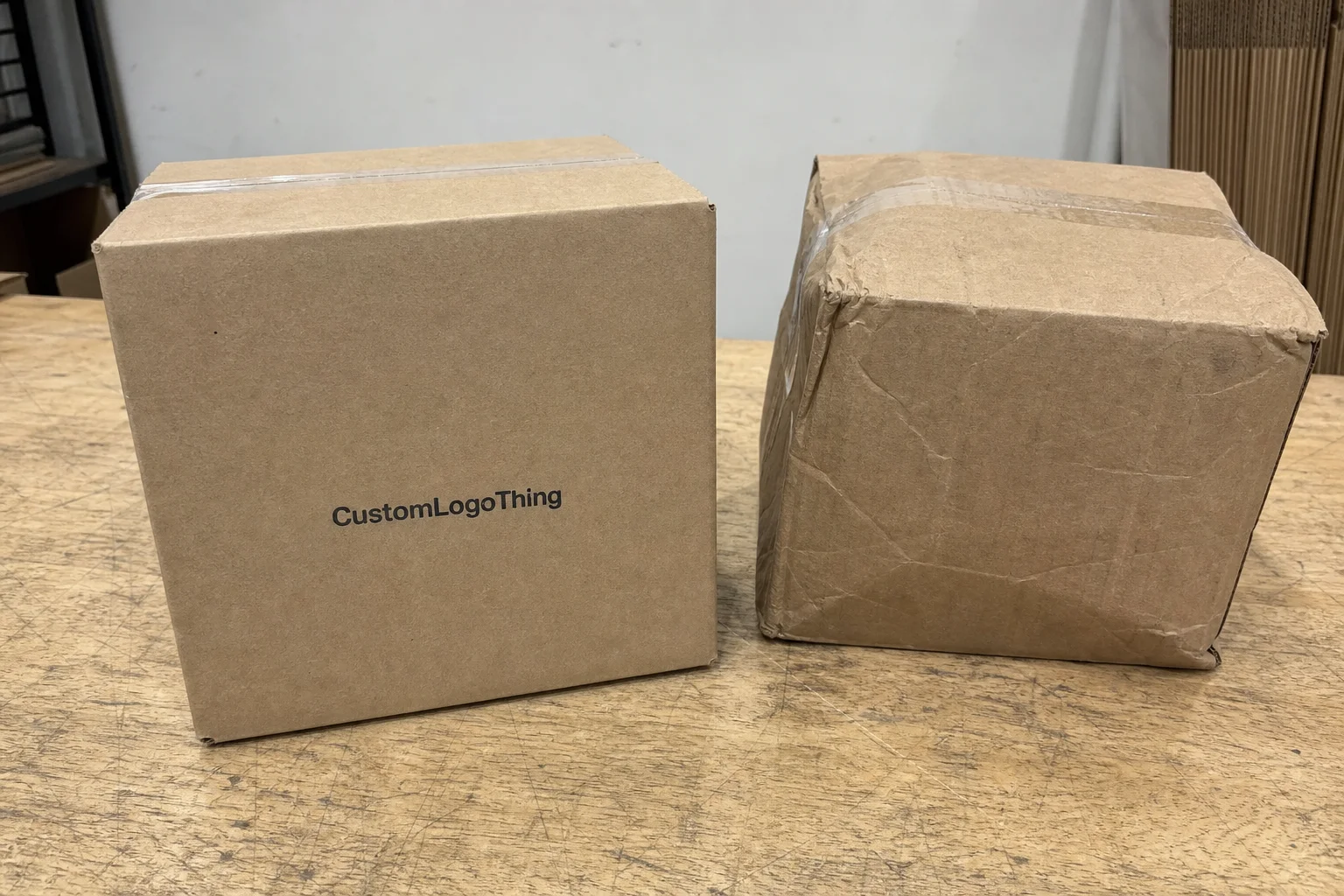
A box can look fine in a warehouse and still fail the moment it enters parcel transit. That is the practical argument for custom made Boxes for Shipping: carriers punish weak corners, excess void space, and any assumption that only works in a controlled packing area. Real shipments get dropped, stacked, pinched, vibrated, and left sitting under heavier freight. The carton has to survive all of that, not just the first impression.
Most package damage is not a single dramatic event. It is the accumulation of smaller forces. Compression from stacking, vibration from a delivery route, and shifting load inside the box all compound over time. A product may survive a drop test but still arrive damaged because the carton flexed, the insert loosened, or the item kept tapping the same internal edge for 300 miles. That is where the hidden cost lives: returns, replacements, labor, customer support, and the freight bill that got you there in the first place.
Oversized cartons make the problem worse. Many carriers price by dimensional weight, so a box that is a little too large can raise shipping cost immediately. It also slows packing. Staff have to add paper, air pillows, foam, or extra tape to keep the product from moving. That takes time, and time becomes a line item whether anyone tracks it or not.
Custom packaging makes sense quickly once you look at the actual failure mode. Fragile SKUs, heavy items, subscription kits, kits with multiple components, and awkward shapes are obvious candidates. So are products with sharp corners, coated surfaces, or accessories that can scratch the main item during transit. A cleanly sized shipper usually beats a generic box plus a stack of filler. Not elegant. Just cheaper and more reliable.
If the carton is too big, you pay for air. If it is too weak, you pay for damage. The expensive box is usually the one that seems cheap at purchase.
There is also a brand effect. For ecommerce, the shipping carton may be the first physical thing a buyer touches after checkout. That makes custom printed boxes more than decoration. A crushed, sloppy carton suggests the same carelessness may be inside. A cleanly formed box with consistent print, sharp folds, and a snug fit sends the opposite signal without adding much to the unboxing process.
The fastest way to judge whether you need a custom box is to review three numbers: current damage rate, average carton size versus product size, and the top reasons for returns or complaints. If the complaints cluster around cracked corners, dented lids, loose contents, or boxes arriving with visible crush, the shipping carton is part of the problem. If freight cost keeps rising while the product stays stable, the box size is probably part of the problem too.
How Custom Made Boxes for Shipping Are Built
Buyers often think of a shipping box as one item. It is really a stack of choices. The first is internal dimensions, because that determines whether the product fits tightly or rattles around. Then comes board grade, flute type, closure style, print method, and whether the design needs inserts, dividers, or an inner sleeve. Each choice changes protection, cost, and how the box performs on the line.
Corrugated construction is still the workhorse for parcel shipping. For lighter ecommerce shippers, 32 ECT single-wall board is a common baseline. For heavier or more abuse-prone products, a stronger board build, such as 44 ECT or double-wall construction, may be the better fit. The right spec depends on more than weight alone. Surface finish, product fragility, stack pressure, and whether the item has hard edges all matter. A lightweight cosmetic set and a dense metal component should not be packaged to the same standard.
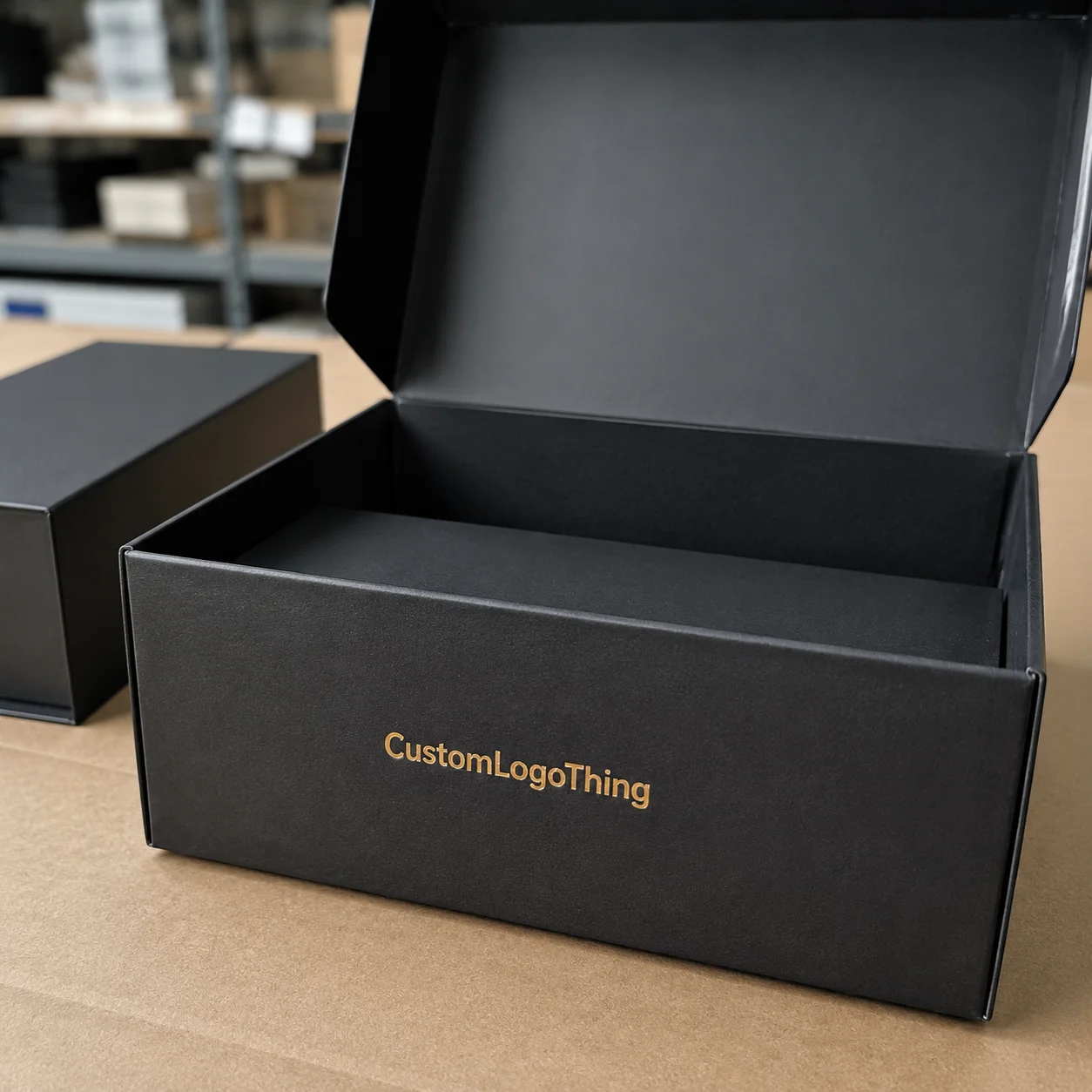
Style matters as well. Mailer boxes are popular for subscription kits and retail-style presentation. Folding cartons work for lighter products and shelf-facing packaging. Corrugated shippers are the safer choice for e-commerce shipping, especially when the carton has to survive a parcel network, warehouse stacking, or longer last-mile handling. If the wrong style is used, the signs are predictable: crushed corners, blown seams, or products that move after the carton is closed.
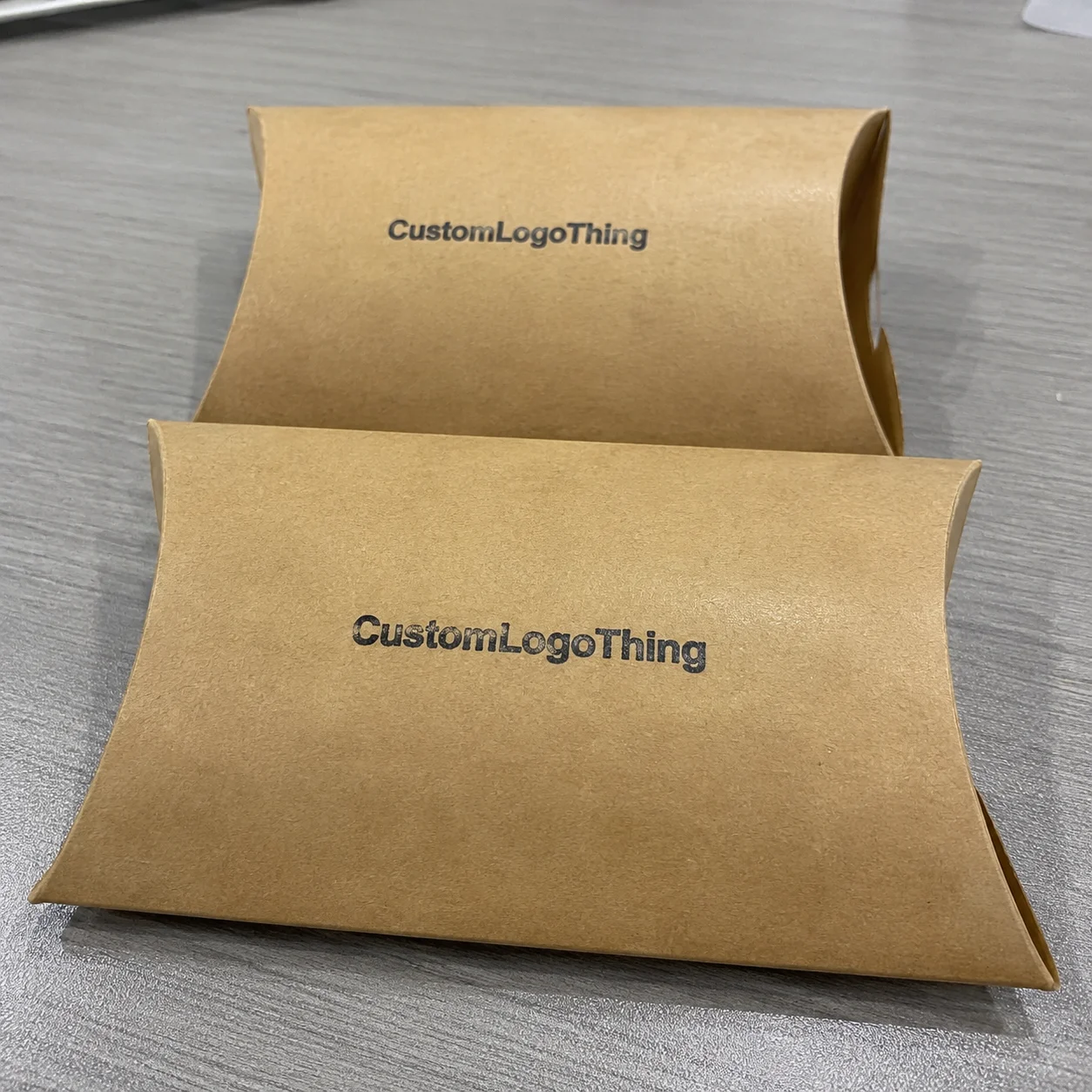
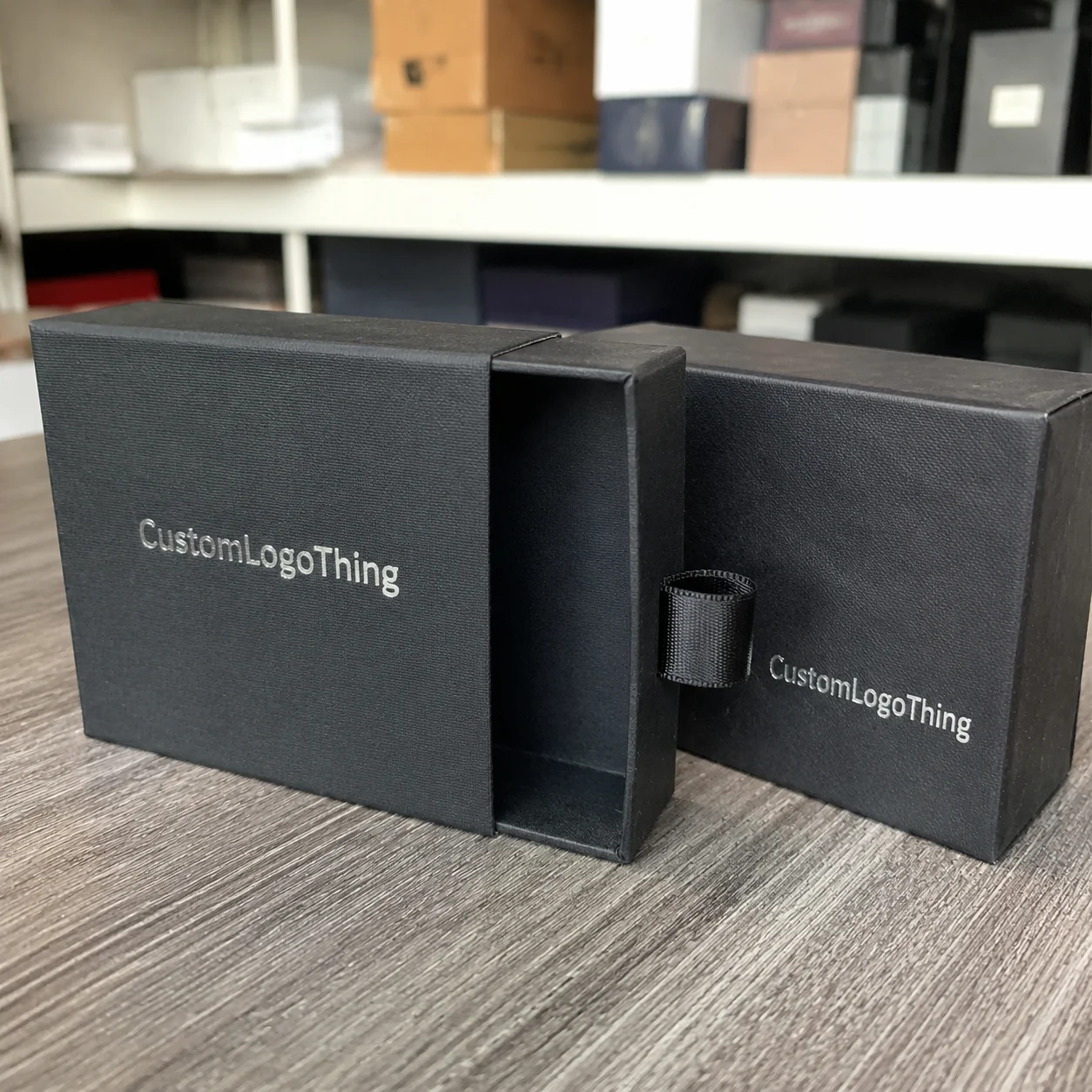
Printing and finishing can shift both lead time and cost. Plain kraft is fast and functional. Simple one-color printing is often enough for transit-focused packaging. Full-color exterior print, coating, lamination, or specialty finishes such as foil or embossing create a stronger brand impression, but they add setup and process steps. That may be worth it for retail or premium direct-to-consumer packaging. For plain shipper use, it often is not.
Accurate quoting starts with a real spec, not a vague request to “make it a box.” A supplier needs product dimensions, packed weight, ship method, quantity, print coverage, and any insert or divider requirements. A photo helps, but it does not replace measurements. If one side carries a handle, if the accessory pouch sits above the main item, or if the product cannot take pressure on one edge, say so up front. That is the difference between a useful quote and a guess.
For teams managing multiple packaging components, it helps to think in systems rather than one-off cartons. A Custom Packaging Products catalog may include inserts, labels, cartons, and sleeves that need to work together. If your pack-out uses more than one carton size, a consistent family of Custom Shipping Boxes can keep the structure and pack flow stable across SKUs.
Responsible suppliers often reference ISTA methods or similar transit-testing standards. That does not guarantee success, but it does force the box to prove itself against vibration, compression, and drop conditions that resemble actual shipping. For sustainability requirements, many buyers also ask for FSC-certified board or recycled content. That is useful for procurement and reporting, though it never replaces the need for a structurally sound design.
Pricing, MOQ, and Unit Cost Drivers
Box pricing is mostly a math problem with a few variables that are easy to underestimate. Size, board grade, print coverage, inserts, and quantity do most of the work. Bigger cartons use more board. Stronger board costs more. More print coverage means more press time. Inserts add tooling and extra production steps. Quantity matters because setup cost gets spread over more units, which is why unit price usually falls as volume rises.
That decline is not neat or linear. A 1,000-piece run and a 5,000-piece run do not scale in clean little steps because prepress, tooling, and machine setup are fixed costs. Once those are absorbed, pricing improves. Buyers often see meaningful breaks around 1,000, 3,000, and 5,000 units, but the exact points vary by supplier, carton size, and print method. Small runs are useful for launches. They just come with a higher cost per box.
For a rough frame, these are common ballpark ranges for custom made Boxes for Shipping:
| Option | Typical unit cost at 1,000 pcs | Typical unit cost at 5,000 pcs | Best use | Main tradeoff |
|---|---|---|---|---|
| Stock corrugated box | $0.45-$0.80 | $0.32-$0.55 | Simple shipping, no branding | Generic fit, often needs filler |
| Custom printed shipper | $0.85-$1.60 | $0.55-$1.05 | Branded ecommerce packaging | Setup and print coverage affect lead time |
| Custom shipper with insert | $1.10-$2.20 | $0.75-$1.45 | Fragile or multi-part products | Higher tooling and pack-out complexity |
Those ranges are starting points, not quotes. A small mailer with simple print can land near the low end. A larger carton with heavy coverage, a custom paperboard or foam insert, and a premium finish can move well above it. Freight matters too. Flat-packed boxes are efficient to ship, but palletization, remote delivery zones, and rush production can push total landed cost higher before the first carton is used.
Buyers also miss the charges that sit outside the headline unit price. Sampling may be billed separately. Structural dielines may be included or billed depending on the supplier. Specialty finishing such as soft-touch lamination, foil stamping, or embossing adds cost and can extend production. Freight terms also change the math. If two quotes do not match on board grade, print coverage, and shipping assumptions, they are not really comparable.
MOQ is tied to more than supplier preference. It reflects waste, machine setup, and process efficiency. Very small runs make sense for a pilot, seasonal kit, or early product test, but the per-box price will usually be higher. If the SKU is stable and the packaging will repeat, a larger first buy can reduce long-term unit cost. If the product is still changing, a smaller run protects you from sitting on cartons that no longer fit.
Production Steps and Lead Time From Quote to Delivery
The path from inquiry to delivery is straightforward in theory and slightly messy in practice. It starts with spec intake, moves to quote, then dieline approval, proofing, sampling, production, quality check, and shipment. Each step is simple until someone changes the dimensions halfway through or sends artwork that is almost final. That is how timelines slip.
Plain corrugated shippers can move quickly once the spec is locked. Printed boxes take longer because the artwork must be checked, print files have to be prepared, and proofs need approval. Add inserts, coatings, or multiple box sizes, and the timeline stretches again. A straightforward printed run often lands in the 12 to 15 business day range after proof approval. More complex programs can take several weeks. Transit time comes on top of that.
Delays usually start in the same places: artwork, dimensions, and samples. The fastest projects have a clean spec sheet, approved graphics, and a buyer who answers questions quickly. The slowest projects keep moving the goalposts. If the pack-out changes three times, the supplier is not the bottleneck.
Planning backwards helps. If the product launch has a hard ship date, the packaging deadline should be set before inventory arrival, not after. That sounds obvious, but it gets missed often. Packaging does not matter if the boxes are still in transit when fulfillment is supposed to start.
Good suppliers will also ask about shipping method, because the structure changes with the route. A parcel shipper for direct-to-consumer orders may need a different board profile than a carton stacked on a pallet and moved by forklift. If the product is going into retail, the priorities shift again. The box still has to survive handling, but the exterior graphics and presentation become more important.
For buyers comparing Custom Poly Mailers and corrugated options, the rule is simple: use the lightest structure that still protects the product. Poly mailers are efficient for soft goods and low-risk items. Once the product has corners, breakables, or surfaces that scratch easily, corrugated stops looking optional and starts looking like the safer standard.
Spec Checklist Before You Approve the Box
Before approving a carton, check the dimensions that actually matter. Product length, width, height, and packed weight are the baseline. Then account for irregular edges, handles, cables, accessory packs, or anything that changes the real pack-out. A box can look right on the spec sheet and still fail in production if the buyer forgot a protruding component.
Next, think about the shipping environment. Will the boxes be stacked in a warehouse? Will they travel cross-country? Will they sit in humid conditions, cold storage, or a lane with rough last-mile handling? Corrugated board can handle a lot, but humidity, compression, and long dwell times change the result. A carton that works for local delivery may be underbuilt for a tougher route.
Fit testing is non-negotiable. The product should sit securely without being crushed. It should not rattle. It should also not require so much filler that the pack station becomes a handcraft operation. A clean pack-out is faster for staff and more consistent across shifts. Over a high-volume run, that efficiency matters more than most buyers expect.
Quality control should cover more than a visual check. Ask about seam integrity, print registration, glue consistency, flute direction, and whether the box closes cleanly under load. If inserts are part of the build, make sure they stay seated and do not bow after repeated handling. A structural sample with the exact product inside is the safest way to catch a problem early.
Branding and compliance matter too. Is there enough room for a label, barcode, and return mark? Do you need warning copy, handling symbols, or a specific orientation panel? Is the print area aligned with the way the box opens? Small issues become rework once cartons are in production. A good packaging review catches them before that happens.
- Verify internal dimensions, not just external size.
- Confirm packed weight with product and accessories included.
- Test closure strength and stack behavior.
- Check label placement, barcode readability, and warning copy.
- Approve a sample with the exact product inside.
If packaging sustainability is part of the brief, this is also the right time to confirm board content and sourcing claims. The EPA has useful background on waste reduction and packaging choices at epa.gov, but the practical takeaway is simple: use only as much material as needed, and choose recyclable structures where the product can tolerate them. Less material is often better. Just not at the expense of damage.
And yes, someone should open the box for real. If the first opening feels clumsy or the inner pack looks sloppy, that is a warning. Package branding is not just the print. It is the full experience of opening, removing, and repacking the product if needed.
Common Ordering Mistakes That Inflate Damage Rates
The most common mistake is oversizing. Buyers think they are being safe. They are usually buying air. Extra space increases filler use, raises freight cost, and gives the product room to move. A box that is too large can create more damage than a slightly tighter one because repeated motion keeps transferring impact to the same surfaces.
The second mistake is under-specifying the board. A carton that looks inexpensive on paper often looks expensive after the first damage claim. If the product is heavy, sharp-edged, or top-heavy, weak board is not a bargain. Board grade and flute profile are part of the protection system, not just the box itself.
Skipping a real pack test is the third mistake. A product with mixed materials, separate accessories, or sensitive finishes needs validation. It is not enough to assume the dimensions are right. You want to know whether the carton survives vibration, compression, and rough handling without crushing the contents or loosening the insert. A basic test modeled on ISTA-style transit conditions often exposes the failure point before volume production.
Sloppy artwork approval is the fourth. Rushed proofs create wrong panel orientation, unreadable copy, and label-space problems. In production, one bad file can become a stack of expensive reprints. The fifth mistake is vague specs. If the supplier has to guess whether the insert is paperboard or foam, whether the product ships with a charger, or whether the carton is for storage or parcel transit, the quote gets padded or it gets wrong. Neither is useful.
There is another mistake that sounds small until it becomes expensive: choosing a box that is technically correct but painful to pack. If workers have to fight the carton, tape extra sections, or stuff filler into awkward corners every time, labor cost creeps up. The better box is the one that protects the product and can be packed the same way every shift.
Next Steps: Get a Quote Without Guesswork
Start with one clean spec sheet. Put the product dimensions, packed weight, quantity, print requirements, and shipping method in one place. Add notes on fragility, inserts, barcode placement, and any unusual shape features. That small step cuts the back-and-forth that slows quoting and usually results in a more accurate proposal.
Request a sample or structural proof before committing to a full run, especially for fragile products or awkward shapes. A sample is cheaper than a bad production decision. Compare quotes on the same basis as well. Two prices only matter if the material, board grade, print coverage, insert design, and freight assumptions match. Otherwise you are comparing different products and calling them the same.
If the line has room to grow, ask for pricing at more than one quantity. That shows where unit cost improves and whether a slightly larger order makes sense. It also helps with inventory planning. Packaging is not glamorous, but a few correct decisions there save money later, and usually more than buyers expect.
The goal is simple: order custom made Boxes for Shipping that fit the product, protect the contents, and keep packing efficient. Not the nearest random size. Not a carton plus a mountain of filler. Just the right shipper for the job.
FAQ
How much do custom made boxes for shipping usually cost?
Cost depends on box size, board strength, print coverage, inserts, and quantity. Small runs usually cost more per box because setup is spread across fewer units. A simple plain shipper can be under a dollar each at volume, while a printed carton with inserts can move into the $1.10-$2.20 range or higher depending on the build. Ask for quotes at multiple quantities so you can see where the pricing starts to improve.
What details do I need for a quote on custom shipping boxes?
Provide product dimensions, packed weight, shipping method, order quantity, and whether you need printing or inserts. Include stack strength, compliance, or branding requirements up front. If the product is fragile, say so. That changes the carton structure, and it changes the quote.
How long does production take for custom made boxes for shipping?
Lead time depends on whether the box is plain, printed, or built with custom inserts. A straightforward run can move fairly quickly after proof approval, while more complex jobs take longer because of sampling, artwork, and production steps. The fastest way to avoid delays is to approve artwork and specs early and keep the spec stable.
What box style is best for fragile products?
Use a style that holds the product snugly without pressure points or movement. For delicate items, board strength and internal protection matter as much as the outer box style. A sample test is worth doing before volume order, because fragile products rarely forgive a loose fit.
Can I order a small MOQ first to test the fit?
Yes, many suppliers can do smaller runs for launch testing or seasonal inventory. Expect a higher unit cost on low quantities, since setup costs are spread across fewer boxes. A small run is a practical way to validate fit and damage performance before scaling up.