Custom Made Boxes with Logo: What Buyers Need to Get Right
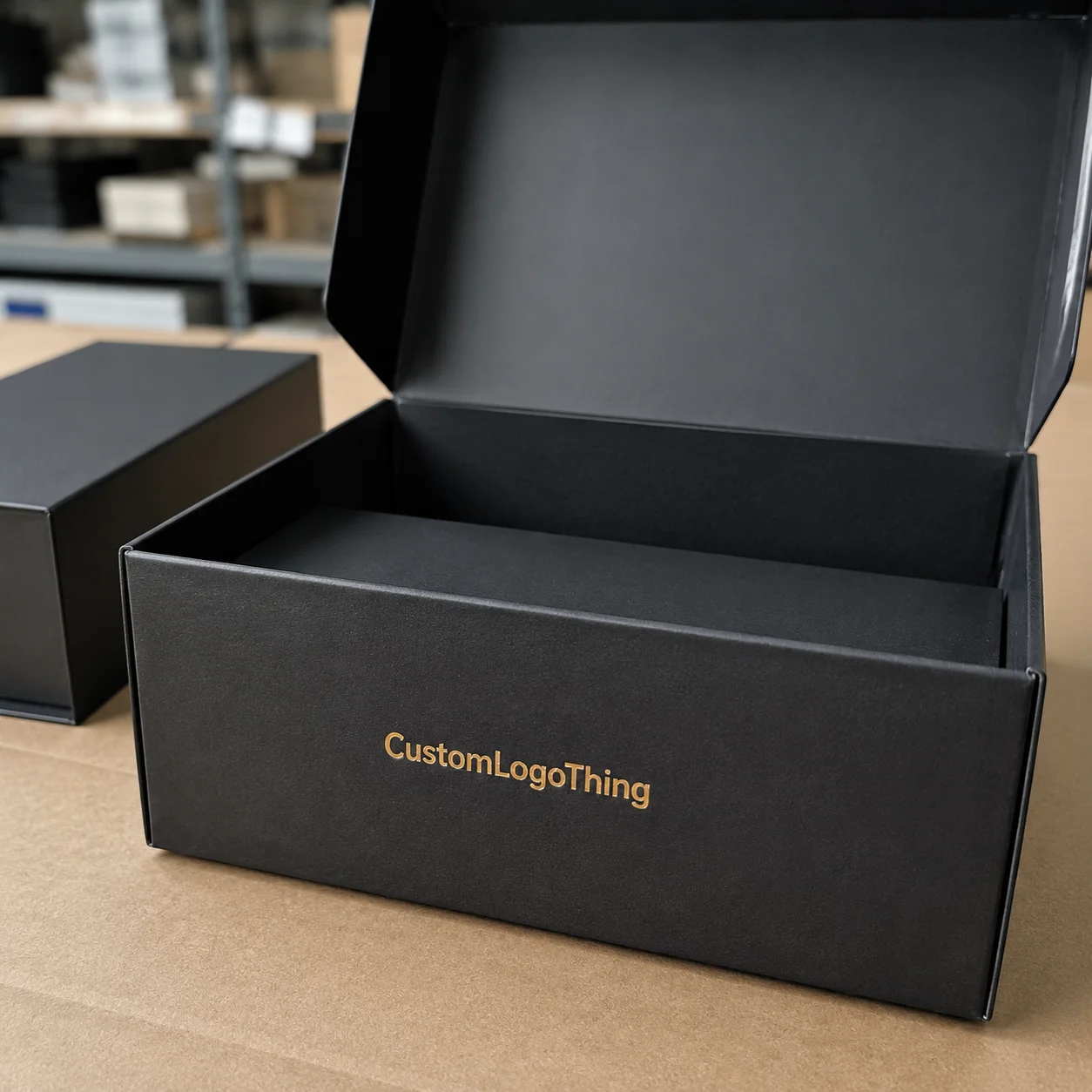
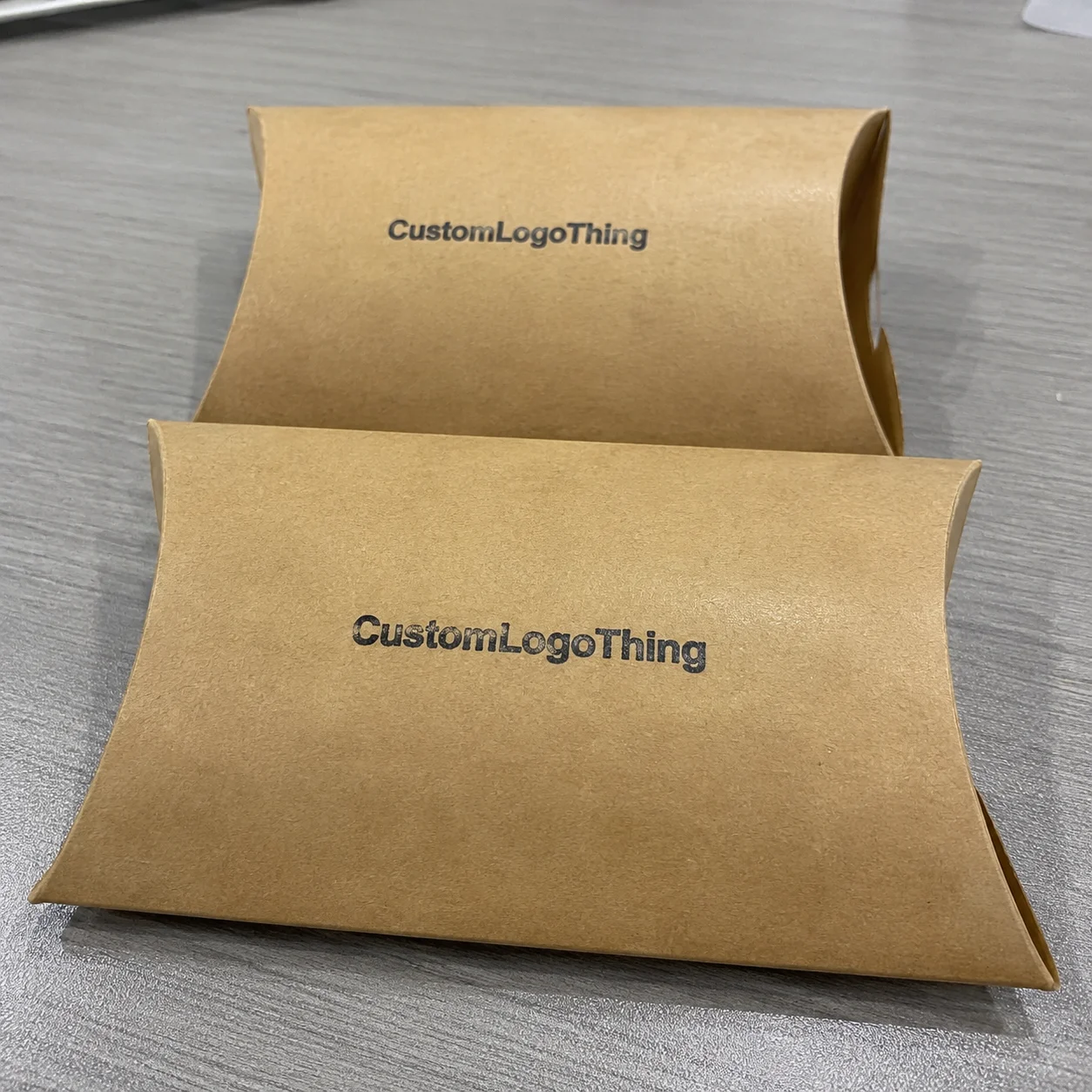
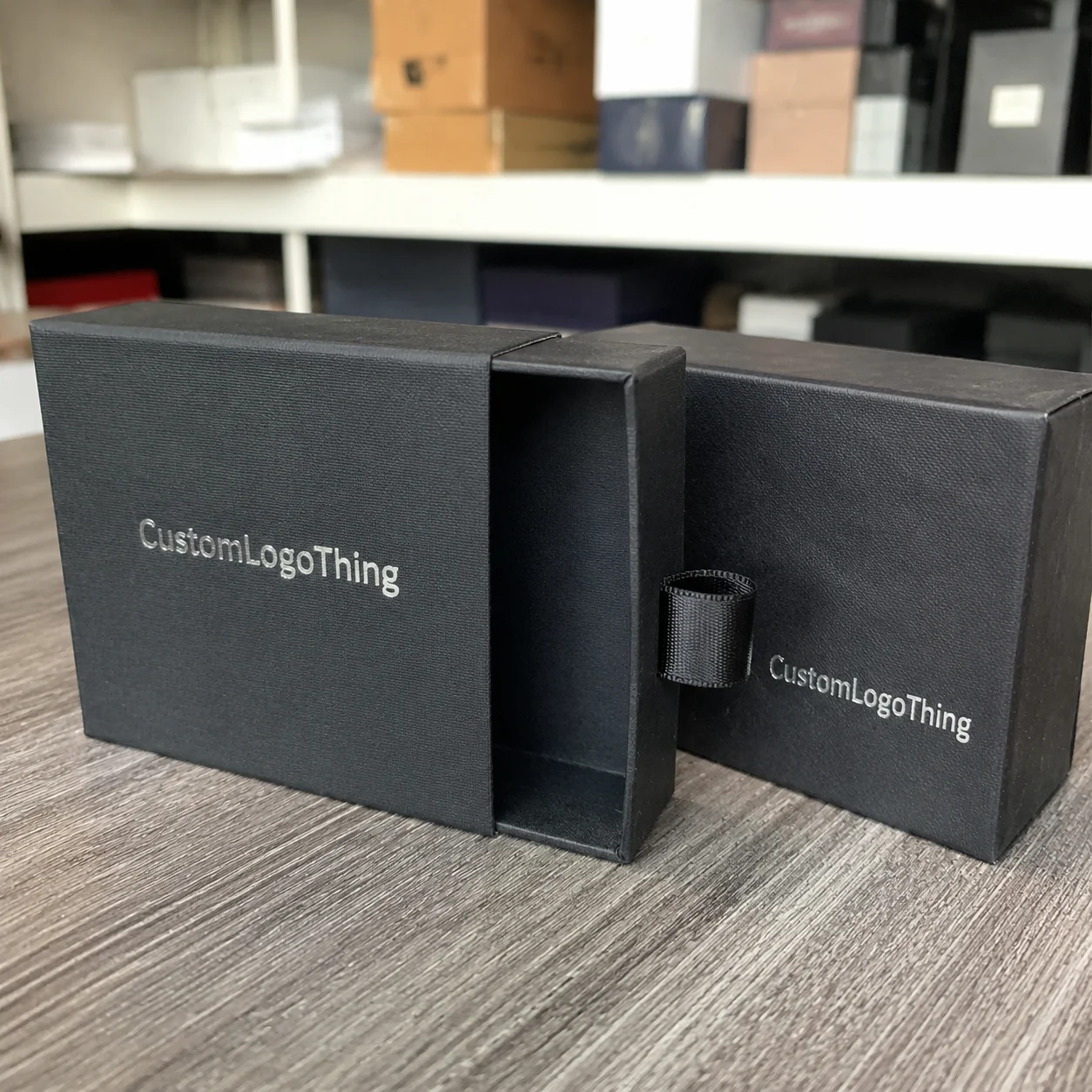
Custom Made Boxes with logo do more than hold a product. They frame the product before anyone touches it, which is why packaging teams treat the box as part of the sale, not just the shipment. A plain carton says the item is functional. A branded box says the brand is paying attention. That difference affects perceived value, giftability, and how well the product is remembered after delivery.
The practical question is not whether branding matters. It does. The real question is whether the structure, print method, board grade, and inner packing are working together. Many brands use plastic bags inside the box for hygiene, moisture control, or bundling, then rely on the outer carton for branding and presentation. That can be a sensible setup if the parts are specified as one system rather than four separate purchases.
For buyers comparing formats, a neutral product catalog such as Custom Packaging Products is useful only if it helps narrow the structure before artwork starts. The box style should follow the product, not the other way around.
Why custom made boxes with logo change the product experience
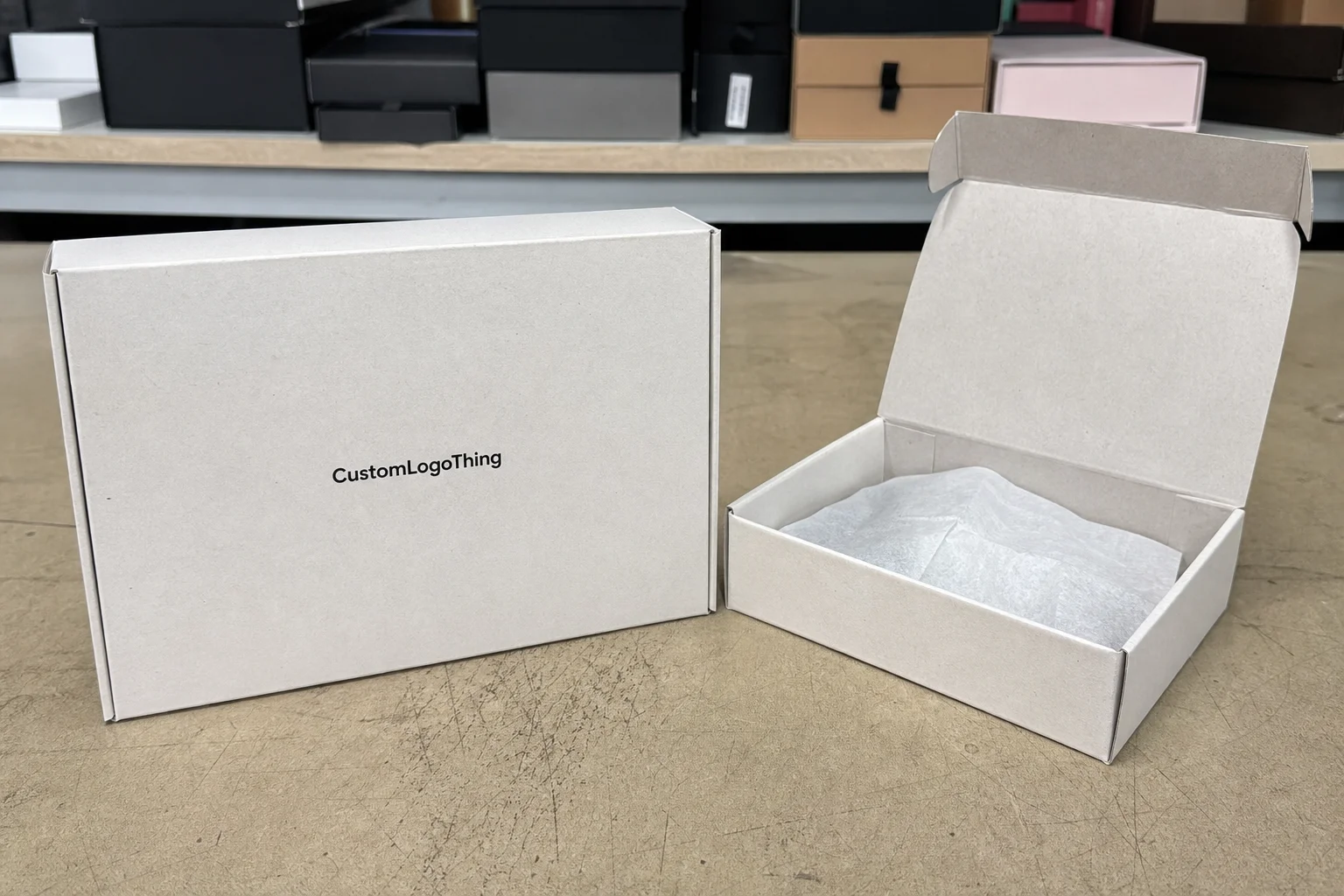
In retail and e-commerce, the box is often the first physical contact point between the buyer and the brand. That matters more than most teams admit. Packaging can make a mid-priced item feel more considered, or make a premium item feel underdeveloped. The box does not change the product itself, but it changes the way the product is judged.
Two shipments can contain identical products and still produce very different reactions. One arrives in a plain shipping carton with tape, labels, and no visual identity. The other arrives in a printed mailer with a clean logo, a controlled color palette, and a fitted interior. The second one usually feels more deliberate, even when the unit cost is nearly the same. That is not just aesthetics. It affects reviews, repeat recognition, and whether the customer keeps the box.
There is also a functional side to branding. A clear logo and a consistent outer structure reduce the need for extra inserts that explain the product or the company. Good packaging should communicate enough on its own that the item does not feel anonymous. That does not require full-surface printing. Often, a restrained Logo Placement On a well-built box works better than heavy graphics everywhere.
“A box that looks expensive but fails in transit is expensive twice: once to make, and again to replace.”
That is the trade-off buyers have to manage. A box that protects poorly can damage the product, inflate returns, and undo the value of the branding entirely. For lightweight cosmetics, a folding carton may be the right fit. For gift sets or premium electronics, a rigid box can support the price position. For direct shipping, corrugated usually performs better because transit stress matters more than shelf presence.
The key is to decide what the packaging is supposed to do first. Shelf display, shipping protection, and gifting are not the same objective. If you try to force one box to do all three at the highest level, the quote tends to rise and the result often becomes compromised.
How the design and production process works
The process starts with dimensions, not artwork. Length, width, and height have to be accurate, and so do any irregular features such as closures, product protrusions, sleeves, or accessories. Once the product size is fixed, the structure can be chosen: folding carton, mailer, tuck-top box, sleeve, rigid box, or corrugated shipper. That choice changes the board grade, the print area, and the assembly method.
Artwork comes next, but the dieline sets the rules. Fold lines, score lines, flaps, glue zones, and cut edges can all interfere with the logo if the layout is not planned carefully. A mark placed too close to a fold may disappear. Small text near a seam can become unreadable. A design that looks clean on screen can become awkward on the finished box if the safe zones are ignored.
Most production paths fall into three practical buckets:
- Stock box plus label - fast, inexpensive, and useful for very short runs, but limited on brand consistency.
- Digitally printed custom boxes - better for lower volumes, variable artwork, and launch testing.
- Fully custom structural packaging - more control over fit and presentation, usually with higher setup costs and more lead time.
The right choice depends on what can fail first. If the product is fragile, spend more on board strength, inserts, and transit performance. If the product is lightweight, more of the budget can go toward print quality, texture, and finish. That is usually a better decision than trying to maximize every element at once.
Many buyers still place items in plastic bags before they go into the printed outer carton. That is common for cleanliness, part grouping, or moisture control. The mistake is treating the bag and the box as unrelated. The inner pack affects the final fit, the assembly speed, and sometimes the closure integrity of the outer carton.
For buyers who want to check transit performance expectations, the ISTA standards are a practical reference. They are widely used to evaluate drop risk, vibration, compression, and other shipment stresses. For recycling and material disposition questions, the EPA recycling guidance gives a clearer baseline than marketing claims usually do.
Cost, pricing, MOQ, and what changes your quote
Pricing for custom made Boxes with Logo is driven by a handful of variables, and most of them are predictable once you know where the quote is built. Size is the obvious one. Material thickness comes next. Then come print coverage, number of colors, finish, inserts, structural complexity, and quantity. A simple kraft mailer with one-color print will price very differently from a rigid box with foil stamping, soft-touch lamination, and fitted foam.
Minimum order quantity matters because setup costs do not disappear. They get distributed across the run. A 300-piece order usually carries a higher per-unit price than a 5,000-piece order, even when the artwork is identical. Short runs also leave less room for press efficiency, which is why small changes in coverage or finishing can move the quote more than buyers expect.
Indicative ranges below are directional, not fixed. Board grade, print method, and finish can move them significantly.
| Option | Typical Use | Indicative Unit Cost | Strengths |
|---|---|---|---|
| Stock box with label | Very short runs, simple branding | $0.35-$0.90 | Low setup, quick start, minimal complexity |
| Digitally printed custom box | Small to mid-size runs | $0.70-$1.80 | Flexible artwork, lower MOQ, suitable for launch testing |
| Offset or flexo printed box | Larger volume retail packaging | $0.25-$0.95 at scale | Efficient at higher quantities, consistent color control |
| Rigid premium box | Gift, luxury, high perceived value | $1.50-$6.00+ | Strong structure, premium feel, better unboxing impact |
Those numbers can still mislead if shipping and assembly are ignored. A box that nests efficiently on a pallet can save more money than a slightly cheaper printed quote. The same applies to inserts. Extra components add cost, but they can reduce breakage and returns enough to justify themselves.
The hidden cost variables are usually the ones that create frustration later: proof fees, freight class, carton counts, pallet density, and any required testing. Oversized packaging can increase shipping cost even if unit pricing looks acceptable. A special finish or a last-minute structural change after proof approval can change the economics quickly. The lowest quote is not always the lowest total cost.
If you are comparing options, ask for at least two versions: one basic, one optimized. That makes the trade-off visible instead of hiding it in the wording of a single line item.
Process and timeline: from artwork approval to delivery
A realistic timeline begins with dieline confirmation and artwork setup. Once the structure is locked, the files move into proofing. After that comes sampling or a pre-production proof, then final approval, production, finishing, packing, and transit. Simple runs can move quickly. Projects that need structural adjustments, special coatings, or strict color matching take longer.
The slowest step is often not the press run. It is approval. A late copy change, barcode correction, or logo adjustment can trigger another proof cycle. If the box must coordinate with plastic bags, inserts, or labels, the schedule tightens further because those components need to land in the right order for assembly.
The cleanest way to avoid delays is to plan backward from the launch date. Trade show deadlines, seasonal launches, and retail resets should set the packaging schedule, not the other way around. Many teams approve the product first and leave packaging to the end. That is how rush fees and compromised options appear.
Rush orders are possible in many cases, but they come with real limits. Material choices may narrow. Finishing options may shrink. Print sequencing can become less flexible. Sometimes the only way to hit the deadline is to simplify the artwork or reduce the quantity. That is not unusual. It is the cost of time.
Before requesting a quote, have these items ready:
- Final product dimensions
- Artwork in vector format
- Brand color references
- Target quantity
- Required in-hands date
If the package needs to survive parcel transit, ask whether it should be tested against an ISTA profile before full production. One test can prevent a lot of avoidable damage claims later.
Key material and print decisions that affect results
Material choice is where packaging stops being abstract. A 350gsm C1S artboard behaves differently from E-flute corrugated. A rigid board wrapped in printed paper feels different again. The right substrate depends on the product, the shipping method, and the signal you want the box to send.
Surface finish matters more than many buyers expect. Matte creates a quieter, more controlled look. Soft-touch gives a premium feel, though it can scuff if handled roughly. Gloss makes color pop, but it can also reveal print defects more clearly. Uncoated paper looks more natural and tends to suit brands that want a less polished feel.
Color planning is another place where buyers either save money or create avoidable waste. A logo that looks sharp on screen can print muddy on a dark background if the source files are poor or the contrast is weak. High-contrast placement is usually safer. If the brand uses Pantone colors, confirm whether the factory can hold those values consistently or whether the work will be converted to CMYK within an acceptable tolerance.
Functional components deserve the same attention as the artwork. Inserts, dividers, tamper-evident seals, and inner wraps all change the final result. A clear or opaque plastic bag may be the right choice depending on hygiene, privacy, or moisture sensitivity. A resealable bag can help with parts or multi-item kits. None of these replaces the outer box. They support it.
Sustainability decisions need a realistic lens. Lighter materials can reduce shipping impact, but over-thinning a carton can raise breakage and waste. Saving a few grams is not a win if product returns double because the packaging fails. If sustainability is a priority, compare structure, recycled content, and recyclability together rather than treating one factor as decisive. FSC-certified paperboard is one credible option, and the FSC site explains the certification framework clearly.
That balance is why custom printed packaging needs engineering discipline, not just design taste. A beautiful box that performs badly is still a bad box.
Step-by-step ordering checklist for first-time buyers
If this is your first order, start with the product. Measure it accurately, including any irregular corners, closures, accessories, or protective sleeves. Then decide what role the package plays. Is it retail packaging, shipping packaging, or both?
Next, choose the structure that fits the use case. A mailer works well for direct-to-consumer shipping and gift delivery. A tuck-top folding carton is common for retail display. A rigid box suits premium presentation. A corrugated outer carton is the better option if transit protection matters more than shelf display. If you need structure comparisons, use a neutral product reference such as Custom Packaging Products before sending artwork.
After that, prepare the logo files properly. Vector artwork is best. Confirm the color values against brand standards. Decide where the logo should appear on each panel, and leave enough quiet space for the design to breathe. Negative space usually improves the final box.
Before approving production, ask for a sample or a prototype. That sample should answer four questions:
- Does the product fit without forcing?
- Does the print read clearly at actual size?
- Does the structure hold up during handling?
- Do the inner materials work with the outer box?
The final proof should be checked line by line. Dimensions, barcode placement, legal copy, and logo position all need review. A large share of packaging errors are proofing errors, not design errors.
One rule saves money repeatedly: do not approve a full run until the sample proves the system works. A small delay is cheaper than redoing thousands of units later.
Common mistakes buyers make with custom packaging
The biggest mistake is buying on appearance alone. A box can look excellent in a mockup and still fail at storage, shipping, or pack-out speed. If it takes too long to assemble, labor costs rise. If it is too loose, the product shifts. If it is too fragile, returns increase. Packaging should be judged as a working system.
Low-resolution logo files create another predictable problem. Fine lines disappear. Thin type fills in. Small details blur. A mark that works well on a website header may not survive the scale change, especially on textured stock or dark backgrounds.
Inside dimensions are also ignored more often than they should be. Outside measurements are not enough. The usable interior space determines whether the product moves around, needs filler, or gets crushed. A few millimeters can change the packing decision completely.
Price-only decisions create the last major mistake. A low unit price means little if the box damages product or slows fulfillment. Total cost includes freight, labor, returns, and the impression the package leaves behind. That is especially true for custom made Boxes with Logo, where the box itself is part of the brand promise.
Plastic bags, inserts, and outer cartons should be treated as one system. If they are bought separately, someone eventually discovers that the bag makes the box too tight, the insert blocks the closure, or the pack-out line slows down. That mismatch is common, and it is preventable.
Practical next steps for a cleaner spec and a better quote
Before requesting pricing, gather the product spec sheet, target quantity, logo files, finish preference, and any compliance requirements. The more complete the brief, the better the quote. Vague requests usually produce vague numbers.
Ask for two or three options instead of one. A budget version establishes the floor. A premium version shows what extra finishing actually costs. A protection-first version shows how much needs to be spent to reduce damage. That comparison is far more useful than a single line item.
If you are launching a new item, request a sample or a short-run proof. If the product uses plastic bags internally, include them in the sample review so fit and assembly are tested together. Packaging should be approved as a working system, not as disconnected parts on a spreadsheet.
Confirm the production timeline, freight assumptions, and carton counts in writing. Ask what happens if the artwork changes after proof approval. Ask whether the lead time starts at proof sign-off or purchase order acceptance. Those details matter more than most sales summaries admit.
A short internal checklist helps keep the order under control:
- Fit verified
- Logo artwork approved
- Print colors confirmed
- Finish approved
- Timeline locked
- Assembly tested
The brands that do this well tend to treat packaging as part of the product, not as an afterthought. That mindset is what makes custom made Boxes with Logo worth the work. The box protects the product, supports the brand, and reduces the chance that a good product arrives looking unfinished.
FAQs
What should I prepare before ordering custom made boxes with logo?
Have exact product dimensions, quantity, and use case ready. Provide vector logo files and any brand color references. Decide whether the box needs inserts, a shipping role, a retail role, or all three.
How do custom made boxes with logo pricing usually work?
Pricing is usually based on size, material, print coverage, finish, and quantity. Lower quantities often have a higher per-unit cost because setup is spread across fewer boxes. Shipping size and added components like inserts can also change the final number.
What is a realistic turnaround for branded custom boxes?
Timeline depends on artwork readiness, proof approval, production method, and shipping distance. Simple runs move faster than projects that need samples, structural changes, or special finishes. Rush options may be possible, but they can limit material choices or increase cost.
Can plastic bags be used with custom made boxes with logo?
Yes. Plastic bags are often used inside the box for product protection, grouping, or moisture control. They can also help keep items clean before the customer opens the branded outer packaging. The important part is making sure the bag style and box size work together without wasted space.
What is the biggest mistake to avoid when designing custom made boxes with logo?
The biggest mistake is focusing only on appearance and ignoring fit, durability, and fulfillment efficiency. A box that looks good but damages product or slows packing usually costs more in the long run. The full packaging system should be tested before approving a large order.
Good packaging decisions are usually precise rather than dramatic. They rely on dimensions, material choice, print control, and a realistic view of how the box will move through production and shipping. That is why custom made Boxes with Logo deserve careful planning. The right box protects the product, supports the brand, and makes the shipment feel intentional from the first touch to the last unboxing.