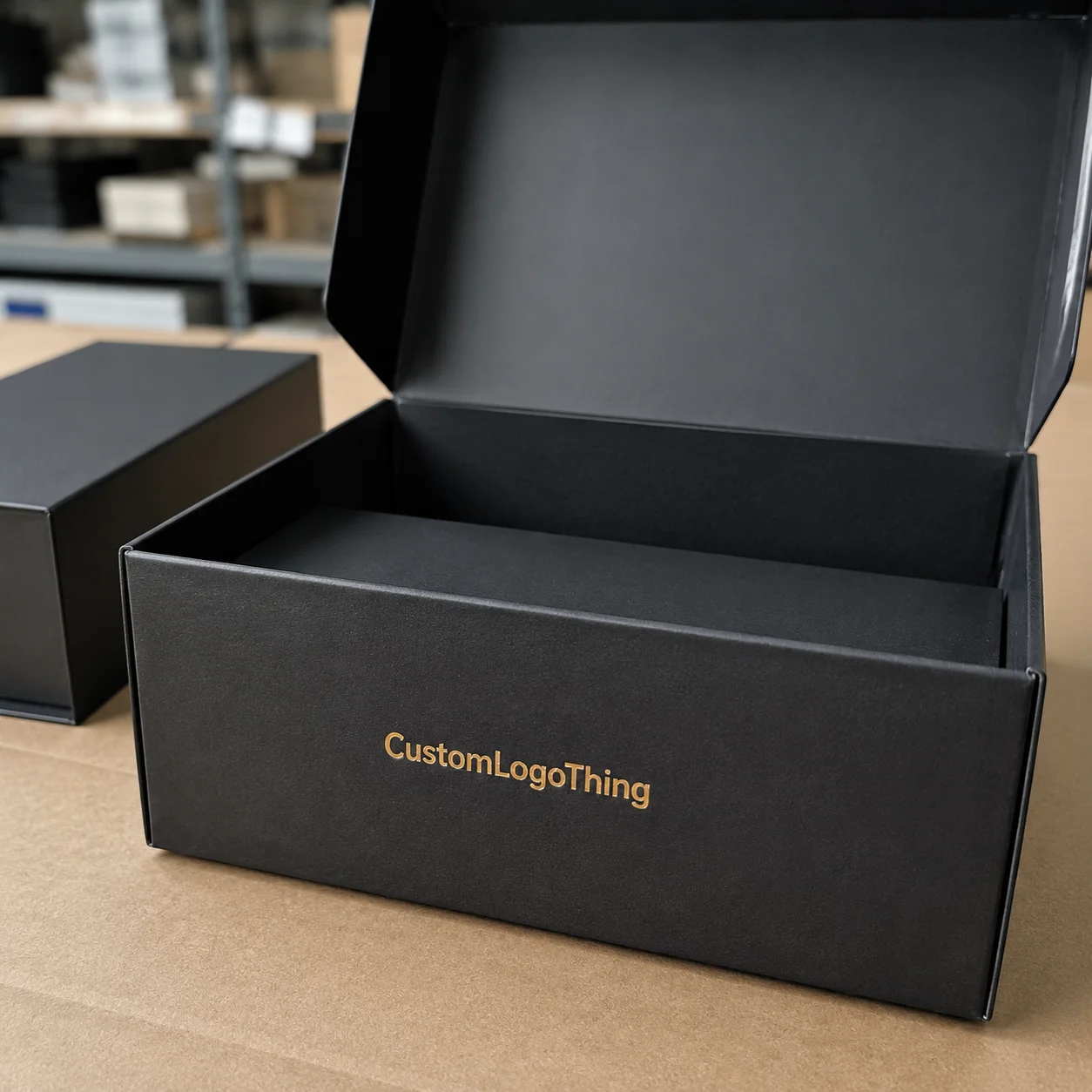
Order Personalized Boxes With Logo for Retail Packaging
Personalized Boxes with Logo do more than hold a product. They frame the purchase before the customer ever touches the item, and that first impression can influence how premium, organized, or trustworthy the brand feels. A clean carton does not guarantee a better product, but it does change the context in which the product is judged.
That matters in retail, subscription, and e-commerce packaging alike. A box has to do several jobs at once: protect the contents, survive handling, present the brand clearly, and fit the realities of production. Buyers who treat personalized Boxes with Logo as a packaging decision rather than a decoration usually end up with better cost control and fewer surprises.
The most useful way to think about branded packaging is not “How nice does it look?” but “What does it need to communicate, and what stress does it need to survive?” Those are different questions. A rigid presentation box, a folding carton, and a corrugated shipper all speak in different tones.
What personalized boxes with logo signal before the box is opened
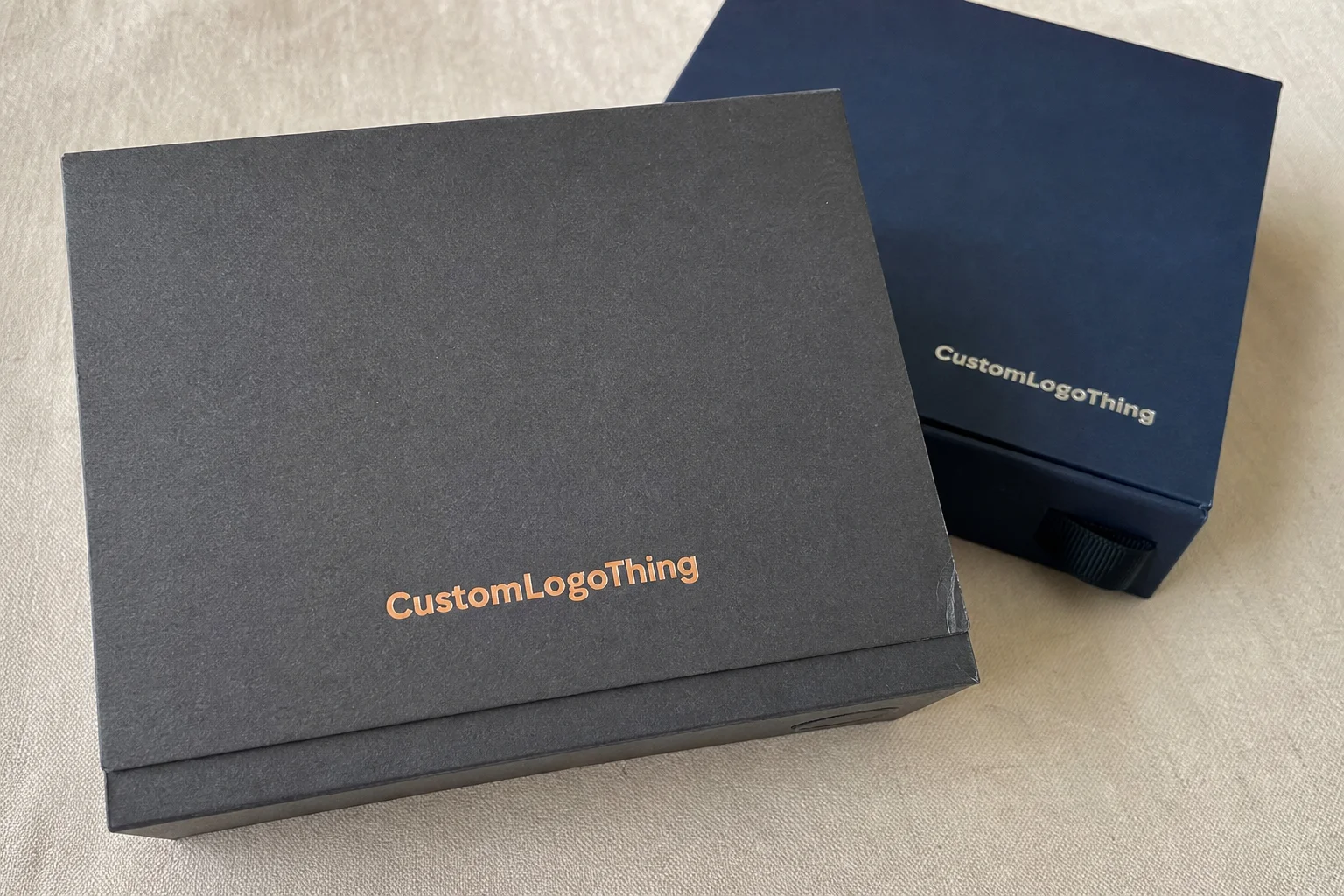
The outer carton is often the first physical interaction a customer has with the brand. If it looks temporary, the product can inherit that feeling. If it looks deliberate, the product gets a better opening frame. That is one reason personalized Boxes with Logo are used so heavily in categories where perception affects price tolerance, including cosmetics, specialty food, accessories, and gift sets.
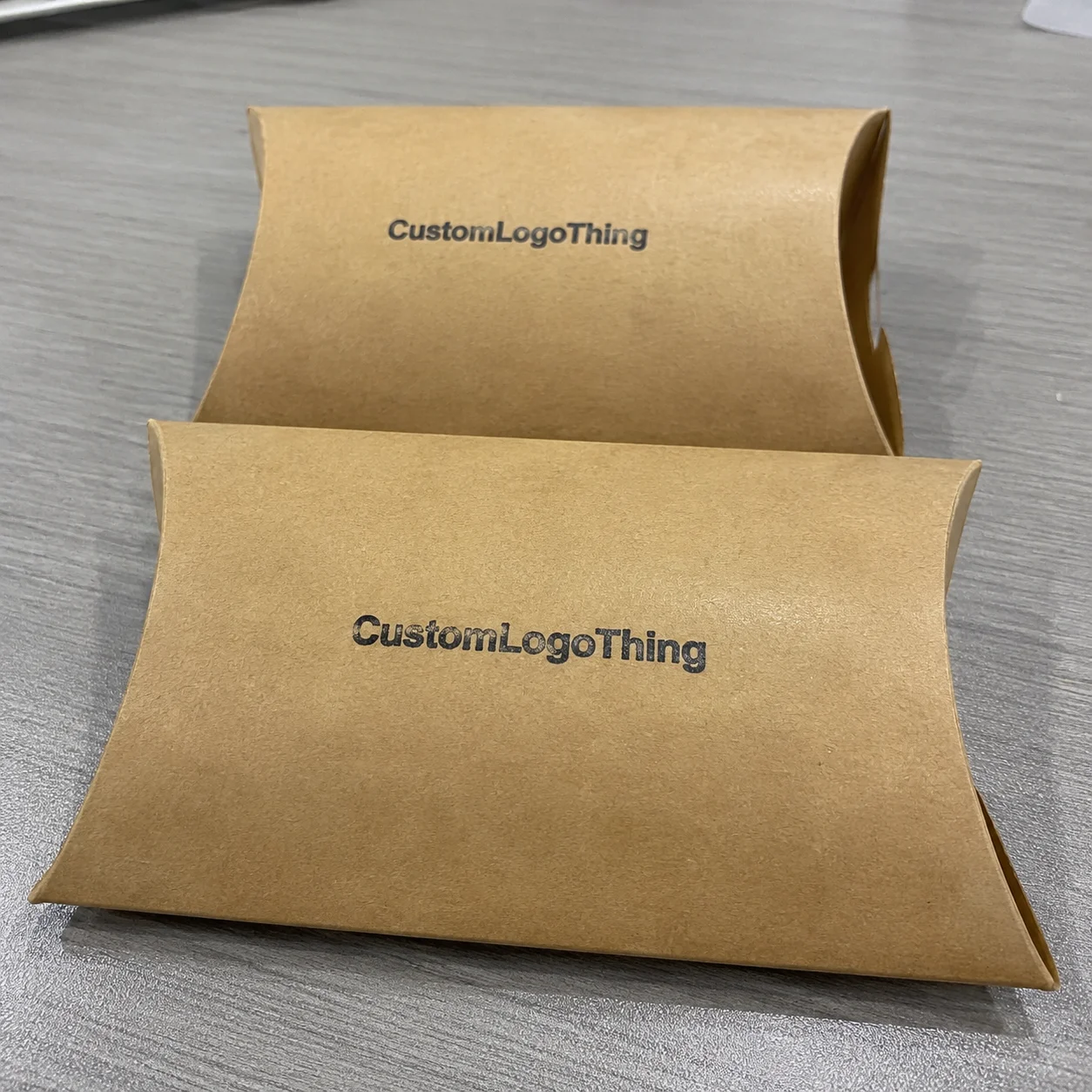
The signal is not only visual. Packaging also hints at category, quality tier, and the expected handling experience. A kraft mailer with a single-color mark suggests something different from a high-gloss retail carton with foil and an inner insert. Neither choice is automatically better. The right answer depends on where the box will sit, how it will travel, and how much perceived value the brand needs to create.
Three design choices do most of the work:
- Logo placement - centered placement reads formal, a corner mark can feel quieter or more modern, and repeated graphics make the package feel more promotional.
- Color system - dark ink on uncoated stock has a different tone than bright color on coated board, especially under retail lighting.
- Structure - a tuck carton, rigid box, and corrugated mailer all imply different levels of protection and price positioning.
There is also a practical side that buyers sometimes underestimate. Branded packaging is easier to identify in stockrooms, easier to sort in mixed inventory, and less likely to be handled like throwaway material. If a warehouse team can spot the SKU at a glance, fulfillment becomes cleaner. That is not glamorous, but it saves time every week.
The box becomes part of the operating system. That is the real value of personalized Boxes with Logo: they support the brand while also making the pack-out, storage, and shipping process easier to manage.
How the box design, artwork, and print setup actually work
Packaging production starts with the structure, not the artwork. The box style is chosen first, then dimensions are confirmed, and then the dieline is built or approved. That order matters because folds, glue tabs, tuck flaps, and edge wraps can all interrupt the final design if the artwork is built in isolation.
Most problems appear at the interface between design and manufacturing. A logo that sits too close to a fold can disappear once the carton is assembled. A patterned background that looks fine on screen can drift across panels if the dieline is not handled correctly. Prepress review should confirm trim, bleed, safe zones, and glue areas before anything reaches press.
Print method changes both cost and appearance. Digital printing is usually the most practical choice for short runs because setup is lighter and revisions are easier to absorb. Offset printing tends to make more sense for larger orders with tighter color expectations. Flexographic printing is common for corrugated packaging and other high-volume work where speed and durability matter more than small details. Each method has a different cost curve and a different tolerance for visual complexity.
Material choice is just as important. Paperboard, coated SBS, C1S or C2S artboard, and corrugated board all behave differently once ink and finishing are introduced. Smoother coated surfaces usually give sharper print edges. Heavier board improves stiffness and helps the box hold shape under stacking pressure. For many retail cartons, 300gsm to 400gsm paperboard is a practical range. For shipping cartons, E-flute or B-flute corrugated is often the better fit, depending on product weight and transit risk.
Finishing is where the package starts to feel physical. Matte lamination reduces glare and gives the box a more restrained surface. Gloss creates stronger color contrast. Soft-touch adds a velvety feel, although it can show scuffing if the carton is handled heavily. Spot UV can call attention to a logo or pattern without coating the full panel. Foil and embossing add presence, but they also add setup complexity and cost. If the box is likely to be stacked, shipped, or stored for a long time, finish durability matters as much as appearance.
If the dieline is wrong, the box is wrong. A flat mockup can look perfect while the assembled carton fails at a seam, a fold, or a closure point.
For buyers who need external references, packaging and transit testing are often aligned with standards from organizations like ISTA. Material sourcing questions may also lead to FSC documentation if recycled or responsibly sourced board is part of the brief. These standards do not choose the design, but they do keep the conversation grounded in performance, traceability, and fit for use.
Cost, pricing, and MOQ factors buyers should compare
Price is usually driven by the same cluster of variables: box size, board grade, print coverage, number of colors, finish, inserts, and quantity. A one-color logo on a standard tuck carton will cost far less than a fully illustrated box with foil, embossing, and a custom insert. That spread is not arbitrary. Setup time, material yield, and finishing labor all change with the spec.
Unit cost normally falls as quantity rises because setup charges are spread across more boxes. A 5,000-piece run can be dramatically cheaper per unit than a 500-piece run, even though the total spend is higher. Buyers often focus on the headline total and miss the useful comparison: what does the same structure cost at 1,000, 3,000, and 10,000 units?
For reference, simple printed folding cartons at higher volumes may land in the low tens of cents per unit, while Premium Rigid Boxes can move into the low dollars each, especially with inserts or specialty finishing. Short runs and unusually detailed work can push pricing higher quickly. Those figures vary by region, materials, and press method, but they are useful enough to expose quotes that are wildly out of line.
MOQ is usually tied to production efficiency. If the supplier needs a sheet size, a die line, or a minimum press setup to make the job viable, the order floor will reflect that reality. Short-run digital printing can lower the threshold, but specialty finishes and structural tooling still raise it. MOQ is not always a sales tactic; often it is a byproduct of how the box is made.
There are also indirect costs worth checking before the quote is treated as final:
- Freight - packaging is bulky, so shipping can materially change landed cost.
- Sampling - white samples, hard proofs, and pre-production samples may be billed separately.
- Rush charges - compressed schedules can require priority press time or overtime.
- Warehousing - finished cartons may need to sit somewhere before they are released to production or fulfillment.
The cleanest quote comparison uses identical assumptions. If one supplier quotes 300gsm artboard with gloss lamination and no insert while another quotes 350gsm stock, a custom insert, and freight included, the numbers are not directly comparable. Ask every supplier to price the same dimensions, the same print coverage, the same finish, and the same delivery assumption.
| Packaging option | Typical use | Common price behavior | Buyer takeaway |
|---|---|---|---|
| Simple printed tuck box | Light retail goods, cosmetics, small accessories | Lower setup, lower unit cost at volume | Best when shelf presentation matters more than transit abuse |
| Mailer-style branded box | E-commerce and subscription orders | Moderate cost, stronger assembly performance | Good balance of branding and ship-ready structure |
| Corrugated custom carton | Heavier, fragile, or higher-value products | Higher material cost, better protective value | Worth it when damage prevention matters more than paper savings |
| Rigid presentation box | Premium gifts, sets, and higher-touch retail packaging | Highest material and labor cost | Choose it when unboxing and perceived value are part of the sale |
A useful rule: if a supplier cannot explain why the price shifts with quantity, material, or finish, the quote is not detailed enough. A good estimate should show where the money goes. That is especially true for personalized Boxes with Logo, where branding and structure are tied together and small specification changes can move cost more than buyers expect.
Process and timeline: from quote to delivery
The order path is usually straightforward, but timing can still slip if the brief is incomplete. A supplier normally needs dimensions, product weight, quantity, artwork files, and the intended use before a reliable quote can be built. If those details arrive late, every downstream step becomes slower.
After quoting, the artwork is reviewed and a proof is created. Simple boxes with clean vector logos move through this stage quickly. Boxes with multiple panels, tight folds, or special finishes need more attention because even a small change in size can affect closure, registration, and panel alignment.
Production speed depends on file readiness, proof approval, and finishing complexity. A standard run with final artwork and normal materials may move smoothly. A job that includes custom tooling, foil, embossing, or a complex insert will take longer. In many packaging programs, the difference between an on-time order and a delay comes down to whether the buyer supplied complete information on day one.
Typical checkpoints include:
- Prepress review - confirms dieline accuracy, bleed, and file quality.
- Proof approval - locks the layout before production starts.
- In-line inspection - checks color, registration, glue, and finish during the run.
- Pack-out verification - confirms count accuracy and shipping readiness.
Lead times vary widely, but a useful working range is often one to three weeks for simple short-run packaging after artwork approval, and longer for larger or more complex orders. Add time for sampling, color adjustment, or shipping if the project is on a tight launch schedule. If the supplier cannot state when proofing ends and production begins, the schedule is not really scheduled.
Choosing the right structure for product protection and display
Structure should follow the product. A lightweight cosmetic jar does not need the same carton as a glass bottle set, and a retail display box does not need the same crush resistance as a corrugated shipper. Personalized Boxes with Logo work best when the structure supports the product instead of competing with it.
Tuck-end boxes are common for lighter goods because they assemble quickly and provide a clean retail face. Mailer boxes are well suited to e-commerce because they hold shape better in parcel handling and usually create a stronger opening experience. Corrugated cartons are safer when the product is heavier, fragile, or likely to be stacked. If the contents can move around, inserts or partitions should be considered early rather than added after the structure is already locked.
Three questions usually narrow the choice quickly:
- How heavy is the product? Weight affects board grade, closure geometry, and crush performance.
- How will it travel? Retail shelf delivery and parcel shipping are not the same environment.
- Where will it be seen? Shelf display, warehouse storage, and direct-to-consumer unboxing reward different box styles.
Display value matters too. A box sitting next to competitors on a shelf needs readable front-panel branding and a structure that still looks intentional after transport. For premium sets, a tighter fit and a more refined finish can justify the extra cost because the packaging becomes part of the product value, not just the vessel around it.
There is a tradeoff, and it should be stated plainly. More structure usually means more labor and more cost. Less structure can mean damaged goods, bent corners, or a carton that feels cheap before the product is even seen. The right choice is the one that protects margin without undermining the brand promise.
Material sourcing can also influence the decision. If sustainability claims matter to your packaging brief, ask for documented board sourcing and confirm whether recycled content or FSC-certified supply is available. Those claims should be verifiable, not implied.
Quality control checks that prevent expensive reprints
Most packaging failures are preventable if the checks happen early. The biggest problem areas are color, structure, and finishing. A logo can be technically printed correctly and still look off if the color drifts too far from the brand standard or if the finish makes the surface read dull under retail lighting.
Color control starts with file setup and continues through proofing. Buyers should ask how the supplier handles spot colors, whether Pantone references are being matched or approximated, and what tolerance is acceptable across the run. A small shift in blue or black can change the feel of the box more than the logo size ever will.
Structural fit should be tested with the actual product, not just a placeholder. A box that closes cleanly empty can fail once the insert, product, or protective wrap is added. If the box is intended for shipping, a drop or vibration check is worth the time. The goal is not laboratory perfection. It is avoiding the expensive kind of surprise, where a carton looks right until it reaches the customer.
Good suppliers will also inspect glue application, die-cut accuracy, score depth, and edge crush performance. Those details do not show up in a mockup, yet they determine whether the finished packaging feels crisp or sloppy. A box that opens too easily, bows at the corners, or shifts during assembly will read as lower quality even if the artwork is attractive.
For brands that need repeat orders, the first run should be documented carefully. Keep the approved artwork version, dieline, material spec, finish notes, and the sample that was signed off. The second order should be built from that record, not from memory. That is the difference between repeatability and drift.
Common mistakes that make logo packaging look cheap
The fastest way to weaken a good box is to rush the artwork. Low-resolution logos, poor contrast, and files that were not built against the dieline tend to look rough once printed and folded. What appears acceptable on a monitor can turn soft, off-center, or mismatched on the finished carton.
Too many finishes can work against the design. A logo with foil, spot UV, embossing, and a busy background may end up looking crowded rather than premium. Strong packaging usually benefits from restraint. One clear logo treatment and one disciplined finish often do more than a box trying to show every possible effect at once.
Board quality is another common failure point. If the grade is too light, corners can bow, panels can crease, and the box starts to look tired before it ever reaches the customer. That is a serious problem for retail packaging, and it is even worse for personalized Boxes with Logo that are supposed to carry more perceived value than a plain carton.
Skipping samples is expensive. Screen color, printed color, and color under store lighting are not the same thing. If the product is premium, the fit is tight, or the brand color is sensitive, a physical sample is usually worth the time. It is much cheaper to correct a problem before a full run than to explain a reprint after cartons are already in the warehouse.
Poor communication about the use case causes avoidable mistakes. A supplier needs to know whether the box is headed to retail shelving, a parcel carrier, or a warehouse pallet. They also need the product weight and any insert requirements. Without that information, the quote may be accurate in isolation and useless in context.
Actionable next steps before you place the order
Before requesting quotes, gather the basics: product dimensions, weight, quantity, logo files, target use, and any finish or insert needs. That cuts down on back-and-forth and gives suppliers enough information to quote against a real specification rather than a guess.
Ask each supplier for a specification sheet that lists board type, print method, finish, MOQ, unit cost, and estimated timeline. If those items are missing, the quote is incomplete. A lower number that excludes freight, samples, or finishing is not a better quote. It is just a less transparent one.
For premium products, tight-fitting cartons, or brand colors that must stay consistent, order a sample or hard proof. A sample can confirm structure, closure, print clarity, and surface feel far better than a render can. That is especially true for personalized Boxes with Logo that need to support the product and carry the brand at the same time.
Decide early whether the box needs to sell in retail, survive shipping, or do both. Those are different tasks, and trying to force one design to do everything usually leads to compromise. If the pack has to handle both presentation and protection, say so during quoting so the structure can be built around both requirements.
Compare suppliers on clarity, responsiveness, and spec discipline before comparing them only on price. The best partner is the one who can explain the tradeoffs in board, print, finish, and lead time without hiding the cost of each choice. Once the spec is right, personalized Boxes with Logo become a controlled packaging decision instead of an expensive guess.
How much do personalized boxes with logo usually cost?
Cost depends on box size, board grade, print coverage, finish, and order quantity. Larger runs usually lower the unit price because setup is spread across more cartons. Simple printed folding cartons can be priced in the low cents at volume, while rigid premium boxes often move into the low dollars each, especially with inserts or specialty finishing.
What is the minimum order quantity for personalized boxes with logo?
MOQ varies by supplier and production method. Short runs may be possible with digital printing, but custom die-cutting, lamination, foil, or embossing usually require a higher minimum to stay economical. The floor is often tied to how the box is manufactured, not to an arbitrary sales rule.
How long does production take for personalized boxes with logo?
Timeline depends on artwork readiness, proof approval, material availability, and finishing complexity. A straightforward order may move through production in one to three weeks after approval, while larger runs or specialty finishes take longer. Sampling and freight can add time as well.
What files should I send for personalized boxes with logo artwork?
Vector logo files are best because they stay sharp at any size. Use the supplier's dieline template so folds, glue areas, and cut lines are handled correctly. Keep important text away from edges and seams, and make sure any color references are clearly specified.
Which box style works best for personalized boxes with logo?
The right style depends on product weight, shipping method, and display needs. Tuck cartons work well for lighter retail items, mailers suit e-commerce, and corrugated cartons are the safer choice for heavier or more fragile products. The best structure is the one that fits the product and the route it takes to the customer.