Most wall sticker failures are not caused by ugly printing. They happen because the graphic was matched to the wrong wall paint, adhesive, surface texture, temperature, or installation method. That mismatch can turn a sharp-looking decal into curled edges within a week. Annoying, avoidable, and more common than it should be.
Custom made wall art stickers are not just artwork printed on sticky material. They are a mix of design, film, adhesive, surface prep, and timing. Drywall, glass, brick, metal, wood, painted plaster, and temporary event walls all behave differently. Add dust, humidity, fresh paint, low-VOC coatings, or heavy texture, and the job gets less forgiving fast.
The good news: most problems can be prevented before production starts. You need the right file, the right material, a realistic schedule, and honest information about the wall. Magical thinking is not a spec.
What Custom Made Wall Art Stickers Really Are
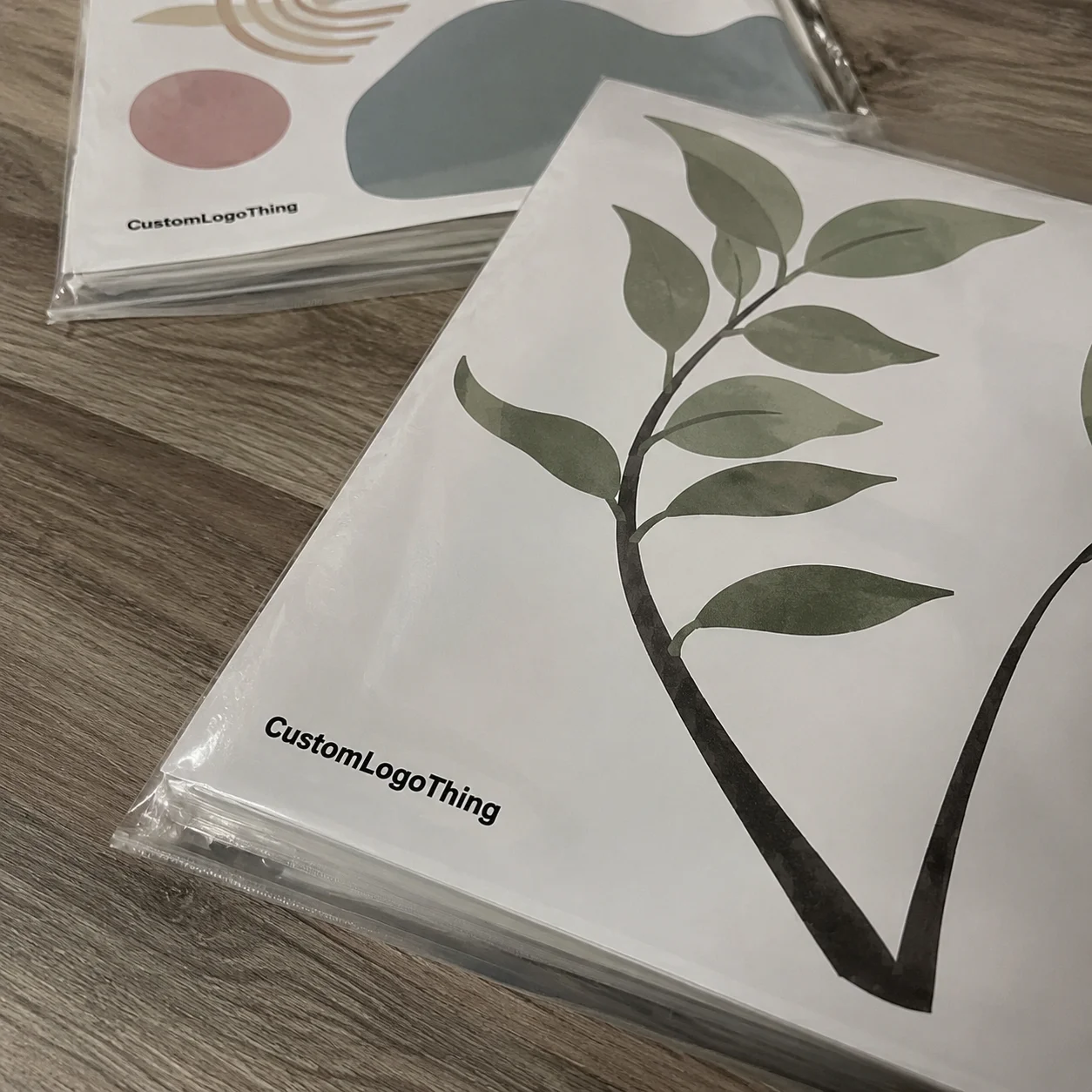
Custom made wall art stickers are adhesive graphics produced to fit a specific wall size, artwork file, finish, brand style, and use environment. They can be simple one-color vinyl lettering above a reception desk or a full-color, multi-panel mural with laminate, contour cutting, and alignment marks for installation.
Buyers often use several product names for the same general category. Decals are usually smaller and may include logos, quotes, icons, or basic shapes. Full-color wall graphics use printed artwork, photography, illustration, patterns, or branded backgrounds. Murals cover larger areas and are usually produced in panels, similar to wallpaper. Cut vinyl lettering is made from solid-color film, weeded by hand, and transferred with application tape. Contour-cut graphics follow the artwork shape instead of staying rectangular. Removable decorative stickers use lower-tack adhesives for apartments, classrooms, nurseries, and short-term retail displays.
The product sits somewhere between signage, interior decor, and branded presentation. A wall graphic can guide visitors through a showroom, dress a retail wall, create an event backdrop, support a product display, or make an office look less like nobody has moved in yet. For brands already using Custom Packaging Products, wall decals can carry the same color palette, icons, typography, and message style into the physical space.
Material choice matters. Common options include removable vinyl, permanent vinyl, fabric-style wall media, clear film, matte laminate, satin laminate, gloss laminate, and low-tack adhesive films. A typical removable calendered vinyl may be around 3 to 4 mil thick. Some fabric wall media sits closer to 6 mil and has a softer hand. Permanent films bond more aggressively, but stronger adhesive is not automatically better on painted walls. Sometimes it is just a faster way to pull paint during removal.
Practical callout: start with the wall, not the artwork. Measure the space, identify the paint and texture, then choose the film and adhesive.
How Wall Sticker Production Works From Artwork to Finished Graphic
A typical production flow starts with artwork review. The print team checks file type, dimensions, resolution, color setup, spelling, fonts, cut paths, bleed, and safe zones. Then the graphic is sized to the wall area, a proof is prepared, material is selected, and the job is set up for wide-format printing, vinyl cutting, or both.
Vector files such as AI, EPS, and properly built PDF files work best for logos, lettering, and cut shapes because the edges scale cleanly. A logo that looks crisp at 3 inches wide can still look clean at 6 feet wide if it is vector. Raster files such as JPG, PNG, and TIFF are built from pixels. They can work well for photos and illustrated murals, but they need enough resolution at final size. For large wall viewing, 100 to 150 pixels per inch at full size is often acceptable because people stand back. A low-resolution screenshot will not become premium wall art because someone clicked “export.”
Full-color wall graphics are usually produced on wide-format digital printers using latex, UV, eco-solvent, or solvent ink systems. Each system has its own curing or outgassing behavior. Some prints can be laminated fairly soon after printing. Others need dwell time so trapped solvents do not interfere with adhesive performance or laminate bond. One-color lettering is often cut from pigmented vinyl on a plotter, then weeded by hand so the unwanted vinyl is removed before transfer tape is applied.
Cut paths need to be clean. A contour-cut sticker requires a defined vector line that tells the blade where to travel. Bleed, often 0.125 inch or more depending on the job, gives the printer extra image area beyond the trim so minor alignment shifts do not leave a white edge. Safe zones keep text and fine details away from cuts and panel seams. Thin strokes under roughly 0.06 inch can be difficult to weed, transfer, and install, especially in script lettering or designs with small interior pieces.
Lamination adds cost, but it earns that cost in busy environments. Matte laminate reduces glare and helps the graphic look more painted-on. Gloss laminate deepens color and gives a slicker promotional finish. Satin sits between the two. For public corridors, retail displays, kids’ areas, restaurants, event walls, and surfaces that may be wiped down, laminate should be discussed before production.
Proofing is the control point. Check the finished size, spelling, brand colors, cut shape, orientation, panel breaks, outlet clearance, trim clearance, and any installation notes. A proof is not decoration. It is the last cheap place to catch a mistake.
Key Specs That Decide Whether a Wall Decal Looks Professional
Wall texture, paint type, cure time, humidity, dust, and wall repairs all affect adhesion. Smooth painted drywall is usually the easiest surface, assuming the paint has cured and the wall is clean. Glass and metal can hold vinyl very well, but they also show bubbles and dust more clearly. Finished wood can work, although varnish, oil, and grain change the bond. Light orange peel texture may accept a conformable film with firm squeegee pressure. Rough brick, stucco, block, and heavy texture are far less predictable.
Fresh paint is a classic problem. Many paints need at least 2 to 4 weeks to cure before graphics are applied. Some specialty, washable, anti-stain, and low-VOC paints remain difficult even after curing because their surface chemistry is designed to repel dirt and marks. Convenient for cleaning. Not so convenient for adhesive.
If a wall has been patched, sanded, primed, or spot-painted, that area may behave differently from the rest of the wall. It may absorb moisture differently, have a different gloss level, or release paint more easily during removal. For large murals, these small inconsistencies can become visible after installation.
Finish choice changes both appearance and performance. Matte is popular for interior decor because it reduces glare under office lighting. Gloss gives colors more punch, which can work well for retail promotions and bold branded graphics. Satin is safer if the buyer wants some depth without the reflection of gloss. Clear film lets wall color show through, but white ink may be needed if the artwork includes bright colors that must stay opaque on a dark or colored wall.
Scale deserves real attention. A logo may look sharp on a laptop because the screen is small and forgiving. Enlarge that same file to 72 inches wide and every jagged edge gets a spotlight. Viewing distance helps; a mural seen from 10 feet away can tolerate lower resolution than lettering viewed from 18 inches. Still, the file check should happen before quoting if the graphic is large, detailed, or brand-critical.
Oversized graphics are often panelled. A 10-foot-wide mural may be produced in 48-inch or 52-inch panels, depending on printer width, material roll width, artwork layout, and installer preference. Overlap seams may run 0.25 to 0.5 inch, or panels may be butt-joined by skilled installers. Large single pieces sound attractive until someone has to install them. They are harder to handle, easier to stretch, and more likely to trap bubbles.
For measurement, take the wall width and height in at least three places: top, middle, and bottom for width; left, center, and right for height. Note outlets, thermostats, trim, vents, door swings, furniture, wall-mounted screens, security sensors, and any crown or base molding. A straight-on photo with a tape measure in frame can save several rounds of clarification.
| Surface | Typical Expectation | Recommended Check |
|---|---|---|
| Smooth painted drywall | Best general surface for removable or permanent wall vinyl | Confirm paint has cured for 2 to 4 weeks and wipe dust away |
| Glass or metal | Strong adhesion with a clean visual edge | Clean with a residue-free method and watch for bubbles |
| Light orange peel texture | Possible with the right film and pressure | Request a sample if the graphic is large |
| Brick, stucco, rough block | Higher risk of lifting and uneven contact | Use a test decal or ask about conformable specialty film |
Cost and Pricing Factors for Custom Wall Decals
The main pricing drivers are finished size, material type, print coverage, number of colors, lamination, contour cutting, weeding complexity, transfer tape, quantity, packaging, and shipping method. A small one-color vinyl phrase may price very differently from a laminated mural, even if both fill a similar amount of wall space.
For simple cut vinyl lettering, small jobs may start around $35 to $90, depending on size, vinyl grade, and weeding time. Medium full-color wall decals often land around $8 to $18 per square foot before installation. Laminated multi-panel murals can reach $12 to $28 per square foot or more based on material, ink coverage, finishing, and handling. These are planning ranges, not universal promises. Every supplier calculates setup, waste, labor, and freight differently.
Setup time is a quiet but real cost. A 12-inch decal still needs file review, proofing, machine setup, cutting, packing, and communication. Small orders often have a higher unit cost because that preparation is spread across fewer pieces. Larger quantities reduce the per-piece burden, especially if the same artwork repeats across multiple locations.
Quantity breaks matter for retail rollouts, seasonal displays, event backups, and future replacements. If a store chain needs 25 identical door graphics, the file is prepared once and production runs more efficiently. Ordering 2 or 3 extra decals can be sensible if the installation date is tight, the surface is uncertain, or the promotion cannot afford a failed install.
Design support is another variable. If the buyer has print-ready vector artwork, quoting is straightforward. If the starting point is a rough sketch, screenshot, low-resolution logo, or request to match an existing packaging layout, design time should be included. The same applies if the wall graphic needs to coordinate with Custom Labels & Tags, custom printed boxes, or broader retail packaging materials.
To get a useful quote, provide exact size, surface type, quantity, artwork status, finish preference, delivery deadline, and installation expectations. “A big logo for the wall” is not enough. Specifics let the estimator Choose the Right film, calculate square footage, plan finishing, and flag risks before money is spent.
| Wall Sticker Type | Typical Use | Planning Price Range |
|---|---|---|
| One-color cut vinyl lettering | Office quotes, hours, simple logos | Often $35 to $150 for small to medium pieces |
| Full-color printed decal | Promotions, decorative art, branded walls | Often $8 to $18 per square foot |
| Laminated wall mural | Large retail, event, or office graphics | Often $12 to $28+ per square foot |
| Specialty removable or fabric media | Rental spaces, short-term decor, delicate walls | Usually higher than standard vinyl due to material cost |
Step-by-Step Guide to Ordering Wall Art Stickers
Start with the purpose. Is the graphic for branding, wayfinding, decoration, promotion, an event backdrop, nursery decor, an office culture wall, or a retail display? A short-term sale graphic does not need the same adhesive behavior as a lobby logo expected to look good for several years.
- Define the use case. Decide whether the sticker needs to be temporary, removable, durable, washable, opaque, or color-matched to existing packaging design assets.
- Measure the usable wall area. Record width, height, outlets, trim, vents, furniture height, door swing, and viewing distance from normal walking paths.
- Photograph the surface. Take a straight-on image plus a close-up that shows paint texture, gloss level, patched areas, and uneven spots.
- Prepare the best artwork file. Use vector files for logos and lettering, and high-resolution raster files for photos or illustrated murals.
- Choose material and finish. Match removable vinyl, permanent vinyl, clear film, or fabric-style media to the wall and project lifespan.
- Review the proof carefully. Check spelling, size, color direction, cut lines, panel seams, and placement before approval.
- Plan installation. Clean the wall, allow dry conditions, gather tools, and leave enough time to apply the graphic slowly.
For tools, most installs benefit from a felt-edge squeegee, painter’s tape, level, tape measure, microfiber cloth, and a sharp blade for trimming backing paper if needed. Large graphics may require two people. For murals, professional installation is often worth the added cost because panel alignment, overlap trimming, and tension control are hard to fix once adhesive touches the wall.
Temperature matters. Many pressure-sensitive adhesives perform best around normal indoor room temperature, often roughly 60°F to 80°F. Cold walls make adhesive less aggressive during application. Damp walls or humid rooms can slow bonding. After shipping, let the graphic acclimate indoors before installation, especially if it arrived in a cold truck or sat in a hot delivery area.
For branded environments, keep the wall decal aligned with the rest of the buyer experience. A reception wall, product display, and package insert should not feel like three unrelated projects. Color language, typography, and spacing can echo product packaging, retail displays, and small-format labels so the brand feels consistent from the box to the room.
Common Mistakes That Cause Peeling, Bubbles, or Reprints
The most common mistake is installing on fresh paint before it has cured. Paint may feel dry to the touch after a few hours, but solvents and moisture can remain below the surface. Adhesive laid over that paint can trap those materials, weaken the bond, or pull paint during removal. Waiting 2 to 4 weeks is a common recommendation, though the paint manufacturer’s guidance should win if it gives a longer cure time.
Dust is another quiet troublemaker. Walls collect more residue than people think, especially near HVAC vents, warehouse doors, kitchens, and high-traffic retail spaces. A dry microfiber wipe followed by a surface-safe cleaning method can help, but avoid oily cleaners or soaps that leave residue. If the wall is textured, dust in the low spots can keep adhesive from making full contact.
Guessing dimensions from a floor plan causes avoidable reprints. Real walls include trim, uneven corners, thermostats, outlets, conduit, door frames, signs, cameras, and furniture. Even a 1-inch surprise can ruin a centered layout. Measure the physical wall and mark the intended position with painter’s tape before approving the proof.
Artwork mistakes are just as common. Screenshots, small PNG logos, RGB colors without brand references, missing fonts, flattened files, and absent cut paths all slow production. If color is critical, provide Pantone references or existing brand standards. Digital printers use CMYK, extended-gamut ink sets, or device-specific profiles, so a screen preview is not a perfect color contract. Sad, but true.
Installation errors can show up fast. Pulling transfer tape straight out instead of back at a low angle may lift lettering. Stretching vinyl during placement can make edges creep later. Pressing hard in one area while the rest floats can trap bubbles. For large pieces, a hinge method with painter’s tape gives better control than trying to place the whole graphic by hand in one heroic motion.
Expectation errors create their own mess. Not every wall sticker is reusable. Not every removable film is safe for every paint. Not every indoor decal is outdoor-rated, washable, or designed for repeated cleaning. Standards from groups such as ASTM International can help frame material testing, but actual performance still depends on the film, adhesive, wall, environment, and installation. For shipping and handling, especially on larger tubes or flat packs, test-minded suppliers may also reference practices from ISTA to reduce transit damage.
Actionable Next Steps Before You Request a Quote
Before asking for a quote, gather the information that decides the job. A good pre-quote packet includes final wall size, quantity, wall photos, surface description, artwork file, finish preference, deadline, and whether professional installation is needed. Basic? Yes. Also the difference between a useful estimate and a long email chain.
- Use case: short-term promotion, long-term branded wall, removable apartment decor, event backdrop, kids room decoration, or multi-location rollout.
- Size: final finished width and height, plus available wall space around the graphic.
- Surface: smooth drywall, glass, metal, wood, light texture, brick, or another material.
- Artwork status: vector logo, high-resolution image, rough concept, or design help needed.
- Finish: matte, satin, gloss, clear film, laminate, or no laminate.
- Schedule: proof deadline, production window, shipping method, and installation date.
Label files clearly. A name such as “LobbyLogo_72inWide_Matte_Removable_V3.pdf” is far more useful than “finalfinalnew.pdf.” If the wall graphic has multiple placements, include a simple note or marked photo showing which file belongs to which wall. Clean file naming reduces proofing mistakes, especially if several people are copied on the same email thread.
If the wall surface is uncertain, order a small material sample or test decal. A 4-inch square test will not prove everything about a 10-foot mural, but it can reveal obvious issues with texture, paint, dust, or adhesive strength. For high-visibility projects, that small pause can save a larger reprint and a rushed installation.
Build the schedule backward from the installation date. Allow time for artwork review, proof revisions, proof approval, production, drying or curing, lamination, cutting, packing, shipping, wall cleaning, and indoor acclimation before application. Simple cut vinyl may be ready in a few business days after approval. Large laminated wall murals often need 7 to 15 business days, depending on quantity, material availability, and workload.
The strongest results come from treating custom made wall art stickers the same way you would treat branded packaging or permanent signage. The visual design matters, but material, surface, handling, and timing decide whether the finished piece performs. Plan those details together, and a plain wall can become a polished brand or decor feature without the cost, weight, or permanence of built signage.
FAQ
Are custom wall art stickers removable without damaging paint?
Many removable wall stickers are designed to come off cleanly, but results depend on paint quality, cure time, wall texture, adhesive strength, room conditions, and how long the graphic has been installed. For delicate paint, freshly painted walls, or rental spaces, ask for a low-tack material and test a small sample first.
What file format is best for custom made wall art decals?
Vector files such as AI, EPS, or PDF are best for logos, lettering, and contour-cut shapes because they scale without losing edge quality. For photos or full-color artwork, provide the highest-resolution file available at the intended print size or request a file check before production.
How long do custom wall stickers take to produce?
Typical timing depends on artwork readiness, proof approval speed, material availability, print complexity, finishing, quantity, and shipping method. Simple cut vinyl may move faster than laminated full-color murals, while large or multi-panel projects need more proofing and production care.
How much do personalized wall art stickers cost?
Pricing usually depends on size, material, print coverage, lamination, cut complexity, quantity, design help, packaging method, and shipping destination. Planning ranges may start around $35 to $150 for smaller cut vinyl pieces, while printed decals and murals are often priced by the square foot.
Can custom wall decals be installed on textured walls?
Light texture may work with the right material and careful pressure, but heavy orange peel, brick, stucco, or rough surfaces can reduce adhesion and show more edge lifting. Share wall photos before ordering, and consider a test piece or a more conformable film if the surface is not smooth.