Custom Made Zip Lock Bags: The Spec Choices That Decide Whether They Work
Custom made Zip Lock Bags look simple, but the bag has to protect the product, open and reclose cleanly, survive shipping, and still present well on shelf. Miss one of those jobs and the packaging starts causing problems instead of preventing them.
The most common mistake is ordering from a stock catalog because the product was described in ounces or grams, not in packed dimensions. That works until the fill line lands too close to the zipper, the artwork gets trapped in the seal area, or the pouch looks half empty. A custom bag fixes fit, but only if the structure is matched to the product instead of copied from a generic spec.
That matters for snacks, supplements, cosmetics, pet treats, small hardware, samples, and refill packs. It also matters when the pouch sits beside cartons, inserts, or other branded components. The bag is part of both the protection system and the presentation.
What Custom Made Zip Lock Bags Actually Solve
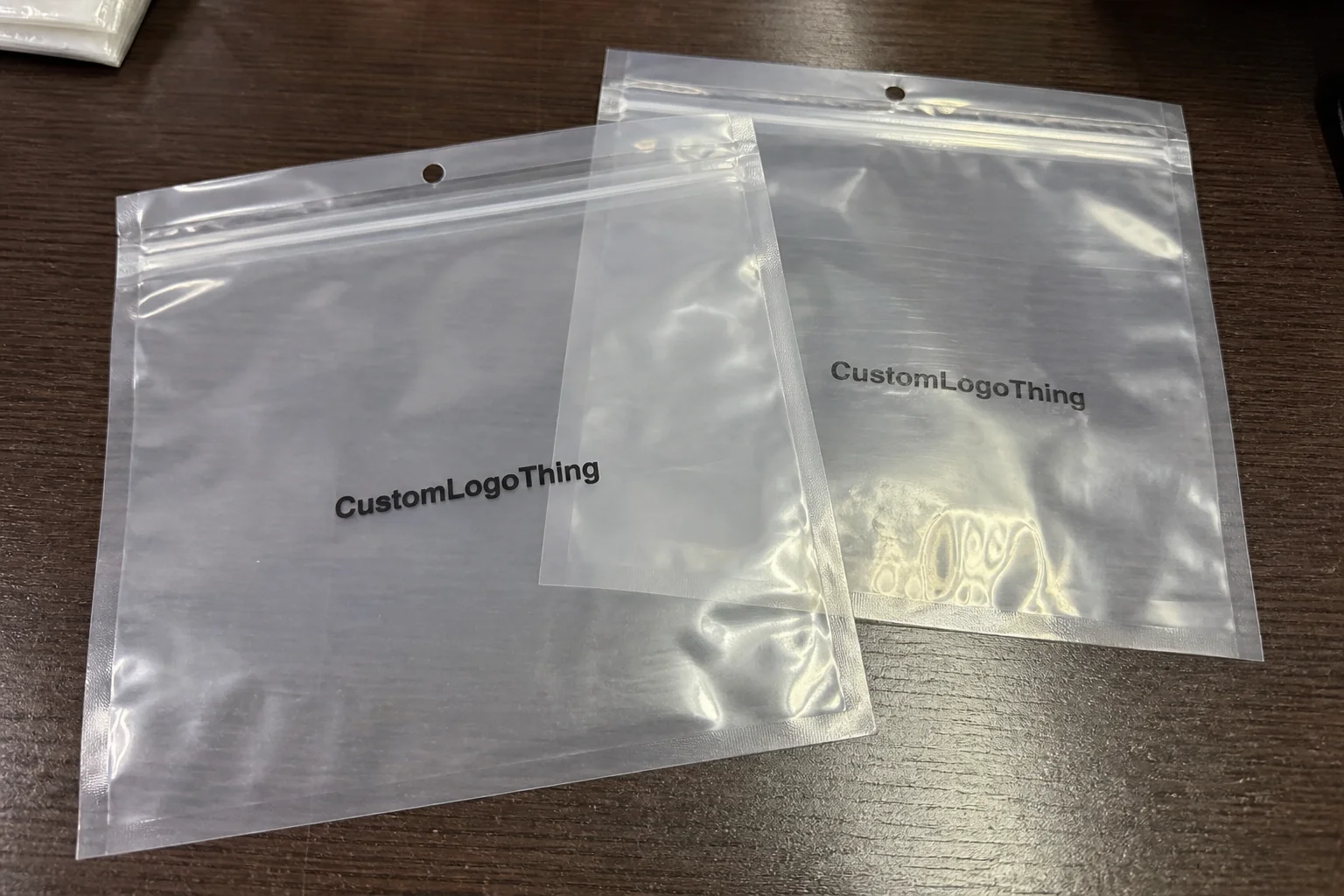
The main advantage is fit. A correctly specified pouch gives the product enough room for filling, sealing, and handling without wasting film or distorting the graphics. Standard pouches cover a few common sizes. That is fine until the product is oddly shaped, heavy, oily, sharp, fragile, or simply too important to force into a generic format.
Custom made Zip Lock Bags are useful when the buyer cares about freshness, repeat opening, and appearance. Dry snacks need moisture control. Samples need a clean first impression. Small parts need to stay contained instead of spilling into a drawer or carton. Cosmetic refills need a tidy retail look and a zipper that still feels dependable after repeated use.
The practical benefit shows up in a few common use cases:
- Snacks and dry food, where freshness and consumer convenience matter.
- Samples and trial packs, where size consistency and a clean print area matter.
- Hardware and parts, where puncture resistance and a reliable seal matter.
- Cosmetics and personal care, where presentation and repeat closure matter.
- Refill and subscription packs, where the bag needs to keep working after multiple openings.
The value is not just the logo. It is the whole build: dimensions, film stack, zipper style, seal strength, tear notch, hang hole, and print coverage. A bag can look good and still fail if the closure is weak or the film is too thin for the contents. Buyers usually learn that after returns start coming back.
If you are comparing this with Custom Packaging Products, treat the pouch as one part of the packaging system, not a standalone purchase. Size, closure, artwork, and shipping conditions all affect the spec.
How the Closure, Film, and Seal Work
A zipper pouch is a stack of decisions. The front and back film, side seals, bottom seal, and zipper track all have to work together. Some bags also need a tear notch, hang hole, or slider. If one piece is wrong, the bag becomes annoying fast. A strong film with a weak zipper is still a weak bag.
Press-to-close zippers are standard because they are familiar, inexpensive, and suitable for most retail packaging. Slider zippers cost more but make repeated opening easier, especially for products that are used often. Child-resistant closures are a separate category and should only be used when the product and compliance requirements call for them.
Film structure matters just as much. Clear polyethylene gives visibility and lower cost. PET/PE laminations are common when extra stiffness and better print quality are needed. Barrier structures add protection against oxygen, moisture, odor transfer, and in some cases grease migration. If the product is shelf-sensitive, aromatic, or prone to drying out, barrier performance is not optional.
For shipping durability, ask what kind of testing has been done. Drop tests, compression checks, and vibration testing can expose weak seals before a customer does. The International Safe Transit Association publishes transit testing guidance that is useful when the bag has to survive distribution, not just a photo shoot.
A good zipper bag feels boring in use. It opens easily, closes predictably, and does not make the customer think about whether it will hold.
Finish also changes the result. Gloss gives stronger color and a more conventional retail look. Matte reads softer and more premium, but it can mute tones and make small type harder to read. Clear film is useful when the product itself should sell the pack. Opaque film is better when privacy, UV reduction, or a cleaner brand block matters more than visibility.
Specs That Change Performance and Shelf Life
Four specs drive most of the outcome: size, gusset style, thickness, and barrier level. Start with the product, not the catalog. Measure the filled dimensions, then add room for the zipper, top seal, and handling. If the product is sharp, oily, moist, or odor-heavy, the structure should change accordingly.
Thickness is usually discussed in mils or microns. Lightweight sample packs can work around 2.5 to 4 mils, depending on the contents and closure. Heavier retail bags often land around 4 to 6 mils or more. Sharp hardware, dense food, or rough-edged components can require a tougher structure. If the bag will travel through distribution rather than sit on a shelf, puncture resistance matters.
Barrier level is where shelf life improves or fails. For dry food, powder blends, and aromatic products, the wrong film can lead to clumping, staleness, odor loss, or flavor migration. For cosmetics or personal care items, it can mean leakage or scent fade. PE alone is fine for some uses. It is the wrong answer for others.
- Barrier needs: moisture, oxygen, and odor control affect shelf life directly.
- Product behavior: powder, liquid, grease, or sharp edges change the film choice.
- Finish: gloss pushes color harder; matte softens the look.
- Compliance: food contact, supplement use, or other regulated categories need documentation.
Print limitations matter too. Small type, thin lines, and dark-on-dark artwork can get muddy fast. White underprint may be needed on dark film. High ink coverage can make a pouch feel heavier and reduce clarity unless the artwork is built for the substrate. A bag is not a flat poster; folds, seals, and gussets reduce usable design space.
If the product touches food or supplements, ask for actual documentation. Do not assume the bag is suitable because the email says so. Ask for material declarations, ink suitability, and any migration or contact statements needed for the use case. That is basic risk control.
Custom Made Zip Lock Bags Cost, MOQ, and Quote Factors
Pricing moves on a few predictable variables: bag size, film structure, zipper type, print coverage, finishing, and quantity. Bigger bags use more material. Barrier laminations cost more than plain PE. Slider zippers cost more than standard press-to-close tracks. More colors usually mean more setup work and tighter production control.
Custom made Zip Lock Bags usually get cheaper per unit as the run gets larger because setup costs spread across more pieces. Low MOQ orders feel expensive because they are. What is not normal is a quote that looks cheap until you ask what it excludes. Setup, plates or cylinders, proofing, freight, and closure upgrades can all show up later if the initial quote was built to win the comparison sheet instead of supply a product.
| Option | Typical MOQ | Typical unit price tendency | Best fit |
|---|---|---|---|
| Simple clear press-to-close pouch | 3,000 to 10,000 | $0.14 to $0.28 | Dry goods, samples, light retail packaging |
| Printed barrier pouch with zipper | 5,000 to 20,000 | $0.22 to $0.48 | Snacks, powders, odor-sensitive products |
| Slider or specialty closure pouch | 10,000+ | $0.35 to $0.80 | Premium shelf presence, frequent reopening, regulated use cases |
Setup charges are usually separate from unit pricing. Depending on the print method, plate, cylinder, or prepress costs can run from roughly $150 to $1,200 or more. Sample bags may also carry a one-time proof or tooling fee. If the supplier cannot explain those lines cleanly, the quote is not ready for a decision.
The quote only makes sense if the supplier knows the full spec. Send dimensions, film type, print coverage, zipper type, quantity, and whether you want plain stock or finished artwork. If you are also sourcing Custom Packaging Products for the same launch, keep the cost structure separate. Bags and cartons do not price the same way, even when they share a brand system.
The cheapest quote often leaves out the part that makes the bag work. Then the reprint arrives, and the budget gets adjusted.
Ordering Process and Lead Time: From Spec to Production
The cleanest ordering process is still the least dramatic one. Define the product. Confirm the bag structure. Review artwork. Approve the proof. Run a sample or pre-production check. Then start full production. If buyers skip those steps, they usually pay for the mistakes later in reprints, delays, or product complaints.
A realistic lead time for custom made Zip Lock Bags is often 12 to 18 business days after proof approval for straightforward printed orders. Complex closures, new tooling, special film structures, or a long artwork approval cycle can push that out. If the order needs test samples before production, add more time. Packaging schedules are rarely late for one reason; they are late because small delays stack up.
Here is the usual workflow:
- Send the product brief and target dimensions.
- Confirm material structure, zipper type, and print method.
- Review the dieline and artwork placement.
- Approve the digital proof or physical sample.
- Run production and leave enough time for shipping and carton packing.
Buffer time matters. If the bags support a launch, seasonal promotion, or retail reset, do not plan the run right up against the deadline. Proof revisions, shipping delays, and carton packing can eat the schedule quickly. A one-week buffer is decent. Two weeks is safer if the product has a fixed shelf date.
Ask what happens before production starts. Does the supplier require vector files? Are dielines provided or do you need to supply one? Is there a prepress check? Are test packs available before the full run? Those questions do not make you difficult. They make you harder to misquote.
Common Mistakes That Cause Leaks, Returns, or Bad Prints
The most common failure is choosing the wrong zipper for the product. If the bag will be opened often, the closure needs enough bite to stay shut after repeated use. If the product is heavy, the zipper and top seal need more support. If the contents are dusty or oily, the track can clog and turn a simple interaction into a complaint.
Thickness mistakes are just as common. Buyers focus on print and forget handling. Then the bag tears at the seal or punctures on a sharp corner during transit. Product height matters too. If the item is too tall for the bag, the top seal gets too close to the contents. If the headspace is too generous, the pouch looks half empty and weak on shelf.
Artwork problems are predictable. Small type, overloaded graphics, and dark-on-dark layouts are the usual suspects. A good-looking mockup can turn muddy once it meets film, seals, and a zipper track. The bag is not a flat poster, and the physical limits show up fast when the design ignores them.
The biggest pricing trap is choosing the lowest quote and hoping quality will behave. It usually does not. Once you count leaks, returns, reprints, and launch delays, the cheap option gets expensive fast. For moisture-sensitive or shelf-sensitive products, weak barrier performance can also shorten usable life.
For regulated or delicate products, confirm suitability before artwork is finalized. Good suppliers tell you the limits upfront. Bad ones say yes to everything because saying no is inconvenient. You want the first kind.
What to Send Before You Request a Quote
A usable quote starts with a usable brief. If the product is described in vague terms, the quote will be vague too. That usually leads to revisions, and revisions are where timelines and budgets start leaking.
Send these details up front:
- Product dimensions and target fill weight.
- Closure type: press-to-close, slider, or specialty closure.
- Film preference: clear, matte, gloss, barrier, or opaque.
- Print needs: number of colors, white ink, full coverage, or spot print.
- Compliance needs: food contact, supplement use, or other documentation.
- Volume: sample run, pilot run, or annual production estimate.
Ask for the sample plan too. A serious supplier should be able to tell you whether you are getting a digital proof, a flat sample, or a pre-production bag. Also ask about the difference between sample cost and production cost. Those are not the same thing.
If the product is delicate, request a small test run before full production. That is especially smart for sharp items, oily fills, moisture-sensitive goods, or packs that need a specific shelf life. Once the structure is locked, finalize the artwork against the real dieline. Designing first and asking questions later almost always creates avoidable revisions.
Compare each quote line by line, confirm lead time, and lock the structure before artwork finalization. That is the cleanest way to make sure your custom made Zip Lock Bags work in production, ship on time, and hold up after the customer opens them.
How do I choose the right custom made zip lock bags for my product?
Start with the product itself: size, weight, moisture level, and whether it has sharp edges or a strong odor. Then match the closure, film thickness, and barrier level to that product instead of choosing by price alone.
What affects the price of custom made zip lock bags the most?
Bag size, material structure, zipper style, print complexity, and order quantity usually move pricing the most. Low quantities often have a higher unit cost because setup and production overhead are spread across fewer bags.
How long does production usually take for custom made zip lock bags?
Lead time depends on artwork approval, tooling needs, print method, and whether samples are required first. Build in extra time for proofing and shipping if the bags are tied to a launch date or retail deadline.
Can custom made zip lock bags be food-safe?
Yes, if the material structure and inks are certified and specified for food contact. Do not assume food-safe by default; ask for documentation and confirm the intended product use.
What should I send when asking for a quote on custom made zip lock bags?
Send product dimensions, fill weight, closure type, print files, quantity, and any barrier or compliance requirements. The more exact the brief, the fewer quote revisions and the lower the risk of ordering the wrong bag.

