Buyer Fit Snapshot
| Best fit | Custom Magnetic Gift Box Supplier Quote projects where brand print, material claims, artwork control, MOQ, and repeat-order consistency need to be specified before quoting. |
|---|---|
| Quote inputs | Share finished size, material target, print colors, finish, packing count, annual reorder estimate, ship-to region, and any compliance wording. |
| Proofing check | Approve dieline scale, logo placement, barcode or warning zones, color tolerance, closure strength, and carton packing before bulk production. |
| Main risk | Vague material claims, crowded artwork, missing packing details, or unclear freight terms can make a low unit price expensive after revisions. |
Fast answer: Custom Magnetic Gift Box Supplier Quote: Board, Finish, Dieline, and Unit Cost should be specified like a repeatable production item. The safest quote records material, print method, finish, artwork proof, packing count, and reorder notes in one written spec.
Production checks before approval
Compare the actual filled-product size with the drawing, then confirm tolerance on folds, seals, hang holes, label areas, and retail display edges. Reserve space for logos, QR codes, warning copy, and material claims before decorative graphics fill the panel.
Quote comparison points
Review material grade, print process, finish, sampling route, tooling charges, carton quantity, and freight assumptions side by side. A quote is only useful when the supplier can repeat the same color, closure quality, and packing count on the next order.
Custom Magnetic Gift Box Supplier Quote: What to Expect
A custom magnetic gift box supplier quote can look neat on paper and still miss the real cost once inserts, wrap, magnets, proofs, and freight enter the picture. That is where budgets get bent out of shape. It is also where a box That Feels Premium in hand turns into one with bowed panels, a weak snap, or an insert that lets the product rattle around like it has no owner.
For buyers comparing branded packaging, the quote is not just a price. It is a specification sheet wearing a sales jacket. If two suppliers are pricing different board thicknesses, different magnet counts, or different shipping terms, the lower number is not the lower number. The only useful comparison is a like-for-like one: same structure, same finish, same carton count, same delivery basis. Clean comparison. No guesswork. No drama.
Why a low quote can hide a better packaging decision
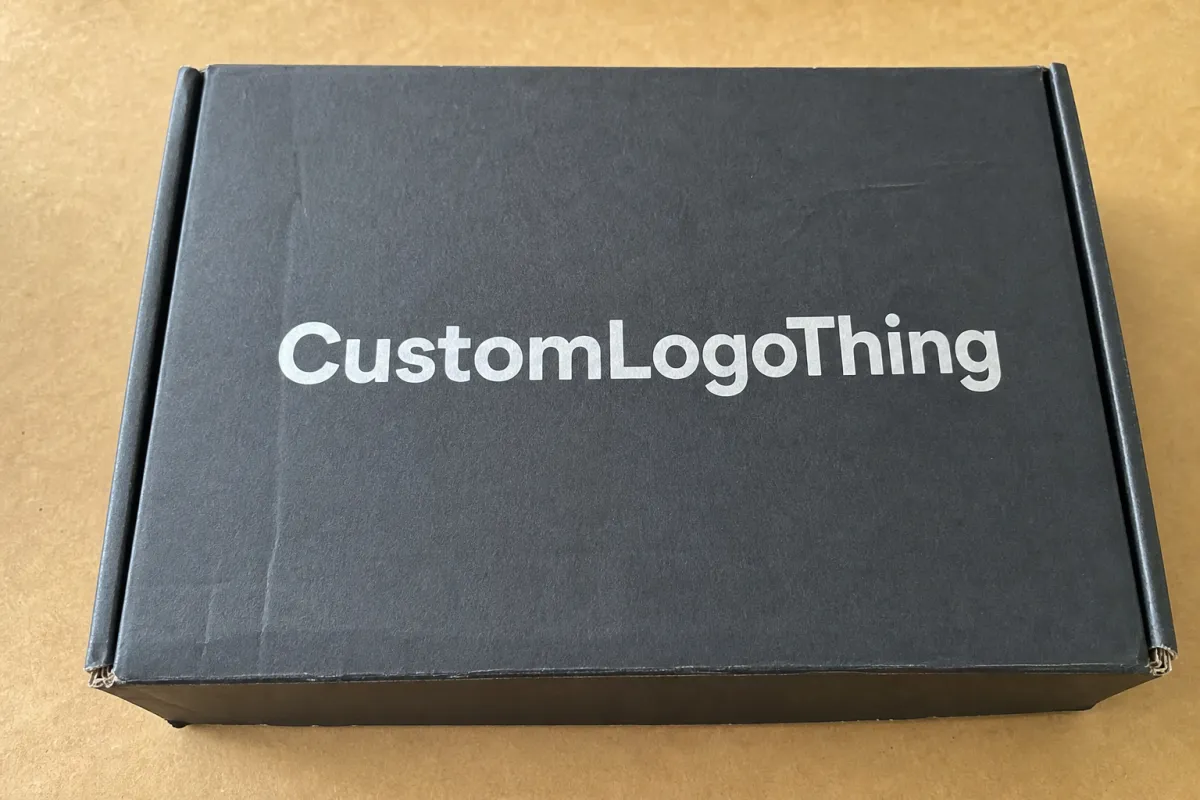
A low quote gets attention fast. It also loses a lot of deals after the purchase order lands. Magnetic rigid packaging is not one cost. It is several cost layers stacked together. A quote that looks cheap may leave out the insert, use a lighter wrap, or assume a board grade that behaves fine in a sample and starts failing once packing, freight, and shelf handling get involved. Add the missing pieces back in and the landed cost climbs quickly.
Think about a premium gift set, a product launch, or a corporate giveaway. The box is the first physical cue the recipient sees. The snap of the closure, the stiffness of the lid, the edge wrap, and the print registration shape the perceived value before the product is even touched. A weak magnet or sloppy hinge does not just feel cheap. It makes the whole program look underplanned. That is a brand problem, not a packaging quirk.
The boxes that perform well usually do two jobs at once. They present the product well and they protect it. If a bottle shifts inside the cavity, if a cosmetic jar tilts, or if an accessory rattles, the package fails its job no matter how polished the outside artwork looks. A custom magnetic gift box supplier quote that ignores the insert spec is incomplete. A quote that leaves out freight or carton packing assumptions is worse.
A quote that leaves out the insert, freight, or finish detail is not a bargain. It is a delayed correction.
Read a quote like a procurement file. Ask what board is being used, what paper wrap is included, how the magnets are placed, how many units fit in a master carton, and whether the quote is ex-factory, FOB, or DDP. The buyer who asks those questions gets a real comparison. The buyer who only asks for the lowest headline number gets a surprise later.
There is a real difference between a box that is merely attractive and one that supports the brand. In retail packaging, that difference affects repeat orders. For B2B gifting, it affects how the recipient remembers the company. For subscription kits or influencer mailers, it affects whether anyone bothers to post the unboxing. A rigid magnetic box can do all three jobs, but only if the custom magnetic gift box supplier quote reflects the actual build rather than a stripped-down version designed to win the inquiry.
Product details: what a custom magnetic gift box should include
A proper magnetic gift box starts with a rigid board structure. Most programs use grayboard or chipboard wrapped in printed paper, specialty paper, or coated stock. The magnet is hidden inside the front flap, so the closure feels clean and intentional instead of mechanical. A well-made closure should align by design, not rely on friction or overstuffing the box to stay shut.
Buyers usually see three common formats. The first is the set-up rigid box, which ships assembled and gives the best shelf and presentation quality. The second is the foldable magnetic box, which reduces freight and warehouse space because it ships flat or semi-flat and is assembled before packing. The third is the insert-based box, built around a product cavity for bottles, cosmetics, tech items, jewelry, or curated kits. Each format changes labor, shipping, and unit cost. That is why format choice belongs in the quote brief, not in a follow-up email.
Finish selection matters just as much as structure. Professional quotes typically include options such as matte lamination, soft-touch coating, textured paper wraps, foil stamping, embossing, debossing, spot UV, and full-color litho print. Soft-touch feels premium in hand, but it can show rub marks if the outer carton gets handled roughly. Foil adds visual punch, yet it can increase setup complexity when the artwork has tight registration. The right finish depends on the channel, the budget, and how often the box gets touched.
Inserts deserve more attention than they usually get. EVA foam gives precise cutouts and strong presentation. Molded pulp supports sustainability goals and cuts plastic use. Paperboard partitions work well for lighter items or multi-product sets. A die-cut tray can keep the quote lower, but only if the product is stable and does not need extra cushioning. The best insert is not the cheapest one. It is the one that stops movement without making the box feel overbuilt.
Small usability details separate a polished package from an awkward one. Finger notch depth affects how easy the lid is to open. Ribbon pull tabs can improve unboxing for gift sets. Hinge strength matters if the box will be opened and closed multiple times. The opening angle matters too. If the lid only opens halfway, the box may photograph badly or feel cramped in use. These are not decorative details. They affect buyer satisfaction and the perceived quality of your retail packaging.
For brand teams building package branding into a launch, the box should carry the story visually and physically. Clean edge wrapping, balanced logo placement, and crisp print registration tell the customer the same thing: this brand pays attention. That does not require overdesign. It requires precision.
Specifications that change your custom magnetic gift box supplier quote
The biggest pricing swings usually come from details that sound minor in the brief. Box dimensions are first. Suppliers need the inner size, not just an estimated outer size, because the product cavity drives board usage, insert size, and the finished profile. Add product clearance too. A cosmetic jar that measures 72 mm tall does not fit a 72 mm cavity in the real world. A few extra millimeters prevent scuffing and give the packing line room to work.
Board thickness is the next lever. Heavier board feels substantial and improves compression resistance, but it raises material cost and can push freight weight higher. A thinner board can still look premium if the wrap, print, and magnet alignment are good, but there is a limit. For a luxury gift box carrying a heavier item, weak board creates lid bowing, corner crush, and unpleasant flex during opening. A quote should state the board grade clearly, not hide behind the word "rigid."
Artwork complexity changes the number too. A single-color logo on a plain wrap is one cost profile. Full-bleed graphics with multiple PMS colors are another. Add foil, spot UV, or embossed texture and setup time climbs. Tight registration costs more because it forces the printer and finishing team to hold tighter tolerances. If the design has thin lines, gradients, or small type, the supplier should review it before quoting. Some artwork looks elegant in PDF form and turns expensive on a wrapped rigid box.
Magnet specification is often the hidden variable. The supplier should confirm magnet size, count, placement, and pull strength. A stronger magnet gives a firmer closure, but it can add material cost and assembly time. A weaker magnet may work on a sample and fail once the lid gets opened repeatedly. If the box is meant for high-end retail packaging, the closure feel matters more than many buyers expect. It is one of the first tactile cues a customer notices.
There are also order-specific line items that can disappear from a basic quote unless you ask for them. QR codes, serial labels, batch stickers, retail barcodes, FSC references, export marks, and carton labels can all affect the final output. If the box must support compliance or traceability, those details belong in the RFQ, not in a separate email thread after the price gets approved.
For teams comparing quotes, ask for a like-for-like list of specs. A supplier should be able to confirm what is included and where the quote changes. If one bidder prices board only and another prices board plus wrapped insert plus printed outer carton, the comparison is broken. That kind of mismatch causes more procurement friction than a slightly higher starting price ever would.
Custom magnetic gift box pricing, MOQ, and unit cost
Unit price is where most buyers start, but MOQ is where the deal structure shows up. A lower minimum order quantity usually means a higher per-box price because setup, cutting, proofing, and assembly labor get spread across fewer units. A larger run usually improves efficiency, but only if inventory and lead time are manageable. That tradeoff sits at the center of every custom magnetic gift box supplier quote.
Typical pricing depends on board weight, wrap material, print coverage, insert complexity, and quantity bracket. For a simple foldable rigid box with a basic printed wrap, the unit cost can land much lower than a fully finished set-up box with foam insert and foil stamp. The closer the box gets to luxury presentation, the more handwork enters the process. Hand assembly matters. It is also expensive.
| Quantity | Typical unit price band | What is often included | Common cost drivers |
|---|---|---|---|
| 500 units | $1.90-$4.80 each | Rigid board, printed wrap, basic magnet closure | Setup, proofing, lower line efficiency, more labor per box |
| 1,000 units | $1.40-$3.90 each | Better pricing spread, optional insert, standard finish | Material grade, magnet count, artwork complexity |
| 5,000 units | $0.95-$2.70 each | Stronger pricing on board, print, and assembly | Foil coverage, special paper, carton pack count, freight volume |
Those numbers are planning bands, not promises. A box for a lightweight fragrance set may sit near the lower end. A box for a heavy bottle, electronics kit, or premium corporate gift can sit higher because the insert, board, and closure have to do more work. The important point is not the exact band. It is understanding why the band moves.
Buyers should also ask about hidden costs early. Dielines, prototype samples, digital proofs, tooling plates, color matching, master carton specs, and export packaging can all be priced separately. A quote that looks aggressive can become expensive once those items get added. Freight is another common blind spot. Rigid boxes are bulky. Even when they are not heavy, they consume container volume. That means landed cost may rise far faster than the ex-factory unit price suggests.
Comparing landed cost matters more than comparing factory price alone. Duties, customs handling, port charges, and destination freight can turn a decent per-unit quote into a poor total. A buyer ordering 5,000 custom printed boxes can save a few cents per unit at source and still end up paying more if the packaging ships inefficiently or needs repacking on arrival. If the box design reduces carton efficiency, freight becomes part of the product cost whether the quote mentions it or not.
A good supplier will explain how the quantity break changes the economics. If 1,000 units are only slightly more expensive per unit than 500, the buyer may gain enough savings to justify the larger run. If the price drops sharply at 3,000 or 5,000, that can help seasonal programs or recurring product packaging. The right answer depends on reorder plans, storage space, and whether the launch is a one-time campaign or a long-term retail item.
Quote process, lead time, and production steps
A fast quote helps only when it is accurate. The best RFQ package gives the supplier enough information to price the box as it will actually be built. At minimum, send inner dimensions, outer constraints, product weight, artwork files, insert type, finishing preferences, delivery destination, and any compliance requirements. If the box must pass a ship test or align with a sourcing policy, say so upfront. Otherwise the quote is just a guess dressed up as certainty.
The workflow usually follows a clear sequence. First comes inquiry review, where the supplier checks whether the structure is feasible and whether any details are missing. Then comes quotation, often with a structure recommendation if the brief needs adjustment. After that, the buyer approves a sample or proof. Once the sample is signed off, the order moves into production scheduling. In-line inspection follows, then final QC, then shipment booking and export packing. Each stage carries its own delay risk.
Sampling can be quick on a simple box and slower on a new structure or specialty finish. A printed sample for a foldable magnetic box may move faster than a production-ready mock-up for a rigid gift box with foil and a custom insert. If the art is still changing, the timeline stretches again. The most common delay is not machine capacity. It is missing information. Unclear cavity dimensions, last-minute logo changes, and delayed approvals slow the job more than most buyers expect.
If your product is sensitive, ask about packaging tests. For transit performance, suppliers often reference standard methods from bodies such as ISTA. For paper sourcing, forest-chain claims should be backed by recognized certification such as FSC. Those references do not magically improve a package, but they do give you a clearer baseline for quality and sourcing claims. In procurement terms, that matters.
A dated production calendar is one of the most practical things you can request. It should show sampling, artwork approval, production, QC, packing, and ship date. That schedule helps internal teams coordinate launches, warehouse receiving, and sales commitments. It also exposes pressure points early. If a launch date is non-negotiable, the calendar shows whether the supplier can actually deliver or whether a simpler structure is needed to protect the schedule.
For buyers working in retail packaging, timing is not a side note. Store resets, media drops, corporate events, and e-commerce ship dates all depend on the box arriving on time. A beautiful package that lands late is not a finished solution.
Why choose us for a custom magnetic gift box quote
At Custom Logo Things, the goal is not to fire off a number and sort out the details later. The point is to help buyers land on the right box structure before the order turns into a production mess. That matters because a magnetic gift box has several moving parts: board choice, wrap selection, insert fit, closure strength, and print finish. If one of those is wrong, the box may still look fine in a PDF and fail in the real world.
What buyers usually need most is clarity. Can the box hold the product securely? Is the insert appropriate for the item weight? Will the lid close with a clean snap? Is the artwork compatible with the finish? Those questions separate strong packaging design from decorative guesswork. A supplier that answers them directly saves time and cuts revision loops.
Consistency is another reason buyers come back. Magnetic closure alignment has to repeat across the run. Corner wrapping has to stay clean. Color has to stay within acceptable tolerances. If one sample looks polished and the order of 3,000 boxes comes out uneven, the quote was never the real problem. The process was.
Good service also means practical support. If the box needs a dieline, finish recommendation, pack-out advice, or freight planning, those details should be part of the conversation. The best custom magnetic gift box supplier quote is the one that reflects the full job: not just the outer shell, but the complete retail packaging and shipping path. That is where many first-time buyers lose time and budget.
Transparency matters too. A trustworthy supplier should state what is included, what is optional, and where the price changes if the brief changes. That protects the buyer internally. If purchasing has to explain a recommendation to sales, finance, or operations, it helps to have line-item logic instead of a vague "it costs more because it is better." Decision-makers respond to specifications, not slogans.
If you are still shaping the program, browse our Custom Packaging Products to compare formats, then use Contact Us to send the dimensions, quantity, and finish you are considering. The more complete the brief, the more useful the quote will be.
Next steps to request and compare a quote
The cleanest path is simple: build one spec sheet, send it to multiple suppliers, and require each supplier to price the same structure. Do not let one vendor quote the box only while another includes the insert, a third includes freight, and a fourth excludes proofing. That kind of mismatch makes the lowest number close to meaningless.
Use a short comparison grid before you decide. Include unit price, MOQ, sample fee, lead time, finish options, carton pack count, payment terms, and what is excluded. If you are choosing between two strong offers, compare more than price. Compare proof quality, responsiveness, and the detail level in the written quote. A supplier that documents the job well usually handles production more cleanly too.
Ask for sample photos if the project is new. Ask for a note on what the quote excludes. Ask whether the sample is plain, printed, or fully finished. Those are small questions, but they remove ambiguity fast. Buyers who skip them often discover too late that freight was not included, the insert was priced separately, or the finish they assumed was standard was actually an add-on.
- Lock down inner dimensions, product weight, and insert style first.
- Require the same quantity break from every supplier.
- Separate unit price from freight, duties, and proofing.
- Check whether the supplier can explain board, magnet, and finish choices clearly.
- Compare landed cost, not just the factory number.
If the packaging is for a launch, a seasonal campaign, or a recurring retail program, build enough margin into the schedule for revisions. A quote is the start of the process, not the finish line. The earlier you confirm structure and artwork, the less likely you are to pay for rush changes later. That is especially true for custom printed boxes with multi-step finishes or custom inserts.
Use your custom magnetic gift box supplier quote to confirm fit, quality, and landed cost, then move only when the numbers match the packaging brief. In this category, the cheapest quote is rarely the best deal. The best deal is the one that arrives on time, protects the product, supports the brand, and still feels right in the customer’s hand.
FAQs
What information do I need for a custom magnetic gift box quote?
Send inner dimensions, quantity, product weight, artwork files, and the insert style you need so the supplier can price the structure correctly. Add finish preferences such as matte, soft-touch, foil, or embossing because each one changes material and labor cost. Include the shipping destination and target date so freight and lead time are not guessed.
How does MOQ affect custom magnetic gift box pricing?
A lower MOQ usually raises the unit cost because setup, cutting, and assembly expenses get spread across fewer boxes. Higher quantities usually unlock better tier pricing, especially on printing and hand-finishing work. Ask for multiple quantity breaks so you can see the savings curve before you commit.
What is a realistic lead time for a magnetic gift box supplier quote order?
Sampling is often faster than full production, but approvals and artwork revisions can stretch the timeline. Straightforward specs move faster than boxes with special inserts, multi-step finishes, or custom structural changes. Request a dated schedule for sampling, production, inspection, and shipping so you can align launch plans.
Can I get a sample before approving the quote?
Yes, and you should if the box uses new dimensions, a complex finish, or a high-value product insert. Ask whether the sample is plain, printed, or fully finished because each type serves a different approval purpose. Confirm whether the sample fee is credited back on production orders.
What should I compare besides the unit price in a custom magnetic gift box quote?
Compare board thickness, magnet strength, print quality, insert material, and carton pack count because these affect performance and shipping cost. Check what is excluded from the quote, especially freight, duties, proofing, and tooling. Look for consistency, QC process, and documentation quality so you are not forced to solve problems after ordering.

