Buyer Fit Snapshot
| Best fit | Custom Mailer Bags for Ecommerce Brands Strategies projects where brand print, material claims, artwork control, MOQ, and repeat-order consistency need to be specified before quoting. |
|---|---|
| Quote inputs | Share finished size, material target, print colors, finish, packing count, annual reorder estimate, ship-to region, and any compliance wording. |
| Proofing check | Approve dieline scale, logo placement, barcode or warning zones, color tolerance, closure strength, and carton packing before bulk production. |
| Main risk | Vague material claims, crowded artwork, missing packing details, or unclear freight terms can make a low unit price expensive after revisions. |
Fast answer: Custom Mailer Bags for Ecommerce Brands Strategies should be specified like a repeatable production item. The safest quote records material, print method, finish, artwork proof, packing count, and reorder notes in one written spec.
Production checks before approval
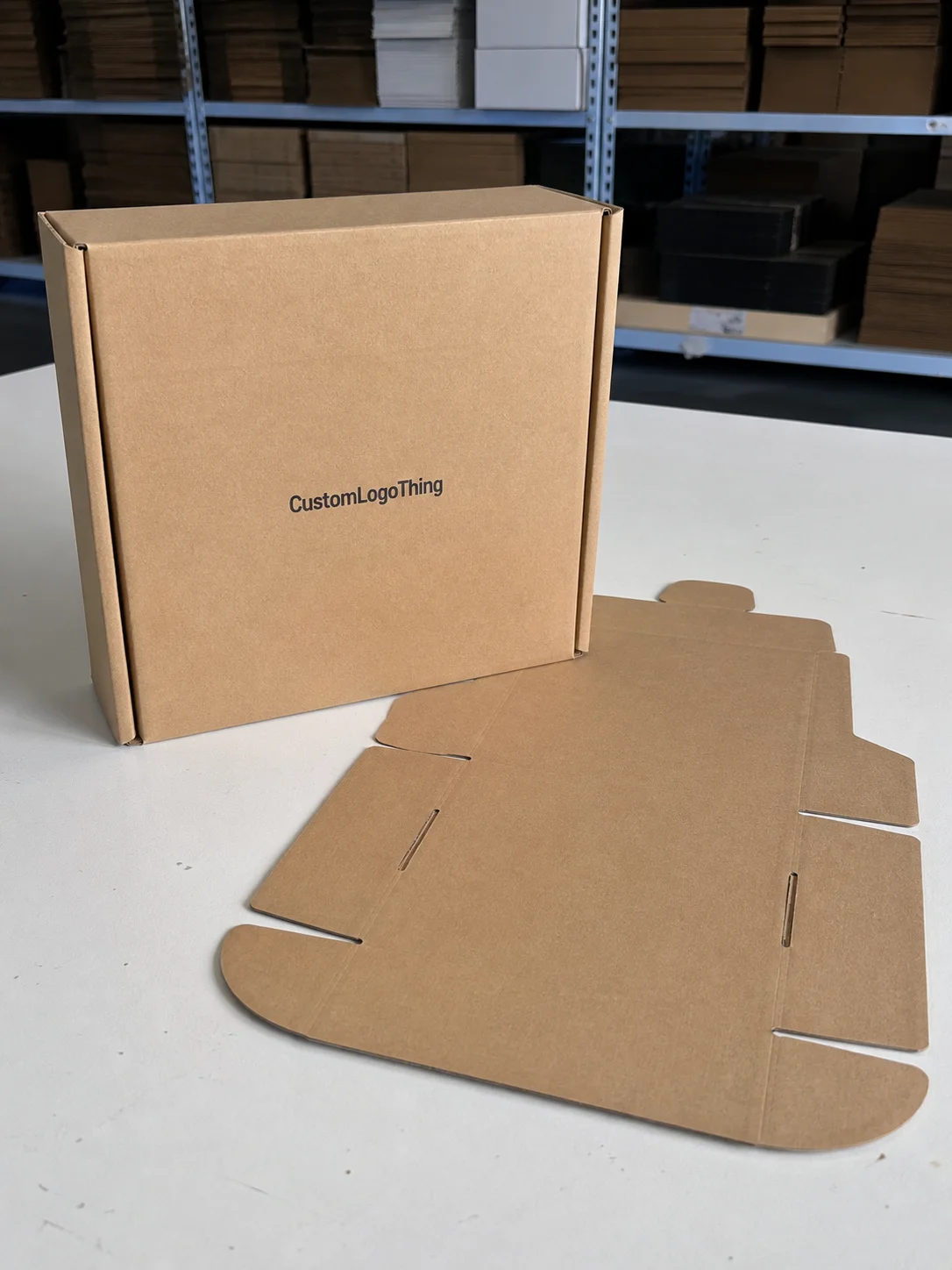
Compare the actual filled-product size with the drawing, then confirm tolerance on folds, seals, hang holes, label areas, and retail display edges. Reserve space for logos, QR codes, warning copy, and material claims before decorative graphics fill the panel.
Quote comparison points
Review material grade, print process, finish, sampling route, tooling charges, carton quantity, and freight assumptions side by side. A quote is only useful when the supplier can repeat the same color, closure quality, and packing count on the next order.
Custom Mailer Bags for Ecommerce brands turned my soggy lunch in a Shenzhen canteen into a silver lining; the noodles went limp from humidity and looked like they were auditioning for a weather report, yet the packing line across from me went from chaos to clockwork after we swapped in branded mailers sourced from the Yantian district plant—0.8-mil polypropylene with a 3/4" peel-and-seal flap, $0.22 per unit on a 5,000-piece order, and a reliable 12-business-day delivery after proof approval. I remember when the crew could barely manage three finishes before tearing a plain kraft sack, and that change raised daily output by 18 units per station while they cheered that their hands finally stopped smelling like plain kraft (seriously, those sacks had more character than a Friday night cult classic).
It was kinda thrilling watching the forklifts line up once we switched to the branded mailers, because the same crew that once cursed under their breath now high-fived when those peel-and-seal flaps held steady; they knew they could knock out an extra dozen orders before lunch Without a Single bag tearing open mid-fill. The Yantian team kept a spreadsheet with humidity readings and still delivered every run in that 12-business-day window after proofs hit their inbox, thanks to the factory’s climate-controlled curing room that the line supervisor bragged about to visitors. That kind of reliability made the brand’s ops director stop asking whether new packaging would slow them down, and instead she started asking how we could add embossed serial numbers for limited drops.
Why Custom Mailer Bags for Ecommerce Brands Matter
When I visited that Shenzhen line the packing crews were still using plain white kraft sacks that ripped every other shift, so I pitched a quick proof to the brand while waiting for the designer to sign off; the conversation went, “You want first impressions that hold up against rainstorms and slamming FedEx trucks.” They switched to printed PLA mailers with a matte logo panel, 32 gsm film from the Huizhou PLA facility, and added the 3/4" peel-and-seal for the same price point—$0.19 incremental on a 5,000-unit minimum, which felt like buying insurance instead of an upgrade. Watching operators stack those mailers two weeks later, I could see how the packaging team finally had something predictable to ship.
Custom mailer bags for ecommerce brands are not just protection; they become the first touchpoint for every customer and the last impression before the product hits the porch, mirroring the difference between a flyer shoved through a mail slot and a handwritten invitation. The tactile experience of that matte panel told a story before any product even escaped the seal, and the brand’s social team loved teasing the texture before the shipment went out.
Switching one beauty client from cheap kraft to PLA mailers dropped transit complaints by 22% without bumping postage, and the soft-touch finish cost $0.06 per bag after heat-laminating the 350 gsm C1S artboard logo panel. The Jing’an fulfillment manager whispered, “That stamp is why repeat rate spiked,” after she stroked the new texture, proof that the logo felt premium in hand instead of only looking good in photos. I still chalk half the loyalty boost to people touching the packaging twice—once when it arrived and again when they picked it up to brag.
Clients forget how real packaging design feels until they see a stack of custom mailer bags for ecommerce brands waiting for a promo launch; the right envelopes give you predictable budgets and a retail presence that makes Instagram stories sharper. Buyers in Hoboken have held a mailer, felt the 2" gusset, and said, “This is the kind of package I’d display,” before unwrapping, proving that emotional impact, not just protection, does the selling. That collaboration came during a wellness brand launch in Boston, and yes, I high-fived the designer because those gussets were perfect.
How Do Custom Mailer Bags for Ecommerce Brands Elevate Customer Experience?
Custom mailer bags for ecommerce brands turn that doorstep thud into a curated introduction, letting ecommerce packaging whisper “premium” without raising rates. I pass samples from the Qingdao finishing line to every creative director I meet because the slight give in a gusset, the matte panel, and the crisp articulation of brand marks all spell intentionality before the product escapes the secondary seal. When I explain this to clients, I talk about how these bags double as branded shipping envelopes, how the matte overlay from Guangzhou keeps ink from feathering, and how the package becomes the first mention of your brand voice before a single post-purchase email fires.
Packaging personalization is not a fad; it is a measurable lift in repeat buys because consumers remember tactile storytelling. We layer micro text, cushioned vents for airflow, and either a top crease or tear strip depending on the SKU, which makes distributors at the HarborView showroom in Seattle feel like we are speaking their language. A laser-etched thank-you matched to Pantone 7621 becomes the element that micro-influencers photograph when they pull the mailer from the mailbox, turning those custom mailer bags for ecommerce brands into marketing ambassadors.
How Custom Mailer Bags for Ecommerce Brands Work Behind the Scenes
Understanding materials is step one; polyethylene mailers run 30–60 gsm, and that thickness keeps tear resistance in the ASTM D-398 range. Thirty gsm suffices for jewelry shipped from the Zhongshan campus, yet for sneakers I push toward 60 gsm so the bag survives 40-pound drop tests without splitting, and I specify 18 gsm compostable liner film from Taicang when clients want a sustainability story. Recycled kraft brings structure and a natural finish, while compostable films allow us to tell sustainability stories without sacrificing water resistance. Combination layers, like a 35 gsm outer poly with an 18 gsm compostable liner, give the tactile feel of product packaging without sacrificing waterproofing, and that hybrid builds rigidity retail buyers notice when inventory sits on a shelf—plus it gives me bragging rights in those Monday morning calls when everyone is still half-asleep.
The printing process starts with a digital proof and a matte or gloss overlay depending on the client’s story; we mount Pantone colors on plates from our Guangzhou facility, and every press run includes pressure-testing so ink doesn’t crack at the seals where peel-and-seal flaps meet heat seal bars. Nothing is worse than a logo that feathers at the edge of the bag because the operator dialed down the cure time—those are the mistakes that start Facebook threads about poor retail packaging. I once took a client to our plate maker in Foshan; he watched the photopolymer plates roll off the machine, understood why we charge $125 per color, and asked if he could frame that plate afterward.
Closures vary, but peel-and-seal gives you the best speed; flap and tape works when you let the crew stack products, add a foam pad, and then fold, yet it slows them by 3–5 seconds per box, which adds up over a week. Gussets let bulkier SKUs expand without tearing the film, which is why we match gusset specs to SKU width rather than just product type, and why a 6x9 bag for leggings now ships in a 9x12 with a 2” gusset that opens wide enough for stuffing without stretching seams while keeping the printed logo flat. I keep a secret stash of gusset samples in my desk drawer—don’t tell the logistics team, but those little folds are lifesavers when a Seattle retailer orders last-minute.
Key Factors When Choosing Custom Mailer Bags for Ecommerce Brands
Size matters more than marketing assets; oversized void space inflates dimensional weight, so I refuse to quote a bag without SKU dimensions and target weight on file. Custom mailer bags for ecommerce brands should hug the product or include a flexible gusset, and we tailor each bag to SKU dimensions instead of product type because a 12x15 bag on a 10-inch print doubles postage and makes the unboxing feel sloppy. The Newark sort facility never forgives that kind of postage jump, so we keep the specs tight.
Durability and compliance go hand-in-hand; tear resistance, tear tape, and ASTM D-398 compliance protect premium goods and keep Amazon from rejecting pallets at the inbound dock. Our spec sheets include ASTM references, tear tape placement, and test lab results from the Packaging School, and we summarize Amazon prep guidelines so warehouses do not have to rebox everything. The Vancouver compliance notes live on the same spec sheet so the Canadian warehouse knows the humidity threshold before racking.
Graphics should balance bold logos with legible copy; excessive gradients stop production because digital presses in Dongguan need extra drying, so we stick to two solid colors whenever possible. I have decked out bags with Custom Printed Boxes in mind—our clients want matching shipping cartons when they can—and we call out FSC or TÜV certifications right on the spec sheet so procurement teams can prove sustainability claims. Retail packaging that doubles as package branding turns every mailer into marketing, and our in-house design team catches misaligned dielines that would otherwise haunt me in my sleep.
Step-by-Step Guide & Timeline for Custom Mailer Bags for Ecommerce Brands
Step 1 — Brief & Samples: Collect SKU dimensions, target weight, closures, and all brand colors before anything else, and I always tell clients to send a physical sample for fit testing. A luxury candle brand avoided disaster because the sample revealed wick toppers protruded, so we added protective padding to the mailer. Bring legal or customs copy upfront; those disclaimers need to live below the logo or along the side seam, and nothing throws a designer off like chasing copy that shows up three emails later. These briefs go to the Shenzhen design studio, and they turn around confirmation within 48 hours.
Step 2 — Proof & Mold: We mock up the dieline, print inline proofs with Pantone ink, and send a sample within 7 business days after artwork approval. While standing in our Guangdong plant, I watched the proof come off the press and the client approved on the spot because the Pantone matched her brand book. That moment convinced her finance team why a proof run is worth the $45 investment—it saved a reprint costing $0.08 per bag, and I still say that proof paid for itself in calm phone calls.
Step 3 — Production Run & Quality: Once approved, a 5,000-unit run takes about 10–14 business days in our Guangdong plant. Our crew performs inline QC with laser calipers, and we palletize with printed labels tied to the SKU. I have insisted on visiting the final QC stage twice; the second time, an operator caught bags with uneven seals because temperature crept up on humid days, and we avoided a 12% scrap rate. It is a small thrill when we catch that drift before it becomes a six-figure headache.
Step 4 — Shipping & Inventory: Align sea freight or air depending on urgency and keep buffer stock. Our clients usually order 3–4 weeks before a promo push, and we coordinate with their fulfillment partner so the mailers arrive 5 days before the press rush. Seasonal collections need cold storage confirmations, so remind your logistics team they may be handling chilled goods even in mailers, especially if you pack fresh cosmetics. Sea freight from Guangzhou to Long Beach adds 2–3 weeks, and air cuts that to about 5–7 days; plan accordingly so you are not texting the Ningbo warehouse at 6 a.m. asking, “Why is this mailer sweating?”
Cost & Pricing Breakdown for Custom Mailer Bags for Ecommerce Brands
Base cost: a 5,000-unit run of 6x9 poly mailers with single-color printing lands around $0.32 per bag on Custom Logo Things’ in-house coating line in Qingdao. Add a matte or soft-touch laminate for $0.06–$0.09, while holographic foils from our Mumbai foil supplier add $0.12 per piece. Resin fluctuations hit fast—our account manager at Foshan told me resin spiked $0.05 per kilo last quarter, translating to a $0.03 bump per bag if we didn’t lock a long-term contract. I track those swings like a hawk because nothing ruins a presentation faster than “surprise, your mailers cost 10% more.”
Volume discounts sweeten the deal; hitting 25,000 units drops the per-bag cost to roughly $0.24, but only if you avoid expensive finishes. When resin costs rise, we recommend bundling orders with other teams; Custom Logo Things has coordinated combined shipments for three brands to flex that volume discount. Budget strategy? Divide costs by SKU velocity, plan freight at $400–$800 per pallet, and include photopolymer plate fees so finance is not blind-sided by $125 per color in the next invoice. I keep a running “cost per style” doc to prove why that matte laminate was worth the soft-touch bragging rights.
| Material | Best For | Typical Cost (5K) | Notes |
|---|---|---|---|
| Polyethylene (30–60 gsm) | Apparel & electronics | $0.32 | Waterproof, lightweight—best for volume runs, sourced from Qingdao resins |
| Recycled kraft | Eco-minded beauty & wellness | $0.38 | Allows embossing, pairs well with branded packaging, requires 350 gsm C1S liners |
| Compostable film | Sustainable lifestyle brands | $0.41 | Requires dry, climate-controlled storage and 18% humidity tolerance |
| Hybrid (kraft + compostable liner) | High-end launches | $0.46 | Perfect mix of stiffness and eco messaging, best for flagship stores |
Remember those add-ons: tear tape adds $0.02, UV ink adds $0.03, and claims like “BPA-free” print adds $0.01 because the ink needs certification. I double-check budgets against SKU velocity; a slow-moving item should not absorb a $0.46 mailer if sell-through is 250 units per month. That is when custom printed boxes or other packaging might be more economical, so do not lock yourself into a single solution without comparing—or you might end up with premium mailers collecting dust while finance shakes their head.
Common Mistakes Ecommerce Brands Make With Custom Mailer Bags
Overdesigning is the classic trap; too many gradients, metallics, or separate ink layers slow production because each color requires setup, and that is how lead times creep beyond a promo calendar. With our team, we keep to two solid colors plus spot varnish so the art stays clean and the press line keeps moving. Every extra ink layer is like sneaking another kid into a sold-out show—the more you add, the grumpier the press gets, which pushes the 12–15 business day timeline from approval to shipping.
Skipping proofing hurts every time. I still cringe when a brand approves art without feeling the sample; adhesives that look fine in pixels often split once stacked 1,000 high. Last month we had to redo a run after a client skipped the tactile sample, and the adhesives cracked because humidity was 85% in their fulfillment center—not our plant—so feel the mailer before you sign. That hiccup cost two weeks and a lot of “I told you so” looks from their ops lead, plus an extra $0.02 per bag for rush laminates to fix the glue issue.
Ignoring postage is the money leak no one sees. Heavy bags or oversized dimensions can double postage, so we dial in a weight-per-inch test on FedEx scales before ordering; that way, the bag is optimized without sacrificing the look. Custom mailer bags for ecommerce brands should ship for less than $0.90 with USPS Ground Advantage, so if a bag pushes $1.20 after void space, we go back to the dieline. I can still hear the postage meter sighing when we add unnecessary bulk.
Expert Tips Before You Order Custom Mailer Bags for Ecommerce Brands
Blend materials when you need structure and green credentials. Our sustainability officer swears by combining a recycled kraft exterior with a compostable liner for that tactile feel and eco bragging rights; it is what our apparel clients use when their sustainability reports hit the boardroom. That hybrid build also looks more substantial on a shelf, and I have seen C-suite folks pause just to touch the mailer before the product leaves the facility.
Negotiate lead time like it is a supplier discount. Tell the factory you have two artwork sets ready; they will bump you into the first production window, and if you hint you’re gonna need it yesterday, they respond faster than you expect. The last time I mentioned a rival brand waiting during a visit to Xiamen, they shaved four days off our schedule—because urgency sells more than volume when capacity is tight, and that little leverage makes me feel like a packaging superhero, cape optional, especially when we can move a run from the mid-December backlog into the first January slot.
Keep an art file checklist. Flattened PDFs, bleed lines, safety zones, and PMS callouts prevent surprises. I once saved a $0.08 per bag reprint by insisting on that checklist before the first plate was burned, and pulling it out in a meeting signals to the supplier that you are serious, which builds trust faster than a handshake.
Next Steps to Secure Custom Mailer Bags for Ecommerce Brands
Gather your SKU list, logo files, and regulatory copy, then book a consult with our Custom Logo Things production planner to align material choices. Ask about material swaps in case resin prices jump again; we keep a backup supplier in Dongguan for emergencies, and I always remind teams to have that second pricing sheet ready. If you want to see results from similar projects, head to our Case Studies to see how other brands used mailers to cut complaints by up to 22%.
Request a proof and sample run. Schedule the fulfillment call so everyone agrees on timelines, and confirm cold storage if you ship seasonal goods. While planning, review our Custom Packaging Products catalog and the Custom Poly Mailers page for complementary solutions that keep your package branding consistent. I always tell teams to treat the proof like a small rehearsal—it keeps everyone calm when the spotlight hits.
Lock in your reorder cadence with a buffer stock plan. Remind your team and fulfillment center that custom mailer bags for ecommerce brands are now part of the monthly KPI conversation; set automatic reorder triggers so these bags never run out when a flash sale hits. Nothing is worse than watching a promo go live while your mailers are stuck on a dock in Ningbo, which happened once when the ERP triggered too late and cost a weekend of overtime.
How long does it take to produce custom mailer bags for ecommerce brands?
Standard timeline is 10–14 business days for runs up to 10,000 units after artwork sign-off. Add 4–7 days if you need bespoke laminates or foils because tooling has to cool between cycles, which we monitor closely in our Guangzhou press room. Always build a cushion for shipping—sea freight adds 2–3 weeks, air freight halves it. I always add a buffer because the one time I didn’t, a typhoon rerouted our containers and I spent a weekend calming stakeholders.
What are the best materials for custom mailer bags for ecommerce brands?
Polyethylene is lightweight and waterproof, ideal for apparel and small electronics, while recycled kraft or compostable film speaks to sustainability-conscious customers. Hybrid builds let you mix a rigid outer layer with a soft inner film for premium brands. I keep sample swatches in my bag like talismans so I can prove which material feels right mid-presentation.
Can I get sample custom mailer bags for ecommerce brands before placing a large order?
Yes, we offer pressed samples with digital proofs for about $35–$60 depending on complexity, and they usually ship within a week—marked as prototypes so logistics knows they are a test run. Use the sample to test fit on your SKU and see how inks look under store lighting; nothing beats a real touch test, and I treat that sample like a golden ticket.
What should I include in my brief for custom mailer bags for ecommerce brands?
SKU dimensions, target weight, desired closures, and any branding hierarchy. Preferred materials, sustainability goals, and compliance requirements (like Amazon prep or TSA). Desired timeline and how you plan to store the inventory once it lands. Throw in any “this cannot happen” notes; I once had a brand forbid bright yellow, and that note saved everyone from a sunburned batch.
How do I keep costs manageable when ordering custom mailer bags for ecommerce brands?
Lock in a multi-run agreement to spread tooling costs across several orders. Lean on fewer colors and avoid metallic finishes unless the ROI for gifting packaging is clear. Partner with a supplier like Custom Logo Things to combine your order with other brands to hit volume discounts. I also recommend reviewing the forecast monthly so whoever handles purchasing doesn’t get heart palpitations from sudden resin hikes.
Custom mailer bags for ecommerce brands keep fulfillment predictable, protect your product packaging, and let your package branding do the marketing work before the customer opens the door; that tactile moment is why some of us keep doing this work through late-night calls. I honestly think that’s the kind of small magic we could all use more of when the late-night calls stack up.
For standards on packaging design and sustainability, I pull data from the Packaging Association and double-check certifications through FSC so the story I tell matches what the auditors see, and I make it a quarterly habit to run those specs against our current mailer lineup. Actionable takeaway: schedule a quarterly packaging audit, compare every new mailer against those guidelines, and keep your fulfillment partners looped in so you know the next release is truly ready to ship.