Buyer Fit Snapshot
| Best fit | Custom Mailer Boxes Comparison projects where brand print, material claims, artwork control, MOQ, and repeat-order consistency need to be specified before quoting. |
|---|---|
| Quote inputs | Share finished size, material target, print colors, finish, packing count, annual reorder estimate, ship-to region, and any compliance wording. |
| Proofing check | Approve dieline scale, logo placement, barcode or warning zones, color tolerance, closure strength, and carton packing before bulk production. |
| Main risk | Vague material claims, crowded artwork, missing packing details, or unclear freight terms can make a low unit price expensive after revisions. |
Fast answer: Custom Mailer Boxes Comparison: Materials, Cost, and Fit should be specified like a repeatable production item. The safest quote records material, print method, finish, artwork proof, packing count, and reorder notes in one written spec.
Production checks before approval
Compare the actual filled-product size with the drawing, then confirm tolerance on folds, seals, hang holes, label areas, and retail display edges. Reserve space for logos, QR codes, warning copy, and material claims before decorative graphics fill the panel.
Quote comparison points
Review material grade, print process, finish, sampling route, tooling charges, carton quantity, and freight assumptions side by side. A quote is only useful when the supplier can repeat the same color, closure quality, and packing count on the next order.
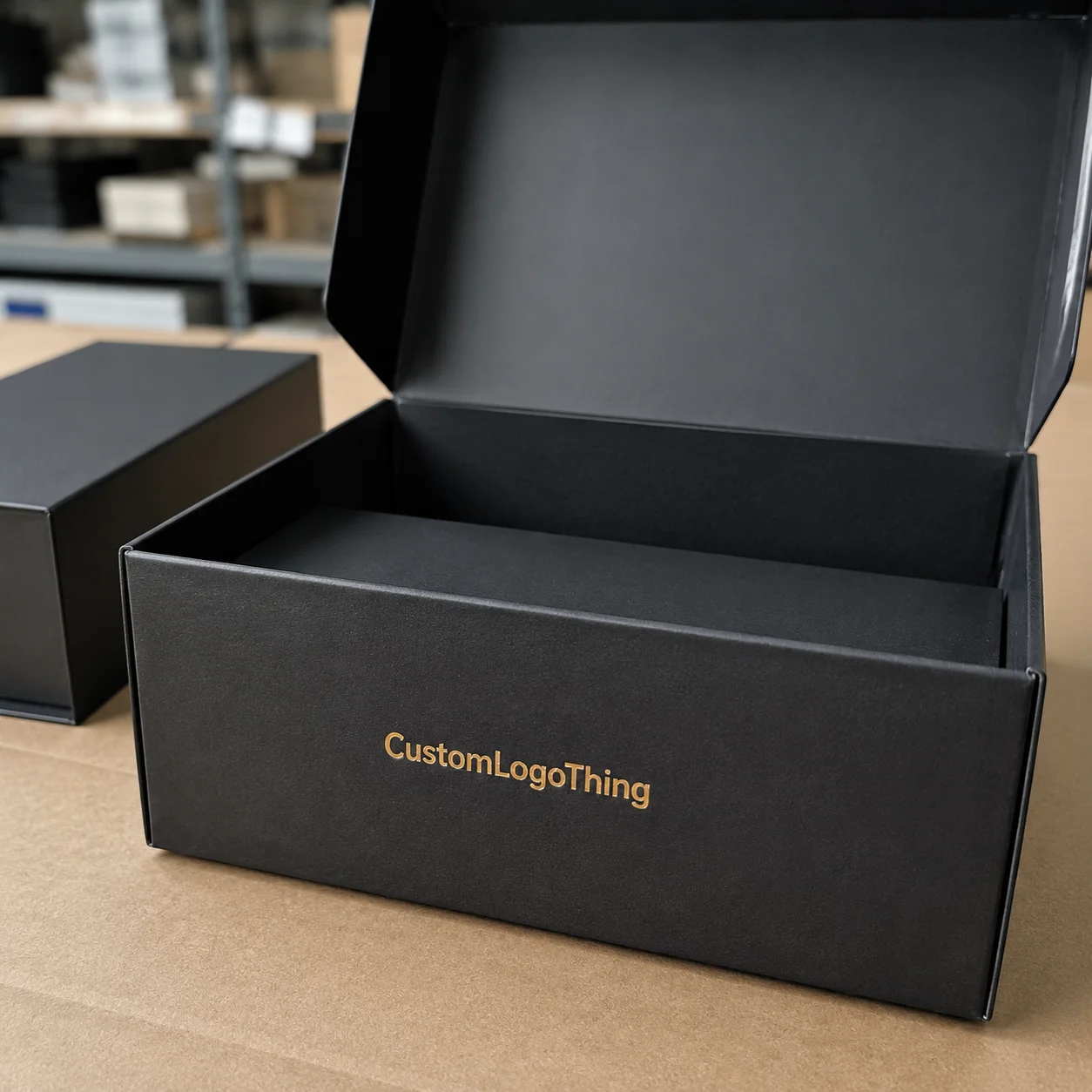
I still remember a Tuesday morning at a folding carton plant in Dongguan where two almost identical subscription mailers came off the line: same outside artwork, same dimensions (10" x 8" x 3"), same brand colors. Six weeks later, one SKU sat at a 1.9% damage claim rate while the other climbed to 7.4%. The spec gap looked minor on paper: E-flute 32 ECT with tighter front-lock tolerance versus a softer board and looser closure. That gap explains why a serious Custom Mailer Boxes comparison matters. A 0.5 mm fit adjustment or a board switch from 300gsm to 350gsm can change shipping performance, unboxing quality, and repeat order rates in measurable ways.
If you’re weighing options for branded packaging, you need a buying framework, not mockup guesswork. A complete Custom Mailer Boxes comparison covers structure, substrate, print route, finish, dimensional fit, freight efficiency, pack-out labor, and downstream costs like returns. Teams usually bleed margin in the same places: rush proofs, mismatched specs, and overdesigned cartons that photograph beautifully but cave under stacked transit in Zone 6 summer humidity (I’ve seen that exact disaster, and yes, everyone in the room stared at the box like it personally offended us).
I’m writing this the same way I break it down in client meetings: practical, specific, and tied to operating data. Launching a new SKU, rebranding, moving from hand-packing to 3PL fulfillment, or running a cost-down initiative all benefit from this style of custom mailer boxes comparison. Honestly, I think packaging decisions are too often made in a conference room with perfect lighting instead of a warehouse with tape guns, deadlines, and forklifts beeping in the background.
Custom Mailer Boxes Comparison: Why Tiny Box Choices Create Big Results
Most teams make the same assumption: if two boxes look the same, they’ll perform the same. They won’t. I saw it with a skincare client shipping 120,000 units per quarter out of a New Jersey fulfillment center. Old mailer and revised mailer both looked premium—matte black exterior ink, one-color interior print. The revised die included slightly wider dust flaps and a cleaner roll-end tuck front (RETF) lock. That single structural change reduced pop-open incidents in parcel sortation by nearly 38% over three months.
A useful custom mailer boxes comparison includes six pillars:
- Structure: RETF, side lock style, dust flap geometry, and whether inserts seat correctly at ±1 mm tolerance.
- Substrate: E-flute, B-flute, SBS, kraft liner, recycled-content percentage, and board stiffness.
- Print route: digital, offset litho, or flexo, each with different setup economics and color behavior.
- Finish: aqueous coat, soft-touch lamination, spot UV, and how each affects scuff resistance and recyclability.
- Fit and freight: dimensional efficiency for parcel pricing tiers and void-fill reduction.
- Assembly labor: time-per-pack at a real station with actual operators.
Comparison work delivers the highest value during pre-launch, rebrand, scale-up, and margin recovery. A wellness brand in Austin tested three custom printed boxes in a 2,000-unit pilot. The priciest version won the studio shoot. The mid-tier version won in operations: 11.2 seconds per pack versus 15.6, plus lower scuff rates after line-haul. Their ops lead called it “the first packaging decision that paid for itself in labor inside one quarter.” I wrote that quote in my notebook and circled it twice.
A rigorous custom mailer boxes comparison is not a beauty contest. It’s an operating decision with brand consequences. You’re balancing product protection, brand consistency, and warehouse realities like tape usage, ergonomics, and replenishment cadence. (If your pack team needs a mini engineering degree to close the box, that’s not “premium,” that’s pain.)
How Mailer Boxes Are Built: A Simple Process Walkthrough
Production flow matters because supplier quotes only tell part of the story. Use this process map so your custom mailer boxes comparison reflects what can actually be produced at quality and on time.
Dieline engineering and structural planning
Every project starts with the dieline. A skilled structural designer sets internal dimensions from your product set plus insert tolerance, usually adding 2–4 mm of clearance depending on fragility and assembly speed. For a 9.25" x 6.5" x 2.75" interior, I usually request explicit tolerance notes in the drawing so each vendor quotes the same assumptions. Skip that step and your custom mailer boxes comparison gets noisy fast because one plant may quote tighter fold allowances than another. I remember one RFQ where we forgot to lock tolerances and got three quotes that looked “competitive” until we realized we weren’t comparing the same box at all.
Board selection and corrugation
For e-commerce mailers, common board families include E-flute corrugated (fine profile with better print surface), B-flute (more cushion), and SBS-based folding carton for lighter loads. Brands aiming for a natural finish often choose kraft liners with roughly 30–80% recycled fiber. White top liner gives stronger color pop when saturated brand colors drive packaging design. I’ve seen brands switch from brown kraft to white liner and immediately improve perceived Pantone accuracy in customer photos.
Printing method choice
Digital printing suits short runs (roughly 500–3,000 pieces), versioned graphics, and quick revisions. Offset litho usually performs better for high-volume color consistency, especially if tight Pantone control is non-negotiable. Flexo can be cost-efficient for simpler graphics and shipper formats. During a supplier negotiation in Shenzhen, one vendor pushed offset for a 2,000-piece trial; we moved to digital and saved about $0.09 per unit while staying within acceptable delta E tolerance. Honestly, that call alone paid for my flight coffee habit for a month.
Converting, folding, gluing, and quality checks
After printing, sheets move through die-cutting, stripping, and converting. Closure performance depends heavily on die condition and scoring depth. Dull dies create fuzzy edges and inconsistent lock tabs that slow pack-out. A strong custom mailer boxes comparison asks exactly which QC checks are documented: caliper checks, compression spot tests, glue line inspection, and visual standards by lot.
Sampling and approvals
Standard workflow should include:
- White sample: structure only, no print, to verify fit.
- Printed pre-production sample: color and finish validation.
- Transit/fit checks: basic drop simulation and insert stability.
- Sign-off gate: one approved master sample before full run.
For first runs, many suppliers quote 12–15 business days of production after proof approval, plus transit time. Artwork changes can add 2–5 days quickly, and that delay is where many teams lose launch momentum. I’ve watched teams spend three weeks debating a tiny shade shift only to miss their retail window by ten days. Brutal.
If your custom mailer boxes comparison skips these checkpoints, you’re comparing prices, not deliverability.
Custom Mailer Boxes Comparison Criteria That Actually Matter
A meaningful custom mailer boxes comparison goes beyond “which option is cheaper.” Real criteria protect margin after launch, not just before PO approval.
Durability and protection
Ask for measurable data, not adjectives. Request ECT (edge crush test) targets, burst ratings where relevant, and compression behavior under stacked transit. Humidity can soften board and weaken closures on climate-sensitive routes. I’ve watched a good mailer fail in Gulf Coast summer lanes because no one tested at 70%+ RH. Brands shipping glass, ceramics, or pump-top cosmetics should run at least a basic 1A-style transit validation using resources from ISTA.
Brand presentation and print quality
Color accuracy varies by print process and substrate more than most marketers expect. Pantone spots on white liner are easier to control than equivalent CMYK builds on natural kraft. Interior print adds unboxing impact and added ink cost. In a side-by-side custom mailer boxes comparison, include rub resistance and scuff checks. Matte finishes can look premium yet show abrasion quickly if coating specs are weak. (And yes, I still carry a scuff sample in my bag like a packaging nerd trophy.)
Dimensional fit and parcel economics
Right-sizing is one of the cleanest cost levers available. Loose product-to-box ratios drive up void fill, slow pack-out, and can push dimensional shipping charges. A DTC tea brand I worked with reduced box depth by 0.5" and saved about $0.21 per parcel on average carrier billing bands while cutting dunnage spend by 18% monthly.
Sustainability and customer perception
Buyers increasingly scan packaging for credible sustainability signals. Recycled content, FSC-certified fiber pathways, and mono-material approaches matter. If certification claims are part of your brand story, verify chain-of-custody options through recognized standards such as FSC. Tradeoffs need to be explicit: some laminates improve appearance and scuff resistance while complicating recyclability in certain municipal streams. I’m pro-ambition here, but I’m also pro-honesty—customers can tell the difference.
Operational compatibility
A box that looks excellent and adds four seconds per pack can become expensive at scale. Time each station task with real operators, not estimated cycle times. Confirm whether closures can run tape-free and whether inserts snap in without forcing. At 20,000 monthly orders, a three-second reduction per unit gives roughly 16.7 labor hours back each month.
“We thought we were buying nicer packaging. What we actually bought was a 22% increase in pack time.” — Operations manager, mid-size beauty brand, after a redesign skipped pack-line testing.
The strongest custom mailer boxes comparison combines these metrics into total landed value instead of unit price alone. That’s how you choose Packaging Design That survives real shipping conditions.
Cost and Pricing Breakdown: What You’re Really Paying For
Now the practical part. A good custom mailer boxes comparison separates cost buckets so negotiations stay grounded in facts.
Main cost buckets
- Tooling/die charges: often $150–$600 depending on complexity and size.
- Board cost: fluctuates with paper market and liner choice.
- Print setup: plate/setup expenses vary by process.
- Run length economics: per-unit drops as quantity rises.
- Finishing: coatings, foils, embossing, lamination.
- Packing configuration: flat-packed count per carton affects freight.
- Freight: domestic vs import lead-time and cost tradeoffs.
| Spec Scenario | Quantity | Approx Unit Cost | Tooling | Lead Time (post-approval) | Notes |
|---|---|---|---|---|---|
| E-flute kraft, 1-color outside | 1,000 | $0.78–$1.05 | $180 | 12–15 business days | Good starter DTC option |
| E-flute white liner, 4/4 CMYK, aqueous | 5,000 | $0.42–$0.68 | $280 | 12–18 business days | Balanced print quality + cost |
| Premium inside/out print + soft-touch | 10,000 | $0.56–$0.92 | $420 | 15–22 business days | Higher finish cost, stronger unboxing |
Those ranges reflect typical market snapshots, not fixed quotes. Board availability, artwork coverage, and shipping lane can shift numbers. Still, that level of detail is what a credible custom mailer boxes comparison needs. I get asked for “the one real number” all the time; there isn’t one, and pretending otherwise is how budgets get torched.
MOQ and volume breaks
Unit pricing usually drops at 3,000, 5,000, and 10,000-piece thresholds. Larger buys can still backfire if storage fees and cash lockup outpace savings. I’ve seen brands chase a $0.08 unit reduction, then absorb $1,200 per month in overflow storage. Include carrying cost and obsolescence risk in every custom mailer boxes comparison.
How dimensions drive cost
A 0.25" increase on one panel can hurt sheet utilization and increase waste. That move can change cost more than switching matte to gloss in some runs. Oversized cartons also raise dimensional weight billing, so parcel impact modeling should happen before sign-off.
Color and finishing impact
Full flood inks, interior print, foil stamping, and embossing each add process steps and scrap risk. If you need premium retail feel while shipping mostly e-commerce, allocate spend strategically: reserve premium interiors for influencer kits or subscription hero SKUs, and keep replenishment runs simpler.
Hidden costs teams miss
- Rush production fees (often 10–25% uplift)
- Artwork correction fees ($40–$150/hour depending on vendor)
- Multiple sample loops beyond included rounds
- Warehouse handling and pallet in/out charges
- Split-shipment surcharges for multi-site delivery
For a clear custom mailer boxes comparison, ask suppliers for all-in landed estimates with explicit assumptions. That single request prevents ugly surprises after PO issuance (and saves everyone from the “why is freight 19% higher than expected?” email thread).
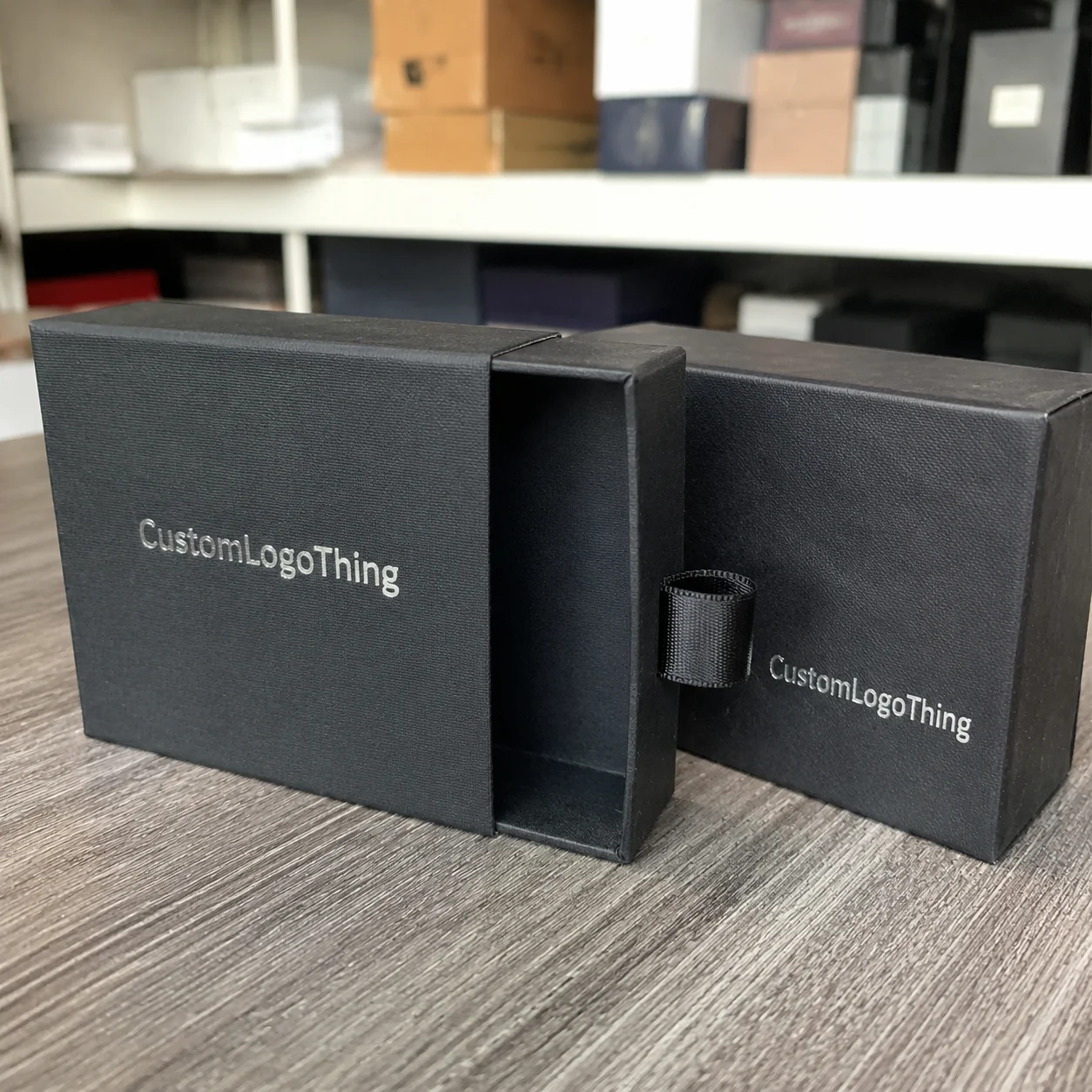
If you’re also evaluating alternate formats for lightweight goods, compare results with Custom Poly Mailers and broader options in Custom Packaging Products so your final decision reflects both cost and customer experience.
Step-by-Step: How to Run a Smart Mailer Box Evaluation
A disciplined custom mailer boxes comparison follows a repeatable framework. Use this six-step process.
Step 1: Define your shipping reality
Document product weight, fragility, carrier mix, climate zones, and expected returns flow. A 1.2 lb candle kit shipped mostly by ground needs different protection than a 0.3 lb apparel order. Add real operating figures: monthly order volume, peak multipliers, and target damage claim threshold (for example, under 2.5%).
Step 2: Build a weighted scorecard
Create a matrix with weighted criteria. A DTC model I use: protection 30%, fit/parcel efficiency 20%, print quality 15%, lead-time reliability 15%, sustainability 10%, total cost 10%. This keeps your custom mailer boxes comparison objective when stakeholders disagree. I like scorecards because they force hard conversations early, before opinions become politics.
Step 3: Send standardized RFQ specs
Every vendor should quote from one shared sheet: exact internal dimensions, board target (for example E-flute 32 ECT), print coverage, finish, packing method, incoterms, and delivery destination. Mismatched assumptions are why teams often believe one quote is better when it isn’t actually comparable.
Step 4: Prototype and test
Order samples from top candidates and run three checks:
- Fit test: product + insert stability with normal handling.
- Assembly timing: 20-pack cycle average by real team members.
- Transit simulation: basic drop and compression checks.
In one supplement-brand pilot, Option A looked cleaner but averaged 14.8 seconds in assembly versus 10.9 for Option B due to awkward tab engagement. At 50,000 monthly packs, that labor delta mattered more than a $0.03 unit price spread. That was a classic case of “Instagram winner, operations loser.”
Step 5: Pilot before full rollout
Run a controlled batch, often 500 to 2,000 shipments. Track damage rates, unboxing feedback, customer-service tickets mentioning packaging, and reorder behavior. At this stage, your custom mailer boxes comparison moves from theory to evidence.
Step 6: Lock standards and version control
Finalize approved dielines, color targets, material specs, and QC checklists. Keep revision numbers on files and sample photos by lot. Reprint consistency is easier when standards are written, centralized, and enforced.
Teams managing multiple SKUs should align naming conventions and structural families across product packaging formats. Standardization cuts purchasing errors and improves forecasting accuracy. It’s not glamorous work, but it prevents the 11 p.m. “which file is final-final-v3?” panic.
Common Comparison Mistakes That Lead to Expensive Reorders
The same errors show up across startups and established brands. Most expensive failures start with an incomplete custom mailer boxes comparison.
Mistake 1: Choosing on unit price alone
A box that is $0.06 cheaper can become more expensive if returns rise by just 1%. Model returns, reships, labor, and review impact. One beauty client saved $4,800 on carton purchasing, then spent $12,000 in extra replacement shipments over two months.
Mistake 2: Comparing mismatched specs
If one quote is E-flute white liner with aqueous coating and another is lighter kraft with no coat, you do not have a fair custom mailer boxes comparison. Normalize specs first, then compare.
Mistake 3: Skipping real-world tests
No drop checks, no humidity exposure, no pack-line timing—this is where avoidable surprises begin. Even simple controlled testing catches most structural issues early. I’ve made this mistake once early in my career, and I still remember the sinking feeling when the first damage photos came in.
Mistake 4: Overdesigning for visual impact only
Heavy ink coverage, delicate finishes, and complex folds can look excellent yet fail under parcel abrasion. E-commerce stress does not mirror shelf retail stress.
Mistake 5: Ignoring timeline risk
Artwork delays and extra proof loops push launch dates. Ask for milestone dates: artwork preflight, sample ship, production slot, dispatch. I recommend a 10–15% schedule buffer for first production runs.
Mistake 6: Poor documentation
Without final standards, second and third orders drift in color and structure. A complete handoff pack should include approved PDF, dieline source, board callout, print notes, and QC photos.
Most preventable issue in any custom mailer boxes comparison? Teams move fast, skip documentation, and pay later through inconsistency. If I sound mildly frustrated here, it’s because I am.
Expert Tips and Actionable Next Steps for Your Custom Mailer Boxes Comparison
Execution decides outcomes. If you want your custom mailer boxes comparison to lead to a confident purchasing decision, tackle these five actions this week.
1) Build a one-page spec brief
Include internal dimensions, target board, print process preference, finish, monthly volume, and delivery windows. Keep it short and precise so every supplier quotes the same target.
2) Ask every supplier the same five technical questions
- What board source and fiber mix are you using?
- What print method and color control process are standard?
- What dimensional tolerance do you hold on this structure?
- What in-line and final QA checks are documented?
- How do you control reprint consistency across lots?
This normalizes responses and keeps your custom mailer boxes comparison apples-to-apples.
3) Run an A/B shipment test
Pick two finalists and ship at least 300–500 orders each if possible. Compare damage rates, pack time, and customer comments. If feasible, add a short post-delivery survey asking customers to rate package condition from 1 to 5.
4) Negotiate terms beyond unit price
Push for lead-time commitments, safety-stock options, and flexible change orders for seasonal SKUs. A supplier willing to hold 2–3 weeks of safety inventory can be more valuable than one with a slightly lower unit price and rigid scheduling.
5) Create a reorder playbook
Store approved dielines, color references, signed sample photos, and escalation contacts in one shared location. That protects consistency across custom printed boxes and related branded packaging assets.
Your next move is straightforward: choose the top candidate from the scorecard, schedule final sampling, set pilot KPIs (damage rate, pack speed, CS complaints, reorder conversion), and finalize purchasing criteria. Follow this workflow and your custom mailer boxes comparison won’t just choose a box—it will improve shipping performance, customer perception, and operating margin at the same time. And if your future self can avoid one emergency reprint cycle, that alone is a win worth celebrating.
FAQ
What is the best way to start a custom mailer boxes comparison for a small brand?
Start narrow: one SKU, one shipping profile, and 2–3 candidate specs using identical dimensions and artwork. In your custom mailer boxes comparison, prioritize fit, protection, and total landed cost before premium finishes. Then run a short pilot to validate real damage rates and fulfillment speed before committing to larger MOQs.
How much do custom mailer boxes cost at different order volumes?
Cost shifts with board grade, print method, and finishing choices, while unit pricing generally declines as order quantity rises. A realistic custom mailer boxes comparison includes tooling, storage, cash-flow impact, and freight, not unit price alone. Request tiered pricing (for example 1k, 3k, 5k, 10k) with clear landed assumptions.
Which material is better in a custom mailer boxes comparison: kraft or white board?
Kraft supports a natural recycled look and often hides transit scuffs better. White board usually delivers stronger contrast and cleaner graphics for package branding. The right choice in a custom mailer boxes comparison depends on brand aesthetic, protection requirements, and recyclability goals tied to your coating stack.
How long is the production timeline for custom mailer boxes?
Typical flow includes artwork prep, sampling, approval, production, and freight transit. Many projects run around 12–18 business days in production after final approval, while timeline risk usually comes from proof revisions. Build buffer time for first runs and request milestone dates in your custom mailer boxes comparison.
How can I compare custom printed mailer box suppliers fairly?
Use one standardized RFQ/spec sheet for every supplier so assumptions match. Score vendors on QC process, communication speed, lead-time reliability, and reprint consistency. Require physical samples and test pack-out ergonomics, because a fair custom mailer boxes comparison needs operational performance data, not visuals alone.