Courier Mailer Bags for Subscription Box Orders Guide
Courier Mailer Bags for Subscription Boxes Order Guide
The best outer pack for a subscription shipment is not always the most expensive one, and it is rarely the one with the most aggressive print. It is the format that keeps the box intact, moves quickly on the packing line, and arrives without scuffed corners, crushed edges, or adhesive failures. That is the practical starting point for a Courier Mailer Bags for subscription boxes order guide: begin with the pack-out, not with the artwork.
Subscription programs tend to be repetitive by design. The dimensions are fixed, the contents are usually known in advance, and the shipment cadence is predictable. That consistency favors a mailer that is sized around the packed unit rather than around a retail box dimension on a spec sheet. A bag that fits on paper can still fail in production if the packer has to compress the carton, force the seal, or work around protruding inserts.
There is also a labor angle that gets overlooked. A corrugated box can be the right answer for fragile contents, but if the product is already inside a rigid tray, sleeve, or carton, adding another box may only slow the line and increase freight weight. Courier Mailer Bags often reduce those friction points. They use less material, take up less storage space, and are faster to close when the dimensions are controlled.
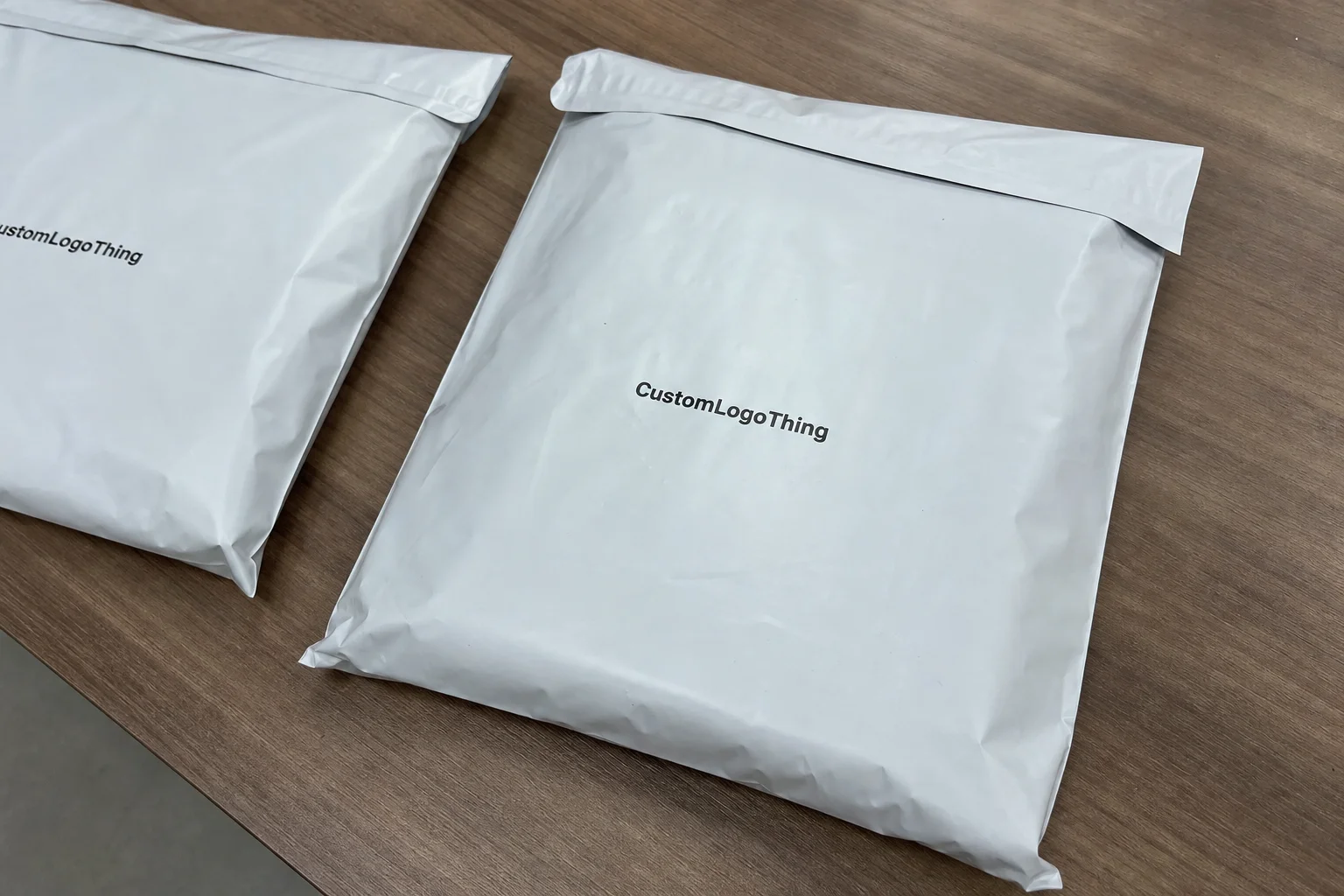
For buyers comparing outer-pack options, it helps to think in terms of function rather than format. A stock bag suits repeat volume and limited variation. A gusseted courier bag handles depth more comfortably. A custom-printed bag earns its place when the outer pack is part of the customer experience and the monthly order quantity is high enough to absorb setup costs. For teams mapping the broader packaging mix, the range on Custom Packaging Products is a useful reference point rather than a one-size-fits-all answer.
A bag that is 10 mm too narrow can add more labor than it saves in film cost. The hidden cost is the person on the line fighting the seal twenty times a day.
There is no universal winner, but there is a dependable sequence for choosing one:
- Start with the packed dimensions, including inserts, sleeves, and any protective wrap.
- Check the shipping lane, because long transit routes and rough handling need more puncture resistance.
- Decide how much the outer pack must brand the shipment, since print changes the economics quickly.
- Confirm how the bag will be closed, because a seal that looks neat in a sample can become awkward in production.
Mailer Bag Formats That Fit Subscription Box Pack-Outs
Flat courier mailers are the simplest option, and for low-profile cartons they are often enough. They hold shape well when the contents are uniform and the corners are not sharp. The limitation is obvious the moment the packed height increases. Once the bag starts stretching around a thick box, the film can wrinkle near the seal, the face can look distorted, and the final presentation loses the clean geometry that makes subscription packaging look deliberate.
Gusseted bags give the pack more room in the side or bottom panels. That extra depth matters for kits with inserts, sample products, product cards, or a rigid presentation tray. It also matters when the bag is sized correctly but the loading angle is poor. A mailer that looks generous in a drawing may be unforgiving on the bench if the operator has to angle the box into the opening or compress the contents to close the adhesive flap.
The safest measurement is the ship-ready unit, not the empty carton. Include the outer carton or sleeve, the protective tissue, any internal spacer, and the amount of overlap required for sealing. If the bag is being used to protect a branded retail box, remember that corners are usually the first place to fail. Sharp edges concentrate pressure and can punch through thin film far faster than the average buyer expects.
Adhesive seal styles are popular because they save time. For a subscription shipment, that time saving can be meaningful across thousands of monthly packs. Permanent adhesive is usually the cleaner option if the outer seal needs to stay closed during transit. Resealable flaps are useful in some fulfillment setups, but they are less convincing as tamper evidence. If the outer pack is visible on arrival, the seal line should close without twisting the bag face or misaligning the print.
One practical point: do not size the mailer to the marketing carton alone. The real pack-out usually includes items that are easy to forget during procurement, such as a thank-you card, a folded insert, a tissue wrap, or a secondary inner box. Those small additions often decide whether the final bag fits cleanly or sits just slightly under tension.
The common formats break down like this:
- Flat mailer: best for low-profile, uniform boxes with little variation.
- Bottom-gusset bag: best for compact kits that need depth and a stable base.
- Side-gusset bag: best for wider cartons or contents that need lateral give.
- Custom size: best for fixed programs that will repeat the same pack-out for months.
If the shipment is lighter and not truly box-based, compare the outer pack against Custom Poly Mailers before committing to a heavier construction. For recurring volume, Wholesale Programs can make sense once the spec is stable and the reorder cycle is predictable.
Film, Seal, and Print Specifications Buyers Should Compare
Film choice affects more than price. It changes how the bag feels in hand, how it resists puncture, and how much abuse it can take before the seams start to complain. LDPE is still common because it is flexible and easy to process. Co-extruded film adds toughness without turning the bag into something stiff and difficult to pack. Recycled-content film is increasingly requested, but the buyer should ask for verified content claims and performance data rather than accepting a vague sustainability label.
Thickness matters, although it is only one part of the picture. A 50 to 70 micron film can be enough for a light, flat subscription pack with rounded edges. A heavier kit, or one with sharp corners and hard inserts, usually needs something in the 80 to 120 micron range. Some routes are simply harsher than others. If the parcel is likely to be stacked, compressed, or sorted repeatedly, ask for puncture resistance and tear behavior, not just a micron number on a quote.
Seams deserve the same scrutiny. Weak welds fail early, usually in the exact place where the carton presses hardest. A reinforced seam or a cleaner weld line can be the difference between a normal shipment and a customer complaint about a torn edge. Permanent adhesive strips are common because they are fast and secure. Tear strips improve opening experience and can reduce the chance of the customer pulling apart the wrong edge.
Print planning should happen alongside the size conversation, not after it. Single-color branding is often enough if the outer bag functions mostly as transit packaging and the inner box carries the visual identity. Full-surface graphics cost more, but they are justified when the outer bag is the first branded surface the customer touches. Registration tolerance, ink opacity, and safe print zones all matter. Barcode windows, shipping labels, and address panels need to be positioned before the artwork is finalized so they do not conflict with seams or adhesive zones.
For transit expectations, the ISTA resources are useful because they frame how shipping stress is tested and discussed. The Packaging & Processing site also helps when a team needs broader context on material selection and packaging format. If a supplier cannot explain how a bag performs under shipment stress, that is a warning sign.
| Format | Typical Material | Typical MOQ | Indicative Unit Cost | Best Fit |
|---|---|---|---|---|
| Plain stock flat mailer | LDPE, 50-70 micron | 1,000-3,000 pcs | $0.10-$0.22 | Simple, repeatable subscription boxes |
| Gusseted bag with adhesive seal | LDPE or co-extruded film, 70-100 micron | 3,000-5,000 pcs | $0.18-$0.35 | Boxes with depth, inserts, or moderate weight |
| Custom-printed courier bag | Co-extruded or recycled-content film, 80-120 micron | 5,000-10,000 pcs | $0.28-$0.60 | Branded monthly shipments where presentation matters |
Those numbers move with size, print coverage, resin pricing, and the way the order is packed for freight. A one-color job at volume usually sits near the lower end of the range. A large bag with full coverage, special film, or color matching pushes the price up. Buyers should compare like-for-like quotes and ask what is included: artwork setup, tooling, cartons for the bags, and freight to the final destination.
Pricing, MOQ, and Unit Cost Drivers
Courier mailer pricing usually comes down to four variables: size, film specification, print complexity, and order quantity. Bigger bags consume more resin. Thicker film requires more material and more careful processing. More print colors introduce setup time and tighter production control. Lower quantities spread that setup cost across fewer units, which is why a small custom order can feel expensive even when the film itself is ordinary.
MOQ is not arbitrary. A standard stock bag may be available in the low thousands, while a custom size with print often starts at 5,000 pieces or more. For unusual dimensions or more complex artwork, 10,000 pieces is not unusual. The supplier has to set film width, bag length, sealing parameters, and print registration before a run can be scheduled. Custom work only becomes efficient once enough units are produced to absorb the changeover.
Smart buyers ask for landed cost, not just ex-factory price. That should include the bag itself, packing for the bags, inland freight, ocean or air freight if relevant, customs or import handling, and destination charges that the buyer will actually pay. A low unit price can be misleading if freight is ignored. In packaging, the invoice that looks cheapest on the first page is sometimes the one with the most surprises on the second.
A clean quote can be checked with a short list:
- Confirm the packed box size and the required seal allowance.
- Check the film type, gauge, and seam construction.
- Compare print coverage and the number of colors.
- Ask for the real MOQ and any overrun tolerance.
- Request total delivered cost to the warehouse or fulfillment center.
That keeps the comparison grounded. It also prevents a common mistake: comparing a plain stock mailer from one supplier against a fully custom printed version from another and treating them as if they are equivalent. They are not, and the difference usually shows up in labor, presentation, or freight rather than in the quote line that first caught the eye.
Production Steps, Lead Time, and Delivery Milestones
Once dimensions and artwork are confirmed, the production path is fairly predictable. First comes spec review, where the supplier checks size, bag style, film gauge, seal type, and print layout. Then comes proofing. After the proof is approved, the factory schedules film, printing plates or cylinders if needed, sealing, and packing. Dispatch follows, then freight tracking, then receiving at the destination.
Lead time depends heavily on how clean the order is at the start. A straightforward stock bag with simple branding may ship in about 10 to 15 business days after proof approval. Custom size, custom print, or recycled-content material can stretch that to 15 to 25 business days. If there is a special color match, allow more time. Color approval is not the place to rush, because correcting it after production starts is usually more expensive than waiting for the right result.
The usual delays are practical rather than dramatic. Incomplete artwork creates revisions. Repeated proof changes push the schedule. Unclear dimensions trigger fresh sampling. Sourcing a specific film grade can add time if that material is not already in routine production. For subscription launches, the safer approach is to build a buffer into the schedule instead of hoping the freight window will absorb every delay.
Progress updates should be concrete. Buyers Should Know when the proof was sent, when approval was received, when production started, when packing finished, and when freight departed. That level of visibility makes it easier to coordinate inserts, labels, and fulfillment labor. It also creates a baseline for reorders, which matters when a subscription program is moving from a first run into a repeat cycle.
If the packaging program includes multiple formats, align the courier mailer schedule with the rest of the pack system. A box refresh, a label change, and a mailer change do not need to happen on different calendars unless there is a deliberate reason. Reordering in the wrong sequence is a common way to create avoidable complexity.
What a Reliable Packaging Partner Should Confirm Before You Order
A reliable partner confirms fit, not just price. That means checking packed dimensions, seal width, film gauge, print tolerance, and whether the bag will be used on a hand-packed bench or an automated line. If the mailer will move through a fulfillment center, the supplier should also think about stacking, skid packing, and how the bags are packed inside the shipping carton. Those details affect the speed of unpacking as much as they affect the safety of the bag.
Sample approval is worth the time. A physical sample shows whether the box slides in cleanly, whether the seal closes without fighting the thickness of the product, and whether the print sits where the artwork says it should. For custom work, a dieline review is just as useful. It prevents artwork from landing too close to a seam, gusset fold, or adhesive zone. Most expensive corrections are the ones found after the run has already started.
A written specification sheet should be standard. It should list finished dimensions, film construction, thickness, adhesive type, seam style, print process, overrun tolerance, and packing method. That document becomes the reference for repeat orders. Without it, even a small change in material width or seal placement can create fit issues that only show up when the shipment arrives.
The better suppliers tend to be specific. They explain why one film is stronger than another. They give tolerances instead of vague promises. They are prepared to say when a spec is likely to work and when it is borderline. That kind of candor matters more than polished sales language, especially for subscription programs where the same pack-out is repeated month after month.
If the order volume is growing, standardize the spec early. It simplifies procurement, reduces pack-line variation, and keeps the outer presentation consistent from one cycle to the next. A courier mailer is not a decorative afterthought. It is part of the shipment architecture, and the best one is usually the one that gets out of the way of the work while still doing its job.
FAQ
What size courier mailer bag works best for subscription box orders?
Choose the bag based on the packed dimensions, not the empty carton. Leave room for seal overlap and enough clearance that the film does not have to stretch hard around the corners.
What material thickness should I use for courier mailer bags for subscription boxes?
Match the gauge to the box weight, edge profile, and shipping route. Light, low-profile kits can work with standard film, while heavier or sharper-edged packs usually need stronger construction and better puncture resistance.
How do MOQ and pricing usually work for custom courier mailer bags?
MOQ depends on size, print complexity, and whether the bag is stock or fully custom. Unit cost usually falls as quantity rises, but buyers should compare landed cost so freight, setup, and packing are included.
How long does production take after artwork approval?
Lead time starts after final proof approval, not the first quote request. Simple runs may finish in about 10 to 15 business days after approval, while custom print or special film can take longer.
Can I order plain and printed courier mailer bags in the same program?
Yes. Many buyers keep a plain stock version for backup or short-run replenishment and reserve the printed version for the main subscription shipment, as long as the size and seal spec stay consistent.
The strongest packaging decision is usually the least dramatic one. A courier mailer that fits the box, protects the finish, moves quickly on the line, and stays inside budget is better than a prettier option that creates rework or extra freight. For subscription programs, the best result comes from a precise spec, a realistic lead time, and a quote that reflects how the shipment actually moves through production, packing, and delivery.