Courier Mailer Bags for sports clubs order guide is not a search for the cheapest plastic sleeve. It is a practical buying decision that has to balance postage, protection, presentation, and the pace of club operations. A club might be shipping membership packs on Monday, sponsor merchandise on Wednesday, and a stack of team kits before a tournament on Friday. The bag has to handle all of that without becoming another admin problem.
The packaging choice looks small from the outside. It is not. A bag that is too large can push a parcel into a higher postage band. A bag that is too thin can split at the seam. A bag that prints poorly can make a well-run club look rushed. The best option is usually the one that fits the contents, closes reliably, and keeps the brand visible without adding complexity.
Why sports clubs keep overpaying for the wrong mailer bag
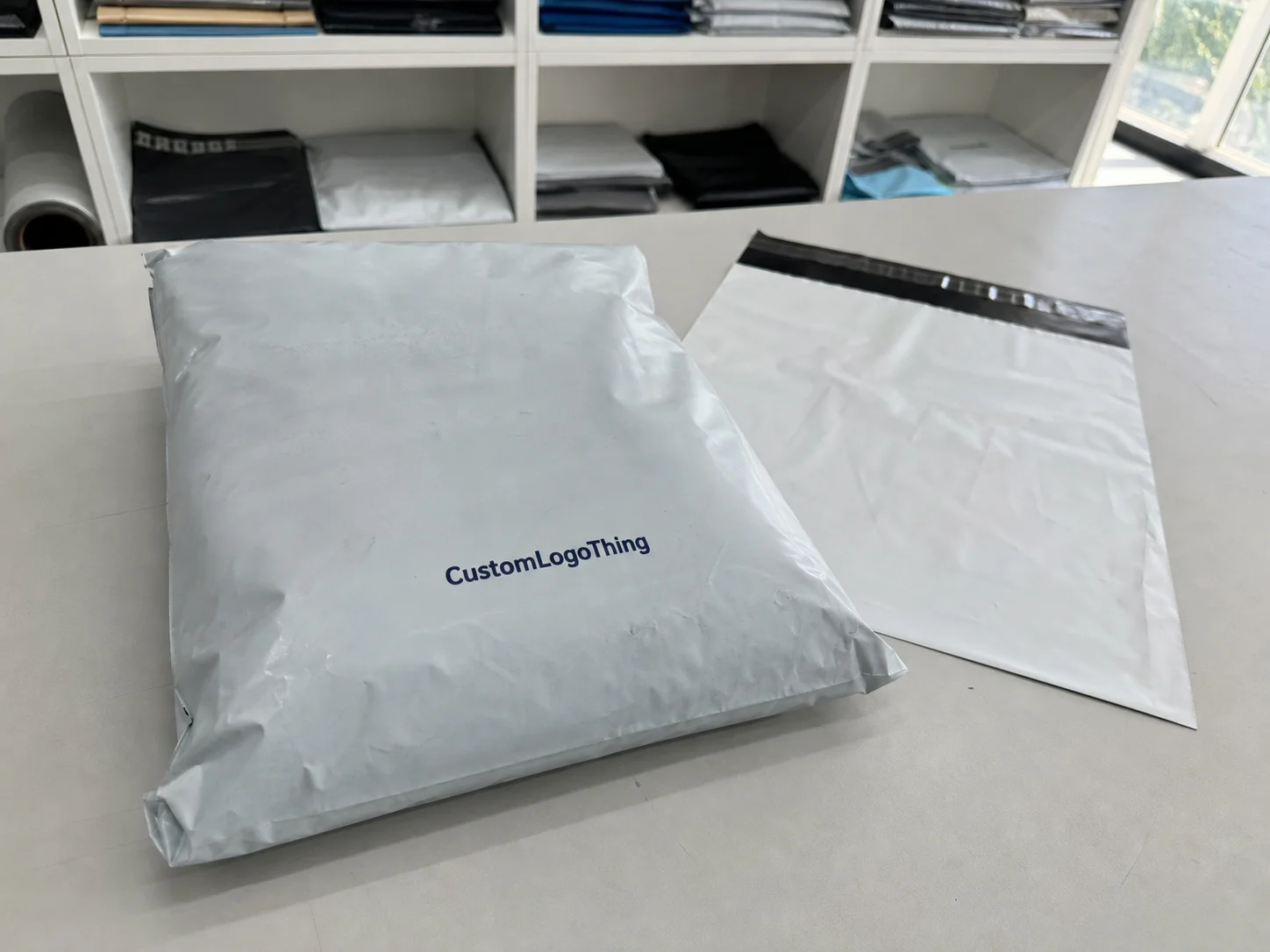
Clubs rarely overspend because they want premium packaging. They overspend because the wrong spec looks fine on a screen and fails once packing starts. The most common mistake is buying a bag that is large enough on paper but inefficient in practice. Extra dead space means more postage risk, more movement inside the parcel, and a higher chance that the seal is stressed in transit.
The second mistake is choosing a film that is too light for the contents. A single shirt can travel well in a basic poly mailer. Add a hoodie, a water bottle, or a hard-backed insert and the same bag can start to stretch or scuff. The cost of failure is not only the replacement item. It is the time spent handling complaints, resending orders, and explaining why the bag failed in the first place.
For clubs, the real waste often sits outside the unit price. A bad pack format slows the packing table, fills storage with the wrong size, and creates rework whenever a membership pack does not close cleanly. If the club is run by volunteers or a small admin team, that friction shows up fast. A bag should reduce work, not create a side project.
There is also a brand effect that is easy to underestimate. A tidy, well-sized mailer makes a kit drop feel organised. A weak or oversized bag does the opposite. The member sees the parcel before they see the contents, and the package is already speaking for the club.
“The cheapest bag is the one that fits properly and arrives intact. Everything else gets paid for later.”
That is the basic buying logic. The goal is not fancy packaging. The goal is repeatable shipping with as few surprises as possible.
Product options that fit club orders without the drama
The right mailer depends on what the club is sending. A junior football club shipping folded shirts and socks has different needs from a tennis club sending accessories, raffle prizes, or small sponsor bundles. The trick is to keep the range simple enough that staff and volunteers can pack quickly without checking a separate spec sheet for every order.
Common bag types for club use
- Lightweight poly mailers for folded apparel, soft goods, and straightforward web orders.
- Tamper-evident courier bags for secure shipping, membership packs, and anything that needs a clean, sealed finish.
- Recycled-content mailers for clubs that want to reduce virgin plastic and can support that choice with a clear recycled-content claim.
- Padded mailers for badges, accessories, gift cards, and small items that need extra protection.
For football, rugby, hockey, and netball clubs, most orders are folded clothing and soft kit. Those orders usually work best with flat mailers or a light courier bag. Swimming clubs often ship lighter items with awkward shapes, so a wider format can be easier to pack than a narrow one. Tennis, golf, and running clubs often send smaller merch packs, which makes compact padded or courier bags sensible.
Print strategy should stay practical. Most clubs do not need full-coverage artwork. A single-color logo, club name, or website usually carries enough identity for the package to feel official. If the bags are tied to a season launch or a membership drive, one short line can help, but keep it restrained. Overdesigned mailers are usually a sign that the packaging budget was spent on appearance instead of functionality.
Closure design matters more than people expect. Peel-and-seal is standard because it is fast and consistent. A tear strip helps recipients open the bag neatly and reduces the temptation to rip the package apart. Double adhesive is useful if returns or re-use are part of the workflow. Opaque film protects privacy, which matters when the parcel contains personal kit, sponsor material, or anything that should not be visible through the bag wall. Water resistance is not a luxury for sports shipments. Wet ground, rain, and loading dock handling are normal conditions.
If the club already uses branded packaging for other items, it helps to keep the visual system aligned. Some buyers apply the same artwork logic across mailers and [Custom Poly Mailers](/product-detail.php?category=poly-mailers), which cuts approval time and keeps the look consistent across the season. That is usually a better approach than treating every mailer as a separate design problem.
Courier mailer bag specifications that affect fit and shipping costs
Packaging dimensions can be misleading if you read the label too quickly. A bag listed as 250 x 350 mm may not offer that full usable space once the seal area, side welds, and closure strip are counted. For club orders, ask for the internal usable dimensions. That figure is what determines whether a folded shirt pack, a membership bundle, or a mixed merchandise pack will actually fit.
Gusset depth changes how the bag behaves under load. A flat bag works well for one or two thin items. Add a hoodie, a scarf, or a small box and the same format can become awkward. The contents may close, but the bag will look strained and the seal will be under more pressure. More depth can solve the fit problem, though it can also affect parcel dimensions and, by extension, postage cost. A good choice balances both.
Film thickness is usually measured in microns. Thinner film keeps cost down and reduces storage bulk, but it is easier to puncture and can stretch if the contents have sharp corners or are folded unevenly. Thicker film improves puncture resistance and often feels more substantial in the hand. For clubs, a middle spec often makes the most sense. It is strong enough for repeated handling without paying for industrial material that adds cost without much benefit.
Empty bag weight matters more at scale than it does on a single order. A few grams per unit does not sound like much. Multiply that across hundreds or thousands of seasonal shipments and the cost difference becomes visible. Opaque outer film usually looks more professional and protects privacy. Translucent film is cheaper, but it is a weaker choice for branded shipments unless the contents do not matter visually.
For practical comparison, these are the common tradeoffs:
| Bag Type | Best For | Typical Strength | Typical Use Cost | Notes |
|---|---|---|---|---|
| Lightweight poly mailer | Shirts, socks, thin apparel | Good for soft goods | Lowest | Fast packing, low bulk |
| Tamper-evident courier bag | Membership packs, secure dispatch | Better seal security | Low to moderate | Useful where a clean opening matters |
| Recycled-content mailer | Brand-led club orders | Varies by spec | Moderate | Good if the club wants a lower-impact message |
| Padded mailer | Small accessories, fragile inserts | Best for protection | Higher | Adds weight and bulk, so check postage |
For damp or outdoor items, do not overcomplicate the spec. Choose a sealed bag with the right opacity and enough tear resistance for normal courier handling. If the contents are genuinely bulky, hard-edged, or fragile, a standard mailer is the wrong tool. A reinforced format costs more, but repeated replacements cost more still.
Pricing, MOQ, and unit cost for club ordering
Packaging pricing is not just a unit rate. It is the result of size, film thickness, print coverage, color count, bag style, and quantity. Plain stock bags sit at the lower end. Add a logo and the cost rises. Add multiple colors, custom sizing, or a thicker eco spec and the price rises again. That is normal. Packaging cost always reflects production complexity somewhere in the chain.
MOQ, or minimum order quantity, is the next issue. Smaller clubs usually want a low entry point so they can test a format without tying up too much cash. Larger clubs, school programs, and regional associations usually benefit from buying ahead for a season, because the per-unit cost tends to improve as quantity increases. Flexibility is useful, but low quantity almost always carries a premium.
The headline unit price can hide a few traps. Setup fees, plates, freight, proofing, and split-size orders can move the total more than a cent or two on the line item. A quote that looks cheap until freight is added is not cheap. It is incomplete. Ask for the landed cost so you can compare the full order rather than a stripped-down number that only looks competitive.
For recurring club orders, a stable spec usually saves time and money. Once the bag size, print, and closure are agreed, reorders become easier and the risk of specification drift drops. If your club expects regular replenishment through the season, ask about [Wholesale Programs](/wholesale.php). That is especially useful when the order pattern is predictable and the packaging needs to remain consistent.
As a broad buying pattern, plain bags are cheapest, single-color branded courier bags sit in the middle, and thicker or more custom options cost more. The spread can be wide. A 5,000-piece order may price far better per unit than a 500-piece run even with identical artwork. Clubs should price the season, not only the next dispatch.
Another practical point: cheap material that fails once is expensive in real terms. A replacement parcel, a refund, or a second shipment eats through the savings quickly. Buyers who only compare the first invoice usually end up paying more over the year.
Production steps and lead time from artwork to delivery
The production workflow should be simple. First comes the brief: what the club is shipping, what size is needed, how many bags are required, and what print is expected. Then the supplier checks whether the bag can hold the contents and whether the likely parcel size is sensible for postage. After that, artwork is prepared, proofed, approved, produced, packed, and dispatched.
Artwork approval is usually the slowest part of the process. Production can move quickly once the proof is signed off. Delays often come from missing logo files, uncertainty over brand colors, or waiting for a committee to confirm a design. Clubs can save time by preparing the essentials in advance: print-ready artwork if available, exact delivery details, the target date, and any split-delivery instructions if multiple sites are involved.
Lead time depends on the order. Stock mailers move faster than custom printed runs. Multi-color artwork, new bag structures, and recycled-content specs can add time. Rush options may exist, but they depend on plant capacity and the exact material. A realistic timeline is measured from proof approval, not from the first email that says the bags are needed urgently.
Working backwards from the event date is the safest method. Add time for proofing. Add time for production. Add a buffer for freight, especially if the order is tied to a season launch, membership renewal, or kit release, because those deadlines attract everyone else’s order too. Packaging capacity is finite. The calendar does not care that a club deadline is close.
How to choose the right supplier for repeat club orders
Repeat orders expose whether a supplier understands the use case or only knows how to quote. For clubs, consistency matters more than clever selling. You need the same size, the same seal performance, the same print placement, and the same delivery expectation each time. If one season’s bag is slightly narrower or the print shifts off-center, the pack-out process slows down and the finished order looks different for no useful reason.
Samples are worth the time. A photo can hide a lot. A real sample shows film feel, seal strength, opacity, and the way the bag folds under load. Check the bag under light, inspect the print alignment, and test the tear line if there is one. If the bag looks good but fails in handling, the spec is wrong. That is the only test that matters.
Service quality matters because many clubs do not have a dedicated procurement team. Often one person is handling orders around training schedules, committee meetings, and member questions. A good supplier keeps the spec on file, answers clearly, and makes the reorder process almost boring. A poor supplier turns a standard packaging task into an endless exchange of emails.
Look for the following signs:
- Clear proofs with correct dimensions and print placement.
- Material options that fit the contents instead of only the cheapest stock item.
- Responsive reorder support for seasonal or league-based repeat runs.
- Transparent pricing that separates unit cost, setup, and freight.
- Evidence of transit awareness, including testing references such as ISTA where shipment testing is relevant.
If the club values recycled content or paper-based packaging elsewhere in the supply chain, ask for documentation rather than broad claims. For paper or board components, certifications matter. Organisations such as FSC are useful references when paper or board is part of the wider packaging mix. For plastic mailers, recycled-content statements should be specific, traceable, and supported by paperwork, not just marketing language.
It also helps to work with a supplier that can hold the specification for more than one product type. If the same team can manage packaging, replenishment, and other recurring club stock, the admin load drops and the order history stays cleaner. That matters more than most people expect, especially once the season gets busy.
Next steps to place your club mailer order confidently
Before asking for a quote, define three things: what the club is sending, what size the contents really need, and how many bags will be used over a month or season. That removes most of the guesswork. If the contents vary, list the standard pack formats first and separate out the odd sizes rather than trying to force everything into one generic spec.
Ask for a sample or a written specification if the club is changing bag type. Do not assume a recycled mailer, a thicker film, or a different closure will behave the same way as the old stock. Often it does not. A small test run can prevent packing delays, postage issues, and avoidable reorders later.
A clean brief usually does the job: logo file, quantity, target delivery date, preferred bag style, and any must-have features such as tear strips, recycled content, opaque film, or double adhesive. If you want to compare the economics properly, request one standard option and one better-spec option. That makes the tradeoff obvious without turning the decision into a long internal debate.
Courier mailer Bags for Sports Clubs order guide logic stays simple if the buyer keeps the focus on fit, durability, print clarity, and reorderability. Choose the size around the contents, not around the catalogue image. Choose the material around the handling conditions, not around the lowest headline price. Buy enough to keep the season moving, but not so much that the stock sits untouched while the club changes direction. That is the practical middle ground.
FAQ
What size courier mailer bags are best for sports club kit orders?
Choose the size based on the folded thickness of the contents, not the product name alone. Shirts and light apparel usually fit standard flat mailers, while mixed packs need extra width or gusset depth. Ask for internal usable dimensions, not only the outer listed size.
Can I order courier mailer bags for a small sports club MOQ?
Yes. Smaller clubs can often start with lower-volume runs, especially for plain stock or simple print. MOQ depends on print method, size, and material choice. If the club reorders regularly, a slightly larger first run can improve the unit rate.
How much do branded courier mailer bags cost for clubs?
Cost depends on size, thickness, print colors, and quantity. Unprinted bags are cheapest. Custom-printed bags cost more, but they improve presentation and make the package look official. Ask for freight, setup, and proofing to be itemized so you can compare properly.
What is the usual turnaround for sports club mailer bag orders?
Stock orders move faster than custom printed runs. Artwork approval is often the biggest delay. If the bags are needed for a season launch, membership drop, or event deadline, build in extra time for proofing and transport.
Are courier mailer bags suitable for wet or outdoor sports items?
Yes, courier mailers are commonly used for apparel, accessories, and lightweight club merchandise. For damp or exposed items, choose a strong sealed bag with good opacity and tear resistance. If the contents are bulky or fragile, padded or reinforced options are usually the better choice.


