Buyer Fit Snapshot
| Best fit | Custom Mailer Boxes for Small Business projects where brand print, material claims, artwork control, MOQ, and repeat-order consistency need to be specified before quoting. |
|---|---|
| Quote inputs | Share finished size, material target, print colors, finish, packing count, annual reorder estimate, ship-to region, and any compliance wording. |
| Proofing check | Approve dieline scale, logo placement, barcode or warning zones, color tolerance, closure strength, and carton packing before bulk production. |
| Main risk | Vague material claims, crowded artwork, missing packing details, or unclear freight terms can make a low unit price expensive after revisions. |
Fast answer: Custom Mailer Boxes for Small Business: Material, Print, Proofing, and Reorder Risk should be specified like a repeatable production item. The safest quote records material, print method, finish, artwork proof, packing count, and reorder notes in one written spec.
Production checks before approval
Compare the actual filled-product size with the drawing, then confirm tolerance on folds, seals, hang holes, label areas, and retail display edges. Reserve space for logos, QR codes, warning copy, and material claims before decorative graphics fill the panel.
Quote comparison points
Review material grade, print process, finish, sampling route, tooling charges, carton quantity, and freight assumptions side by side. A quote is only useful when the supplier can repeat the same color, closure quality, and packing count on the next order.
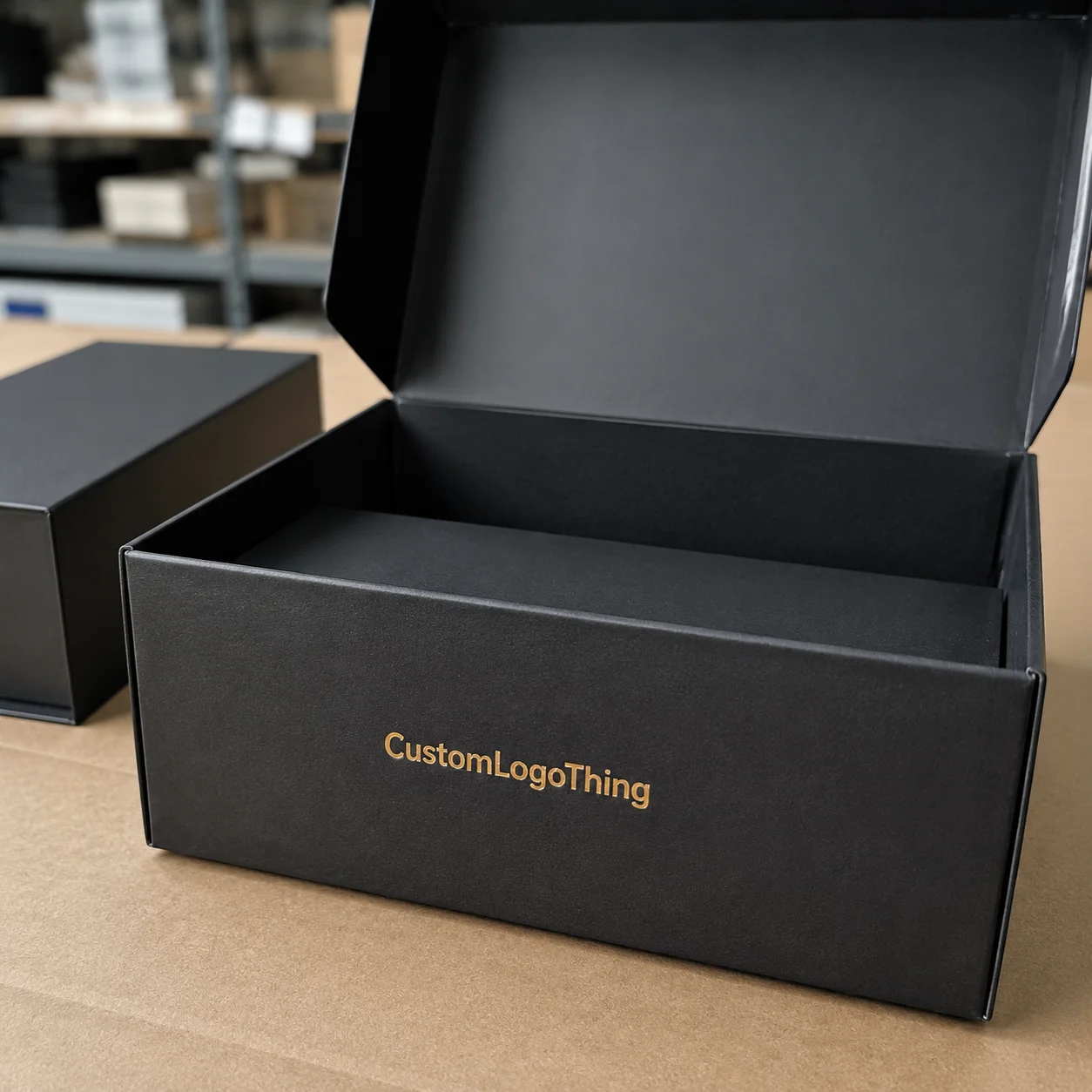
If you sell anything that ships in a box, Custom Mailer Boxes for small business are carrying more weight than most owners realize. I’ve watched a $38 candle feel genuinely premium the moment it came out of a matte black mailer produced with 350gsm C1S artboard and a soft-touch coating, and I’ve also seen a beautiful product land with far less impact because it arrived in a plain brown carton with crushed corners. That difference matters. The first physical touchpoint shapes the customer’s expectation before the product is even in hand, and honestly, that first impression is doing way more sales work than most people give it credit for. In many runs I’ve reviewed from factories in Dongguan, China, Shenzhen, and Jiangsu, the box is the quiet part of the customer journey that gets remembered the longest.
What you choose for that first touchpoint affects damage rates, reviews, repeat orders, and how often your brand gets shared on social media. A lot of small businesses treat the box like a simple expense when it is really part of the sale. The right Custom Mailer Boxes for small business can protect the product, raise the perceived value, and make the shipping moment feel deliberate instead of accidental. I remember one founder telling me, half-joking and half-panicked, that her “unboxing experience” was basically a cardboard apology. We fixed that fast with a 12x9x4 inch mailer, 1-color black print, and a setup that came in at $0.15 per unit for 5,000 pieces before freight.
Why custom mailer boxes for small business matter more than you think
A mailer box is a sturdy folding corrugated box built to ship products while also supporting branding, inserts, and a cleaner unboxing experience. It sits between a plain shipping carton and a luxury rigid gift box. It folds flat, sets up quickly, and typically closes with tuck flaps rather than relying on a full wrap of tape. That last part sounds small, but if you’ve ever packed 300 orders in one afternoon, you know every little motion starts feeling like either a blessing or a personal insult. In many production lines, a well-designed mailer can shave 20 to 30 seconds per pack, which becomes meaningful when a warehouse in Los Angeles or Charlotte is pushing out 1,000 orders a week.
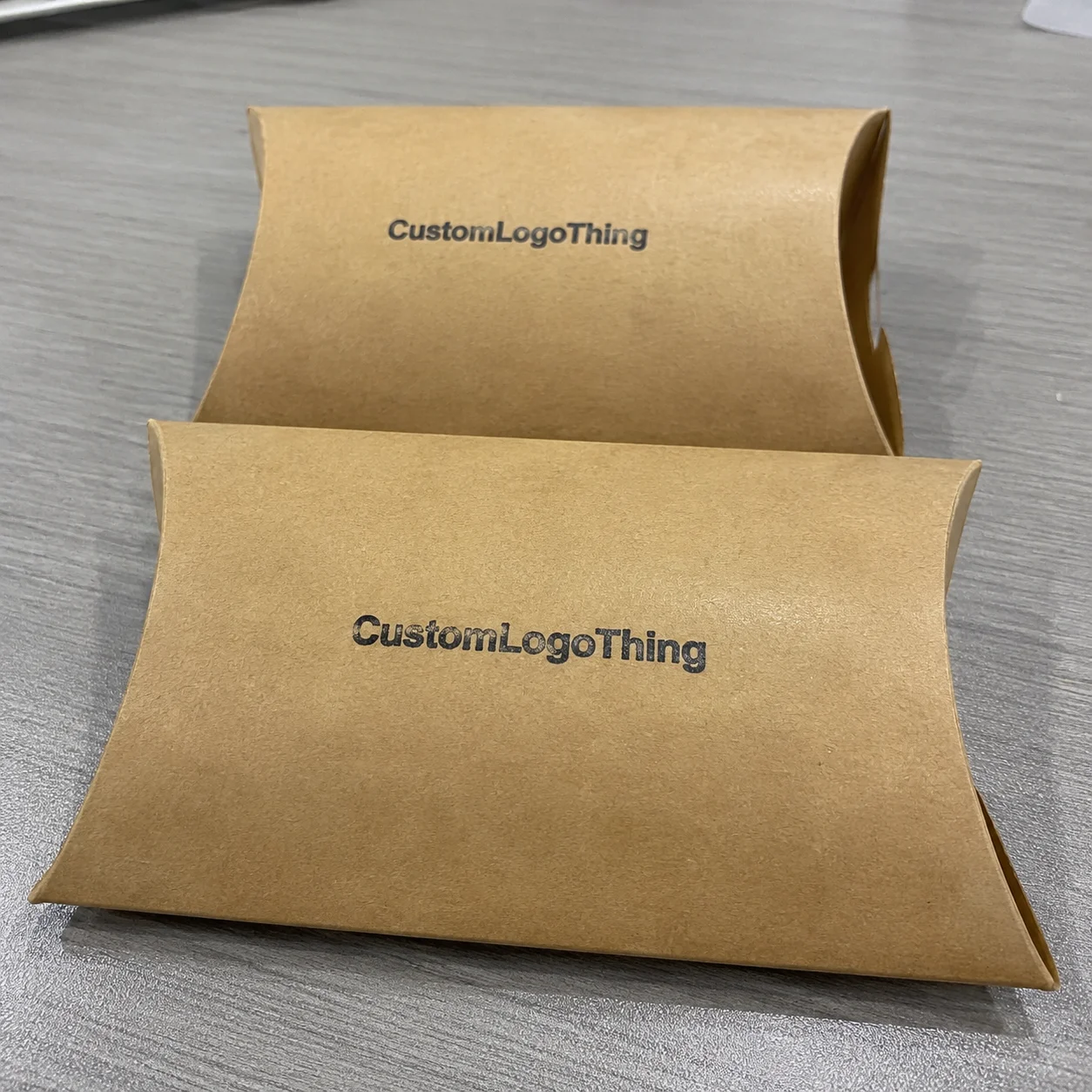
That structure makes custom mailer Boxes for Small business especially useful for ecommerce brands, subscription products, cosmetics, apparel, stationery, and PR kits. These boxes are not just packaging. They are branded packaging, and customers notice the difference almost immediately. A simple kraft mailer with a 1-color flexographic print can feel more intentional than a generic carton, especially when the interior includes a clean thank-you message or a QR code that links to a reorder page in under 15 seconds.
I remember a meeting with a skincare founder who had excellent formulas but only average retention. Her returns were low, yet the reviews were lukewarm. We moved her from plain shippers to custom printed boxes with a soft kraft exterior, one-color interior print, and a simple insert card. Three months later, she told me customers were posting the unboxing more often than the products themselves. The formula never changed. The packaging did the heavy lifting, which is both flattering and slightly annoying if you spent months perfecting the serum. Her new spec used E-flute corrugated board with a 350gsm C1S liner, and the factory in Guangdong quoted it at $0.62 per unit for 3,000 pieces.
Here’s the plain-language difference:
- Mailer boxes are usually self-locking, presentation-friendly, and sized for direct-to-consumer shipping.
- Shipping boxes are often more generic, sometimes larger, and may need extra tape or void fill.
- Product boxes are usually retail-facing cartons meant to sit on a shelf, not necessarily survive parcel shipping on their own.
That matters because customers judge quality before they open the item. A package that lands flat, clean, and branded signals care. A dented box with random tape sends a different message, even if the product inside is excellent. In practice, that first impression can shape everything from unboxing photos to refund requests, especially for brands shipping through USPS Priority Mail, UPS Ground, or DHL eCommerce where handling can include multiple conveyor transfers and corner compression.
“We thought the box was just logistics. Then customers started mentioning the packaging in reviews.” — a founder I worked with after moving from plain cartons to custom mailer boxes for small business
There’s a practical business upside too. Better packaging can reduce damage, which lowers replacement costs. It can raise perceived value, which supports stronger price points. It can also improve retention, because customers remember a shipment that felt thoughtful. That’s why custom mailer Boxes for Small business keep showing up in the packaging plans of brands that want more than bare-bones shipping. On one apparel run from a printer in Yiwu, a switch from thin stock to a B-flute mailer cut dent claims by 17% over the next two months.
How custom mailer boxes for small business actually work
Most mailer boxes use corrugated board, usually in an E-flute or B-flute structure depending on strength and print needs. E-flute is thinner and often better for sharper print and a sleeker presentation. B-flute is thicker, giving more protection and a little more crush resistance. Both can work well for custom mailer boxes for small business; the right choice depends on product weight, shipping method, and the feel you want customers to have when they open the package. A common production spec is 1.5mm to 3mm total board thickness, with the final build changing based on liner quality and flute profile.
The box itself usually has scored panels, tuck-in flaps, and a locking design that helps it stay closed without excessive tape. Many small brands like that because packing goes faster. A packer can assemble the box, place the product, add tissue or an insert, and close it in one sequence. On a good day, that saves 20 to 30 seconds per order. Multiply that by 500 orders, and the labor savings become real. Multiply it by the number of times somebody in fulfillment mutters, “Who designed this thing?” and you start appreciating a clean structure even more. A distribution team in Nashville once told me their best-performing mailer was a 10x8x3 inch structure because it folded in under 7 seconds and needed no extra tape on the top flap.
When I visited a contract pack-out operation in New Jersey, the team had three stations for one apparel client. The slowest step was not folding the box. It was fixing oversized packaging with extra paper fill. Once they resized to a better-fitting mailer, pack speed improved and void fill dropped by nearly half. That is the part people miss: custom mailer boxes for small business are a workflow decision as much as a branding decision. One vendor in Pennsylvania re-quoted the same program using die-cut mailers with a tighter lid score and reduced the average pack-out time from 46 seconds to 31 seconds.
The customization process usually follows this order:
- Size selection based on the product and any inserts.
- Artwork setup with logo placement, colors, bleed, and safe zones.
- Print method choice such as digital, flexographic, or litho-lamination depending on volume and finish.
- Structural proofing to confirm the closure and fit.
- Production after proof approval.
The process is straightforward, but the details matter. If your logo sits too close to the fold line, it can warp. If you skip the dieline review, the inside panel may not line up with your artwork. If you do not confirm product dimensions with inserts included, the box may fit the item itself but fail once tissue paper or a paperboard tray is added. A 2mm misread on height can turn into a lid that bows once the carton is filled and stacked on a 48x40 inch pallet.
Common use cases for custom mailer boxes for small business include:
- Ecommerce apparel and accessories
- Candles and home fragrance
- Cosmetics and skincare
- Subscription shipments
- Influencer and PR kits
- Secondary food-safe packaging for shelf-stable goods, where appropriate
Print options also vary. Some brands choose outside-only branding and keep the inside plain to control costs. Others print the inside lid with a thank-you note, a QR code, or a short brand story. Full-color coverage gives the richest visual effect, but a single-color kraft design can look sharper than people expect. I’ve seen one-color black on natural kraft outperform elaborate artwork because it felt clean, modern, and easy to recognize. Honestly, that kind of restraint is underrated. A factory in Shenzhen once produced a run using soy-based inks and a matte aqueous coating, and the client said the understated finish made the product feel $20 more expensive at retail.
For brands comparing packaging lines, it can help to look at adjacent formats too. If your fulfillment model includes poly-based mailers for soft goods, you may want to compare the experience with Custom Poly Mailers or a broader range of Custom Packaging Products. I’ve found that the strongest packaging programs rarely rely on one format alone, especially when one SKU ships at 6 ounces and another ships at 2.4 pounds.
Function and performance have to stay in balance. A box that looks beautiful but crushes in transit is a bad box. A box that protects perfectly but feels generic can leave money on the table. The best custom mailer boxes for small business usually do four things at once: protect the product, fit the workflow, control shipping cost, and reinforce package branding. A good spec from a printer in Vietnam or Hebei should tell you the board grade, liner stock, folding style, and expected compression tolerance before you approve the run.
Custom mailer boxes for small business: cost, materials, and pricing
Pricing for custom mailer boxes for small business comes down to five main variables: dimensions, board grade, print coverage, quantity, and finishing. If you add inserts, special coatings, or unique structural features, the cost moves again. That’s normal. The mistake is expecting all custom boxes to price the same just because they are all mailer boxes. They are not. A 9x6x2 inch mailer with one-color print can cost very differently from a 12x10x4 inch premium box with inside print and a custom paperboard insert.
I’ve seen two boxes that looked almost identical on a screen differ by more than 30% in unit cost because one used white-coated board, full exterior printing, and a custom insert, while the other was a simple kraft box with one-color print and no extra finishing. Small details add up quickly in packaging, which is great if you enjoy spreadsheets and terrible if you thought buying boxes would be the easy part. A factory in Dongguan may quote a different rate than one in Qingdao simply because the paper mill feedstock, lamination line, or local freight lane changes the math.
Here’s a practical comparison based on common small-business packaging choices. These numbers are indicative, not universal, but they give a realistic budgeting frame.
| Option | Typical specs | Approx. unit cost at 5,000 pcs | Best for |
|---|---|---|---|
| Plain kraft mailer | E-flute, 1-color print or no print | $0.42 to $0.68 | Lean ecommerce, basic protection |
| Printed white mailer | E-flute, 2-color exterior print | $0.58 to $0.92 | Cosmetics, apparel, brand-focused shipping |
| Premium mailer with inside print | B-flute, full-color exterior plus inside graphics | $0.95 to $1.55 | Subscription boxes, PR kits, premium DTC |
| Mailer with insert | Printed box plus paperboard insert | $1.10 to $1.85 | Fragile products, kits, multi-item shipments |
Those estimates can swing based on region, freight, and the exact spec. Still, they show the main lesson: the unit price of custom mailer boxes for small business drops as quantity rises. Setup, tooling, and press prep get spread across more pieces. A 1,000-piece run often carries a visibly higher per-box price than a 5,000-piece run, even when the total spend is smaller. In one case I reviewed, the price moved from $0.71 at 1,000 units to $0.39 at 5,000 units after the same die was reused and only the print plate changed.
Material choice matters just as much. Here are the most common options:
- E-flute corrugate: thinner profile, good print quality, common for retail packaging and DTC shipping.
- B-flute corrugate: thicker, better stacking strength, useful for heavier products.
- Kraft board: natural look, often recycled content, good for a warm and earthy brand feel.
- White-coated board: brighter print surface, better for full-color artwork and precise branding.
If sustainability is part of your story, ask about recycled content, FSC-certified paper options, and how the board is sourced. The Forest Stewardship Council is one of the best-known references for responsible forest management. I also encourage clients to read packaging guidance from the EPA recycling resources when they want to understand end-of-life claims more carefully, because sustainability language can get sloppy fast. In practical terms, a box made from 80% recycled liner and FSC-certified kraft can still print beautifully if the coating is tuned correctly by the plant in Zhejiang or Jiangsu.
Finish choices change both price and perception. A matte aqueous coating is usually cheaper than soft-touch lamination. Spot UV can create contrast, but it adds production complexity. Foil stamping looks striking, but it can be overused. I’m honest with clients about this: sometimes a modest print upgrade on custom mailer boxes for small business delivers more value than an expensive finish that only impresses in a sample photo. For example, a soft-touch mailer can add $0.11 to $0.24 per unit at 3,000 pieces, while a clean matte varnish can hold the line much closer to the base spec.
That is where budgeting should get sharper. Do not compare box price alone. Compare total packaging cost against order value, damage reduction, and customer lifetime value. If a $0.18 unit price increase prevents one damaged shipment out of every 40, the math may favor the upgrade quickly. A box that improves retention by even a small percentage can pay for itself several times over. I’ve seen a candle brand in Portland absorb a $900 annual packaging increase and still come out ahead because replacement shipments dropped by 22%.
I’ve seen this during a supplier negotiation too. One client wanted the lowest quoted price on a high-gloss printed mailer, but the cheaper board scuffed and crushed at the edges during transit tests. After we moved to a slightly heavier board and reduced the glossy coverage, the result looked better and packed better. Less drama, better margin. That is usually the right trade. A plant in Foshan reworked the spec from 300gsm to 350gsm liner, and the carton survived compression tests at 32 ECT instead of failing early in the lane.
Step-by-step process and timeline for ordering custom mailer boxes for small business
The most common ordering mistake is starting with artwork instead of measurements. Measure the product first. Measure it again with inserts, tissue, paper wrap, or protective padding included. If your candle is 3.25 inches wide and your paperboard cradle adds 0.18 inches on each side, the final internal box dimension changes in a real way. That small number can decide whether the box ships safely or rattles around. I’ve seen a 3.5 inch internal height spec turn into a problem because the lid bowed once the jar sat inside a molded pulp tray.
For custom mailer boxes for small business, I usually recommend this sequence:
1. Measure the real packed product
Use the actual final packaged unit, not just the product alone. Include the box sleeve, jar lid height, tissue thickness, or any bubble wrap if that is part of your standard pack-out. I once saw a tea brand order beautifully printed mailers that were 4 millimeters too shallow because nobody measured the sealed pouch height after it was filled. Four millimeters. That tiny gap caused lid bulging across an entire batch. Packaging drama, brought to you by a number so small nobody wanted to believe it mattered. Their replacement run had to be adjusted to a 9x6x2.5 inch structure to fix the issue.
2. Define the role of the box
Ask what the box needs to do. Is it mostly for shipping protection? Is it a giftable unboxing piece? Is it subscription packaging that has to look consistent month after month? A box optimized for luxury presentation may not be the best choice for rough parcel handling. Custom mailer boxes for small business can do both, but the design needs to be honest about priorities. A beauty brand shipping from Miami may prioritize presentation, while a hardware accessory company in Dallas may care more about crush resistance and stack strength.
3. Build the artwork correctly
Artwork should include bleed, safe zones, and a clean logo lockup. A box dieline is not a normal flat label. It has folds, flaps, and glue areas that affect placement. If you do not account for that, the design can end up awkwardly split across seams. Good packaging design protects legibility just as much as structure protects the item. A print house in Shanghai once flagged a logo that sat 3mm too close to the crease, and catching it there saved an entire reprint.
4. Review samples or prototypes
Never skip the prototype stage if the product is fragile, premium, or unusually shaped. A sample lets you test closure strength, compression, and real-world fit. I like to see at least one pack-and-ship test using the actual product and the exact insert configuration. In the packaging world, “looks right on screen” is not a quality metric. A hand sample from a factory in Wenzhou or Dongguan should arrive in 5 to 7 business days by courier if the dieline is approved quickly.
5. Approve proofing and production
Once the proof is approved, production begins. For many custom runs, the timeline from proof approval to delivery can be 12 to 20 business days, depending on quantity, print complexity, and factory capacity. Freight can add a few more days. If you are ordering for a seasonal launch, build in buffer time. I would rather tell a client to order two weeks early than watch them pay premium freight because a launch date got too tight. A straightforward reorder from a plant in Guangdong can move faster, but first-time runs with inserts, spot coating, and a new die usually land closer to the 15 business day mark after proof signoff.
Here’s a realistic timeline snapshot for custom mailer boxes for small business:
- Day 1-3: dimensions, quote, and structure selection
- Day 4-7: artwork setup and dieline review
- Day 8-10: sample or proof approval
- Day 11-24: production, depending on complexity
- Day 25-30: freight transit and receiving
That is not a promise. It depends on quantity, board availability, and whether you need custom inserts, coating, or multiple print passes. It is still a useful planning frame. If your shipment is moving by sea from Shenzhen to Los Angeles, add another 18 to 24 days for transit, customs clearance, and domestic delivery to your warehouse.
One more practical point: if your team is still comparing packaging paths, it can help to review a broader set of Custom Packaging Products alongside mailers. Sometimes a mix of mailers, inserts, and outer cartons makes more operational sense than forcing one format to do everything. A fast-growing brand in Atlanta once solved its packaging bottleneck by pairing mailers for core SKUs with a heavier outer carton for bundles over 3 pounds.
Common mistakes small businesses make with custom mailer boxes
The biggest mistake is choosing the wrong size. Oversized custom mailer boxes for small business lead to wasted board, extra void fill, higher shipping costs, and more product movement. Undersized boxes crush contents or bulge at the lid. Neither one is a win. I’ve seen shipping costs jump by 8% to 14% just because a box was one inch too tall and pushed the parcel into a higher dimensional weight bracket.
I’ve sat in a warehouse office while a founder opened a pallet of boxes and realized the closure tab sat too tight over a product tray. The box design looked great. The pack-out was miserable. That is the danger of designing for a render instead of a real product. You need the actual item, actual insert, and actual shipping method before locking dimensions. One team in Chicago caught the issue only after testing with the final 8 oz product bottle and its paperboard neck support.
Another mistake is overdesigning the print. Busy graphics, too many type sizes, and too many colors can make a box feel less premium, not more. Sometimes a single logo, a restrained palette, and one inside message outperform a crowded design. Custom mailer boxes for small business should support the product, not shout over it. A two-color design on natural kraft often feels more expensive than a six-color full bleed layout if the artwork is cleaner and the coating is tuned correctly.
Here are the common failures I see most often:
- Poor fit: too much movement or too little clearance.
- Weak structural testing: no sample drop test, no compression test, no closure check.
- Inconsistent brand execution: colors change from one run to the next because no standard was set.
- Operational slowdown: beautiful boxes that are hard to fold or fill at scale.
- Ignoring shipping stress: humidity, stacking, and parcel handling can all damage under-specified boxes.
That last one deserves more attention. In humid warehouses, corrugated board can soften. In stacked pallet storage, compression can flatten weaker designs. During parcel transit, the box may face drop events, edge impact, and conveyor pressure. Those issues are covered in industry testing standards like ISTA guidance, which many brands use to think more clearly about distribution performance. A carton tested to ISTA 3A expectations will tell you a lot more than a pretty mockup ever will.
One more issue I see: forgetting the people who pack the orders. A box may look refined in a photo shoot, but if the fold sequence is awkward, fulfillment staff will resent it. That slows packing speed and increases errors. Packaging should fit the operation, not just the marketing deck. If your team hates the box, trust me, they will let you know, probably with a look that says everything and a few words that should stay in the warehouse. I’ve seen a 10,000-unit run in Ohio get reworked because the top flap needed too much thumb pressure to close consistently.
Expert tips to get better results from custom mailer boxes for small business
My strongest advice is to treat packaging as a system. The exterior box, interior print, tissue, insert card, and product presentation should tell one consistent story. If the box says minimalist luxury and the insert says discount outlet, the brand message falls apart. Custom mailer boxes for small business work best when every layer supports the same promise. A 350gsm C1S insert card, a one-color lid print, and a matching tissue sheet can carry a stronger message than three disconnected design ideas.
Keep the artwork readable at a glance. A logo, one short line, and one memorable visual often do more than a crowded surface packed with claims. Customers notice contrast and clarity fast. They do not need every inch of the box to do a job. In a market like Austin, where brands fight for attention with bold visuals, a calmer box can actually stand out more because it feels deliberate.
I learned this during a supplier negotiation for a small coffee brand. They wanted intricate all-over art, but their order volume was modest and their margins were tight. We simplified to a strong logo on kraft with a pattern inside the lid. The result cost less, packed faster, and looked more intentional than the original idea. Restraint often improves both economics and design. Also, it keeps the printer from making that face where they start politely pretending your concept is “very ambitious.” The factory in Hebei quoted the simpler version at $0.44 per unit for 5,000 pieces, versus $0.73 for the original multi-pass layout.
Here are a few tactics that tend to pay off:
- Standardize around two or three sizes instead of creating a new box for every SKU.
- Test inside printing if your box is often shared on social media or used for gift orders.
- Ask for board recommendations based on product weight, not just appearance.
- Use inserts strategically for fragile items, but avoid overcomplicating pack-out.
- Plan for reorders so you do not get trapped by last-minute freight costs.
If you sell multiple product types, one practical approach is to create a packaging ladder. Use one mailer size for your core product, one slightly larger mailer for bundles, and a secondary mailer or poly option for lighter soft goods. That is where Custom Poly Mailers can complement your box program instead of competing with it. Not every shipment deserves the same structure. A light T-shirt order at 9 ounces may ship more economically in a poly mailer, while a candle bundle at 2.1 pounds needs a corrugated mailer with stronger edge support.
Also, think about storage. Flat-packed boxes take less room than rigid packaging, but they still need dry space and protection from edge damage. I’ve seen a brand lose an entire month of inventory because corrugated cartons sat next to a leaking pipe. Packaging is paper-based until it meets water, and then you are dealing with warped score lines and weak flaps. There is nothing glamorous about discovering that on a Monday morning. One warehouse in New Jersey had to discard 2,400 units after the bottom stack wicked moisture from a concrete floor overnight.
Finally, design for reusability if it fits your brand. A box that customers keep for returns, storage, or gifting can extend your package branding far beyond the original shipment. That is not always the goal, but when it happens, it is powerful. A piece of packaging that lives on the customer’s desk or shelf keeps working after delivery day. I’ve seen a stationery brand in Seattle turn a simple mailer into a desk organizer by adding a sturdy side score and a matte finish that held up for months.
What to do next before you order custom mailer boxes for small business
Before you place an order, create a packaging checklist with exact numbers. You want product dimensions, weight, insert thickness, shipping method, target budget, and branded assets all in one place. That sounds basic, but it prevents most ordering mistakes with custom mailer boxes for small business. Include internal size, external size, target board grade, print colors, and coating choice so your supplier in Guangdong or Jiangsu can quote accurately on the first pass.
Then compare at least two box constructions. Ask which one best suits your product weight, stacking needs, and branding goals. Do not choose by appearance alone. A pretty spec sheet can hide a poor fit, weak closure, or a print surface that scuffs too easily. A supplier can show you a gloss laminated sample that looks great under lights, but if it fails abrasion testing after 50 rubs, it is not the right choice for parcel shipping.
Request a prototype or sample and pack a real order. Test the closure, shake the box lightly, and inspect the product after a simulated drop from waist height. If the product shifts, scratches, or dents, revise the spec before mass production. That is cheaper than replacing 500 damaged shipments later. I like to pack one sample with the exact tissue count and one sample without, because even a 0.03 inch difference in fill can change the feel at closure.
I also recommend planning your reorder point before launch. If your lead time is 15 business days and freight adds another week, you cannot wait until the last carton is gone. Build a cushion. In packaging, running out is expensive. It usually means rushed production, rushed freight, or both. A brand in Brooklyn once had to pay an extra $1,280 in air freight because they hit zero inventory two weeks before a holiday promotion.
After the first run, document what worked. Did the box fit the product exactly? Did the color match the brand palette under natural light? Did the staff pack it quickly? Those notes matter. The smartest packaging programs I’ve seen get better every cycle, because they treat each print run as a data point, not just a purchase. A simple post-run review in 30 days can tell you whether the spec needs tighter tolerances or a different coating.
If you want a better result from custom mailer boxes for small business, start with measurements, then structure, then design. That order saves money and reduces rework. If you need a broader packaging mix, review options from Custom Packaging Products before locking one format. The right system is usually more effective than the fanciest box. A balanced program might include E-flute mailers for core shipments, poly mailers for soft goods, and a heavier carton for larger bundle orders.
Custom mailer boxes for small business are worth the attention because they influence the product experience at every stage: shipping, opening, sharing, and repeat purchase. Get the size right, Choose the Right board, keep the design disciplined, and test before you scale. That is how you turn a carton into a brand asset instead of a cost line. In factories from Dongguan to Los Angeles co-packers, the same lesson keeps showing up: the best packaging earns its place by doing real work.
FAQ
How do custom mailer boxes for small business differ from shipping boxes?
Mailer boxes usually have a more polished, self-locking structure that supports branding and easier assembly. Shipping boxes can be more generic and may need extra tape or void fill depending on the build. I’d use custom mailer boxes for small business when presentation matters as much as protection, especially for orders shipping at 1 to 3 pounds where the unboxing moment is part of the brand experience.
What size should I choose for custom mailer boxes for small business?
Measure the product with any inserts, tissue, or padding you plan to include. Leave enough room for protection, but avoid oversized boxes that increase shipping cost and movement inside the box. A prototype fit test is the safest way to confirm the size before a larger run. For many small brands, that means testing a 9x6x2 inch, 10x8x3 inch, and 12x9x4 inch option before picking the final spec.
How much do custom mailer boxes for small business usually cost?
Price depends on size, quantity, print coverage, material, and finishing. Higher quantities usually lower the per-box cost, while inserts and premium coatings raise it. The best comparison is total packaging value versus damage reduction, labor savings, and brand impact. As a practical example, a 5,000-piece run of a simple kraft mailer might land near $0.42 to $0.68 per unit, while a premium printed version can run much higher.
How long does the ordering process take for custom mailer boxes for small business?
Timeline depends on artwork readiness, proof approval, sampling, production capacity, and freight. Simple designs move faster than printed boxes with inserts or specialty coatings. For most projects, it’s smart to allow time for revisions and transit so the boxes arrive before inventory gets tight. A realistic schedule is often 12 to 15 business days from proof approval for production, plus freight time based on whether the order ships by air or ocean.
Can custom mailer boxes for small business help with branding and repeat sales?
Yes. Packaging can make the first unboxing feel more premium and memorable, which can improve reviews, social shares, and recall. A consistent box design helps customers recognize your brand across repeat orders, especially when the product itself is competitive. In practice, a box with a strong logo, a clear interior message, and a fit that feels deliberate can make a $24 order feel much more considered.