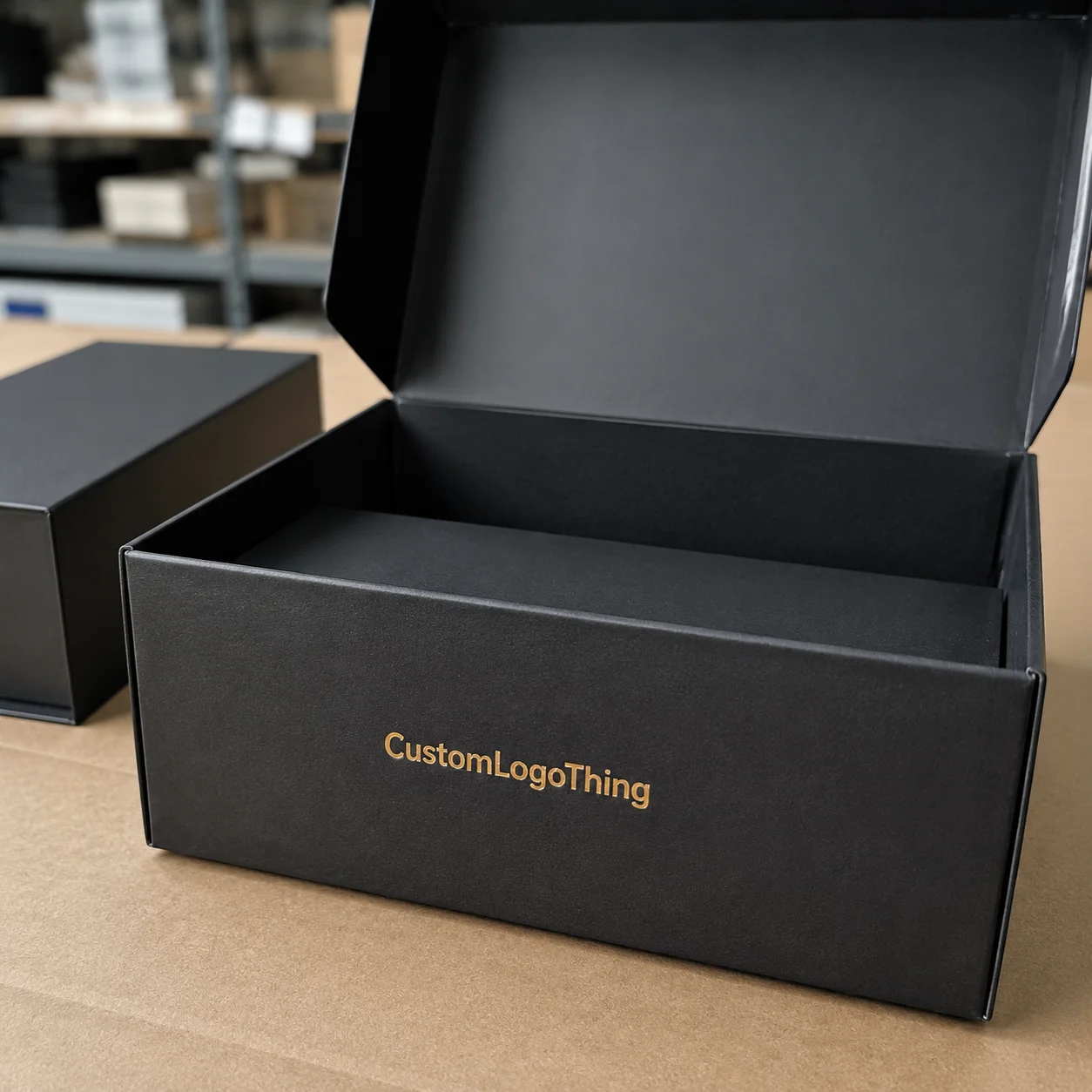
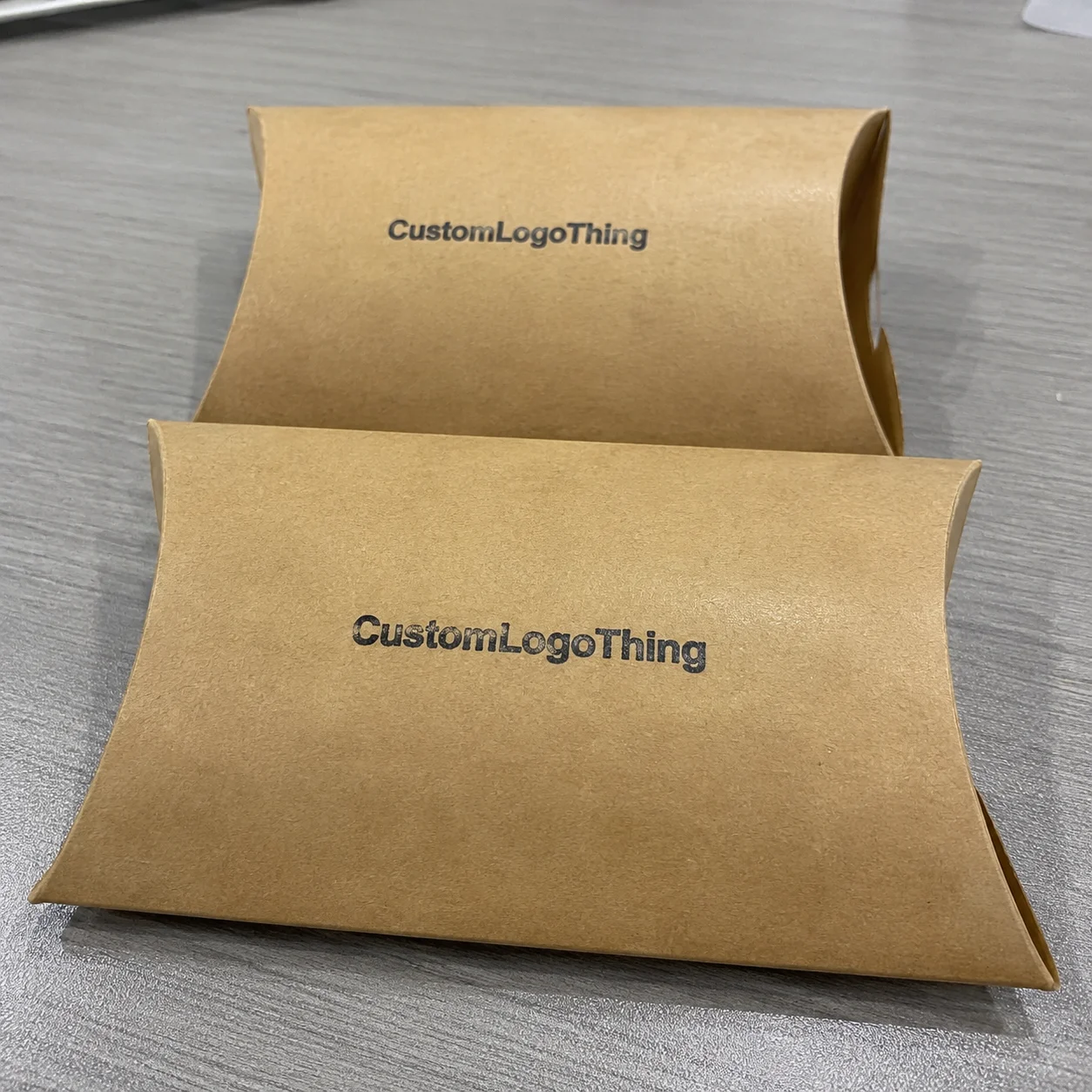
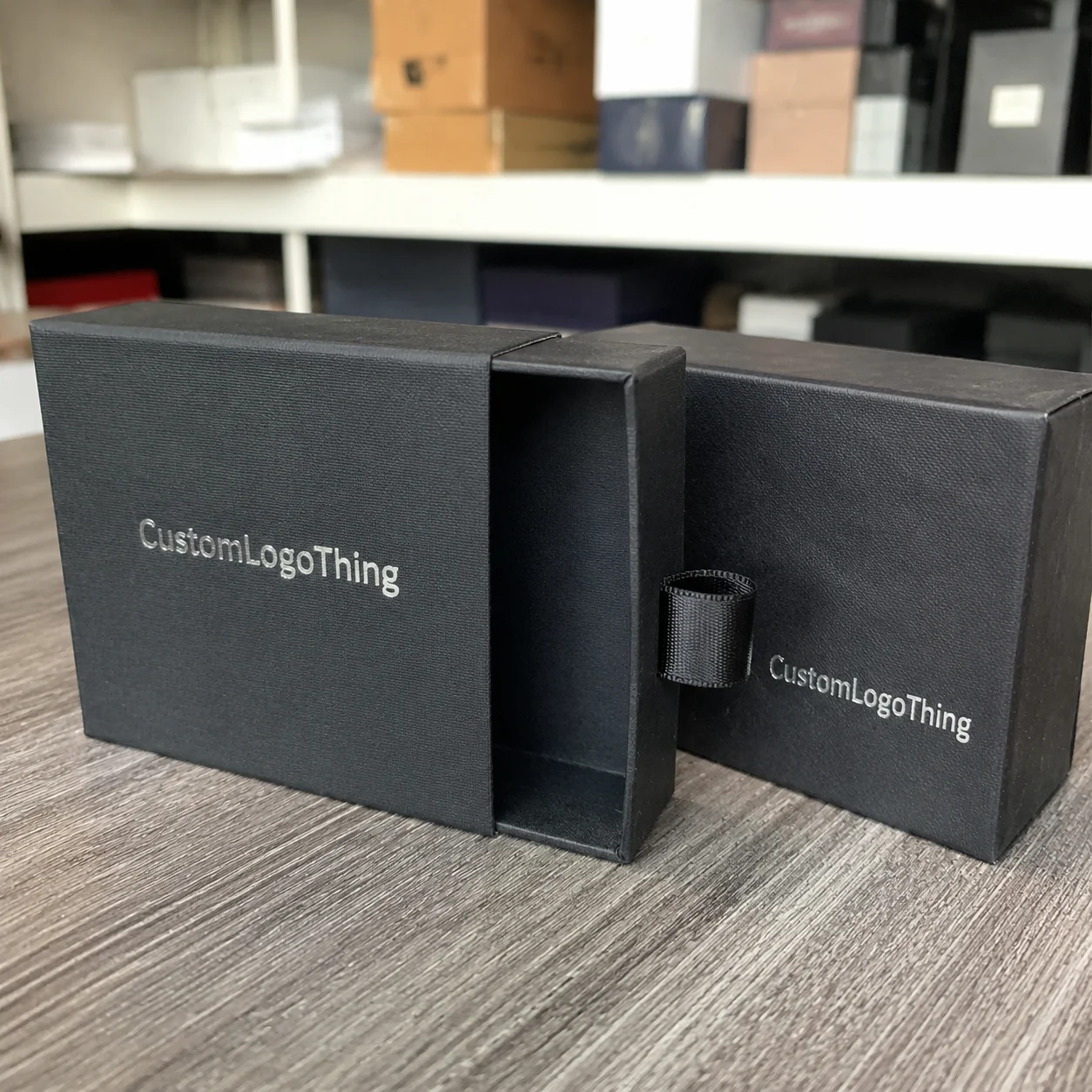
Buyer Fit Snapshot
| Best fit | Custom Mailer Boxes Pricing projects where brand print, material claims, artwork control, MOQ, and repeat-order consistency need to be specified before quoting. |
|---|---|
| Quote inputs | Share finished size, material target, print colors, finish, packing count, annual reorder estimate, ship-to region, and any compliance wording. |
| Proofing check | Approve dieline scale, logo placement, barcode or warning zones, color tolerance, closure strength, and carton packing before bulk production. |
| Main risk | Vague material claims, crowded artwork, missing packing details, or unclear freight terms can make a low unit price expensive after revisions. |
Fast answer: Custom Mailer Boxes Pricing: Material, Print, Proofing, and Reorder Risk should be specified like a repeatable production item. The safest quote records material, print method, finish, artwork proof, packing count, and reorder notes in one written spec.
Production checks before approval
Compare the actual filled-product size with the drawing, then confirm tolerance on folds, seals, hang holes, label areas, and retail display edges. Reserve space for logos, QR codes, warning copy, and material claims before decorative graphics fill the panel.
Quote comparison points
Review material grade, print process, finish, sampling route, tooling charges, carton quantity, and freight assumptions side by side. A quote is only useful when the supplier can repeat the same color, closure quality, and packing count on the next order.
Three years ago, a client walked into my consulting office convinced he'd found the perfect Custom Mailer Boxes pricing deal. A manufacturer in Shenzhen had quoted him $0.42 per unit for 10,000 boxes with full-color printing. He was ready to sign. I asked him to hold off—just long enough to factor in ocean freight, customs duties, quality control delays, and the reality of communicating across twelve time zones. When we tallied everything up, his "incredible deal" was actually $0.78 per unit by the time those boxes landed in his Ohio warehouse. He nearly walked away from custom packaging entirely. We found him a domestic supplier at $0.58 per unit with a two-week turnaround, and he still tells me it was the best packaging decision he ever made.
This experience shows why I wrote this Custom Mailer Boxes pricing guide. The numbers on a quote don't tell the whole story. Understanding the variables behind pricing can mean the difference between a profitable product launch and a packaging budget nightmare. I've spent two decades in packaging facilities across the country—working with everyone from two-person startups to Amazon third-party sellers moving half a million units annually. The same pricing confusion plays out over and over again.
Here's the thing: Custom Mailer Boxes pricing spans an enormous range. You can spend $0.35 per unit or $15 per unit for what looks like the same box. The difference lies in the specifications you choose, the manufacturer you partner with, and whether you understand the total landed cost before signing a contract. This guide walks you through everything you need to know to make intelligent decisions about your custom packaging investment.
Why Custom Mailer Boxes Pricing Varies More Than You'd Expect
Most first-time buyers assume custom mailer boxes cost somewhere between $1 and $3 each. I get where this assumption comes from—it's what you see when you browse retail packaging sites or comparison shop without context. The reality is far more interesting and far more nuanced.
Prices for custom mailer boxes range from roughly $0.35 to $15 or more per unit, depending entirely on specifications. At the budget end, you have simple kraft corrugated boxes with one-color flexo printing in quantities of 5,000 or more. At the premium end, you're looking at rigid setup boxes with soft-touch lamination, foil stamping, and custom inserts designed for luxury retail packaging. The same company that charges $0.42 per unit for basic mailers might charge $8.50 per unit for their high-end rigid boxes—they're using the same equipment, but the materials and finishing processes differ dramatically.
I toured a facility in Southern California where they produced identical-size mailer boxes for three different clients. Client A paid $0.38 per unit (50,000 unit order, single-color flexo, kraft board). Client B paid $0.67 per unit (10,000 unit order, two-color flexo, white board). Client C paid $2.10 per unit (2,500 unit order, full CMYK offset, soft-touch laminate, spot UV). Same machine, same operators, same box dimensions—but completely different price points based on the specifications each client chose.
The wide pricing spectrum isn't a flaw in the market—it's a feature. It means you can scale your packaging investment precisely to your product value and brand positioning. A company selling $15 skincare products can justify different packaging than a company selling $200 artisanal candles. The danger comes when buyers don't understand the variables and either overspend on features their customers won't notice, or underspend on packaging that damages products in transit.
In my experience advising e-commerce brands, roughly two-thirds of small businesses initially overspend on their packaging. They see competitors using beautiful custom boxes and assume they need the same level of presentation. Often, a custom sleeve over a plain mailer box achieves 80% of the visual impact at 40% of the cost. Understanding these tradeoffs is what this custom mailer boxes pricing guide is all about.
What Exactly Are Custom Mailer Boxes?
Before diving deeper into pricing variables, let's make sure we're talking about the same product. Custom mailer boxes are shipping-grade corrugated containers designed for e-commerce fulfillment. Unlike standard poly mailers or bubble mailers, these are rigid corrugated cartons that protect products during transit while also serving as a branded packaging touchpoint.
The key differentiator from standard mailers comes down to construction and customization. A standard mailer box is a generic corrugated carton—you might get it in your brand color if you're lucky, but there's no logo, no custom graphics, no design elements that reinforce your brand identity. A custom mailer box, by contrast, features your logo, brand colors, and design elements printed directly on the exterior. Some companies go further with interior printing, custom inserts, or finishing effects that create a memorable unboxing experience.
The distinction between custom mailer boxes and fully custom rigid boxes matters for pricing too. A rigid setup box—think the kind Apple or high-end jewelry brands use—is manufactured differently. These boxes are built to hold their shape permanently, with separate top and bottom pieces that fold together. They're substantially more expensive per unit and typically require different equipment. Custom mailer boxes, by contrast, are typically regular slotted cartons (RSC) that ship flat and assemble quickly. This construction method keeps costs manageable while still allowing substantial branding opportunities.
The core components that affect your custom mailer boxes pricing include board strength (measured by ECT, or Edge Crush Test), print method and coverage, finishing options, and any additional features like handles, tear strips, or inserts. Understanding each of these components gives you the vocabulary to discuss specifications intelligently with manufacturers and to make informed choices about where to invest your packaging budget.
How Custom Mailer Box Pricing Actually Works
Most buyers imagine that pricing is simple: you give a manufacturer your specs, they give you a number. The reality involves several stages of calculation that most people never see. Understanding this process helps you ask better questions and recognize when a quote is comprehensive versus when it's missing cost components that will surprise you later.
The typical pricing journey goes like this: you submit a quote request with your specifications (dimensions, quantity, print design, finishing options), the manufacturer's sales team reviews the specs and checks capacity on relevant production equipment, the estimating department calculates material costs and setup charges, and finally a pricing sheet emerges with line items for material, labor, setup fees, and any additional services.
Most manufacturers use quantity-based tiered pricing, which means the per-unit cost decreases as order volume increases. This isn't unique to packaging—it's standard across manufacturing. What surprises many buyers is how dramatically quantity affects price. Going from 1,000 units to 5,000 units might cut your per-unit cost by 40%. Going from 5,000 to 25,000 might cut it by another 30%. The economies of scale are substantial because setup costs get amortized across more units, and material vendors offer better pricing for larger rolls and sheets.
Setup fees are where many buyers get confused. A flexo press requires plates (roughly $150-300 per color per size), a digital print job requires imaging your files and calibrating the press, and even a simple one-color job requires setup time for the operators. These charges—typically ranging from $250 to $1,500 depending on complexity—are amortized across your order quantity. For a 50,000-unit order, setup fees might add only $0.01-0.02 per unit. For a 500-unit order, those same setup fees might add $0.20-0.30 per unit. This is why per-unit pricing drops so dramatically with quantity.
Lead time affects final pricing in ways that aren't always obvious. Rush orders—anything faster than standard turnaround—typically command a premium of 15-25% because the manufacturer has to shuffle production schedules, potentially running your job during overtime hours or retooling equipment mid-shift. Planning ahead and building packaging timelines into your product development schedule saves money. I've seen brands pay $3,000 extra in rush charges because their product launch schedule didn't account for the 12-15 business days standard production requires.
The 7 Factors That Determine Your Custom Mailer Box Cost
Now we get to the heart of this custom mailer Boxes Pricing Guide: the seven variables that determine what you'll pay. I've listed these roughly in order of impact, though the exact weight depends on your specific situation.
1. Material Type and Board Specifications
The foundation of your custom mailer box is the corrugated material itself. Kraft corrugated—the brown, recycled-content board you see in shipping boxes—typically costs least because it's readily available and the manufacturing process is straightforward. White corrugated (with a white outer liner) costs 10-20% more because you're paying for the bleached linerboard. Premium recycled-content boards with specific environmental certifications may cost slightly more depending on market conditions.
Board thickness, measured by ECT (Edge Crush Test) rating, also affects pricing. A 32 ECT box is adequate for lighter products—think cosmetics, small accessories, or lightweight apparel. A 44 ECT box provides more compression strength for heavier items or for packages that will be stacked during warehousing and fulfillment. Moving from 32 ECT to 44 ECT typically adds $0.02-0.05 per unit. Choosing stronger board than your product requires is throwing money away; choosing weaker board than your products need invites damage claims that dwarf any packaging savings.
2. Box Dimensions and Structural Design
Standard-sized boxes cost less than custom dimensions. This surprises many buyers, but it makes sense when you consider that manufacturers have optimized their machinery for common sizes. A 12x9x4 inch box might be a standard die line they've used for years, with tooling already paid for and processes refined. A 13.25x7.75x3.875 inch box requires new tooling—another setup cost that gets passed along to you.
Whenever possible, I recommend working with standard sizes or asking manufacturers for their standard dimensions that most closely match your product. Many manufacturers maintain lists of "popular sizes" that they produce frequently—these typically have lower per-unit pricing because the dies are pre-existing and the production runs more efficient.
3. Print Method and Color Requirements
The print method is often the single biggest factor in custom mailer boxes pricing, especially for smaller orders. Here's a quick breakdown of your options:
| Print Method | Best For | Typical Setup | Per-Unit Impact |
|---|---|---|---|
| Single-color flexo | Simple logos, text, basic graphics | $150-300 per color | Lowest per-unit cost |
| Two-color flexo | Two-color logos, simple designs | $300-600 total | Low per-unit cost |
| Full CMYK offset | Photographic images, complex gradients | $800-2,500 | Medium per-unit cost |
| Digital printing | Short runs, variable data, proofs | $100-200 | Higher per-unit, no setup |
| Screen printing | Specialty inks, bold graphics | $400-1,000 | Specialized pricing |
For most e-commerce brands, a one or two-color flexo print job with your logo in your brand colors achieves excellent visual impact at a reasonable price. Full CMYK photography prints look stunning but require substantially more setup and typically only make sense if your design actually includes photographs or requires exact color matching across many hues.
4. Print Coverage Area
Printing on just the box face versus printing full coverage around the entire box involves different equipment setups and more ink. Full coverage—printing on all sides, top, and bottom—might add 15-30% to your print-related costs compared to a simple box-face design. For many brands, front-panel printing with a prominent logo delivers 90% of the branding value at 60% of the print cost.
5. Finishing Options
Finishing options include lamination (matte or gloss coating that protects the print and adds visual appeal), UV spot coating (a glossy effect on specific design elements), foil stamping (metallic or colored foil applied to elements like your logo), and soft-touch lamination (a velvet-like texture that feels luxurious). Each finishing option adds processing steps and material costs.
A matte laminate typically adds $0.03-0.08 per unit. Gloss laminate falls in a similar range. UV spot coating—which makes specific elements pop with a glossy sheen against matte background—adds $0.05-0.12 per unit because it requires a separate print pass and dedicated equipment. Foil stamping, particularly in metallic gold or silver, adds $0.15-0.40 per unit because it's a specialty process that requires separate tooling and skilled operators.
I worked with a candle company that insisted on soft-touch lamination for their mailer boxes. Their products sold for $45-85, and they wanted the unboxing to feel premium. After showing them physical samples with different finishes against their actual products, they agreed that a quality matte laminate achieved the sophisticated look they wanted at about one-third the cost. The soft-touch was nice, but it didn't meaningfully improve the customer experience for their price point. That decision saved them roughly $12,000 on their first order.
6. Order Quantity
As I mentioned earlier, order quantity is the critical variable for unit pricing. Here's a realistic pricing structure I see across manufacturers (prices will vary by region and specifications, but use these as benchmarks):
- 50-250 units: $2.50-8.00 per unit (digital print, high setup amortization)
- 500-1,000 units: $1.20-3.50 per unit (lower setup, moderate volume)
- 2,500-5,000 units: $0.55-1.50 per unit (flexo print, good volume discounts)
- 10,000-25,000 units: $0.25-0.75 per unit (flexo or offset, best unit economics)
- 50,000+ units: $0.15-0.40 per unit (offset print, maximum efficiency)
7. Additional Features and Customization
Custom inserts (foam, cardboard partitions, or molded pulp to hold products securely), handles (rope, ribbon, or integrated handle cutouts), tear strips (perforated openings for easy package access), hang tabs (for retail packaging display), and variable data printing (unique codes or QR labels printed on each box) all add to your final cost. Each feature requires additional materials, processing steps, or quality control checks. Inserts alone might add $0.15-0.60 per unit depending on complexity and material.
Step-by-Step: Getting Accurate Custom Mailer Box Pricing
Armed with an understanding of the pricing factors, let's walk through how to actually get accurate quotes. This is where many buyers make mistakes that cost them money downstream. Follow this process, and you'll have the information you need to make confident decisions.
Step 1: Define Your Specifications Completely
Before requesting any quotes, document your specifications in detail. What are the interior dimensions your product requires (remember to account for protective packaging materials)? What's your order quantity range for the first order, and what's your projected annual volume? Do you have a design ready, or are you starting from scratch? What finishing effects are you considering, and which are must-haves versus nice-to-haves?
I've seen buyers waste weeks going back and forth with manufacturers because they kept changing their dimensions. A clear specification sheet upfront saves everyone time and leads to more accurate quotes on the first attempt.
Step 2: Research and Qualify Manufacturers
You'll hear different perspectives on domestic versus overseas manufacturing. Both have merits, and the right choice depends on your situation. Domestic manufacturers—typically in the US or Canada—offer shorter lead times, easier communication, and consistent quality oversight. Expect to pay 20-40% more than overseas equivalents for comparable specifications, though the gap narrows when you factor in total landed costs.
Overseas manufacturers, primarily in China, offer lower unit costs and competitive setup fees. The tradeoffs include longer lead times (factor in 6-10 weeks total for overseas production versus 2-3 weeks domestically), language and time zone barriers, potential quality consistency issues, and the logistics complexity I mentioned at the start of this guide. For brands with predictable volumes and planning horizons, overseas production makes excellent economic sense. For brands needing flexibility or rapid response, domestic production is worth the premium.
Look for manufacturers with relevant certifications—ISTA testing compliance, FSC chain of custody certification if you're using certified materials, ISO quality management systems. These indicate operational rigor that correlates with reliable quality.
Step 3: Request Apples-to-Apples Quotes
This step is critical. When you request quotes from multiple manufacturers, give them identical specifications. If you're comparing a quote from Manufacturer A (who spec'd 32 ECT kraft with single-color flexo) against Manufacturer B (who spec'd 44 ECT white board with two-color flexo), you're not comparing fairly. List your exact dimensions, board specifications, print method, colors, finishing, and quantity. Ask for line-item breakdowns showing material costs, setup fees, and per-unit pricing at each quantity tier.
A startup founder once showed me four different quotes from four manufacturers. On the surface, they seemed to range from $0.48 to $0.72 per unit. When I asked him to re-request quotes with identical specifications, the range tightened to $0.52-0.61 per unit. Three of the four had quoted different board strengths or finishing options than he thought he'd requested. One had even included shipping while the others hadn't. Getting identical specs revealed that the true competitive range was much narrower than it initially appeared.
Step 4: Ask About Hidden Costs
Shipping costs, palletization and stretch wrapping charges, warehouse storage fees for partially completed orders, quality control sampling costs, and artwork preparation or modification fees are commonly overlooked. A comprehensive quote should mention these items. If they don't appear in a quote, ask explicitly. A quote that looks $0.05 per unit cheaper but excludes shipping from a distant warehouse might actually be more expensive delivered to your door.
Step 5: Negotiate Based on Volume Commitments
Most manufacturers have flexibility in their pricing, particularly for predictable ongoing volume. If you're committing to annual volume of 100,000 units across multiple orders, that gives a manufacturer something to plan around—potentially reserving production capacity or scheduling your jobs consecutively to reduce changeover time. Even if your first order is smaller, signaling a volume commitment often unlocks better pricing than a single one-time order.
Step 6: Review Samples Before Full Production
Always request physical samples before committing to full production. A sample allows you to verify print quality, check that colors match your brand guidelines, test that your product fits properly, and assess the overall impression the box creates. Many manufacturers include one or two samples in their quote process; others charge a small fee for samples that gets credited to your first order. The investment is worthwhile—I'd rather spend $50 on samples than discover quality issues after producing 10,000 units.
Common Mistakes That Drive Up Custom Mailer Box Pricing
In my years working with packaging procurement, I've seen the same expensive mistakes repeated across different companies and industries. Learning from these patterns saves money and frustration.
Choosing overseas manufacturers without factoring in total landed costs. As I mentioned at the start, the quoted per-unit price is rarely the final price. Ocean freight has fluctuated dramatically in recent years, and container costs can add $0.08-0.20 per unit depending on volume and carrier. Add customs duties (typically 5-10% of product value for packaging materials entering the US), port handling fees, drayage to your warehouse, and the internal labor cost of managing an overseas relationship across time zones. The math often shifts dramatically toward domestic production when you calculate actual total landed cost.
Sizing boxes incorrectly. Measure your actual product, then add adequate space for protective materials and any unboxing instructions or promotional inserts. A box that's even one inch too large in any dimension wastes material, increases shipping costs, and can lead to product damage during transit. I've watched companies redesign their boxes to save $0.03 per unit, then ship products in oversized boxes that cost them $0.15 per unit more in fulfillment center dimensional weight charges. The box size and the shipping cost are interrelated.
Over-engineering packaging for the product value. This connects to the sizing issue. Your packaging should be proportionate to your product's price point and perceived value. A $15 mass-market item doesn't need the same presentation as a $200 luxury good. Evaluate what your customers actually value when they receive your package—it's probably not the same things your marketing team wants to show off.
How Much Do Custom Mailer Boxes Cost? Expert Pricing Insights
Beyond the fundamentals, here are advanced insights from my experience working with packaging procurement across dozens of e-commerce brands. These nuances often make the difference between a good packaging investment and a great one.
Understand the Tradeoff Between Unit Cost and Total Cost
The lowest per-unit price doesn't always equal the lowest total cost. I worked with a beauty brand that switched from a domestic supplier at $0.48 per unit to an overseas manufacturer at $0.31 per unit. After factoring in shipping, duties, quality control rework, and the carrying cost of a three-month inventory buffer they needed to maintain against supply disruptions, their actual cost increased by 12%. The lower unit price looked good in a spreadsheet; the actual business outcome did not.
Conversely, I've seen situations where paying more upfront for higher quality actually reduces total cost. A stronger board grade that prevents product damage during shipping pays for itself quickly if your current packaging results in even a small percentage of damaged shipments.
Consider Secondary Packaging Alternatives
Custom mailer boxes aren't your only option, and understanding alternatives helps you evaluate whether you're making the right primary packaging choice. Poly mailers with printed labels cost $0.15-0.40 per unit but offer no branding opportunity and minimal product protection. Custom Poly Mailers with printed exteriors cost $0.35-0.65 per unit and provide water resistance and lightweight protection with branding capability. Rigid setup boxes cost $3-15 per unit and provide premium presentation but at substantial expense.
Many brands find that a two-part packaging strategy works best: an unbranded protective outer (whether a plain poly mailer or a generic corrugated box) paired with a custom-printed inner sleeve or tissue that delivers the branding experience when the package is opened. This approach provides beautiful presentation without the cost of full-box printing.
Time Your Orders Strategically
Packaging procurement has seasonal patterns that affect pricing. Most manufacturers offer better unit economics in their slower periods—typically late summer and early winter after holiday rush orders are fulfilled. If you have flexibility in your production schedule, aligning your packaging orders with manufacturer downtime can yield 5-15% better pricing. I've also seen brands save significantly by placing orders during manufacturer closeout events when they're clearing inventory of standard-size boxes with excess material from previous runs.
Build Long-Term Manufacturer Relationships
The best pricing typically goes to buyers manufacturers know and trust. A manufacturer who understands your business, your brand standards, and your volume trajectory will often extend better terms than a first-time buyer with identical specifications. Visit facilities when possible—I've found that manufacturers who know me personally tend to prioritize my orders and offer pricing flexibility that wouldn't be available to an anonymous quote request.
Your Next Steps: Getting Started With Custom Mailer Boxes
You now have a comprehensive understanding of custom mailer boxes pricing. Here's my recommended action sequence based on helping dozens of brands navigate this process.
Start with your product requirements. Measure your product, determine the board strength you actually need, and establish your quantity range. Don't jump straight to the most beautiful packaging option you've seen—start by understanding what your products genuinely require for protection and presentation.
Get quotes from at least three manufacturers. Armed with the specifications understanding from this guide, request detailed quotes with line-item breakdowns. Compare them carefully, looking for gaps in what each quote includes or excludes.
Calculate total landed cost. Before making any decision, add up all the costs: unit price, setup fees, shipping, any applicable duties or handling fees, and your internal labor for managing the order. Compare domestic versus overseas on this total cost basis, not unit price alone.
Request and evaluate samples. Physical samples are non-negotiable. Print quality, material feel, and box functionality need to be assessed in person before you commit to production.
Plan for growth. Your first order doesn't have to be your optimal order. As you learn what works, you can adjust specifications, negotiate better terms based on demonstrated volume, and refine your packaging to balance cost and presentation.
The perfect custom mailer boxes pricing solution exists for every brand—the challenge is finding it. This guide has given you the framework to ask the right questions, evaluate options intelligently, and ultimately make a decision that supports both your brand and your bottom line.
If you're ready to start comparing options, explore our custom mailer box products or reach out to our packaging team for a personalized quote based on your specific requirements.
FAQ
What should I verify before ordering Custom Mailer Boxes Pricing?
Confirm the product size, material, print method, quantity, sample route, packing count, and delivery date. A clear packaging spec is easier to quote, easier to approve, and easier to reorder.
How many samples should I review before bulk production?
At minimum, review one production-grade sample or proof that shows scale, color, logo placement, finish, and packing fit. For high-volume orders, keep the approved sample as the reference standard.
What usually changes the final cost?
Material grade, printing method, finish, tooling, quantity, packing method, revision count, and freight assumptions can all move the final price.