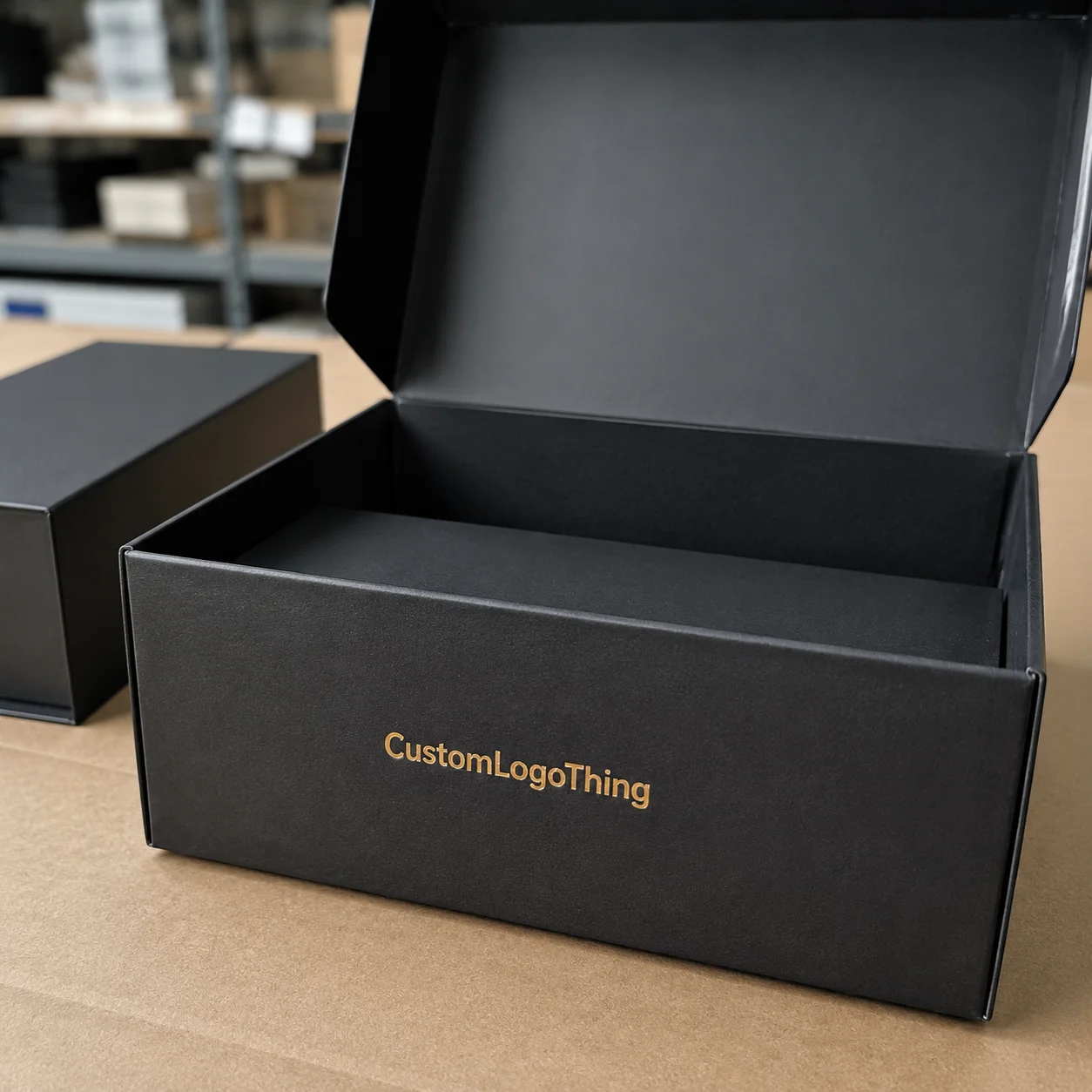
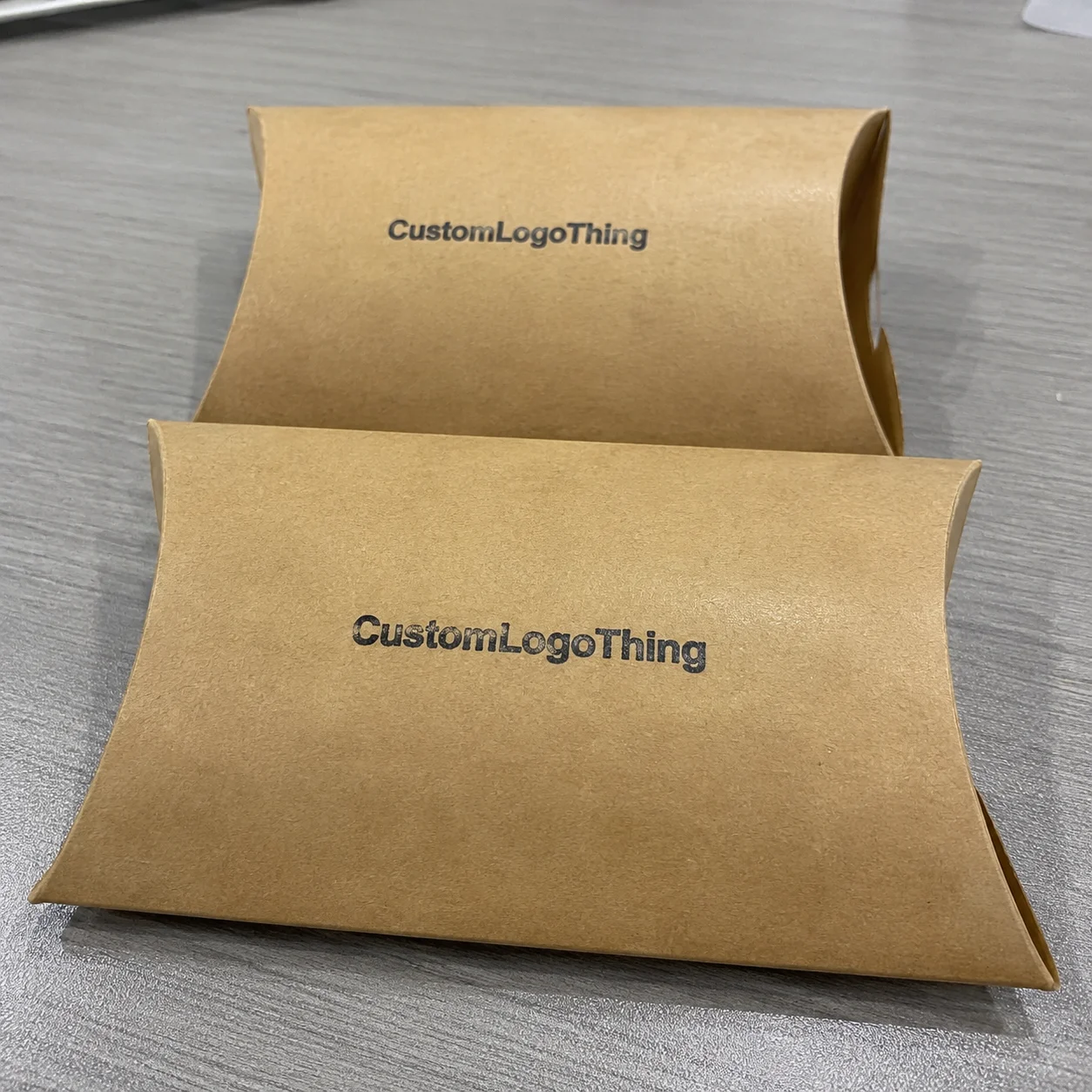
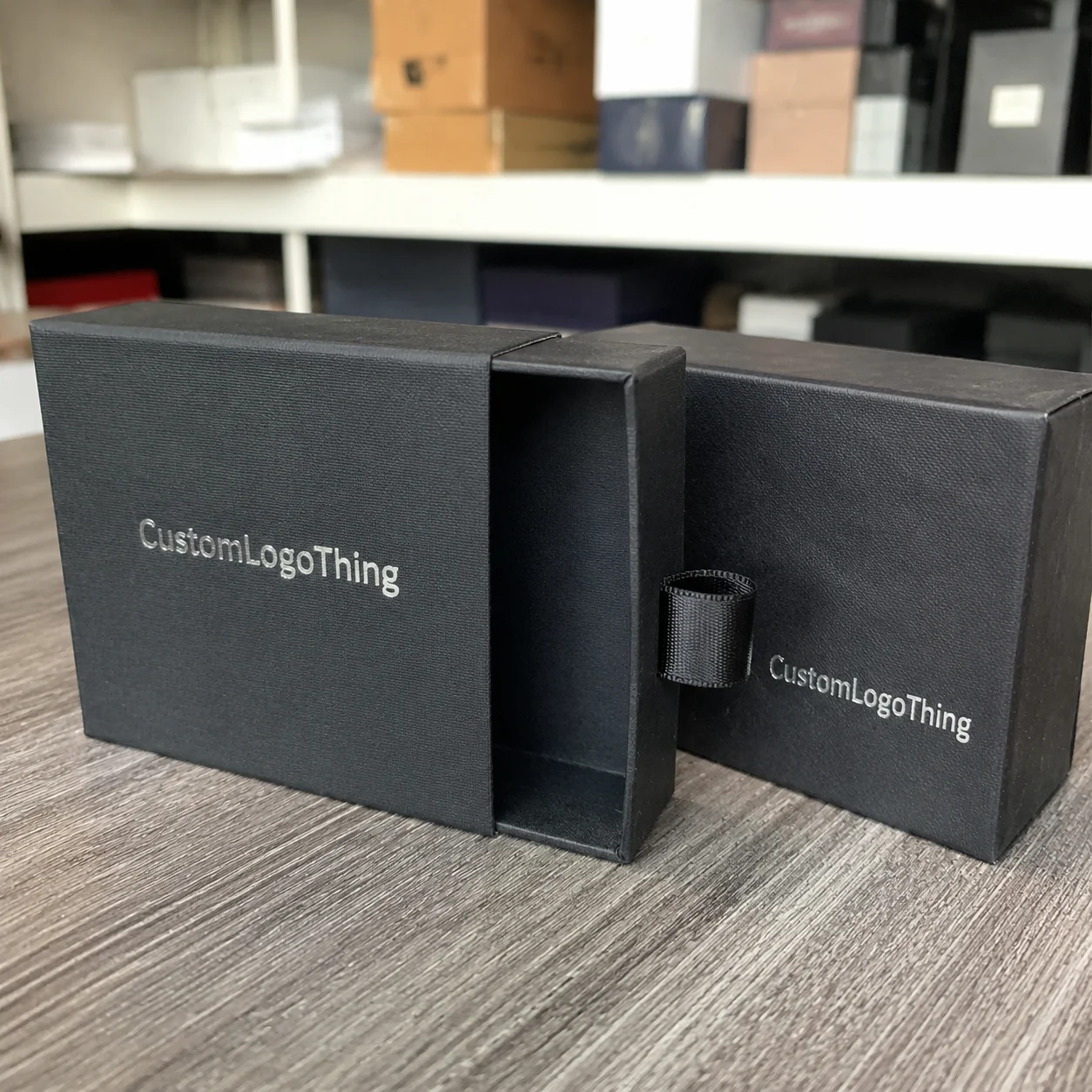
Buyer Fit Snapshot
| Best fit | custom mailer boxes practices selection review for packaging buyers comparing material specs, print proof, MOQ, unit cost, freight, and repeat-order risk where brand print, material, artwork control, and repeat-order consistency matter. |
|---|---|
| Quote inputs | Share finished size, material target, print colors, finish, packing count, annual reorder estimate, and delivery region. |
| Proofing check | Approve dieline scale, logo placement, barcode or warning zones, color tolerance, and any recyclable or compostable wording before bulk production. |
| Main risk | Vague material claims, crowded artwork, or missing packing details can create delays even when the unit price looks attractive. |
Fast answer: Custom Mailer Boxes Practices Selection Review: Film, Closure, Print, and Fulfillment should be specified like a repeatable production item. The safest quote includes material, print method, finish, artwork proof, carton packing, and reorder notes in one written spec.
What to confirm before approving the packaging proof
Check the product dimensions against the actual filled item, not only the sales mockup. Ask for tolerance on folds, seals, hang holes, label areas, and retail display edges. If the package carries a logo, QR code, warning copy, or legal claim, reserve that space before decorative graphics fill the panel.
How to compare quotes without losing quality
Compare board or film grade, print process, finish, sampling route, tooling charges, carton quantity, and freight assumptions side by side. A lower quote is only useful if the supplier can repeat the same color, closure quality, and packing count on the next order.
Custom Mailer Boxes best practices are not about making a box look pretty on a screen. They’re about getting a package from a factory floor in Shenzhen, Dongguan, or Ningbo to a customer’s hands without crushed corners, sloppy presentation, or a freight bill that makes your finance team stare into space. I’ve spent 12 years in custom printing, and custom mailer Boxes Best Practices have saved me more money than any premium finish ever did. A 350gsm C1S artboard insert that keeps a product from shifting 3 mm can beat a foil stamp every time. Honestly, I think that’s the part people resist the most: discipline beats decoration, every single time.
The first time I watched a box fail, it was at a Shenzhen corrugated plant where the CAD render looked flawless and the sample looked expensive. Then we ran a drop test from 36 inches, and one weak corner popped open like it had no business being there. I remember standing there thinking, “Well, that’s embarrassing.” One carton spec tweak fixed it: we changed the board construction from a light 1.5 mm setup to a tighter 2 mm E-flute design, and the failure stopped. That’s the part people miss. Custom Mailer Boxes best practices live in the details, not the rendering. A 2 mm wall can change how a box survives a 48-inch parcel drop, especially on the last mile in Phoenix or Atlanta.
If you want the short answer, the best mailer boxes balance board strength, print method, size fit, and closure style. Not just the cheapest quote. I’ve seen brands save $0.07 a unit on the box, then lose $1.80 per shipment on dimensional weight because the box was oversized. That is not savings. That is expensive theater. And yes, I have sat through the awkward meeting where someone proudly presented the “cost reduction” slide right before I had to explain the freight math. That was a long afternoon, especially once the UPS zone charts came out and the numbers moved another 12% overnight.
Quick Answer: Custom Mailer Boxes Best Practices That Save Money
Custom Mailer Boxes best practices start with one blunt rule: right-size the box. Oversized boxes increase DIM weight, waste void fill, and make product packaging look lazy. I’ve had clients send me dimensions like 12 x 10 x 4 inches for a product that only needed 9.5 x 7 x 2.5 inches after wrapping. That extra air cost them on UPS and made the unboxing feel like the customer had ordered a toaster in a suitcase. Not exactly the vibe anyone wants, especially when the package is traveling through a Memphis hub in February or a Dallas route in peak season.
The winning formula I use is simple. Start with the product dimensions after protective packaging. Then choose the board grade based on weight and shipping distance. Then lock the dieline, not the artwork fantasy. Custom mailer Boxes Best Practices also mean matching the closure style to the product weight, because a tuck flap that works for a T-shirt will look silly and fail early on a candle kit. For a 1.2 lb skincare set, a 2 mm E-flute mailer with a tab-lock closure is usually enough; for a 3.5 lb gift kit, I’d move up to B-flute or a heavier corrugated build.
Here’s the order I tell buyers to follow:
- Product protection first. If the item can move, rattle, or dent, add inserts or tighter cavity fit.
- Shipping cost second. Smaller boxes usually cut freight and reduce damaged returns.
- Brand finish third. A matte soft-touch box is nice, but it should not save a broken serum bottle.
That’s the cleanest way to think about custom mailer boxes best practices. Structure first. Branding second. Fancy extras last. I know that sounds unromantic, but packaging that arrives crushed is just trash with a logo on it. I’ve had enough “but it looked amazing in the mockup” conversations to last a lifetime (and then some). A box with a 2 mm board and a properly sized insert will do more for retention than a gold-foiled lid that buckles in transit.
One more thing. In custom mailer boxes best practices, the best board is not always the heaviest board. For apparel, a clean E-flute mailer often does the job. For heavier kits, B-flute or a heavier corrugated style can reduce corner collapse. I’ve seen brands overbuild a box just to feel premium, then complain about freight. You can’t print your way out of physics, and you can’t force a 14 x 10 x 6 inch box to ship like a 10 x 8 x 3 inch box on Zone 8 rates.
For a deeper materials starting point, I usually point teams to the industry standards and testing resources at ISTA and the sustainability guidance at EPA recycling resources. Good packaging design should survive shipping and still make sense after the customer opens it, whether the order is assembled in Los Angeles, printed in Guangzhou, or packed in a warehouse in Dallas.
What Are Custom Mailer Boxes Best Practices?
Custom mailer boxes best practices are the practical rules that keep a mailer box from becoming an expensive guess. They cover board grade, box style, closure strength, insert fit, print coverage, and shipping efficiency. In other words, they connect design decisions to what happens in a parcel network, not just what happens in a mockup.
I’ve seen this play out in ways that look almost absurd in hindsight. A brand spends days debating whether the inside lid should have a slogan, then ignores the fact that the product slides around by 6 mm. The slogan survives. The bottle doesn’t. That’s why custom mailer boxes best practices always start with fit and protection. If the product is fragile, heavy, or oddly shaped, the structure has to earn its place before the artwork gets a vote.
Related terms also matter here: corrugated mailer boxes, branded packaging, custom printed boxes, and product packaging all overlap, but they are not identical. Corrugated mailer boxes are about transport performance. Branded packaging is about perception. Custom printed boxes sit in the middle. The strongest programs make all three work together without letting any one piece overrun the others.
There’s also a practical reason this matters now. Parcel networks are less forgiving than they used to be. A box may be handled more times than the brand team expects, and each touch raises the odds of scuffing, corner wear, or closure failure. That’s not a theory; it’s what happens when a package bounces between warehouse conveyors, regional hubs, and last-mile vans. I’ve watched “minor” structure issues become expensive returns because the carton was designed for a photo shoot, not a shipping lane.
Top Custom Mailer Box Options Compared
Custom mailer boxes best practices are easier to follow once you stop treating every box style like it’s interchangeable. It isn’t. I’ve stood in factories where a buyer wanted the cheapest tuck style for a subscription kit that included glass and metal components. The sample looked fine on a desk. In transit, it shook like a maraca. I still remember that sound; it was the packaging equivalent of a bad joke that won’t end, and the customer service team in Chicago paid for it in returns.
Here’s how I break down the main styles I see most often in branded packaging and custom printed boxes.
| Box Style | Best For | Protection | Print Surface | Cost Efficiency | My Take |
|---|---|---|---|---|---|
| Roll-End Front Tuck | Apparel, light beauty, gift sets | Medium | Excellent | Good | My favorite balance for retail packaging and subscription kits |
| Straight Tuck | Lightweight product packaging | Low to medium | Very good | Very good | Fine for display, not my first choice for shipping-heavy routes |
| One-Piece Mailer | Startup launches, small kits | Medium | Good | Good | Easy to assemble, but watch edge wear on long routes |
| Heavy-Duty Corrugated Mailer | Candles, supplements, heavier e-commerce orders | High | Good | Fair | Worth it when breakage costs more than freight |
Roll-end front tuck boxes are usually my first recommendation for custom mailer boxes best practices when a brand wants a premium feel without overcomplicating assembly. They ship flat, hold shape well, and give you a clean front panel for branding. The downside is cost. A decent one can run $0.42 to $0.88 per unit at 3,000 to 5,000 pieces depending on board and print coverage. I know, I know — that range is annoyingly broad. Packaging pricing loves drama, especially when a supplier in Dongguan is quoting against a plant in Illinois with different board grades and labor rates.
Straight tuck styles are lighter on budget, and smaller suppliers will often push them because they’re easy to produce. I’ve worked with a Dongguan factory that quoted a straight tuck at $0.19/unit for 10,000 pieces, but the same buyer later paid more in freight and inserts because the structure needed extra support. Cheap box. Not cheap outcome. That pattern shows up more often than people admit, especially once a product moves from a 5-mile local delivery route to a 1,200-mile parcel lane.
One-piece mailers are common in apparel and subscription packaging because they’re simple. In custom mailer boxes best practices, they make sense when you need quick pack-out times and decent presentation. They are not my favorite for delicate products unless you add a well-fitted insert or a snug internal wrap. Otherwise, the item moves. Movement is the enemy, and even a 4 mm shift inside the cavity can create edge scuffing on matte surfaces.
Heavy-duty corrugated styles are the adults in the room. They cost more, usually $0.65 to $1.40 per unit depending on size and finish, but they handle heavier product packaging better. I’ve used them for candle brands shipping across the U.S. and for supplement kits with glass jars. The extra board grade pays for itself when replacement shipments drop. And if you’ve ever had to explain broken glass in a support ticket queue, you know exactly why that matters. A 2.8 lb candle set that arrives intact in Boston is worth more than a glossy box that fractures in transit.
Smaller factories can sometimes give you lower MOQ flexibility. That matters if you’re testing a new SKU and only need 500 or 1,000 units. Larger plants, especially those with tighter quality control, usually hold color consistency better across repeat orders. I’ve negotiated both sides. The small shop gives you agility. The bigger plant gives you repeatability. Pick your poison based on volume and risk, and pay attention to where the box is being made — Guangzhou, Ningbo, or Shenzhen can each have very different production rhythms.
For many brands, the decision rule is simple: choose the box style that gives the best balance of durability, branding surface, assembly speed, and freight efficiency. That’s the cleanest path in custom mailer boxes best practices. Everything else is decoration, and decoration gets expensive fast when the order is 8,000 pieces and the reprint window is only 10 business days.
Detailed Reviews of Custom Mailer Boxes Best Practices
Let me be blunt: custom mailer boxes best practices live or die by board selection. If the board is wrong, the rest of the job becomes a cleanup exercise. I’ve seen 1.5 mm setups work beautifully for lightweight T-shirts and folded garments, then fail hard on a 2.2 lb candle bundle moving through regional freight. The same box. Different math. Same headache. A shipper in Phoenix will expose weak corners faster than a showroom in Portland ever could.
Board selection that actually holds up
For light apparel, 1.5 mm or equivalent lightweight corrugated can work if the route is short and the box isn’t overpacked. For most e-commerce kits, I like 2 mm E-flute because it gives a better mix of print quality and crush resistance. For heavier products, B-flute or a heavier corrugated construction makes more sense. These are the custom mailer boxes best practices decisions that save you from “why did this corner cave in?” emails. If the unit weighs more than 2.5 lb and is shipping 800 miles or more, I’d start testing stronger board before sign-off.
I once stood at a Guangzhou line where the client insisted on thinner board because the sample looked more elegant. We ran a corner crush check, and the flap buckled under hand pressure. Not a great sign. We switched to a slightly denser board and kept the same outer dimensions. Cost went up $0.06 per unit. Damage claims dropped enough to justify it in the first shipment cycle. That’s the kind of tradeoff I’ll take all day, especially when the box is carrying liquid jars or glass dropper bottles from a facility in California to retailers in Texas.
A practical caveat: no board spec is magic. Humidity, product weight distribution, and how the cartons are stacked in transit all affect performance. A box that passes a bench test can still arrive scuffed if it’s riding in a hot trailer for six hours. That’s why I like to validate the spec against the actual route whenever possible. Real shipment conditions tell the truth faster than a clean lab table does.
Print choices that matter more than people admit
CMYK is usually fine for most custom printed boxes, especially if your branding uses gradients, photography, or more than two colors. PMS works better when color matching is critical, like a retail packaging line that needs exact brand reds across multiple SKUs. Soft-touch lamination feels premium, but it can mark faster than people expect if the box is handled a lot. Gloss holds color pop well. Matte looks cleaner. Uncoated stock feels natural, though it can dull colors if the artwork isn’t adjusted. A 350gsm C1S artboard can be a smart choice for lightweight inserts or sleeves, but it is not a substitute for corrugated protection when shipping heavy kits.
One client asked for full inside printing, foil on the lid, and embossing on the front panel. Beautiful idea. Expensive idea. The quote moved from $0.74 to $1.28 per unit at 4,000 pieces. Was it worth it? For a luxury gift box, maybe. For a subscription box full of consumables, no. Custom mailer boxes best practices mean using embellishments where customers can actually see and feel them, not just because they sound expensive in a sales deck. Sales decks, bless them, can make even a mild coating sound like royal jewelry. If the box is headed to retail shelves in New York or Miami, that tactile premium may pay off; for direct mail, it often does not.
“The box looked gorgeous. Then the corners rubbed off on the third freight lane. We had to simplify the finish and it saved the program.”
That was a real comment from a client after a test run. And yes, they learned the hard way that a finish should survive handling, not just look good on a prototype table. When I review custom mailer boxes best practices with a brand, I always ask how many times the package will be touched before the customer opens it. That number matters. A subscription box packed in Newark may be handled 6 to 10 times before it lands at the door; a fragile coating will show wear quickly.
Structure, inserts, and fit
Good structure means the product does not move. That sounds obvious, yet I keep seeing people skip insert design. If the item rattles, it needs a tray, paperboard insert, molded pulp insert, or a tighter cavity. A proper fit also improves package branding because the product opens like a deliberate reveal instead of a loose junk drawer. A 1 mm gap can be the difference between a tidy reveal and a bottle cap that scuffs the inside wall during a 2-day ship from Denver to Seattle.
Insert fit is one of the biggest factory-floor failure points I’ve seen. CAD drawings can lie. Real hands tell the truth. A tray that looks perfect at 2D level can pinch a pump bottle cap or leave too much headspace for a candle tin. I’ve had to approve three insert revisions in one week because the first version failed once we actually loaded the product and shook the box. It was not glamorous. It was, however, accurate, and the fix added only $0.04 per unit after the third revision.
Custom mailer boxes best practices also include closure testing. Locking tabs need to stay closed after repeated opening, especially if customers will reuse the box for returns or storage. I like to check for flap integrity, glue line consistency, and corner alignment before approving production. Weak glue is a classic problem. It looks fine until a humid warehouse or a rough delivery route turns it into a slow disaster. In humid months in Houston or Tampa, glue performance can change enough to matter.
Branding coverage without overdoing it
Enough branding is good. Too much makes the box feel busy and expensive to produce. I usually recommend one strong outer panel, one short side with the logo, and a restrained inside print if the budget allows. That’s plenty for most branded packaging. If you cover every surface, you increase setup complexity and make color consistency harder to manage. A clean front panel and a 70% ink coverage limit can keep the unit cost from jumping by $0.12 to $0.20.
For custom mailer boxes best practices, I tell clients to think in layers: outer recognition, inner surprise, and product insert clarity. Don’t cram the entire brand story onto one box. Save some air. Let the product breathe. It will look better and cost less. A simple inside-lid message can do more than four panels of copy, especially if the customer sees it in under 8 seconds.
For buyers wanting more material and structure options, I keep a running reference to Custom Packaging Products and, when the shipping lane is more rough-and-tumble, Custom Poly Mailers can be a better fit for lighter, flexible goods. Not every SKU needs a rigid carton. Sometimes plastic mailers are the smarter spend, especially for items under 8 oz shipping out of Los Angeles, Atlanta, or Chicago.
Process and Timeline for Ordering Custom Mailer Boxes
Custom mailer boxes best practices are easier to manage when the process is clean. I use the same basic flow with most suppliers: quote, dieline confirmation, artwork setup, sampling, revisions, production, and freight. If a supplier skips steps or rushes the middle, I get suspicious. Fast is nice. Confused is expensive, and a rushed carton proof can turn into a full reprint that adds 7 to 14 days.
Here’s a realistic timeline breakdown from the jobs I’ve managed:
- Quote and spec review: 1 to 3 business days
- Dieline confirmation: 2 to 4 business days
- Artwork setup and proofing: 2 to 5 business days
- Plain sample or white sample: 3 to 7 business days
- Production sample if needed: 5 to 10 business days
- Mass production: typically 12 to 15 business days from proof approval, or 10 to 18 business days depending on finish complexity
- Freight: domestic 3 to 7 days, overseas 20 to 35 days depending on route
The biggest delays I’ve seen are not mysterious. They’re usually self-inflicted. A buyer changes the logo after proof approval. Someone notices the insert is 3 mm too tight after sample review. A supplier swaps board stock because the original grade is backordered, and nobody flags it until a week later. Those are classic misses in custom mailer boxes best practices. I’ve seen a product launch in Miami slip by 9 days because a color correction was approved after the dieline was already locked.
Sample types matter more than most teams realize. A plain sample helps you verify size and structure. A digital proof helps catch artwork errors. A production sample is the closest thing to the real thing, and I insist on it for new product lines or premium retail packaging. If the box will carry a launch event or a subscription program with hundreds of units, one sample round is cheap insurance. A $65 sample fee is a lot easier to absorb than a 1,500-unit reprint.
One client in Austin tried to skip sampling to shave 4 days off the timeline. The first shipment arrived with a logo placed 8 mm too low on the front panel. Not a disaster, but enough to annoy everyone who cared about package branding. The reprint cost more than the sample would have. Funny how that works. I remember the silence in the room after we opened that carton. Nobody needed to say a word; the math had already done the talking, and the math was $0.11 per unit too late.
My practical planning tip: build a 10 to 14 day buffer for seasonal launches and restocks. Custom mailer boxes best practices are not just about the box. They’re about the calendar. If your product launch date is locked, your packaging should be locked earlier. For Q4 orders heading to warehouses in New Jersey or Nevada, I’d add another 5 business days just for surprise revisions and freight congestion.
Price Comparison: What Custom Mailer Boxes Really Cost
Custom mailer boxes best practices absolutely include knowing what drives price. I’ve seen too many buyers compare quotes like they’re all the same. They’re not. A $0.21 quote with no finish, thin board, and loose tolerances is not equal to a $0.39 quote with better structure and color control. One might print in one pass in Dongguan; the other may include tighter die-cutting and a better glue line in Ningbo.
The biggest cost drivers are box dimensions, board grade, print coverage, finish, inserts, quantity, and shipping destination. Add foil, embossing, or special coatings, and the number moves fast. Add overseas freight, and it moves again. Here’s a rough comparison based on actual jobs I’ve seen quoted across U.S. and China suppliers.
| Tier | Typical Spec | Approx. Unit Price | Best Use | Main Tradeoff |
|---|---|---|---|---|
| Budget | Light board, single-color print, minimal finish | $0.18 to $0.32 | Apparel inserts, light subscription kits | Less protection, lower premium feel |
| Mid-range | 2 mm E-flute, CMYK print, matte or gloss lamination | $0.35 to $0.78 | Beauty, candles, general e-commerce | Better balance, still needs smart sizing |
| Premium | Heavier corrugated, full coverage, soft-touch, inserts, foil | $0.85 to $1.85+ | Luxury gift box, high-end retail packaging | Higher tooling, more freight, more production control |
I once helped a skincare brand compare two suppliers. One quoted $0.29/unit, the other $0.46/unit. The cheap one used lighter board and had a higher defect rate. The expensive one actually saved money because the breakage rate fell below 1%. That is why custom mailer boxes best practices are never just about unit price. A box that “costs less” but triggers returns is basically a prank with invoices attached. In one month, the lower quote created $1,260 in replacement shipping on a 6,000-unit run.
Tooling and setup can also hide in the quote. If a factory charges $120 for a custom dieline setup, $85 for sample shipping, and $240 for a new insert die, those costs matter. So do freight and duties. A clean buyer mindset is this: decide where the box must impress and where it only needs to survive. Spend accordingly. A domestic run in Ohio can cost more upfront, while an overseas order from Shenzhen may look cheaper until you add customs clearance and 28 days of ocean transit.
Here’s the cost-saving checklist I give teams who want better numbers without wrecking the brand:
- Reduce box size by 5 to 10 mm where possible.
- Use one standard insert across multiple SKUs.
- Limit print to the top, one side, and the inside lid.
- Choose matte or standard gloss before soft-touch if the budget is tight.
- Increase quantity if you have storage space and repeat demand.
Custom mailer boxes best practices also mean watching the hidden cost of embellishment. Foil can add $0.08 to $0.25 per unit. Embossing can add more depending on the size of the stamp. A special coating might look small on paper and large in the invoice. Pretty isn’t free. Never has been. Even a small spot UV treatment can push a 2,500-piece order from $0.41 to $0.57 per unit.
For brands that want a strong visual identity, custom printed boxes with restrained effects often outperform overdone premium finishes. I’d rather see a clean box with correct fit and crisp registration than a fancy box with sloppy alignment. Production quality shows up fast when the customer opens the lid, especially when the box is packed in a warehouse in Reno and opened in under 20 seconds.
How to Choose the Right Custom Mailer Box Supplier
Custom mailer boxes best practices depend on supplier quality. Full stop. A great spec can be ruined by a lazy plant. A decent plant can rescue a simple spec. I’ve sat in supplier meetings where the quote was 12% higher, and I approved it because the sample was cleaner, the dieline was accurate, and the team answered questions in actual sentences. That last part sounds basic because it is. Still, you’d be surprised how rare it can feel when a factory is juggling runs across Shenzhen, Guangzhou, and Xiamen.
Here’s how I evaluate a supplier beyond the price tag:
- Sample quality: Does the sample reflect the real board, print, and closure?
- Response time: Do they reply in 24 hours or disappear for 4 days?
- Dieline accuracy: Are measurements clean to the millimeter?
- Problem-solving: Will they suggest a better flute or insert?
- Repeatability: Can they hold color and structure on reorder?
Red flags are easy to spot if you’re paying attention. Vague specs. No material samples. Unrealistically fast lead times. Avoiding discussion of defect rates. If a supplier can’t explain what flute they recommend or how they test fit, I start looking elsewhere. That is not being difficult. That is basic due diligence. A supplier that won’t commit to 350gsm C1S artboard for an insert, or won’t explain why they want 2 mm E-flute for a 1.8 lb kit, is not helping you make a real decision.
I once negotiated with a factory in Ningbo that promised a seven-day production window on a complex mailer with foil and a two-piece insert. Seven days. Sure. The sample told a different story, and the factory admitted they’d need more time for alignment. That honesty earned them the order. Custom mailer boxes best practices include choosing people who tell you the truth before the PO is signed. I’ll take an honest “no” over a polished fantasy every time, especially when the order is shipping to a fulfillment center in Newark or Carson.
Domestic versus overseas production has tradeoffs. Domestic can be faster and simpler for reorders, especially when you need to avoid long freight lanes. Overseas often gives better unit economics at higher quantities, but freight, customs, and communication add complexity. Neither is better all the time. It depends on volume, timeline, and how much quality risk you can tolerate. A U.S. supplier in Illinois may turn a repeat order in 8 to 10 business days; a plant in Guangdong may price lower but need 20 to 35 days once ocean freight is included.
One practical scoring model I use is straightforward:
- Price: 25%
- Quality: 30%
- Speed: 15%
- Flexibility: 15%
- Communication: 15%
If a supplier won’t share actual production photos or inspection records, I treat that as a warning. Not always a dealbreaker, but a warning. Good suppliers show work. Great ones show the mistakes they fixed. That tells me more than a polished sales brochure ever could, and more than a perfect render from a sales rep in a suit.
For those comparing broader packaging options, I’d also look at material standards and environmental claims through FSC if sustainability is part of your brand story. Claims need support, not vibes, and they should be traceable to the exact paper mill or board source.
Our Recommendation: Best Practices We’d Actually Use
If I had to pick one setup for most brands following custom mailer boxes best practices, I’d choose a right-sized corrugated mailer with restrained branding, one sample round, and a finish that can survive handling. That’s the sweet spot. It protects the product, looks intentional, and doesn’t blow up the freight invoice. Honestly, I think that’s as close as packaging gets to “best of all possible worlds.” For a 3,000-piece run in Guangdong or a 500-piece domestic launch in Texas, the logic is the same.
For startup launches, I’d keep the structure simple and the print clean. For subscription boxes, I’d prioritize repeatability and insert fit because pack-out speed matters every month. For premium gift box programs, I’d allocate more budget to print alignment and tactile finish. For high-volume e-commerce shipping, durability wins every argument. A 2 mm E-flute mailer with a matte laminate and a 1-color inside print often outperforms a flashy build that costs $0.23 more and fails in transit.
Here’s how I’d split the budget in a typical order:
- 40% on structure and board strength
- 25% on print quality and registration
- 15% on inserts and fit control
- 10% on finish
- 10% on contingency for samples, freight, or minor revisions
That split is not perfect for every project, but it keeps people honest. Custom mailer boxes best practices are really about discipline. Measure the product after packaging. Request a dieline. Compare two board options. Ask for a physical sample before mass production. If a supplier resists those steps, ask yourself why they’re trying to skip the boring parts. The boring parts are where quality lives, and they usually cost less than one lost shipment cycle.
My short checklist before placing an order:
- Confirm final dimensions with product, insert, and protective material included.
- Choose the box style and closure that matches the product weight.
- Ask for board recommendations in writing.
- Approve artwork only after the dieline is locked.
- Review finish, print coverage, and color tolerance.
- Check MOQ, lead time, and freight method.
- Request a physical sample or production sample before full run approval.
If you do those things, custom mailer boxes best practices stop being a guessing game. They become a repeatable process. That’s what good product packaging should be: predictable where it matters, attractive where it counts, and cheap enough to scale without drama. A 5,000-piece order that lands on time in Seattle or Orlando is better than a 500-piece vanity project that misses the launch window.
My final advice is simple. Measure twice. Sample once. Approve once. And don’t fall in love with a box that looks perfect in a render but can’t survive a real shipment lane. I’ve seen that mistake too many times. The best custom mailer boxes best practices are the ones that keep your product safe, your brand sharp, and your margins from getting chewed up by avoidable mistakes. If the math works in Buffalo, Boise, and Brooklyn, you’ve probably made the right call.
FAQ
What are the best custom mailer boxes best practices for product protection?
Use the smallest box that safely fits the product plus any insert. Choose board strength based on product weight and shipping distance. Add inserts if the item can move, rattle, or crush in transit. In my experience, the cheapest damage fix is usually a 2 mm board change, not a full redesign. For a 2 lb kit shipping from Los Angeles to Boston, I’d test E-flute first and move to B-flute if corner crush shows up.
How do I choose the right size for custom mailer boxes best practices?
Measure the product after packaging, not just the product itself. Leave enough clearance for inserts and protective material without creating empty space. Ask the supplier for a dieline before approving artwork, because a 6 mm mismatch can wreck closure fit and make the box look sloppy. In practical terms, I usually allow 2 to 4 mm on each side for fit unless the product is highly rigid.
Are premium finishes worth it for custom mailer boxes best practices?
Only if the box is part of the customer-facing brand experience. Soft-touch, foil, or embossing can help premium products stand out. Skip expensive finishes if shipping durability matters more than shelf appeal. I’ve seen soft-touch look amazing and still mark up in a warehouse after three touches. A matte laminate and crisp print registration often deliver better value at 2,500 to 5,000 pieces.
How long does production usually take for custom mailer boxes best practices?
Sampling and artwork approval often take the longest. Production time depends on quantity, material, and finish complexity. Freight can add significant time, especially for overseas orders. A simple order may move in 2 to 3 weeks total, while a complex custom printed boxes project with samples and overseas shipping can run much longer. A typical timeline is 12 to 15 business days from proof approval for production, plus 3 to 7 days domestic freight or 20 to 35 days by sea.
What should I ask a supplier before ordering custom mailer boxes best practices?
Ask for material recommendations, a dieline, and sample photos. Confirm print method, finish, insert compatibility, and minimum order quantity. Request a clear timeline and defect policy before paying a deposit. If they can’t answer those basics, they’re not ready for serious branded packaging work. I also ask for the factory location, the board spec in writing, and a real production lead time from proof approval, not a vague “soon.”