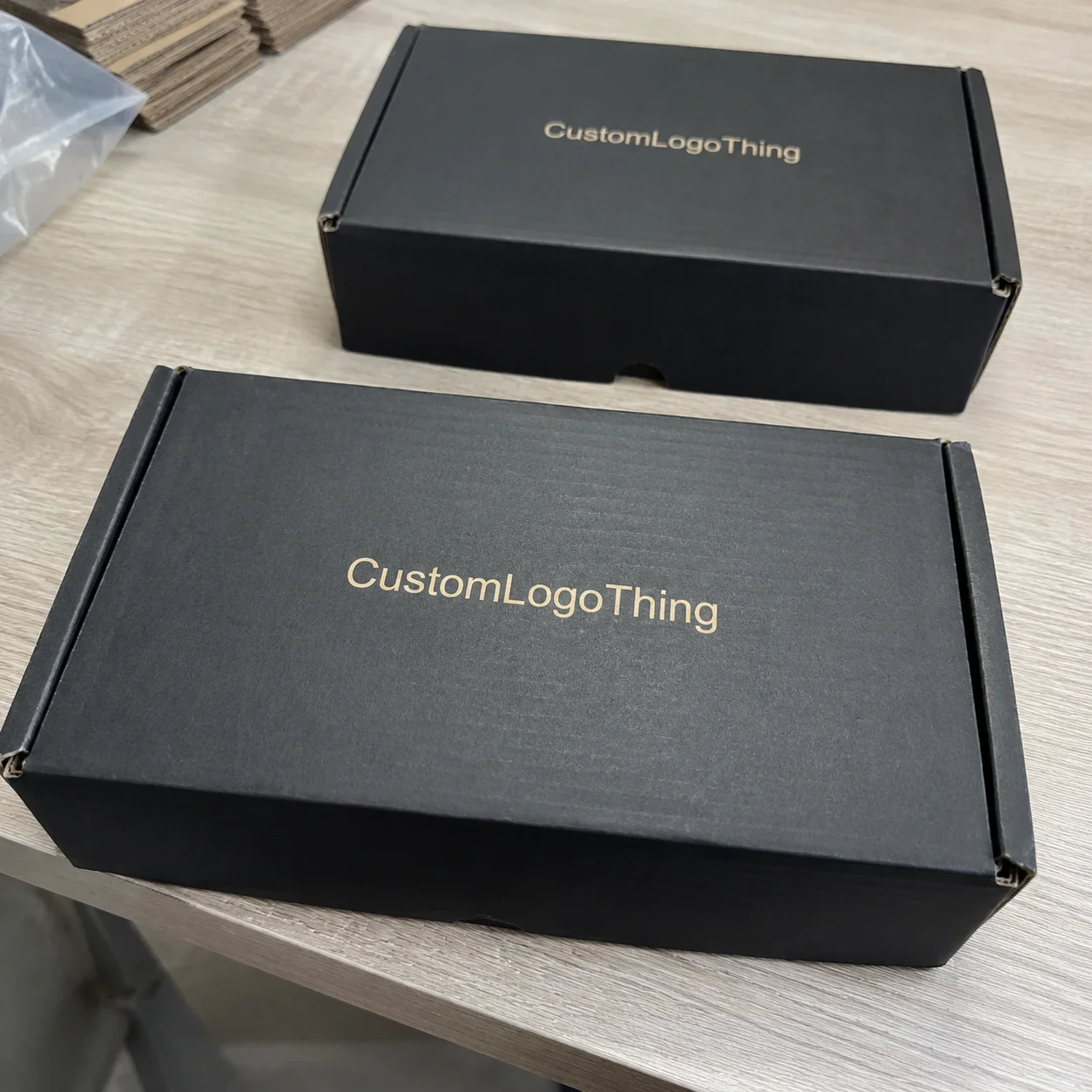
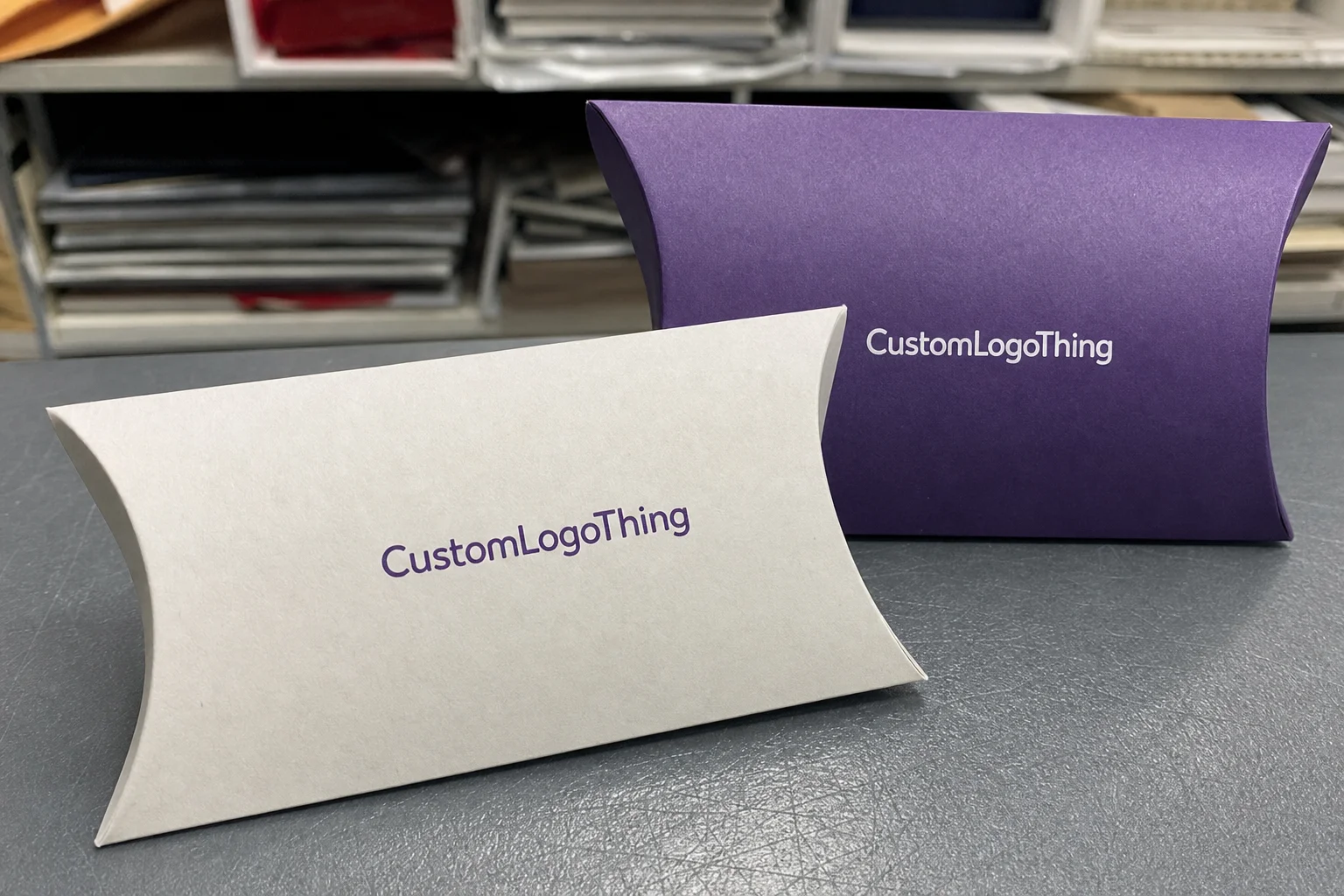
Buyer Fit Snapshot
| Best fit | custom mailer box selection for packaging buyers who need material clarity, print proof, packing fit, cost control, and repeat-order reliability where brand print, material, artwork control, and repeat-order consistency matter. |
|---|---|
| Quote inputs | Share finished size, material target, print colors, finish, packing count, annual reorder estimate, and delivery region. |
| Proofing check | Approve dieline scale, logo placement, barcode or warning zones, color tolerance, and any recyclable or compostable wording before bulk production. |
| Main risk | Vague material claims, crowded artwork, or missing packing details can create delays even when the unit price looks attractive. |
Fast answer: Custom Mailer Box Selection: Size, Board, Print, and Fulfillment should be specified like a repeatable production item. The safest quote includes material, print method, finish, artwork proof, carton packing, and reorder notes in one written spec.
What to confirm before approving the packaging proof
Check the product dimensions against the actual filled item, not only the sales mockup. Ask for tolerance on folds, seals, hang holes, label areas, and retail display edges. If the package carries a logo, QR code, warning copy, or legal claim, reserve that space before decorative graphics fill the panel.
How to compare quotes without losing quality
Compare board or film grade, print process, finish, sampling route, tooling charges, carton quantity, and freight assumptions side by side. A lower quote is only useful if the supplier can repeat the same color, closure quality, and packing count on the next order.
The question Custom Mailer Boxes how to choose kicks off every tour of the 12,000-square-foot Custom Logo Things corrugate floor, usually right after a creative director descends from the mezzanine with a stack of gleaming product samples. I still hear that line while juggling a clipboard, a latte, and a phone, and I have to mute the floor manager because he already spouted $5,600 air freight from Southern California to the Port of Long Beach for a 9,000-unit run (true story). Every team that week wants to know how their new skincare line will survive that rollout, so I answer with structural numbers, finish options, and carrier guidance instead of reciting some glossy mission statement. Fasteners, adhesives, and temperature variances actually keep the line moving—mission statements don’t.
Connecting that chat to packaging design on the floor makes a huge difference. I mention the 350gsm C1S artboard spec, the Bobst servo-press run sheet showing 1.5-mil soft-touch lamination cycles, and the litho-washer’s 12-step QR-code alignment checklist. Hearing those trade-offs helps creative directors understand matte aqueous versus QR alignment versus the auto-lock bottom that needs to stay snug while the dock supposedly holds at 72°F (spoiler: it never does). From that first conversation, I hand out two mantras: transparency with fulfillment partners and clarity with engineers. Those mantras keep every meeting acting as an ongoing answer to custom mailer boxes how to choose, even when someone at headquarters insists on “just making it look the same.”
custom mailer boxes how to choose: a factory-floor story
I still remember stepping onto the corrugate floor and realizing we were producing twice as many prototypes as final orders because the first guess at custom mailer boxes how to choose missed the mark. That moment lives on our onboarding checklist for brands planning 5,000-unit or higher runs.
The supervisor at Station 7, right beside the 80-inch die cutter, flagged that the first sample used recycled kraft from our Richmond mill with 1/16-inch B-flute even though the packaging team had a fragile ceramic candle line. The prototype collapsed during an ASTM D4169 four-foot drop test with a 15-pound weight, so the supply-chain team rerouted the job to engineering for foam inserts and sturdier E-flute board. That’s how I learned the hard way that misreading custom mailer boxes how to choose wastes time, materials, and momentum. Somehow, the press check on the Bobst 10-color just confirmed the wrong spec, so we spent the night retesting adhesives and coatings while the next shift change loomed. I’ve refereed enough late-night arguments to know when someone thinks they can squeeze in another varnish without approval.
To me, answering custom mailer boxes how to choose means pulling together locally sourced kraft and SBS boards from the Richmond Southern mill, bespoke dielines from our Southern California desk, and finishing suites that cover matte aqueous, soft-touch lamination, and in-line thermal foils. We dial everything in for e-commerce carriers and automated packing on the 16-station conveyor. When I share that story with suppliers, I remind them that skipping the dimension checkpoints and trusting an off-the-shelf dieline is the most underrated failure point in packaging programs. It also makes me chuckle when the creative lead insists the matte finish “should be easy,” and I just keep a straight face while mentally adding a weekend of curing time to the timeline.
custom mailer boxes how to choose: process and timeline from die-cut to delivery
The Custom Logo Things order flow runs like a dependable clock. We start with the engineering quote that includes the first calculated answer to custom mailer boxes how to choose, move through dieline proofs at the litho-washer, build samples on the die-cutter, run short press checks on the Bobst press, and finally stage the fulfillment-ready cartons by the Port of Long Beach dock.
During the two-business-day engineering quote we capture product dimensions, weight, fragility, and intended stack patterns, which instantly generate the bespoke dieline. Then the litho-washer operator cross-references the laser-etched creases against the 40-point vector artwork you submitted. That’s the moment custom mailer boxes how to choose becomes a precise checklist for fit, ink alignment, and glue placement. I literally smell fresh adhesive during that stroll—no one warned me how industrial it gets.
Once samples get trimmed on the die cutter, a 90-minute short-run press check confirms the aqueous varnish or soft-touch finish cures properly. That matters as much as the 1.2-millimeter board we specified, because a misalignment at this stage adds two weeks to the timeline, and marketing is already emailing that the launch date “can’t move.”
Handoff from finishing to pack-out involves counting boxes, labeling pallets, and scanning them for the 3PL trigger. custom mailer boxes how to choose echoes here too because a mis-specified closure or adhesive can trigger a full repack and add five days during busy weeks. Expect 10–12 business days for proofing plus 7–9 business days for production on typical runs. Consult the production calendar so your launch window doesn’t overlap with another client’s 60,000-piece line. Nothing grinds me more than a client trying to pencil in a press check the day before their launch event—Bobst doesn’t roll that way, and the press operator agrees.
Key materials and structural factors that define the right mailer box
Comparing flute profiles demands attention when you want to lock down custom mailer boxes how to choose. I bring the Southeast mill’s specification sheet to every consultation. We review E-flute for sleek mailers, 1/16-inch kraft for premium retail edges, and B-flute for pallet strength when a product must survive 10,000 feet of conveyor travel.
Each flute behaves differently in transit: our E-flute sample holds up to 65 pounds of distributed weight before the walls sag, B-flute resists punctures in automated sorting tunnels, and 1/16-inch kraft delivers crisp retail corners. Adhesives determine structural consistency—hot melt (TackTemp 250°) for heavy-duty closures, water-based glue with an 18-second open time for recycled-friendly jobs, and cold glue for complex tuck-ins—so custom mailer boxes how to choose the right adhesive keeps glue lines intact through 4,000 picks and a 15-pound drop from the fulfillment conveyor. If the glue fails, I have to explain to procurement why their “just make it close like a drawer” request turned into a full redo (spoiler: it’s not a drawer).
After adhesives set, finishing coats step in. Aqueous gloss provides a billboard-ready canvas, satin preserves a luxe tactile feel, and UV spot finishes highlight logos, so know that custom printed boxes with full ink coverage require a flash cure cycle on the Bobst press’s UV unit. Structural enhancements like tear strips, magnetic closures, auto-lock bottoms, and foam or plywood inserts add complexity. Our engineering desk validates them with ISTA 3A drop testing (15-foot tower, 12 drops) and ASTM D4169 compression cycles (35 psi for 24 hours). That way the final answer to custom mailer boxes how to choose includes measurable protection metrics the sales team can cite. I still laugh (and cry a little) when someone asks if a magnetic closure is “just a little extra,” because it’s basically a mini engineering project with a magnet supplier on speed dial.
Step-by-step planning guide before placing the custom order
Start with precise measurements before emailing the RFQ. custom mailer boxes how to choose has to align with the product itself: document every dimension, weight variation, and fragile edge, then pair that data with the intended structure (single-piece mailer, auto-lock, sleeve) for the engineering desk.
Once dielines are approved, order a physical prototype from the rapid prototyping lab. That sample lets you confirm fit, settle void fill needs, and watch how artwork lines up when the dieline folds. That’s how “custom mailer boxes how to choose” shifts from reactive to proactive. Prepare artwork for digital proofing with 3 mm bleeds, registration marks, and CMYK plus spot varnish layers, and ensure press operators receive vector files that feed cleanly into the Kodak Workflow. That level of prep can trim a week off approval times, and yeah, it makes me happy enough to high-five the litho department.
Collect packaging design references—mood boards, custom printed boxes, whatever matches your palette—so aligning those references with manufacturing early keeps custom mailer boxes how to choose tied to consistent storytelling. Document the fulfillment environment—shelf-ready displays, conveyor belts, direct-to-consumer mailers—so fulfillment teams understand what happens after the boxes leave our Southern California plant. That context closes the loop on custom mailer boxes how to choose by keeping logistics connected. I keep a little notebook with notes from each fulfillment tour, because nothing reminds me of a mistake like re-reading a rant about how a “simple sleeve” kept jamming a shrink-wrap line.
How can custom mailer boxes how to choose stay aligned with launch schedules?
Every milestone on the production plan gets a sticky note on my refrigerator. I track creative approval, dieline sign-off, adhesive spec, and shipping window so the answer to custom mailer boxes how to choose stays tied to actual dates. When I compare mailer packaging options, I group them into pockets for quick-turn prototypes versus longer shelf-ready pads. That breakdown also bridges into custom packaging solutions because a matte finish with foil needs a different cure window than a simple kraft kit. I have zero patience for timeline guesses when the marketing team is already rehearsing walk-in.
Corrugated Shipping Boxes destined for testing go through the fulfillment automation rig before we commit because once the pickers start pulling, that same box has to keep its glue lines and tear strips intact. I check with logistics on carrier availability, pallet patterns, and whether the 3PL needs split pickups so custom mailer boxes how to choose stays anchored in reality—no, I can’t just guess on Monday run dates. The factory floor manager and I text each other the moment a set of pallets clears inspection; if the timeline slips by more than a day, I reroute the finishing run instead of scrambling for a last-minute press check.
Pricing, volumes, and supplier economics for custom mailer box orders
Break down the primary cost drivers to see how custom mailer boxes how to choose affects your budget: board grade (white SBS 350gsm versus recycled kraft), print coverage (full bleed versus spot varnish), finishing (Soft Touch Versus matte aqueous), die cost, and adhesives all layer onto the quote. Smaller batches absorb higher die and setup amortization, but the Custom Logo Things quoting platform flips effortlessly between short runs and 100,000-unit waves, letting you compare cost per box for a 3,000-piece pilot against a 50,000-piece rollout. The table below shows pricing impacts from those decisions:
| Feature | Sample Volume (3,000 units) | Production Volume (50,000 units) | Impact on custom mailer boxes how to choose |
|---|---|---|---|
| Board (White SBS 350gsm) | $0.65/unit | $0.48/unit | Premium finish demands precise weight analysis |
| Print (Full Bleed + Spot UV) | $0.40/unit | $0.28/unit | Cursive branding adds press time |
| Finishing (Soft-touch + Aqueous) | $0.55/unit | $0.36/unit | Soft-touch slows curing; adjust timeline |
| Die & Glue Setup | $1,250 (shared) | $1,250 (shared) | Spreads over more units with same dieline |
Volumes change the equation: die-set and setup costs spread over more units, pallet planning becomes essential when staging 120 pallets near the Port of Long Beach, and landed cost needs freight, duties, and warehousing for excess stock. Transparent costing keeps procurement aligned with supplier economics and marketing ready for launch. Match specs with the Custom Packaging Products catalog and pair the approach with Custom Poly Mailers when secondary packaging is needed, keeping custom mailer boxes how to choose synchronized with adjacent packaging efforts. That way everything feels like it came from the same parent company instead of a random midnight impulse order.
Common mistakes to dodge when choosing custom mailer boxes
Avoid misjudging internal cubic space—missing product tolerances and secondary packaging leads to crushed goods or wasted filler. That’s why we run dimension check-offs at the sampling phase with calipers (±0.5 mm tolerance) and a digital scale before greenlighting anything.
Don’t skip testing for the fulfillment environment—simulate conveyor drops and adhesive performance if the product goes through automated centers. A glue line that looks stable in the sample room can peel after 5,000 picks, forcing a mid-project redesign. Steer clear of communication traps with vague specs; bypass the “just make it look like last time” request by locking materials, closures, and shipping constraints with the project manager. That keeps every team synced on custom mailer boxes how to choose even when the buyer moves on.
I also track ignoring environmental certifications closely, even if retailers demand FSC claims. We verify with fsc.org listings and document everything before shipments leave the Multi-Model loading area. Lastly, avoid scheduling shortcuts; compressing proofs and approving dielines without the standard 72-hour window creates pressure that usually results in errors during press checks. That’s the fastest route to surrendering control of custom mailer boxes how to choose—nothing melts my soul faster than someone approving a dieline with “just one more tweak” scribbled all over it.
Expert tips and next steps for custom mailer boxes how to choose with confidence
Actionable step one: schedule a discovery meeting or factory walk-through with Custom Logo Things so you can touch dieline samples, material swatches, and fastening tests before locking requirements. Turning “custom mailer boxes how to choose” into a live conversation instead of an offhand email clears up miscommunication right away.
Step two: approve the digital dieline and order a hard proof. Once the sample sits on the table, validate artwork placement, coatings, and closure mechanics before finalizing production, preventing surprises during the 7–9 business days of actual production.
Step three: confirm production timing, communicate packaging kit instructions to fulfillment teams, and pre-book logistics like carrier pickup and container staging so there are no last-minute scrambles, keeping your project manager aligned with the Custom Logo Things production calendar.
Following these concrete moves keeps you in control of every decision, making sure the framework for custom mailer boxes how to choose stays aligned with your brand story, delivery timelines, and partner expectations. custom mailer boxes how to choose is a practical question that shifts with each new collection, and pairing those choices with documented drop tests (thanks to ista.org for the standards), precise adhesives, and candid communication turns the end-to-end process into a well-oiled press line rather than a scramble. Honestly, I’m still the person pacing the mezzanine when a client tries to skip a phase—it works eventually, but I’d rather drink coffee and not rerun a press check.
Final takeaway: nail your entry checklist—dimensions, structure, adhesive, timeline—and align every stakeholder before the first sample hits the die cutter. That’s the real answer to custom mailer boxes how to choose, and it’s how your launch stays honest, on schedule, and durable.
What should I assess first when custom mailer boxes how to choose for fragile goods?
Focus on internal cushioning, board grade, and closure strength. Custom Logo Things offers foam inserts and reinforced corners tuned to the product weight, and we run prototypes through the factory’s 15-foot drop tower before committing to the full order. Verify that the adhesive and closure method endure repeated handling so the shipping environment doesn’t compromise fragile shipments.
How does volume influence custom mailer boxes how to choose and pricing?
Smaller runs absorb die-set and setup costs more heavily, so decide if multiple batches make sense or if a larger volume reduces your per-unit spend. Ask Custom Logo Things for tiered pricing and note where economies of scale impact board, printing, and finishing. Remember storage and fulfillment costs for higher volumes: even when the box price drops, the overall program may require warehousing and staging investment.
Can I align sustainability goals when custom mailer boxes how to choose?
Pick recycled kraft or FSC-certified SBS board and discuss water-based inks or aqueous coatings with eco-friendly factories. Retrieve supporting documents from epa.gov if you need to prove recyclability claims. Confirm recyclability for inserts and adhesives, and request documentation on recycled content plus carbon-neutral shipping options so sustainability claims rest on supplier data.
How do I sync timelines when launching a product and custom mailer boxes how to choose?
Share your launch calendar early so tooling, printing, and finishing align with other marketing deliverables. Reserve capacity on the Custom Logo Things schedule, especially during peak seasons, and build buffer days for proofs and approvals. Use shared tracking documents to monitor milestones like artwork sign-off, sample receipt, and shipping pickup, avoiding last-minute rushes.
What documentation should I gather before custom mailer boxes how to choose to prevent delays?
Compile product dimensions, weight, fragility notes, and fulfillment methods so engineers can pick the right structure. Provide artwork files in the correct formats along with logistical constraints such as drop-ship locations, pallet patterns, and preferred carriers. That level of detail enables the supplier to quote accurate lead times while keeping packaging design and brand strategies on track.