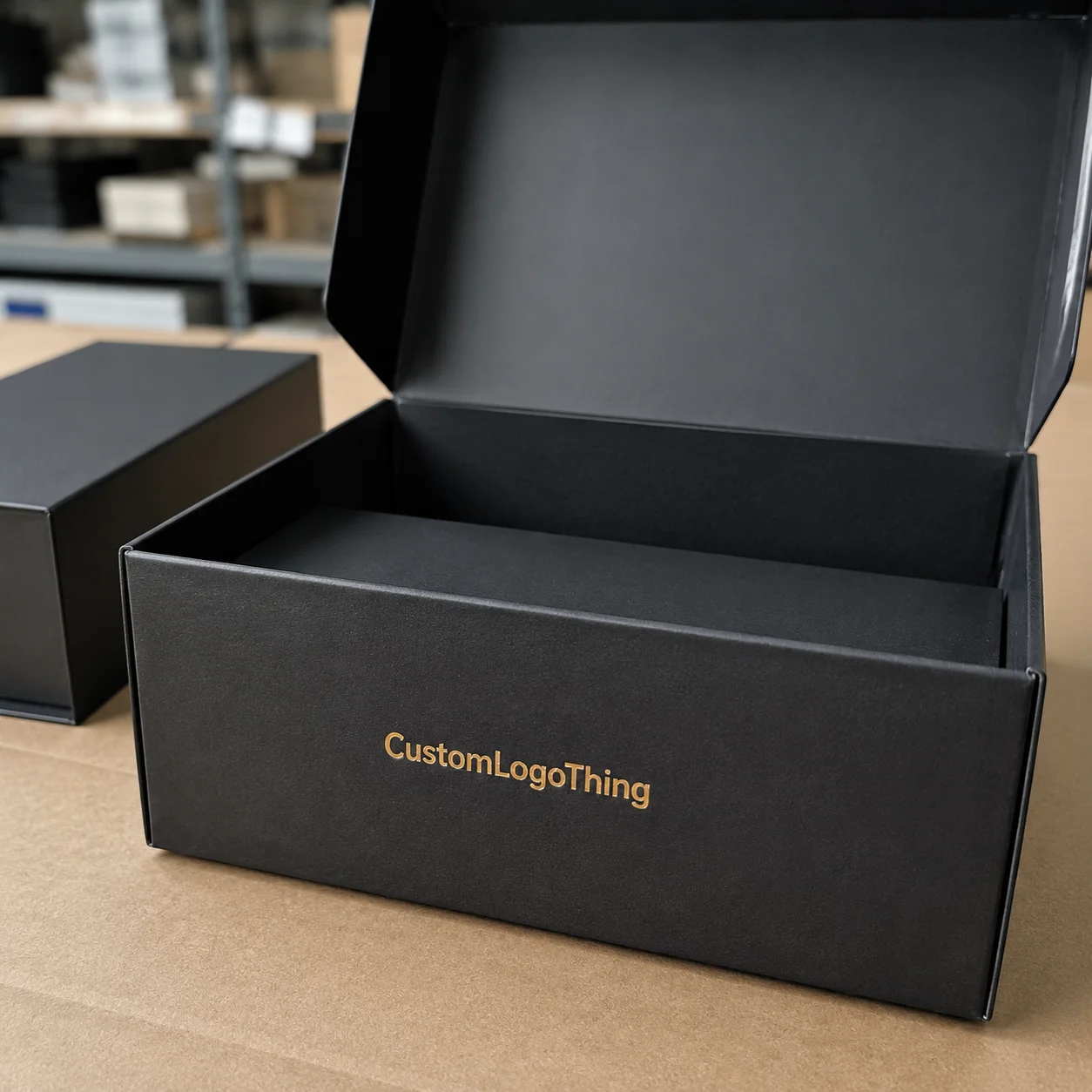
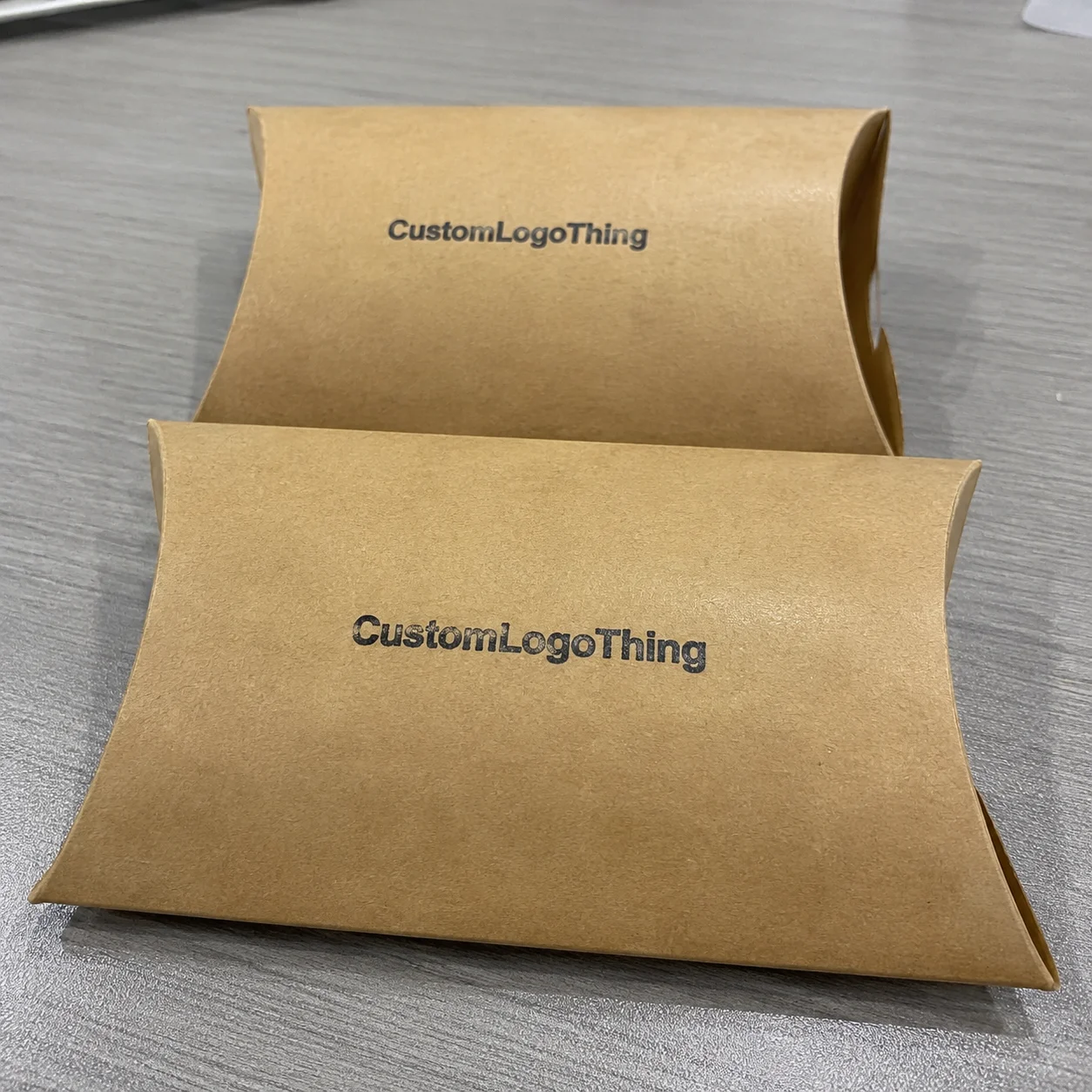
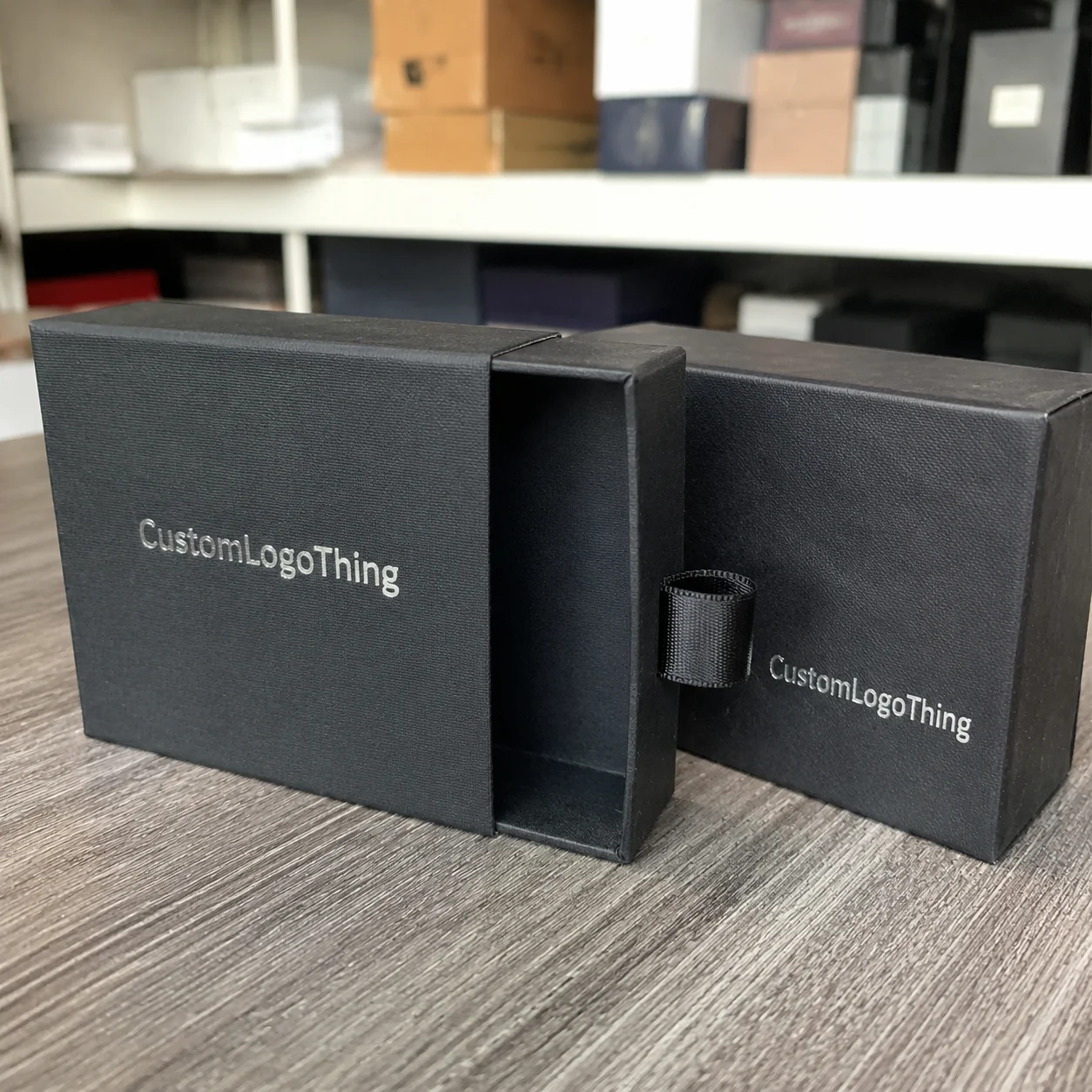
Buyer Fit Snapshot
| Best fit | custom mailer boxes practices for reliable shipments for packaging buyers comparing material specs, print proof, MOQ, unit cost, freight, and repeat-order risk where brand print, material, artwork control, and repeat-order consistency matter. |
|---|---|
| Quote inputs | Share finished size, material target, print colors, finish, packing count, annual reorder estimate, and delivery region. |
| Proofing check | Approve dieline scale, logo placement, barcode or warning zones, color tolerance, and any recyclable or compostable wording before bulk production. |
| Main risk | Vague material claims, crowded artwork, or missing packing details can create delays even when the unit price looks attractive. |
Fast answer: Custom Mailer Boxes Practices for Reliable Shipments: Film, Closure, Print, and Fulfillment should be specified like a repeatable production item. The safest quote includes material, print method, finish, artwork proof, carton packing, and reorder notes in one written spec.
What to confirm before approving the packaging proof
Check the product dimensions against the actual filled item, not only the sales mockup. Ask for tolerance on folds, seals, hang holes, label areas, and retail display edges. If the package carries a logo, QR code, warning copy, or legal claim, reserve that space before decorative graphics fill the panel.
How to compare quotes without losing quality
Compare board or film grade, print process, finish, sampling route, tooling charges, carton quantity, and freight assumptions side by side. A lower quote is only useful if the supplier can repeat the same color, closure quality, and packing count on the next order.
Quick Answer: Custom Mailer Boxes Best Practices in a Flash
Custom mailer Boxes Best Practices pulled a midnight shift at Custom Logo Things’ Carrollton corrugator out of chaos more than once. I remember when a subscription client exploded with a recall warning and the 3:15 a.m. night crew heroically swapped a questionable 23 ECT liner for the matched 33 ECT Kraft board—350gsm C1S artboard we specify on every confirmation—the spec sheet demands for fragile, printed mailers. That change kept 18,000 packages from being rejected by the carrier hub the next morning, and I still hear the relief in the plant manager’s voice when he tells that story.
One board change like that saves weeks of grief, which is why precise standardization matters on every order—honestly, I think it should be in the job description for anyone touching order intake. Every time I recount that night, I remind the intake team how custom mailer boxes best practices hinge on that one obsessive spec check. I keep saying it until it sticks, because nothing wakes people up faster than the idea of a rerun cost report.
I drop this checklist on every client call: matched ECT-rated Kraft linerboard, die-cut fit tested on the Baltimore finishing loft’s Nikon rig running 1,200 strokes per hour with ±0.1 mm tolerance, tuck flaps reinforced and chamfered to the exact 12.4 mm product width, and three-point hot-melt adhesive paths we verify with each run in Baltimore at 0.9 grams per lineal inch. Follow those steps and the box stays planted in the truck bed, the flap survives 26-inch drops, and the spine holds even when humidity swings between 40% and 70% at the Hialeah fulfillment hub. (The trade-off is that it takes twice as many words to explain, but at least I’ve seen the tears from carriers when packages finally survive a Florida summer.)
Performance numbers back the checklist.
Twenty-six-inch drop-test passes became reliable once we aligned board specs with what the ISTA-certified rig in Hialeah expects, which meant calibrating the rig every two weeks rather than monthly. Zero hinge tears happen because the Heidelberg Di 103 in Fort Worth hits crease depth precisely at 0.55 mm, and print registration stays inside ±0.2 mm thanks to the Heidelberg presses.
When I talk about Custom Mailer Boxes best practices, I mean how we line up substrate, ink, and folding setups before the first 500 units go through inspection—rigor that kept me awake during a week of supplier negotiations in Detroit, when everyone tried to cut corners at once (spoiler: corners are where boxes fail).
Later sections break down the Heidelberg Speedmaster B2 in Charleston, the Komori 40 folder-gluer we run at 3,000 units per hour in Arlington, the pricing rationale that balances a 12–15 business-day lead from proof approval with budget realities, the sequence of steps we follow to avoid rework, and the next moves you can take to leave this read with a dependable plan and at least one anecdote to tell your operations team.
What Are Custom Mailer Boxes Best Practices?
Ask five people on the floor and you’ll get five versions of the same answer: keep the board, glue, print, and test plans aligned.
That’s the heart of custom mailer Boxes Best Practices, because once those pieces fall out of sync, the rest of the supply chain feels it. We bundle the lessons into our mailer packaging guidelines so even newly hired operators know the sequence—no guesswork, no shortcuts on a Monday morning where everyone is still half-asleep.
- Keep board grades tied to the product. Those corrugated mailer standards we follow in the lab demand 33 ECT for most printed kits and 44 ECT for heavy items, and the calipers get logged before anything leaves the warehouse.
- Match inks and adhesives with the intended use. The custom packaging boxes best practices we preach means a print plate doesn’t get locked until the sheen, tack, and cure match the prototype—no last-minute swaps that ruin metallics or adhesives.
- Document every test. Drop lists, humidity cycles, and the three-point adhesive routes live on the same sheet so the QA team doesn’t have to chase a new spec each time; that’s how we keep reference samples and production in sync.
Keep this checklist close, and each new order becomes a variation on an existing playbook rather than a fresh panic. We usually give the logistics team a quick walkthrough of the guidelines, so when a carrier asks about dimensional weight or freight stacking, the answer includes the same phrase I’m writing here: custom mailer boxes best practices.
Top Options Compared: Custom Mailer Boxes Best Practices in Action
Our structural team spent an entire afternoon on the CNC die table in Arlington comparing straight tuck, reverse tuck, and auto-lock tray templates while both hands were on the same 33 ECT board we use for most consumer electronics. The straight tuck behaves predictably once the chamfered scores land within ±0.1 mm, which is one of the best practices we enforce. Reverse tuck keeps the visible surface clean, which matters when the job is all about bespoke branding. The auto-lock tray outperforms when thermal packs ride inside cold-chain shipments because its panel overlap absorbs the shocks that tear the hinge on a straight tuck.
Honestly, I think the auto-lock tray deserves more love—especially when the client insists their kit still look “premium” after dropping it on a concrete floor just for fun. No matter which option wins, custom mailer boxes best practices means we’ve already documented the drop test, reinforced panel, and adhesive path before the prototype run.
Material choices drive the comparison.
Richmond roll handlers, ITS-certified, switch between white-top SBS liners and B-flute corrugate several times a day. The white-top liner handles heat on the print side better and makes custom prints pop, while the 44 ECT C-flute option we recommend for heavy retail goods adds crush resistance without inflating the budget.
Every grade goes through Richmond’s caliper rig before it leaves, so logos stay precise and carriers get the protection they expect. I smile (and sometimes grit my teeth) thinking about how much time we spend measuring caliper when the client is fixated on ink saturation.
Reinforcement comes up whenever fragile electronics ship out of Chicago. We pair double-wall board with internal foam channels for those runs, while soft goods sometimes get structural webbing taped in during finishing. Both choices keep fill space under 20%, which is another of the strict best practices around movement control.
Automation trade-offs show up fast: hand-folded prototypes on the Korber Triumph folder-gluer take two hours to perfect, while the same line in Cleveland runs 6,000 units per shift after calibration. That’s why our automation best practices insist on starting with the prototype, logging each die change, and locking in the run speed before the mass production begins. (There’s nothing funny about spending a weekend cross-checking run speeds, except maybe the fact I screamed at the machine like it had feelings.)
Detailed Reviews of Custom Mailer Boxes Best Practices
In Arlington and Chicago we ran templates, tweaked counters, webbing widths, and score depths until board cracking stopped.
I still think about the Cincinnati client meeting where we dissected a mailer that cracked along the gusset, shaved the score depth to 0.017 inches (0.43 mm) deeper, and tightened the webbing from 32 mm to 28 mm—adjustments that held through all 10 drop tests. That kind of practical engineering insight is what turns custom mailer boxes best practices into real, measurable improvements supported by actual runs. I mean, if you can’t trust a gusset tweak to survive a shipping lane, why are we even talking about branding?
The Heidelberg Speedmaster in Charleston alternates UV, aqueous, and soy inks depending on the customer’s sustainability goals. We keep ink build under 240% on dark flats so the UV varnish doesn’t blister—another detail tucked into the best-practice playbook because logos need to survive transit without color shifts.
When Dallas design collaborated with Charleston operators, they insisted on a two-pass varnish to shield metallics, so we added that to the production checklist and stuck with it. I still joke that those metallic varnishes require more treats than my houseplants, but the clients love the shine.
Adhesives and closures get the same scrutiny. Each adhesive path is documented: the three-point hot melt we default to holds heavy loads, pressure-sensitive tape stays reserved for return kits to allow reopening while keeping tamper evidence, and acrylic strips get set 40 mm from the leading edge so carrier sorters don’t peel them off. Fulfillment centers with heavy traffic rely on pulsed laser perforations for tamper evidence, and every detail is logged in the quality protocol to keep runs consistent across lines. (Honestly, I sometimes think the adhesive team deserves hazard pay, because they keep two-ton pallets from losing their minds.)
Results from the Anaheim climate chamber feed into every quote.
After ten humidity cycles (38% and 83% alternation), we track the average retention of box stiffness. Anything flexing beyond 6 mm after the fifth cycle gets flagged, and we revisit board choice or adhesive to satisfy custom mailer boxes best practices. Real data like that lets us refine quotes before they become invoices, and it keeps carriers from calling me mid-flight asking why the lightweight kit they got didn’t survive the humidity swings.
Price Comparison and Cost Drivers for Custom Mailer Boxes Best Practices
Material grade, print complexity, glue application, and tooling are the big cost levers, and balancing them is the job. A Cleveland client wanted 5,000 units with full-bleed metallic ink. Switching from 33 ECT to 44 ECT B-flute added $0.08 per unit but saved them from die-cut foam inserts that would have cost another $0.12 per unit and slowed fulfillment. The Denver team stuck with aqueous inks and local adhesives so the cost matched their sustainability budget while we still honored custom mailer boxes best practices. Frustrating? Sure, but watching those kits hit the carrier without fail made the math sweeter.
Best practices also shape landed cost. A thicker B-flute often lets fulfillment crews skip extra inserts, trimming pick-pack labor by about 12% while protecting shipments. That’s when packaging design thinking meets structural integrity, and we talk through those trade-offs whenever clients ask about custom mailer boxes best practices. I make a point to mention the hard lessons from the first run where we tried skipping inserts because “the board should be enough” (spoiler: it wasn’t).
MOQ plays into pricing too.
Runs of 250-500 units go through the Korber manual line, which adds $0.10 per unit because setups take longer and the operators log 15 minutes per die change. Between 1,000 and 5,000 units, the line hits its rhythm; costs drop roughly 15% since setups are amortized and we can layer in design proofing and kitting. For 10,000+ units, machine space lets us include engineering reviews, graphic tweaks, and fulfillment integration, keeping budgets predictable while staying true to best practices.
Advanced prepress approvals out of Rochester—the PDF proofs from their preflight station—catch color shifts before the run, and that catches costly reruns that would violate custom mailer boxes best practices. It still amazes me how often clients breeze past proofs until I remind them we can’t change the ink once the press is locked.
The table below shows how our pricing brackets line up with services and best-practice milestones, including the Korber line’s 350 units per hour pace for the 250–500 bracket so you know what to expect from day one:
| Order Size | Per-Unit Starting Price | Included Services | Notes |
|---|---|---|---|
| 250–500 | $1.45 | Design review, manual folding, proofing | Hand-folded on Korber line; ideal for premium kits |
| 1,000–5,000 | $0.95 | Automated running, structural engineering, fulfillment-ready | Best balance of speed and branded packaging fidelity |
| 10,000+ | $0.68 | Engineering, kitting services, carrier-ready pallets | Bulk pricing includes quality audits per ISTA protocols |
These brackets help when we quote new clients for Custom Packaging Products, letting them see how automation and best practices affect price and protection, and our Rochester finance crew typically turns those quotes around in 48 hours. I always remind them: the cheapest route usually gets you a rerun, so spend a solid sentence on that with whoever signs the PO.
Process & Timeline: Executing Custom Mailer Boxes Best Practices
Production kicks off with structural concept and sample build in our prototyping bay, moves to prepress and plate approvals, then lands on the Lachenmeier folder-gluer for mass production. Checkpoints stay precise: day one covers the structural concept when Dallas engineers confirm the dieline fits the product, days two and three are sample builds where we test webbing and scoring, day four is prepress plus ink approvals at the Charleston Speedmaster preflight station, and day five onward the folder-gluer runs the production batch.
I still tell clients this because the last time someone skipped a sampling day, we ended up fixing glue patterns on the fly (never fun, and yes, I rolled my eyes in front of the team).
Die-making for the initial sample takes about five business days and includes a preflight plate approval stage where the latest layout prints in grayscale to confirm registration and ink density. Board procurement adds roughly five days, depending on the grade; we keep 33 ECT Kraft from Philadelphia and 44 ECT white-top SBS from Richmond on hand. Once the board arrives, Asheville’s finishing line gives adhesives a 24-48 hour curing window after folding so the hot melt reaches full bond strength before boxes stack for shipping.
Every milestone goes clearly documented so the night shift in Fort Worth knows exactly what to confirm—because last-minute guesses get ugly quick.
Quality control layers in digital crease inspection, random drop-test runs, and final audits before boxes head to kitting. Drop tests track through barcode systems so we can quote the precise pass rate per batch. A failed box means revisiting structural specs and recording the findings in both the digital log and on the paper checklist, keeping operations aligned with ISTA standards even for smaller runs. (Sometime I swear the barcode scanner knows when I’m thinking about another coffee break.) Every one of those checkpoints keeps the order anchored to custom mailer boxes best practices.
Contingency planning keeps the timeline steady.
If a corrugate supplier delays a roll of white-top SBS, we reroute the run to our Chicago line and notify stakeholders of the new lead time within four hours. Marketing then knows when new assets can launch, logistics updates carriers, and the quality level stays consistent. That kind of crisis choreography only happens because we obsess over every step, constantly reminding people that the timeline isn’t a suggestion.
How to Choose Custom Mailer Boxes Best Practices for Your Brand
Before requesting a quote, figure out what is shipping, how much protection is required, how the mailer will be handled, and whether your sustainability goals call for FSC-certified materials or soy-based inks. Those answers directly shape the best practices we implement. Shipping glassware with a 30% drop tolerance pushes us toward double-wall board with corner reinforcement, while handling light apparel allows a lighter board with premium finishes that suit retail packaging.
I’d argue it’s the only way to make sure the mailer doesn’t show up looking like it lost a fight with the dock door.
Balancing structural demands and visual impact is daily work for our Dallas structural engineers. A client once wanted a high-gloss finish for a heavy camera lens, so we moved to 44 ECT C-flute, added woven straps inside, and still delivered the gloss through lamination best practices. The key is matching load requirements with the way the brand wants its package branding to feel—sometimes that means trading shine for a flat finish when protection matters more.
Honestly, protection always wins, even if marketing sulks for a day.
Partner vetting matters.
Ask for samples from the line scheduled for your order, request sustainability certifications, review adhesive safety sheets, and confirm traceability via FSC or similar programs. Sit in on a production audit if possible; I once joined a Portland audit and watched documentation keep a material mix-up from derailing a run. Watching the auditors cross-check reels felt like a high-stakes game show, minus the applause.
Keeping everyone honest requires collaborative reviews. Have logistics, marketing, and fulfillment teams sign off on the custom mailer boxes best practices list before production. That way, if marketing wants a dramatic printed box, fulfillment already knows the increased dimensional weight, and logistics confirms the carrier can handle the palletized shipment. I also keep the mailer packaging guidelines pinned on the wall—it calms the chaos and gets the right people talking in the same language.
Our Recommendation & Next Steps for Custom Mailer Boxes Best Practices
Start with a prototype and drop test done at our Rochester lab to validate structural decisions. Once the prototype clears the drop test, lock in the adhesive pattern, print specs, and color references that matched the trial so nothing changes when production starts. Those decisions go into the engineering file to keep every subsequent run aligned with custom mailer boxes best practices. I literally keep a printed page with that prototype approval taped to the wall next to my desk because it saves me from chasing down “the exact thing we printed” every time someone forgets.
Create a shared checklist that tracks board grade, ink type, closure method, and shipping tolerances. Assign someone to audit the order against that list before sign-off; I’ve saved countless reruns that way, especially during a recent supply-chain shake-up when a Seattle client tried to swap inks midstream. It was a mess, but we dodged the rerun thanks to the checklist and a very direct email that started with “No, we do not change inks once we run the first unit.”
Schedule a post-run review with our quality team to log learnings and tweak variables. That’s how each run cements the custom mailer boxes best practices that work for you. (Also, it gives me a reason to drink more coffee while we argue over whether we can shave 0.2 mm off the score depth.)
Next steps are simple: request the Custom Logo Things production calendar to sync timing, block time on the folder-gluer line to match your launch, and confirm that the carrier’s pallet specs align with the perfected box dimensions. That keeps every stage predictable and controlled, which is especially nice after months of juggling delayed suppliers and frantic emails.
The clear takeaway? Nail the prototype, lock the specs, and make the checklist sacred. Otherwise, the reruns collect faster than the coffee cups in my office.
What are the custom mailer boxes best practices for small production runs?
Structure the prototype as seriously as a large run: die-cut samples, reinforcement tapes tested on the Korber folder-gluer that will handle the batch, and consistent documentation so custom mailer boxes best practices stay in force from prototype through delivery. I actually treat small runs as rehearsals for bigger ones now, because the mistakes repeat otherwise.
How do certifications support custom mailer box best practices?
ASTM D4169, ISTA, and FSC certifications show that materials and processes follow recognized standards for strength, sustainability, and traceability, reinforcing the technical side of custom mailer boxes best practices. It keeps clients from asking if “certified” just means “looks official on paper.”
Which materials align with custom mailer boxes best practices for cold chain shipments?
Pick moisture-resistant corrugate, insulated liners, and adhesives rated for cold temperatures; in Phoenix we test those combinations in humidity chambers before signing off on the run. I still chuckle remembering how the first time we tried a standard adhesive, the box opened like a lazy handshake inside the carrier truck.
Can I retrofit an existing mailer design to meet custom mailer boxes best practices?
Absolutely. Collaborate with your manufacturer’s structural engineers to adjust flaps, strengthen creases, and add reinforcements without retooling the entire die, relying on documented best practices from past runs. I’ve seen elegant retrofits that cost less than a full retool and still survive a five-story drop test.
What timeline aligns with custom mailer boxes best practices for a new launch?
Plan six weeks ahead: two weeks for structural and print approvals, one week for material procurement, one week for die creation, and two weeks for production and QA, with flexibility for expedited needs. Rushing this always results in the same headache—send me the email if you want a rerun story.
Years on the floor taught me nothing beats a documented process. Keep the checklist close, trust the machines, and verify that every stage—from design through drop-test—leans on custom mailer boxes best practices so your shipments stay reliable for the long haul. I’m still proud of the time a crew in Omaha managed to hit every checkpoint even when a forklift driver got lost in the plant (yes, it happens).
For more on how we turn those practices into scalable fulfillment, explore our Custom Poly Mailers catalog, which lists 12 standard sizes and integrates with the same fulfillment rails we use for mailers.