Buyers searching for custom mailer boxes Product Info and Reviews usually want the same thing: proof that the box looks right and survives shipping. Those two goals do not always line up. A package can photograph beautifully in a mockup and still arrive crushed at the corner, while a plainer structure with the right board and closure tabs earns better real-world feedback because it keeps its shape in transit.
For ecommerce shipping, subscription packaging, and retail-ready presentation, the decision usually comes down to print impact versus board performance. Coatings, inks, and specialty finishes shape first impressions, but fit, flute selection, and closure geometry decide whether the product arrives intact. That is the part many buyers miss when they compare custom mailer boxes Product Info and Reviews too quickly.
Quick Answer: Which Custom Mailer Boxes Actually Hold Up?
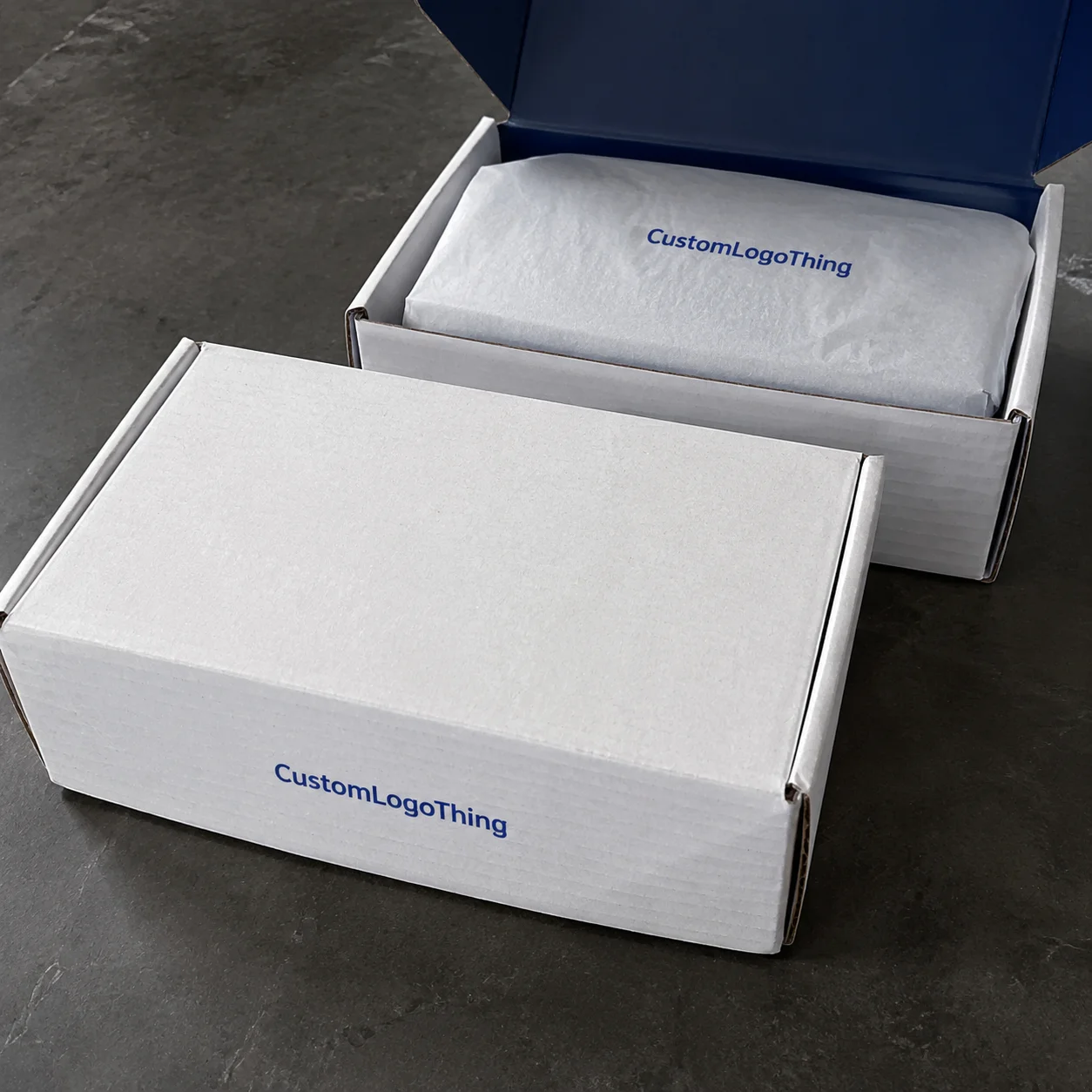
If the shipment is light, handled gently, and the box is doing more visual work than protective work, a well-made tuck-top mailer can be enough. If the product is heavier, fragile, or likely to move through parcel networks with multiple touches, a stronger corrugated mailer with secure locking tabs and a tighter fit is the safer choice. In practice, the box that performs best is rarely the loudest one. It is the one that stays square after drop impact, stacking pressure, and repeated handling.
Most buyers fall into three common use cases. First is ecommerce shipping, where the package needs to protect the product while still looking intentional. Second is subscription packaging, where the opening sequence matters almost as much as the item inside. Third is retail packaging, where shelf presence, print clarity, and brand consistency become part of the buying decision. The structure changes, but the question stays the same: does the box support the customer experience from packing table to doorstep?
“A box can look premium on a screen and still fail in transit. Review the construction first, then the artwork.”
A practical rule of thumb helps narrow the field. Under 8 oz, a lighter mailer can work if the contents are not brittle. Around 1-2 lb, sturdier corrugated board starts making more sense. Above that, I pay close attention to flute selection, inserts, and closure style. If the box travels a long distance, gets stacked in warehouses, or contains glass, ceramics, or dense components, prioritize protection over display. That choice usually saves money later because damaged orders cost more than better packaging ever does.
For brands comparing custom printed boxes or broader product packaging options, a sample with the real product inside is the only honest starting point. An empty mockup can look fine and still be misleading once a candle, bottle, garment fold, or accessory set is loaded. That is where Custom Mailer Boxes product info and reviews become useful as field notes rather than marketing copy.
Top Options Compared: Styles, Board, and Finish
Three styles dominate the category. Tuck-top mailers assemble quickly and provide a clean branding surface, but they are not always the strongest option. Rollover mailers add extra wrap and stiffness, which improves rigidity and corner performance. Display-style mailer boxes are the most presentation-focused, especially for branded packaging where the reveal matters. They also tend to add cost and assembly time.
Board choice matters more than many first-time buyers expect. Lightweight E-flute gives a cleaner print face and a thinner profile, while B-flute or heavier constructions improve crush resistance. That affects freight, too. A thicker box can increase dimensional weight and storage volume, which adds up fast when orders are large or recurring. If the product itself is dense, a slightly thinner board with well-designed inserts can outperform a thicker but poorly fitted build.
Finish is the next decision. Kraft reads natural and straightforward, which is why it works well for eco-positioned brands and earthy package branding. White board gives sharper contrast for fine graphics and small text. Full-color printed surfaces can look premium, but only if the press calibration is tight and the artwork is not overloaded. Buyers tend to notice the same things in reviews: locking tabs that stay closed, folds that crease cleanly, scuff resistance, and print alignment that does not drift from panel to panel.
| Style | Protection | Assembly | Brand Surface | Typical Use |
|---|---|---|---|---|
| Tuck-top mailer | Medium | Fast | Good | Apparel, accessories, light DTC kits |
| Rollover mailer | High | Moderate | Good | Candles, cosmetics, premium shipper boxes |
| Display-style mailer | Medium to high | Slower | Excellent | Subscription sets, gift packaging, retail presentation |
For buyers browsing Custom Packaging Products, the most useful filter is not “best looking.” It is “best matched to weight, handling, and fulfillment speed.” That lens keeps the order honest. It also keeps Custom Mailer Boxes product info and reviews tied to actual shipping conditions instead of studio lighting.
Detailed Reviews of the Best Mailer Box Builds
Lightweight tuck-top build: This is the easy choice for apparel, stickers, and accessory kits. It packs quickly, folds flat, and usually creates a clean first impression. The downside is equally clear: if the walls are too thin or the die-cut tolerances are loose, corners soften and the lid can spring open during packing. For soft goods, it can be a strong value. For anything breakable, it can feel underbuilt.
Rollover corrugated build: This is the structure I trust more when the shipment carries real risk. The extra wrap improves stiffness, and that matters when cartons get stacked or move across sortation systems. The tradeoff is a slightly bulkier footprint and more material cost. Still, if you read enough custom mailer boxes product info and reviews, you will see the same pattern: stronger corner behavior and fewer transit complaints usually come from this style.
Display-first premium build: This option wins on reveal. Interior print, structured inserts, and more refined opening cues make a package feel deliberate. It works well for cosmetics, candles, limited-edition drops, and influencer kits. Premium finishes can also backfire if gloss is too heavy or the coating marks easily. A box that fingerprints on every touch will frustrate fulfillment teams long before it impresses buyers.
Kraft natural build: Honest, tactile, and often the best fit for brands that want recycled content to be visible rather than disguised. It tends to communicate authenticity better than elaborate decoration. The downside is that dark inks can lose sharpness faster than they do on white board, and fine gradients can appear muted. If the brand story is about sustainability, kraft often feels more believable than a box pretending to be luxury.
White printed build: This is the most flexible choice for color accuracy and retail packaging. Logos pop, small text stays readable, and photography reproduces better. It is the safer option for brands with strict visual identity standards. The drawback is scuffing, which shows up faster on white surfaces, so it needs cleaner handling and a finish that resists abrasion.
Ideal pairings tend to stay consistent: apparel with tuck-top mailers, cosmetics with display-style or rollover builds, candles with stronger corrugated mailers plus inserts, and lightweight accessories with simple branded packaging that does not add freight weight unnecessarily. The same pattern appears across custom mailer boxes product info and reviews: the best build is the one that fits the product category, not the one with the most decoration.
Custom Mailer Boxes Product Info and Reviews: What Buyers Notice First
When buyers and receiving teams talk about custom mailer boxes product info and reviews, they usually react to four details first: print sharpness, color consistency, rigidity, and how premium the unboxing feels. A box can pass a visual check on screen and still disappoint if the logo bleeds, the edges look fuzzy, or the color shifts from proof to production.
There is also a psychological layer. Natural kraft with minimal ink often feels more authentic than heavy decoration, especially for eco-conscious brands. That is not universal, but it shows up often enough to matter. Recycled content, visible paper fibers, and a restrained layout can read as intentional rather than cheap. In packaging design, “less finished” sometimes performs better because it feels more transparent.
Custom inserts and tear strips influence review scores more than many teams expect. Inserts stop movement, which reduces dents and rattling. Tear strips make opening feel cleaner and reduce the chance that customers damage the box with scissors. Interior printing can raise perceived value too, but only if it is crisp. If the inside art smears or registers poorly, it looks like a production mistake rather than a premium touch.
Red flags are usually practical, not dramatic. Warping after storage means the board or lamination may be absorbing moisture poorly. Adhesive problems can show up as tabs lifting or seams failing during packing. Confusing measurement specs create the worst outcome of all: items that fit “in theory” but not on the line. If the internal dimensions are vague, ask for a quoted spec sheet with clear L x W x H values before ordering.
For authority-backed testing language, look for packaging standards such as ISTA transport test methods and paper sourcing signals like FSC certification from FSC. Those do not replace sample testing, but they give buyers a cleaner basis for comparison. That matters more than flashy claims when you are sorting through custom mailer boxes product info and reviews.
Cost and Pricing: What Changes the Unit Cost?
Unit cost depends on size, board grade, print coverage, finishing, inserts, and volume. The less obvious part is that small changes in structure can move pricing more than buyers expect. A larger dieline increases material usage. A heavier flute increases freight. Full-panel print coverage adds setup and ink complexity. Specialty finishes such as soft-touch lamination or spot UV raise perceived value, but they also raise the bill.
Lower MOQ orders almost always carry a higher price per box because setup costs get spread across fewer units. That is not a penalty; it is math. For a new launch, that changes the testing strategy. I would rather see a brand spend a little more per unit on 250-500 sample-run boxes than commit to a weak design at scale. If the first run reveals fit issues, the real savings come from avoiding a bad reorder.
Typical ranges vary by spec, but these are realistic planning numbers for standard custom mailer boxes at common volumes:
| Configuration | Approx. Unit Cost | What You Get | Buyer Profile |
|---|---|---|---|
| Budget kraft mailer | $0.55-$0.95 | Simple print, standard flute, minimal finishing | Startups, low-risk products |
| Mid-range printed mailer | $0.95-$1.70 | Cleaner print, better rigidity, basic finishing | Most ecommerce brands |
| Premium presentation mailer | $1.70-$3.50+ | Heavy board, inserts, premium coating, interior print | Gift sets, beauty, subscription boxes |
For ecommerce buyers, predictable margins matter more than chasing the lowest headline quote. A box that saves five cents but increases damage by one percent is not a bargain. It is a hidden cost. If you also need branded packaging across multiple SKUs, standardizing one or two sizes and varying only the print layer can reduce setup friction and make reorders easier to manage.
Cost comparisons should include the full landed picture: packaging, inbound freight, storage footprint, packing labor, and replacement rate. That is where custom mailer boxes product info and reviews become a practical buying tool instead of a product page exercise.
Process, Timeline, and Production Steps
The normal path starts with the dieline. Once that is approved, the buyer moves to sampling or proofing, then production, then freight. Delays usually happen at the seams between those steps, not in the printing itself. A small artwork correction can add days. A structural change can add more. And if the sample does not fit the product on the first try, the timeline resets quickly.
Most orders are held up by one of four pressure points: sample approval, artwork revisions, special coatings, and freight coordination. A simple box may still need 12-15 business days after proof approval, while more complex orders can stretch longer if the finish or insert spec changes. Seasonal demand matters too. When capacity tightens, even a routine reorder can take longer than expected.
From a buyer’s point of view, the smartest move is to treat packaging like a production component, not a design afterthought. Give the vendor exact dimensions, weight, fill method, and ship mode. If the box will be packed by hand, say so. If it must fit automated lines, say that too. Those details save more time than another round of cosmetic revisions.
For broader Custom Poly Mailers or other mailer formats, the same lesson applies: structure first, decoration second. That mindset keeps the order tied to function, which is where the best packaging ROI usually sits.
Packaging performance can also be evaluated against sustainability and shipping standards. The EPA’s packaging and waste reduction resources at epa.gov are useful for brands trying to reduce material waste without guessing. It is not glamorous reading, but it does sharpen purchasing decisions.
How to Choose the Right Mailer Box for Your Product
Start with the product, not the box. Weight, fragility, storage space, and handling frequency should determine the build. A light apparel item can live comfortably in a simple mailer. A ceramic mug cannot. A box that looks premium but fails under pressure is just expensive disappointment.
Match closure strength and board thickness to shipping conditions. If the item will travel through multiple carriers, sit in hot trucks, or get stacked in a warehouse, add structure. If the package is mostly handed to local customers or used as an in-store pickup box, you can often prioritize appearance more aggressively. Sustainability claims matter too, but only when they are supported by practical material choices and real recycling potential.
Common mistakes are predictable: oversizing the box, underestimating contrast on the print, ignoring sample testing, and assuming the first proof equals the final result. I also see brands choose a finish that photographs well but scratches in the first mile. That is a weak trade. Good packaging design should survive contact with people, not just a camera lens.
- Choose protection first for fragile, heavy, or high-value items.
- Choose presentation first for gift sets, launches, and subscription reveals.
- Choose efficiency first for repeat shipments and margin-sensitive ecommerce.
- Test with real product before approving volume production.
The cleanest decision path is simple: define the product, pick the shipping stress level, then select the box style that supports both. That is how custom mailer boxes product info and reviews turn into a practical buying system instead of an endless comparison exercise.
Our Recommendation and Next Steps for Buyers
Best for shipping protection: a stronger rollover corrugated mailer with tight fit and inserts. Best for premium presentation: a display-style box with controlled print, clean coatings, and a disciplined interior layout. Best value for scaling brands: a standardized tuck-top or mid-weight mailer that balances cost, assembly speed, and repeatability.
If you are ready to move, ask for four things immediately: a sample set, a dieline, a quoted spec sheet, and one round of stress testing with the actual product inside. Then run a simple internal checklist: drop resistance, corner crush, lid retention, print scuffing, and unboxing impression. That takes little time and catches the issues that matter most.
The smartest buyers compare custom mailer boxes product info and reviews the same way they would compare any packaging component: by product fit, shipping risk, visual impact, and landed cost. Do that well, and the box stops being a gamble. It becomes part of the brand promise.
What should I look for in custom mailer boxes product info and reviews before buying?
Check board strength, closure style, and print quality first because those affect both shipping safety and customer perception. Look for mentions of assembly speed, corner crush resistance, and whether the finish scratches or smudges easily.
Which custom mailer box style is best for fragile products?
Choose a stronger corrugated build with secure locking tabs and room for inserts or void fill. Prioritize protection over decoration if the item can shift, dent, or break during transit.
How does MOQ affect custom mailer box pricing?
Smaller orders usually have a higher unit cost because setup and printing expenses are spread across fewer boxes. Higher-volume runs typically lower the price per box and make custom finishes more affordable.
How long does custom mailer box production usually take?
Timing depends on proof approval, sample changes, and print complexity, so revisions can add meaningful delays. Plan extra time for seasonal demand, special coatings, or structural changes.
What is the best way to compare mailer box options honestly?
Use the same product, shipping scenario, and quality checklist across every sample so comparisons stay fair. Judge each option on fit, durability, branding impact, and total landed cost rather than appearance alone.