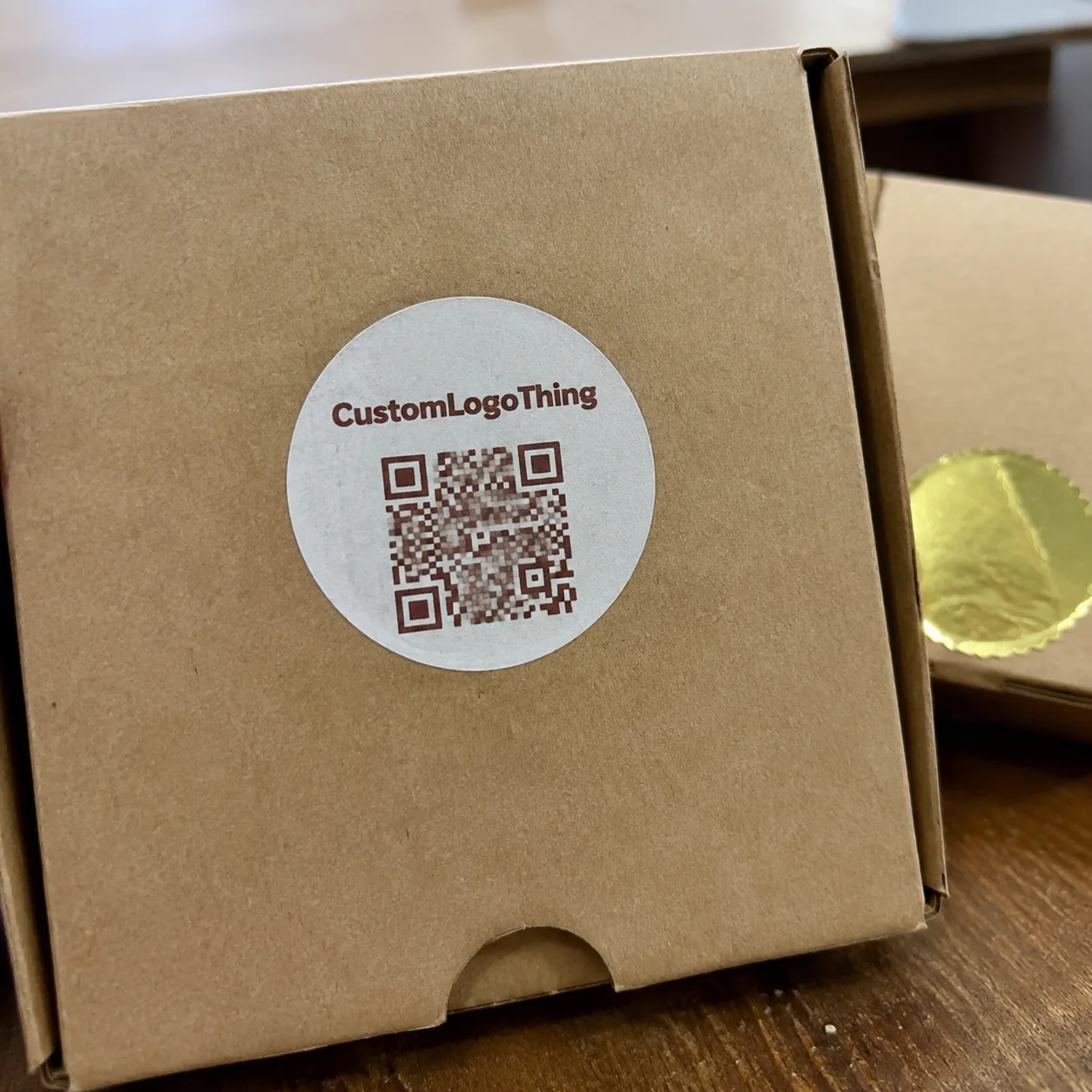
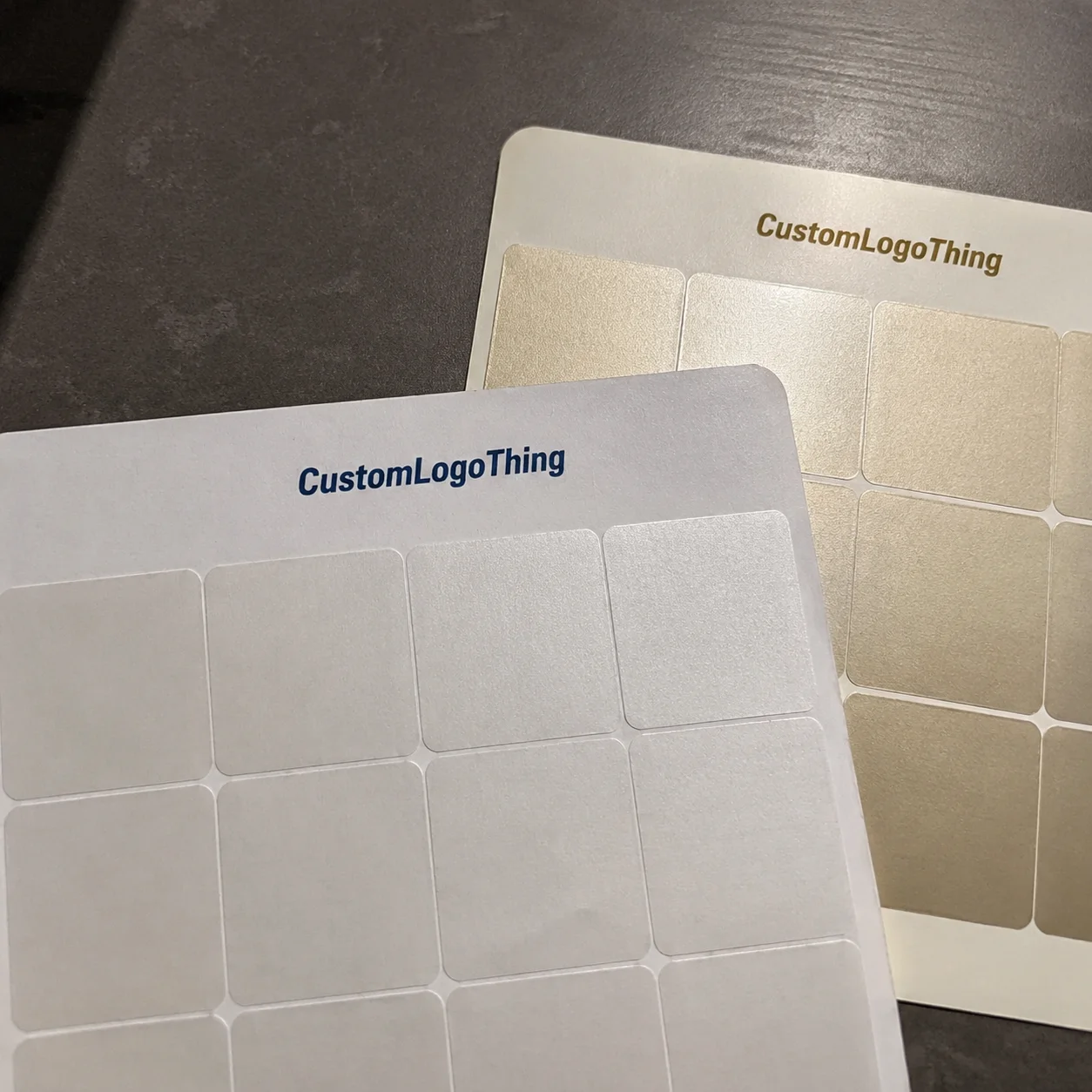
A simple sticker can change the whole feel of a package. For many businesses searching for Custom Stickers Columbus Ohio, the need starts in a practical place: a café wants a clean seal on a pastry box, a maker needs short-run jar labels, or a retail shop wants its logo on a kraft mailer without committing to fully printed cartons.
Stickers are usually one of the lowest-cost printed parts of a packaging system, yet they do an outsized amount of visual and functional work. A clean 2-inch round sticker on a plain box can do more for product recognition and shelf impact than paying extra for a heavier paperboard grade most customers will never notice.
In plain terms, custom stickers are printed adhesive pieces used for branding, sealing, labeling, promotions, event handouts, and temporary packaging updates. They might carry a logo, ingredients, a barcode, a QR code, warning copy, or a campaign message. They also bridge the gap between generic stock packaging and the much higher commitment of fully printed boxes.
Buyers often use sticker, label, decal, and seal almost interchangeably, but each points to a slightly different job. A label usually carries product information and has to stay readable. A sticker often leans more promotional or brand-driven, though it can do both. A decal usually suggests a more durable graphic for windows, equipment, or display use. A seal closes a flap, fold, or opening.
That distinction matters because the right build depends on what the piece has to do after it leaves the press. For a bakery, brewery, salon, nonprofit, or e-commerce brand in Columbus, the best sticker is rarely the fanciest one on a sample ring. It is the one that matches the artwork, surface, adhesive, and finish to the real job.
If you already use Custom Labels & Tags or broader Custom Packaging Products, stickers are often the fastest way to extend your packaging system without rebuilding it from scratch.
Custom Stickers Columbus Ohio: where small labels do big brand work
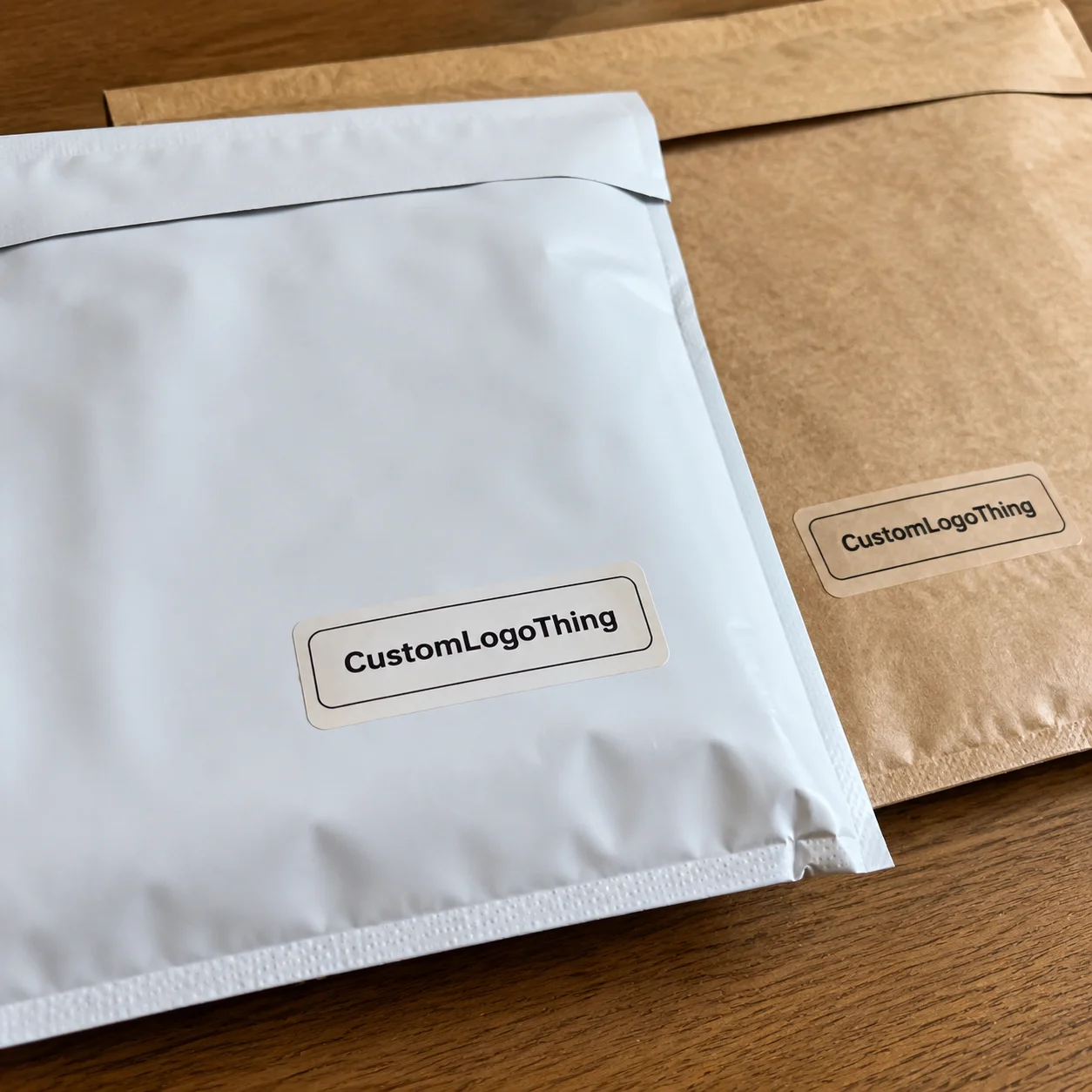
Think about a coffee shop handing out cookie boxes in plain kraft paperboard. Add a sharp logo sticker with the right finish and the package suddenly feels deliberate, giftable, and ready for the shelf or a social post. Same box, same product, very different impression.
That is the appeal of custom stickers Columbus Ohio buyers use for packaging. They give small and midsize brands a flexible way to improve presentation without the longer lead times, larger minimums, and higher setup costs tied to printed cartons or mailers. A run of 500 stickers can support a seasonal release. A roll of 10,000 labels can feed an ongoing production line.
They also solve versioning problems. One base package can cover multiple scents, flavors, or limited releases if the changing information lives on the sticker while the outer package stays the same. That approach is common in retail packaging because it keeps the look consistent while controlling inventory cost.
- Lower entry cost than fully printed packaging
- Faster updates for promotions, seasonal runs, or compliance changes
- Useful for sealing, branding, and SKU differentiation
- Easier to store than larger packaging components
The catch is simple: not every sticker will do every job. A paper sticker that looks great on a presentation board can fail quickly on a cold bottle. A permanent adhesive can tear paper fibers off a premium carton if clean removal matters. Good results come from matching the build to the use, not from picking the lowest price on a quote.
How custom stickers work from artwork to finished rolls or sheets
Most sticker orders follow a fairly direct path, but every step affects cost, timing, and performance. Orders for custom stickers Columbus Ohio businesses buy usually move through artwork review, size confirmation, material selection, proofing, printing, finishing, die cutting, packing, and shipment or pickup.
Artwork is the first checkpoint. File type, resolution, color mode, bleed, safe margins, and cut line setup all need to be checked before production starts. Vector files such as AI, EPS, or press-ready PDF are usually the cleanest choice for logos, text, and line art. Raster files can work, but 300 dpi at final size is the practical baseline for most jobs.
After that comes format. Buyers usually choose from four common outputs:
- Individually cut stickers for giveaways, event use, and handouts
- Kiss-cut sheets for small-batch hand application or multiple designs on one sheet
- Roll labels for higher volume, cleaner storage, and faster dispensing
- Transfer-style graphics for some decal and lettering applications
Print method shapes the economics. Digital printing fits short to medium runs, variable designs, and jobs where quick setup matters. It is often the most practical route for 250, 500, or 2,000 pieces. Flexographic printing and related press methods usually become more efficient on larger quantities or repeat orders where the artwork stays stable and plate cost can be spread over more units.
Then there is finishing. Gloss typically increases contrast and makes color feel more vivid. Matte cuts glare and often suits premium packaging better. Lamination adds a protective layer that helps with scuffing, hand oils, and abrasion. Some jobs also need a writable surface for date coding, lot numbers, or hand-applied inventory notes.
End use should drive all of it. A laptop sticker, a refrigerated sauce label, a corrugated case seal, and a cosmetic bottle label may all look similar at a glance, but they ask very different things from the facestock and adhesive. A design can look perfect on screen and still fail in use if nobody considered condensation, container curvature, or bond strength after 24 hours.
Practical callout: A proof confirms layout, color intent, and cut position. It does not confirm field performance on a cold, curved, dusty, or oily surface unless that use has been tested.
Material, adhesive, and finish choices that matter in real use
Material selection is where most sticker success or failure begins. Two printed samples can look almost identical on a desk and behave very differently once they are applied to a real package. Buyers comparing custom stickers Columbus Ohio options should sort out stock and adhesive before getting distracted by special effects.
Common facestock choices
Paper is the economy option for many indoor uses. It works well on dry cartons, paper bags, box seals, and promotional handouts where moisture is limited. Uncoated paper also accepts writing better than many film stocks. The tradeoff is durability. Paper scuffs more easily and tends to fail faster in wet or refrigerated conditions.
BOPP or polypropylene film is one of the most practical choices for jars, bottles, bath products, food containers, and refrigerated goods. It handles moisture well, resists oils better than paper, and prints cleanly. White, clear, and metallic versions are common. For many packaging programs, BOPP lands in the sweet spot between cost and performance.
Vinyl is usually chosen for stronger durability, outdoor exposure, and rougher handling. It makes sense for equipment decals, outdoor promotions, and longer-term branding pieces. For basic indoor packaging, though, vinyl can be more material than the job requires, which means paying for performance you may not need.
Textured and specialty papers can create a premium look on candles, gourmet foods, and boutique retail packaging. They photograph well and feel distinctive in hand. They are not always ideal for tiny ingredient panels, dense legal copy, or barcodes that need crisp contrast.
Adhesive choices in plain language
Permanent adhesive is the default for many packaging jobs. It suits glass, coated paperboard, and many common containers. Removable adhesive works better for temporary promotions or reusable packaging where clean peel matters. Freezer-grade adhesive helps in cold-chain conditions or cold application. High-tack adhesive is used for harder surfaces such as textured corrugated, rough uncoated stocks, or lower-energy plastics.
Surface type matters more than many buyers expect. Glass is usually straightforward. Corrugated can vary with coating, recycled content, surface dust, and texture. Plastic bottles should never be treated as one simple category. PET, HDPE, and PP behave differently, and a squeeze bottle needs more flex from the label construction than a rigid jar does.
Environmental conditions matter just as much: heat, cold, sunlight, abrasion, hand oils, and condensation. A sticker on a mailer only needs to survive packing and transit. A sticker on a cold beverage bottle has to hold through moisture and repeated handling. A tin sold at retail may need better scuff resistance than a box seal used once and discarded.
Finish choices are not only cosmetic. Gloss boosts saturation. Matte reduces glare and can feel more refined. Lamination adds protection and often preserves print quality during transport and shelf handling. Barcode scanning has its own demands, since glare, contrast, and quiet zones affect readability.
If the sticker needs to be written on, stamped, or marked after printing, say so early. Some varnishes and laminates reject ink from pens or stamp pads. A writable matte coating, or even an uncoated panel within the design, may be the better solution. The right answer depends on the coding method and how much rubbing that mark will need to survive.
For buyers with sustainability requirements, it helps to ask direct questions about stock, liner, and certification rather than assuming every paper option meets the same standard. If fiber sourcing matters, review options tied to FSC claims and confirm that the chosen material fits your procurement requirements.
Sticker pricing and quote factors buyers in Columbus should compare
Sticker pricing usually starts with six variables: size, quantity, material, print complexity, shape, and finish. Then you add format, adhesive type, and whether a custom die is required.
Unit economics are usually straightforward. Larger runs lower the per-piece cost because setup and press time are spread across more units. Short runs can still be efficient, especially on digital equipment, but the cost per sticker will be higher. A simple 2-inch round paper sticker on sheets may land around $0.06 to $0.18 each at 500 pieces, while a laminated BOPP roll label in a custom shape might fall around $0.04 to $0.12 each at 5,000 pieces. These are working ranges, not promises, and they shift with ink coverage, stock, and finishing.
White ink on clear film, metallic facestocks, soft-touch laminates, and specialty adhesives all raise cost. So do complex die lines that create excess waste or slow converting. Proof revisions can add time as well, especially if dimensions change after cut files have already been prepared.
| Sticker Type | Typical Use | Common Quantity Range | Estimated Unit Cost Range |
|---|---|---|---|
| Paper sheet stickers | Box seals, indoor promos, dry goods | 250-2,500 | $0.06-$0.18 |
| BOPP roll labels | Jars, bottles, refrigerated packaging | 1,000-10,000 | $0.04-$0.12 |
| Vinyl cut stickers | Giveaways, outdoor use, durable branding | 100-2,000 | $0.20-$0.90 |
| Specialty textured labels | Premium candles, gourmet items, boutique packaging | 500-5,000 | $0.10-$0.35 |
Minimum order quantities vary by stock and production method. Some jobs make more sense on sheets, especially at lower counts and for hand application. Rolls are usually the better fit for volume, dispenser use, or a more efficient packing workflow.
A useful quote request for custom stickers Columbus Ohio should include the details a printer actually needs:
- Final dimensions
- Quantity
- Shape and corner style
- Artwork file type
- Indoor, refrigerated, or outdoor use
- Surface being applied to
- Sheet, roll, or individually cut format
- Desired in-hand date
Compare total value, not just the unit price. Consistent color, correct adhesive performance, accurate die cutting, and a format that fits the packing line often matter more than shaving off a fraction of a cent per piece.
Process and lead time: what to expect before you need the stickers in hand
A standard sticker order usually moves through inquiry, quoting, file check, proof approval, printing, finishing, quality review, and shipping or pickup. For common materials and simple finishing, many jobs land in the 5 to 10 business day range after proof approval. More specialized work often takes 10 to 15 business days, and longer if custom dies or unusual stock are involved.
The biggest timeline variable many buyers control themselves is proof approval. If marketing, operations, and compliance all need to sign off, that time has to be built in. A comfortable production window can tighten fast when artwork sits for several days and then comes back with size changes or revised copy.
Material availability matters too. Standard white paper and white BOPP usually move faster than textured stocks, metallic films, or less common removable adhesives. Lamination, foil details, and other added finishing steps can extend turnaround. Custom shapes can do the same if tooling needs to be made or adjusted.
Rush jobs are often possible, but they usually involve tradeoffs. Faster service may narrow stock options, reduce finish choices, or limit the quantity that can be produced comfortably in the time available. It may also raise cost. If the sticker is part of a broader launch tied to printed cartons, inserts, or other packaging pieces, coordination matters just as much as press speed.
- Artwork revisions
- Color approval questions
- Application testing on the real package
- Transit time if shipping is involved
- A small cushion for damage or last-minute quantity changes
If the application is tricky, a small test batch is usually money well spent. That is especially true for refrigerated items, textured recycled board, squeeze bottles, and outdoor use. Testing costs far less than reprinting a full run that does not bond correctly. For packaging that has to survive distribution, broader shipping and handling guidance from ISTA can also help frame how labels and packaging components hold up in transit.
What should you look for in custom stickers Columbus Ohio?
If you want the short version, focus on four things first: the surface, the environment, the format, and the artwork. Those four factors decide most of the outcome.
Start with function. Is the sticker meant for branding, closure, ingredients, warning information, event giveaway use, or shelf identification? A logo seal on a bakery box and an ingredient label on a body scrub jar may be similar in size, but they need different constructions and different tolerances for moisture, scuffing, and readability.
Next, measure the actual application area. Take real dimensions from the panel, lid, bottle, or flap, and leave room for folds, curves, seams, and fingers during application. Readability matters here. Text that looks fine at 200% on screen can become frustratingly small on a 1.5-inch circle, especially once you add ingredients, a barcode, and a website.
Then match stock and adhesive to the real conditions. A dry box seal may only need paper. A jar that sweats with condensation is usually safer with BOPP. An outdoor giveaway sticker may justify vinyl. That practical fit is the core of ordering custom stickers Columbus Ohio companies can use without expensive surprises.
Finally, prepare clean artwork and review the proof carefully. Use proper bleed, keep critical text inside safe margins, and be careful with thin reverse type or tiny legal copy, especially on circles, ovals, or intricate die-cut shapes. If the stickers will be machine-applied or dispensed from a roll, confirm unwind direction. If staff will apply them by hand, make sure the format is actually convenient at the packing table.
If possible, test a sample on the real package and inspect it after 24 hours. Check for lift, wrinkles, edge curl, moisture effects, and scuffing. That single step answers more useful questions than a sample ring or mockup ever will.
Businesses balancing stickers with wider package branding work usually get better results when specs stay aligned across labels, mailers, and cartons. The sticker should feel like part of the packaging system, not a patch for a problem that should have been solved earlier.
Common sticker ordering mistakes and expert tips to avoid reprints
The most common mistakes are ordinary ones. Buyers choose paper for damp products, underestimate final size, approve text that is too small, or forget to think about how the sticker will actually be dispensed and applied.
Shape causes trouble more often than people expect. Intricate contours, narrow points, and deep notches can increase edge-lift risk and slow manual application. They may look impressive in a mockup, but they are not always friendly to converting or packing. Cleaner shapes usually apply faster and more consistently, especially on curved containers or textured boxes.
Color can be another trap. Screens are backlit and inconsistent. Printed color depends on the substrate, coating, press profile, and finish. A matte paper sticker and a gloss BOPP sticker can shift the same brand color in noticeably different directions. If color is critical, ask direct questions about proof limitations and how the chosen material may influence the result.
Compliance matters whenever a sticker functions as a product label. Barcode quiet zones, ingredient readability, warning language, lot-code space, and required product identity copy all need room to work. Good packaging design is not only attractive; it has to perform under real reading and scanning conditions.
- Go slightly larger than your first instinct if readability matters
- Keep die-cut shapes cleaner than the concept art suggests
- Match finish to handling, not just appearance
- Test adhesives on the actual surface, not a similar one
- Save a documented specification for repeat orders
That last habit is one of the most useful a buyer can build. Record facestock, adhesive, finish, size, orientation, format, and the approved art revision. Repeat orders move much more smoothly when the specification stays stable, and it makes troubleshooting easier if a material substitution ever becomes necessary.
Expert tip: If staff apply stickers by hand, ask for the format that best fits the workflow. A cheaper roll is not really cheaper if it slows packing, wastes labels, or leads to crooked placement every tenth unit.
Next steps: how to request, test, and reorder stickers with fewer surprises
If you are ready to order custom stickers Columbus Ohio businesses use every day, start with a complete inquiry instead of a vague price check. Include intended use, applied surface, environment, dimensions, quantity, artwork, preferred finish, and your in-hand date. That gives a printer enough information to recommend a build that fits the job instead of guessing from incomplete specs.
Ask for a proof and, if the surface is challenging, ask for application guidance as well. Textured recycled board, curved jars, cold bottles, oily containers, and rough mailers all deserve a little more attention. It also helps to organize internal approvals before the order goes live, especially if the sticker is part of a broader retail packaging or launch plan.
Once the first run arrives, evaluate it like an operator would. Does the adhesive hold after 24 hours? Does the finish resist scuffing? Is the text readable under normal light? Can staff apply the stickers efficiently and straight? Those are the questions that decide whether the job really worked.
Save your final specs and art files for reorders, including roll direction or sheet layout if either affects packing. Reorder consistency is not glamorous, but it is one of the easiest ways to keep packaging steady across batches and avoid avoidable surprises.
For brands that want a flexible path into stronger package branding, custom stickers Columbus Ohio buyers rely on are a practical tool. They can upgrade plain boxes, support short-run launches, simplify labeling, and sharpen presentation without forcing a full packaging overhaul. The real advantage comes from defining the job clearly, testing where needed, and ordering for the conditions the sticker will actually face.
Frequently Asked Questions
What types of custom stickers in Columbus are best for product packaging?
Paper works well for dry indoor packaging and lower-cost branding uses such as box seals or bag stickers. BOPP or polypropylene is usually a better choice for moisture resistance on jars, bottles, and refrigerated items. Vinyl is a stronger fit for outdoor use, rough handling, or longer-term durability. The adhesive matters just as much as the facestock, especially on corrugated board, glass, or plastic.
How much do custom sticker orders cost in Columbus, Ohio?
Pricing depends mainly on size, quantity, material, shape, finish, and format. Short runs usually cost more per piece, while larger runs bring the unit cost down. Custom shapes, lamination, white ink, and specialty adhesives can raise the quote. A solid estimate usually requires dimensions, quantity, intended use, surface type, and deadline.
What is the usual turnaround time for custom sticker printing near Columbus Ohio?
Turnaround includes quoting, artwork review, proof approval, printing, finishing, and shipping or pickup. Standard jobs with common stocks and simple finishes often move faster than specialty work. Proof delays, unusual materials, custom dies, and added lamination are common reasons timelines stretch. Rush service may be available, but it can limit options or increase cost.
Should I order sticker sheets, rolls, or individually cut custom stickers?
Sheets are convenient for small-batch hand use and multiple designs. Rolls are more efficient for higher volumes and faster application, especially if you use a dispenser. Individually cut stickers work well for giveaways, event handouts, and promotional use. The best format depends on how the stickers will be stored, dispensed, and applied.
How can I make sure my custom stickers apply cleanly and stay on?
Match the adhesive to the real surface, whether that is corrugated board, glass, plastic, or metal. Test the sticker on the actual package under normal temperature and moisture conditions. Avoid overly intricate shapes if fast hand application matters. Review proof orientation, bleed, and final size carefully before approving the full run.