Two stickers can look identical on day one. Then one survives a dishwasher cycle, a rainy delivery route, or a week inside a crowded merch box. The other curls at the edge and makes everyone regret saving three cents. This Custom Vinyl Stickers product info and reviews guide is for buyers comparing real performance, not glossy mockups or suspiciously perfect sample photos.
Quick Answer: Custom Vinyl Stickers Product Info and Reviews
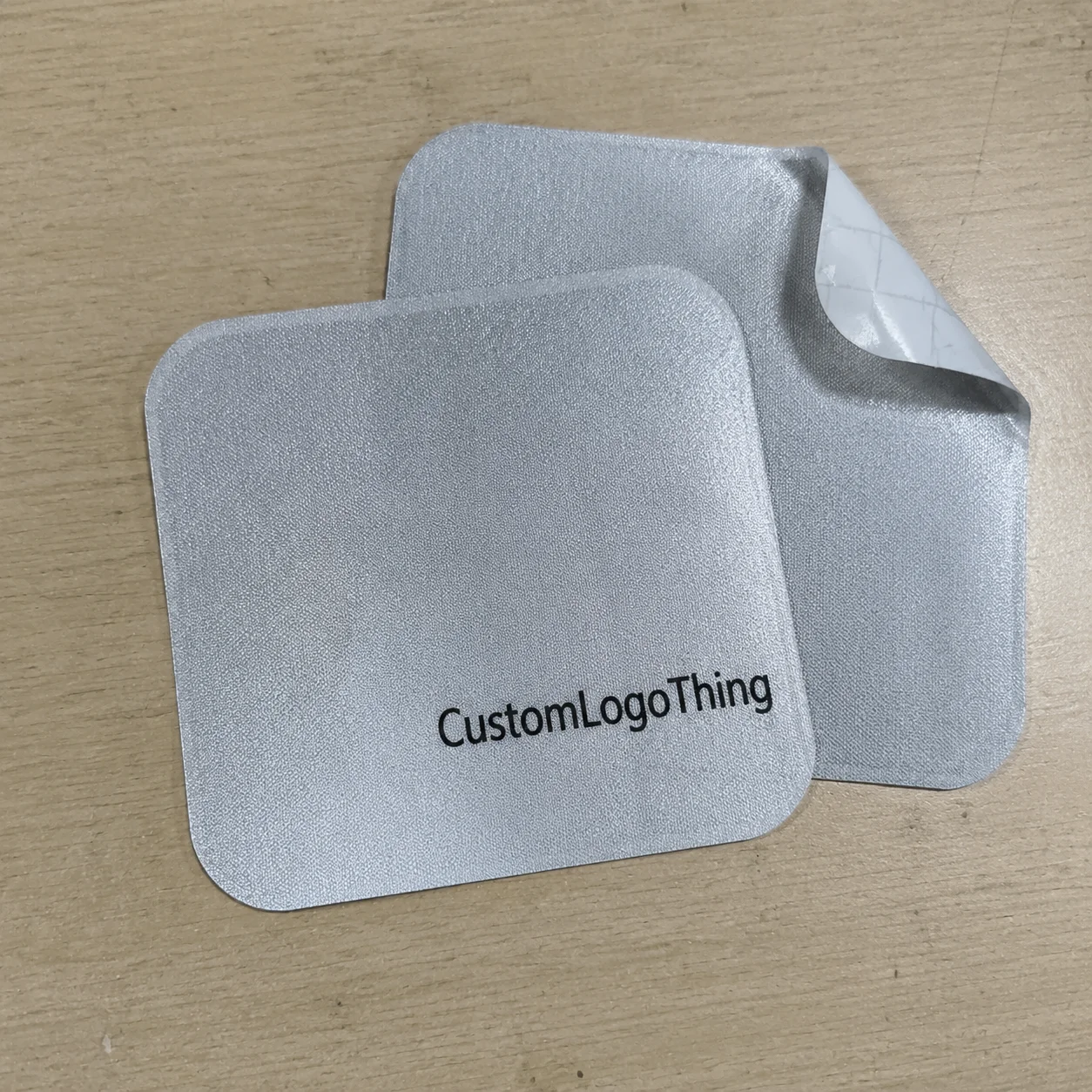
The best all-around choice for most brands is a white vinyl sticker with permanent adhesive, UV-resistant print, clean die-cut or kiss-cut edges, and a laminate matched to the job. Nothing exotic. Just a dependable construction for merch packs, bottle labels, retail packaging inserts, custom printed boxes, and small promotional runs where the sticker needs to look sharp and survive normal handling.
Most buyers spend too much time staring at the front graphic and not enough time checking the build. Face film, adhesive, ink, laminate, cut quality, liner release, and packing all matter. A 3-inch sticker printed on 3 to 4 mil vinyl with a 1 to 2 mil laminate usually feels more substantial than a thin unlaminated decal, especially after someone bends it, peels it, or sticks it on a curved bottle.
Matte, gloss, clear, holographic, and removable vinyl each have a job. Matte vinyl lowers glare and photographs cleanly, so it works well for premium package branding and minimalist graphics. Gloss gives stronger color pop for event giveaways, kids’ products, sports graphics, and bold retail launches. Clear vinyl can look almost printed-on when applied to glass, clear bottles, or coated product packaging, although adhesive edges may still show from certain angles. Holographic stock is useful for limited drops and novelty inserts, but it can make fine text harder to read. Removable vinyl is better for temporary promos, seasonal shelf labels, event badges, and surfaces that should not be marked permanently.
Fast buying shortcut: decide where the sticker will live, how long it must last, and whether brand color accuracy matters more than the lowest unit cost.
The first question should not be, “What is your cheapest 3-inch sticker?” Ask whether the material, adhesive, and finish will behave properly on the actual surface for the expected life of the promotion. A laptop decal and a cold-fill beverage label do not have the same job. Pretending they do is how weak specs sneak into real orders.
Top Vinyl Sticker Options Compared by Use Case
Sticker format changes the customer experience. A die-cut vinyl sticker feels like a finished branded object. A kiss-cut sticker sheet is easier to peel and better for multi-design packs. A clear sticker can disappear into glass if the artwork is planned with white ink. A removable decal protects many smooth surfaces but will not grip like permanent adhesive.
| Sticker Option | Best Use | Strengths | Tradeoffs |
|---|---|---|---|
| Die-cut white vinyl | Premium handouts, merch packs, package inserts | Clean shape, strong perceived value, durable finish | Thin details and sharp inside corners can be harder to cut cleanly |
| Kiss-cut sticker sheets | Subscription boxes, small art sets, multi-logo packs | Easy peeling, multiple designs on one liner, good for small stickers | Sheet layout affects cost and waste |
| Clear vinyl stickers | Glass jars, bottles, windows, clear pouches | Printed-on look, lets the surface show through | Adhesive edges can show; white ink planning is critical |
| Matte laminated stickers | Premium retail packaging, minimalist branding | Soft feel, lower glare, refined appearance | Can slightly mute bright colors |
| Gloss laminated stickers | Bold graphics, events, youth brands, colorful launches | High saturation, strong shine, quick visual punch | More glare in photos and under store lighting |
| Holographic vinyl | Limited editions, novelty drops, attention-driven promos | High shelf appeal, premium flash, strong giveaway value | Fine type and low-contrast art can be harder to read |
| Removable vinyl decals | Temporary campaigns, event signage, short-term labels | Cleaner removal on many smooth surfaces | Lower long-term grip than permanent adhesive |
For retail packaging, a matte or gloss laminated white vinyl die-cut usually feels the most controlled. It gives the artwork a stable background, predictable color, and a clean edge. For events, small-batch launches, and subscription-box inserts, kiss-cut sheets often deliver better perceived value because the customer receives several stickers instead of one larger piece.
Clear and holographic materials are not automatic upgrades. Clear vinyl needs a proper white ink underbase behind light colors, or the artwork can disappear on dark glass, amber bottles, or busy printed pouches. Holographic material catches attention, but it can fight QR codes, thin scripts, fine borders, and dense ingredient-style text. The flash is the point. Sometimes it is also the problem.
For product labels, confirm whether the sticker has to carry required information or only brand decoration. A small decorative logo can tolerate more visual drama. A warning label, ingredient panel, batch code, or scan code needs boring things like contrast, clean type, and stable placement. Boring is underrated when the customer actually needs to read it.
Detailed Reviews: Materials, Finish, Adhesive, and Print Quality
A vinyl sticker is a stack, not one magic material. The face film, adhesive layer, print method, laminate, cut path, liner, and packing method all affect the finished result. A good file can still become a disappointing sticker if the adhesive is wrong for the surface or the laminate changes the design more than expected.
Durable vinyl generally beats paper stickers for water resistance, flexibility, tear resistance, and outdoor handling. White PVC or similar flexible films are common for general sticker work, often around 3 to 4 mil before lamination. Add a laminate and the sticker may finish closer to 4 to 6 mil total thickness, depending on construction. That extra body can make the sticker feel better in hand and protect the print from scuffs.
Paper still has a place. It can be the better choice for low-cost indoor labels, short-life shipping inserts, kraft-style packaging, handwritten price marks, and applications where texture matters more than water exposure. If a supplier pushes vinyl for every possible use, ask why. Sometimes vinyl is right. Sometimes it is just the more expensive default.
Adhesive behavior is where many orders succeed or fail. Permanent adhesive builds stronger bond over time, often reaching a more stable hold after 24 hours. Removable adhesive is designed for cleaner release, but it may lift sooner on textured board, dusty surfaces, oily plastics, cold containers, or tight curves. Repositionable decals can feel forgiving during placement. That does not mean they are built for rain, abrasion, or months on a water bottle.
Surface prep sounds dull because it is. It also matters. Wipe glass, metal, and smooth plastic before testing. Avoid applying stickers to condensation, oils, powder coatings with heavy texture, or cold-filled containers unless the material is specified for that use. A sticker that bonds beautifully to a laptop can fail on a chilled juice bottle because moisture and temperature change adhesive contact.
Print quality deserves the same hard look. On clear or holographic stock, white ink controls opacity and readability. Without it, pale colors turn weak. Fine-line readability depends on artwork resolution, ink spread, registration, and laminate choice. Matte laminate can make a mark feel more premium but may soften dense black or neon color. Gloss laminate sharpens saturation but adds reflection.
Color matching has limits. Digital sticker printing can get close to many brand colors, but fluorescent tones, metallic spot colors, and exact Pantone targets may not reproduce perfectly on every material. Laminate changes perception too. A color approved on a screen is not approved in real life. Check a printed proof or sample if the brand color is sensitive.
For durability language, buyers can review testing concepts from groups such as ISTA, especially if stickers are part of a shipping or distribution program. You do not need a laboratory for every small order, but you do need a repeatable way to compare samples.
- Bend a corner: check whether the ink or laminate cracks under normal flex.
- Rub the face: use a dry thumb first, then a damp cloth, and watch for scuffing.
- Test the real surface: apply to the actual bottle, box, pouch, jar, or mailer.
- Add water exposure: splash, wipe, or soak based on how customers will use it.
- Check after 24 hours: inspect edge lift, curl, bubbles, and peel resistance.
That kind of sample review tells you more than a supplier photo. It turns Custom Vinyl Stickers product info and reviews into a buying tool instead of another tab in the research pile.
Pricing, Unit Cost, and MOQ Tradeoffs Buyers Should Know
Sticker pricing is driven by size, shape complexity, material, laminate, ink coverage, order quantity, artwork prep, proofing, packing, and shipping requirements. Vinyl is only one part of the cost. A simple 2-inch round white vinyl sticker is easier to quote and produce than a 4-inch holographic die-cut shape with tight internal curves, white ink mapping, and individual retail bagging.
Small orders carry setup and handling weight. Preflight, proofing, machine setup, material staging, cutting, quality checks, and packing take time whether the order is 100 pieces or 10,000 pieces. Larger runs spread those fixed steps across more units. That is why a 100-piece test batch can feel expensive per sticker, while 1,000 or 5,000 pieces may drop sharply per unit.
| Order Scenario | Typical Cost Behavior | Buyer Note |
|---|---|---|
| 100 to 250 standard stickers | Higher unit cost due to setup and handling | Good for testing artwork, adhesive, and finish |
| 500 to 1,000 standard stickers | Often a better balance of cost and inventory | Useful for events, launch packs, and first retail runs |
| 2,500 to 5,000 standard stickers | Lower unit cost if the design will stay current | Check storage, campaign timing, and brand changes first |
| Clear, holographic, or specialty finish | Usually costs more than standard white vinyl | Budget for proofing and sample review |
| Individual bagging or retail packing | Adds labor and material cost | Worth it for resale packs or premium kits |
As a broad planning range, simple custom vinyl stickers can land around $0.18 to $0.45 each at mid-size quantities. Small batches, larger dimensions, specialty films, complex cuts, white ink, rush timelines, or added packing can push the price higher. Treat that range as a planning number, not a quote. Supplier location, material availability, freight, and artwork condition can move the final price fast.
The cheapest per-sticker quote is not always the best buy. Excess inventory ties up cash, takes storage space, and becomes a problem if your logo, ingredients, URL, campaign message, or compliance text changes. For brands building product packaging or Custom Labels & Tags, a smaller first run can protect the launch while the team confirms color, adhesion, and customer response.
Minimum order quantity deserves a practical look. A supplier with a low MOQ may charge more per piece but reduce waste during testing. A supplier with a higher MOQ may be better for established repeat orders. If the artwork is seasonal, compliance-sensitive, or tied to a launch date that may shift, do not overbuy just because the unit cost looks pretty in a spreadsheet.
Ask for a quote with exact size, quantity tiers, material, finish, cut type, intended surface, indoor or outdoor use, proof requirements, shipping timeline, and retail packing needs. Keep those variables identical across suppliers. Otherwise, the price comparison is muddy, and muddy comparisons are where bad buying decisions breed.
Process and Timeline from Artwork Proof to Finished Stickers
A clean ordering process usually starts with artwork submission, then preflight, digital proof, proof approval, material staging, printing, lamination, cutting, weeding if needed, quality check, packing, and shipping. Each step can be simple. Each step can also add delay if the file or specification is unclear.
The timing risk many buyers miss is production lead time. It usually starts after proof approval, not when the inquiry is sent or the artwork is uploaded. If a supplier quotes 5 to 8 business days for production and the proof sits in an inbox for three days, the calendar moves. Shipping time sits on top unless the quote says otherwise.
Several issues slow sticker orders. Low-resolution files print soft. Missing cut lines force the art team to guess the shape. Unclear white ink areas on clear or holographic vinyl create proof revisions. Pantone-sensitive brand colors may need extra review because CMYK or digital ink sets do not always match spot colors perfectly. Last-minute size changes can affect cost, sheet layout, cut paths, and packing count.
Vector artwork is best for logos because it scales cleanly and supports accurate cut contours. High-resolution raster art can work well for illustrations if supplied at final size, commonly 300 dpi for print-quality output. Fonts should be outlined, images embedded, and cut paths clearly marked as a separate contour. If white ink is needed, label it plainly. Guesswork costs time.
- Confirm final size and quantity before proofing.
- Send vector logo files when available.
- Mark cut contour and white ink areas clearly.
- Review the proof at actual size, not only zoomed in.
- Approve quickly, or ask for one clear revision list.
- Build shipping time and sample testing into the launch calendar.
Proofs need careful reading. Check the cut line, bleed, safe area, spelling, QR code position, white ink callouts, and finished size. Also check orientation if the sticker will be applied to jars, bottles, or boxes by hand. A design can look centered in a flat proof and still feel wrong on a curved container.
For a new material or a sticker that will touch glass, coated paperboard, cold-fill containers, flexible pouches, or textured packaging, order samples early. A pilot batch of 50 to 250 pieces can prevent a 5,000-piece mistake. If the sticker is part of a broader branded packaging program, compare it against boxes, tissue, inserts, and Custom Packaging Products under the same lighting a customer will see.
How to Choose the Right Sticker for Your Product or Promotion
Match the sticker to the job. The best sticker for a water bottle is not automatically the best sticker for a candle jar, mailer box, event badge, or paper shopping bag. A bottle sticker may need water resistance, curved-surface adhesion, and scuff protection. A candle jar may need clean removal or heat awareness near the container. A mailer box insert may need strong brand color and a pleasant peel more than outdoor durability.
Start with the surface. Smooth glass, powder-coated metal, coated paperboard, uncoated kraft board, flexible plastic pouches, and textured mailers all behave differently. Then define exposure: indoor or outdoor, wet or dry, hot or cold, handled once or handled daily. After that, decide whether the sticker is decorative, informational, or functional. A decorative merch sticker can be bolder. An informational label needs legibility first.
Finish selection should follow brand tone and use case. Matte feels refined, reduces glare, and suits premium packaging design. Gloss boosts saturation and helps bright colors jump from the surface. Clear vinyl creates a printed-on look when the surface is part of the design. Specialty films, including holographic or metallic effects, draw attention but can reduce legibility if the art has small type, thin lines, or low contrast.
Size and shape deserve restraint. Tiny type under 5 or 6 points can become hard to read after printing, especially on textured or reflective stock. Sharp inside corners may create weak points during cutting or peeling. Very thin arms, spikes, and narrow script shapes can lift or tear more easily than rounded forms. If a sticker needs to be peeled by hand at an event booth, leave enough liner or kiss-cut margin for a clean grip.
For product packaging and retail packaging, the sticker should support the whole package rather than compete with it. A matte black box may pair well with a gloss white vinyl seal. A bright pouch may need a clear label with white ink to preserve the design. A kraft mailer may look better with paper-based labeling if water resistance is not needed.
Sustainability claims need careful handling. Vinyl is durable, which is useful, but it is not automatically the most environmentally friendly option. Paper labels, recyclable packaging systems, reduced material use, and shorter-life applications may point toward a different spec. Buyers can review broader environmental language through resources such as the EPA recycling guidance, then avoid making claims the material cannot support.
Use product reviews to narrow the field, then run your own small test. Peel it. Stick it. Rub it. Wet it. Chill it if the product is cold-filled. Let it sit at least 24 hours before judging final adhesion. Adhesives need contact time, and impatience is not a testing method.
Recommendation Before You Order
For most brands, the safest first order is a standard white vinyl die-cut or kiss-cut sticker with a matched matte or gloss laminate. It balances appearance, durability, and cost control. White vinyl gives predictable color, the laminate protects the print, and the cut format can be chosen around the customer experience: die-cut for premium handouts, kiss-cut for easy peeling or multi-sticker sheets.
Choose clear vinyl only when the application surface is part of the design. Use removable vinyl for temporary placement where clean removal matters more than long-term grip. Pick holographic or specialty vinyl when attention value is the goal and subtle brand presentation is less critical. That can be perfect for limited drops, creator merch, youth-oriented promotions, or event kits. It is not always the right look for quiet luxury or ingredient-heavy product labels.
- Choose the real surface: bottle, jar, laptop, mailer, pouch, box, window, or event material.
- Measure the usable area: leave room for curves, seams, folds, and handling zones.
- Pick two finish candidates: matte versus gloss is often the most useful first test.
- Prepare print-ready artwork: vector logo, outlined fonts, embedded images, and marked cut contour.
- Request quantity-tier pricing: compare a pilot batch, launch quantity, and replenishment run.
- Ask for a proof: check size, cut line, color expectations, white ink, and delivery schedule.
Test samples the same way customers will use them. If the sticker is for a bottle, wet it and grip it. If it is for a mailer, rub it against corrugated board and packing tissue. If it is for a candle jar, check the curve and label edge after a day. If it will ride inside custom printed boxes, confirm the finish does not scuff against inserts or other items during packing.
Custom Logo Things can help buyers think through sticker format as part of a larger package branding system, from promotional decals to coordinated labels, tags, inserts, and packaging components. The right sticker should not feel like an afterthought. It should feel like it belongs with the product.
Final advice from a packaging buyer’s point of view: custom vinyl Stickers Product Info and Reviews are useful only when paired with your own surface test, target budget, and realistic launch timeline. Spec the sticker for the job it has to do. Then make the artwork look good inside those limits.
Frequently Asked Questions
What should I look for in custom vinyl sticker reviews before ordering?
Look for comments on adhesive strength, water resistance, edge quality, print sharpness, laminate feel, color accuracy, and real surface testing. Reviews are more useful when they mention the same use case as yours, such as bottles, laptops, retail packaging, outdoor gear, or event giveaways.
Are custom vinyl stickers waterproof or just water-resistant?
Quality vinyl stickers with suitable ink and laminate are generally water-resistant and can handle splashes, rain, and light washing. Performance still depends on adhesive, surface prep, exposure time, and application conditions. For bottles, jars, or outdoor use, test samples on the actual surface before placing a full production order.
How much do custom vinyl stickers usually cost per unit?
Unit cost depends on size, quantity, material, finish, cut shape, artwork complexity, and packing method. Simple mid-size orders may fall around $0.18 to $0.45 per sticker, while specialty films, small batches, rush work, or retail packing can cost more. Ask for tiered pricing so you can compare a test batch against a production run.
What is the normal turnaround time for custom vinyl stickers?
Turnaround depends on proof approval, material availability, print queue, finishing complexity, quality checks, and shipping method. Plan as if the production timeline starts after proof approval, then add buffer time for shipping and sample testing.
Which custom vinyl sticker finish is best for product packaging?
Matte vinyl often looks refined on premium packaging, gloss works well for bright retail color, and clear vinyl is useful when the package surface should show through the design. Choose the finish by testing it on the actual box, pouch, jar, bottle, or mailer instead of judging only from a digital mockup.