Custom Mailer Boxes USA: What Buyers Really Need to Know
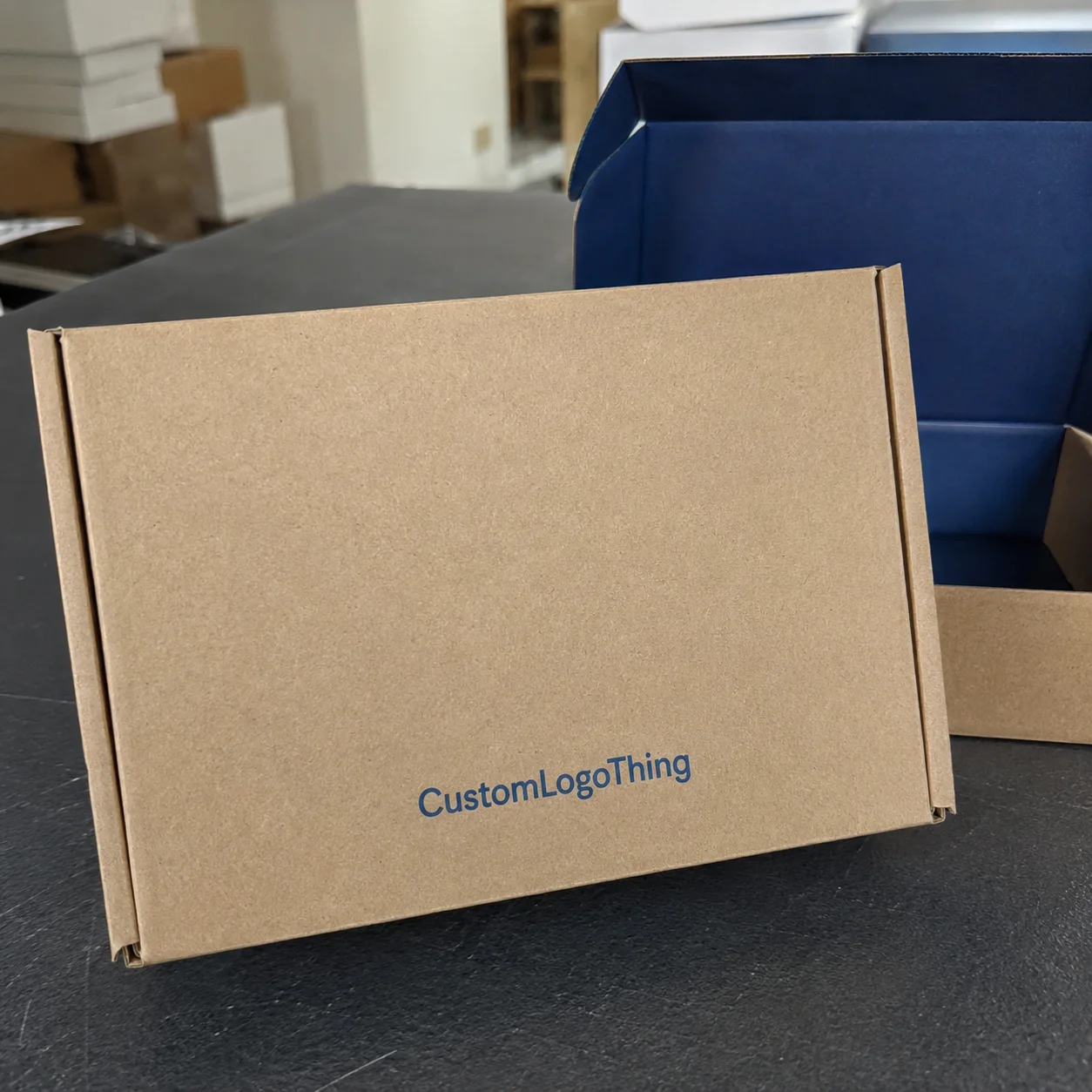
A small ecommerce brand can save three cents on a plain shipper, then lose $7 on a replacement order after a candle arrives with a crushed corner. That is the quiet math behind packaging. Custom Mailer Boxes USA are not just branded cartons; they are shipping protection, shelf presentation, and customer experience folded into one structure.
Most mailer boxes use corrugated board, often E-flute for a cleaner ecommerce look or B-flute for slightly tougher parcel handling. The typical style folds into a self-locking shipper with front tuck flaps, side walls, dust flaps, and locking tabs. Many close without tape, although fulfillment teams may still add a wafer seal, label, or strip of tape for tamper evidence and carrier handling.
The difference matters. A mailer box protects and presents in the same package. A shipping carton is usually a plainer outer box. A product box sits directly around the item and may still need a shipper. A subscription box is often a mailer, but with more attention to internal layout, inserts, printed messaging, and repeat-order consistency.
Packaging costs look small on a spreadsheet. A $0.42 box versus a $0.58 box seems like a simple purchasing decision. But box size, board grade, print method, packing labor, storage space, and damage rate can quietly change the margin on every order. If the box is too large, dimensional-weight charges may rise. If the board is too weak, returns rise. If the unboxing feels generic or messy, retention may suffer.
Common use cases include cosmetics, apparel, candles, supplements, tech accessories, influencer kits, sample packs, books, and subscription orders. For many of these categories, the package is the first physical touchpoint after checkout. That makes branded packaging less like decoration and more like risk control with a marketing function attached.
How Mailer Box Structure, Board Grade, and Printing Work Together
A mailer box looks simple until you flatten it. The basic anatomy includes a front tuck flap, dust flaps, side walls, locking tabs, score lines, and rollover edges. Those rollover edges matter. They improve compression strength, hide raw board edges, and give the opening experience a more finished retail feel.
E-flute, typically around 1/16 inch thick, is popular for polished ecommerce packaging because it prints well and folds cleanly. B-flute, closer to 1/8 inch thick, is often selected for heavier goods or shipments that face rougher handling. Some suppliers may recommend double-wall board for unusually heavy or fragile kits. That is not always the right answer. Overbuilding adds material cost, bulk, storage volume, and sometimes higher freight.
Board grade matters more than the product photo suggests. Two Custom Printed Boxes can look nearly identical online, yet behave differently under stacking pressure in a warehouse or during parcel sorting. Standards such as ISTA transit testing help packaging teams evaluate drops, vibration, compression, and distribution stress rather than judging the box only by surface appearance.
Printing choices change both cost and outcome. Flexographic printing is efficient for simple graphics, one-color logos, and kraft-style mailers. Digital printing suits lower runs, frequent artwork changes, or launch tests where the brand does not want to commit to plates. Litho-lamination is usually the premium route for retail-style visuals, photo-quality graphics, and heavy ink coverage, but the economics tend to improve at higher quantities.
Finishes add another decision point. Matte coating can feel restrained and premium. Gloss can make colors pop. Soft-touch lamination feels expensive in the hand, but dark soft-touch surfaces may show scuffs more easily during fulfillment. Spot UV can highlight a logo or pattern. Aqueous coating is common for scuff resistance and print protection. Ask how the finish behaves after stacking, packing, and courier movement, not just how it looks on a sample table.
Inside printing and inserts deserve practical attention. A QR code can lead to care instructions. A short return note can reduce customer service tickets. Inserts, dividers, and compartments stabilize products, especially glass jars, dropper bottles, electronics, and mixed-SKU kits.
Structure should be designed around the product first. Branding comes after. A beautiful oversized box still creates waste, extra void fill, and higher shipping costs.
Key Specs to Decide Before You Ask for a Quote
Start with dimensions. Measure the product in length, width, and depth, then add only the clearance needed for tissue, inserts, padding, or multiple-item packing. Do not copy a competitor’s packaging. Their SKU mix, carrier rates, packing method, and return tolerance may be completely different from yours.
Weight and fragility come next. A 6-ounce hoodie and a 6-ounce glass jar stress a box differently. A tech accessory kit may need compartments so cables do not scratch a device. A candle may need corner protection because glass and wax concentrate weight in a compact shape. If your products ship through parcel networks, assume drops, stacking, conveyor movement, and seasonal carrier pressure.
Quantity deserves the same discipline. Do you need 500 boxes for a product launch, 2,500 for a quarter, or 10,000 for a predictable subscription program? Lower unit cost is tempting, but inventory ties up cash and storage. Seasonal artwork can age quickly. A box with an old tagline, discontinued SKU bundle, or outdated QR code becomes expensive even if the unit price looked good.
Before requesting pricing for custom mailer boxes USA, prepare the print decisions: exterior-only or inside-outside printing, number of colors, artwork coverage, logo placement, brand color accuracy, and finish preference. If Pantone matching matters, say so early. If “close enough” is acceptable for a test run, that may open up more economical print options.
Sustainability specs should be specific rather than aspirational. Ask about recycled content, curbside recyclability, water-based or soy-based inks, recyclable coatings, and right-sized construction. FSC-certified paper sourcing can also be relevant for brands that report on responsible materials; the Forest Stewardship Council explains how chain-of-custody certification works across paper-based supply chains.
A dieline is the flat blueprint of the box. It shows panels, cuts, folds, glue areas, bleed, and safety zones. Artwork should not be placed until the dieline is accurate. Also prepare the shipping destination, desired deadline, product samples if available, and any carrier or warehouse requirements. Better inputs produce tighter estimates and fewer revisions.
Cost, Pricing, MOQ, and Unit Cost Tradeoffs
Mailer box pricing is driven by size, board type, print method, ink coverage, coatings, order quantity, tooling, inserts, freight, and proofing requirements. A small kraft mailer with one-color flexo printing may be far cheaper than a full-color, inside-outside printed box with soft-touch coating and a custom insert.
For rough planning, simple custom printed boxes in moderate quantities may fall around $0.60 to $1.50 per unit, while premium small-batch mailers can run $2.00 to $4.00 or more. Larger sizes, heavy coverage, specialty finishes, and inserts push costs higher. These are planning ranges, not guaranteed quotes, because board markets, freight, labor, and production methods shift the math.
Buyer’s rule: the cheapest box unit price is not always the cheapest shipped order. Add freight, void fill, storage, packing time, and expected damage before comparing quotes.
MOQ, or minimum order quantity, depends on the print process and supplier setup. Digital printing may support lower runs such as 100 to 500 units. Offset or litho-laminated mailer boxes may make more sense at 1,000, 2,500, or 5,000 units because setup costs spread across more pieces. Higher quantities usually reduce unit cost, but they also require storage and cash.
Ask for quote tiers. A useful request might compare 500, 1,000, 2,500, and 5,000 units. Sometimes the meaningful break happens at 2,500. Sometimes it barely moves after 1,000 because the size, board, or finish dominates the cost. Numbers beat assumptions.
| Option | Best For | Typical Strength | Cost Behavior |
|---|---|---|---|
| Kraft E-flute with one-color print | Launches, apparel, simple product packaging | Light to moderate parcel shipments | Lower setup, efficient at modest quantities |
| Full-color digital mailer | Short runs, seasonal designs, test campaigns | Depends on board grade selected | Higher unit cost, lower commitment |
| Litho-laminated full-color mailer | Premium kits, influencer boxes, retail-style presentation | Strong visual quality with board options | Better economics at higher quantities |
| Mailer with custom insert | Glass, cosmetics, electronics, multi-SKU sets | Improved stabilization and presentation | Added tooling, assembly, and material cost |
Watch for one-time or semi-hidden costs: dieline setup, cutting dies, plate charges, pre-production samples, rush fees, split shipments, and artwork adjustments. Domestic sourcing can help with communication speed, shorter shipping lanes, proof review, and schedule changes. That is one reason many buyers search for custom mailer boxes USA instead of defaulting to the lowest offshore quote.
Process and Timeline From Artwork to Delivered Boxes
The typical path runs like this: discovery, size confirmation, dieline creation, artwork placement, proof approval, sampling if needed, production, quality checks, packing, and delivery. Each stage can be straightforward. Each can also stall if information arrives late.
A simple one-color mailer may move much faster than a fully printed inside-outside box with inserts and premium coating. For domestic production, buyers often see production windows around 10 to 20 business days after proof approval for standard jobs. More complex orders can take longer, especially if sampling, die work, specialty finishing, or high-volume scheduling is involved. Confirm the current timeline before planning a launch around it.
Proofing is not a formality. A digital proof checks layout, copy, panel orientation, bleed, barcode position, QR code placement, and basic color notes. A physical sample helps evaluate board feel, sizing, assembly, product fit, color expectations, and unboxing sequence. If the package protects a fragile product or supports a premium campaign, sampling is cheap compared with a failed run.
The biggest timeline bottlenecks are familiar: late artwork, unclear dimensions, brand color revisions, missing product samples, delayed proof approval, and rush-season capacity. Freight can add uncertainty even after production is complete, especially for palletized orders or shipments moving across several zones.
Ask the supplier for a written schedule with approval deadlines, not only a broad production estimate. For example: dieline by Tuesday, artwork due Friday, proof approval by the following Monday, production starts after approval, delivery estimate after quality check. Specific dates create accountability. They also show where your own team can create delays.
If you are ordering mailer boxes for subscription drops, retail pitches, influencer campaigns, or holiday promotions, build a buffer. Packaging should not be the part of the launch solved three days before fulfillment.
Step-by-Step Guide to Ordering Custom Mailer Packaging
- Measure the product. Record length, width, depth, and weight. Decide whether the packout needs tissue, dividers, molded pulp, paper fill, or room for multiple SKUs.
- Choose the mailer style and board strength. Match the structure to product weight, presentation goals, warehouse handling, and parcel conditions.
- Request a dieline. If you are unsure about sizing, ask the manufacturer to recommend dimensions after reviewing product details, photos, or samples.
- Build artwork around the customer experience. Think through outside branding, inside message, QR code, return instructions, compliance copy, and what the customer sees first.
- Review the proof slowly. Check panel orientation, spelling, barcode placement, bleed, fold lines, glue areas, logo position, and color notes. Zoom in. Print a copy if that helps your team catch layout problems.
- Approve a sample when risk is high. Sampling is useful for fragile items, premium unboxing, exact fit, color-sensitive branding, or new structures. Skip it only when the risk is low and timeline pressure is real.
- Place the production order. Confirm ship-to details, quantity, schedule, freight handling, carton packing, and storage space before the boxes arrive.
- Test pack several orders after delivery. Time the assembly, check fit, photograph the unboxing, and document improvements for the next run.
For buyers building a full packaging system, it may help to compare mailer boxes with other Custom Packaging Products, especially if the product needs both a retail-ready inner box and a protective outer shipper. Lightweight apparel brands may also compare rigid mailers with Custom Poly Mailers when protection requirements are low and shipping weight is the main concern.
Many brands overdesign the first run. Start with two or three well-sized boxes, not six. Use fulfillment data, customer comments, and damage reports to refine the next order. Custom mailer boxes USA work best when the first run creates useful evidence, not just attractive photos.
Common Mistakes That Make Mailer Boxes More Expensive
The first mistake is ordering too large. Oversized boxes increase corrugated material, filler, shipping weight, and dimensional-weight exposure. A one-inch increase in each direction may not sound dramatic, but multiplied across 2,500 shipments, it can change freight and storage costs noticeably.
The second mistake is focusing on print before structure. A mailer can photograph beautifully and still fail in transit. If side walls collapse, tabs pop open, or the product rattles, the print quality will not rescue the customer experience.
The third mistake is choosing premium finishes without considering handling. Dark matte and soft-touch surfaces can show scuffs, fingerprints, and rub marks more visibly than lighter or coated options. That does not make them bad choices. It means the buyer should request samples and ask how the finish performs after packing and shipping.
The fourth mistake is ignoring assembly time. If a fulfillment worker spends an extra 12 seconds wrestling with each box, that is more than eight labor hours across 2,500 orders. Subscription kits and high-volume ecommerce programs should test pack speed before approving a structure.
The fifth mistake is using one box size for too many products. Simplifying inventory has value, but a poor fit for your best-selling SKU can raise filler use, damage risk, and customer frustration. The best box system usually balances simplicity with fit.
The sixth mistake is approving artwork without checking fold direction and opening sequence. Interior panels can end up upside down. QR codes can land under a flap. Key branding can appear after the customer has already removed the product. Good package branding follows the customer’s hands, not just the flat dieline.
The seventh mistake is waiting until inventory is nearly gone to reorder. Leave room for proofing, production changes, freight delays, and quality review. Reorders should use lessons from the previous run: damage rate, packing time, customer comments, and shipping charges.
Next Steps Before You Contact a Box Manufacturer
Before contacting a manufacturer, build a simple packaging brief. It does not need to be fancy. It does need to be specific. Include product dimensions, product weight, target quantity range, delivery location, desired launch date, print preference, finish preference, sustainability requirements, and product protection concerns.
- Product data: item dimensions, packed weight, fragility, SKU count, and whether the order ships alone or with other items.
- Order data: estimated quantity, reorder rhythm, launch date, storage limits, and delivery address.
- Design data: dieline status, logo files, brand colors, print coverage, inside printing, QR codes, and compliance text.
- Performance data: carrier method, expected handling, return history, damage rate, and packout requirements.
- Sustainability data: recycled content goals, recyclability needs, coating preferences, and insert reduction targets.
Photos or product samples are useful when dimensions are unusual, the product is fragile, or the unboxing sequence matters. A supplier can make better structural recommendations after seeing the item, not just reading “small jar” or “premium kit” in an email.
Ask direct questions: What board grade do you recommend? Is a sample available? What affects lead time? Are freight and setup included? Which print method fits my quantity? Will the coating hold up during fulfillment? Can the box be recycled in normal paper streams? Specific questions get specific answers.
For the first run, choose two or three box sizes at most. Then track post-launch data: damage rate, customer comments, packing time, return reasons, and whether the box size affected shipping charges. That feedback turns packaging from a design expense into an operating decision.
If you are ready to price custom mailer boxes USA, gather the specs, compare quote tiers, and treat the order as a controlled business decision rather than a last-minute design purchase.
FAQs
What are custom mailer boxes used for by USA ecommerce brands?
They are commonly used to ship and present apparel, cosmetics, candles, accessories, supplements, books, subscription kits, and promotional bundles. The value is the combination: protection during transit plus branded packaging that supports retention, gifting, and social sharing.
How much do custom printed mailer boxes usually cost?
Cost depends on dimensions, material grade, print method, quantity, finishes, inserts, freight, and setup requirements. Simple mailers may cost under a dollar at higher quantities, while premium short-run or highly finished boxes can cost several dollars each. Compare total landed cost per shipped order, not only the box unit price.
What is the typical MOQ for custom mailer boxes in the USA?
MOQ varies by manufacturer, print method, and box complexity. Digital printing may support lower runs, while offset printing, litho-lamination, custom dies, and specialty finishes often favor higher quantities. Request quotes at several tiers so you can see where the unit-cost savings justify the added inventory.
How long does custom mailer box production take?
Timeline depends on artwork readiness, dieline approval, sampling, production capacity, finishing, quality checks, and delivery distance. Ask for a schedule that separates proof approval, production time, and shipping time so you know which dates depend on your approval and which depend on the manufacturer.
How do I choose the right size for custom mailer packaging?
Measure the product first, then add only the clearance needed for inserts, tissue, padding, or multi-item packing. Avoid oversized boxes because they can raise material cost, void-fill use, packing time, storage needs, and dimensional-weight shipping charges.