Buyer Fit Snapshot
| Best fit | Custom Mailer Cartons Bulk projects where brand print, material claims, artwork control, MOQ, and repeat-order consistency need to be specified before quoting. |
|---|---|
| Quote inputs | Share finished size, material target, print colors, finish, packing count, annual reorder estimate, ship-to region, and any compliance wording. |
| Proofing check | Approve dieline scale, logo placement, barcode or warning zones, color tolerance, closure strength, and carton packing before bulk production. |
| Main risk | Vague material claims, crowded artwork, missing packing details, or unclear freight terms can make a low unit price expensive after revisions. |
Fast answer: Custom Mailer Cartons Bulk: Specs, Pricing, Lead Time should be specified like a repeatable production item. The safest quote records material, print method, finish, artwork proof, packing count, and reorder notes in one written spec.
Production checks before approval
Compare the actual filled-product size with the drawing, then confirm tolerance on folds, seals, hang holes, label areas, and retail display edges. Reserve space for logos, QR codes, warning copy, and material claims before decorative graphics fill the panel.
Quote comparison points
Review material grade, print process, finish, sampling route, tooling charges, carton quantity, and freight assumptions side by side. A quote is only useful when the supplier can repeat the same color, closure quality, and packing count on the next order.
Buying custom mailer cartons bulk is rarely about chasing the lowest unit price and calling it a day. The better question is whether the carton protects the product, speeds up packing, and stays consistent from the first run to the fifth reorder. A box that fits properly can lower the real shipping bill even if the board is a touch heavier, because a tighter cavity means less void fill, fewer dented corners, and fewer minutes spent wrestling with oversized flaps. I have watched a quarter-inch of extra space turn into a few thousand dollars of avoidable labor over a year, and that was just from pack-out friction.
Subscription kits, retail packs, literature bundles, parts, and ecommerce orders all benefit from packaging that arrives looking intentional. Custom mailer cartons bulk gives a brand more control than a generic shipper ever will. Board choice, dimensions, and print finish shape the way the package performs in transit, how it stacks on a pallet, and how it feels when the customer opens it at the door. That last part matters more than some teams admit; the opening experience is often the first time a buyer handles the brand with both hands.
Why Custom Mailer Cartons Bulk Makes Sense
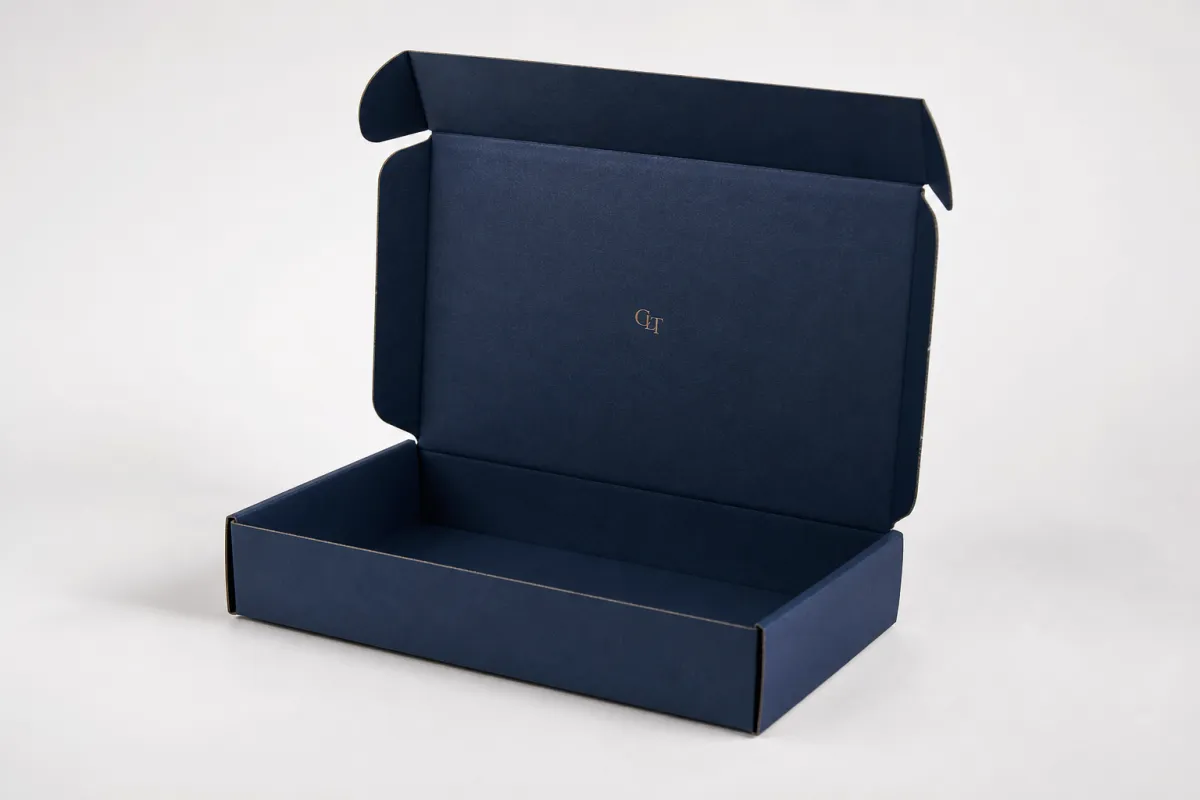
For a packaging buyer, custom mailer cartons bulk starts making sense once the same item ships again and again. Stock cartons can look convenient at first. The hidden cost shows up later, usually in extra dunnage, taped flaps that do not quite meet, and packers spending ten extra seconds per order trying to make an oversized box behave. A custom carton solves the reverse problem: the box is built around the product rather than forcing the product to adapt to the box.
That difference can be larger than it seems. Custom mailer cartons bulk can lower overall fulfillment cost even when the board spec is a little stronger, because a well-fitted carton is faster to assemble, easier to stack, and less likely to shift in transit. A facility shipping 5,000 to 20,000 units a month can feel the change almost immediately. If each order saves only eight or nine seconds, the hours add up fast across an entire quarter, and the line crew usually notices before finance does.
Repeat launches and reorders are where the value becomes obvious. A brand shipping the same kit from three warehouses, or one that switches between in-house fulfillment and a contract packer, needs packaging that behaves the same way each time. Custom mailer cartons bulk keeps the closure, the graphics, and the internal clearance aligned. That consistency shortens training time and keeps a small folding mistake from becoming a pile of returns. I have seen a three-shift operation cut down on “box drama” just by standardizing the fold sequence.
Most teams get better results once they stop treating the carton as a decorative shell. Custom mailer cartons bulk ties packaging design to measurable results: less void fill, neater doorstep presentation, easier inventory planning, and less variation between shifts. If the box helps tell the brand story, it should still work like a piece of shipping equipment. Pretty is nice; predictable is what pays the freight.
A carton that folds cleanly, ships safely, and lands at the right size usually delivers more value than a prettier carton that needs hand adjustment at every station.
That is the argument for bulk runs. Small quantities help with testing, but custom mailer cartons bulk is where the operational payoff shows up: one setup, one standard, one repeatable package that can be reordered without starting from scratch every time. For recurring programs, that repeatability is often the real savings. The unit cost may get the headline, yet the labor line is usually where the story gets interesting.
Custom Mailer Cartons Bulk: Product Details and Styles
A mailer carton is a self-contained shipping carton built to open, close, and protect the product with minimal extra material. In many custom mailer cartons bulk programs, the structure is self-locking or tuck-lock, so the carton assembles quickly without a separate tape step on every unit. On a busy line, even a small time savings becomes visible after several thousand boxes. That is not marketing fluff; that is just arithmetic.
The right style depends on the item and the shipping route. A roll-end front tuck style creates a neat retail presentation and works well for lighter product packaging. A full-overlap or reinforced mailer handles parcel abuse better, especially if the carton faces compression or repeated stacking. Heavier kits usually do better in corrugated board. Lighter presentation-driven packs often use paperboard to keep the profile slim and the printed surface crisp.
Custom mailer cartons bulk orders can be produced in several common materials. 14 pt to 24 pt paperboard is common for lightweight branded packaging, while E-flute and B-flute corrugated are widely used for sturdier mailers. E-flute is thinner and often gives a cleaner printed edge for retail packaging. B-flute adds more cushion and better stacking support. The best option depends on how much handling the carton will endure before it reaches the customer, and how ugly the route gets between the warehouse and the porch.
Structural details deserve more attention than many buyers give them. Dust flaps shield the interior edges. Tab locks help the closure stay tighter in transit. Scored panels improve fold memory and speed up set-up. Inserts and dividers limit movement inside the box, which matters for fragile product packaging, multi-piece kits, and any item with accessories that should not slide around. A carton can look simple on a render and still be a small marvel of practical engineering.
Print choices matter just as much in custom mailer cartons bulk. Outside print is the default for brand visibility, while inside print can carry instructions, a thank-you message, or a stronger unboxing moment without changing the exterior artwork. Spot color works well for a simple identity. Full-bleed graphics create a more striking field. Matte coatings tend to feel quieter and more premium; gloss finishes reflect more light and make color pop. Soft-touch coatings can feel rich, though they add cost and may affect timing.
If the carton has to survive more than a shelf-to-home trip, ask how it behaves in stacked pallet storage and parcel transit. A sound custom mailer cartons bulk design should fold accurately, stay square, and hold print registration across the full order. The best-looking sample on a table is not always the carton that holds up after a warehouse team builds 400 units in a row. That is the kind of test that separates a concept from a production piece.
For buyers comparing options, Custom Printed Boxes and mailer cartons are not identical. A folding carton may suit a light retail display, while a corrugated mailer is built for shipping abuse. If your team also uses Custom Packaging Products across launches, the carton style should follow the route the package actually takes, not just the design brief on a slide deck. I know that sounds obvious, but plenty of programs still get designed from the outside in.
One practical note: if your program includes recycled content or sourcing standards, FSC-certified fiber is an easy specification to request where appropriate. You can review the certification system at FSC. That does not solve every sourcing issue, but it gives procurement teams a recognized benchmark and a cleaner way to compare suppliers.
Custom Mailer Cartons Bulk Specifications That Matter
Before anyone asks for a quote on custom mailer cartons bulk, the most useful step is to write down the actual specifications. Inside dimensions matter more than outside dimensions, because the shipped product has to fit the usable space, not the printed shell. A carton that looks right on paper can still fail if corners, wraps, inserts, or accessory items steal a little extra room. That mistake shows up fast on the pack line, usually with someone muttering, “why is this suddenly tight?”
The core measurements are simple, but they need to be exact. Length, width, and depth should be taken on the fully packed product, not the bare item. If the product uses tissue, air pillows, foam wrap, or a paper sleeve, that added thickness belongs in the spec. For custom mailer cartons bulk, an extra 1/16 inch or 1/8 inch can decide whether the line runs smoothly or stops because the lid refuses to close.
Tolerance is part of the fit conversation. Too much clearance and the item moves during shipping, which usually means more void fill and more edge wear. Too little clearance and packers have to force the product in, which slows the line and can crush corners or inserts. A practical spec for custom mailer cartons bulk should allow a controlled amount of movement without making the box sloppy. That balance matters even more for ecommerce orders packed by different shifts or a third-party fulfillment partner.
Material specs should be stated clearly. For paperboard, buyers may specify caliper, basis weight, and coating. For corrugated, they should note flute type, board grade, and any minimum compression target. A buyer who knows the carton will be stacked or shipped through a rough parcel network may ask about edge crush resistance, burst strength, or an ASTM compression reference such as ASTM D642. That level of detail is not excessive; it is how teams avoid surprises once the production order is underway.
For shipping performance, ask whether the design has been tested against common transit expectations and whether sample testing is available. The methods published by ISTA are a useful reference for parcel and distribution testing, especially if the carton will pass through multiple handoffs. A good supplier will not promise magic, but they should be able to explain how the carton behaves under realistic handling. If they can only talk in pretty adjectives, keep asking.
Special features can also be built into custom mailer cartons bulk without changing the whole structure. Tear strips make opening easier. Tamper-evident closures can support compliance or customer confidence. Perforations can help with easy opening or returns. Windows can show the product or insert. Custom inserts can stabilize bottles, parts, or kits with multiple compartments. The right feature depends on what the product does inside the box, not just how the box looks in a rendering.
A practical quote request for custom mailer cartons bulk should include:
- Inside dimensions with tolerance allowance.
- Board type or caliper, plus finish preference.
- Print coverage for outside, inside, or both.
- Closure style such as tuck-lock, self-locking, or tab lock.
- Any inserts, dividers, tear strips, or perforations.
- Shipping method, since parcel and pallet use are not the same job.
That amount of detail speeds up quoting, and it improves the carton itself. The more precise the spec, the fewer corrections happen later. In packaging work, that is usually where the money is. It is also where trust gets built, because nobody likes learning on production day that a panel dimension was assumed, not measured.
Cost, Pricing, and MOQ for Custom Mailer Cartons Bulk
Pricing for custom mailer cartons bulk comes down to a few variables that matter more than most buyers expect. Board material is the biggest one. A lightweight paperboard mailer with one-color print usually costs less than a reinforced corrugated mailer with full-bleed graphics and a coated finish. Carton size matters too, because larger blanks use more material and create more waste during die cutting and converting.
Print complexity is another meaningful cost driver. One spot color is simpler than a four-color process build, and inside print adds another production step that can affect both cost and lead time. Special coatings, soft-touch finishes, embossing, and foil all push the price higher. Tooling matters as well. A new cutting die, plates, or a custom scoring setup spreads across the order, which is one reason minimum order quantities exist at all.
MOQ is not arbitrary. It usually reflects machine setup time, die cutting waste, press calibration, and the yield needed to make production economical. For custom mailer cartons bulk, a smaller order may still be possible, but the unit cost often rises quickly because setup costs are divided across fewer cartons. That is why a 1,000-piece order and a 10,000-piece order can look very different on the quote sheet even when the design is identical.
Here is the useful distinction buyers should keep in mind: headline unit price is not the same as landed cost. The cheapest carton on paper may cost more overall once freight, damage, packing labor, and rework are included. A slightly stronger custom mailer cartons bulk spec can lower total spend if it packs faster or reduces returns. That is especially true for teams with high volume and thin labor margins. I have seen a package that saved a dime on materials cost half that much again in labor because the fold path was fussy.
The comparison below gives a broad sense of how bulk pricing can shift. These are planning bands, not fixed rates, because board grade, size, artwork, and freight all move the final number.
| Mailing Structure | Typical Use | Common MOQ Range | Indicative Unit Cost at Bulk Levels | Lead Time Tendency |
|---|---|---|---|---|
| Paperboard tuck mailer | Lighter retail packaging, subscription inserts, literature kits | 1,000-3,000 | $0.22-$0.65 each | Often faster, especially on repeat runs |
| E-flute corrugated mailer | Brand-forward ecommerce shipping, moderate protection | 500-2,000 | $0.45-$1.10 each | Moderate, depending on print and die setup |
| B-flute reinforced mailer | Heavier kits, parts, fragile or stacked shipments | 1,000-5,000 | $0.70-$1.75 each | Longer if inserts, coatings, or extra finishing are added |
| Printed mailer with custom insert | Premium product packaging and controlled presentation | 1,000-5,000 | $0.95-$2.25 each | Longest, because the insert and fit review add steps |
Those numbers only help if they are compared correctly. Ask whether the quote includes plates, dies, proofs, samples, and freight to one location or several. A quote that looks lower at first can climb once those items are added. For custom mailer cartons bulk, the cleanest comparison is usually a landed-cost comparison with the same size, print spec, and delivery point. Anything less can be a little misleading, even if the spreadsheet looks tidy.
Budget planning matters too. If a team has limited storage, it may be smarter to order smaller lots more often even if the unit price rises a little. If space is available and the program is stable, a larger custom mailer cartons bulk order can protect margin by reducing reorder frequency and stabilizing the supply plan. The right answer depends on cash flow, warehouse space, and how often the pack spec changes. Some teams need flexibility more than scale; others need the opposite.
Process, Timeline, and Lead Time for Custom Mailer Cartons Bulk Orders
The order process for custom mailer cartons bulk usually follows a familiar path. It begins with discovery: dimensions, product weight, shipping method, print goals, and the quantity target. From there, the supplier reviews the dieline or creates one, checks the structural fit, and confirms whether the artwork needs any changes to match the final carton shape.
Artwork preparation is where delays often start. If the brand file is clean, the colors are locked, and copy approval is already done, the project moves faster. If the structure is new, the carton may need a prototype or sample run before production release. For custom mailer cartons bulk, that extra sample stage can prevent trouble later because it catches fit issues before the press is committed. It is boring work, sure, but boring in packaging is usually a compliment.
Lead time depends on more than manufacturing capacity. New cutting dies, special coatings, inside print, and multiple proof rounds all extend the schedule. A repeat order with the same structure can usually move more quickly than a brand-new build. In practice, simple repeat custom mailer cartons bulk jobs may move in about 10-15 business days after approval, while new structural projects with print and finishing can run 15-25 business days or longer depending on scope and freight needs.
Here is the production flow in plain terms:
- Quote and spec review - final dimensions, board choice, print count, and quantity are confirmed.
- Dieline or structure approval - the carton layout is checked against the product fit.
- Artwork proofing - color, copy, barcode placement, and print panels are reviewed.
- Sampling or prototype - especially useful for fragile or unusual product shapes.
- Production - cutting, printing, folding, gluing, and finishing take place in sequence.
- Inspection and pack-out - cartons are checked for squareness, print alignment, and closure performance.
- Freight scheduling - the order is booked so it reaches the receiving dock on time.
That last step is often overlooked. Production time is only part of the timeline. Bulk cartons still need to ship, and freight can add several days depending on distance and receiving constraints. A buyer planning custom mailer cartons bulk for a distribution center or multiple fulfillment points should build in transit time early, especially if the cartons are needed before a launch or seasonal promotion.
Approval speed is another hidden factor. A clean approval chain can shorten the project by days, sometimes more. If purchasing, operations, and marketing all need to sign off, it helps to gather their feedback at the same time instead of routing each review one after another. That is not glamorous work, but it keeps custom mailer cartons bulk on schedule and avoids expensive rush charges. It also avoids the classic problem where someone spots a barcode issue after plates are already on press.
Quality checks should not be treated as a formality. A good supplier should verify that each run stays square, folds correctly, and closes with the right amount of resistance. Print registration, glue integrity, and carton stack behavior matter more than many people realize. A carton that looks fine in a photo but opens crooked on the line can slow an entire shipping shift, and nobody wants to babysit a box mid-fulfillment.
Why Choose Custom Logo Things for Bulk Orders
Custom Logo Things is a practical fit for buyers who want more than a one-size-fits-all carton. For custom mailer cartons bulk, the value comes from matching the structure, board, and print approach to the item being shipped instead of forcing the order into a generic spec. That matters whether the job is a branded subscription box, a retail kit, or a presentation-ready shipper that still has to survive warehouse handling.
Most buyers need clear guidance, not guesswork. A technical packaging partner should review product dimensions, show where clearance is too tight or too loose, and recommend a better board or closure style before the order reaches production. That kind of support helps most on custom mailer cartons bulk orders, because a small spec mistake becomes a large problem once thousands of cartons are printed.
Consistency matters just as much. In bulk production, repeatable sizing, predictable folding performance, and stable print alignment protect package branding across every shipment. A brand may also use Custom Poly Mailers for lighter orders and pair that with custom mailer cartons Bulk for Premium kits or fragile items. That mix lets each product use the right packaging instead of forcing every shipment into one format.
For teams that reorder across multiple programs, a clear communication process is worth a lot. Purchasing wants pricing clarity. Operations wants timing clarity. Marketing wants artwork confidence. A good bulk packaging partner keeps those pieces aligned and makes the approval path easier to manage. The buyer should feel that custom mailer cartons bulk is being handled like a production project, not an exercise in guess-and-check.
If your company also uses Wholesale Programs for repeat packaging buys, the carton spec should fit that workflow too. Stable reorder cycles are easier to manage when product packaging, freight planning, and inventory counts follow the same logic. That is how branded packaging becomes operationally useful rather than purely decorative.
For buyers who want a broader benchmark, packaging industry organizations can help frame the conversation around test methods, sustainability, and shipping performance. The standards and guidance from ISTA are especially useful for parcel behavior, and that kind of reference sharpens a brief before a project starts. The point is not to make the carton complicated; the point is to make it fit the route it will actually travel.
In practical terms, the best supplier relationship for custom mailer cartons bulk is one that helps the buyer make a clean, informed decision. The carton should pack efficiently, ship safely, support the brand, and reorder without surprises. That is the standard most operations teams want, even if they do not always phrase it that way.
Actionable Next Steps for Ordering Custom Mailer Cartons Bulk
If you are preparing to order custom mailer cartons bulk, start with a simple spec sheet. Include product dimensions, product weight, shipping method, expected order quantity, print requirements, and any inserts or protective features. The more complete the brief, the more useful the quote will be. A vague request almost always produces a vague answer.
Next, gather the artwork files and brand details before asking for pricing. Final copy, color references, barcode placement, and any compliance language should be ready. That lets the quote reflect the real scope of the project instead of a loose placeholder. For custom mailer cartons bulk, a complete brief also helps identify ways to simplify the structure, reduce waste, or trim the print area without weakening the final presentation.
Then decide whether you need a sample or prototype first. Fragile products, unusually shaped items, and hand-packed orders benefit from a physical test. A prototype does not just show appearance; it shows closure force, internal movement, and whether the panel folds the way the pack line expects. In many custom mailer cartons bulk jobs, that one sample step prevents a costly reprint or retool later.
Finally, set the delivery window early and leave room for freight. Production lead time, carrier booking, and receiving schedules all affect arrival. If the cartons are going to a fulfillment center, ask about dock appointments and pallet requirements. The strongest custom mailer cartons bulk programs are the ones where production and logistics are planned together, not treated as separate afterthoughts.
A useful starting checklist looks like this:
- Exact inside dimensions, not just product dimensions.
- Board choice, finish preference, and any print on the inside panels.
- Quantity target with a backup tier if volume may change.
- Expected ship method: parcel, pallet, or mixed distribution.
- Any need for inserts, tamper evidence, or tear strips.
- Target in-hand date and any launch deadline that cannot move.
If you want to compare structure options before committing, ask for one or two alternatives and review how they affect fit, price, and lead time. That approach is often smarter than locking into the first sketch. In packaging work, the best answer is usually the one that balances cost, protection, and repeatability without creating extra work downstream. If you need custom mailer cartons bulk for a recurring shipment, that balance is the real win.
What is the minimum order for custom mailer cartons bulk pricing?
Minimums usually depend on board type, print method, and whether a new die or plate setup is required. In many programs, a larger run lowers unit cost because setup is spread across more cartons, which is why custom mailer cartons bulk pricing often improves at higher quantities. If your demand is uncertain, ask for quote tiers so you can compare costs at several order levels before committing.
How long does custom mailer cartons bulk production usually take?
Lead time depends on artwork approval, sampling needs, material availability, and print complexity. Simple repeat orders often move faster than new custom builds with structural changes or special finishes. A practical plan for custom mailer cartons bulk should also include freight time, because cartons still need to get from the plant to your receiving dock before they can be used.
Which material is best for custom mailer cartons bulk shipping orders?
Corrugated board is usually the better choice when protection, stack strength, or parcel abuse resistance matters most. Paperboard may be better for lighter products where presentation and a slimmer profile are the priority. The best material for custom mailer cartons bulk depends on product weight, fragility, and how the carton will be handled in transit.
Can custom mailer cartons bulk orders be printed inside and outside?
Yes, many mailer cartons can be printed on both surfaces if the design and budget support it. Inside print is useful for brand messaging, instructions, or a more polished unboxing moment. If you plan to print both sides, ask whether the added coverage changes tooling, coating choice, or the production schedule for custom mailer cartons bulk.
How do I get an accurate quote for custom mailer cartons bulk?
Provide exact dimensions, quantity, board preference, print details, and your target ship date. Include photos or a sample of the product if the fit is tight or the shape is unusual. The more complete the information, the easier it is to compare pricing, MOQ, and Lead Time across options for custom mailer cartons bulk.
If you are lining up a reorder, the cleanest next move is simple: measure the packed product, pick the shipping method, and gather one sample or photo of the actual item before requesting pricing. Those three pieces of information usually get you a better custom mailer cartons bulk quote than a long wish list, and they make the final carton far less likely to surprise you on the dock.

