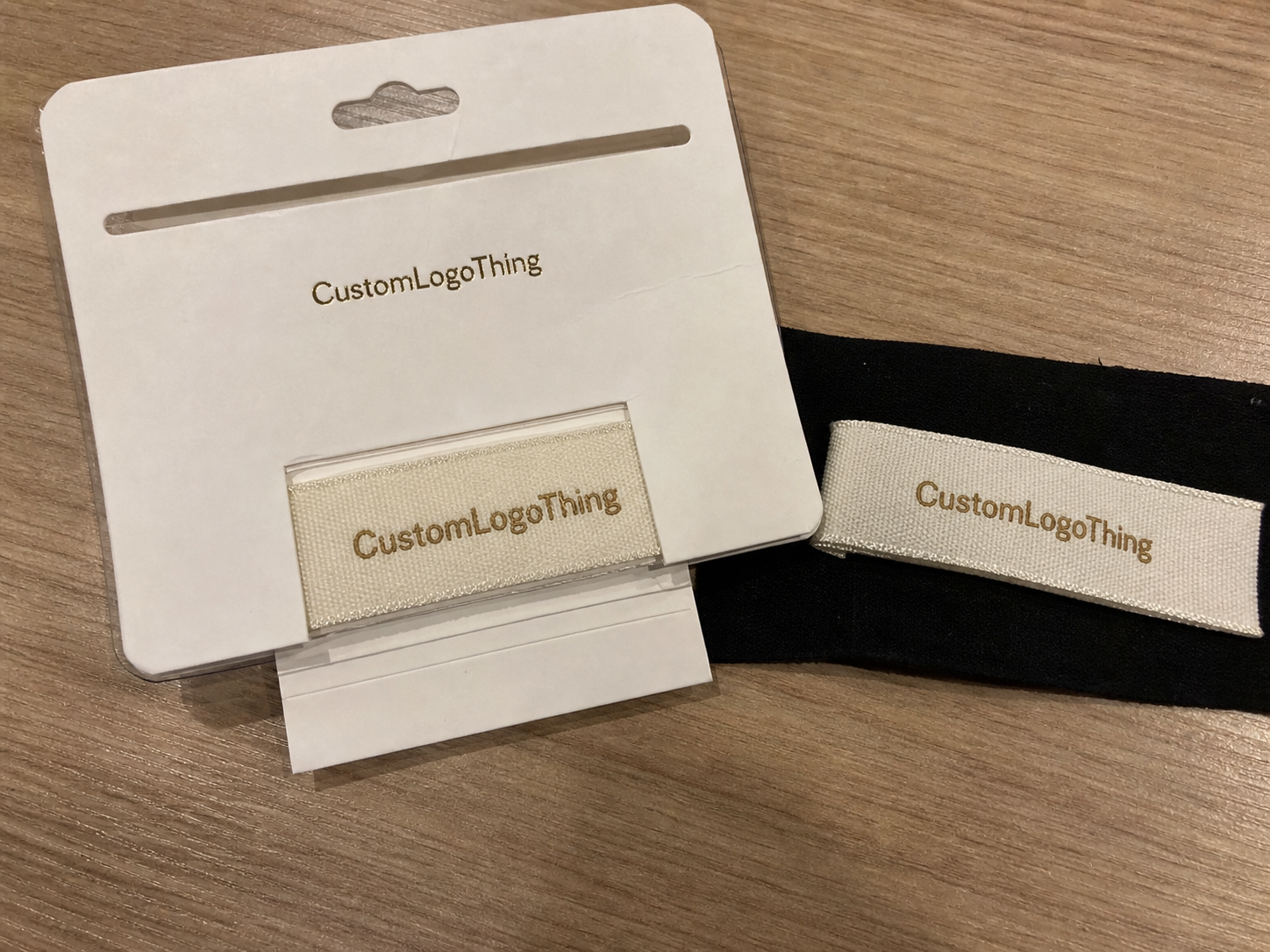
Custom mailers for small business look straightforward until they have to survive actual shipping. Then the details start showing up fast: size tolerance, film thickness, seal strength, print coverage, freight, and whether the package still looks decent after a carrier has its way with it.
Used well, a custom mailer does more than move a product from point A to point B. It cuts packing time, supports branding, and can reduce the need for extra inserts or outer packaging. For small teams, that matters because every extra step in fulfillment costs time.
The catch is simple. A mailer only helps if the spec matches the product and the shipping path. Too thin, too large, or too decorative and it stops being a solution.
What custom mailers for small business actually do
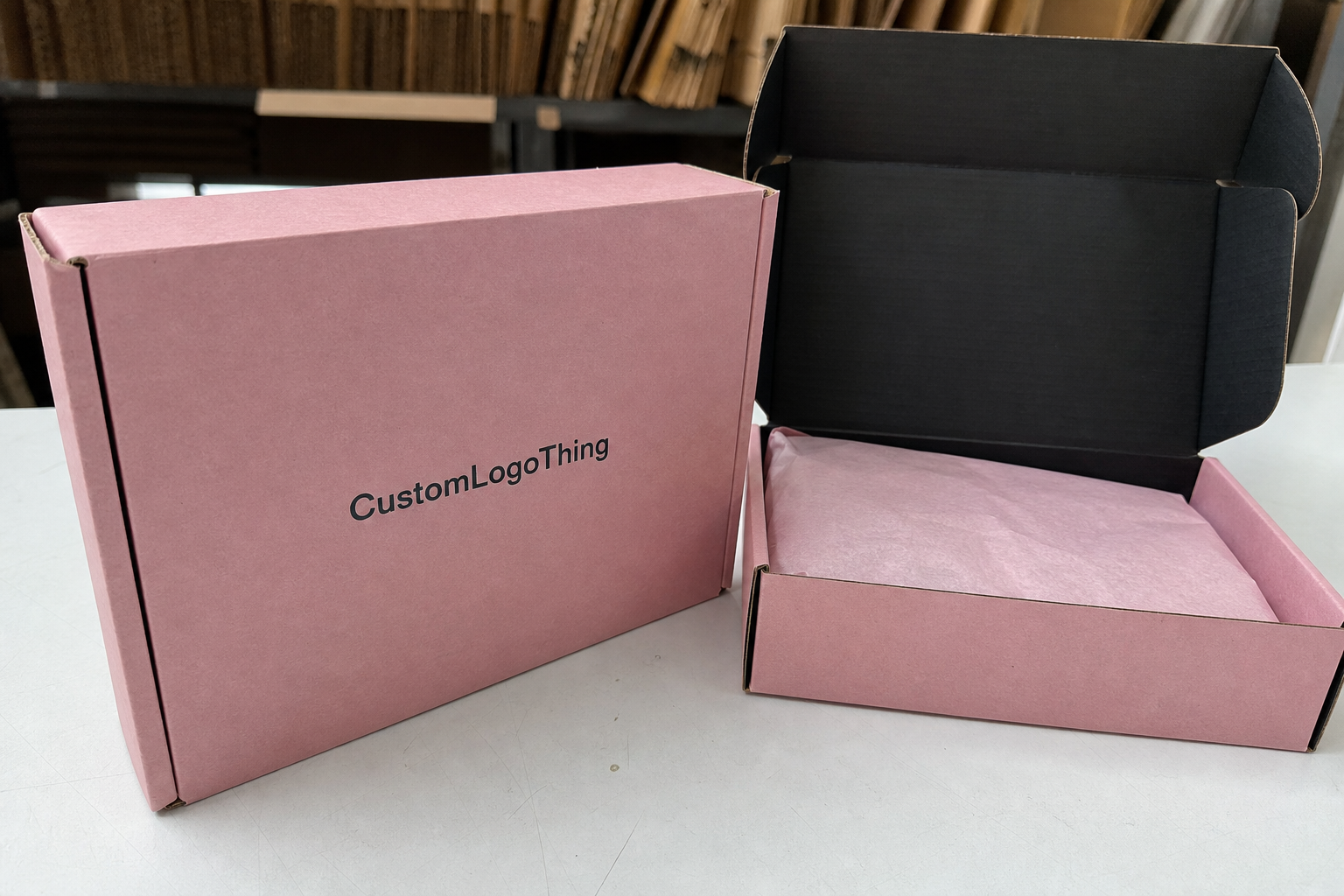
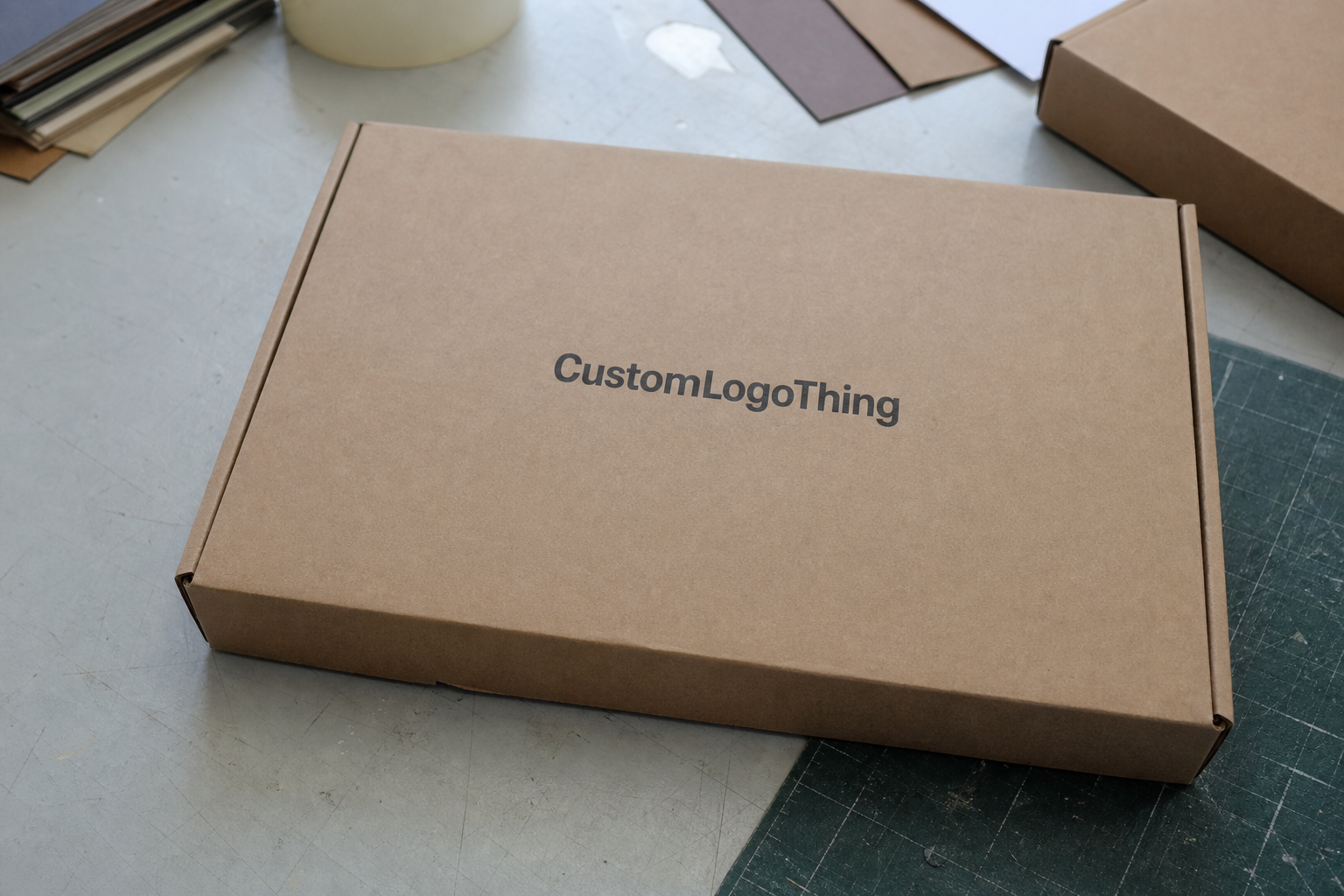
The outer package is usually the first physical brand touchpoint a customer sees. That means package branding starts before the order is opened, which is why the shipping bag can influence how the order feels before anyone touches the item.
A printed mailer can carry a logo, color system, short message, care note, or return prompt without adding separate labels and inserts. That is useful for small operations because every extra component creates another handling step.
Most buyers compare three common categories:
- Poly mailers for apparel, soft goods, and lightweight non-fragile items.
- Bubble mailers for accessories or small products that need light cushioning.
- Specialty mailers for samples, flat items, or products that need a cleaner presentation or added moisture resistance.
Mailers usually beat boxes when the product is soft, flat, or repeat-shipped. Apparel, socks, books, beauty samples, and accessories often travel well in a mailer because the package is lighter and faster to pack.
That said, custom mailers for small business only work when the structure fits the item. Use the wrong size or the wrong film and the result is wrinkled goods, crushed corners, or a package that looks sloppy on arrival.
“A mailer is shipping equipment first. Marketing second.”
Material, size, and print choices that change the result
Material choice drives most of the performance tradeoff. For lightweight apparel, a standard poly mailer with decent tear resistance is usually enough. For products with hard edges or a higher chance of impact, a bubble mailer or thicker film construction makes more sense.
Typical poly mailers often use film around 2.5 to 3 mil for basic apparel shipping, while heavier-duty options may move to 4 mil or more. Thicker film can improve puncture resistance, but it also raises cost and may reduce flexibility.
Size matters just as much. An oversized mailer leaves room for movement, which hurts presentation and can increase dimensional weight. A properly fitted mailer keeps the item flatter, helps protect the edges, and usually packs faster because staff isn’t wrestling with excess material.
| Mailer option | Best for | Typical tradeoff | Practical note |
|---|---|---|---|
| Lightweight poly | Apparel, soft goods, repeat shipments | Lowest cost, least cushioning | Works best when the product already holds shape |
| Padded bubble mailer | Accessories, small fragile items | More material, higher unit price | Useful when you need light protection without a box |
| Thicker printed mailer | Heavier items, rougher shipping routes | Higher price, slightly less flexibility | Worth it when puncture resistance is a real concern |
Print choice changes both appearance and cost. A one-color logo on a white or kraft-look mailer is usually the least expensive branded route. Full-wrap graphics cost more because they use more ink, more setup, and often more careful alignment. Matte finishes tend to feel softer and more premium. Gloss gives color more pop, though it can show scuffs differently depending on how the package gets handled.
Seal strength deserves more attention than it usually gets. A weak adhesive can become a return problem, a leakage problem, or a tamper concern. If returns are part of your model, ask whether the mailer can be resealed or paired with a secondary closure method.
For buyers comparing Custom Packaging Products, the practical move is to ask for a spec that matches the product and shipping route, not the prettiest sample on the table.
Pricing, MOQ, and quote factors that move unit cost
Pricing usually follows a predictable pattern. Higher volume lowers unit cost. Smaller runs pay more because setup, proofing, and print preparation are spread across fewer pieces.
MOQ means minimum order quantity. It’s the smallest production run a supplier will make. For custom mailers, MOQs vary by size, print method, and material build. A simple one-color run may start lower than a full-coverage print with a specialty finish.
The biggest quote inputs are usually these:
- Dimensions of the mailer
- Film thickness or material build
- Print colors and coverage area
- Finish such as matte or gloss
- Closure type and adhesive spec
- Shipping destination for freight calculation
For a small business, the real comparison is not “custom mailer versus plain mailer.” It is custom mailer versus plain mailer plus labels, tape, labor, damage risk, and the brand impression left behind.
A realistic budgeting range helps. Basic Custom Poly Mailers at modest volume often price lower than padded or specialty mailers. Thicker film, heavier ink coverage, and special finishes can push pricing up noticeably. Freight can also distort the picture on smaller orders, so always ask for landed cost, not just factory price.
The cheapest quote is not automatically the best deal. Thin film that tears during peak season is not a savings. Weak adhesive is not a savings. Misaligned art is not a savings.
For brands that also sell inside Custom Poly Mailers, ask for a quote comparison between a simpler spec and a stronger one. Sometimes the upgrade only adds a few cents per unit.
Process and turnaround: from artwork to delivery
The production flow is standard: spec selection, artwork prep, proof review, sampling, production, packing, and shipment.
Most delays happen in two places: artwork and last-minute spec changes. If the logo file is low resolution, uses the wrong color format, or ignores the dieline, the proof cycle slows down. If the size changes after proof approval, the schedule stretches again.
Lead time depends on the construction and how quickly approvals move. A straightforward custom mailer run can often move through sampling and production faster than a specialty build with heavy print coverage or unusual closure specs. Rush options may exist, but they usually cost more and leave less room for revision.
Before requesting a quote, prepare a basic spec sheet with:
- Product dimensions and packed dimensions
- Estimated weight
- Shipping method and destination markets
- Print colors and logo files
- Estimated monthly volume
- Any closure, reseal, or moisture concerns
If packaging is tied to a launch, subscription cycle, or seasonal spike, build buffer time into the plan. If you want a more disciplined way to think about package durability, organizations like ISTA publish test standards that are useful for shipping performance checks.
How to match the mailer to the product and shipping channel
The product should drive the spec. Soft goods can usually travel in lighter film because they absorb some handling stress. Sharp-edged or heavier items need more puncture resistance and sometimes an inner sleeve or secondary bag. If moisture or scuffing is a concern, the mailer alone may not be enough.
Shipping channel matters too. A package going a short distance through controlled fulfillment is not the same as a package bouncing through multiple hubs. Carrier handling can turn a borderline spec into a failure.
Here’s a practical way to match common products:
- Apparel: lightweight or medium poly mailers, usually with enough room for one fold style and a small insert.
- Beauty samples: padded or reinforced mailers if the item can scuff, leak, or crack.
- Books: stronger mailers or book wraps that help protect corners.
- Accessories: bubble mailers for items with hard edges or small parts.
- Small soft goods: slim custom mailers for small business that reduce freight and packing time.
Brand fit matters, too. The mailer should feel like part of the product experience, not a random industrial envelope pretending to be a brand moment. If the product is positioned as premium, the package should reflect that through cleaner print, smarter color choices, and better material quality.
For some programs, you may also want to coordinate the mailer with custom printed boxes, inserts, or outer cartons for larger orders. That keeps the visual system consistent across channels.
Sustainability still matters, but claims need to be specific. If you’re making recycled-content or recyclable claims, verify them. The EPA has straightforward guidance on recycling and waste basics at epa.gov/recycle. Mixed-material constructions can change end-of-life behavior, so don’t guess.
Common mistakes that inflate cost or damage orders
The first mistake is ordering a mailer that is too large. Extra space lets the product shift around, weakens presentation, and can raise shipping cost if the package grows thicker than needed.
The second mistake is assuming every poly mailer is basically the same. Film gauge, seal quality, and tear resistance vary more than buyers expect. Cheaper material often looks fine on a quote and then fails during a busy shipping week.
The third mistake is approving artwork on a screen and never checking the dieline. A logo can look perfect in a PDF and still sit too close to the edge, fall into a seam, or lose contrast once printed on film.
The fourth mistake is skipping the sample. A sample is inexpensive insurance. One bad production run costs more than a few test pieces, especially once freight, reprint cost, labor, and customer complaints enter the picture.
The fifth mistake is ignoring returns flow. If customers are likely to send items back, the mailer should survive a second trip or at least allow easy repacking.
Brands that care about traceability and material claims can also look at certification support such as FSC for paper-based components. It doesn’t apply to every mailer type, but it matters if the broader packaging system includes paper sleeves, inserts, or cartons.
Next steps: spec, sample, and order the first run
Start with a one-page spec sheet. Keep it direct: product dimensions, target weight, shipping method, print colors, closure type, and monthly volume.
Request two or three sample versions if the vendor offers them. Then test what matters: closure strength, scuff resistance, fit with the real product, and how the package looks after being handled a few times.
Place a test order before scaling. Measure packing speed. Measure damage rate. Ask a few customers how the package felt on arrival. If a custom mailer reduces packing time by even 10 to 15 seconds per order, the savings can be meaningful across a month of steady volume.
Review the results against actual numbers, not vibes. Look at labor saved, shipping cost, damage reduction, and customer reaction. If the mailer feels too large, too thin, or too plain, change size, thickness, or print coverage before committing to a bigger buy.
If you are building a broader packaging program, use the mailer as the starting point and make the rest of the system fit around it.
FAQ
Are custom mailers for small business worth it on a low order volume?
Yes, if packing speed, branding, or damage reduction matters more than squeezing the absolute lowest unit price. A lower MOQ or test run helps you check fit and print quality before you scale. Compare the full cost against plain mailers plus labels, tape, and labor, not just the bag itself.
How do I choose the right size for custom mailers for small business?
Measure the packed product, not just the product alone, and add room for folding, inserts, or protective sleeves. Avoid oversized mailers because they waste freight and make the package look sloppy. If you sell multiple SKUs, standardize on one or two sizes first so ordering stays manageable.
What affects the unit cost of custom mailers the most?
Volume, material thickness, print complexity, and size usually drive price the hardest. Setup work and freight can matter a lot on smaller orders, so ask for landed cost. One-color print is often cheaper than full coverage, but a flimsy spec can erase those savings if it leads to damage.
How long does production usually take for custom mailers?
Lead time depends on proof approval, sampling, production queue, and shipping distance. Simple runs can move faster than specialty constructions with heavier print coverage. Build in buffer time before launches and seasonal spikes because approval delays happen more often than anyone likes to admit.
Can custom mailers for small business be recyclable or eco-friendly?
Yes, but the material claim has to match the actual construction and local recycling rules. Ask whether the mailer uses recycled content, recyclable film, or a mixed material that changes disposal options. Do not assume a green label means curbside recycling; verify the spec and the end-of-life instructions.