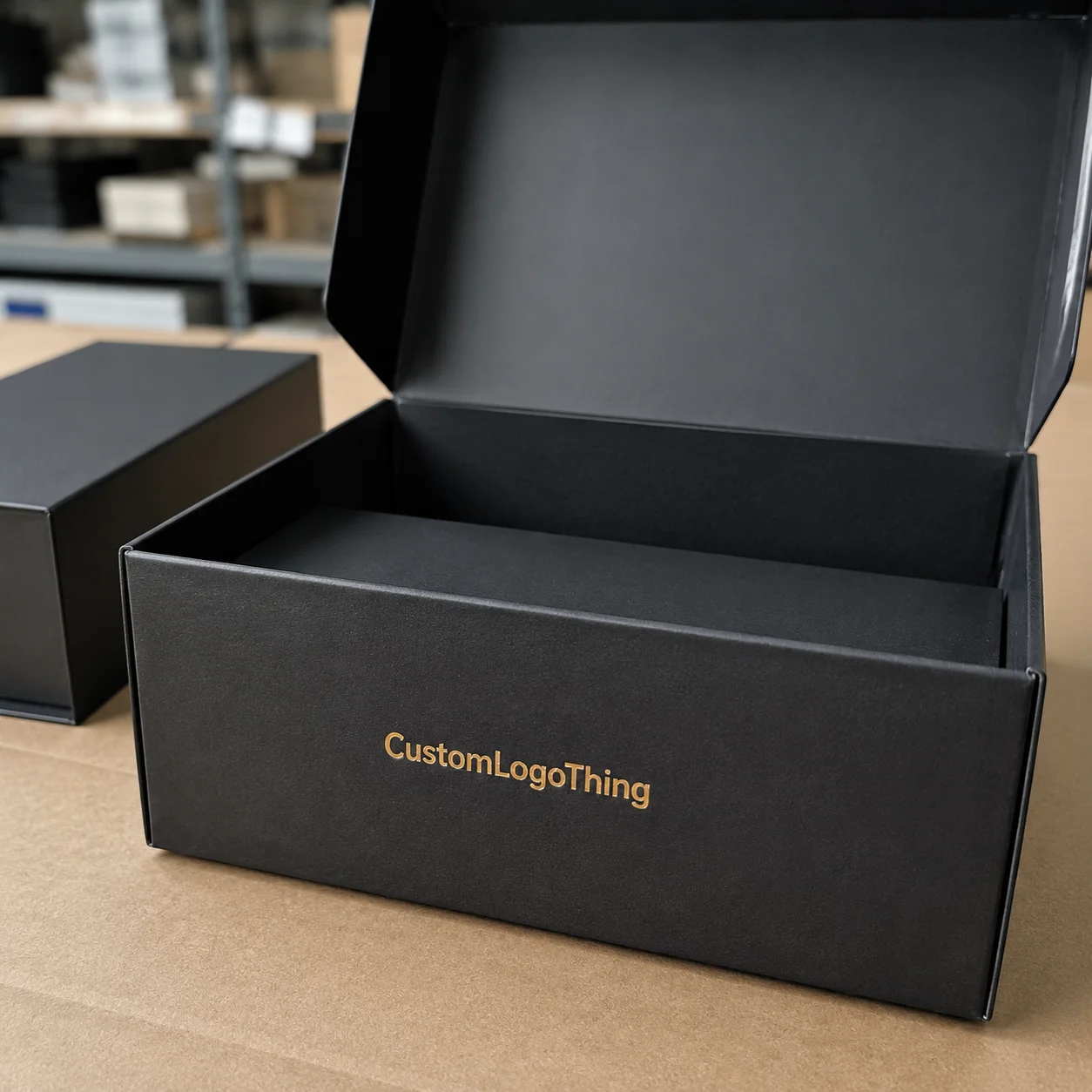
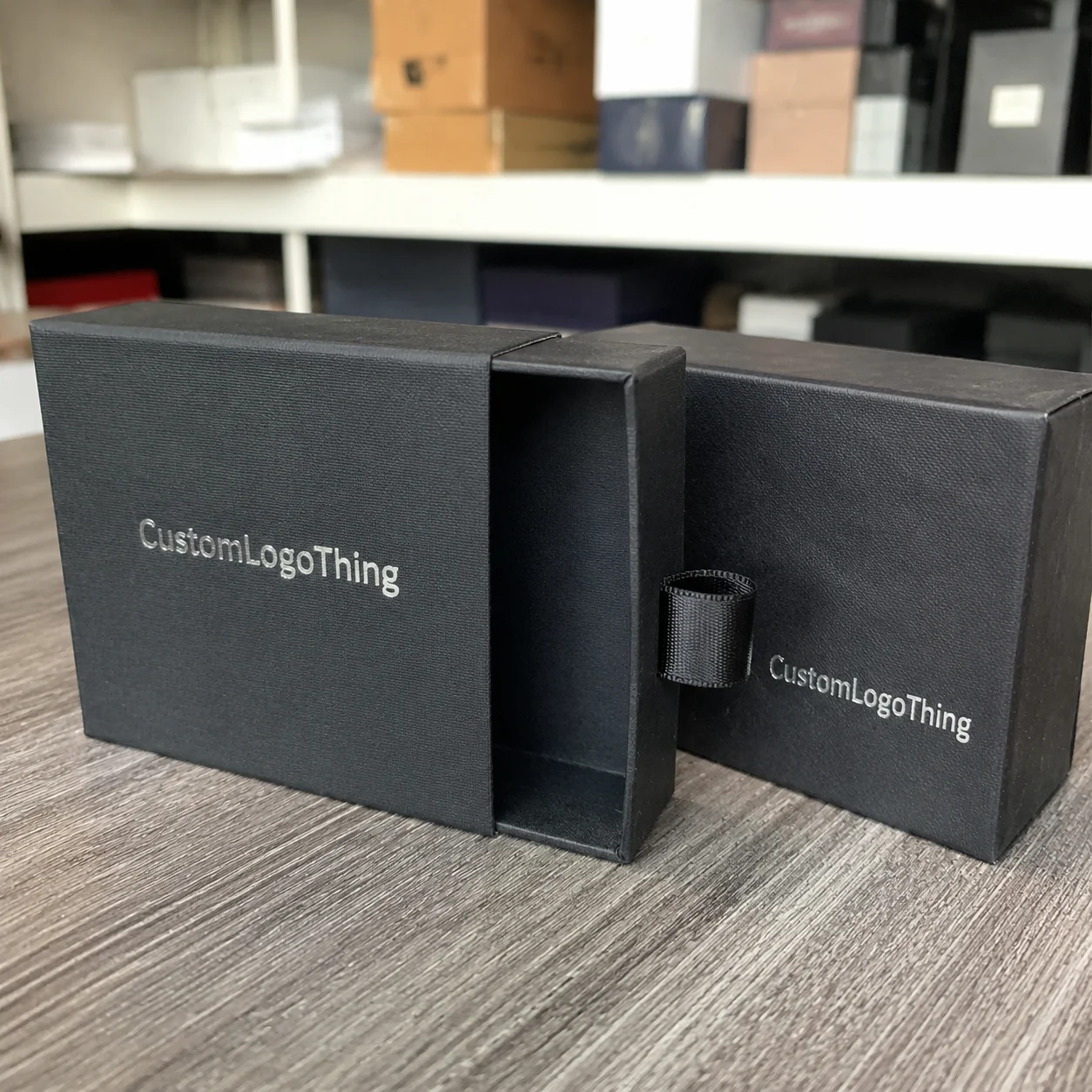
Custom Cardboard Mailers look basic on paper. They are not. A good one protects the product, keeps postage under control, and makes the first unboxing feel deliberate instead of improvised. Miss any one of those jobs and the “cheap” mailer starts costing money somewhere else. Usually in returns, labor, or damaged goods.
The value is in the fit. Not the print alone. Not the board thickness alone. It is the way the structure, dimensions, and finish work together so the package behaves the same way every time it moves through a warehouse, a truck, and a customer’s hands. If the mailer holds its shape, closes cleanly, and arrives without crushed corners, it is doing its job. If it also supports the brand, that is a bonus, not the starting point.
For flat retail goods, books, apparel, subscription items, kits, and cosmetics, the right mailer can beat a padded alternative on total cost. The trick is to treat it as a shipping spec, a packaging decision, and a brand surface at the same time. People usually only budget for one of those. That is how they get surprised later.
What Custom Cardboard Mailers Actually Solve
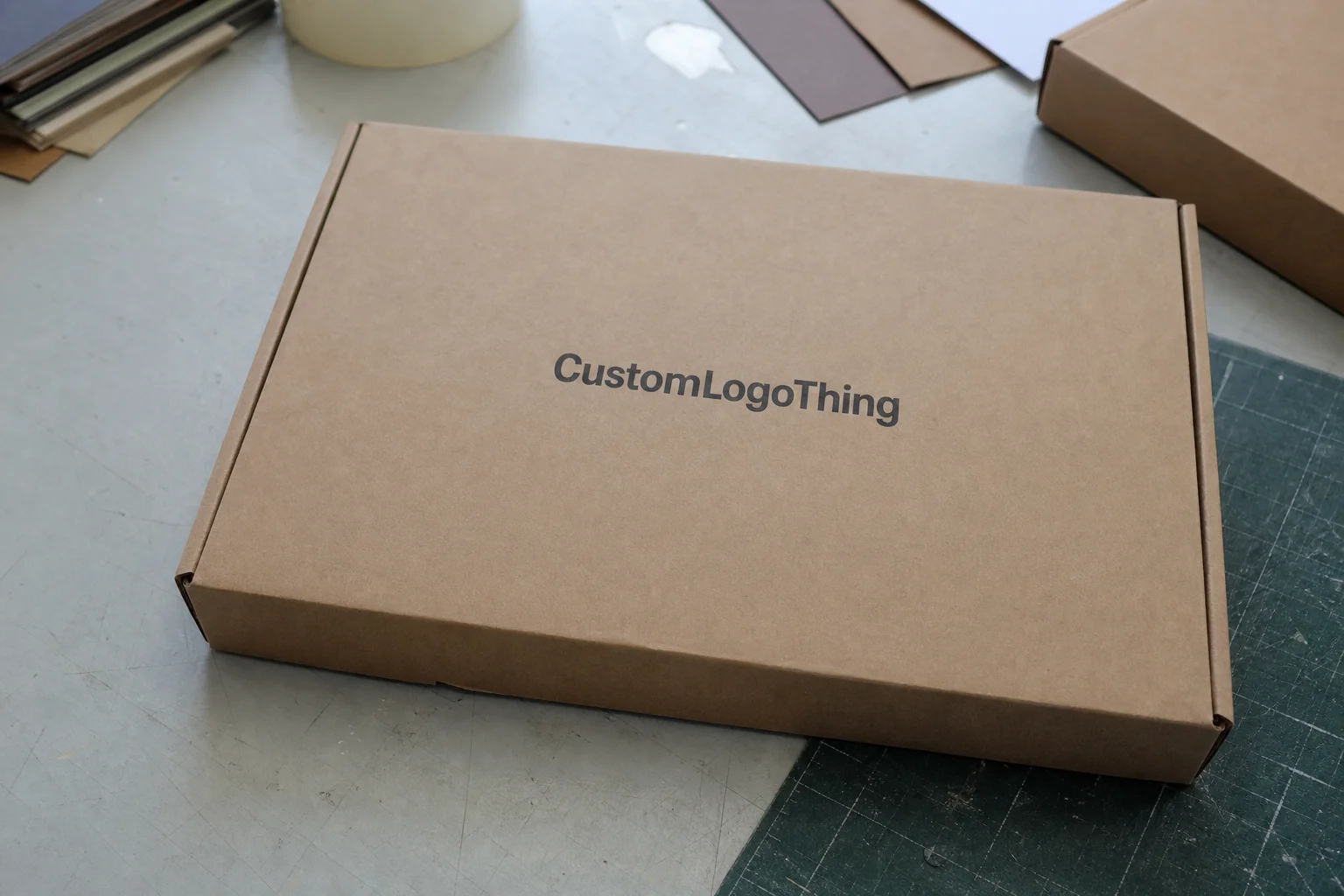
Buyers often compare unit price and stop there. That is the fast way to miss the real cost. A mailer that is too loose creates movement, which leads to scuffs and corner damage. One that is too tight slows the pack line and risks tearing at the score. One that looks fine in a mockup but does not survive parcel handling is just expensive cardboard.
Custom Cardboard Mailers are a strong fit for products that are flat, moderately weighted, and supposed to arrive with a clean presentation. Books, folded apparel, journals, boxed sets, small accessories, skincare kits, and subscription pieces are typical examples. They are not magic. They are just more predictable than soft packaging when the product shape is stable.
That predictability matters because packaging is part of the product experience. A customer notices whether the mailer opens cleanly, whether the print looks intentional, and whether the item sits inside like it was planned that way. If the package feels improvised, the whole shipment feels cheaper than it should.
My practical rule is simple. If the item is flat, not fragile in a weird way, and can tolerate a rigid shell, a cardboard mailer is worth a serious look. If the item is delicate, irregular, or needs suspension inside the pack, a different structure may be a better fit. For that kind of job, Custom Shipping Boxes with inserts usually make more sense. If the product is light and flexible, Custom Poly Mailers may be the lower-cost answer. The product decides. Not the trend.
“The best mailer is the one that closes the same way every time and does not make the pack team fight it.”
That line matters more than it sounds. A package that slows fulfillment is not just annoying. It changes labor cost. On a large run, even a few extra seconds per unit adds up fast.
How the Structure, Score Lines, and Closures Work
Cardboard mailers are built from panels joined by score lines. Those scores define the folds, and that is where most of the mechanical stress lands. The edges, corners, and closure points take the abuse during shipping. If those areas are not designed properly, the package gets sloppy quickly.
Geometry does more than most buyers expect. A mailer does not rely on thickness alone. It depends on fold direction, overlap, locking tabs, and exact dimensions to stay tight. That is why two mailers with the same board grade can perform very differently in transit. One is engineered well. The other just looks similar on a quote.
Common closure styles include self-locking tabs, tuck-top designs, peel-and-seal strips, and tab-lock setups. Each has a tradeoff:
- Self-locking works well when speed matters and the pack line needs fewer steps.
- Tuck-top is simple to train on and usually easy to handle.
- Peel-and-seal adds security and can reduce the need for tape.
- Tab-lock gives a neat finish but needs accurate sizing to avoid fighting the fold.
For fulfillment teams, the best closure is the one that behaves the same way on every unit. If it is too tight, packers force it. If it is too loose, the mailer can open under pressure. Neither outcome is useful. You want a closure that holds without crushing the contents or making the line slow down.
Prototype testing is where the real answer shows up. Not on a rendering. Not in a PDF. A sample should slide, close, and survive a few rough handling passes without bulging or tearing at the score. If it fails there, it will fail in a warehouse with less patience and more tape.
For buyers who care about transit standards, the testing guidance from groups like the International Safe Transit Association is worth reading. If your packaging has to survive parcel networks, test methods matter more than a polished mockup.
Board Grade, Size, Finish, and Print Choices That Change Results
Board grade is where buyers overbuy or underBuy with Confidence. Heavier is not automatically better. It depends on what the product needs and what the carrier will do to it. For low-risk flat items, a lighter board can be enough. For heavier books, stacked kits, or products with sharper edges, a thicker board may be the safer call. Double-wall is usually reserved for real load or crush concerns, not because it sounds reassuring in a quote.
Inside dimensions matter more than the outside measurements people like to ask for first. The product, any insert, tissue, or interior card, and the clearance needed for a clean close all affect the final fit. If the packed item is 9.25 inches wide after folding, a 9.25-inch cavity is not enough. You need room for the material to settle and for the flaps to close without bowing.
Finish affects both the look and how the surface wears. Matte gives a softer appearance and hides handling marks better. Gloss makes color pop, though it can show scuffs faster. Soft-touch feels premium, but it adds cost and is not always the best choice when the mailer sees a lot of abrasion. Uncoated stock works when writeability matters more than polish, or when the surface will be labeled by hand.
Print choices change the job as much as the board does. A one-color logo is usually the cleanest route and the easiest to keep consistent. Full-bleed art creates stronger shelf impact, but it increases setup sensitivity and is less forgiving on textured board. Inside printing adds a nice reveal for retail packaging or subscription packaging, though it usually means extra setup and more artwork coordination. White ink improves contrast on darker stock, but it is not a free upgrade. Every added layer changes cost and risk.
If sustainability claims matter, ask for FSC-certified board and the supporting documentation. That is not branding noise. It is a real paper trail for procurement and compliance. The same goes for material spec sheets and chain-of-custody paperwork from sources like FSC if your team needs proof, not assumptions.
The safest way to choose is to match the build to the product and channel:
- Light, flat retail goods: lighter board, simple print, minimal finish.
- Books and boxed sets: stronger board, accurate fit, scuff-aware finish.
- Cosmetics and premium kits: tighter closure, better print control, inside branding if the budget allows.
- Subscription items: durability plus a clear unboxing sequence.
Pricing, MOQ, and Unit Cost: What Actually Drives the Quote
Pricing is driven by more than size. Dimensions matter, but so do board grade, print coverage, finish, inserts, and whether you need a new dieline or can build from an existing structure. On smaller runs, setup and tooling can matter almost as much as the paperboard itself. That is why two quotes can look close until you compare what is actually included.
MOQ logic is boring, but useful. Setup costs do not disappear. They get spread across the run. A 1,000-unit order can feel expensive because the fixed costs are sitting on a small base. A 10,000-unit order usually looks better on a per-piece basis because those same costs are diluted. There is no mystery there. Just math.
Here is a practical pricing frame for typical custom cardboard mailers runs. Actual numbers vary by supplier, coverage, and complexity, but this is a realistic working range:
| Spec Level | Typical Use | Common Unit Cost Range | What Pushes Cost Up |
|---|---|---|---|
| Basic one-color mailer | Flat apparel, books, low-risk retail items | $0.20-$0.45 at moderate volumes | Small runs, custom sizes, extra proofing |
| Printed mailer with finish | Branded packaging and retail packaging | $0.35-$0.80 at moderate volumes | Soft-touch, gloss, full-bleed art, inside print |
| Heavier board or specialty build | Heavier books, kits, premium presentation | $0.70-$1.40+ depending on structure | Double-wall board, inserts, complex closures |
The hidden costs are where buyers get caught. Freight is the obvious one, especially when the cartons ship flat and the pallet count grows. Sampling and proof changes add time. Color matching can turn into a project if the artwork uses sensitive brand colors. Last-minute spec changes are expensive because they affect tooling, scheduling, and the production line downstream.
One clean way to compare quotes is to ask every supplier for the same fields: inside dimensions, board caliper or basis weight, print sides, finish, closure style, pack count per carton, sample cost, and freight terms. If one quote quietly uses lighter stock or excludes finishing, it is not cheaper. It is just less complete.
For buyers building a wider packaging program, compare the mailer quote against other formats in the same family, including Custom Packaging Products. Sometimes the best answer is not to force everything into one box style. Sometimes a simpler spec is the one that actually ships well and stays on budget.
Production Steps and Lead Time: From Quote to Delivery
The production path is straightforward, but every shortcut adds risk. First comes spec review: size, board, print, and closure. Then dieline setup or revision. Then artwork prep. Then proof approval. After that, manufacturing, finishing, packing, and shipment. If one of those steps stalls, the schedule moves.
Incomplete specs cause a lot of that delay. Bad art files are right behind them. Plenty of orders get slowed because someone sends a logo file and expects the printer to sort it out. That is not a production plan. It is a future email thread with attachments.
Sample timing and production timing are not the same thing. A prototype can come back quickly, but a full run still needs scheduling, material allocation, and finishing time. If the design is custom and the print is complex, expect the sample to prove the structure first and the final order to follow after approval. That is standard, not a problem.
Typical lead times often land around 12-15 business days after proof approval for standard runs. Complex structures, special finishes, or tighter color requirements can stretch that window. Rush orders can happen, but they usually reduce finish options, tighten scheduling, and raise the price. Speed always gets charged somewhere.
For teams that want fewer surprises, the approval chain should be boring and strict:
- Confirm inside dimensions and product fit.
- Approve the dieline before artwork starts.
- Review the proof against a physical sample if possible.
- Lock the production spec before the run begins.
That sequence saves more money than a discount ever will. It also protects the brand when the packaging has to perform in real transit, not just on a screen.
Common Ordering Mistakes That Create Waste
The most common mistake is measuring the product body and ignoring the packed product. Once you add tissue, inserts, sleeves, or the clearance needed for closure, the dimensions change. If you skip that step, the mailer arrives too tight, and the board starts fighting the contents. Then people blame the supplier. That is usually misplaced.
Another mistake is overbuilding the spec because stronger sounds safer. Heavier board can help, but it can also raise postage, increase material cost, and make the mailer harder to fold cleanly. A package that is too stiff can be just as annoying as one that is too soft. You want enough structure, not a little fortress.
Finish should never be chosen before checking fold behavior and scuff performance. A glossy surface may look excellent on a proof, then show every shipping mark. A soft-touch finish can feel premium, then turn into a fingerprint magnet. Choose based on handling conditions, not the mood board.
Artwork approval is another trap. Screen color and print color are not twins. They are distant relatives. If the brand has strict color standards, ask for a hard proof or a controlled color target and confirm the acceptable variance up front. That matters even more for Custom Printed Mailers that sit right in front of the customer on arrival.
One more thing: do not ignore the fulfillment process. If your team tapes every mailer because the closure is weak, the design is wrong. If the mailer requires a strange assembly sequence, the unit cost is not just the print price. It is the packing labor too.
Expert Tips and Next Steps for a Better Order
Start with the real shipment profile. Write down product dimensions, packed thickness, carrier, fulfillment method, and target carton count. If the product ships through multiple channels, note that too. What works for retail packaging can behave differently in direct-to-consumer parcels.
Before you request pricing, lock a short checklist:
- Inside size based on the packed product, not just the item itself.
- Board grade matched to weight and transit risk.
- Print sides and whether inside branding matters.
- Finish chosen for handling, not just appearance.
- Closure style that the pack line can run quickly.
- Budget ceiling and whether freight is included.
Request a physical sample or prototype before volume. A screenshot is not a fit test. A digital mockup is not a transit test. If the order matters, spend the time on the sample and check how the mailer closes with the real product inside.
When comparing quotes, look at total landed cost, not only the per-unit line. That includes freight, sampling, rework risk, and waste. A lower unit price can still be the more expensive option if it creates extra labor or more damaged shipments. Buyers who compare only sticker price usually end up paying for the same mistake twice.
If you are still choosing between package formats, compare custom cardboard mailers against the rest of your product packaging options and decide based on how the item ships, not how the mockup looks in a deck. The good version protects the product, supports the brand, and keeps the fulfillment team moving. That is the point.
The cleanest order is the one with a correct spec, a tested closure, and no surprises at packout. That is usually what separates a decent mailer from one that quietly saves money every week.
Are custom cardboard mailers stronger than padded mailers?
Usually yes for crush resistance, especially when the item needs a rigid shell instead of soft padding. They are a better fit for flat retail goods, books, kits, and products that should not bend in transit. They are not magic, though. If the product is fragile or irregular, you still need the right board grade and internal cushioning.
How do I choose the right size for cardboard mailers?
Measure the packed product, not just the product body, so you include inserts, tissue, and any clearance needed for closing. Leave enough room for a clean close without forcing the board to bow or crush the contents. If you are between sizes, sample both. Guessing is how buyers end up with rework.
What is the unit cost for custom cardboard mailers?
Unit cost depends on size, board grade, print coverage, finish, and how many units you run. Higher volume usually lowers the per-piece price because setup costs are spread across more units. Freight and proofing can change the total landed cost more than people expect, so ask for a full quote.
How long does production usually take?
Lead time depends on proof approval speed, artwork readiness, and whether the design needs a new dieline. Samples are usually faster than full production, but they still need time for setup and review. Rush jobs can work, but they may limit finish options and raise the price.
Can custom cardboard mailers be printed inside and out?
Yes, many designs support exterior and interior printing, but that usually raises setup complexity and cost. Inside printing is useful for unboxing impact, branded messages, or product instructions. If budget is tight, prioritize the side customers see first and confirm the print method before approval.