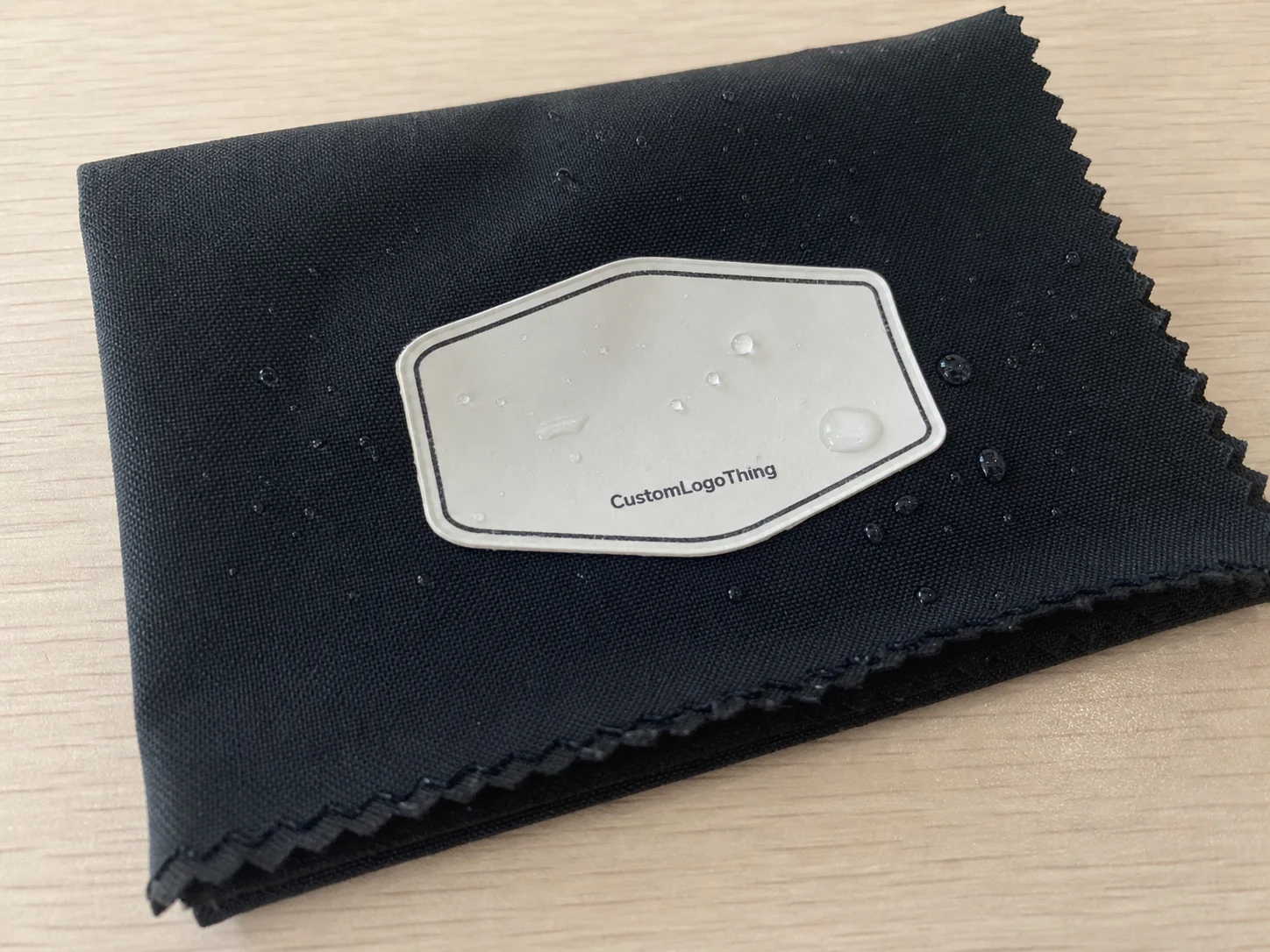
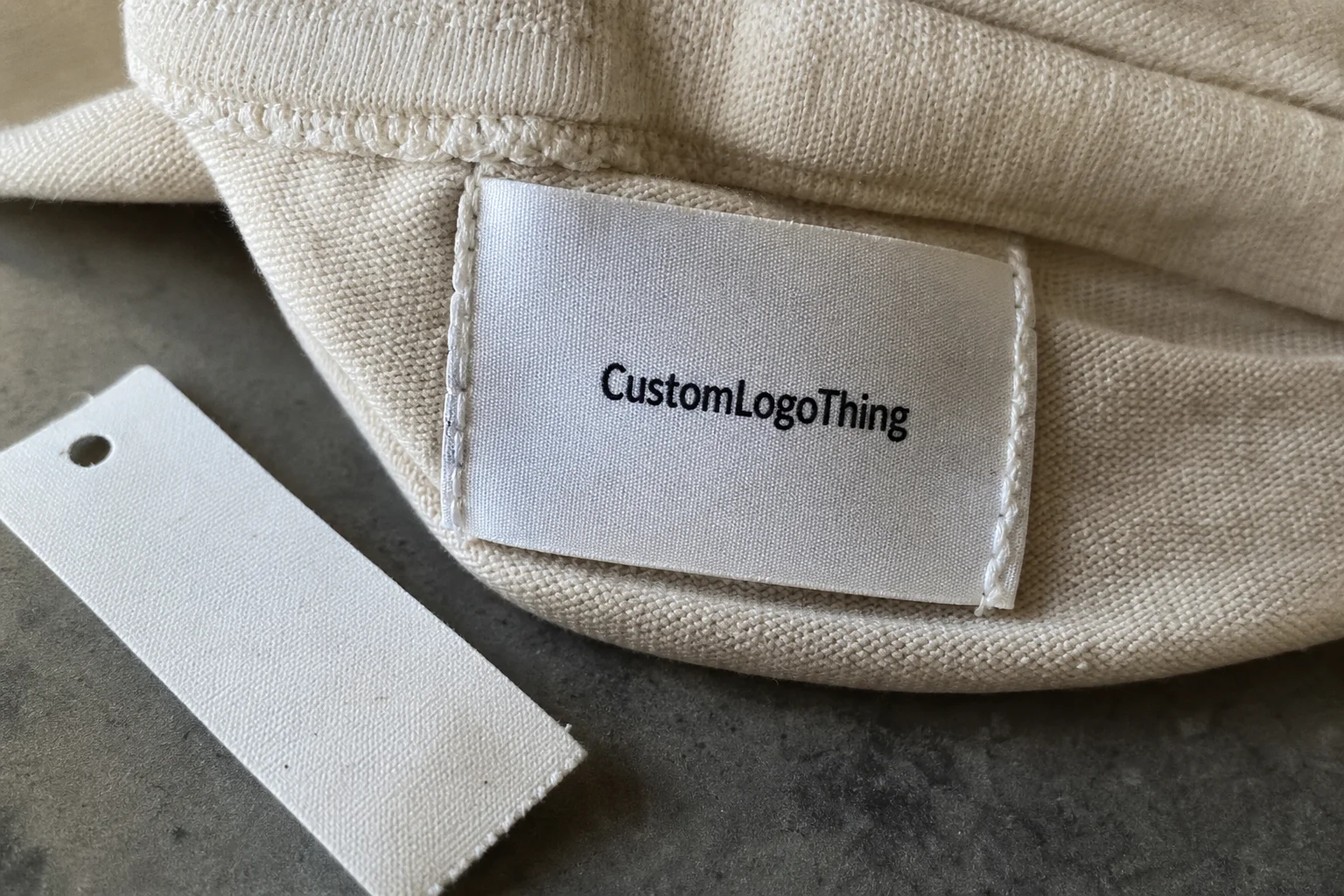
cheap Custom Drawstring Bags solve a basic packaging problem at a low cost. They hold product, carry branding, and pack quickly without the weight or structure of a box. For buyers trying to stay within budget, that combination usually matters more than a premium finish that adds cost without adding much function.
The best orders are usually the simplest ones: a clean logo, a sensible fabric, and a size matched to the contents. That keeps the bag useful instead of overdesigned. It also helps the packaging look intentional, which matters more than trying to make a low-cost item look expensive.
Cheap does not need to mean flimsy. The difference between a good result and a weak one usually comes from the spec, not the price alone. Buyers who pay attention to material weight, cord style, print method, and carton packing usually avoid the mistakes that make budget packaging look careless.
Why cheap custom drawstring bags still earn attention at low cost
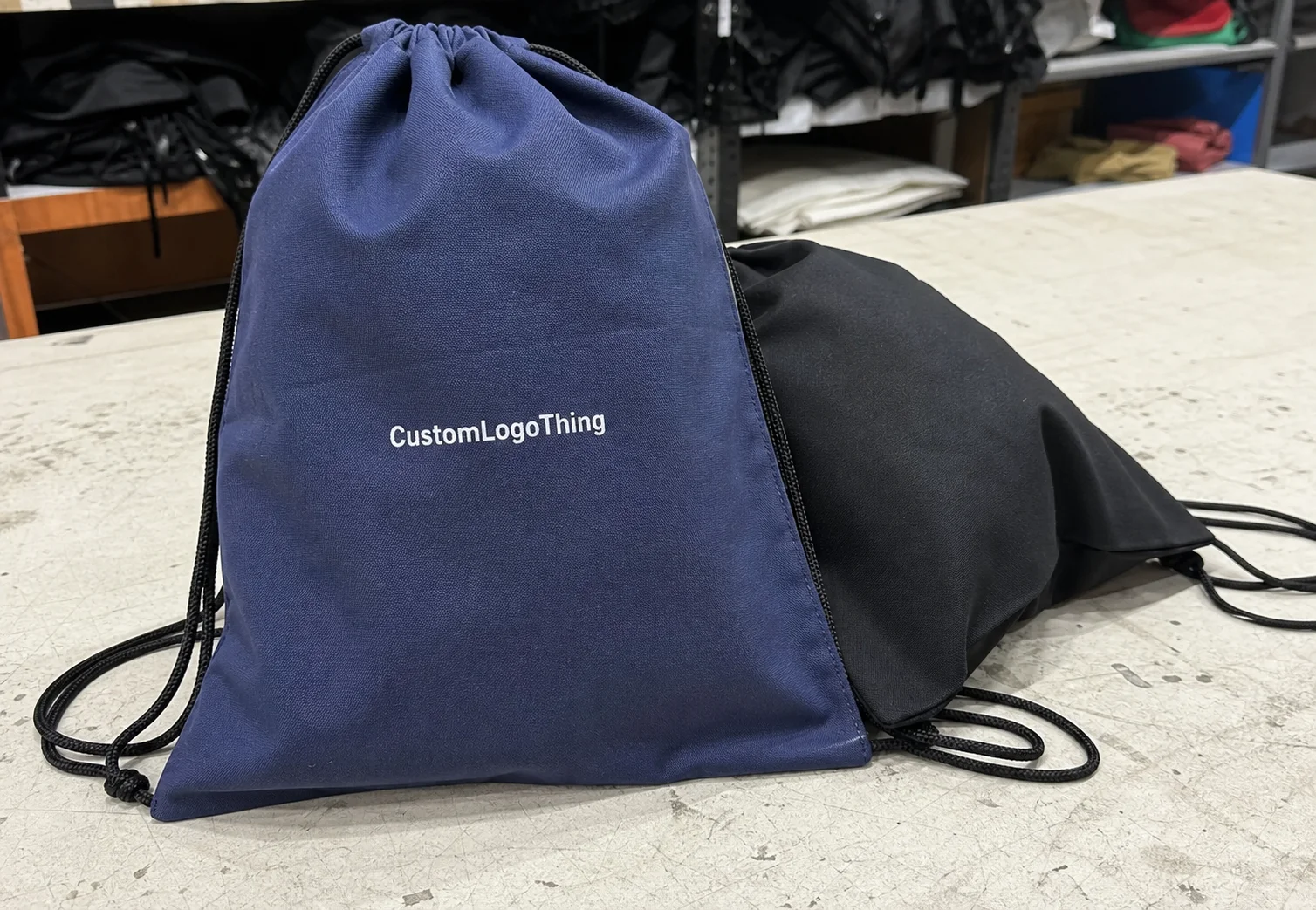
These bags sit in a practical middle ground. They are lighter and easier to handle than a box, but they feel more deliberate than a plain mailer or an unbranded insert. For event kits, retail bundles, product samples, and small gifts, that balance is often enough.
They also work well operationally. Bags store flat, take up little warehouse space, and can be packed quickly. That lowers labor pressure when a team is building hundreds or thousands of kits. The drawstring closure also reduces tape, folding, and other finishing steps.
Reuse is another reason buyers keep coming back to them. Even a modest bag can stay in circulation after the first handoff, which gives the logo more exposure over time. The first impression matters, but repeat visibility often matters more.
There is still a limit. A low-cost bag is not a substitute for real protection if the contents are fragile, heavy, or crush-sensitive. It is better to use one for presentation and light containment than to overload it and expect it to behave like a shipping container.
“The real value is not the low unit price by itself. It is the amount of visible, usable packaging the buyer gets for that price.”
For teams comparing packaging formats, the same rule applies across categories: match the structure to the product, then remove what is unnecessary. For reference on handling and distribution risks, the Packaging Consortium and ISTA are useful starting points.
Material and size choices that keep unit cost down
Material selection is where most cost control happens. Nonwoven polypropylene is usually the lowest-cost option and a common fit for promotional use. It is lightweight, easy to cut and sew, and suitable for simple decoration. It will not feel premium, but it performs well for giveaways and event handouts.
Lightweight polyester costs more, but it gives a smoother face for printing and a cleaner overall look. That can be worth it when the bag will be seen before the product is removed, or when the packaging needs to look better on a shelf. Cotton and cotton blends sit higher still. They offer a softer hand feel and more natural appearance, but they also raise the finished price and often extend lead time.
Size matters just as much. Larger panels use more material, require longer seams, and usually take more ink if the artwork is scaled correctly. A cosmetics pouch might fit in 4 x 6 inches or 5 x 7 inches. Accessories and small gifts often fit in 6 x 8 inches or 8 x 10 inches. Apparel inserts usually start around 9 x 12 inches, and shoes or bulk sets often need 10 x 14 inches or 12 x 16 inches. Oversizing the bag just to be safe usually wastes material and shipping weight.
The closure should be chosen with the same restraint. Basic cord is usually the least expensive route. Standard polyester cord stays economical and is common on budget orders. Cotton rope gives a softer finish, but it raises cost. Toggles can improve usability, especially for reusable bags, but they add parts and assembly steps.
Match the build to the contents. A small accessory does not need a heavy bag, and a branded giveaway does not need premium hardware if the packaging only has to look clean and function reliably.
- Small gift items: 4 x 6 inches to 5 x 7 inches
- Cosmetics and accessories: 6 x 8 inches to 8 x 10 inches
- Apparel inserts: 9 x 12 inches to 10 x 14 inches
- Shoes and bulk sets: 12 x 16 inches or larger
Print methods and branding details that affect the final look
Decoration is where budget packaging either looks clean or starts to feel careless. Single-color printing is usually the safest way to keep costs under control. One logo, one position, and strong contrast can look better than a more complicated design done badly.
More colors mean more setup, more handling, and more chances for registration issues. Multi-color printing can still work, but it should be justified by the brand, not by habit. On very low-cost orders, elaborate artwork is often the wrong choice because it adds prepress work and increases the risk of alignment problems.
Embroidery, woven labels, and heat transfer all have a place, but each adds complexity. Embroidery can make a thicker bag feel more finished, though it is usually hard to justify for a strictly budget order. Woven labels can improve appearance without covering the whole panel, but they add another production step. Heat transfer handles detail well, but it depends on fabric compatibility and careful file prep.
Artwork quality matters more than many buyers expect. Tiny text, thin lines, and crowded layouts usually look worse on a small bag than they do on a screen. A bold mark with clean spacing almost always performs better than a logo that tries to say too much.
Prepress details that save money
Vector files are the safest starting point because they keep edges clean and make scaling easier. If color matching matters, a Pantone reference helps, but buyers should still expect practical tolerance rather than perfect screen-to-sample matching. The proof is the last low-cost place to catch issues. After approval, corrections become slower and more expensive.
A digital mockup is worth requesting before the run starts, especially if the logo sits close to a seam or cord channel. It will not replace a sample, but it often exposes problems with placement, scale, and contrast before production begins.
Pricing, MOQ, and unit cost tradeoffs to compare
Four variables drive price most directly: material, size, print colors, and quantity. Closure hardware and special finishing come next. Increase all of them and the quote climbs quickly. Simplify the build and raise the quantity, and the per-unit cost usually drops.
MOQ is part of that math because setup costs do not disappear on a small run. Cutting, sewing, printing, inspection, and packing all need to be absorbed somewhere. A 300-piece order may have a much higher unit cost than a 3,000-piece order even if the bag itself is unchanged.
Quote comparison should include the parts that are often hidden. Ask about setup fees, sample charges, carton counts, packaging style, and freight. A lower bag price can be offset by shipping or by separate charges for proofing. A quote that looks higher at first can still land lower once all costs are included.
The ranges below are broad estimates, but they reflect the spread buyers often see for cheap custom drawstring bags at moderate quantities.
| Bag type | Typical MOQ | Approx. unit price | Best use | Notes |
|---|---|---|---|---|
| Nonwoven polypropylene, one-color print | 1,000 to 3,000 | $0.18 to $0.35 | Events, promos, simple inserts | Lowest cost, lighter hand feel |
| Lightweight polyester, one-color print | 1,000 to 3,000 | $0.28 to $0.55 | Retail handouts, accessory packaging | Smoother look, better presentation |
| Cotton blend, one-color print | 2,000 to 5,000 | $0.45 to $0.90 | Premium giveaways, gift bundles | Higher perceived value, higher cost |
| Decorated bag with embroidery or label | 2,000 to 5,000 | $0.75 to $1.40 | Retail packaging, brand launches | Better shelf appeal, longer lead time |
If the order needs a sustainability angle, confirm the claim before printing it on the bag. The material source, fiber content, and any recycled-content statement should all be accurate and supportable. The EPA’s Sustainable Materials Management resources are a useful reference point for environmental claims and material handling.
The best quote is the one that makes total cost visible. It should show what the bag includes, what can change the price, and what the landed cost looks like after freight.
Process, timeline, and turnaround from proof to shipment
The workflow is straightforward: Request a Quote, confirm size and fabric, send artwork, review the proof, approve production, manufacture, inspect, pack cartons, and ship. The process itself is rarely the issue. Delays usually come from missing information or late changes.
Timelines are usually slowest at the specification stage and faster after proof approval. A quote may take one or two days if the supplier has to confirm construction details. Proofing can take another day or two if the artwork needs cleanup. Once the order moves into production, standard runs often finish in about 12 to 15 business days, although quantity and decoration complexity can stretch that window.
Shipping is separate and should be treated that way. Air freight, express courier, and ocean freight change the calendar in different ways. A buyer with a fixed event date needs to count transit time from the start, not after production is complete.
Most schedule problems come from the same few causes: vague dimensions, unclear artwork, late proof changes, and fabric availability issues. None of these are complicated, but each one can push the order back if the timeline is already tight.
If speed matters, ask about rush handling before the order is released. Faster service usually narrows the material choices, limits decoration options, or increases the rate. That should be visible early, not discovered after production has started.
Quality checks and supplier standards that prevent surprises
On budget drawstring bags, quality control is mostly about preventing avoidable failures. The first checks should be mechanical: seam strength, cord movement, print alignment, and closure function. If the stitching pulls under light tension or the cords slide unevenly, the bag will feel unreliable no matter how low the price was.
Carton packing matters too. Many buyers need exact counts per carton for retail rollouts or event builds, and short counts create labor problems fast. If a supplier cannot explain how cartons are counted, labeled, and checked, that is a sign to slow down and ask for more detail.
Request a sample when the order matters, and ask for a proper spec sheet. It should list dimensions, fabric type, thickness or weight where relevant, print method, closure style, carton count, and carton dimensions. If the supplier is slow to answer basic questions during proofing, that pattern rarely improves once the run starts.
Low-priced orders carry a specific risk: weak stitching or inconsistent cord material can hide behind the savings. That is less painful on a one-time giveaway and more serious on retail packaging, where the bag may be handled several times before it reaches the customer.
Buyer checkpoint: if a supplier cannot provide a sample, describe the QC process, or confirm carton counts in writing, the order is not ready to release.
Transport testing standards such as those published by ISTA are useful because they reveal weak points before the product is in the customer’s hands. A bag, cord, and carton that cannot survive ordinary handling were never truly inexpensive, no matter what the quote said.
How to place the order and lock in the best spec
The cleanest starting point is simple: target size, fabric preference, logo file, quantity, destination, and deadline. Those five items give a supplier enough information to return a quote that is actually usable. A request for “cheap bags” by itself leaves too much open for assumptions.
It helps to ask for two versions of the quote. One should be the lowest-cost build that still looks acceptable. The other should be a modest upgrade with a better fabric feel or better decoration quality. That comparison makes it easier to see whether a small price increase is worth the presentation gain.
If the bags are tied to a launch, trade show, or seasonal shipment, ask for a digital mockup or sample before approval. That is especially useful when the logo includes small text or sits near a seam, the cord channel, or another tricky area. The mockup is less about design and more about risk control.
Before production begins, confirm the final spec sheet, proof approval, carton count, and shipping terms. The order should state the material, print coverage, packing method, and any freight assumptions clearly enough that there is no room for guesswork. That discipline is what keeps cheap custom drawstring bags on budget without sacrificing the practical side of packaging.
For teams managing more than one packaging format, it can also help to compare these bags with other Custom Packaging Products in the same order window. In some cases, a pouch or a box is the better fit. In others, the drawstring bag wins because it is lighter, easier to pack, and less expensive to produce.
The most reliable path is still the most restrained one: keep the spec tight, keep the artwork simple, and confirm the production details before anything starts. That is how the bags stay affordable, arrive on schedule, and support the product instead of distracting from it.
What is the lowest MOQ for cheap custom drawstring bags?
MOQ varies by material, print method, and bag size. The lowest pricing usually appears at higher quantities because setup, labor, and packing are spread across more units. Small runs are possible, but the per-bag cost rises quickly.
Which material is best for cheap custom drawstring bags?
Nonwoven polypropylene is usually the lowest-cost choice for straightforward promotional use. If the bag needs a cleaner retail look, lightweight polyester is a stronger presentation option, while cotton blends sit higher on cost and perceived value.
Can I print a logo on cheap drawstring bags without raising cost too much?
Yes. A one-color logo with a simple layout is usually the most economical route. Costs rise as artwork gets more complex, more colors are added, or the design needs special finishing.
How long does production take after artwork approval?
Standard production often takes about 12 to 15 business days after the proof is approved, though that depends on quantity, material availability, and print complexity. Shipping time is separate and should be added to the schedule from the start.
Are cheap custom drawstring bags suitable for retail packaging?
Yes, if the fabric, stitching, and print quality are good enough for the product and the shelf environment. For retail use, buyers should pay close attention to seam strength, logo clarity, and whether the bag feels intentional rather than disposable.