Buyer Fit Snapshot
| Best fit | Custom Molded Inserts Price projects where brand print, material claims, artwork control, MOQ, and repeat-order consistency need to be specified before quoting. |
|---|---|
| Quote inputs | Share finished size, material target, print colors, finish, packing count, annual reorder estimate, ship-to region, and any compliance wording. |
| Proofing check | Approve dieline scale, logo placement, barcode or warning zones, color tolerance, closure strength, and carton packing before bulk production. |
| Main risk | Vague material claims, crowded artwork, missing packing details, or unclear freight terms can make a low unit price expensive after revisions. |
Fast answer: Custom Molded Inserts Price: Material, Print, Proofing, and Reorder Risk should be specified like a repeatable production item. The safest quote records material, print method, finish, artwork proof, packing count, and reorder notes in one written spec.
Production checks before approval
Compare the actual filled-product size with the drawing, then confirm tolerance on folds, seals, hang holes, label areas, and retail display edges. Reserve space for logos, QR codes, warning copy, and material claims before decorative graphics fill the panel.
Quote comparison points
Review material grade, print process, finish, sampling route, tooling charges, carton quantity, and freight assumptions side by side. A quote is only useful when the supplier can repeat the same color, closure quality, and packing count on the next order.
Custom Molded Inserts Price: What Actually Drives the Cost?
The first question buyers ask about custom molded inserts price is usually the same one: what is the actual number, and why does it move around so much? Fair question. A quote only means anything once you compare the insert against the cost of breakage, returns, repacking labor, and the occasional ugly unboxing moment that makes a premium product look cheap. A $0.18 insert can be expensive if it fails. A $0.42 insert can be cheap if it keeps the product intact and the team moving.
That part gets missed a lot. Two products can live in the same outer carton and still need completely different insert designs. One product is stable and forgiving. The other is fragile, top-heavy, oddly shaped, or shipped with accessories that like to rattle around and wreck the presentation. The real question is not which insert is cheapest on paper. It is which design gives the lowest total landed cost once packing time, freight efficiency, and damage risk are all included.
That is the practical way to look at pricing. Buyers do not buy inserts for the insert itself. They buy a controlled outcome: less damage, cleaner pack-out, and a package that does not embarrass the brand when the customer opens it.
Why Custom Molded Inserts Often Save More Than They Cost
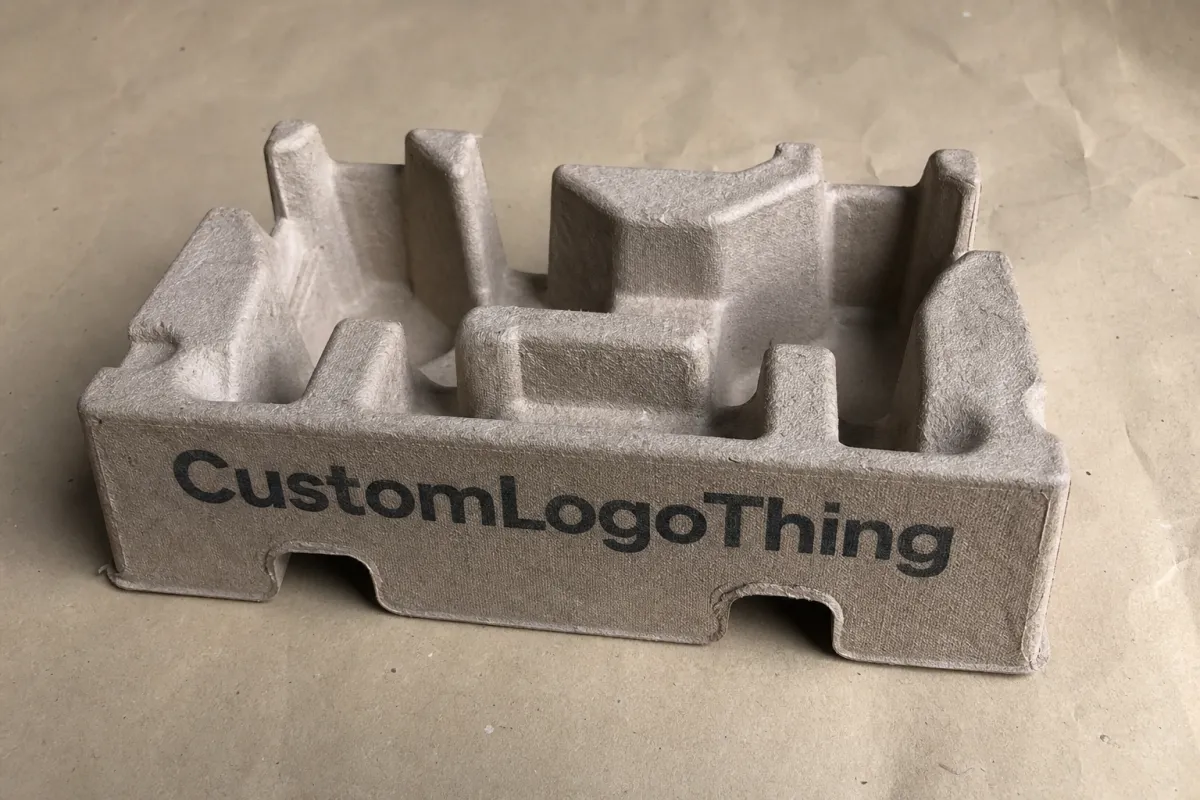
Custom molded inserts often pay for themselves faster than people expect. They cut avoidable losses. One damaged return can wipe out the margin on several clean sales, especially for premium kits, electronics, cosmetics, and subscription boxes where presentation matters almost as much as protection. That changes the job of the insert. It stops being a line item and starts acting like a control point.
Picture two products. A glass bottle set and a compact power accessory may fit the same carton footprint, but they do not ask for the same protection. The bottle set needs spacing, surface protection, and real shock absorption. The accessory set may need anti-static handling, separated compartments, and a layout that lets packers move quickly without second-guessing every piece. Same box. Different rules.
The savings show up in a few places at once:
- Fewer returns: less breakage, less repacking, fewer refund requests.
- Tighter shipper sizing: less void space, better cube use, less freight waste.
- Faster pack-out: a defined cavity means less handling and less hesitation at the line.
- Cleaner shelf presentation: the product sits neatly and looks intentional inside the box.
- Less loose fill: fewer chips, peanuts, or crumpled paper to manage.
That matters in branded packaging programs where the insert is doing more than keeping a product safe. It is shaping the opening experience, making the brand look organized, and keeping every component where it belongs. In retail packaging, people notice. In direct-to-consumer fulfillment, the payoff is lower labor and fewer mistakes. The cost is real. So is the savings.
“The cheapest insert is rarely the cheapest packaging decision. The better question is what design prevents damage, speeds packing, and still fits the margin.”
That mindset helps even more with multi-piece sets. If a kit includes a main product, a charger, an instruction card, and two accessories, the insert needs to hold all four without making the box look crowded or loose. A well-built custom cavity system often pays for itself by cutting rework and improving first-pass pack efficiency.
There is also a less glamorous benefit: fewer exceptions at the warehouse. Packers do not have to improvise when a cavity is obvious, consistent, and sized correctly. That consistency matters more than buyers usually admit during the quoting stage.
What Custom Molded Inserts Are and How They Work
Custom molded inserts are shaped protective components that hold a product in place inside a shipper, retail carton, or display box. The job is simple. Keep movement low. Spread stress. Make the opening experience predictable. If the product lands intact, looks tidy when opened, and does not need a pile of filler to stay put, the insert is doing its job.
Buyers usually compare a few material families. Each one carries a different cost structure, finish, and performance ceiling.
- Foam-based inserts: useful for cushioning, vibration control, and tighter protection around delicate surfaces.
- Molded pulp: often favored for recyclability, nesting, and lower-cost protective packaging at scale.
- Thermoformed inserts: common where presentation, repeatability, and exact part placement matter.
Each option can work. Not for the same product, though. Foam is often the better answer for scuff-prone electronics or items with fragile finishes. Molded pulp can fit heavier components or brands pushing a more fiber-based packaging design. Thermoformed inserts bring a cleaner presentation for cosmetics, consumer goods, and product packaging that needs precise staging.
Geometry changes the math fast. A squared-off item with clean dimensions is easier to support than a product with handles, protrusions, sloped shoulders, or uneven weight. Deep voids, internal cutouts, corner supports, and accessory pockets all add complexity. The stranger the shape, the more the insert has to be engineered instead of simply shaped.
Inside the full packaging system, the insert does several jobs at once. It cushions the product during transit, stages the item for first reveal, supports stacking in a master carton, and keeps the box looking orderly on opening. In plain terms, it is part protection, part merchandising, and part labor-saving tool. That is why buyers of custom packaging products pay close attention to insert design before they approve the outer carton artwork.
For direct-to-consumer brands, that matters even more. A beautiful carton with a noisy interior undercuts the whole thing. A simple insert that holds each component cleanly can improve the package without changing the outer box at all.
For a broader packaging program, many teams pair inserts with other custom packaging products so the box structure, print finish, and interior support all work together. The result feels deliberate rather than improvised.
One more point: the best insert is not always the thickest one. Overbuilding adds cost and can slow down pack-out without improving the customer outcome. Design should match the product, not the anxiety level in the room.
Key Specifications That Influence Performance
The fastest way to get a realistic quote is to share the right specifications up front. Suppliers can work around missing details, but every gap adds risk, and risk shows up in the price. A quote built on incomplete data usually carries extra margin, more sampling, or a change order later. Nobody loves that.
At a minimum, a packaging team should provide:
- Product dimensions: length, width, height, and any critical internal clearances.
- Product weight: total weight and weight distribution if it is uneven.
- Fragility points: glass corners, exposed finishes, screens, lenses, or delicate seals.
- Accessory count: cables, manuals, caps, chargers, samples, or inserts inside the insert.
- Target carton size: if the outer box already exists, the insert must fit that envelope.
Tolerance is one of the most underrated variables. Too loose and the product rattles and scuffs itself to death. Too tight and packing slows down while pressure on the product goes up. In some categories, a difference of 1 to 2 mm is enough to turn a clean design into a frustrating one. That is especially true for retail packaging, where the same package may be packed by multiple operators across multiple shifts.
Finish and functionality shape the final result too. Buyers often ask for color matching, surface texture, anti-static properties, or a recyclable construction. Each choice changes the material mix and the process. A matte insert may hide scuffs better. A smooth cavity may look more premium and be easier to clean. Anti-static properties matter for some electronics. Recyclability goals matter for brands trying to improve their material story and align with FSC-certified outer components when relevant.
Testing should happen before approval, not after the shipment is already out in the wild. The most useful checks usually include:
- Drop resistance: does the product stay secure after handling and transit shocks?
- Compression recovery: does the insert rebound after being stacked or pressed?
- Surface scuffing: does the insert leave marks on coated, glossy, or painted parts?
- Temperature sensitivity: does the material warp, compress, or change behavior in storage?
For buyers working under formal qualification procedures, standards from organizations such as ISTA are worth reviewing because package testing helps define whether the insert protects the item under shipment conditions rather than only looking polished on a desk. The right test plan depends on the channel, but the rule stays the same: validate the insert against shipping reality, not just the drawing.
That goes for sustainability claims too. A fiber-based insert that performs well but uses more material than necessary may not be the best tradeoff. A lighter design with the right support ribs and cavities can reduce material use while improving pack efficiency. The lowest-cost option is not always the lowest-risk option, and it is not always the greener one either.
Some buyers also forget about operator behavior. If the cavity is hard to read or the part has to be forced into place, people will improvise. That is how good packaging becomes inconsistent packaging. A clean spec should make the right choice obvious for the person packing the order.
How Custom Molded Inserts Price Is Calculated
Custom molded inserts price comes from a handful of major drivers, and each one can move the quote more than buyers expect. Material selection usually comes first. Then cavity complexity, tooling requirements, order quantity, and the amount of sampling or revision work needed before production starts.
Here is a practical way to look at the quote structure:
| Cost Driver | What It Changes | Typical Impact |
|---|---|---|
| Material choice | Fiber, foam, or thermoformed construction, plus finish and performance level | Often the largest swing in unit price and tooling style |
| Geometry | Depth, contours, cutouts, and accessory compartments | More complex shapes usually raise engineering and setup effort |
| MOQ | Minimum order quantity and production efficiency | Smaller runs usually cost more per piece |
| Tooling and setup | Dies, molds, fixture prep, and line calibration | Front-end costs are spread across total units produced |
| Sampling | Prototype builds, fit tests, and revisions | Can add time and cost before production approval |
| Shipping configuration | How the insert nests, stacks, and ships in bulk | Affects freight cost and warehouse handling |
Material selection is usually the first real lever. Foam can cost more if the application calls for intricate cuts or premium cushioning. Molded pulp may be efficient for many protective uses, but the exact form and wall structure still matter. Thermoformed inserts can be economical in repeat programs, yet the mold and tooling assumptions shape the first quote hard.
Geometry is the next big factor. A simple tray with one cavity is easier than a multi-level insert with hidden compartments and tight product tolerances. Every extra contour adds engineering time and can create more scrap or slower production. If a brand wants a premium reveal, that premium look often comes from complex geometry, and the price reflects it. No mystery there.
MOQ changes the equation immediately. Lower-volume orders absorb more setup cost per unit, which is why smaller runs usually carry a higher unit price. A production line making 25,000 pieces can spread setup and material handling more efficiently than one making 1,000. That does not make small orders impossible. It means they need a sharper comparison.
Sample and prototype costs belong in the budget from day one. Buyers underestimate this all the time because they focus only on the final piece price. A prototype may expose a fit issue, a clearance problem, or a scuffing concern that forces a second sample. That is not wasted money if it prevents field failures, but it still belongs in the total project cost.
There are also cost levers buyers can control without weakening protection. Simplify the geometry. Reduce unnecessary depth. Standardize a tray across multiple product variants so the development cost gets spread across more units. If one platform can handle a family of products with only minor adjustments, the savings show up fast.
In real buying terms, the strongest pricing conversations usually compare three versions side by side: a minimum-protection option, a balanced option, and a premium-protection option. That turns the quote into a decision tool instead of a one-number guess. It also helps with package branding decisions because the buyer can see what extra presentation is actually worth paying for.
For brands comparing the broader packaging mix, it often helps to put the insert quote next to other packaging design choices in the same program. Sometimes a slightly more engineered insert allows a smaller outer carton, which changes freight, storage, and fulfillment efficiency. A better insert can pull cost out of other places.
One thing to watch: very low unit prices can hide weak assumptions. If a supplier has not seen the actual product, the estimate may ignore tooling, tolerances, or post-approval changes. A cheap quote that collapses later is not cheap. It is just delayed pain.
Production Steps, Lead Time, and Turnaround
The production path usually follows a predictable sequence. Intake and review come first. Then the supplier collects measurements, product photos, and any shipment or display requirements. After that, the design is developed, samples are built, feedback is applied, approval is secured, and the production run is scheduled. Quality checks and shipment finish the job.
Where does time disappear? Usually in two spots. The first is incomplete data. If product dimensions are missing, inconsistent, or measured without accounting for protrusions, the first design may need a revision. The second is approval lag. A packaging engineer may move quickly, but if final sign-off has to pass through product, procurement, operations, and marketing, the calendar stretches.
Lead time and turnaround are not the same thing. Turnaround describes how quickly a supplier can move a job through the pipeline once everything is final. Lead time includes the full path, including sampling, revision, tooling, and production. For a clean project with final dimensions and clear expectations, a simple insert program may move much faster than a more complex one. For a new product launch, the timeline often depends more on internal approval speed than on factory capacity.
Typical timelines vary by material and scope, but buyers often see something like this:
- Simple repeat designs: sometimes 10-15 business days after approval, depending on material and volume.
- New custom builds with sampling: often several weeks from spec collection to production-ready approval.
- Complex programs with tooling changes: longer, especially if prototypes need multiple revisions.
Rush requests are possible in some cases, but they usually narrow material choices and raise cost. If a supplier has to re-slot production, prioritize a job, or source a less standard material, the quote will show it. Rush work should be used carefully, not treated like a default planning tool.
Buyers can shorten the schedule by preparing the right inputs before asking for pricing. Final artwork helps if the insert works with printed components. Accurate sample data helps if the product is still being refined. Clear shipping requirements help if the pack must survive long-distance distribution or e-commerce fulfillment. Even the carton specification matters if the insert has to fit inside an existing box line.
For companies that care about responsible sourcing, it also helps to ask whether the material supports relevant certifications or recycled-content goals. If a paper-based insert is part of a larger paperboard system, pairing it with FSC-aligned materials from FSC can simplify the sustainability story, provided the rest of the packaging system is aligned too. Certification does not replace performance testing. It sits beside it.
One more practical point: stable designs move faster. Frequent changes to product geometry, accessory count, or carton footprint create rework. A buyer who locks the design early often gets a better schedule and a cleaner price. That is especially true in Custom Printed Boxes programs where the outer print run and the inner support structure need to move together.
Why Buyers Choose a Custom Packaging Partner
Buying inserts is not just a sourcing exercise. It is an engineering decision with commercial fallout. That is why many brands prefer a packaging partner who can explain the tradeoffs clearly before the purchase order is issued. Transparent pricing matters. So does the ability to point out where a design is overbuilt, underprotected, or simply more expensive than the application deserves.
Good partners shorten the distance between concept and sample while keeping the production result repeatable. That repeatability matters more than many first-time buyers realize. A single good sample is not enough if the next 20,000 units vary in cavity depth or fit. Consistency protects the brand, the warehouse team, and the customer experience.
Quality control matters most for products that cannot tolerate variation from one shipment to the next. An insert that performs well on the first run but drifts over time can create hidden costs in returns, labor, and service complaints. Documented specs, material consistency, and repeatable tooling settings all help reduce that risk.
A strong partner also helps with broader product packaging decisions. Maybe the insert needs to support a retail display. Maybe it needs to fit into a mailer. Maybe the brand wants to upgrade the outer box without changing the product footprint. In every case, the insert is part of a system, not a standalone piece.
That systems view is where a supplier like Custom Logo Things can be useful. A buyer looking at Custom Packaging Products usually needs more than one component, and a coordinated approach can keep the box, interior support, and brand presentation aligned. If the interior and exterior are designed together, the packaging feels more deliberate and less improvised.
From a purchasing standpoint, the best supplier conversations are concrete. A good partner can discuss wall thickness, cavity depth, recyclability, print compatibility, and pack-out time without hiding behind vague claims. That is the kind of support that keeps budgeting realistic and prevents surprises after approval.
Not every program needs the highest-spec insert. Some need the most efficient one. Others need a premium finish that elevates the reveal. A good packaging partner helps the buyer decide which outcome is worth paying for and which one only adds cost without changing the result.
The honest version of this is simple: a supplier that only sells the lowest quote is not necessarily helping. A supplier that pushes the right design for the product, even if the answer is less flashy, is usually the one that saves money later.
What to Prepare Before Requesting a Quote
The quality of the quote depends heavily on the quality of the inputs. If a buyer wants an accurate custom molded inserts price, the request needs enough information for a supplier to size the design correctly the first time. That saves time on both sides and usually produces a better number.
Before requesting pricing, gather the following:
- Product photos: multiple angles, including any fragile areas or odd contours.
- Dimensions and weight: actual measurements, not estimated box sizes.
- Current packaging: what is being used now, and where it fails.
- Failure points: breakage, scuffing, movement, or poor presentation.
- Order quantity: expected volume, pilot run, and repeat forecast if available.
- Target launch date: the date that matters, not just the ideal one.
- Destination: domestic, export, warehouse, or direct-to-consumer channel.
- Carton plan: whether the insert must fit an existing box or a new one.
State the budget range and priority order too. A supplier cannot optimize for everything at once if the budget is tight. If appearance matters most, say so. If shipping protection is the main concern, say that instead. If the goal is to reduce cost without changing the box size, make that clear. The quote should reflect the actual business goal, not a generic spec sheet.
Ask for alternate options in the same request. One version with lower material usage. One with a smoother presentation finish. One with the strongest protective profile. That comparison makes tradeoffs visible. It also makes the final decision easier for procurement and operations teams because they can see the price delta tied to a specific design change.
For buyers managing several product lines, standardization can create real savings. One tray platform may serve multiple SKUs with minor inserts or shims. That can reduce tooling variety, simplify inventory, and keep production planning cleaner. It also makes branded packaging more consistent across a family of products.
Compare the quote by unit cost and lead time, not unit cost alone. A slightly lower price that pushes launch back two weeks may cost more in lost sales than a cleaner production schedule. The right choice balances protection, presentation, and timing without overbuying on any one point.
In practical terms, the best purchasing decision is usually the one that makes the whole packaging system work harder with less waste. That is why the custom molded inserts price should be read alongside damage rate, packing labor, and freight efficiency. Used that way, the insert stops looking like a cost and starts acting like a control on the whole program.
If the quote still feels vague, ask the supplier to explain what assumptions they used. Any serious packaging partner should be able to walk through material, tooling, tolerance, and production assumptions without ducking the details. That is where trust gets built.
FAQ
What affects custom molded inserts price the most?
Material choice usually matters first because foam, pulp, and thermoformed structures have different tooling needs and production economics. Geometry comes next: deep cavities, tight tolerances, and irregular shapes take more engineering time and can raise the quote. Order volume also changes unit cost sharply, so smaller runs usually cost more per piece than repeat production.
Is there a MOQ for custom molded inserts?
Yes, most suppliers set a minimum order quantity to cover setup, tooling, and production preparation. MOQ varies by material and process, so a simple insert can have a lower threshold than a highly formed or decorative one. If your volume is below the standard minimum, ask about sample runs, pilot quantities, or phased production options.
How long does custom molded inserts production usually take?
Timeline depends on design complexity, approval speed, and whether sampling or tooling is needed first. A clean, finalized spec sheet shortens the process more than almost any other single factor. Rush orders may be possible, but they usually narrow material choices and increase cost.
Which material gives the lowest custom molded inserts price?
The lowest-cost option depends on the shape, quantity, and protection level you need, not just the material label. A simple insert in a standard material can cost less than a cheaper-looking material that requires more tooling or creates more rejects. The better comparison is total landed cost, including shipping efficiency and damage reduction.
Can I reduce custom molded inserts price without losing protection?
Yes, often by simplifying the shape, removing unnecessary depth, or standardizing inserts across multiple products. You can also lower cost by locking dimensions early, which reduces revisions and sampling delays. Ask for alternate quotes that compare material options, MOQ levels, and packaging configurations side by side, so the final design protects the product without inflating the custom molded inserts price.

