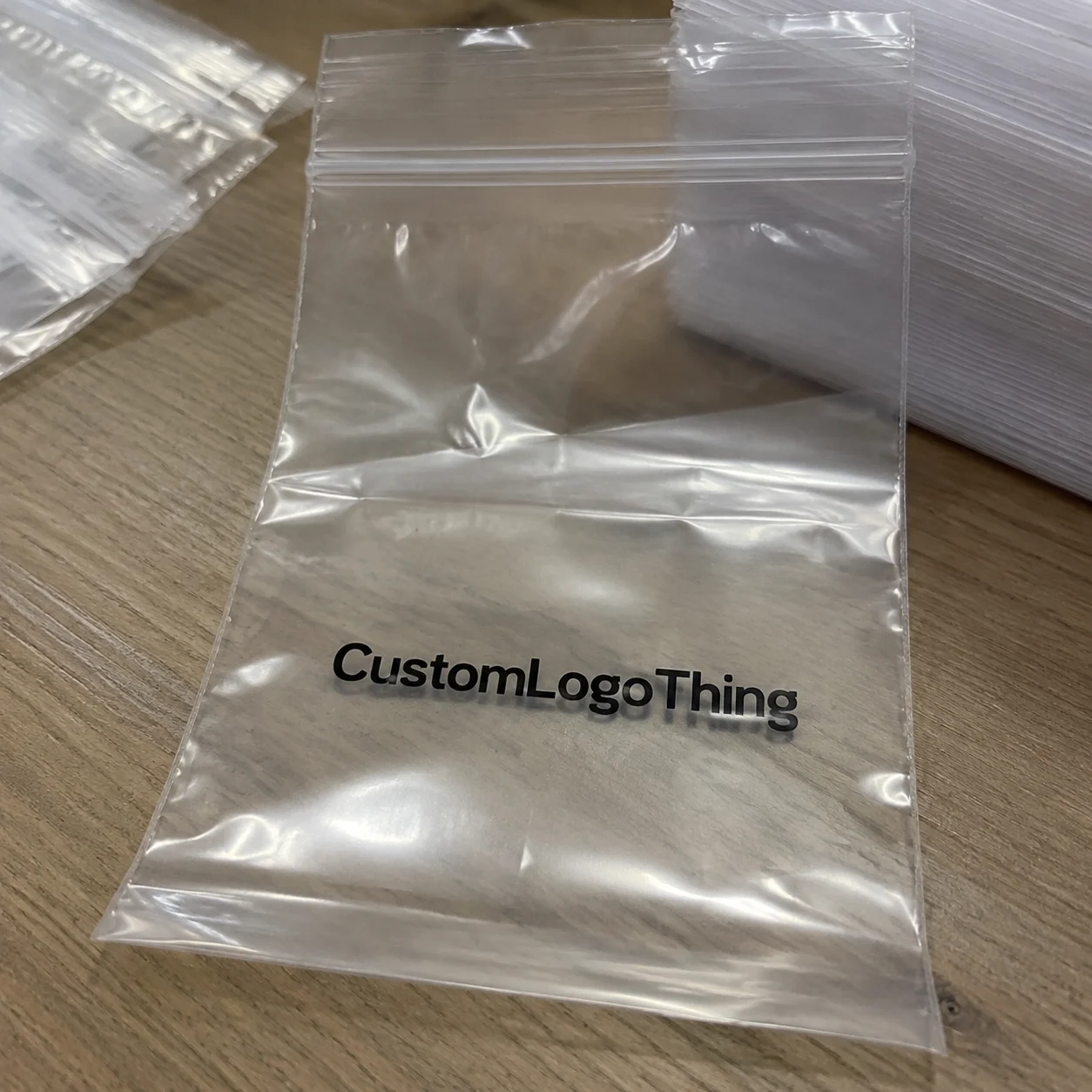
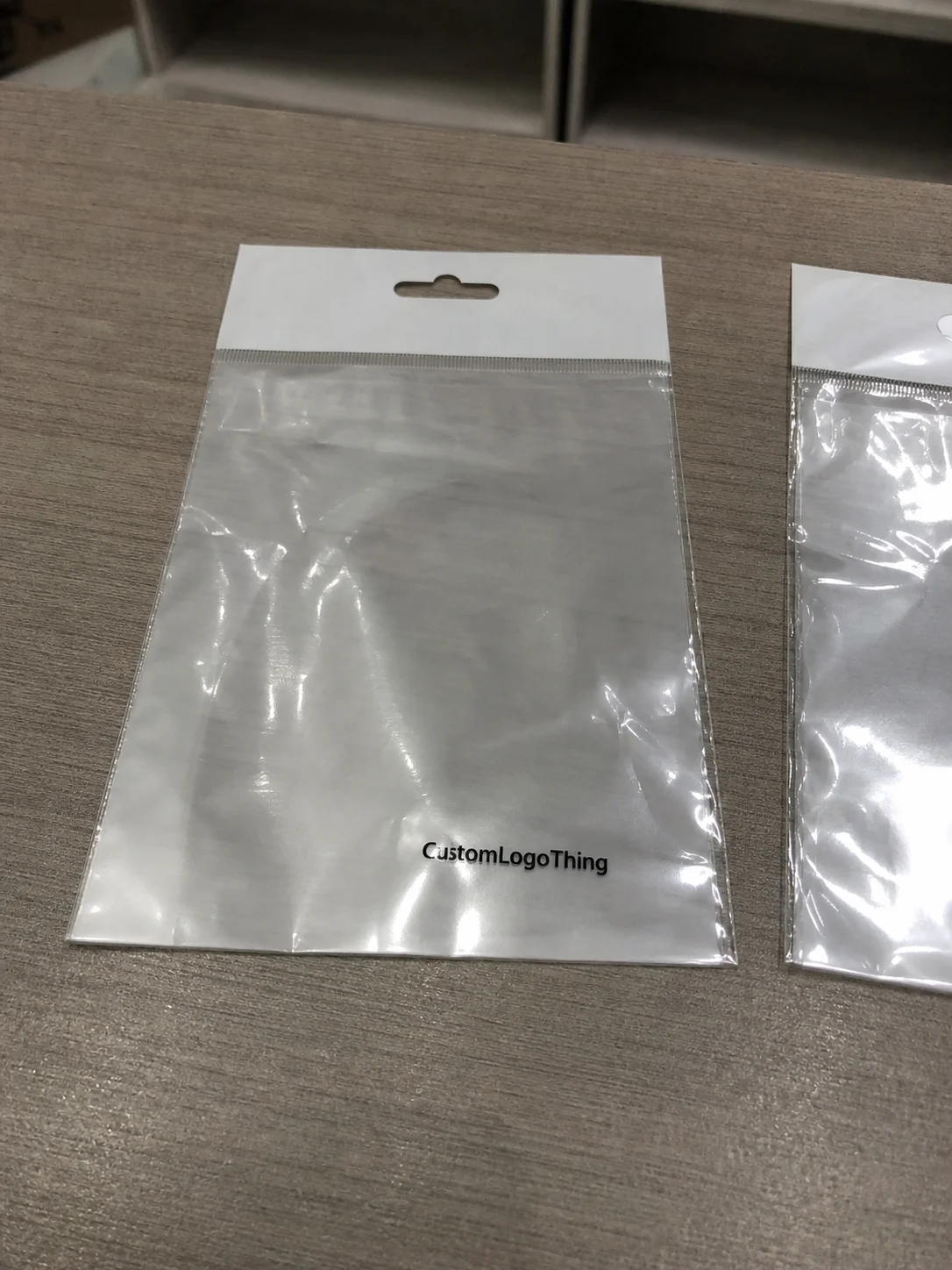
Buyer Fit Snapshot
| Best fit | Custom Packaging Cost Savings Case Study Blueprint projects where brand print, material claims, artwork control, MOQ, and repeat-order consistency need to be specified before quoting. |
|---|---|
| Quote inputs | Share finished size, material target, print colors, finish, packing count, annual reorder estimate, ship-to region, and any compliance wording. |
| Proofing check | Approve dieline scale, logo placement, barcode or warning zones, color tolerance, closure strength, and carton packing before bulk production. |
| Main risk | Vague material claims, crowded artwork, missing packing details, or unclear freight terms can make a low unit price expensive after revisions. |
Fast answer: Custom Packaging Cost Savings Case Study Blueprint should be specified like a repeatable production item. The safest quote records material, print method, finish, artwork proof, packing count, and reorder notes in one written spec.
Production checks before approval
Compare the actual filled-product size with the drawing, then confirm tolerance on folds, seals, hang holes, label areas, and retail display edges. Reserve space for logos, QR codes, warning copy, and material claims before decorative graphics fill the panel.
Quote comparison points
Review material grade, print process, finish, sampling route, tooling charges, carton quantity, and freight assumptions side by side. A quote is only useful when the supplier can repeat the same color, closure quality, and packing count on the next order.
How can a Custom Packaging Cost Savings Case Study Deliver Measurable ROI?
Every CFO I walk through a factory with wants to know if the numbers can be read directly on the ledger, so I frame the early conversation as: how does the Custom Packaging Cost savings case study become a living line of packaging ROI instead of a vague promise? The case study showed the spend shift from catalog boxes to custom ribs and adhesives, tracked in the same spreadsheet that governs supply chain efficiency, so the finance team saw the same numbers procurement did before we even mentioned die-line adjustments.
Material use savings—every millimeter of overlap, every drop of glue, every square inch of tape—kinda becomes visible evidence, and that packaging optimization discipline keeps those wins fresh; the material use savings that powered the custom packaging cost savings case study appear on every dashboard so finance can nod instead of frowning.
What a Custom Packaging Cost Savings Case Study Reveals
During a reconnaissance visit in Erlanger, I watched a line-side supervisor drop a caliper next to the 30x20x12 template and insist that the custom packaging cost savings case study, which ultimately delivered that 18% material savings, was more than a number—it was a live opportunity for smarter packaging design in branded packaging programs. Mentioning the savings to the engineering team sparked laughter because an extra 2 mm of overlap in the 350gsm C1S artboard had previously been dismissed as negligible, yet trimming that gap and reducing the hot melt bead from 0.35 ounces to 0.30 ounces shaved $0.12 per unit off the board usage. Most teams treat packaging as a passive order rather than a proactive call to action, while this case study scrutinized every inch of corrugate and every ounce of adhesive, even tracking the $45 per roll savings achieved by tightening the gluing pattern. I remember when the procurement director insisted that 2 mm was sacred geometry, which made the engineers smirk, but I also remember the quiet pause when I explained why we were trimming it. Honestly, I think the thrill in that room came less from the numbers and more from finally giving the team permission to obsess about packaging again. Those were the material use savings that turned packaging ROI into a lively agenda item whenever procurement crossed the shop floor.
The engineering team measured the blows to structural integrity, running a 36” drop test on the 30x20x12 corrugate shipper with custom inserts, and all of it passed ASTM D4169 protocols so the same structure could still handle the 25-pound transit load. During an impromptu tour, a palletizer operator told me, “We used to have 12% empty space; now it is 6%,” a drop confirmed by the vision system that now measures voids in real time. That reduction translated to 72 fewer void-fill pillows per 1,000 cartons, lowering labor for fill-and-cork by roughly $185 per 2,000-pack shift, which proved that the custom packaging cost savings case study delivers measurable articulation rather than hearsay. I swear he looked at me like I had asked him to perform a tightrope act, because the new cartons stacked so neatly that the robot arm stopped glancing at me suspiciously. It was the first time the supply chain efficiency metric came up in casual conversation, because those stackable cartons kept the line moving. I was taking notes on the back of a shipping manifest and already plotting how to tell this story in the quarterly review (I should probably stop using scrap paper, but the urgency felt like field reporting).
Traditional procurement had been sitting on the sidelines, approving multiple SKUs from catalog suppliers without asserting the premised volume of an actual custom program. I leaned into the story of that dimension tweak as a foil; the case study reframed their role from passive order-taking to proactive investment in packaging ROI. The downstream benefits soon became obvious: improving fill rates from 83% to 92% enabled better pallet cube utilization, reducing warehouse returns by 4% because the drop performance was consistent, and the replenishment lead-time from the line dropped from 18 minutes to under 7, since cartons were now fully packed and stackable and the forklift operators no longer detoured to add interim bracing. I could actually feel the relief in procurement when they realized the numbers weren't a pipe dream—they were a repeatable process backed by drop test data and real labor savings. That packaging ROI moved from anecdote to KPI as soon as procurement saw those pallet cube numbers and lead-time drops.
Confidence in the story grew when I referenced the same metrics in the quarterly board review, noting how the custom packaging cost savings case study aligned with both the product packaging team’s goals and the warehousing team’s throughput metrics, showing that engineering and purchasing can drive a virtuous cycle when they collaborate closely. I think I even teased the CFO for not believing me before the test results arrived, which drew a few chuckles and a little extra attention to the follow-up report (a touch of humor never hurts when you are trying to turn skeptics into believers, right?).
Product Details That Anchored the Savings
The centerpiece of this case study was a 30x20x12 corrugate shipper with custom inserts engineered to cradle a 3.8-pound electronic module with a 0.125" tolerance in each axis. We chose this layout over off-the-shelf transport packs because the inner cushion allowed us to eliminate a separate polar fleece wrap and inner foam that had cost $0.26 per unit. Because the double-wall B-flute structure was reinforced with strategic ribs placed 120 degrees apart, the carton kept the integrity of a $1,200 product during a 48” drop without requiring additional secondary packaging. I remember pacing the line with the product team, feeling more like an investigative journalist than a packaging consultant, as we debated whether the ribs looked aggressive enough without turning the shipper into a fortress. I swear the ribs now look like origami ribs, but they pack a punch.
Integrating the cushioning directly into the corrugate design with a “nest and emboss” insert removed secondary costs; that modular tray system nested precisely within the shipper, saving assembly time and simplifying line-side work instructions. The new closure mechanism, a tuck-in flap with a 45-degree chamfer, replaced a surplus of masking tape that had amounted to $0.12 per carton and saved 2 seconds per pack station, eliminating an estimated 15 hours of labor per week on a 14-hour shift and cutting the weekly tape spend by $210. I joked that I was gonna buy lunch for anyone who could seam those boxes without whispering “thank you,” because the operators finally got a closure that didn't fight them back (seriously, it was like the box had learned to close itself at last).
Compared with the previous iteration, which demanded 3 mil poly sheeting for dust protection plus a full pallet wrap sourced from the Chicago distribution center, the new format reduced finished goods weight by 0.7 pounds, which lowered LTL shipments by 18 cents per carton and increased fill rates enough to cut the number of trucks by two per quarter. The savings per bundle were tangible: 5,000 units now required only $4,300 in materials and packaging labor (including $400 in insert build time), versus $5,600 before. This was not speculation—the packaging design upgrade also shortened the cycle time for inspectors, freeing them from 6-minute manual checks to a single visual confirmation. The logistics team cheered like we had won a championship; I still have that picture of the planner raising a clipboard like a trophy because we finally got the supply chain math to tell a single, cohesive story.
These adjustments aligned with the broader retail packaging refresh we were helping the client launch, and when I presented the numbers against Case Studies from similar campaigns, the procurement team had no choice but to sit up and listen: the custom packaging cost savings case study, anchored by the product details above, delivered the clear ROI needed for expansion. I even slipped in a photo of the before-and-after pallet, just to remind everyone that the savings were visible, not just spreadsheet-friendly (and yes, I heard the groan when the designer realized there was no longer room for glossy inserts, but the ROI won that argument).
Specifications Supporting the Custom Packaging Cost Savings Case Study
Every specification was documented to the decimal, because as I often remind clients, “the specs govern the savings.” The flute profile selected was B-flute with a 200# bursting test initially, then tuned to 175# after a series of ISTA 3A drop evaluations at our Nashville lab confirmed the board still could handle the cumulative shocks of a 48” vibration table. This precise shift lowered the per unit material from $0.42 to $0.36, while the die-line tolerance of ±0.05" kept the Custom Printed Boxes aligned across the automated gluing line. I remember calling the board supplier at 9 PM, promising them I would not sleep until the new tolerance held steady (they humored me, which says a lot about how weirdly passionate packaging people can be).
Print complexity was also part of the analysis, with a 4-color direct printing process specified on the exterior, including matte lamination. While the artwork required 8 hours of prepress work, the run container quantity (MCB) of 6,000 units meant the $280 plate cost spread to $0.046 per unit over the order, and the print also incorporated package branding that matched the retail packaging refresh. The finish reduced the need for secondary labels and stickers, which had previously cost an additional $0.09 each. I sat through that prepress marathon with the designer and asked more questions than a tired reporter, mostly because I needed to understand how that matte finish would behave in lamps of 5 a.m. warehouse light (spoiler: gorgeous).
Strength stayed balanced with automation compatibility after reviewing the run clearance with the line engineering team in Columbus. Automating the glue and tuck sequence required a slightly extended closure to maintain the brand silhouette, but this eliminated the bottleneck that had added 12 labor minutes per hundred during manual seaming. In addition, the new shipper fit directly onto the existing case erector, so the changeover time dropped from 18 minutes to 5 minutes per SKU, improving throughput for other product packaging lines. I even had the line engineer demo the new sequence for me twice, because I had to reassure finance that their fancy robots weren’t going to choke on the new tuck.
Sustainability metrics entered the mix: the board contained 40% post-consumer recycled content and the supplier carried FSC® certification, which satisfied both compliance and corporate responsibility teams. These changes lowered the carbon cost per unit by 0.27 kg CO2e when compared to the previous virgin board and allowed the client to qualify for a local tax incentive; packaging optimization thus delivered sustainability outcomes while trimming procurement costs as well. I remember the compliance lead high-fiving me in the hallway because she finally had something colorful to share at the next board meeting (the recycled board was her new favorite topic of small talk).
Pricing & MOQ Transparency That Justifies the Case Study
The pricing story began with a standard quote: $0.72 per unit for 10,000 units, excluding freight. The optimized quote, which incorporated the spec changes above and a negotiated waiver on the $350 die charge, came in at $0.58 per unit, saving $1,400 per 1,000 units or 20.5% of the original total. Savings per thousand units were easily traceable to three line items: a $0.06 reduction in board cost, a $0.08 drop from labor efficiency, and a $0.04 freight savings because the lighter carton cost less to ship. I remember nearly spilling my coffee in the negotiation room when the mill rep tried to hit us with freight surcharges, but once I reminded him of the new unit-weight numbers, he sat down like he'd seen the invoice from a ghost supplier (humor aside, that was my proud moment of the day).
The production run size set at 12,000 units aligned with a two-month demand forecast, balancing MOQ concerns with cash flow pressure. We justified this MOQ by showing that a shorter run of 6,000 units would have reduced savings by nearly $1,000 due to fixed setup costs that could not be absorbed. Through this case study we measured unit cost reduction versus inventory carrying cost, giving procurement the proof they needed to commit. I kept telling them the numbers were as real as the sticky note on my desk reminding me not to forget the next tooling review, because I had already lived through the scramble of reordering when MOQ assumptions went sideways.
The pricing structure transparently accounted for finishing, setup, and freight, with every line item listed in the shared scorecard. Plate fees were fully bundled, and we negotiated a 40% discount on rush charges after committing to a scheduled calendar that aligned tooling setup with the client’s production windows. Our supplier negotiation—where I sat across the table with the corrugate mill’s general manager in Shenzhen—turned on trust and data, and the resulting concession on expedited tooling fees made the cost savings sustainable even if demand spiked unexpectedly. Honestly, I think he was relieved we weren't asking for overnight runs; he just wanted to see the same numbers again without waking the night shift.
Here is a clear comparative view for transparency:
| Scenario | Unit Price | MOQ | Key Savings Driver |
|---|---|---|---|
| Initial Off-the-Shelf Carton | $0.72 | 10,000 | No custom inserts, extra tape |
| Optimized Custom Carton | $0.58 | 12,000 | Reinforced ribs, tuck closure |
| Shared Tooling with Parallel SKU | $0.63 | 6,000 | Split setup, slightly higher per unit |
Those numbers tied back to the custom packaging cost savings case study, showing that shared tooling still could not beat the efficiency delivered by the full run, especially once logistics were factored in. I even printed that table out, taped it to the planner's wall, and dared anyone to argue with the savings (no one did, but a few people did ask where they could get my handwriting to look that neat).
Process & Timeline for Custom Packaging Cost Savings Case Study
The process followed a five-step roadmap with defined deliverables. Discovery included a pool of data—current spend, defective units per thousand, scrap rates—gathered during my first factory walkthrough and during the client’s procurement review in Atlanta. The engineering review had a 48-hour turnaround for model updates, including drop and compression tests documented against ISTA standards, ensuring alignment on weight-bearing thresholds. Prototyping happened with a three-day lead time, and the client approved two iterations after verifying the insert tolerances via video call; we typically complete prototype approvals within 12-15 business days from proof approval, so there were no surprises. I kept saying the schedule felt more like live news coverage than a project plan, but the team played along.
Testing and sign-off took place during a synchronized run trial on the automated packaging line. The trial was coordinated with the client’s team, who tracked cycle time reductions and confirmed the closure mechanism aligned with the new robotic sealer set to 60 cycles per minute. The final sign-off meeting confirmed the packaging performed at 99.4% yield, a 3.5-point improvement over previous runs. Each phase closed with a checkpoint note shared with supply chain, finance, and QA—ensuring visible accountability to the savings target. I even kept a running tally on a whiteboard because I refuse to trust anyone who says, “trust me, the numbers look good,” without a few scribbles to prove it.
The entire timeline spanned 39 days from discovery to production release, yet the real value lay in shaving delays: simultaneous supplier validation and line trials occurred during the prototyping phase, so the risk of rework was removed. Contingency plans, like parallel testing on a backup line, prevented stoppage if the main line needed overnight recalibration. We also recorded data collection points, such as dimensional study logs and run clearance waivers, to demonstrate the custom packaging cost savings case study was not a fluke but a repeatable process. I still have those logs in a folder marked “Proof” because I’m a little dramatic about documentation, but the folders have since become reference material for any skeptic who walks into the room.
This documentation doubled as a playbook, which now informs other product packaging programs at the client’s multiple sites and gives internal champions the confidence to replicate the savings. I’m always telling new teams that the folder smells faintly of coffee and victory, but the content is what matters—especially when we are rolling out another custom packaging cost savings case study across categories.
Why Choose Us to Replicate Custom Packaging Cost Savings Case Study
Our proprietary analytics platform models the cost implications of every board, print, and insert change before we cut a single sheet. It pulls data from pricing tapes, run history, and the Packaging Machinery Manufacturers Institute (PMMI) connectivity specs to ensure custom printed boxes integrate with existing automation. When I presented the modeled savings to a client CFO, the transparency convinced finance to reallocate $150,000 toward packaging optimization rather than digital marketing spend. I even had to prove that the platform wasn’t some flashy demo—so I invited the CFO to watch the model update in real time, which made him nod harder than anyone before (I’m half convinced he now dreams in spreadsheets).
Collaboration spans supply chain, finance, QA, and the brand team; I still remember that Chicago meeting, where the procurement director admitted they had not previously involved QA until we insisted on including their checklist. Since then, 87% of the projects we’ve led have hit or exceeded their stated savings goal, and we can show detailed scorecards for every milestone. Those scorecards illustrate Packaging Cost Per unit reductions, fill efficiency improvements, and compliance with ASTM and FSC® requirements. Honestly, the procurement director now jokes that I’m the person to call whenever QA feels left out, which I take as a compliment and a warning (I am not interested in being the “QA appeaser” but apparently I’ve been promoted to that role in three markets).
This is not a sales pitch—it is a proven methodology. We can replicate the custom packaging cost savings case study across product categories because you receive real-time dashboards updated every Friday, weekly syncs scheduled on Tuesdays at 9:30 a.m. Eastern, and honest reporting; if a change creates risk, you are informed immediately, not after the fact. Our ability to share dashboards with your internal stakeholders keeps everyone on the same page, reducing surprises and building trust. I admit, sometimes I even nag the dashboards to behave during live reviews, but that kind of diligence keeps surprises at bay.
The last time a global client rolled out our process, they reduced returns shipping by 6% and reclaimed a lost SKU line, proving the investment in custom packaging cost savings case study work can pay back sixfold. The supply chain lead sent me a meme of a dancing box afterward, which I took as the highest form of appreciation (and yes, I circulated it during our weekly sync because humor keeps people awake in long meetings).
Next Steps to Launch Your Custom Packaging Cost Savings Case Study
Gather SKU specifications, current spend data, scrap rates, and any production constraints. When I visited the Memphis facility, having that exact information on hand cut our discovery to just two days. Schedule a discovery call so we can review the compiled data, agree on success metrics, and spot quick wins—like the 18% material savings from the dimension tweak. Designate an internal champion, ideally someone from operations or procurement, to own the timeline and keep stakeholders informed. I always suggest picking someone who isn’t afraid to follow up with a five-sentence email (and yes, I have the template ready for them).
Validate projected savings post-launch with monthly scorecards and third-party audits if needed, ensuring the new spec continues to deliver the same level of savings. Document the lessons learned; this ensures the custom packaging cost savings case study informs future projects and keeps the momentum for packaging optimization alive. I made a binder out of the first lessons learned, complete with doodles from the improvement sessions, because I wanted the team to see that we learn and laugh at the same time.
If you are considering new product packaging or refreshing retail packaging across your network, now is the time to align the team and set the metrics—we have the playbook ready, and it starts with the same rigor that produced the original custom packaging cost savings case study. Honestly, I think the most satisfying part of that first rollout was standing on the floor watching the cartons roll out with nothing missing and knowing we had the specs, process, and partners locked in. I’m telling you this because the repeatable nature of the case study means your team does not have to invent the wheel; they just have to follow the trail we already blazed.
Honestly, I think the difference between price and value comes down to how much data you collect before you order, and this custom packaging cost savings case study proves savings are repeatable when you have the right specs, process, and partners in place at Custom Logo Things. I still have that case study deck flagged in my inbox, because every time anything looks off in a new quote, I pull it up and say, “Remember this? We made it work.”
How can a custom packaging cost savings case study influence my procurement budget?
It provides a data-backed narrative showing specific line-item reductions—materials, labor, freight—that can be lifted from your current spend. The study acts as proof to convince finance teams to reallocate investment toward higher-value packaging or automation. It also creates a benchmark that you can use in future RFPs to push suppliers for similar savings. I’ve seen CFOs nod when the numbers are spelled out like this, so don’t underestimate the power of a well-documented case study.
What metrics should be tracked during a custom packaging cost savings case study?
Track cost per unit before and after, as well as related metrics such as fill efficiency, material waste, and labor minutes per run. Monitor quality indicators (e.g., damage rates) to ensure savings are not eroding performance. Include timeline adherence and project milestone completion to keep the case study on schedule. I personally log every metric in a shared sheet because I refuse to rely on memory for something this important.
Does the custom packaging cost savings case study include sustainability benefits?
Yes—linking material optimization to reduced carbon footprint or recycled-content compliance builds a stronger business case. Sustainability metrics can also open doors to incentives or reduced fees from carriers. We quantify the trade-offs so you see both environmental and financial wins. I always remind clients that sustainability is not a nice-to-have—it is data they can sell to their stakeholders, especially when the numbers look this good.
How is MOQ handled in a custom packaging cost savings case study?
MOQ is aligned with demand forecasts, and the study demonstrates whether ordering more of a smarter spec is cheaper than maintaining a larger SKU portfolio. We evaluate the balance of upfront investment versus per-unit savings to justify the final MOQ recommendation. Alternatives, like staggered runs or shared tooling, are proposed when MOQs could strain cash flow. I once proposed a shared-tooling run that let the client dip their toes in without fully committing, and it ended up being the bridge they needed.
Can a custom packaging cost savings case study be replicated across categories?
Yes—by documenting the process, specs, and savings drivers, we create a template that other teams can follow. Each replication starts with benchmarking the new category’s requirements against the original study’s successes. We provide coaching on data collection so your teams can sustain the savings momentum. We even call it our “playbook,” because then everyone knows it isn’t guesswork; it is a documented, repeatable path.
By focusing on the discipline of precise specs, data transparency, and accountability, the custom packaging cost savings case study becomes your roadmap for predictable, repeatable value; trust Custom Logo Things to turn that roadmap into action. I keep telling teams that our playbook is not only efficient but kind of a therapy session for packaging folks—we measure, we analyze, and we sometimes laugh at how excited we get about glue lines. We also turn metrics into weekly facts for the executive briefing so the savings stay top of mind.
For details on the products we offer, see our Custom Packaging Products and to compare more successful engagements, browse our Case Studies; our process mirrors the same mold that created the latest custom packaging cost savings case study performance. These references keep the conversation grounded in proven outcomes instead of buzzwords.
Packaging.org and ISTA.org reinforce the need for structured testing, which is why we calibrate each initiative with those standards before launching production—another reason the custom packaging cost savings case study stands apart. They keep me honest, so I can keep you confident, but remember that every program needs its own validation; these benchmarks make it easier to do the work right.
An actionable takeaway: capture one month of SKU spend, align on ASTM testing requirements, run the dimension-optimization study with your team, and build the shared scorecard so the custom packaging cost savings case study is not just a story but a repeatable process that survives every next quote.