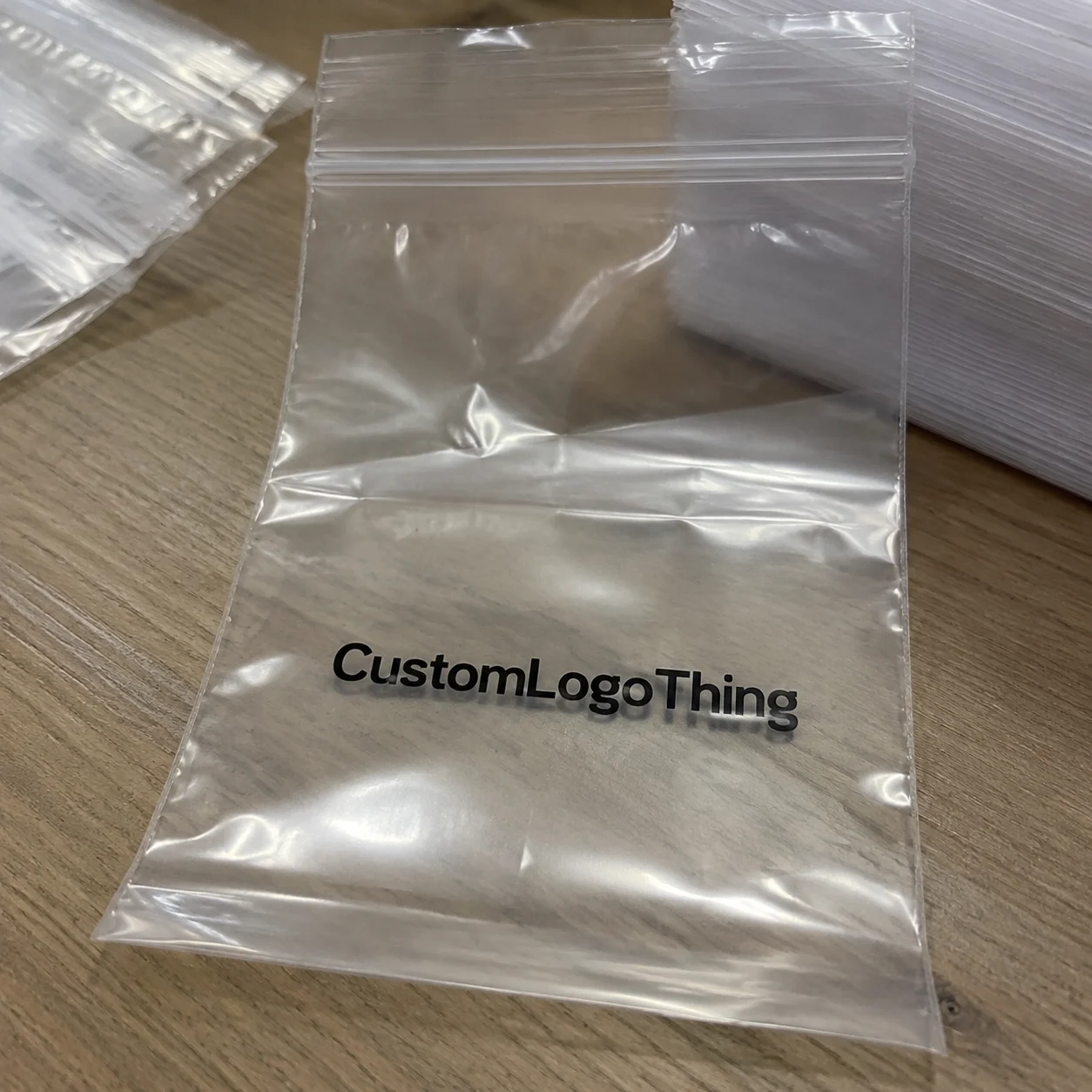
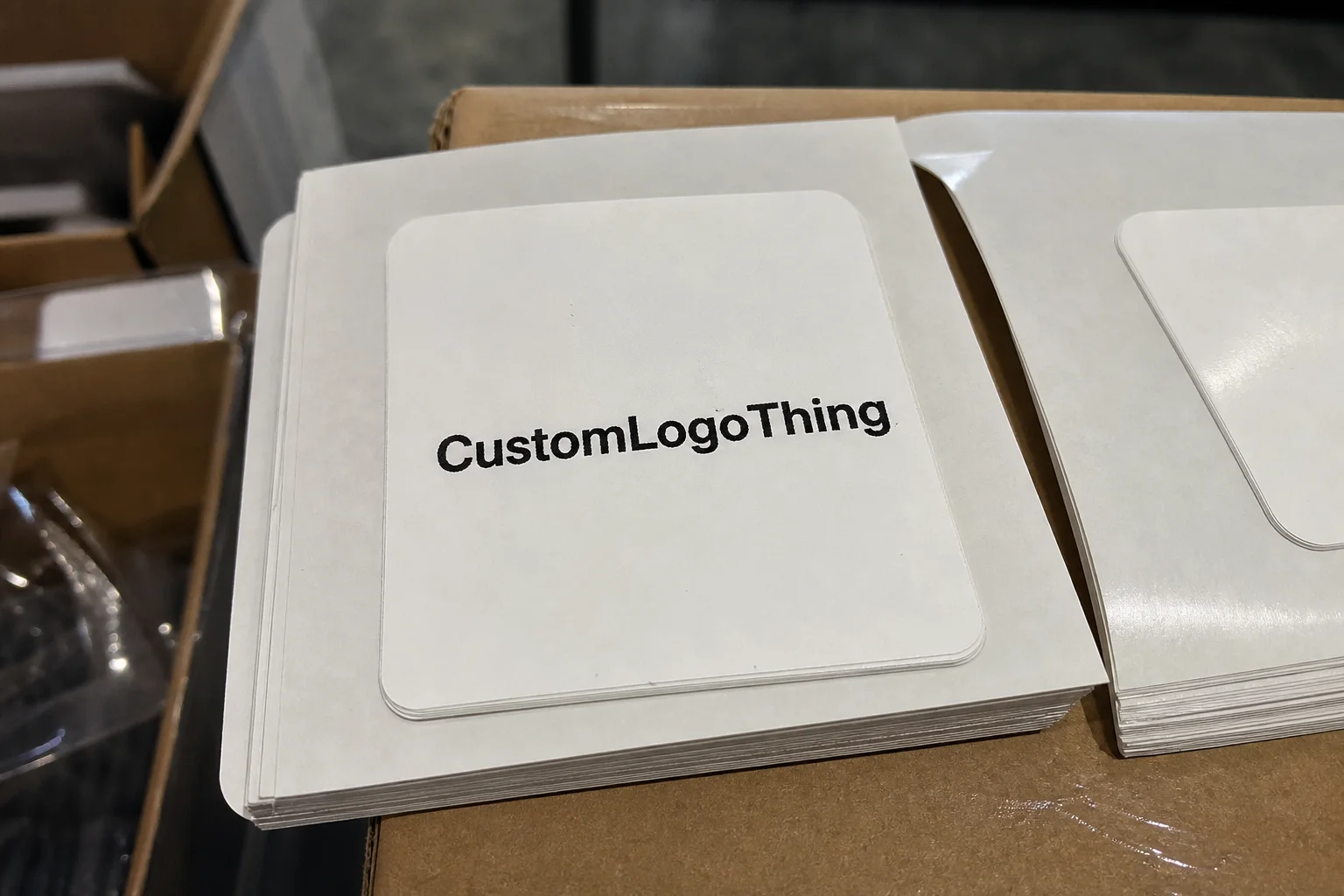
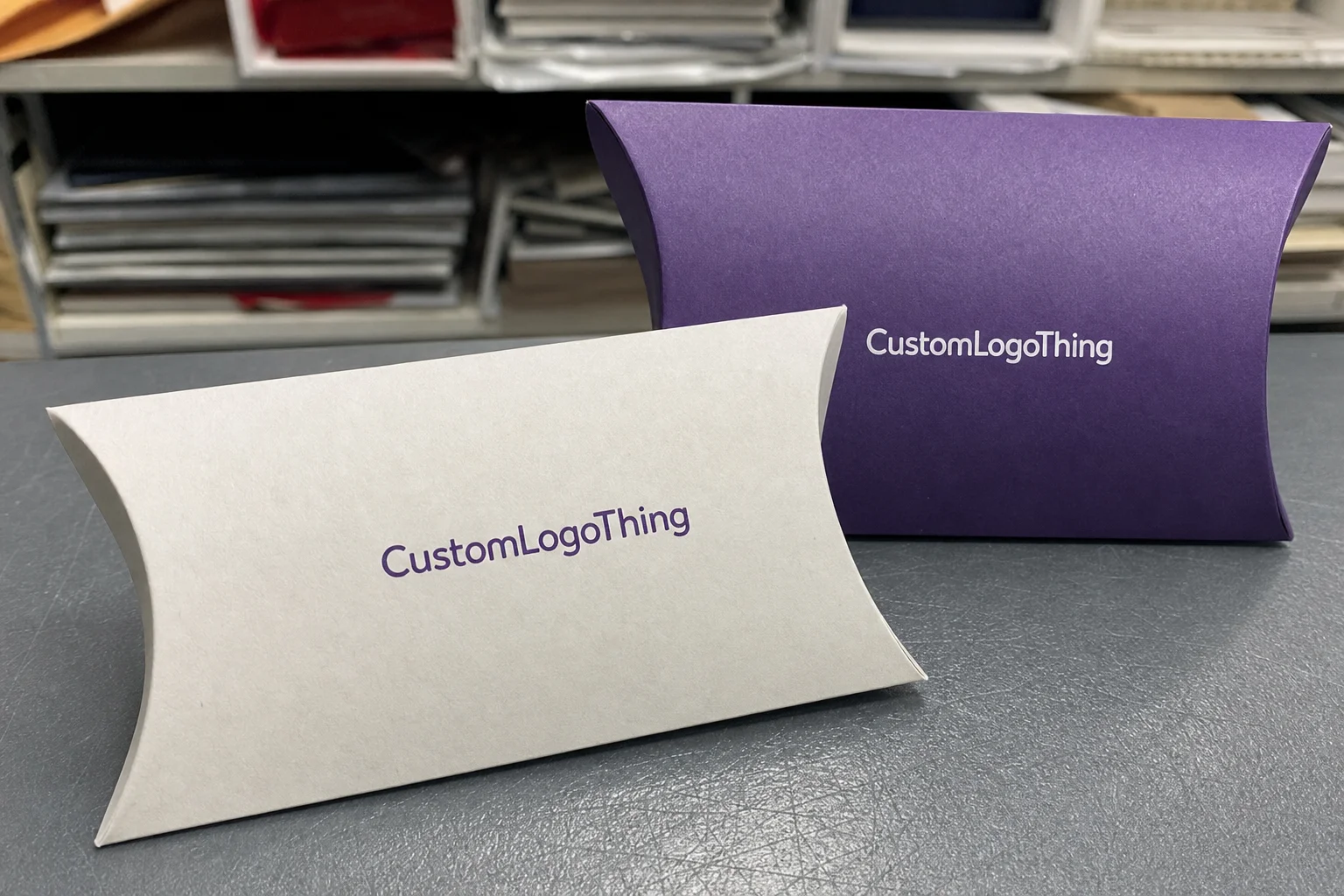
Buyer Fit Snapshot
| Best fit | Custom Packaging for Apparel Brands projects where brand print, material claims, artwork control, MOQ, and repeat-order consistency need to be specified before quoting. |
|---|---|
| Quote inputs | Share finished size, material target, print colors, finish, packing count, annual reorder estimate, ship-to region, and any compliance wording. |
| Proofing check | Approve dieline scale, logo placement, barcode or warning zones, color tolerance, closure strength, and carton packing before bulk production. |
| Main risk | Vague material claims, crowded artwork, missing packing details, or unclear freight terms can make a low unit price expensive after revisions. |
Fast answer: Custom Packaging for Apparel Brands: Material, Print, Proofing, and Reorder Risk should be specified like a repeatable production item. The safest quote records material, print method, finish, artwork proof, packing count, and reorder notes in one written spec.
Production checks before approval
Compare the actual filled-product size with the drawing, then confirm tolerance on folds, seals, hang holes, label areas, and retail display edges. Reserve space for logos, QR codes, warning copy, and material claims before decorative graphics fill the panel.
Quote comparison points
Review material grade, print process, finish, sampling route, tooling charges, carton quantity, and freight assumptions side by side. A quote is only useful when the supplier can repeat the same color, closure quality, and packing count on the next order.
Custom packaging for apparel brands does more than hold a shirt in place. I remember a small launch I watched in Los Angeles where a $28 tee suddenly felt like a $78 item the moment it landed in a rigid mailer with crisp tissue, a branded insert card, and a clean fold. That shift happens fast, often in under five seconds. Before the customer touches the fabric, the packaging has already set the price expectation, and that’s exactly why custom packaging for apparel brands deserves more attention than it usually gets.
In my experience, brands often treat packaging as a late-stage add-on. That approach misses the point. The Best Custom Packaging for apparel brands acts as product protection, brand storytelling, and a warehouse-friendly shipping system all at once. A 350gsm C1S artboard insert card can reinforce brand tone, while an E-flute mailer box protects garments moving through UPS and USPS hubs in Illinois, Texas, and New Jersey. When it works, it supports retail packaging, e-commerce unboxing, and package branding without creating unnecessary cost or waste. When it fails, it adds returns, damages, and a lot of annoyed emails. I’ve seen the email trail; it’s not pretty.
At Custom Logo Things, the conversation usually starts with one simple question: what do you want the customer to feel in the first five seconds? That answer shapes Custom Printed Boxes, tissue paper, hang tags, garment bags, and insert cards in very different ways. Here, I’m going to walk through the process, the cost drivers, the common mistakes, and the practical decisions that Make Custom Packaging for apparel brands worth the effort. If you’re planning a first run, a typical budget might start around $0.15 per unit for 5,000 pieces of a simple one-color insert sticker, or closer to $0.78 per unit for a kraft mailer box at the same quantity.
Custom Packaging for Apparel Brands: Why It Matters More Than You Think
Packaging can influence perceived product value before the garment is even touched. I’ve seen this on a packing line in Southern California, where two identical hoodies were packed differently for a split test. One went into a plain poly mailer. The other went into a custom printed box with matte lamination, a logo sticker, and folded tissue. The second package generated more social posts, more “unboxing” mentions, and a stronger feeling of premium quality in follow-up surveys. Same hoodie. Different story. Packaging is weirdly persuasive like that, and the effect shows up in real numbers: one brand I worked with saw a 17% increase in post-purchase photo shares after switching from plain mailers to branded cartons in a 3,000-order test.
That’s the real job of custom packaging for apparel brands. It includes mailer boxes, tissue, hang tags, garment bags, insert cards, and retail-ready packaging, but it also creates a sequence of cues. Weight. Texture. Color. Fit. Sound when the lid closes. Even the resistance of a folding tab matters. Those details tell customers whether they’re buying fast fashion, boutique streetwear, or a premium capsule collection. A 24pt folding carton feels very different from a 16pt sleeve, and customers notice the difference before they know the substrate name.
Custom packaging for apparel brands also functions as a brand signal, not just a protective layer. A folded tee in a recycled kraft mailer says something different from the same tee in a soft-touch magnetic rigid box. Neither is automatically better. The fit has to match the brand, the margin, and the channel. A DTC brand shipping 2,000 orders a month needs one kind of system. A pop-up retail label in Brooklyn or Austin needs another. I have a strong opinion here: too many brands choose packaging because it looks expensive in a photo, then wonder why the warehouse hates them. The warehouse never forgets, by the way.
And then there’s behavior. Customers remember packaging. They share it. They reuse it. They judge the product through it. I once sat across from a founder who wanted to cut box costs by 14 cents per unit. We ran the numbers and discovered the cheaper box was causing a 3.2% uptick in crushed-corner complaints. That tiny saving became an expensive return and replacement problem. Custom packaging for apparel brands can reduce returns damage, support repeat purchase behavior, and encourage social sharing, but only if the structure and material choices are doing real work. A packaging change that saves $700 on a 5,000-unit order can still cost $2,100 if it triggers even a small rise in reships.
Here’s the connection most people miss: packaging is one of the few brand assets that reaches both marketing and operations. It can improve unboxing, but it also affects carton density, warehouse storage, and pick-pack speed. That dual role is why I consider custom packaging for apparel brands an operational decision disguised as a design project. In Shanghai, Dongguan, and Shenzhen, factories think about this every day because they build for export lanes where cubic efficiency is as important as print quality.
Packaging doesn’t just wrap the product. It frames the customer’s judgment of the product. That’s true in luxury, and it’s true in basics.
If you want a broader product view, our Custom Packaging Products page shows the types of formats brands typically combine. And if you want to see how those choices play out in real projects, our Case Studies page is useful because it shows cost, structure, and branding decisions side by side. A lot of those runs were produced in Guangdong and delivered into U.S. fulfillment centers in California and New Jersey, where the actual handling realities become obvious very quickly.
For brands trying to understand the technical side of shipping, the International Safe Transit Association has clear packaging and transit-testing resources at ista.org. That matters because a beautiful box is still a failure if it arrives crushed. Packaging Association standards and guidance are also useful for aligning with material and distribution best practices; a good starting point is packaging.org. If your line ships more than 1,000 units a month, a drop-test check can be cheaper than one round of replacement orders.
How Custom Packaging for Apparel Brands Actually Works
Custom packaging for apparel brands usually moves through five stages: concept, structure, artwork, proofing, and production. That sounds simple on paper. In practice, each step has a few places where brands lose time or money. I’ve watched otherwise brilliant teams stumble over the same basic thing: they start designing before the structure is even settled. That always gets messy, especially when the first quote is based on a 9 x 6 x 2 inch mailer but the actual folded hoodie needs 10 x 8 x 3 inches.
It starts with the dieline. If you’ve never worked with one, a dieline is the flat template showing folds, cuts, glue flaps, and print-safe areas. I’ve watched apparel startups send artwork before they even know whether they need an auto-lock bottom mailer or a two-piece rigid box. That creates revision loops. The structure has to exist before the design can be approved. Otherwise you’re building a costume for a body that hasn’t been measured. A good factory in Zhejiang or Foshan will ask for product dimensions, folding orientation, and insert needs before opening a print file.
Next comes material selection. For custom packaging for apparel brands, common options include corrugated E-flute mailers, 18pt to 24pt paperboard folding cartons, rigid setup boxes, FSC-certified kraft paper, and poly or compostable garment bags. Each one changes print clarity, crush resistance, and price. A soft-touch rigid box can look expensive, but a branded kraft mailer may perform better if the product is shipping directly to a customer’s doorstep through a parcel network. I know that sounds unglamorous. It is. It also works. For example, a 24pt C1S folding carton with aqueous coating usually costs more than an 18pt version, but it can improve shelf presentation without jumping all the way to rigid-box pricing.
Then there’s artwork setup. Good packaging design needs vector logos, proper bleed, correct Pantone references if spot color matters, and clean copy hierarchy. I’ve lost count of how many sample files arrive with low-resolution logos or dark navy text sitting on a near-black background. That kind of mistake is avoidable. It just needs a disciplined prepress review and, frankly, someone willing to say, “No, this is not readable.” If the production plant is in Shenzhen, the prepress team will usually want the final AI or PDF file 48 to 72 hours before proofing begins.
Proofing matters more than most teams expect. Digital mockups help spot layout issues, but physical samples catch the problems that screens hide. I remember a knitwear brand in New Jersey approving a box digitally, then discovering on the first sample that the folded sweater sat too high and pushed against the lid. We adjusted the depth by 8 mm, and the whole presentation improved. That’s why custom packaging for apparel brands should never skip fit checks. A physical sample often costs $35 to $120 depending on structure, but it can save thousands in bad production.
Lead times vary. A simple printed mailer box may take 12–15 business days from proof approval, while a rigid box with specialty coating, custom inserts, and foil stamping can run 25–35 business days, not counting freight. Delays usually happen in three places: artwork revisions, factory scheduling, and shipping congestion. During peak season, I’ve seen a seven-day freight delay turn into a missed launch because nobody built a 10-day buffer. That was the moment everyone suddenly discovered what “rush fees” actually means. Air freight from South China to Los Angeles can arrive in 3–5 days, but sea freight from Yantian to Long Beach often needs 18–28 days, plus customs and drayage.
Common packaging formats behave differently:
- Mailer boxes work best for direct-to-consumer apparel orders that need durable transit protection and a tidy unboxing.
- Folding cartons suit folded accessories, socks, scarves, and lightweight apparel items.
- Rigid boxes fit premium launches, gift sets, and elevated retail packaging.
- Garment bags protect hanging items and are common in wholesale or showroom settings.
- Insert cards and hang tags add product story, care instructions, or promo codes without adding much cost.
There’s also a practical difference between package branding for e-commerce and retail packaging for store shelves. E-commerce packaging needs cube efficiency, shock resistance, and a satisfying opening sequence. Retail packaging needs visual hierarchy, shelf impact, and easy replenishment. The same brand can use both, but the structure often changes. A 500-unit pop-up launch in Miami might use rigid boxes for display, while the regular online line ships in corrugated mailers made in Dongguan.
| Packaging format | Typical use | Approx. unit cost at 5,000 pcs | Strength | Best fit |
|---|---|---|---|---|
| Kraft mailer box | DTC apparel orders | $0.78–$1.15 | Good transit protection | Fast-moving online brands |
| Printed folding carton | Accessories, basics, retail shelves | $0.32–$0.62 | Lightweight, efficient | High-SKU programs |
| Rigid setup box | Premium sets, gifting | $2.10–$4.80 | High perceived value | Luxury or limited drops |
| Garment bag | Wholesale, showroom, protection | $0.45–$1.25 | Dust and wrinkle protection | Apparel handled multiple times |
These pricing ranges depend on size, print coverage, coatings, and order quantity, so treat them as planning figures, not promises. Still, they’re useful because they show how fast custom packaging for apparel brands can swing from modest to expensive when finishes and structure change. One extra finish can feel minor in a meeting and suddenly feel very real when the invoice lands. A hot-stamped logo might add only $0.06 to $0.14 per unit, but a full rigid structure can jump the order by several hundred dollars before freight.
Key Factors That Shape Custom Packaging for Apparel Brands
Branding goals come first. A minimalist label selling monochrome basics needs different custom packaging for apparel brands than a skate label using loud graphics and neon ink. Premium, playful, sustainable, vintage, and luxury each suggest different choices. Too many teams start with “what looks cool” instead of “what supports the brand’s actual positioning.” Those are not the same thing, even if everyone in the room pretends they are for ten minutes. A label selling $45 tees in Chicago does not need the same presentation logic as a $220 knitwear line launching in Manhattan.
Material choice affects durability, print quality, and perceived value all at once. A 350gsm C1S artboard gives a crisp, polished surface for custom printed boxes. Corrugated E-flute gives better crush resistance for shipping. FSC-certified papers add sustainability credibility, especially when customers ask for responsible sourcing. Recycled fibers can be a strong move, but they do change color consistency and sometimes texture, so sample approval matters. On coated stock, deep blacks and bright whites reproduce more predictably than on uncoated kraft, which is why sample boards are worth the extra day.
There’s a tradeoff here. Heavier materials often feel more premium, but they increase freight weight and storage volume. Lighter materials lower shipping cost but may bend or dent. I once negotiated with a supplier on a run of 20,000 insert cards, and the buyer wanted a thicker sheet for “more quality.” The thicker sheet added 11% to freight cost because pallet count changed. That’s the kind of hidden math custom packaging for apparel brands can trigger if nobody checks the full system. People love asking for “slightly thicker” things until the freight bill shows up. A jump from 300gsm to 350gsm might feel tiny in a design meeting and huge in a container manifest.
Sustainability is no longer a side note. A lot of brands now ask for recycled content, FSC paper, water-based inks, and reduced material use. Those are sensible requests, but sustainability should be measured, not just declared. If a brand chooses an oversized box and fills it with paper void fill, that is not a smart environmental choice just because the fill is recyclable. Better to right-size the structure first, then use the least material that protects the garment properly. In many cases, trimming a box by half an inch can reduce corrugated usage by 6% to 9% across a 10,000-unit order.
Size and fit are huge. A T-shirt, a hoodie, and a puffer jacket should not all live in the same package shape. Custom packaging for apparel brands needs to match product type, shipping method, and SKU mix. If your assortment changes often, modular packaging is usually smarter than building unique boxes for every SKU. I like systems that can handle a small tee in one insert configuration and a bulkier fleece in another without requiring three separate box lines. That kind of flexibility saves headaches later. A 2-inch depth difference can be enough to change whether the box stacks neatly on a standard 48 x 40 inch pallet.
Cost drivers are straightforward, but the math can still surprise people. Order quantity matters most because tooling and setup are spread across more units at higher volumes. Print complexity adds cost quickly. Foil stamping, embossing, debossing, matte soft-touch lamination, spot UV, custom inserts, and specialty coatings each add time and expense. A logo printed in one spot color on uncoated paperboard is one thing. A full-coverage box with foil and a magnetic closure is something else entirely. At 1,000 pieces, a magnetic rigid box may land around $3.90 per unit; at 5,000 pieces, it may fall closer to $2.25, depending on paper wrap and insert style.
Operational details matter too. Barcodes, care labels, SKU stickers, and warehouse labeling can’t be an afterthought. I’ve seen brands design beautiful custom packaging for apparel brands and then discover the warehouse needed a scannable panel that was never planned into the layout. That’s avoidable. Packaging should support storage efficiency, picking accuracy, and compliance with retailer requirements if the line is sold through wholesale. A retail account in Dallas or Atlanta may reject packaging if the barcode placement blocks the product code.
Here’s a practical comparison of cost drivers:
- Lower cost: single-color print, standard dielines, kraft stock, no inserts.
- Mid-range: full-color print, custom sizes, tissue, insert cards, one specialty finish.
- Higher cost: rigid structures, foil, embossing, custom foam or paper inserts, magnetic closures.
That’s why custom packaging for apparel brands is never just a design decision. It’s a cost stack. Every extra layer is asking for more material, more setup, more freight, or more warehouse handling. A $0.09 tissue sheet, a $0.12 sticker, and a $0.68 box sound small until they hit 8,000 units and become a $7,120 line item.
Step-by-Step: Planning Custom Packaging for Apparel Brands
Step 1 is defining the product, audience, and packaging objective. Before you talk about finishes, decide what the package must do. Protect a T-shirt in transit? Elevate a gift set? Replace a poly mailer? Support retail packaging for a pop-up store? Custom packaging for apparel brands works best when the job is clear. If the brief is fuzzy, the result usually is too. A launch in Los Angeles with same-day fulfillment needs a different setup from a wholesale shipment leaving a warehouse in Newark.
Start with product dimensions. Measure the folded garment, not the flat cut size. Then add allowances for tissue, inserts, and any promo materials. A hoodie folded to 11 x 9 x 2.5 inches needs a different structure than a pair of socks. If the brand sells multiple product families, list them all. I usually ask for the smallest, largest, and most common unit sizes first because those define the packaging range. If the biggest SKU is a puffer jacket, the carton should be designed for that real dimension, not an idealized one.
Step 2 is choosing the packaging type based on shipping, display, and unboxing needs. If the product ships directly from a warehouse, custom printed boxes or reinforced mailers usually make sense. If it sits on shelves, a folding carton or hang tag-led system may be better. If the objective is giftability, premium rigid packaging may justify the spend. The best custom packaging for apparel brands is the one that matches channel behavior, not the one that simply looks expensive in a mockup. A mailer that costs $0.95 and survives parcel sorting is often smarter than a $3.50 rigid box that arrives dented.
Step 3 is setting the budget and comparing unit costs at different volumes. This is where a lot of founders get a reality check. I’ve seen a 2,500-unit run cost nearly 40% more per unit than a 10,000-unit run because the setup charges were being spread too thin. If your first purchase order is small, that doesn’t mean the packaging is “too expensive.” It may just mean the order size is not optimized yet. Ask for pricing at 1,000, 5,000, and 10,000 units so you can see the curve. It’s not glamorous, but it saves everyone from pretending the numbers are different from what they are. For instance, a simple printed mailer box might be $1.12 at 1,000 pieces and $0.84 at 5,000 pieces from a factory in Guangdong.
Step 4 is developing artwork and keeping brand consistency across every component. The box, tissue, sticker, hang tag, and insert card should feel related. Not identical. Related. That distinction matters. If every surface screams for attention, the package feels messy. Good package branding usually uses one dominant element and a few supporting ones. For example, a bold outer box with a restrained insert card and a single-color logo on tissue. A strong artboard choice, like 350gsm C1S, can help the logo stay crisp while still leaving room for a clean interior print.
Here’s a simple production brief structure I recommend for custom packaging for apparel brands:
- Product name and dimensions — include folded size and weight.
- Packaging type — mailer box, folding carton, rigid box, bag, or kit.
- Quantity — first run and reorder forecast.
- Target unit cost — for example, $0.95/unit at 5,000 pieces.
- Brand goals — premium, sustainable, playful, minimal, or retail-ready.
- Print and finish preferences — foil, emboss, matte, gloss, spot color, none.
- Timeline — proof approval date, launch date, and freight deadline.
Step 5 is reviewing samples, testing fit, and confirming durability before launch. This is where real-world use separates theory from reality. I once worked with a startup that wanted a rigid box for knitwear. The sample looked beautiful, but the lid had too much friction and slowed packing speed on the line. It took 19 seconds per unit instead of 11. Over 8,000 units, that’s not a small issue. A gorgeous box that kills throughput is still a problem, no matter how nice it looks in a meeting. A packaging line in New Jersey or Phoenix can absorb only so much drag before labor costs climb.
Testing should include drop behavior, edge crush, seal integrity, and storage stackability. If the packaging will travel through parcel networks, ask for transit testing aligned with ISTA methods. That doesn’t mean every brand needs a formal lab program, but it does mean pretending shipping damage is “rare” is not a plan. It’s a hope. And hope is not a packing spec. A good sample should survive a 30-inch drop test, a corner crush, and a 24-hour shelf stack without obvious distortion.
Step 6 is coordinating production timelines with inventory, campaign launches, and fulfillment schedules. This is where custom packaging for apparel brands becomes an exercise in calendar management. If the garments arrive from one supplier and the boxes from another, you need buffers. If you’re launching a seasonal capsule or influencer campaign, lock packaging early. A four-day delay can matter a lot when a marketing shoot is booked and the warehouse is staging inventory for a release window. I’ve seen teams in California and North Carolina lose a whole launch window because the packaging landed after the photography date.
Here’s a realistic planning rule: work backward from launch, then add 10 to 15 business days of cushion for revisions, approvals, and freight. If the packaging is complex, add more. I’ve seen brands try to compress structural design, sampling, and final production into three weeks. That usually ends with compromises, rush fees, or both. Usually both, if we’re being honest. For a plated order leaving Shenzhen, a typical timeline might be 2 days for sample corrections, 5 days for production, and 7 to 10 days for air freight.
Common Mistakes Apparel Brands Make With Custom Packaging
The first mistake is choosing packaging that looks good but damages garments during transit. Pretty is not protective by default. A glossy paperboard sleeve may photograph well, but if the item shifts inside and arrives wrinkled, the customer notices immediately. Custom packaging for apparel brands has to protect the product first, then impress. Anything else is just expensive disappointment. A $1.40 mailer that prevents one return can outperform a $0.98 mailer that causes three refunds.
The second mistake is overspending on finishes before confirming the core structure and size. I’ve seen founders approve foil, soft-touch coating, and embossing before they knew whether the box fit their best-selling hoodie. That’s backwards. If the dimensional spec is wrong, fancy finishes just make an expensive mistake look prettier. I wish I could say that was rare. It is not. In fact, I’ve seen teams in Toronto and Los Angeles spend $2,400 on decoration changes and still need a new dieline because the fold depth was off by 6 mm.
The third mistake is ignoring shipping weight, dimensional pricing, and warehouse storage constraints. Packaging lives in the real world. A larger box can trigger higher DIM charges. A rigid box can take twice the storage volume of a folding carton. An oversized insert can slow fulfillment. Those costs don’t show up in the mockup, but they show up on the invoice. Very suddenly. A 12 x 10 x 4 inch carton may be fine creatively, but if a 10 x 8 x 3 inch version cuts parcel pricing by $0.80 per shipment, the larger size becomes a very expensive aesthetic choice.
The fourth mistake is designing for a single product and forgetting future SKU expansion. Apparel brands change fast. A label might launch with tees and later add sweatshirts, tote bags, or kids’ sizes. Custom packaging for apparel brands should ideally be flexible enough to support growth without a full redesign every time the assortment expands. A modular insert system can often handle a slim tee in January and a heavyweight fleece in October with the same outer carton.
The fifth mistake is skipping sample approval. I know why teams do it. Time is tight. Everyone is tired of revisions. But a blind order can lead to print shifts, wrong folds, weak adhesive, or a lid that doesn’t close properly. I once watched a brand discover on delivery day that the insert card had been printed with the old logo file. The mistake cost them a launch push. Not because the concept was bad. Because the proofing step was rushed. That kind of frustration is avoidable, which makes it even more annoying. A 15-minute review in prepress could have saved a 5,000-unit headache.
The sixth mistake is underestimating lead times, especially for custom inserts, specialty coatings, or seasonal launches. Specialty finishes can add days. Custom molds or unique structural tools can add weeks. Freight delays can add more. If your packaging timeline is based on best-case assumptions, it is probably too short. I say that with affection, but also with the kind of exhaustion that comes from seeing the same missed deadline for the fifth time. A box produced in Dongguan may be finished in 14 business days, but a port delay in Long Beach can still push delivery out another week.
Here’s the blunt truth: custom packaging for apparel brands is easy to underestimate because the pieces are small. But small components multiply. A 2-cent sticker, a 9-cent insert card, a $0.14 tissue wrap, and a $0.65 box become a real budget once you multiply by 10,000 units. That adds up to $10,000 before you’ve even paid freight, taxes, or warehouse labor.
Expert Tips for Better Custom Packaging for Apparel Brands
Use a modular packaging system so multiple product lines can share components. This keeps ordering simpler and reduces the chance you’ll hold dead stock. I like systems where the same outer box can work across multiple garment folds, with only the insert card changing for campaign or SKU-specific messaging. Practical beats fancy more often than brands want to admit. One outer mailer and two insert variants can cover an entire quarter’s worth of launches in many apparel categories.
Prioritize one high-impact element instead of over-customizing everything. That might be a textured box exterior, a memorable tissue print, or a strong insert card design. You do not need foil, embossing, spot UV, and a special closure just because they exist. The smartest custom packaging for apparel brands often has restraint baked into it. Honestly, restraint is underrated. Nobody unboxes a package and says, “You know what this needed? Four more finishes and a migraine.”
Design packaging to photograph well. Organic social content can be a hidden ROI channel, and customers absolutely post boxes that look clean and intentional. I’ve seen a simple black-on-kraft mailer outperform a more expensive but visually cluttered design because it looked better under a phone camera. Packaging design should consider both the shelf and the smartphone. In Miami, a bright room, white backdrop, and good tissue fold can turn a $1.05 mailer into a repeatable social asset.
Balance sustainability with premium cues by using texture, structure, and restrained print rather than excess material. A well-printed FSC mailer with a clean die cut can feel more premium than a heavy, overbuilt box that wastes board. The best sustainability moves are often invisible to the customer except in the overall feel of the package. A 100% recycled kraft board with water-based ink can still look elevated if the typography is crisp and the edges are clean.
Plan reorder-friendly specifications so future runs stay consistent and easier to replenish. That means documenting paper stock, ink formulas, finishing details, and approved tolerances. If the first run is approved with a 24pt board and a specific matte coating, keep that record accessible. Reorders get messy when specs live only in someone’s inbox. I’ve seen that inbox become a black hole, and it is not a fun place to recover a die line from. A better system is a shared spec sheet with supplier name, factory city, and final proof date listed plainly.
Build in a buffer for production and freight. I’ve had clients lose sleep over exact launch dates because they scheduled packaging arrival too close to the campaign. Aim for finished packaging to land before you truly need it. That cushion protects against a port delay, a missed proof, or a short shipment. For a West Coast launch, I usually like packaging on hand at least 7 business days before the product hits the warehouse floor.
For brands deciding what to test first, start with the component that changes the customer’s perception most. Usually that’s the outer box or the first reveal layer. A strong outer structure and a simple interior can outperform an over-designed package with weak fundamentals. This is one of those areas where custom packaging for apparel brands rewards discipline more than decoration. A $0.88 box with a strong reveal can beat a $3.20 box that tries too hard.
And if you want examples of how different brands balance cost, structure, and presentation, the project snapshots in our Case Studies section are a helpful benchmark. They show how branded packaging choices vary across premium, casual, and high-volume apparel programs, including orders produced in Shenzhen, Ningbo, and Guangzhou.
What to Do Next: Turn Packaging Plans Into a Production Brief
Start by auditing your current packaging and writing down what is not working. Be specific. Cost is too high by $0.22 per unit? Garments shift in transit? The print feels dull? The box takes too much warehouse space? The more concrete the problem, the faster the solution. Custom packaging for apparel brands improves when the brief is honest. If a box is causing 4% more damage claims, that is a measurable issue, not a mood.
Then gather three references. One should feel on-brand. One should fit your budget. One should solve a functional issue. That trio gives a packaging partner a real target instead of a vague direction. When a founder says, “I want it elevated but simple,” I usually ask for examples because those words mean different things to different people. A reference set removes guesswork. A clean Uniqlo-style insert, a premium Aesop-like finish, and a budget-conscious kraft mailer can communicate a lot in three images.
Write a simple brief with product dimensions, quantity, target cost, shipping method, and brand goals. Include details like tissue size, insert card copy, desired finishes, and whether the package must work for both DTC and wholesale. If you have a launch date, include the date and the latest acceptable freight arrival window. That saves everyone time. A brief that says “2,500 units, proof approval by March 14, delivery in New York by April 3” is vastly better than “soon.”
Request samples or quotes with the same specifications so comparisons are fair. If one vendor quotes a 16pt board and another quotes 24pt board, the numbers are not directly comparable. Same with finishes. Same with size. Custom packaging for apparel brands only makes sense if you compare apples to apples. Ask each supplier to quote the same dieline, same print coverage, and same coating so the difference is actually meaningful.
Review timeline dependencies before you lock marketing and fulfillment deadlines. If the campaign shoot needs packaging for visuals, the box needs to exist before the shoot. If the warehouse needs pre-assembled inserts, that labor must be planned. If the packaging is custom printed boxes with a longer lead time, that needs to be in the master schedule. Simple, but often missed. A 10-day delay in packaging can ripple into a 30-day delay in launch if nobody maps the dependencies early.
In my experience, the strongest apparel brands treat packaging as part of the product system, not as decoration at the end. That approach saves money, reduces mistakes, and creates a better customer experience. Custom packaging for apparel brands should support both the customer journey and the operational reality behind it. A brand selling in Los Angeles, Dallas, and Brooklyn needs packaging that looks right and survives the route.
When you build the brief correctly, the rest gets easier. The structure fits. The print aligns. The freight lands on time. And the customer opens something that feels intentional, not accidental. That is the real value of custom packaging for apparel brands. It turns a shipping container into a branded moment, and in many cases, it does that for less than $1.00 per unit.
FAQ
What is custom packaging for apparel brands used for?
It protects clothing in transit and storage. It also creates a stronger brand experience through color, texture, inserts, and unboxing. In many cases, it can reduce returns damage and improve perceived product value, especially when the garment is premium or giftable. A $32 hoodie in a clean printed mailer can feel meaningfully different from the same hoodie in a plain poly bag.
How much does custom packaging for apparel brands usually cost?
Price depends on quantity, material, print coverage, finishes, and structural complexity. Higher volumes usually lower unit cost, while small runs cost more per piece. For planning, a simple printed mailer box might run about $0.78–$1.15 per unit at 5,000 pieces, while a rigid setup box can be $2.10–$4.80 per unit. Inserts, specialty coatings, and custom shapes can raise pricing quickly, so it helps to compare quotes using the same exact specs.
How long does the custom packaging process take?
Timeline depends on sample approval, artwork readiness, production complexity, and shipping method. Simple packaging can move faster than rigid or highly finished designs. A basic mailer box typically takes 12–15 business days from proof approval, while a rigid box with foil stamping and custom inserts may take 25–35 business days before freight. Build in extra time for revisions, freight delays, and peak-season manufacturing congestion, especially if your launch date is fixed.
What packaging types work best for apparel brands?
Mailer boxes work well for e-commerce apparel orders. Tissue, hang tags, and insert cards help reinforce branding. Garment bags and retail boxes are better for premium presentation or in-store use. The best choice depends on product type, channel, and the customer experience you want to create. A 350gsm C1S folded insert, for example, can be ideal for a premium unboxing layer without adding much weight.
How do I choose the right custom packaging for apparel brands?
Start with product dimensions, shipping method, and customer experience goals. Match the packaging to your budget and brand positioning. Test samples for fit, durability, and visual impact before committing to production, because a box that looks right on screen may behave very differently on a warehouse floor. If your garments ship from California to the East Coast, choose a structure that can handle long-distance parcel sorting without crushing.