Buyer Fit Snapshot
| Best fit | Custom Padded Mailers for Jewelry projects where brand print, material claims, artwork control, MOQ, and repeat-order consistency need to be specified before quoting. |
|---|---|
| Quote inputs | Share finished size, material target, print colors, finish, packing count, annual reorder estimate, ship-to region, and any compliance wording. |
| Proofing check | Approve dieline scale, logo placement, barcode or warning zones, color tolerance, closure strength, and carton packing before bulk production. |
| Main risk | Vague material claims, crowded artwork, missing packing details, or unclear freight terms can make a low unit price expensive after revisions. |
Fast answer: Custom Padded Mailers for Jewelry: Wholesale Pricing Factors should be specified like a repeatable production item. The safest quote records material, print method, finish, artwork proof, packing count, and reorder notes in one written spec.
Production checks before approval
Compare the actual filled-product size with the drawing, then confirm tolerance on folds, seals, hang holes, label areas, and retail display edges. Reserve space for logos, QR codes, warning copy, and material claims before decorative graphics fill the panel.
Quote comparison points
Review material grade, print process, finish, sampling route, tooling charges, carton quantity, and freight assumptions side by side. A quote is only useful when the supplier can repeat the same color, closure quality, and packing count on the next order.
Custom Padded Mailers for jewelry packaging wholesale pricing factors usually come down to a handful of things: material, size, print coverage, quantity, and timing. Clean list. Messy reality. A weak mailer can turn a tidy jewelry order into bent cards, scuffed pouches, and customer complaints before the first reorder even lands.
Jewelry packaging sits in a narrow lane. Buyers want shipping costs to stay low and the brand to look polished. Those goals keep arguing with each other. A padded mailer can handle both if the item is light, the fit is tight, and the build is chosen with actual discipline. Earrings, slim chains, charm sets, and bracelet kits usually fit that lane. Heavy display sets, fragile glass pieces, and luxury gift kits often do not. For those, a mailer can be the wrong tool no matter how good the mockup looks.
The real question is not, "What is the cheapest mailer?" The real question is, "What is the cheapest way to get the jewelry there in one piece without making the brand look sloppy?" That question keeps a packaging program honest. It also stops hidden costs from sneaking in through returns, oversized parcels, and awkward packout labor.
The cheapest mailer is rarely the cheapest shipment. If the seal gives out, the size is off, or the item rattles around inside, the lower sticker price just buys you a bigger problem later.
Why Jewelry Mailers Win or Lose Margin Fast
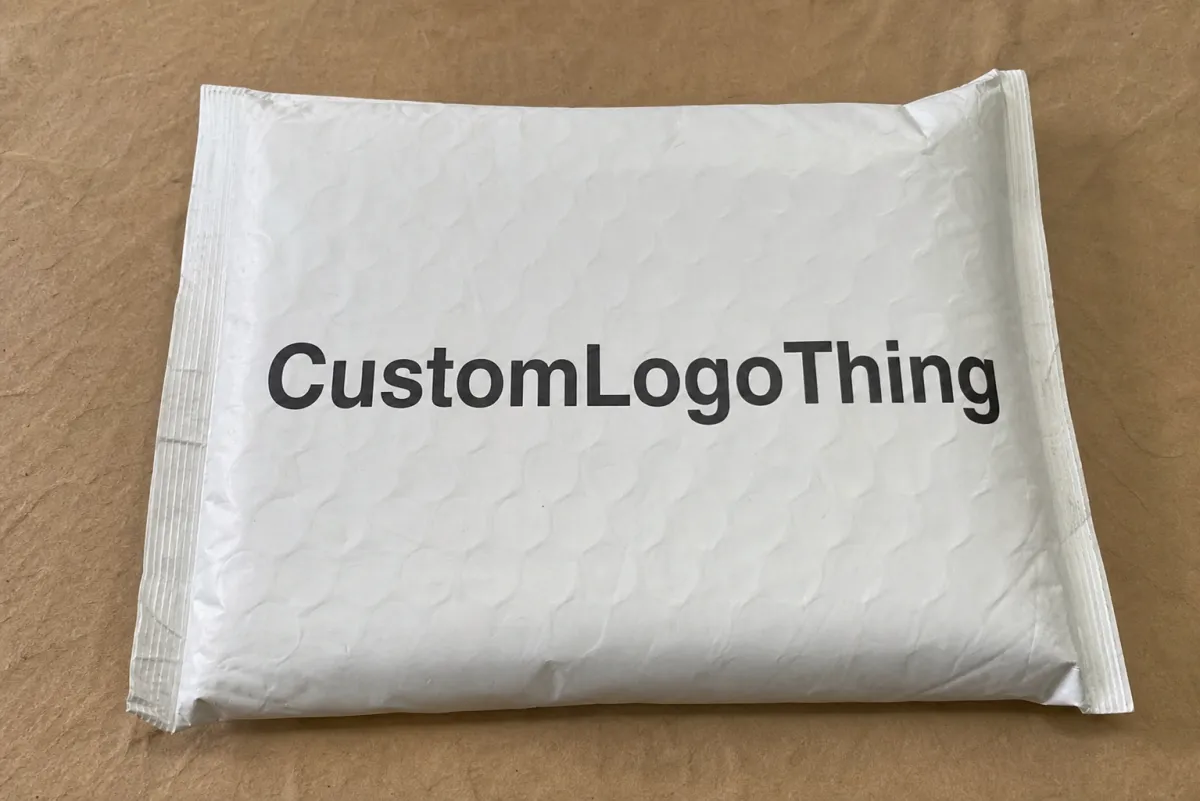
Jewelry is light, but light does not mean easy. A ring or necklace can fit into a mailer with room to spare and still arrive looking rough if the packout is sloppy. Movement inside the package causes scuffed cards, bent earring backs, tangled chains, and support tickets nobody wants to answer. A padded mailer helps because it gives basic impact protection without the cost of a full carton setup. That matters when the volume climbs and fulfillment labor starts eating margin.
Mailer size also affects shipping economics. Dimensional weight is not glamorous, but it quietly drains profit. A rigid box, void fill, and outer shipper can push a lightweight jewelry order into a more expensive carrier bracket fast. On many domestic parcel networks, a compact padded mailer can keep a 2-6 oz jewelry order in a lower-cost lane, while a box with filler can add avoidable weight and dimensions. Less air. Less waste. Less carrier drama.
The tradeoff is obvious. Padded mailers are a good fit for earrings, chains, charms, and compact multi-item sets. They are not the first pick for heavy trays, fragile inserts, or premium retail packaging that needs to feel substantial in hand. If the unboxing is the whole pitch, a custom box may earn its keep. If the goal is clean branded packaging that ships well without paying for cardboard theater, mailers usually make more sense.
Jewelry brands also reorder in odd patterns. Seasonal launches, subscription replacements, customer service reships, and limited drops all create lots of small shipments. Padded mailers shine there. They keep packout quick, reduce material handling, and make the warehouse less miserable. That is not a glossy line. It is a real operational benefit.
Total landed cost is the number that matters here. That includes the mailer unit price, print setup, packing labor, freight class, and the cost of avoidable damage. Saving four cents on paper and losing twelve cents in labor and returns is not savings. It is just spending more slowly.
What Custom Padded Mailers Include for Jewelry Packaging
A custom padded mailer looks simple from the outside. The details do the real work. The outer layer can be kraft face stock, coated paper, or a plastic film depending on the look and performance you want. A common jewelry build uses a 120-150gsm kraft face over a bubble liner, or a 350gsm C1S artboard outer shell laminated to a cushioned interior for a firmer print surface. Inside, you usually get bubble padding or another lightweight cushioned layer that absorbs basic impact. Then there is the adhesive seal, the part many buyers forget until a parcel opens in transit. Optional upgrades include a tear strip, a second adhesive strip for returns, and tamper-evident closures.
For jewelry, customization usually focuses on fit and brand. Logo print is the obvious choice. Full-bleed artwork is common too, especially for brands that want the mailer to echo the look of their website, custom packaging inserts, or retail packaging. Matte and gloss finishes shift the feel more than people expect. Matte reads softer and more restrained. Gloss is louder and catches light harder. Interior print can improve the unboxing moment, though it adds cost and is not worth it for every SKU.
Different jewelry shipments use mailers in different ways:
- Rings and stud earrings: Small padded mailers with a tight fit and a flat card-backed insert usually perform well.
- Necklaces and bracelets: Mid-size mailers with room for a pouch or carded set help prevent bending and tangling.
- Small multi-item sets: Slightly more interior space keeps tissue, note cards, and small boxes from getting crushed.
- Subscription shipments: Repeatable sizes and consistent print matter more than decorative extras.
- Replacement sends: Low friction, low labor, and dependable sealing tend to beat fancy features every time.
There are limits, and they matter. Some thicknesses are standard because they run better on production lines. Print areas have safe zones for a reason. Size increments are usually standardized so tooling and waste do not balloon out of control. Ask for something unusual and the quote usually climbs. Packaging design always has a price tag. The trick is knowing which choices deserve it.
The best custom Padded Mailers for Jewelry are rarely the flashiest. They protect the contents, print cleanly, and move through fulfillment without making the team curse the order sheet. That is practical package branding. Not fireworks. Not a mood board trying too hard.
Specifications That Affect Fit, Protection, and Presentation
Start with the spec sheet, not the artwork. Finished dimensions, usable interior space, padding thickness, closure width, and outer material weight all affect performance. A mailer that measures 6 x 9 inches outside may not give you 6 x 9 inches of real room inside. Seams, glue lines, and padding steal space. Smart buyers ask for both inside and outside dimensions before approving a run. Saves everyone from guessing.
Fit is the first layer of protection. Too much empty space lets a necklace slide into corners. Too little space creates bulging, weak seals, and ugly panel distortion that makes the print look rushed. For smaller jewelry shipments, 6 x 9, 7 x 10, 8 x 10, and 9 x 12 are common sizes, but the right choice depends on the card size, pouch size, and anything else living inside the mailer. A 6 x 9 usually works for carded studs or a slim ring box. A 7 x 10 or 8 x 10 gives more room for a pouch, tissue, and a thank-you card without turning the parcel into a brick.
Protection specs deserve the same attention as appearance. Jewelry shipping risks are usually puncture, seal failure, moisture exposure, and impact during sortation. A stronger adhesive helps, but only if the surface is clean and the closure area is wide enough to hold. A useful seal zone is often around 1.25 to 2 inches wide. Padding thickness usually falls in the 1/8 to 3/16 inch range for light jewelry shipments, though heavier contents may need more. Outer film gauge or paper caliper matters too, especially if the mailer will take rough handling or warehouse stacking.
If you want a reference point for transit testing, look at carrier and lab standards, including methods published by ISTA and common distribution testing frameworks such as ASTM D4169. Every jewelry order does not need a lab-style torture session. A few compression, drop, and vibration checks will tell you whether the mailer fits the parcel profile or just looks fine on a screen.
Presentation still counts. Print registration, color consistency, surface texture, and the way the mailer opens all shape how the brand lands in the customer’s hands. A logo that drifts off-center by a visible margin reads as cheap. A finish that feels rough, or colors that shift badly from sample to production, does the same. Customers may not know the technical reason. They will still feel that something is off.
One sustainability note: if the brand wants paper-based sourcing, check chain-of-custody and fiber claims carefully. A certification like FSC helps buyers judge paper inputs more clearly. It does not solve every sustainability question. It does beat vague green copy printed in bold with nothing behind it.
Match the mailer to the actual shipping environment. If orders move through automation, conveyor sortation, or mixed carrier networks, the spec has to fit that reality. A pretty mailer that jams, tears, or pops open in transit is a bad decision wearing nice branding.
Custom Padded Mailers for Jewelry Packaging Wholesale Pricing Factors
Wholesale pricing is not random. It is a pile of choices. Size, material, print method, finish, quantity, and special features all move the number. If you understand those levers, quote comparisons get a lot less foggy. A lot of buyers waste time asking for "a quote" instead of asking for a quote on a specific build. That usually produces a vague answer and a useless spreadsheet.
The biggest pricing drivers are plain enough:
- Size: Larger mailers use more raw material and usually cost more to print and ship.
- Material type: Kraft-faced, coated paper, and plastic-film builds do not price the same way.
- Print complexity: One-color logos are cheaper than full-bleed, multi-color artwork.
- Finish: Matte, gloss, soft-touch, and specialty coatings add cost in different ways.
- Order volume: Higher quantity lowers unit cost because setup gets spread across more pieces.
- Extra features: Tear strips, dual adhesive seals, tamper evidence, and custom interiors all add cost.
MOQ changes the whole picture. A small run can look expensive on a per-unit basis even when the artwork is simple, because the setup cost does not shrink just because the quantity is tiny. Once the order moves into a larger wholesale tier, the unit cost usually drops. That is normal. It is also why smart buyers think in tiers. If a reorder is likely, buying a little more upfront can beat paying the higher unit price twice.
Hidden costs are the annoying part. Artwork setup, plate charges, cylinder charges, sampling, freight, duties, and rush production can all change the final landed number. Compare vendors on the same terms or the quote comparison turns into a fake contest. A cheaper unit price means very little if freight is padded or a sample charge is buried in the fine print.
For jewelry brands, a practical comparison of common custom padded mailer builds looks like this. These are working ranges, not fantasy numbers cooked up for a sales deck.
| Build | Best For | Typical MOQ | Indicative Unit Cost at 5,000 | Indicative Unit Cost at 10,000 | Main Tradeoff |
|---|---|---|---|---|---|
| Kraft-faced padded mailer with one-color logo | Everyday jewelry shipments, earrings, chains, simple sets | 3,000-5,000 | $0.15-$0.24 | $0.12-$0.19 | Good balance of price and presentation; limited visual impact |
| Coated or white-faced padded mailer with two-color print | Branded packaging with a cleaner retail feel | 5,000-8,000 | $0.19-$0.30 | $0.15-$0.24 | Stronger shelf and unboxing appeal, higher print setup cost |
| Full-bleed printed mailer with matte or gloss finish | Launches, gift orders, stronger package branding | 8,000-12,000 | $0.24-$0.38 | $0.19-$0.31 | Looks premium, but pays for more ink, setup, and finish work |
| Mailer with tear strip and extra tamper-evident seal | Higher-value jewelry, replacement sends, customer trust concerns | 5,000+ | $0.22-$0.36 | $0.17-$0.29 | Better security and convenience, but more expensive than a basic build |
Those ranges move with the market, material sourcing, and freight conditions. They are useful because they show the shape of pricing, not because they are fixed forever. A 6 x 9 mailer with one-color print is not the same animal as a 9 x 12 full-color build with a soft-touch finish. If a supplier treats those as interchangeable, keep a hand on your wallet.
There are easy ways to lower cost without wrecking the brand. Simplify the artwork. Stick to standard sizes. Use one print side instead of decorating every surface. Consolidate SKUs if the same mailer can serve multiple jewelry products. Do not assume you need a premium finish just because the deck says "premium." Plenty of retail packaging looks expensive on a slide and overpriced in a warehouse.
Think about the choice in practical terms. Custom printed boxes usually make sense when the product has weight, fragile inserts, or a higher gift expectation. Padded mailers fit better when the shipment is light, repeatable, and cost-sensitive. That is not a philosophy debate. It is a unit economics decision with a deadline.
Process, Timeline, and Lead Time for Wholesale Orders
A wholesale order moves faster when the buyer does not change the spec six times after asking for a quote. The path is usually predictable: inquiry, quote, spec confirmation, artwork review, proof approval, sample production, full production, and shipping. If one step drags, the whole thing drifts.
Quote turnaround is usually the quickest part. Clear dimensions, print count, and quantity give a supplier enough to work with. Artwork review behaves too, if the dieline is clean and the files are ready. Trouble shows up when the file is a mess, the design is sized for the wrong mailer, or someone changes the closure style after proofing has already started.
Planning timing usually looks like this:
- Quote and spec review: Often 1-2 business days if the request is complete.
- Artwork proof: Commonly 1-3 business days, longer if the design needs cleanup.
- Sample or pre-production sample: Usually 5-10 business days, depending on build complexity.
- Full production: Often 12-15 business days from proof approval for standard custom runs; complex builds can run 15-20 business days.
- Freight: Domestic shipping may take a few business days; international freight takes longer and should be planned separately.
That is the honest version. A simple order can move faster. A complex full-color mailer with custom sizing can take longer. Color matching, structural changes, and special materials stretch the schedule. Rush jobs are possible sometimes, and they usually cost more while cutting down flexibility. No mystery there. Just math and factory capacity.
Lead time also depends on where the project gets stuck. Missing dielines are a common delay. So are late artwork changes, color approval loops, and waiting for sample sign-off while everyone is "just circling back." If the jewelry launch date is fixed, lock the size first, then the material, then the print method. That order matters because each choice affects both cost and schedule.
A better planning habit is to set the packaging timeline before the product launch turns into a fire drill. Seasonal drops, subscription programs, and influencer shipments all need extra margin for proofing and freight. A two-week delay on packaging can become a launch delay fast if the warehouse is waiting on final cartons.
Early decisions usually save the most money. Once the size and build are locked, there is less rework, fewer proofs, and fewer expensive "small changes" that are not small at all. Good packaging design is partly creative, partly logistical, and mostly discipline.
Why Wholesale Buyers Choose Our Jewelry Mailers
Wholesale buyers usually do not want a speech. They want predictable output. That means stable print quality, consistent sizing, repeatable specs, and a production process that does not change every time the order gets bigger. A focused packaging supplier helps there. The value is not magic. It is fewer mistakes, fewer returns, and less time spent fixing problems that should not exist.
We keep recommendations tied to the actual use case. If the brand needs a low-cost shipping mailer, the answer should not push a premium finish just because it sounds nice. If the jewelry line needs a stronger unboxing moment, then the build should reflect that. A direct-to-consumer brand, a wholesale fulfillment program, and a subscription box company all need different things. Same category. Different priorities.
For buyers comparing broader branded packaging programs, it helps to map the mailer against other formats. Sometimes the right mix is mailers for standard outbound orders and Custom Packaging Products for premium campaigns or special launches. If your team is scaling and needs tiered purchasing or repeat order support, the Wholesale Programs page gives a clearer view of volume planning. If the brand is deciding between mailers and a lighter film build, Custom Poly Mailers may be the more useful comparison.
The point is not to force every shipment into one structure. It is to choose the right structure for the contents, the budget, and the brand expectation. Jewelry packaging sits in a narrow space between practical product packaging and emotional retail packaging. Miss that balance and the shipment feels cheap. Get it right and the package gets out of the way, which is usually the goal.
When a mailer is sized correctly and printed cleanly, it disappears into the operation in the best possible way. No drama. No rework. No hidden cost tucked into the details.
That is why wholesale buyers come back. They are not buying hype. They are buying consistency.
Next Steps to Get an Accurate Quote
If you want a quote that is actually useful, send the details that change the build. Product dimensions matter. Weight matters. Desired mailer size matters. Print colors matter. Closure preference matters. Shipping destination matters. And yes, the target delivery date matters too, because production and freight planning do not care about wishful thinking.
The cleanest quote request includes:
- Finished product dimensions: The actual jewelry item size, plus any pouch, card, or box that ships inside the mailer.
- Approximate item weight: Useful for deciding whether a basic padded build is enough.
- Mailer size target: If you already know the outer dimensions you want, say so.
- Print details: One-color logo, multi-color artwork, full-bleed art, or blank with label area.
- Quantity: MOQ, first run, and likely reorder volume if you have it.
- Finish and feature preferences: Matte, gloss, tear strip, tamper-evident seal, interior print.
- Ship-to location: Needed for realistic freight and landed cost calculations.
If possible, ask for a sample or at least a spec sheet before committing. That matters even more if the jewelry line includes multiple SKUs or fragile parts. A sample tells you more in five minutes than a pile of vague email promises. It also makes it easier to compare suppliers on actual fit, actual seal performance, and actual print quality.
A simple decision path works best. First choose the protection level. Then choose the finish. Then decide how much print complexity the brand really needs. After that, set the final quantity and compare quotes on the same spec. That sequence keeps the conversation grounded and avoids paying for features that only exist because somebody liked a mockup.
Compare like for like if you are pricing a new run. Same size. Same material. Same print method. Same closure. Same ship-to location. That is how you get a real answer instead of a spreadsheet full of misleading numbers. If you are building a broader packaging system, use the quote process to compare the mailer against other branded packaging formats instead of guessing from a pretty sample.
For brands that want a practical sourcing process, the next step is to request a line-item quote and a spec review. That is the fastest way to see what moves cost and what does not. If you are comparing custom Padded Mailers for Jewelry Packaging wholesale pricing factors, start with the spec sheet, compare the landed cost, and only then decide whether the logo treatment is worth the spend.
FAQ
How do custom padded mailers for jewelry packaging wholesale pricing factors change by order quantity?
Higher quantities usually lower the unit cost because setup fees are spread across more pieces. Small runs often pay more for the same print and material spec, even when the design is simple. Freight, sampling, and custom finishes can matter more on lower-volume orders than the base mailer price, so the landed cost is the number to watch. A 5,000-piece run might land around $0.15-$0.24 per unit for a basic one-color build, while a 10,000-piece run can often move closer to $0.12-$0.19, depending on size and print coverage. If a supplier gives you the same price at 2,000 and 20,000 units, something is off.
What MOQ is typical for custom padded mailers for jewelry packaging wholesale orders?
MOQ depends on the material and print method, but custom runs usually start higher than stock mailers. Simple one-color branding often has a lower entry point than full-bleed or multi-color printing. If a brand needs very low volume, standard sizes with lighter customization usually keep the MOQ more realistic. For many suppliers, a 3,000-5,000 piece minimum is common for a simple build, while more complex finishes may start at 5,000-10,000 pieces. That is not a trick. It is the cost of setting up a line for a custom product.
Which material is best for custom padded mailers for jewelry packaging?
Bubble-lined or padded constructions work well for delicate, lightweight jewelry shipments that need basic impact protection. Kraft-faced options fit better when the brand wants a more natural look and a cleaner sustainability story. Plastic-based mailers can be stronger and more moisture resistant, but the look and sourcing tradeoff should be weighed before you approve the build. A common spec is a 120-150gsm kraft face with a 2.5-3 mm bubble layer, while premium paper builds may use 350gsm C1S artboard with a cushioned interior. The right choice depends on the contents, the route, and how much presentation the package needs to carry.
How long does wholesale production usually take for custom padded mailers?
Quote and artwork review are usually the fastest steps, while samples and final production take longer. Lead time depends on print complexity, quantity, and whether the order needs color matching or structural changes. For standard custom runs, production is often 12-15 business days from proof approval, with samples taking another 5-10 business days when requested. Rush orders are possible sometimes, but they usually cost more and reduce flexibility, so plan ahead when the shipment date matters. If the artwork is not ready, the schedule slips. It usually slips in the most inconvenient way possible.
What should I send to get an accurate quote for custom padded mailers for jewelry packaging wholesale pricing?
Send finished size, jewelry item type, quantity, print colors, closure preference, and any finish requirements. Include your shipping destination and target delivery date so freight and lead time are realistic. If possible, attach artwork or a reference sample so the quote reflects the actual build, not a guess. If you already know whether you want a kraft face, coated paper, or a firmer 350gsm C1S artboard build, say that too. That one detail can move the pricing a lot. A quote is only as good as the spec behind it.

