Buyer Fit Snapshot
| Best fit | Custom Paper Mailers MOQ projects where brand print, material claims, artwork control, MOQ, and repeat-order consistency need to be specified before quoting. |
|---|---|
| Quote inputs | Share finished size, material target, print colors, finish, packing count, annual reorder estimate, ship-to region, and any compliance wording. |
| Proofing check | Approve dieline scale, logo placement, barcode or warning zones, color tolerance, closure strength, and carton packing before bulk production. |
| Main risk | Vague material claims, crowded artwork, missing packing details, or unclear freight terms can make a low unit price expensive after revisions. |
Fast answer: Custom Paper Mailers MOQ: Pricing, Specs & Lead Time should be specified like a repeatable production item. The safest quote records material, print method, finish, artwork proof, packing count, and reorder notes in one written spec.
Production checks before approval
Compare the actual filled-product size with the drawing, then confirm tolerance on folds, seals, hang holes, label areas, and retail display edges. Reserve space for logos, QR codes, warning copy, and material claims before decorative graphics fill the panel.
Quote comparison points
Review material grade, print process, finish, sampling route, tooling charges, carton quantity, and freight assumptions side by side. A quote is only useful when the supplier can repeat the same color, closure quality, and packing count on the next order.
Pricing Custom Paper Mailers MOQ usually starts with a smaller number than buyers expect, especially once the structure is simple and the print stays restrained. A plain kraft mailer with a single logo color can sit in a very different cost band from a fully printed, coated version, and the difference comes from real converting work rather than sales language. Paper width, seal construction, print coverage, and setup time all shape the final custom paper mailers MOQ, because every added detail asks the factory for more preparation before the first unit moves through the line. In practical terms, the more unique your spec sheet gets, the more the minimum order tends to creep upward. That is not a trick; it is just how a pressroom and converting line actually run.
A useful quoting conversation begins with the product, not with a guess. Apparel, books, accessories, and other light e-commerce items often fit paper mailers well because the package carries a polished branded look without the weight of a carton. If your team is comparing paper against Custom Poly Mailers or broader options in Custom Packaging Products, the decision usually comes down to fit, print quality, and the role the outer package plays in the customer experience. The real goal is not the absolute lowest Custom Paper Mailers MOQ; it is the smallest order that still gives reliable sealing, steady print, and a sensible unit cost. In a few projects I have reviewed, the lowest quote looked fine on paper but became expensive once the team had to rework the size or eat damage from a closure that was a little too optimistic.
"The lowest quote on paper can still be the most expensive choice if the mailer fits badly, prints inconsistently, or fails in transit. Packaging earns its keep through performance, not just price."
Why custom paper mailers MOQ can be lower than you expect
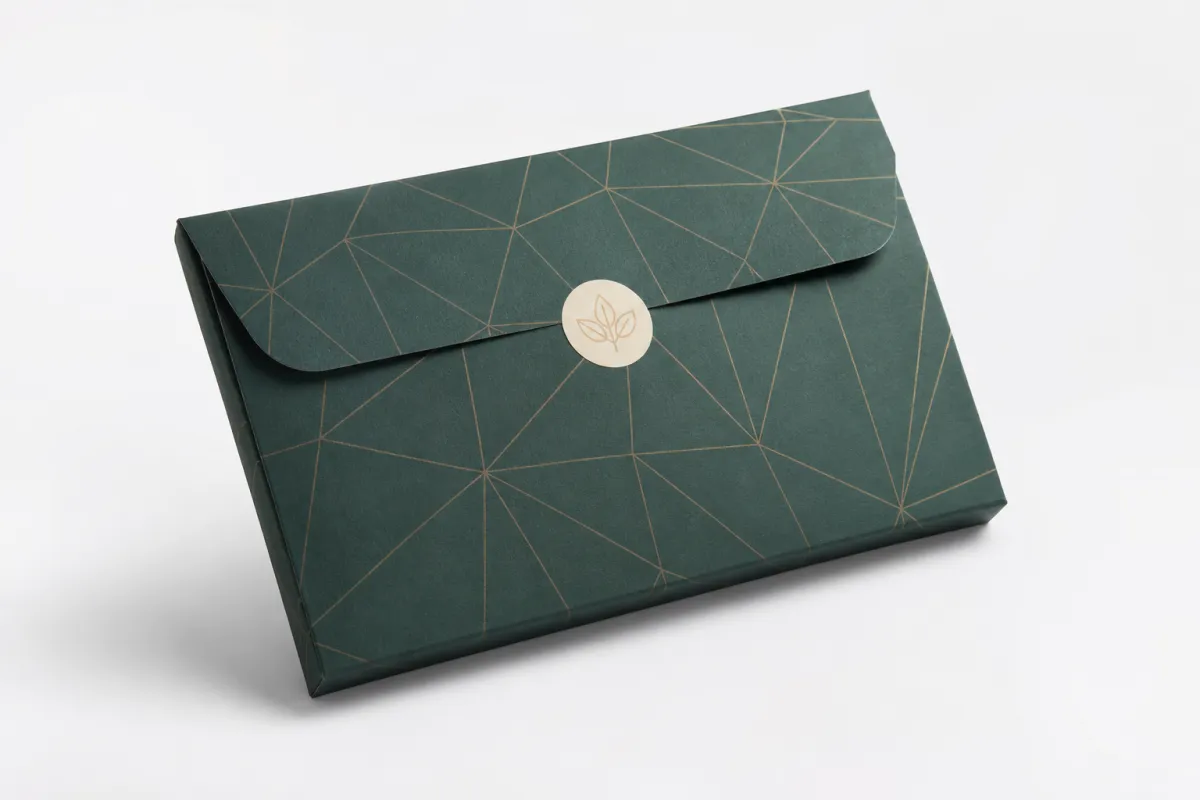
Buyers often assume custom paper mailers MOQ starts high, yet many projects do not need a large threshold. When the construction stays simple, the substrate is standard, and the artwork remains modest, suppliers can often support a lower run than a more elaborate mailer would require. Setup time and conversion cost shift quickly depending on the amount of unique work in the job. A one-color logo on kraft paper is a very different production job from a full-coverage design with special finishing, and the quote reflects that difference from the start.
Roll width influences the economics more than most people realize. The same applies to the die line. If the mailer nests efficiently on the sheet or converts with ordinary tooling, the factory can spread setup labor across more usable pieces and keep the custom paper mailers MOQ within a practical range. Adhesive choice changes the equation too. A simple self-seal strip is one kind of job; a reinforced closure, tamper-evident tear strip, or dual-seal build asks for more material and more handling. Even ink coverage can shift the numbers, since large solid areas require tighter press control and can reveal color variation on uncoated kraft stock. Once a design needs extra die-cutting, extra registration checks, and extra inspection passes, the MOQ conversation changes pretty fast.
Paper mailers and branded cartons are often compared as if the rigid format must feel more premium by default. That assumption misses how much visual value a well-made paper mailer can carry. Apparel, small cosmetics, stationery, and accessories all benefit from a clean outer pack with intentional print placement and a surface that stays smooth through packing. The brand feels considered without becoming heavy or overbuilt. For many product packaging programs, that balance is exactly what the customer wants: enough structure to protect the item, enough print area to support the brand, and enough efficiency to keep the unit cost grounded.
Forcing the lowest possible custom paper mailers MOQ before the design is ready usually causes more trouble than it saves. A request with no finished size, no closure preference, and no product weight typically gets a rough estimate instead of a production plan. A request with dimensions, artwork direction, and pack-out weight gives the supplier something useful to engineer against. In real packaging work, that step saves more projects than pushing for a tiny order ever will, because the quote matches the way the job will actually run. I have seen teams spend weeks trying to shave a few hundred pieces off the minimum, only to discover later that the bigger issue was the mailer depth, not the order size.
Lower custom paper mailers MOQ numbers can also make good business sense for brands still testing the market. Seasonal apparel, first runs, limited drops, and launch programs all benefit from keeping the initial commitment controlled. A short run can reveal fit issues, print weaknesses, or seal problems before the brand orders at scale. From a buyer's perspective, that is not a compromise. It is a measured way to reduce risk while keeping the packaging polished. It also gives the team room to adjust artwork or structure without being stuck with a warehouse full of the wrong format.
Custom paper mailers MOQ: materials, construction, and print options
Material choice sets the tone for performance and price, and it has a direct effect on custom paper mailers MOQ. Kraft paper remains a common starting point because it has a natural appearance, solid tear behavior, and a familiar supply base. Recycled-content paper is another frequent request, especially for brands that want a clearer sustainability story without making performance claims they cannot support. Some projects need a coated or laminated surface to improve moisture resistance or create a smoother print finish, but those upgrades often push the custom paper mailers MOQ higher because they add handling and finishing steps. If the job is being printed with delicate line work or a very specific brand color, that surface choice matters even more than the layout itself.
Construction style matters just as much. Flat mailers work well for books, flat apparel, and soft goods that do not need extra depth. Expandable gusset mailers suit thicker garments, multi-item bundles, and folded merchandise that needs room without moving to a carton. Tear-strip openings can improve the opening experience, while stronger self-seal closures help the pack survive parcel handling. If the mailer is going into a machine-packed workflow, seam consistency becomes a serious issue, because a weak edge can slow the line and weaken the final custom paper mailers MOQ economics. A great sample on a desk can still fail in a packing tray if the seam width is too tight or the fold memory is off by a few millimeters.
Print choice remains one of the biggest drivers. Single-color flexographic print is often the most efficient path for a lower custom paper mailers MOQ, since setup is simpler and color control is easier to maintain. Multi-color print can still work well, though every added color increases registration demands and proofing time. Large solid backgrounds can look striking, but they can also expose paper grain or slight banding if the stock and design are not matched carefully. Many buyers prefer a natural kraft base with one or two restrained logo elements because it keeps the design clear and the unit cost under control. That kind of restraint is not boring; it is usually what makes the mailer feel more intentional.
Natural kraft and bleached white stock create very different brand impressions. Kraft reads earthy, practical, and understated. White stock feels cleaner and more retail-ready, especially when the package sits beside custom printed boxes or other branded packaging on a shelf or in a shipping tote. Neither choice is automatically better. The right answer depends on the product line, the customer base, and the contrast the artwork needs in order to read properly. A dark logo on kraft can look excellent. A fine-line design may need white stock or a coated surface to hold detail. If the artwork is thin, the substrate matters a lot more than the mockup suggests.
Product fit should be settled before the artwork becomes the focus. A paper mailer that looks good on screen can still fail if the insert is too thick, too rigid, or too heavy. Weight, thickness, and shipping method all affect the right structure. A 180 gsm garment insert, for example, behaves very differently from a folded tee or a soft accessory set. If the pack is going to travel through a standard parcel stream, the mailer needs enough strength to stay closed and intact after ordinary handling, not just enough stiffness to look good on a table. The custom paper mailers MOQ discussion should start with use case, not decoration. That usually saves everyone from a round of redesign later on.
- Kraft paper: practical, familiar, and often the best entry point for a lower custom paper mailers MOQ.
- Recycled content paper: useful for sustainability messaging, with performance that depends on fiber quality and thickness.
- Coated or laminated stock: better for moisture resistance and smooth graphics, but usually less friendly to a small run.
- Expandable construction: better for thicker product bundles, though the added forming can raise the custom paper mailers MOQ.
For brands that want a broader sourcing view, resources from the FSC help explain certified fiber claims, and the ISTA testing framework is useful when a package must stand up to parcel handling rather than a short shelf display. Those references are not marketing fluff; they help buyers separate material claims from actual packaging performance.
Specifications that affect performance and shelf presentation
The cleanest way to control custom paper mailers MOQ is to define the specifications early. Finished dimensions come first, because a mailer that is even a few millimeters off can change the fit, shift the print placement, or create a sloppy first impression. Internal size matters most for product fit. External size matters for shipping and shelf presentation. A solid quote should reflect both. If the product has a zipper, hanger, hard tag, or folded edge that adds bulk, that detail needs to be shared up front so the supplier does not build a mailer that is too tight to use.
Paper weight or caliper affects more than stiffness. It changes how the mailer folds, how the seam holds, and how the finished pack behaves in a carton or tote. Seal strength matters just as much. A closure that survives a tabletop pull test may still fail after vibration or repeated handling if the adhesive is not suited to the paper surface. Tear resistance, burst strength, and edge durability rarely make the design presentation, yet they protect the packaging program after the order leaves the dock. A buyer looking for a lower custom paper mailers MOQ still needs a structure that converts cleanly and meets those basic performance thresholds. That part is easy to overlook until a packed order starts splitting on the corners, which is the kind of headache nobody needs.
Presentation details deserve the same attention. Print registration should be checked before approval, especially when the logo sits near a seam or fold line. Color consistency matters if the brand uses a defined shade across retail packaging, custom printed boxes, and inserts. Barcode placement can look minor until it collides with a fold or lands in a low-contrast area. Matte, uncoated, and lightly coated surfaces each create a different touchpoint when the customer opens the shipment, and the right choice depends on whether the mailer should feel earthy, refined, or more commercial. Strong package branding often comes from those quiet decisions rather than a loud visual gesture.
Sustainability claims need careful wording as well. If the paper includes recycled fiber, say so clearly and only to the extent the documentation supports it. If the material carries FSC chain-of-custody status, that can be valuable, but the claim should remain current and accurate. Recyclability deserves the same care, because local recovery systems vary and coated structures are not handled the same way everywhere. A responsible supplier should be able to explain what the material is, how it was sourced, and where the claim is supported. That level of detail builds trust, especially when the custom paper mailers MOQ is being used to test a new program.
A practical buying rule helps here: define the pack like a production part, not like a mood board. What is the product weight? What finish is acceptable? Does the shipment need a tear strip? Will the mailer ship as the primary outer pack or sit inside a master carton? Those answers help the factory propose the right custom paper mailers MOQ without unnecessary back-and-forth. They also keep the design team from chasing details that look appealing in a render but fail in a packing lane.
| Order profile | Typical MOQ | Common construction | Indicative unit cost | Best fit |
|---|---|---|---|---|
| Simple kraft, one-color print | 1,000-3,000 | Flat mailer, self-seal closure | $0.18-$0.32 | Launches, samples, lightweight apparel |
| Recycled white stock, two-color print | 3,000-5,000 | Flat or light gusset, tear strip optional | $0.28-$0.45 | Retail-ready e-commerce, branded packaging |
| Coated or laminated, full-coverage graphics | 5,000-10,000 | Reinforced seams, stronger closure system | $0.40-$0.70 | Premium product packaging, special campaigns |
Those figures are not universal, and they should never be treated as a promise. They do show why custom paper mailers MOQ and unit cost move together. A buyer may save a few cents per unit by increasing quantity, but only when the design is stable enough to justify the extra inventory. The right answer depends on the sales forecast, the product life cycle, and whether the mailer belongs to a steady replenishment program or a short promotional run. That is the part people miss when they focus only on the minimum and ignore what happens after the first shipment.
Cost, pricing, and MOQ: how to size the order correctly
Pricing for custom paper mailers MOQ usually comes down to five things: material grade, print count, converting complexity, tooling or setup cost, and the total quantity across the run. A standard size with a simple logo can keep setup work modest. A custom die line, special coating, multiple inks, or a reinforced closure will move the quote upward. That is not hidden margin. It is the reality of production. Every extra step takes machine time, inspection, and operator attention. The more steps you add, the more the line has to stop, adjust, and verify before the job can ship.
Many buyers are surprised by how quickly a slightly larger order can reduce the unit cost. The press and converting line still need the same setup whether the run is 1,500 pieces or 5,000 pieces. Once that labor is spread across more units, the per-piece price often falls enough to make the larger order more efficient. In some cases, the best break appears right after a threshold such as 3,000 or 5,000 pieces, which is why a supplier should show tiered pricing rather than a single quote. A real custom paper mailers MOQ discussion should make the cost curve visible. If it does not, the buyer is basically guessing, and that is a bad way to spend packaging money.
Comparing quotes fairly means checking what is included. Is prepress included? Are dielines included or billed separately? Does the price include a proof or only production? Is freight included to one address, or is shipping extra? A quote that looks lower at first glance can end up more expensive once those items are added. That issue comes up often in packaging purchasing, especially when buyers are comparing paper mailers to cartons or sleeves. The number that matters is the landed cost, not the headline number. Only then can you compare custom paper mailers MOQ options with confidence.
Sometimes a lower MOQ is the correct answer even when the unit cost rises. A seasonal collection may need packaging now, not six months from now. A new label may be testing response in one channel before a broader rollout. A brand may want a short run for a launch, influencer send-out, or regional pilot. In those cases, paying a little more per piece can be the smarter move because it protects cash and avoids excess inventory. I have seen buyers save more by avoiding dead stock than they would ever save by forcing a larger custom paper mailers MOQ. That kind of tradeoff is not glamorous, but it is real-world packaging math.
For budget planning, ask for at least three quantity tiers. A lower tier shows the entry point. A middle tier usually reveals the strongest balance between price and inventory. A higher tier shows how far the unit cost can fall if the program proves itself. That comparison gives the team a cleaner business case and helps marketing, operations, and procurement agree on the order size. It also makes the custom paper mailers MOQ discussion much easier, because everyone can see the tradeoff between cash outlay and per-unit efficiency.
A straightforward way to think about it:
- If the product is still being tested, start with the smallest custom paper mailers MOQ that preserves print quality and closure performance.
- If demand is established, move to the tier where unit cost drops enough to offset storage and cash tied up in inventory.
- If the packaging belongs to a core line, build the mailer around repeatability so the next custom paper mailers MOQ can be reordered with minimal reset time.
That approach keeps the buying process grounded. It also explains why good suppliers talk about the product life cycle rather than only the minimum order. The smartest packaging buyer is not the one who always chooses the lowest custom paper mailers MOQ; it is the one who chooses the order that fits the sales plan and the plant realities at the same time. That balance is usually what separates a clean launch from a messy one.
Process, timeline, and lead time from quote to shipment
The path from first quote to shipment stays manageable once the details are complete, though it can slow quickly when the brief is vague. A clean custom paper mailers MOQ project usually moves through seven steps: request specs, review artwork, confirm material and construction, approve the proof, schedule production, inspect finished goods, and arrange shipment. Each step has its own risk points, and most of them disappear when the buyer sends usable information from the beginning.
Missing dielines are a common source of delay. Low-resolution logo files create another. Artwork that uses colors the press cannot match cleanly on the chosen paper stock can also stall the schedule. Exact dimensions matter too. If the product changes from a folded tee to a thicker knit, the finished size may need to change. When that happens after proof approval, the schedule resets. That is why a supplier will ask for product weight, closure preference, and handling requirements before confirming custom paper mailers MOQ and timing. It is not busywork; it keeps the schedule real. The short version is simple: a detailed brief now saves a week of cleanup later.
Lead time depends on design complexity and quantity. A simple repeat order with no artwork changes can move faster than a new custom construction. A straightforward custom paper mailers MOQ run may take roughly 12-15 business days after proof approval, while a more involved first run can run longer if the print uses multiple colors, special coatings, or a new die line. Freight time is separate, and buyers sometimes forget that shipping can add another week or more depending on destination and service level. If the order is tied to a launch date, build that into the plan early. Otherwise the packaging can be perfect and still arrive too late to matter.
Approvals speed everything up. If the buyer can confirm the proof quickly, answer questions in one pass, and approve the sample without a long internal chain, the project tends to stay on schedule. That matters most for low and mid-range custom paper mailers MOQ orders, where the line may already be booked around other packaging runs. Faster responses make it easier to lock in press time and cutting slots. In packaging, a day lost in approvals can turn into several days lost in production sequencing. That is one of those unglamorous truths people only learn after a missed launch.
The best request packet stays simple and complete. Before asking for pricing, send:
- Finished dimensions for the mailer
- Estimated product weight and thickness
- Closure style and any tear-strip request
- Number of print colors and general artwork direction
- Target custom paper mailers MOQ and desired shipment date
- Any recycled-content, FSC, or recyclability requirements
That list sounds basic, yet it removes a great deal of guesswork. A supplier can estimate setup, material use, and production timing much more accurately when those details are present. It also gives the buyer a cleaner decision path if the first quote comes back above budget. In many cases, the answer is not to abandon the project. It is to adjust the structure, simplify the print, or rework the custom paper mailers MOQ so the job fits the schedule and the spend.
For companies comparing paper and film-based formats, the timeline becomes another reason to plan early. A paper mailer can be efficient, but only when the artwork is ready and the construction is settled. If the launch team waits until the last moment, the safest move may be a simpler temporary pack rather than a fully finished custom version. That is not a failure. It is a practical sequencing choice that keeps the product moving while the final custom paper mailers MOQ is prepared.
Why choose us for sustainable paper mailers
We approach custom paper mailers MOQ as a production question first and a branding question second, because that is how strong packaging decisions are made. A mailer has to protect the product, open cleanly, ship consistently, and still look like it belongs to the brand. That balance takes more than a polished mockup. It takes a clear understanding of paper behavior, seam performance, print limits, and the way a mailer is actually handled in packing, transit, and receipt.
That practical view matters when your team wants sustainable packaging without making claims the structure cannot support. A paper mailer can strengthen a brand's message, but only when the material source, construction, and artwork all align. We help buyers think through those details so they do not end up paying for an overdesigned pack that becomes difficult to reorder. In many programs, the strongest answer is a straightforward mailer with clear branding, dependable closure performance, and a custom paper mailers MOQ that makes repeat purchasing realistic.
Honest guidance about limitations matters just as much. Not every print design belongs on every paper stock. Not every recycled sheet behaves the same way. Not every closure system suits a heavy garment or a product with sharp corners. A supplier should say that plainly. Good advice can prevent a reprint, reduce waste, and protect the launch schedule. That becomes especially useful when a buyer is weighing paper mailers against other branded packaging choices such as sleeves, cartons, or specialty mailers. The right supplier helps the customer reach the best mix of appearance, function, and unit cost instead of steering them toward the most expensive option.
Sustainability claims also need to hold up under review. If a customer asks about fiber source, recyclability, or print coverage, the answer should be specific and supportable. That is why our conversations focus on the actual material, the actual conversion method, and the actual use case. It is a steadier way to build trust than broad claims with no detail behind them. If you want to compare paper mailers with other formats, you can review options across Custom Packaging Products and use our FAQ for common sizing and ordering questions.
From a buying point of view, the benefit is clarity. You know what the mailer is made from, how it will be printed, how it should seal, and what kind of custom paper mailers MOQ makes sense for the project. That gives the brand a better chance at a smooth launch and a better shot at a reorder without redesign work. When the structure is right, the packaging supports the product instead of getting in the way.
Next steps to request the right custom paper mailers MOQ
If you are ready to move forward, start with the essentials and keep the brief tight. Gather finished dimensions, product weight, closure preference, print count, target quantity, and any recycled-content or FSC requirements. If artwork is still in progress, a logo file and brand color reference are enough to start a useful quote. That is usually enough for a supplier to estimate custom paper mailers MOQ, unit cost, and production timing without padding the answer with guesswork. A clean brief also helps the design team avoid a last-minute scramble, which is where a lot of packaging plans fall apart.
Ask for tiered pricing right away. A good quote should show several quantities so you can compare the lower custom paper mailers MOQ against the unit cost at a larger run. In practice, that comparison is often where the decision gets made. The cheapest piece price is not always the best business choice if the inventory sits too long. A slightly higher unit cost may be the better move if it protects cash flow and keeps the package aligned with a launch schedule. That is the sort of tradeoff a packaging buyer should see clearly before signing off.
If the mailer will hold a premium product, request a sample or prototype. Fit, closure feel, and opening experience all matter. A sample can reveal whether the mailer is too snug, too loose, or too stiff for the intended product. It can also show whether the print needs more contrast or whether the paper surface gives the right look for retail packaging. Those details are far easier to correct before production than after a full custom paper mailers MOQ order is underway. A prototype is cheap insurance, frankly, and it is usually a lot cheaper than a reprint.
Before placing the order, confirm the final custom paper mailers MOQ, the production window, and the shipping destination. That step may sound routine, yet it prevents a lot of costly surprises. Freight, customs routing, and final delivery timing can all affect the project more than expected. Once those points are locked, the job moves from estimate to execution with much less friction. It also gives the launch calendar something solid to rely on instead of a maybe.
For brands that want practical, branded packaging rather than packaging that only looks good in a mockup, a well-planned custom paper mailers MOQ is often the cleanest path. It gives you room to test the market, control unit cost, and keep the presentation aligned with the product. If you send the right specs, keep the print focused, and Choose the Right construction, the mailer can do its job well without overcomplicating the order. The actionable takeaway is simple: define the product fit first, ask for quantity tiers second, and only then decide whether the minimum order is truly the right one for the run.
What is the typical MOQ for custom paper mailers?
The MOQ changes with size, paper type, print complexity, and the way the mailer is converted. Simple uncoated or single-color mailers usually support lower quantities than heavily printed or specialty-finish versions. A good supplier should give tiered pricing so you can compare custom paper mailers MOQ options before deciding.
How does custom paper mailers MOQ affect unit price?
Lower quantities usually carry a higher unit cost because setup, proofing, and production labor are spread across fewer pieces. Larger quantities often reduce the per-piece price, especially when the design is stable and repeatable. The most useful quote shows several quantity breaks so you can see where the unit cost becomes more efficient for custom paper mailers MOQ.
Can I get custom paper mailers with a low MOQ for a product launch?
Yes, low-MOQ runs are often used for launches, seasonal drops, and market tests. The best fit is usually a straightforward design with standard materials and limited print complexity. If you need a low MOQ, prepare your dimensions and artwork early so the custom paper mailers MOQ quote is accurate.
What information do I need to request an accurate quote for paper mailers?
Share the finished dimensions, product weight, closure style, print colors, and target order quantity. Include sustainability requirements such as recycled content or recyclable structure preferences. If possible, send artwork or a dieline so the supplier can confirm feasibility before pricing and confirm the right custom paper mailers MOQ.
How long is the lead time for custom paper mailers after approval?
Lead time depends on the final design, MOQ, and whether the order is a repeat or a new setup. Artwork approval and proof sign-off are often the fastest way to control the schedule. Ask for a clear production timeline up front so you can align packaging delivery with your launch or replenishment plan, and confirm the final custom paper mailers MOQ before production starts.

