Buyer Fit Snapshot
| Best fit | Custom Poly Bags for Ecommerce projects where brand print, material claims, artwork control, MOQ, and repeat-order consistency need to be specified before quoting. |
|---|---|
| Quote inputs | Share finished size, material target, print colors, finish, packing count, annual reorder estimate, ship-to region, and any compliance wording. |
| Proofing check | Approve dieline scale, logo placement, barcode or warning zones, color tolerance, closure strength, and carton packing before bulk production. |
| Main risk | Vague material claims, crowded artwork, missing packing details, or unclear freight terms can make a low unit price expensive after revisions. |
Fast answer: Custom Poly Bags for Ecommerce: Film, Print, MOQ, and Carton Packing should be specified like a repeatable production item. The safest quote records material, print method, finish, artwork proof, packing count, and reorder notes in one written spec.
Production checks before approval
Compare the actual filled-product size with the drawing, then confirm tolerance on folds, seals, hang holes, label areas, and retail display edges. Reserve space for logos, QR codes, warning copy, and material claims before decorative graphics fill the panel.
Quote comparison points
Review material grade, print process, finish, sampling route, tooling charges, carton quantity, and freight assumptions side by side. A quote is only useful when the supplier can repeat the same color, closure quality, and packing count on the next order.
Why custom poly bags for ecommerce are more than just packaging
I’ve spent enough time on packing floors, in converting plants, and around freight docks to see the same mistake over and over again: a brand invests heavily in outer boxes, inserts, and glossy finishing touches, then ships soft goods in packaging that adds cost without really adding value. In a lot of those cases, Custom Poly Bags for ecommerce would have solved the actual problem sooner, with less film, less weight, and a lower landed cost per order. One apparel client I worked with in a Shenzhen conversion plant cut outbound package weight by 38% simply by moving from small cartons to properly specified film bags with a clean heat seal and a pressure-sensitive label.
At a basic level, Custom Poly Bags are flexible plastic bags made to a brand’s size, film, seal, and print requirements. They differ from stock mailers because they are engineered around your product dimensions and your fulfillment process, not the other way around. That matters whether you ship t-shirts, leggings, scarves, phone accessories, subscription kits, or small textile bundles. I’ve seen custom poly Bags for Ecommerce outperform heavier packaging on protection and cost, especially in facilities that pack 200 to 1,000 orders per day and need something quick to load, seal, and move without a lot of fuss.
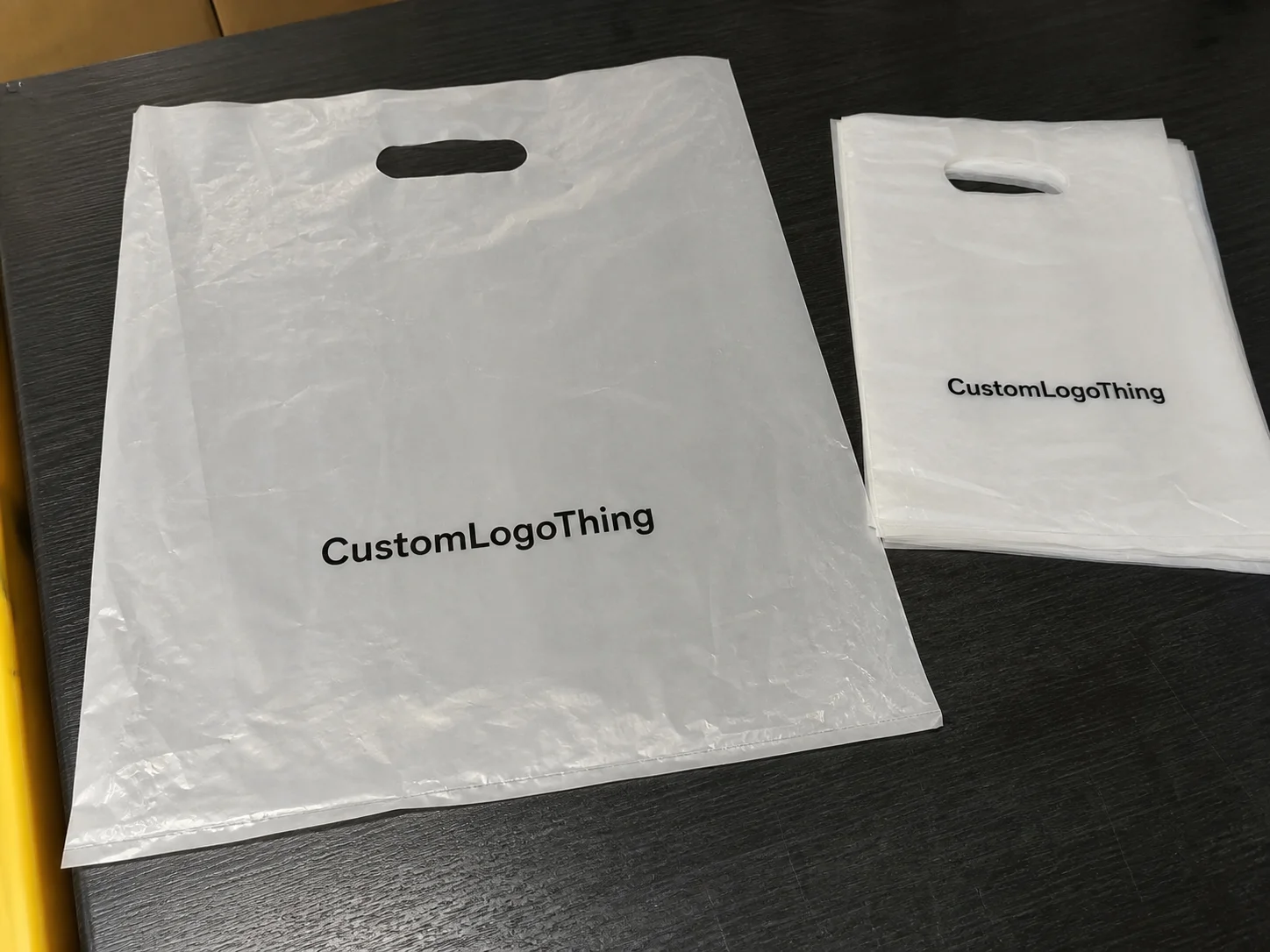
The branding side is stronger than many teams expect. A simple bag can feel premium when the film has the right clarity or opacity, the seal line is straight, and the graphics are aligned properly with the product inside. In one supplier meeting outside Dongguan, a buyer told me the bag “felt like retail packaging, not shipping packaging,” and that reaction came from three details: a 2.5 mil co-extruded film, a matte white print panel, and a centered logo that stayed readable under warehouse lighting. That is the real power of Custom Poly Bags for ecommerce: they make product packaging feel intentional without forcing you into the bulk of custom printed boxes.
They are not the right choice for everything, and that honesty matters. Sharp-edged hardware, fragile ceramics, liquid products, or items that need rigid crush protection usually need corrugated, molded pulp, or another protective system. But for soft goods and low-bulk items, Custom Poly Bags for ecommerce can be the cleanest solution in the building. They reduce void fill, simplify cartoning, and often improve package branding because the first visible surface is the brand surface.
“The fastest way to improve soft-goods fulfillment is often not a bigger box. It’s usually a better-specified film bag, a better seal, and a size that actually fits the product.”
How custom poly bags for ecommerce work in the ecommerce packing process
On a packing line, the process is straightforward, but the details decide whether it runs smoothly or turns into a daily annoyance. A picker pulls the item, the packer checks the size, the product goes into the bag, the opening is sealed, and the package gets a shipping label or secondary label before outbound sortation. In a plant I visited near Manila, the packing team was using a mix of hand-folded cartons and stock mailers until they standardized to Custom Poly Bags for ecommerce; after that, labor time per order dropped by about 12 seconds, which sounds small until you multiply it by 8,000 monthly orders.
There are a few common structures you’ll hear about. Layflat bags are the simplest, usually used for flat products or items inserted manually and then sealed with heat, tape, or adhesive. Side-seal bags have a seam along one side, which can improve appearance and consistency. Bottom-seal bags are common where product weight and fill pattern matter. Resealable options, usually with a zipper or peel-and-seal strip, work well for returns or multi-item kits. Choosing the Right format for Custom Poly Bags for ecommerce is less about trend and more about how the product behaves during loading, transport, and unboxing.
Durability depends on thickness, seal quality, and closure style. A 1.5 mil LDPE bag may be perfectly fine for a folded tee, while a 3 mil co-extruded film may be smarter for heavier knits, sets, or products with friction points that can rub through thinner film. If you run bags through conveyors, DC sortation, or parcel handling, seal consistency becomes critical. I’ve seen heat seals fail not because the film was bad, but because a packing table was set too hot, too cool, or too fast for the actual line speed. That’s why custom poly Bags for Ecommerce should always be tested under real packing conditions, not just under a designer’s mockup.
Printing method matters too. Flexographic printing is common for higher volumes and simpler repeat runs, because once the plates are made, unit economics can be very efficient. Digital printing is often better for shorter runs, multiple SKUs, or frequently changing artwork, though print speed and film compatibility need review. Press setup, plate count, ink coverage, and color matching all affect consistency across the order. I’ve sat through enough prepress reviews to know that a logo that looks perfect on a screen can shift noticeably on film if the proofing standard is weak, so ask for a drawdown or printed sample whenever possible. Strong package branding starts with consistent output, not just a nice design file.
For brands shipping alongside other product packaging formats, poly bags can also sit neatly next to Custom Packaging Products and Custom Poly Mailers in a broader fulfillment system. That mix is common in warehouses where some SKUs need rigid packaging and others need flexible mailers.
Key factors that affect performance, branding, and cost
Material selection is the first big decision. LDPE remains a workhorse because it is flexible, tough, and relatively easy to convert. Co-extruded film gives you the ability to tune layers for stiffness, puncture resistance, and print surface quality. Recycled-content options are increasingly common, but the exact percentage and performance profile vary, so I always caution clients not to treat “eco” as a substitute for testing. Opaque film can hide product contents and support a cleaner retail-style presentation, while clear film is useful when the product itself is part of the visual appeal. With custom poly bags for ecommerce, the right material depends on the product, the ship lane, and the brand message.
Size is another place where brands waste money or create headaches. Oversized bags consume extra film and often look loose or messy; undersized bags put stress on seals and slow down packing because employees have to fight the opening. In one New Jersey fulfillment center I toured, the team was ordering a bag that was 20 mm too wide and 35 mm too long for a folded hoodie, and that tiny mismatch created puckering at seal closure and a higher reject rate. A properly fitted bag saves material, improves presentation, and keeps custom poly bags for ecommerce moving through the line without unnecessary rework.
Gauge, or film thickness, is where performance and cost meet. Going heavier is not always better. A 2.0 mil film can be enough for many garments, while a 3.0 mil option may be appropriate for denser or sharper items. The goal is to choose the lightest viable structure that still passes handling and transit tests. If you need a reference point, ask for testing aligned with industry practices such as ISTA transit protocols, and review material handling guidance from EPA when sustainability claims are part of the brief. Those standards won’t pick the bag for you, but they give you a better frame for evaluating risk.
Pricing is shaped by several variables at once: order quantity, bag dimensions, film structure, print colors, bag style, and specialty details like tear notches or resealable closures. A simple one-color run at 5,000 pieces can land very differently from a four-color custom shape at 25,000 pieces. As a practical example, I’ve seen a straightforward 12 x 15 inch layflat bag in a 2-color flexo print come in around $0.18 per unit at 5,000 pieces, while a more complex version with custom sizing, matte finish, and multi-color artwork pushed significantly higher. That spread is normal for custom poly bags for ecommerce, so accurate specs save everyone time.
Sustainability deserves a sober conversation. Some recyclable film structures work well in specific collection streams, but not every “recyclable” claim is useful in every market. If the bag is designed to reduce shipping weight by 40% compared with a carton, that can be a real environmental benefit even before you discuss end-of-life. FSC is more relevant to paper-based elements in the overall packaging mix, so if your brand is balancing film with paper components, review the standards at FSC. I prefer honest, documented claims over pretty green language that falls apart under scrutiny. That’s especially true with custom poly bags for ecommerce, where performance and material transparency should both be visible.
Step-by-step guide to ordering custom poly bags for ecommerce
Start with the product itself. Measure the folded or packed dimensions, note the weight, and flag any sharp edges, zippers, hangtags, moisture sensitivity, or compression issues. If your fulfillment method includes automated bagging or semi-automatic sealing, say so early. That one detail changes the structure recommendation more often than people realize. For custom poly bags for ecommerce, a supplier can only quote accurately when the product and the packing method are both clear.
Next comes artwork. Provide vector files when possible, and define bleed, safe zones, logo placement, and barcode requirements. If the bag will be scanned in a warehouse, leave space for labels and avoid busy artwork where the label needs to sit. I’ve watched brands lose hours because a beautifully designed bag had no clean panel for the shipping label, which forced the team to tape labels over logos and wreck the unboxing effect. Good packaging design should support both the warehouse and the customer. That balance is especially valuable for custom poly bags for ecommerce, where speed and presentation must live in the same design.
Sampling is where real decisions happen. Ask for a physical proof, not just a PDF, whenever the order is substantial or the color match matters. Then test the bag with your actual product. Check the fit, the seal line, the scuff resistance, and the readability of the logo under different light. If the bag is resealable, open and close it multiple times. If it will be heat sealed, check dwell time and temperature on your actual machine. In one contract packing facility, we found that a resealable strip worked beautifully by hand but slowed the line by 9% under semi-automatic conditions, which is exactly why sample testing matters for custom poly bags for ecommerce.
Production usually follows a sequence: art approval, film extrusion or material procurement, printing, converting, quality control, packing, and shipment. A straightforward order with existing tooling and clean artwork can move in about 12 to 15 business days from proof approval, though custom films, complex color matching, or multiple revisions can extend that. I always tell buyers not to plan on a calendar promise without asking what stage the work is in. Film conversion is precise, and quality checks take time if you want bags that match the spec. The best custom poly bags for ecommerce orders are the ones that go through this process without shortcuts.
If your brand sells in multiple channels, this is also the point where package branding should be aligned across product packaging, retail packaging, and fulfillment packaging. A bag that looks great in direct-to-consumer shipping but clashes with a retail shelf tray can create a fragmented brand story. Consistency helps more than most teams expect.
Common mistakes brands make when choosing custom poly bags
The first mistake is choosing a bag because it looks good on a screen. Film behavior is different from a mockup, and a flat art file cannot tell you whether a bag will slide too much on a line, wrinkle around a hoodie, or seal properly under heat. I’ve seen polished mockups fail badly because the actual product had a thick collar or a folded edge that created trapped air. Custom poly bags for ecommerce need to work in the real packing environment, not just in a brand deck.
Another common mistake is over-printing. Too many words, too many colors, and too many competing design elements can make the bag harder to read and more expensive to produce. A 4-color process with a dense background panel might look impressive, but if the customer only sees the bag for two seconds before it enters a mailer box or bin, the extra ink may not add value. Strong branded packaging usually relies on contrast, spacing, and one memorable visual cue. That’s true for custom poly bags for ecommerce, and it’s true for custom printed boxes too.
Brands also overlook sealing conditions. Manual packing speed, heat settings, humidity, and machine compatibility all matter. A seal that passes in a sample room can fail on a humid shift or on a line with inconsistent dwell time. I’ve had one distributor call me after a Friday run where 600 bags were over-sealed and 240 were under-sealed, all because the operator changed temperature between batches. That kind of issue is avoidable if the order includes process details. For custom poly bags for ecommerce, the machine is part of the spec.
Finally, many teams skip a test run and assume the first production lot will behave exactly like the sample. That is a risky assumption. Samples are often made under ideal conditions, while production runs involve normal plant variation. Ask for a short pilot quantity if the SKU is high value or the line is sensitive. It costs less to catch a problem at 500 pieces than at 50,000 pieces, and that is not an exaggeration. With custom poly bags for ecommerce, the pilot is cheap insurance.
Expert tips for getting better results from your poly mailers
My first recommendation is simple: choose the lightest film that still passes the tests your product needs to survive. Tear resistance, puncture resistance, and drop performance should guide the decision. A lighter film can lower shipping cost and reduce material use, but only if it still protects the product. I’ve seen brands proudly save half an ounce and then spend more on replacements and customer service. That is why custom poly bags for ecommerce should be engineered, not guessed.
Second, keep the graphics bold. Use strong contrast, a clean logo, and one or two lines of text at most if the bag is meant to move quickly through fulfillment and look good in photos. Sparse designs often photograph better than crowded ones, especially when customers post unboxings on social media. If your package branding has a consistent color bar, icon, or logo placement, the brand becomes recognizable faster. That kind of visual discipline works especially well with custom poly bags for ecommerce because the bag surface is large enough to carry the message without feeling busy.
Third, standardize sizes where possible. If three product lines can share two bag sizes instead of five, your inventory gets simpler and your purchasing power usually improves. I’ve watched fulfillment teams waste shelf space and reorder time on unnecessary size variation, only to discover that 80% of their volume could be covered by a small set of formats. Simplifying the SKU count is one of the quietest wins in packaging design. It helps with custom poly bags for ecommerce and it helps with overall product packaging planning.
One shop-floor habit I recommend every time: ask for seal testing, color drawdowns, and real packing-line trials before you commit to volume. Not a render. Not a sales presentation. Actual product, actual seal, actual handling. That one step catches more trouble than any spreadsheet. If you want to build a broader packaging program, our Custom Packaging Products and Custom Poly Mailers pages are a useful starting point for comparing formats.
What to do next when you are ready to source custom poly bags
Start by measuring your product carefully, then gather artwork, identify monthly or annual usage, and decide what the package has to survive in transit. If the item is soft, flat, and low risk, custom poly bags for ecommerce may be a clean fit. If the product needs crush resistance or heavy structural protection, you may need a different format, and that is okay. The right package is the one that matches the product, the line speed, and the shipping lane.
When requesting a quote, include bag style, dimensions, film preference, number of print colors, estimated quantity, and any special requirements like resealability or barcode windows. If you have sample photos or an existing bag that nearly works, send those too. That helps a supplier recommend the right film and seal style faster, which usually leads to more accurate pricing and fewer revisions. For custom poly bags for ecommerce, better input almost always leads to better output.
If you are deciding between two or three material options, ask for a comparison sample set and test it with your actual product. One option may feel better, one may print sharper, and one may run faster on the packing table. Real performance should settle the argument. In my experience, the best packaging choice balances protection, speed, branding, and cost in the actual fulfillment environment, not in a concept deck. That is the real advantage of custom poly bags for ecommerce: they can be tuned to do exactly what your operation needs, without paying for more packaging than the order deserves.
So the next move is simple: define the product, define the packing method, then test the bag under real conditions before you place volume. That sequence saves money, cuts surprises, and gives you a package that actually holds up once it leaves the dock.
FAQs
What are custom poly bags for ecommerce used for?
They are used to package soft, lightweight, or flexible products like apparel, accessories, textiles, and bundled kits. They help reduce shipping weight and can create a Branded Unboxing Experience without the bulk of a box.
How much do custom poly bags for ecommerce cost?
Pricing usually depends on bag size, film gauge, print colors, bag style, and order quantity. Higher volumes typically lower the per-unit cost, while custom sizing and more complex printing raise tooling and setup costs.
How long does it take to produce custom poly bags for ecommerce?
Timeline depends on artwork approval, sample requirements, and production method. A straightforward order moves faster, while custom sizes, color matching, or special films add time for setup, testing, and quality checks.
Are custom poly bags for ecommerce recyclable?
Many are recyclable in appropriate film-stream programs, but recyclability depends on the exact material structure and local collection rules. Clear labeling and material selection should be reviewed carefully if sustainability claims are important to the brand.
What should I send when requesting a quote for custom poly bags for ecommerce?
Provide product dimensions, desired bag size, estimated monthly or annual quantity, artwork files, and any branding or shipping requirements. Including sample photos or a current packaging example helps the manufacturer recommend the right film, seal style, and print approach.