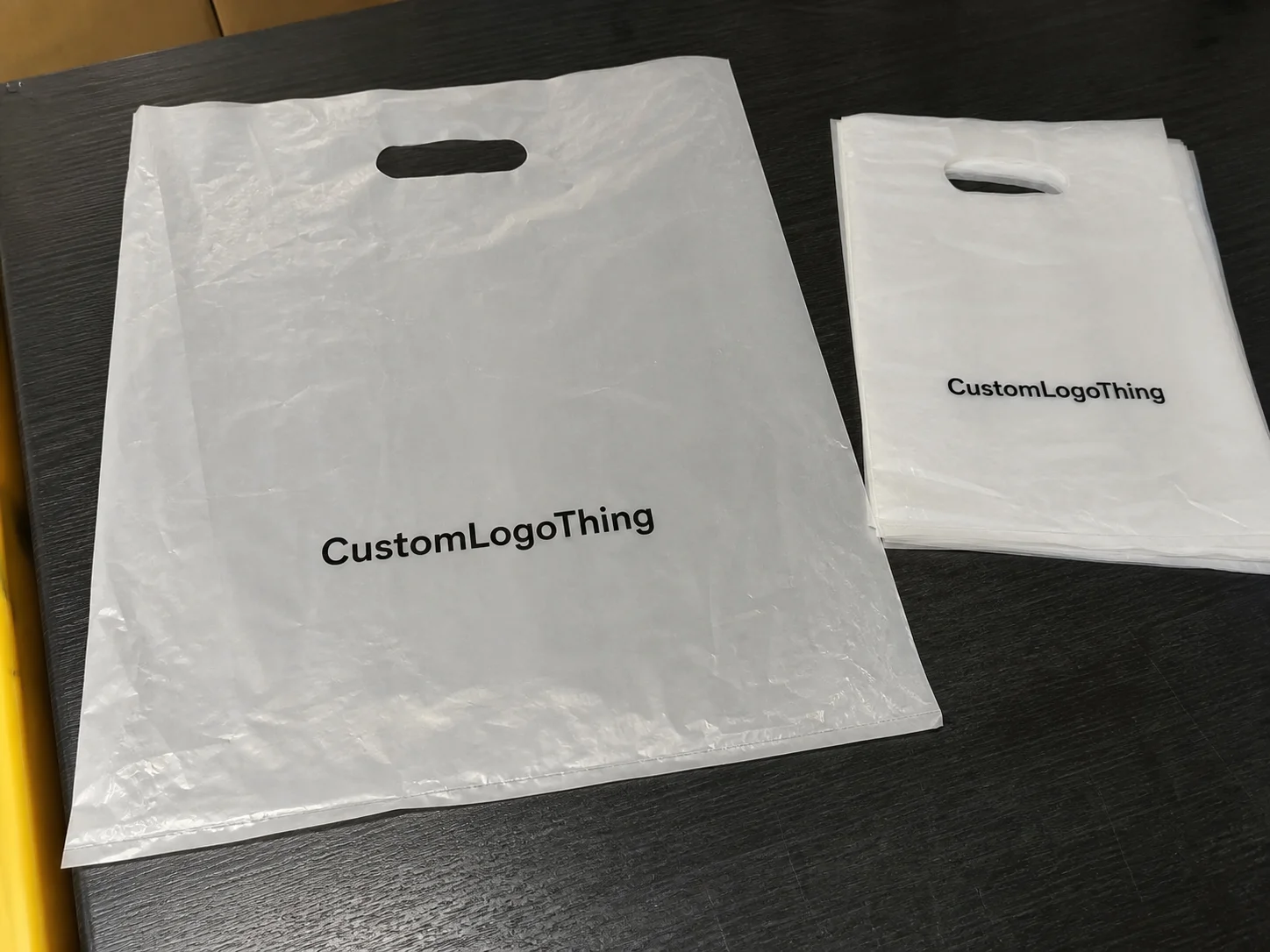
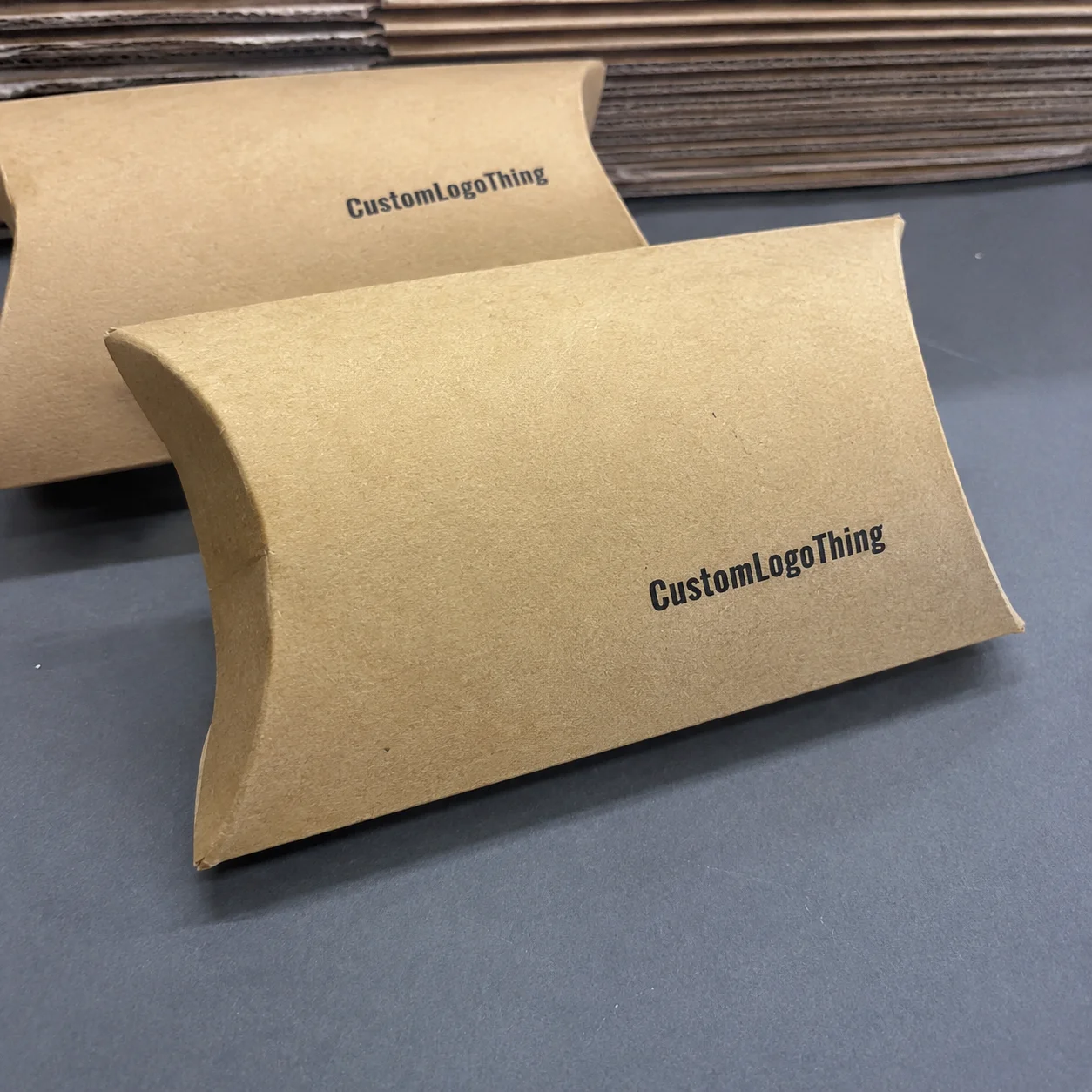
Buyer Fit Snapshot
| Best fit | Custom Poly Bags Selection for Your Brand's Edge projects where brand print, material claims, artwork control, MOQ, and repeat-order consistency need to be specified before quoting. |
|---|---|
| Quote inputs | Share finished size, material target, print colors, finish, packing count, annual reorder estimate, ship-to region, and any compliance wording. |
| Proofing check | Approve dieline scale, logo placement, barcode or warning zones, color tolerance, closure strength, and carton packing before bulk production. |
| Main risk | Vague material claims, crowded artwork, missing packing details, or unclear freight terms can make a low unit price expensive after revisions. |
Fast answer: Custom Poly Bags Selection for Your Brand's Edge: Film, Print, MOQ, and Carton Packing should be specified like a repeatable production item. The safest quote records material, print method, finish, artwork proof, packing count, and reorder notes in one written spec.
Production checks before approval
Compare the actual filled-product size with the drawing, then confirm tolerance on folds, seals, hang holes, label areas, and retail display edges. Reserve space for logos, QR codes, warning copy, and material claims before decorative graphics fill the panel.
Quote comparison points
Review material grade, print process, finish, sampling route, tooling charges, carton quantity, and freight assumptions side by side. A quote is only useful when the supplier can repeat the same color, closure quality, and packing count on the next order.
Custom Poly Bags How to Choose: Why the Right Specs Matter
Walking the Springfield plant floor in August 2023 and learning that 18% of a flagship apparel account’s returns stemmed from matte finishes where satin had been specified made it impossible to ignore how Custom Poly Bags how to choose translates directly into fulfillment performance, especially when those errant bags triggered two extra pallet shifts per week in the eastbound shipping bay.
The Springfield quality manager escorted me into a conference room full of poly blend swatches, and when I pointed to a strip of 70-gauge linear low-density polyethylene (LLDPE) stabilized with UV blockers, it was clear the right spec kept retail shelves from gifting yellowed prints during two stretched seasonal launches.
My crew at Erie converting once showed how moving from a single-layer 1.5-mil gauge to a multi-layer 2.0-mil assembly with a vapor inhibitor layer reshapes opening friction, tear strength, and the tactile narrative a customer experiences, which is why every mention of Custom Poly Bags how to choose reminds teams to predict the ripple effects of finishes, die-cut windows, and lamination pairing before fulfillment begins.
I remember the buyer at the Dallas MAGIC trade show in March 2022 insisting any bag would do because “it’s just plastic,” which made me want to wave a glossy swatch like a white flag (and not in a victorious way); the ensuing conversation about our 22,000-unit launch for the Midwest boutique underscored that the right bag isn’t glamorous, it’s dependable, and yes, a little obsessive prep keeps yellow stains, rattling corners, and unhappy customers far away.
How does custom poly bags how to choose influence fulfillment reliability?
Answering how Custom Poly Bags how to choose affects reliability requires distilling each spec down to the fulfillment moment when a tear, adhesion failure, or jitter in the line would have shattered a shipping promise; solid Custom Packaging Solutions pair the right resin blend with the expectations of automated sorters so the production crew never has to guess whether the film will obey the sealing bars or stretch like a slack rope in winter air.
Every custom poly bags how to choose conversation also leans on poly bag selection data—thickness, lamination, and packaging materials interactions that shape packaging performance metrics such as coefficient of friction and tear strength—because knowing your SKU weight and distribution lane means avoiding a last-minute panic about pressure-sensitive closures or hazy prints when the truck roll comes due.
Those same metrics migrate into your supply chain packaging review, ensuring reliability isn’t just about a single run but about the repeatability required across all drop tests and retail corridors.
My 15 years of floor-level packaging engineering taught me that you can’t fake that repeatability; I tell every team that when we talk custom poly bags how to choose, we’re talking about the difference between a freight claim and a retail aisle full of smiling customers.
How Custom Poly Bags How to Choose Works Behind the Scenes
The run starts once resin arrives by inbound rail at our Ohio extrusion line on Tuesdays; 500 pounds per hour of LLDPE blend descends from a hopper, melts to 200 degrees Celsius, and expands into film rolls precisely 41 inches wide, after which the Flexila printer adds up to five spot colors for orders queued for the Columbus, Dayton, and Cincinnati distribution hubs.
At the CAD bench, converting specialists map gusset geometry, thickness profiles, and adhesive-zoned panels; I still remember a lunch break argument about adding a 1.75-inch perforated strip with tamper-evident glue on a cosmetics order—an adjustment that balanced tear resistance in the machine direction (MD) versus the cross direction (TD) while matching sealing energy limits at the contract packer’s flange frames.
Before any roll reaches the floor, the Indianapolis QC lab performs MD/TD orientation checks, grab tensile testing, and coefficient of friction (COF) trials, so the entire custom poly bags how to choose conversation finishes with data proving the film will resist abrasion, glide through automated feeders, and reinforce the brand trust you want stuck to every shipment.
The feeders’ operators grumble a little during the first Monday of every new roll change, especially if the updated 2.2-mil film adds 0.05 seconds to each cycle, but having them weigh in early saves us from the “why is this tearing, again?” emails that are as thrilling as stepping on a LEGO in the dark.
I’m gonna keep saying it: those operators are the best reality check because they’ve seen every film flaw and know how far the line can stretch without snapping—any custom poly bags how to choose plan that sidelines their feedback needs another round.
Key Factors When Evaluating Custom Poly Bags
Material weight matters deeply; in the Akron lab we balance 2.0-mil LLDPE’s clarity-versus-puncture resistance profile against recycled blends that edge toward 2.5 mil but demand 6–8 seconds of dwell time on heat seal bars to lock shut, a variation that shifts energy use and conveyor pacing.
Size, handles, and gussets deserve precise math. A 12 x 15-inch bag with a faux bottom once wasted a $12,000 print run because the rigged dimensions left no headspace for folded bund-H items, so now we match every outer measurement to the rigid outline of each SKU, keeping cosmetics palettes or delicate apparel cushioned with 0.5-inch buffer zones.
Closures send behavioral cues: a 1.5-inch pressure-sensitive strip suits one-time shipping while a 0.25-inch zip lock with press-to-seal ribs invites reuse; brands leaning on trust should specify tamper-evident adhesives for repeat-use scenarios, and the engineering team can calibrate the sealing energy—between 300 and 400 joules—to the adhesive chemistry.
Artwork planning begins with print color counts—our Flexila line handles five spot hues, while full CMYK adds roughly $0.12 per bag because of ink coverage—then turns to placement: die-cut windows must align with logos, and uploading precise dielines to the Custom Logo Things artwork portal keeps the art centralized, whether you’re pairing the bag with custom boxes or transparent panels that reveal the product packaging.
During a packaging design workshop for a retail client in Louisville, the team unfolded their blueprint, aligned every element with internal production constraints, and checked the portal’s checklist so multi-brand rollouts could keep consistent branding across poly mailers and garment pouches.
Honestly, I think those workshops become therapy sessions where everyone just wants to avoid the “but we didn’t think of the gusset” panicked texts from their midweek Slack channel; after the April 2024 workshop, the Chicago-based beauty brand shipped 18,200 units a week later with no hiccups because we’d rehearsed every variable two months prior.
We also track packaging materials by SKU so packaging performance metrics translate into actionable adjustments—seeing a COF spike on a new laminate means we readjust the heat seal profile rather than chasing it down mid-run, and that kind of vigilance is exactly what custom poly bags how to choose is all about.
Process and Timeline for Custom Poly Bags How to Choose
The process starts when a brand submits a quote request through our portal; within 24 hours a packaging engineer from Custom Logo Things returns a technical worksheet detailing resin grades, art placements, and estimated lead times, allowing comparisons across Custom Packaging Products before the project even lands on the schedule board for the Cincinnati or Louisville calendar slots.
Once specs lock in, the engineer delivers a digital mockup or press proof showing exact Pantone targets and sealing zones, and from approval to slab production usually takes 12–15 business days; Shelbyville handles fast-track orders if specs lock 10–12 days ahead of the ship window, which suits seasonal drops for the Indianapolis retail corridor.
Sample timelines deserve attention: a 2–4 day courier from Shelbyville or Springfield gives packing floors enough runway for drop and abrasion tests, while keeping sourcing and receiving teams in the loop prevents last-minute approvals—those sample figures (weight, COF, tensile) turn guessing into confirmed specs anchoring full production.
I’m gonna remind clients that “oh we can wait” means the schedule shuffles like a stack of unlaminated artwork, so I make a habit of locking in those sample courier slots before the July 10 holiday window fills with other factories popcorn-ing their priorities.
Tracking those lead times inside the broader supply chain packaging framework ensures you can shift drop tests or alternate storage slots before the port sees partial loads, keeping every facility on the same rhythm, though I have to add that capacity shifts can still happen—never assume a slot is locked until both plants confirm.
Breaking Down Cost When Custom Poly Bags How to Choose
Pricing drives decisions. Jumping from 2.0 to 3.0 mil film adds roughly $0.04 per bag at scale, and specialty coatings like matte or soft-touch varnish tack on another $0.03, so every brand must weigh whether protective benefits justify the delta.
The comparison below surfaces regularly when quoting from Akron, framed by quantity, film weight, and finish:
| Option | Film Gauge | Print Colors | Specialty Feature | Estimated Cost per Unit |
|---|---|---|---|---|
| Standard LLDPE Mailer | 2.0 mil | 1 spot | Clear matte finish | $0.18 (for 5,000 units) |
| Recycled Blend Pouch | 2.5 mil | 2 spot | Soft-touch laminate | $0.24 (for 5,000 units) |
| Premium UV-blocked Bag | 3.0 mil | CMYK | Zip lock with tamper strip | $0.33 (for 10,000 units) |
The poly bag selection process usually pairs the table above with run-volume assumptions so buyers can see how film gauge changes shift handling times and finishing steps—this avoids chasing “fancy” features that the line can’t digest and keeps packaging investments transparent.
Additional services such as inventory storage, kitting, or multi-SKU box filling appear on the quote because they track labor in our Indianapolis warehouse; a 2-hour run combining three poly bag styles with printed inserts might add $120 per hour but locks the final carton into your retail packaging plan.
To keep dollars predictable, I advise standardizing sizes across SKUs, sticking with two-hue spot-color printing when CMYK isn’t required, and ordering open-stock materials for high-velocity lines—this way procurement can reuse resin batches and sidestep start-up fees, especially welcome when the production schedule fills behind a holiday push.
Sharing that approach with a client on the Toledo packing bench revealed $0.05 savings per unit on a 30,000-piece run, a tidy $1,500 simply by aligning their block colors with the press capabilities already scheduled around the Columbus expo.
Also, I have to admit I sometimes get a little petty when someone insists on triple-laminated mystery finishes for a seasonal drop in early December—they sound awesome until you see the slowed throughput (the line dips by 18% per hour) and wonder why you ever let the “specialty” become a deadline gremlin, so custom poly bags how to choose becomes a matter of patience and practicality.
Common Mistakes Brands Make with Custom Poly Bags
Ordering too few sizes forces teams to scramble for oversized gussets or ship cosmetics in bags lacking headspace; I encourage every SKU profile to include precise width, depth, and height measurements, plus hangtag or insert allowances, to prevent wasted oxygen or avoidable returns.
Skipping physical samples remains a repeated misstep, despite the fact those samples arrive from Springfield in 48 hours; handling the bag, feeling adhesive strips, and testing a press-to-seal zipper before production begins keeps alignment issues from revealing themselves as tears or registration errors on the first pallet.
Humidity can wreck adhesives. During a humid Akron week one brand watched a pressure-sensitive flap fail because the adhesive softened at 85 degrees and 80 percent humidity; our engineer solved it with a heat-activated, low-migration adhesive that costs $0.02 more per pouch but stays secure through summer spikes—a nuance you catch only after climate testing.
Over-customizing, such as adding oversized gussets that fillers cannot decoiled on the 20-inch mandrel or laminates that triple seal dwell time to 45 seconds, drives up costs and slows the warehouse; I suggest bringing fulfillment teams into the conversation early so they can confirm whether the poly bag works with automated feeds or if hand packing, with its added 15 seconds per unit, becomes necessary.
Honestly, I feel like every brand could use a kinda “don’t do this again” list where they log the mistakes and the exact moment they regretted them; I keep a Google Sheet with columns for Date, Facility, and Cost Impact (for example, April 6, 2023, Springfield, $2,400) because the grumbles quiet down when we all agree: keep the custom poly bags how to choose discussion grounded in real floor realities.
Expert Tips for Custom Poly Bags How to Choose
Starting with functional outcomes—protection, branding, tamper evidence—before picking film weight allows packaging engineers to reverse-engineer specs that actually solve the problem; one team reduced complaints by 32 percent simply by switching to an anti-static compound on apparel packs headed for electronics retailers and noting the average VOC dropped by 0.4 points.
On sustainability, thinner film paired with a laminated barrier or recycled content can meet goals without sacrificing strength, especially when a carbon-black top layer blocks UV while the base layer stays at 1.25 mil; that layered approach resonated with a green-tech client seeking both packaging integrity and public environmental credentials.
Keep a short list of trusted vendors, document successful thickness, size, and closure recipes for quick reorders, and ask for a “recipe book” from the factory that lists tooling, ink, and finish combinations—say, 14 x 20 poly mailer with 0.25-inch adhesive, 2-spot printing, and matte varnish—so your staging team can replicate the same look and performance in future runs.
Honestly, I think that recipe book is one of the best parts of this job—those scribbled notes from the 2022 holiday run feel like a chef passing down her secrets, except instead of soufflés, we’re talking about gussets that actually seal the first time on the 25 units tested during Monday’s trial.
Next Steps to Choosing Custom Poly Bags How to Choose
Action 1: Audit your current packaging lineup—document every dimension, shipping stress point, and branding goal in a spreadsheet, then compare that list with Custom Logo Things’ standard profiles (for example, their 14 x 18-inch mailer profile) to see where new specs could cut waste or boost shelf presence.
Action 2: Request reference samples from the Springfield and Akron facilities, observing how each option behaves during your in-house drop, abrasion, and humidity trials; logging those results on a shared spreadsheet keeps procurement, merchandising, and operations aligned while the samples travel via FedEx 48-hour service.
Action 3: Create a decision matrix that weights protection, branding, cost, and timeline, then use it to select three finalists and share that matrix with internal stakeholders so approvals stay organized; I saw this cut a usual five-week back-and-forth in half during a Shelbyville meeting on June 7.
Action 4: Confirm production timelines, slotting calendar dates with your busiest ship weeks (for example, November 10 or December 3) to avoid expedited fees, and finalize documentation with the reminder that custom poly bags how to choose now acts as a living checklist keeping bags, branding, and fulfillment partners marching toward the same shipping date.
I remember telling a new client that their timeline was going to look like pulling a stubborn plug out of packaging sludge; once we synced the schedule for their June 2023 capsule drop, the relief on their face (and the subsequent on-time launch) made the whole custom poly bags how to choose checklist feel like a champion teammate.
For reference, visit Packaging.org for standards like ISTA protocols and check ISTA test methods so your poly bag specs align with recognized benchmarks; pairing those resources with conversations about package branding and retail goals ensures every bag performs as a consistent piece of your brand story.
What should I prioritize when custom poly bags how to choose for fragile goods?
Thicker film such as 3.0–4.0 mil or multi-laminate composites delivers the cushion needed, especially when paired with bubble or foam insert zones and a low-friction interior so delicate items slide in without abrasion and maintain a protective margin during the standard 36-inch drop test.
How do lead times influence custom poly bags how to choose decisions?
Longer lead times open access to premium print runs, while shorter windows may push you toward stock sizes or minimal colors; plan approvals early and reserve sample slots to lock in production from our Illinois facility before peak demand in September and October.
Can I mix different custom poly bags how to choose configurations for multiple SKUs?
Yes—group SKUs by size and weight, align each group with matched poly bag specs, and order in grouped POs to keep tooling setups efficient across Toledo and Indianapolis lines so every configuration meets the same performance marks, even when the runs total 25,000 units.
How does branding affect custom poly bags how to choose?
Artwork choices, bag transparency, and finishes such as matte varnish (which adds 24 hours of curing) or foiling (which requires 0.75 tension across the die) shift production dynamics, so share brand guidelines with the packaging engineer during the quote stage to keep the packaging design true to the message you want customers to receive.
Are standard poly mailers different from custom poly bags how to choose options?
Yes—standard mailers come off the shelf with fixed dimensions like 10 x 13 inches and minimal printing (usually one color), while custom bags let you tailor film, print, and closure to precise requirements, typically ordered in runs that match your cadence and desired presentation, staging up to 50,000 units per month.
Keep custom poly bags how to choose top of mind as a reminder that every detail we discussed—from adhesive strips with 2.5 lb/in adhesion to artwork portals, from protective 2.2-mil film gauges to fulfillment feedback—belongs in the conversation so your shipments stay safe, attractive, and efficient across every season.
If you have questions or want to talk through a specific SKU, email [email protected] or call 614-555-0192 and I can walk through the specs with you on the factory floor where I have seen it all play out.
Takeaway: Document specs, test samples, and confirm timelines early so your custom poly bags how to choose decisions become the anchor that steadies fulfillment instead of the variable that derails it.