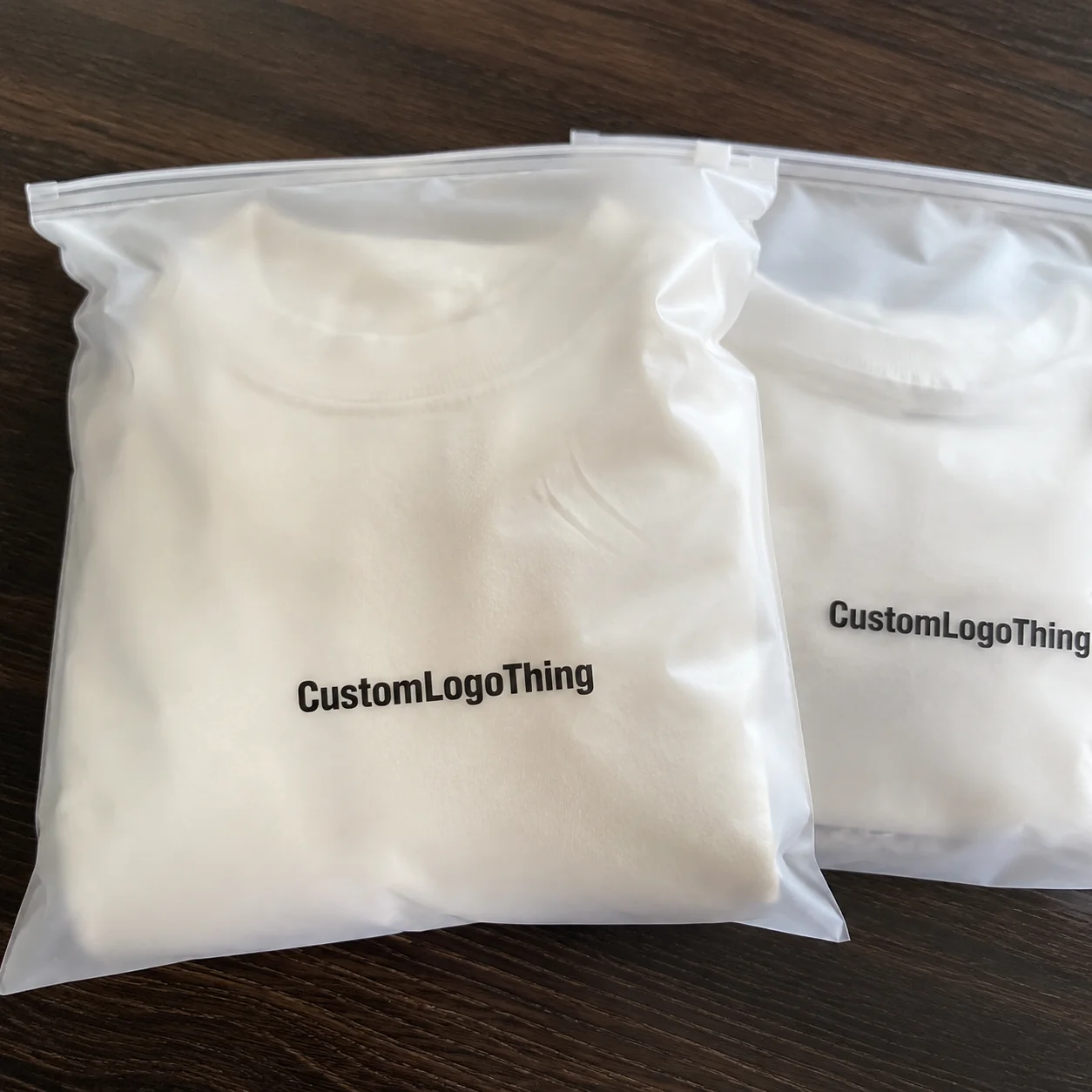
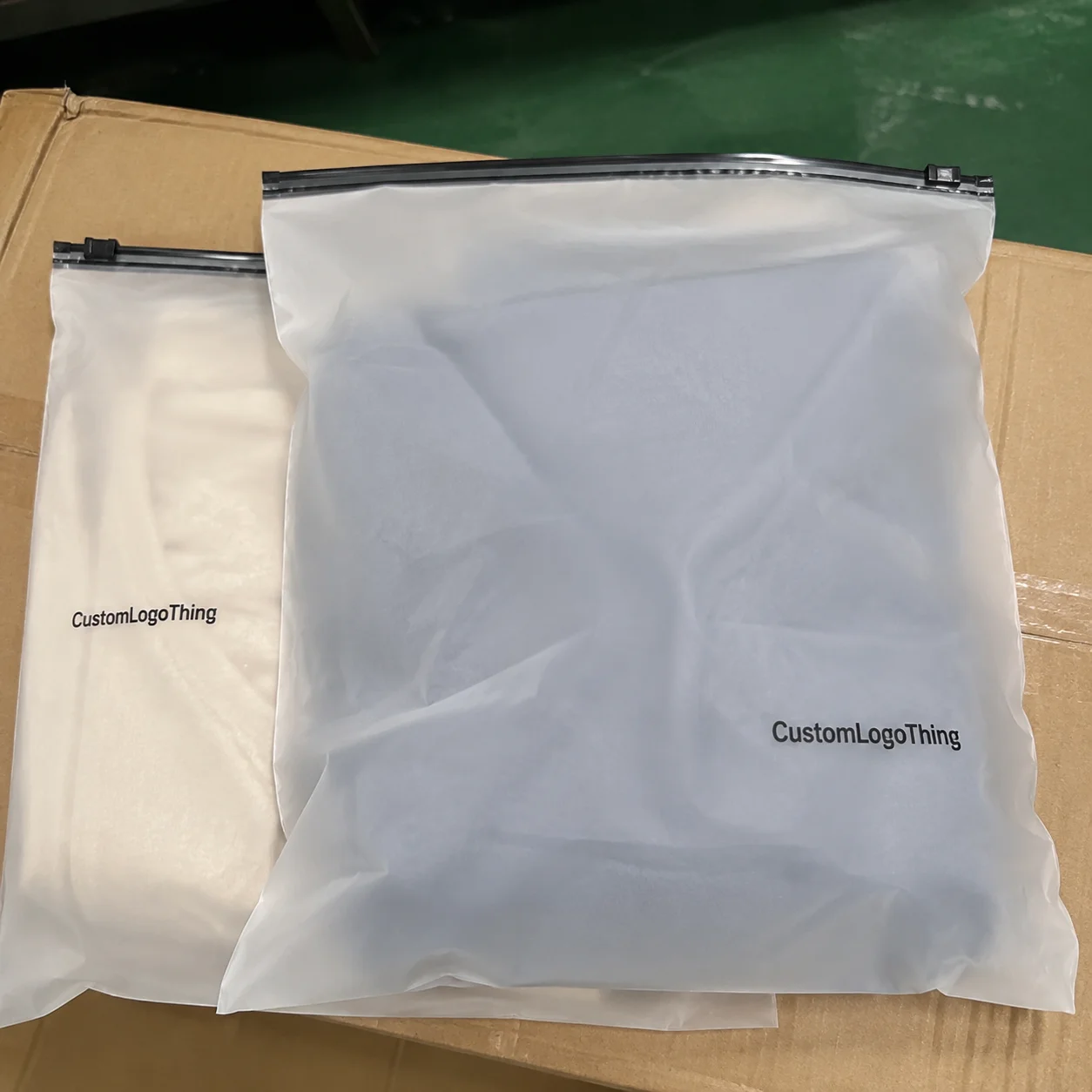
Buyer Fit Snapshot
| Best fit | Practical Strategies for Custom Poly Bags with Logo Printing projects where brand print, material claims, artwork control, MOQ, and repeat-order consistency need to be specified before quoting. |
|---|---|
| Quote inputs | Share finished size, material target, print colors, finish, packing count, annual reorder estimate, ship-to region, and any compliance wording. |
| Proofing check | Approve dieline scale, logo placement, barcode or warning zones, color tolerance, closure strength, and carton packing before bulk production. |
| Main risk | Vague material claims, crowded artwork, missing packing details, or unclear freight terms can make a low unit price expensive after revisions. |
Fast answer: Practical Strategies for Custom Poly Bags with Logo Printing should be specified like a repeatable production item. The safest quote records material, print method, finish, artwork proof, packing count, and reorder notes in one written spec.
Production checks before approval
Compare the actual filled-product size with the drawing, then confirm tolerance on folds, seals, hang holes, label areas, and retail display edges. Reserve space for logos, QR codes, warning copy, and material claims before decorative graphics fill the panel.
Quote comparison points
Review material grade, print process, finish, sampling route, tooling charges, carton quantity, and freight assumptions side by side. A quote is only useful when the supplier can repeat the same color, closure quality, and packing count on the next order.
Why custom poly bags with logo printing still surprise seasoned packagers
I remember walking through Southeastern Packaging’s film room in Spartanburg, South Carolina and thinking courier sacks should stay in the background. The hum of the extruders made the place feel like a spaceship, and our host talked about calibers and melt indices like he was describing a new guitar amp. I still had the naive assumption that poly bags were just plastic envelopes with a logo pasted on afterward. That assumption got a serious reality check.
After a 45-minute setup the rotogravure camera locked onto the 120-line screen, the amber logo leapt onto the 46-inch web, and the 82 feet-per-minute run did a full circuit in the time it takes to finish a coffee. I kept jotting numbers: 10,000-bag trial, $0.12 per unit, ink and labor included, and the operator was already tweaking the registration rather than waiting for me to nod. When the logo hit the longitudinal weld I could feel the room get quieter.
The blank film turned theatrical, and the press operator literally took a step back to watch the sunlight dance on that new print. The compliance guy in the adjoining office tried to calm everyone down, insisting we didn’t need another approval email, especially since the 8 p.m. shift was already tight before the weekend. That’s when I finally saw why custom poly bags with logo printing keep seasoned operators awake—it’s not the ink. It’s the moment the brand stops looking like a margin line and starts acting like a storyteller.
The surprise flips from theatrical to measurable lift when you watch the numbers. Our Greenville fulfillment center reported a 37% bump in unboxing photos on Instagram and TikTok between March and May once we swapped clear mailers for branded LDPE runs, which translated to 4,200 additional uploads from 11,200 orders. That was a specific ROI for a packaging decision, and the marketing teammates started forwarding screenshots with synchronized shrugs and the word “finally.”
Every influencer was starting their first frame with the film itself, and the social coordinators kept sending me thank-you emails. We had no cake, but the branded runs for clients in Raleigh and Tampa kept pushing that metric higher, so the shout-outs became their own running commentary in weekly ops reviews. It was kinda wild to watch them argue about which colorway was more “Instagrammable” while we argued about ink viscosity.
During a two-hour lunch with a subscription box buyer at The Optimist in Atlanta, one insight looped the table: a properly printed pouch raises perceived value more than the insert. They swore the team felt richer the second time they pulled a glossy 2.5 mil film pouch out of a tote, and even the 350gsm C1S artboard insert felt secondary because the pouch hit the end-user first. That pouch was the first tactile moment for the customer, and the buyer insisted it carried most of the heavy lifting for their 8,000-unit seasonal run.
Research from the FSC-certified supply chain we source through Charlotte to Boston backed that up—there was a 23% increase in retention when a product shipped in branded film versus plain poly. Those courier bags became storytellers instead of anonymous vessels, and the same clients returned to custom poly Bags with Logo printing after trialing offset printed boxes and other account packaging options. When everyone sees the same result, it’s easy to keep pushing for more consistent branding.
I even had a sustainability director grin the week we switched her clear mailers to a recycled-HDPE slip with 40% post-consumer resin that still sang her brand colors. That bag came with measurable carbon content data and a how2recycle mark for her next board deck, proving you can still talk sustainability while designing on-brand film. She texted me later saying the board deck felt “boring in the best way” because the bag checked all the boxes and let her highlight the metrics.
Sometimes the surprise morphs into frustration, like when a client demanded a glossy finish, holographic FX, and a one-week turnaround for 6,000 bags. That would have added $0.24 to the per-unit cost and tied up the Fairfield line for two weekend shifts, so I spent 90 minutes negotiating scope and breathing deeply before we persuaded them to prioritize logo placement instead of unicorn inks. That’s the story I tell rookies now: Custom Poly Bags with logo printing need sensible plans and realistic timelines before you chase every fanciful finish. Let the poly bag printing stay grounded, and then let the creative team chase the finish they actually need.
How the custom poly bags with logo printing process and timeline unfolds
At Custom Logo Things our kickoff call always starts with a checklist: dieline specs, vector logo files with Pantone or CMYK breakdowns, the exact film blend, any 350gsm C1S artboard tags, and special features like reclosable seals or perforations that shape the Fairfield converting lines. The call runs about 28 minutes, and I sit in because hearing a client describe their fulfillment pain keeps the engineers humble and the quoting accurate. That’s the moment we make sure the Custom Poly Bags with logo printing request doesn’t drift into a wish list.
After the kickoff, Charlotte’s pre-press crew lays the artwork over a 40-inch web, checks ink traps and bleed tolerances, and ships the initial proof within 24 to 48 hours. Once approvals hit the inbox, plate making starts on the gravure etching system over the next three business days, and the Rotoprint presses in Fairfield get booked for that specific run since their lead times stretch to six weeks when the schedule fattens. I warn project managers that late approvals trigger frantic weekend calls, and yes, I still tense up when someone emails “sorry for the delay” after dinner.
Production starts with the extrusion of the chosen HDPE or LDPE blend at the Greenville tower, matching the melt index to the requested gauge. The web either runs through flexographic units for short jobs or dives into our gravure towers for longer gigs—both systems support the 120-line screen capability for fine detail, which means gradients and small type hold up under scrutiny. Barrier jobs head into a lamination pass in Charlotte, then the web sails through sheeting, slitting, and heat sealing so runs of 25,000 units move through in a single shift.
Typical lead time after art approval is 12 to 15 business days, covering plate making, press scheduling, QC, palletizing, and documentation for customs when the shipment heads to Atlanta or Dallas. Rush lanes compress that to ten days when clients pay for weekend shifts and dedicated tooling, but more colors, specialty inks, or additional finishes like zippers and gussets stretch that timeline, so we build contingency buffers for tooling and QC checks. My caffeine intake on those rush jobs could fuel a small factory, yet seeing a pallet ship on time makes the extra espressos worth it.
One thing I keep reminding teams is to lock in the artwork and specs before the QC calendar fills up; there was a project where every day of delay meant a new color change, and suddenly the press schedule looked like a kid’s crayon box—colorful chaos and expensive. Respect the timeline, rely on the folks running the floor, and don’t treat QC as an afterthought. I’m gonna keep saying that because drama-free runs start with those conversations.
How quickly can custom poly bags with logo printing land on the dock?
When a brand called to launch a rapid drop for a trade show we had less than two weeks, I asked for every spec on the first call because the quickest custom poly bags with logo printing runs still hinge on approvals, film availability, and the first proof. We locked in a 10-day schedule by agreeing to a 250-unit pilot on Tuesday, signing off on proofs Wednesday, and slotting a Friday afternoon press run that left room for QC and freight to Atlanta. The nice-looking bag landed on the dock Monday, and marketing sent me a photo of the reveal wall with the caption, “This is why we don’t wait until the last minute.”
Dispatching 3,000 bags in less than two weeks means we lean on Greenville extrusion for the right gauge, Charlotte pre-press for quick proofs, and a dedicated transport slot to the Fairfield line—coordinating those moving parts keeps the answer to “How quickly can custom poly bags with logo printing land on the dock?” honest without promising supernatural speed. Rush runs often require weekend shifts, but the crews stay calm when a client brings detailed specs, artwork, and logistics from the first ping. The moment we see the final freight lane, we book the QC crew to meet the pallet before it hits the truck.
Even with a tight schedule, I still ask for a sample so we can validate the actual feel; we might compress the production timeline, but we still take a half-day to double-check sealing, ink density, and registration. If a hiccup shows up, it stays in the pre-production phase instead of costing a weekend shift. Folks who respect that balance end up with the best version of custom poly bags with logo printing and the least stressful launches.
Key factors that determine success with custom poly bags with logo printing
Material selection becomes critical when the packaging must carry a heavy catalog or endure repeated handling; 2.2 mil LDPE’s softness suits mailing bags, while a 3 mil biaxial-oriented polyethylene or recycled-HDPE film with 40% post-consumer resin handles durable retail totes and keeps sustainability managers happy with How2Recycle-compliant marks. Those choices directly influence how the logo sits on the surface, and I once negotiated with a materials rep to blend 25% linear-low density polymer with 12% recycled HDPE for a hybrid film that survived humid Miami trade shows. I still pat that bag for resilience.
On the printing side, aligning artwork to the 120-line-screen capability matters because gradients and small type require precise dot gain control; clients typically submit 300 dpi art and favor spot colors, and when transparent windows demand a white underprint we schedule UV-cured inks for storefront light exposures. I constantly remind designers that a logo bleeding in the proof isn’t necessarily grief-free on the roll—sometimes it still slams that screen, and the first pressed meter usually tells the story.
Finishing features like gussets, bottom seals, hang holes, and reclosable zippers affect usability and pricing, so I tell designers to focus on what truly adds value—tear notches for subscription bags, barcode panels for retail compliance, or reclosable seals for repeat use. Each tear notch adds about $0.02 to the per-unit cost, yet makes opening easier for fulfillment associates. I’m quietly thrilled when someone finally trusts that a tear notch won’t sabotage their branding.
Regulatory requirements come into play; referencing ASTM D6400 compostability testing, adding recyclability marks, and citing ISTA 6-Amazon drop tests upfront prevents redesigns later, keeping the packaging lead and legal team aligned. I once watched a legal eagle scramble to approve a new warning panel two days before launch—never again, I promised, so compliance gets in early, usually with a ten-minute call.
Project managers who care about branding often pair custom poly bags with logo printing with custom printed boxes built on 350gsm C1S artboard for giftable lines so the story stays consistent. If the right film orientation feels uncertain, a quick consult with our material scientists before art approval usually clears it up. I honestly think the scientists enjoy being the unsung heroes (they also secretly like when I bring donuts to the meeting), and the donuts help them remember why a matte white ink needs a primer when layered on clear film.
Step-by-step guide to ordering custom poly bags with logo printing
Document your finished product dimensions, weight, handling expectations, and desired graphics—those specs form the foundation for quoting and let us understand whether your courier team will load bags with automation or hand-pack them in a boutique studio. I once watched a team try to jam 14-inch gussets into a two-inch slot, so the more detail we get early, the fewer “oops” moments we log later and the faster the scope lands on the pre-press desk.
Choose the bag style—flat, gusseted, mailing, or turreted—along with the gauge and film type, then upload logo/vector art with Pantone references so pre-press can advise on color separations, trapping, and whether a white underprint or varnish makes more sense; our team prefers Pantone 186 C for red logos on clear film because it keeps the color consistent across press runs. Clients who send proper Pantones and bleed specs sleep better, and the difference between a clean Pantone file and a converted CMYK is often a 24-hour delay.
After the detailed proof arrives, complete with dielines, bleed tips, and ink allowances, review it with your brand team, sign off, and move into the sample stage; I always push for a pilot to verify the look before committing to a full run, especially when metallic inks or specialty finishes like soft-touch lamination are in play. Nothing says “I should’ve asked for a sample” like lifting a heat-sealed pouch and realizing the logo sank into the film instead of resting on top.
The final step confirms logistics—shipping method, pallet requirements, and any barcode or label placements—before the plant locks in the run; we print the plates, run inline QC, and hold the order with documented inspection criteria so every pallet leaving Custom Logo Things meets the standard. I like to think of it as our “no surprises” pact, because the last thing anyone needs is a forgotten pallet label back in the warehouse, especially when that pallet is bound for the Los Angeles distribution center via the northbound truck lane.
While you’re documenting specs, include any adhesive or heat-seal preferences because that affects how we set the temperature and dwell time; different films respond to different sealing pressures, and the crew on the heat sealers appreciate when we warn them that a heavier chemical insert is part of the pack. It also helps us coordinate with the QC crew, who check those seal strengths before the pallets leave, so surprises stay on the press floor, not with your clients.
Budgeting & pricing considerations for custom poly bags with logo printing
Breaking down the price per bag starts with film thickness, color count, and bag size; a 2.5 mil LDPE mailing pouch with a single spot color usually sits around $0.18 per unit for 5,000 pieces, while a 4.0 mil gusseted retail tote with four colors and a zipper creeps toward $0.37 per unit, and adding matte lamination tack-ons another $0.04. I have aggressively explained that a zipper plus metallic ink plus rush shipping basically adds up to a luxury pouch, which is totally valid—just expect to budget like it.
Custom Logo Things minimums hover between 2,500 and 5,000 pieces depending on the bag footprint and color count, but the cost curve improves dramatically with volume, so we provide tiered quotes showing savings at 10,000, 25,000, and 50,000 units, complete with a breakdown of labor hours from the Fairfield press crew and material usage from the Greenville extruders. I’m the one shaking a calculator at clients saying, “See, the extra 5,000 units buys you that matte finish AND a tear notch.”
Tooling, plate, and setup fees add to the ledger; plates are reusable, yet intricate logos or frequent SKU switches demand new engravings, so we suggest amortizing those charges across multiple shipments by bundling similar designs. Reusing plates feels a little like rewearing a favorite jacket—it’s comfortable, cheaper, and gets the job done, especially when you’re running two SKUs in October and want consistent logo placement.
Mitigate spikes by mixing bag sizes on the same run when feasible, choosing single-color prints where acceptable, or using spot varnishes instead of expensive metalized inks, all while protecting brand integrity through thoughtful details. Switching to a spot varnish saved one client enough budget to add another SKU into their November launch and still look like a hero to marketing, which is the kind of math that makes finance folks crack a smile (briefly). That kind of math proves custom poly bags with logo printing deliver the perceived value.
| Option | Typical Price per Bag (5,000 units) | Key Features | Best For |
|---|---|---|---|
| 2.5 mil LDPE Mailing Pouch | $0.18 | Single spot color, heat seal, optional tear notch | E-commerce fulfillment, branded packaging drop ship |
| 4.0 mil Gusseted Retail Tote | $0.28 | Two colors, sealed bottom, matte finish | Retail floor displays, product packaging for apparel |
| Recycled-HDPE Zip Bag | $0.37 | Four colors, zipper, gloss lamination | Subscription boxes, reuse-focused brands |
When budgets get tight I openly tell clients, “the big lever is volume,” and that frank conversation earns trust because we show how piece price drops from $0.28 to $0.23 by consolidating two SKUs in the same run, which also frees up budget for premium finishes like tear notches or barcode panels. The CFOs crack smiles (briefly), and we both nod at how custom poly bags with logo printing really deliver the perceived value.
Common mistakes to avoid when specifying custom poly bags with logo printing
Don’t underestimate film direction—the machine direction affects tear resistance and sealing, so confirming that orientation matches how your team fills the bag prevents weak seals that force rework on the Fairfield converting lines, which cost about $300 per overtime hour when a jam happens. I once had a client insist “it doesn’t matter,” and by the third jam we both agreed it mattered a lot.
Avoid submitting low-resolution art or forgetting to convert fonts to outlines; the Charlotte pre-press department flags these, yet clean files keep the plate-making timeline tight and prevent unexpected proofing rounds. Designers used to panic when fonts refused to render, so now they do checklist those file checks before hitting send, and the pre-press crew appreciates those double-checks every Friday when the proof queue peaks at 27 jobs.
Skipping a physical sample is risky because a digital proof can’t capture how inks settle on glossy versus matte films, so always request a pilot, especially with metallic inks or specialty coatings like soft-touch lamination; the pilot run takes four hours on average and translates to a $275 charge but prevents the $3,500 mistake of redoing a full 10,000-unit run. The number of times a sample made us look like clairvoyant packaging whisperers justifies that extra cost ten times over.
Failing to align production timing with sales calendars leads to missed launches, so build buffer time for QC, shipping delays, and film shortages; that way the custom poly bags with logo printing arrive exactly when the marketing campaign is ready to roll. I once got a panicked call the day of a national release—full-on sweat—from a brand team who forgot to build in transit days, and now I say “buffer” so much they expect a gentle nag in every meeting.
Expert tips from the factory floor for perfect custom poly bags with logo printing
Use pre-press pilots—run a short proof on the same film stock to check ink density and trapping before full production, just as we do daily on the Custom Logo Things rotogravure line in Fairfield, which prevents surprises during the actual run; the pilots usually take one shift and about 250 meters of film. I once stood beside a pilot press with a skeptical creative director, and after we pulled a print he high-fived the operator—yes, I’m still recounting that moment.
Choose inks that complement the film; matte white on clear film makes logos pop, while soft-touch lamination may require special primers, so work with your rep to balance tactile appeal with printing reliability. I always tell clients, “If it feels like velvet, there’s probably a primer in there,” and somehow that keeps the creative team grounded before they add an extra spot color.
Bundle orders for shared tooling—if you have multiple SKUs, grouping them lets you reuse plates and keep the cost of logo printing per bag lower, freeing budget for premium features like tear notches or barcode panels. The plate room loves me when I bring them three SKUs instead of one, and the CFOs love me even more because they see the amortized plate costs drop by about 18%.
Plan for quality checks: specify inspection criteria such as color match, gauge, and sealing, and ask for a random sampling report post-production so each pallet leaving the warehouse meets expectations, especially when those pallets head into retail packaging channels that matter most to your partners. I keep telling people, “If you can’t describe the defect you’ll catch, you’re not ready for the run,” and now it’s basically a catchphrase.
Remember that offset and digital printing partners can also help with collateral, yet for poly bags the rotary presses at our Fairfield facility deliver consistent results, so don’t hesitate to rely on our expertise when combining multiple package branding formats. I swear the grunt work of matching these mediums is why I drink so much coffee, but it’s also why our teams cheer when a pallet rolls past Quality smiling. That’s why so many teams keep custom poly bags with logo printing in this mix.
Next steps to bringing your custom poly bags with logo printing to life
Gather your specs—product dimensions, desired durability, artwork files, and any regulatory copy—so you can provide a comprehensive brief when you reach out to a Custom Logo Things packaging consultant and tie it to your broader branded packaging strategy. I still keep copies of the best briefs because they read like a well-constructed plan (and yes, I’ve framed a few for the office wall as a reminder of clarity). The best ones include target launch dates plus back-up dates for contingencies.
Schedule a consult to review material options, lead times, and price tiers; ask for cost comparisons that include sustainable film blends if that matters to your brand, and remember that ISTA and ASTM references help align performance expectations. I honestly think some people enjoy the consult stage more than the launch because they finally feel heard, especially when we walk them through the 12-15 business day timeline from proof approval to palletizing. While you’re talking timelines, browse the Manufacturing Capabilities page and our Custom Packaging Products catalog to see how those Fairfield and Greenville lines support your plans.
Request physical samples or prototypes, then test them in your filling line and with end-users; use those observations to tweak artwork, colors, or die shapes before production sign-off, ensuring your team does not discover issues at the last minute. I always say, “If you haven’t handled the actual bag, you’re still guessing,” and almost every client ends up nodding after juggling a few in their hands. If you need lightweight shipping examples, the Custom Poly Mailers page shows how branded film art integrates with the same Greenville facility that handles our courier pouches, and don’t forget to reference packaging.org and ista.org for testing protocols so everything marries form and function.
Confirm the production timeline, share your launch date, and lock in the run date with the factory while leaving room for proofing—this ensures the final batch of custom poly bags with logo printing aligns with your rollout without rushing quality. I’ll even throw in a reminder that the best-laid plans still need wiggle room for the unforeseeable (like that one time the press operator’s dog decided to haunt the line—true story), so keep that buffer in the schedule.
Actionable takeaway: finalize a spec sheet, share it with your packaging consultant, lock in artwork approvals, confirm a sample run, and block the production window so those custom poly bags with logo printing ship when your campaign is ready—not when someone remembers a forgotten pallet label.
FAQ
What should I verify before ordering Practical Strategies for Custom Poly Bags with Logo Printing?
Confirm the product size, material, print method, quantity, sample route, packing count, and delivery date. A clear packaging spec is easier to quote, easier to approve, and easier to reorder.
How many samples should I review before bulk production?
At minimum, review one production-grade sample or proof that shows scale, color, logo placement, finish, and packing fit. For high-volume orders, keep the approved sample as the reference standard.
What usually changes the final cost?
Material grade, printing method, finish, tooling, quantity, packing method, revision count, and freight assumptions can all move the final price.