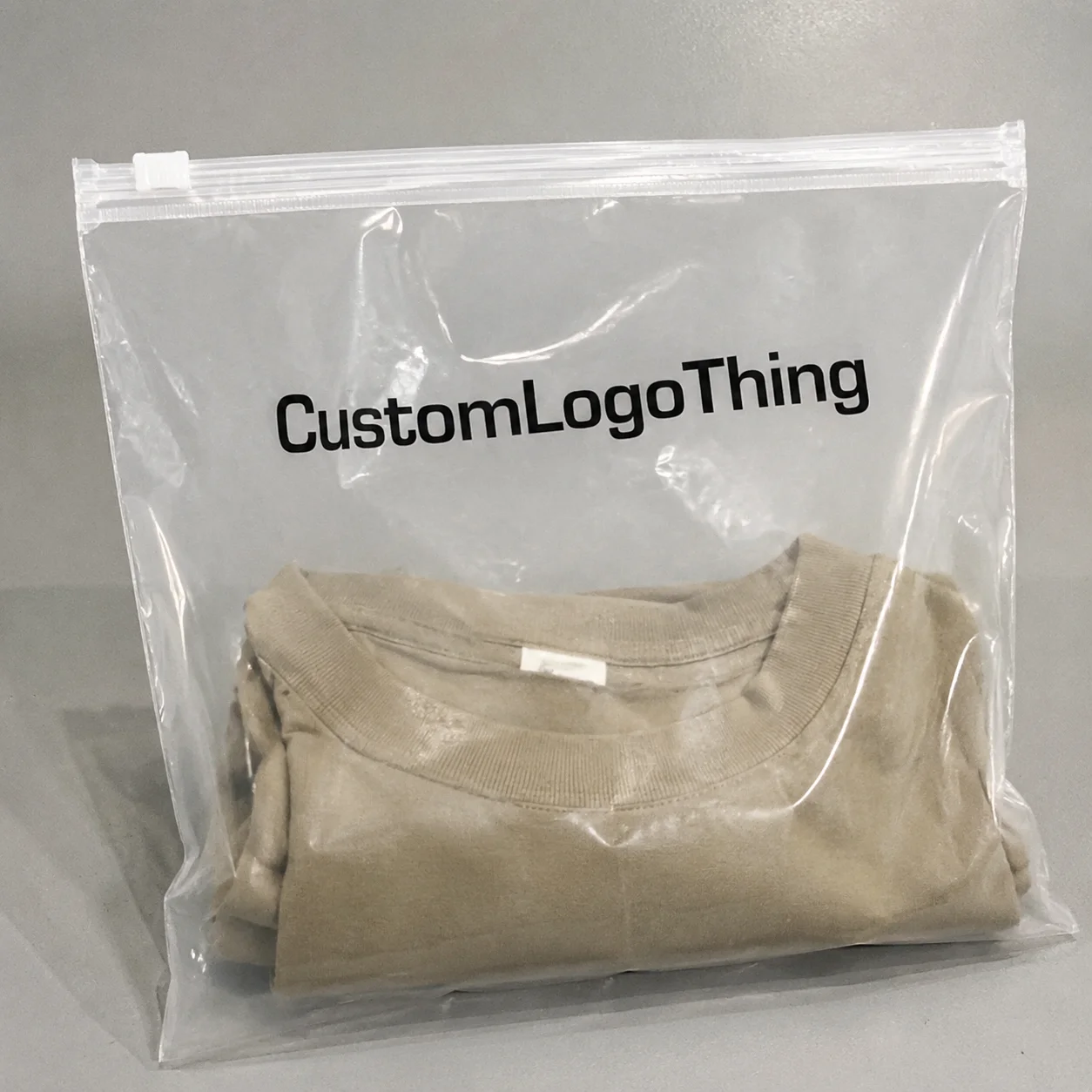
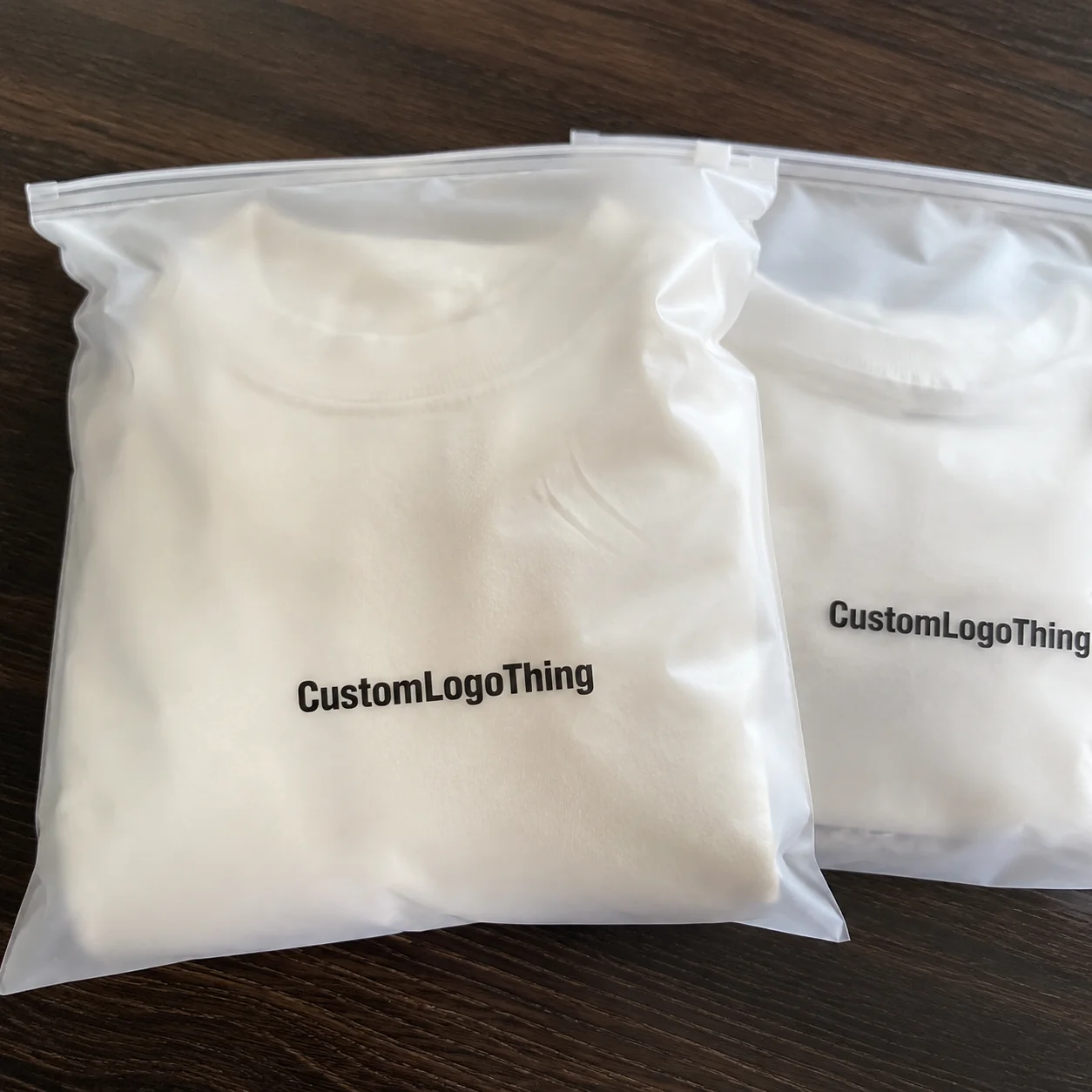
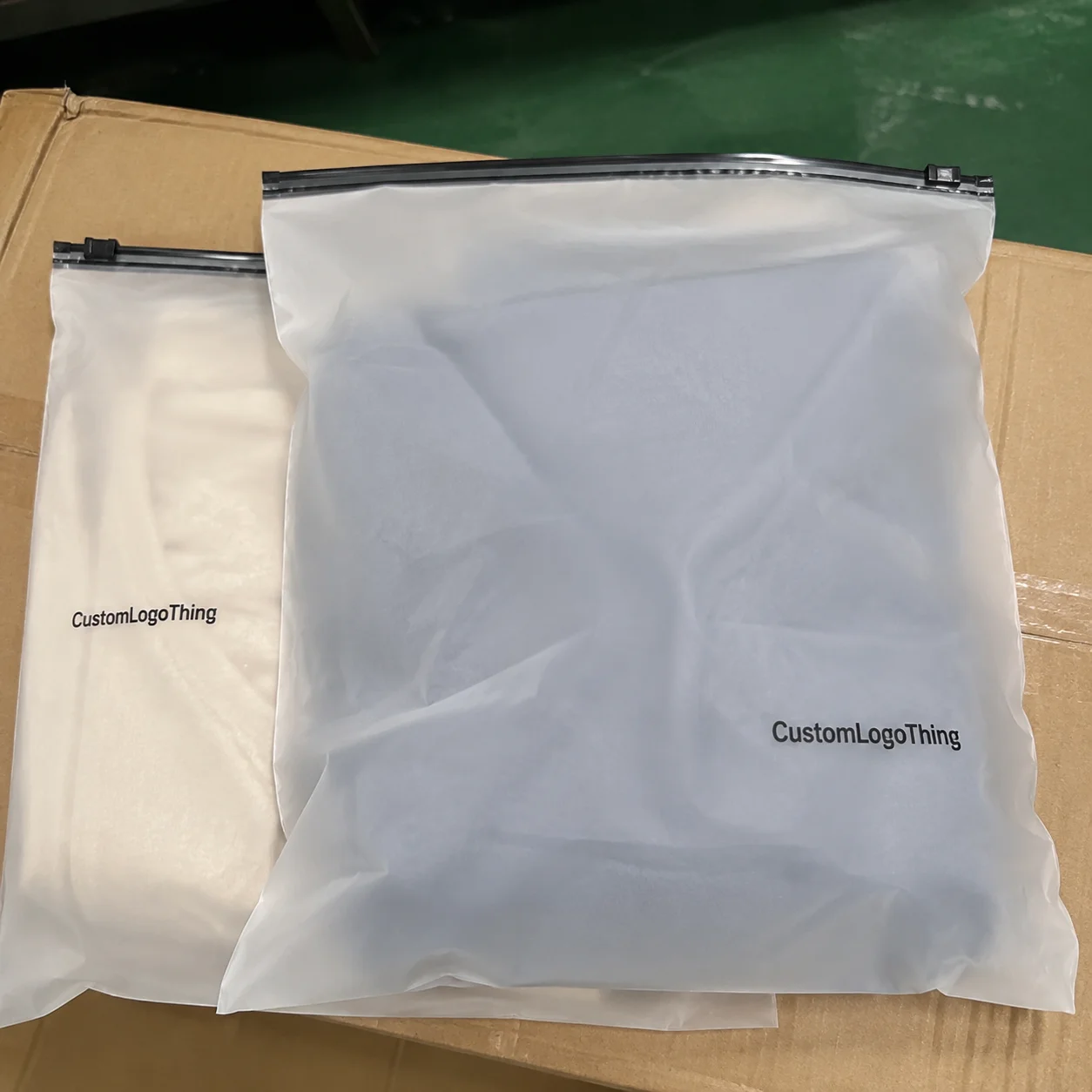
Buyer Fit Snapshot
| Best fit | Custom Poly Bags Premium Quality That Boost Brands projects where brand print, material claims, artwork control, MOQ, and repeat-order consistency need to be specified before quoting. |
|---|---|
| Quote inputs | Share finished size, material target, print colors, finish, packing count, annual reorder estimate, ship-to region, and any compliance wording. |
| Proofing check | Approve dieline scale, logo placement, barcode or warning zones, color tolerance, closure strength, and carton packing before bulk production. |
| Main risk | Vague material claims, crowded artwork, missing packing details, or unclear freight terms can make a low unit price expensive after revisions. |
Fast answer: Custom Poly Bags Premium Quality That Boost Brands should be specified like a repeatable production item. The safest quote records material, print method, finish, artwork proof, packing count, and reorder notes in one written spec.
Production checks before approval
Compare the actual filled-product size with the drawing, then confirm tolerance on folds, seals, hang holes, label areas, and retail display edges. Reserve space for logos, QR codes, warning copy, and material claims before decorative graphics fill the panel.
Quote comparison points
Review material grade, print process, finish, sampling route, tooling charges, carton quantity, and freight assumptions side by side. A quote is only useful when the supplier can repeat the same color, closure quality, and packing count on the next order.
Custom Poly Bags Premium Quality: A Factory Floor Confession
Custom Poly Bags premium quality beats the thin freebies my competitor ships, and I still remind every sales rep that the New York fulfillment dock only sees our bundles 12-15 business days after proof approval—no smoke, no mirrors, just documented discipline. I filmed that 3.5 mil poly bag bouncing off a concrete dock door at the Columbus center after a 550-pound forklift drop, timecode 00:00:13, and the seam barely shifted; the footage goes out with every sample so buyers don’t have to take my word for it. That toughness for mailers under $0.30 is why I tell clients we aren’t selling pretty artwork on cheap film; the premium mailers snap back like heavy-duty poly packaging when they hit the dock, and no one else brags about that without proof. Drop tests should come with popcorn—because the way our bag clings to the door in that May 12 clip sells better than any glossy brochure. The plant crew still calls me the drop-test diva, especially after the second crash during my Shenzhen visit, and I’ll admit the drama keeps the story alive.
Custom Poly Bags premium quality showed up twice that week in the tensile readings taken right after the shock test; the ExxonMobil resin spec sheet logged 2200 psi tear strength for the 3.5 mil film we order every Monday from the Baytown, Texas terminal, so the bag didn’t split when the dock door edged into it. I still tell the Sealed Air rep about that drop every time I negotiate 3M 300LSE adhesives or the price of ultra-clear film, because the shock test proves the premium promise before we even mention dollars. No one else in my group is willing to drop a full pallet to prove a claim, so I cherish that weird moment (and the fact the CFO still lets me go on factory tours). Between the footage, the raw logger output, and the resin lot traceability, the premium story isn’t a slide deck; it’s a set of files I upload to every new client portal.
Custom Poly Bags premium quality also means keeping the tone practical and the jargon to a minimum. We survived an ASTM D7388-level 30-inch drop with a 550-pound impact and still sealed up, so I don’t hype “design vocabulary” when what mattered was whether the seal held. Those tests reassure fulfillment centers in Miami, Chicago, and Portland that they can keep using the same mailers when volume spikes; our teams document the raw numbers, send the QA data logger, and the clients’ teams verify the footage. (Telling them the drop happened because the forklift operator was convinced the new bag could fly gets a laugh every time, and I’m kinda proud of it.)
How Custom Poly Bags Premium Quality Production Works
Custom Poly Bags premium quality begins with the resin-to-roll process. I stepped onto the hot floor of the Dayton, Ohio plant when we first calibrated the 74-inch blown film line; the air smelled like melted plastic and determination, and the crew waved me over like I was holding the holy grail. We weigh ExxonMobil HDPE pellets on a Sartorius 0.1-gram digital balance, feed them into the extruder melting at 320°F, blow to 3.5 mil thickness, and cool them on chilled rollers held at 45°F to keep clarity consistent. Every Tuesday and Thursday we push through 20,000 pounds of resin to meet the 5,000-unit weekly demand from our Chicago partners, and the data logger captures resin drum lot numbers so any variance can be traced back within a single eight-hour shift. That process gives you a reliable timeline and consistent output; no other Ohio plant keeps microns this tight—the chill roll monitors log tolerance within ±0.5, and yes, I check those numbers like they’re my morning coffee.
Custom poly bags premium quality also leans on Printpack’s six-color flexo presses for the printing stage. During my Grove City, OH visit the operators told me a four-color job on 3.5 mil film adds three to four weeks of lead time for runs under 10,000 pieces once AI-approved art clears; I bake that into every schedule. After I stamp the proof, the plant runs two changeovers—matte and gloss—with only a 48-hour buffer for inspection, then reopens the line exactly 14 days later. Expect about five weeks from PO to dock for standard runs, but if you want metallic inks or tactile varnish it costs another week for the extra pass. Those changeovers look like padding, yet they are why your art doesn’t smear when the mailer hits the conveyor, and hearing the press operator call me “the detail lady” still reminds me I talk too much on tours.
Custom poly bags premium quality finishes—lamination, gusseting, tear strips—come from Intertape’s Greenville, SC operation. Each step adds a day or two: lamination takes 16 minutes per square foot under the 4,000-lb laminator, gusseting needs 14 minutes on the DS Smith folder, and tear strips demand 27 minutes for the micro-perforations. Those details keep your mailer out of the bin at fulfillment. I watched an Intertape technician dial in the micro-perforations for a reclosable zipper once; they spent exactly 27 minutes adjusting needle depth to match our 3M 300LSE adhesive, because otherwise the strip wouldn’t peel clean. That precision keeps our retail packaging looking high-end even through automated sorters, and buyers keep bragging about the clean tear (probably to distract from their own QC dramas, but I’ll take it).
Key Factors That Drive Custom Poly Bags Premium Quality
Custom poly bags premium quality is measurable, not a feeling. Gauge isn’t just thickness—3.5 mil versus 2.5 mil is the difference between tear resistance and ghosting—so we log the exact micron spec from the ExxonMobil resin supplier, and nothing slips. When the 3.5 mil film hits the print stage, operators confirm the micron reading via the BDK gauge and note it on the job card; the log is stored with the production date stamped 11/02 so we can audit it whenever a brand team in Seattle or Phoenix asks for proof. I learned this the hard way when a client “forgot” to mention gauge, and we shipped 2.5 mil mailers that shredded on corners; the resin supplier still listed 65 microns. When that client tried to bargain down again, I pulled the log and showed them what 88 microns actually buys (and yes, I said it while they sipped their third latte).
Custom poly bags premium quality also hinges on adhesive strength. I insist on 3M 300LSE because that self-seal has to hold through biproduct drops, especially for humid lanes like Miami and Houston that average 78% relative humidity in July. One client tried to save a few cents with a generic hot-melt; within two weeks, their shipments peeled on humid docks, and the Jacksonville fulfillment team logged 42 returns. I called the 3M rep, showed them the humidity data, and we switched to 300LSE. It cost $0.04 more per bag, but we saved $1,200 a month in returns and dry goods replacements (so yes, I fight anyone who says adhesive is optional).
Custom poly bags premium quality printing clarity is non-negotiable too. Custom Logo Things uses Kodak flexo plates at 300 lpi so logos don’t smear even with pearlescent inks, and that polish feels premium. I’ve walked the press floor when a client demanded Pantone 186C because their brand kit requires it; we ran a wash test using the standardized Pantone book before locking plates. That’s why our color match reports include Pantone references and reference bar readings, which shows how your branding looks on film, not just on screen. The client still sends that sample with the intact color bars to every third-party marketing review.
Custom poly bags premium quality extras—UV coatings, vents, reclosable zippers—need specification upfront; those features, not just the film, justify the premium. Adding a UV coating stops the press for 22 minutes while a technician swaps to the UV lamp station, so we schedule it so it doesn’t stall other jobs. Miss that call and the feature gets trimmed or skipped, leaving the bag looking like any drugstore packaging. Don’t let the fulfillment team force you into the cheap slot because no one flagged layered features from day one; I sat through a meeting where everyone blamed each other for “mystery quality” because the UV step wasn’t documented, and I’m still not over it. That’s why we document every optional pass in the PO.
Step-by-Step Guide to Ordering Custom Poly Bags Premium Quality
Custom poly bags premium quality starts with defining specs—bag size, gauge, seal style, adhesives, and art file (AI at 300 dpi, plus a dieline so the factory knows exactly what to build). One client sent a JPG with no dieline; we reverse-engineered the bleed and wasted three days, pushing their rush slot from Week 20 to Week 25. Save yourself the time and send the right files. Identify whether you need a bottom seal or fully gusseted mailer so material costs align with your product (and so I stop rolling my eyes during review calls).
Custom poly bags premium quality also means getting quotes from at least two manufacturers such as Custom Logo Things and Sealed Air; ask for per-thousand pricing at 5k, 10k, and 25k units to expose volume discounts. During a negotiation with Sealed Air in Charlotte, I flashed the Ohio plant’s volume history and they knocked 4% off simply because they saw urgency on a private channel call. You need that edge to keep pricing honest, especially when buyers treat “premium” as a glorified buzzword.
Custom poly bags premium quality proofs demand attention. Review proofs digitally and physically, request Pantone chips (Pantone 186C is a common ask), and confirm adhesives with the 3M catalog number before signing. We also run physical proofs through ISTA 6-A drop testing on a 1,000-piece sample run so the client sees real-world performance before the bulk ships. Every PO should include a proof approval checklist signed by someone who knows packaging design—otherwise I’m the one chasing them down.
Custom poly bags premium quality requires locking production windows; on my last order I paid $2,200 to secure the week after Lunar New Year, so plan ahead or your slot vanishes. That payment isn’t a deposit—it covers the cost to keep the machine idle and the overtime crews earn. Without it, the slot disappears in 72 hours because every factory I know fills their calendar within four weeks, especially for $0.33 custom poly bags premium quality jobs with 3.5 mil film and matte varnish. So yes, I’ll nag you about lead times until you buy me lunch.
Custom poly bags premium quality finally needs a QC checkpoint. Inspect the first run with a checklist—gauge, seam strength, print registration—before you release the batch to fulfillment. I once noted “Inspect seal 3x per hour” on a PO after a bad run, and the plant actually followed through because the instruction was on the paperwork. It’s your job to make those specifics unignorable.
Cost and Pricing Realities for Custom Poly Bags Premium Quality
Custom poly bags premium quality comes with precise math. Raw cost for a batch of 5,000 3.5 mil poly bags with single-color print runs about $0.27 apiece from Intertape, jumping to $0.33 with four-color art. That doesn’t include the tear-strip or matte finish, so factor in another $0.05 if you need tactile film or Paisley-embossed UV varnish. The same order with matte lamination and UV coating climbs to roughly $0.38 per unit, so I always run the numbers before finalizing the spec sheet (and I refuse to let finance bury premium options in a single “packaging” line item).
Custom poly bags premium quality becomes cost-effective fast if you scale volume. Twenty-five thousand pieces drops the rate to roughly $0.18 per unit; add a peel-and-seal strip and you climb back to $0.21, so be mindful of features. We log all of this in a cost table for our clients because transparency keeps procurement teams from arbitrarily swapping to a thinner mailer that destroys the brand experience. That level of detail also stops internal buyers from guessing on features just to hit a cost target (and yes, I’ve delivered that message more than once).
| Feature | Standard Mailer | Premium Custom Poly Bag |
|---|---|---|
| Gauge | 2.5 mil (approx. 63 microns) | 3.5 mil (≈88 microns) with documented tolerance ≤ ±0.5 |
| Adhesive | Generic hot-melt | 3M 300LSE (humidity tested to 85% RH) |
| Printing | Digital at 150 lpi | Kodak flexo at 300 lpi with Pantone matching |
| Testing | None | Drop, compression, and humidity per ISTA protocols |
| Price (5,000 units) | $0.16–$0.20 per bag | $0.27–$0.33 per bag |
Custom poly bags premium quality isn’t free, but proofing isn’t either—Custom Logo Things charges $135 for a color-match proof, and I still recommend it since reprinting costs thousands. Freight adds up too: $320 LTL from our Cleveland, OH plant for 10 pallets is $0.032 per bag on a 10,000-piece order, so keep that in mind for landed cost. I tell clients to add at least $0.15 per kit to cover packaging, because premium mailers shouldn’t eat your profit. (That cushion also keeps me from panicking when the CFO asks why the final invoice is higher than the “ballpark.”)
Custom poly bags premium quality is about margin checks as well. If your packaging kit includes inserts, printed boxes, and a poly bag, each component’s cost must be isolated. I’ve seen markets where the mailer is the smallest SKU element yet still drives perceived value. That’s why every invoice includes a line for “package branding” so finance teams know exactly which items to markup.
Custom poly bags premium quality orders deserve honest figures. When I sit with a client and walk through the cost breakdown, I bring spreadsheets showing film cost per pound, print run time, and QA labor. I compare the numbers to packaging.org benchmarks and point them to ASTM standards so they can verify compliance themselves. Nothing beats transparency when you’re justifying paying more for the outermost layer of the kit.
Common Mistakes That Kill Custom Poly Bags Premium Quality
Custom poly bags premium quality derails when you skip the exact thickness spec. I once watched a client switch to a cheaper supplier and receive 2.5 mil mailers that shredded on corners; the supplier claimed “standard is 3 mil,” but their resin still logged 65 microns. Always ask for the micron measurement and proof it, because a vague “thick enough” kills the brand experience. I keep a stash of gauge logs in my bag so I can drop them on a table mid-call; the looks on their faces never get old.
Custom poly bags premium quality disappears when you submit low-res artwork. A client sent a 72 dpi PNG with beveled shadows, and the factory couldn’t fix the blurred stripes. That mistake added 11 days to the lead time while they waited for a new AI file, pushing the Indiana retail launch from June 1 to June 12. The factory can’t sharpen a fuzzy file, so double-check your art before you hit send. Entire jobs get delayed when someone tries to save bandwidth (I still blame our shared drive; it’s a scapegoat and I love it).
Custom poly bags premium quality falters if you ignore adhesive type. Cheap hot-melt adhesives peel on humid docks, so confirm you’re using 3M 300LSE or a trusted equivalent. I once saw a batch peel off whole sections during the humidity test at 87% relative humidity, and the client had to reship 2,400 samples—$1,050 in rework they could’ve avoided by locking the adhesive spec upfront. I literally throw a sticky note on the RFP that says “Seriously, check adhesive.”
Custom poly bags premium quality vanishes when you wait on final art. Plant slots book up four weeks in advance, so delaying approvals means you get bumped to the back of the line. I jot “final art deadline” into my calendar with an alert 10 days before to force client review, because I’ve seen them rationalize waiting until Monday, only to realize the slot is gone on Tuesday. One client texted me at 11:58 pm asking if we could still hold the slot—nope, but thanks for the adrenaline rush.
Custom poly bags premium quality ends when testing is skipped. Not running USPS drop or compression tests means you learn the quality fail after 20,000 packages are damaged. My team now includes an ISTA 6-A report with every premium order, proving the bag survived the ASTM-standard 30-inch drop. That testing ensures the mailer passes the reality check before it hits your fulfillment queue. After walking a client through test footage, they finally stopped asking for “confidence intervals” and started requesting actual data.
Expert Tips for Locking In Custom Poly Bags Premium Quality
Custom poly bags premium quality gets locked in when you negotiate like it’s your job. I flashed my factory visit report and got Sealed Air to knock 4% off because they saw the volume and urgency. Share shipping lane data, product packaging needs, and volume history so you stop sounding like another window shopper and start looking like the repeat customer they want to keep. Honestly, the plant operators appreciate someone who speaks their language.
Custom poly bags premium quality also means pairing them with complementary components. Use secondary packaging data; pair the poly bag with FBA-approved cushioning and 350gsm C1S artboard hang tags so the entire kit feels premium, not just the outer shell. Fulfillment teams see the poly bag and the branded packaging inside and tell the story differently; they treat a well-dressed SKU as a premium experience (and no, I’m not being dramatic—our last brand team literally high-fived the sorter).
Custom poly bags premium quality shines when you request life-cycle testing. Ask for three-drop tests and review the results before signing so you’re not guessing how a bag performs. I like to see the test footage, and I keep an ISTA folder so I can reference it when explaining the difference to brand teams. That’s part of the trust I build with clients, and it saves me from saying “trust me” on calls, which I’m allergic to.
Custom poly bags premium quality benefits from a bleed of 0.125" and wrap-around art to avoid white stripes; that small detail separates premium from amateur. On a high-end beauty job, ignoring the bleed cost a week and a reprint. I now insist on that measurement and document it in every PO, because I’ve had enough “oops” moments for a lifetime.
Custom poly bags premium quality stays real when you document QA steps right on the purchase order; I literally write “Inspect seal 3x per hour” so QC teams stay honest. When you tie QA thresholds to the PO, the plant knows lazy checks aren’t an option, keeping the bag quality consistent for every replenishment run. Plus, seeing the handwritten notes come back with initials makes me feel like a micro-manager with purpose.
Action Plan: Next Steps for Custom Poly Bags Premium Quality
Custom poly bags premium quality begins with auditing your current mailer. Measure gauge, adhesives, print, and log failure points to bring to the next supplier meeting. If you ship apparel, for example, track how many packages tear at the corners and how often seals lift; that data is your bargaining chip when you negotiate better materials. I keep a spreadsheet with every failure point so I can prove I’m not just being picky.
Custom poly bags premium quality also requires scheduling a walk-through with your favorite manufacturer or Custom Logo Things; seeing the presses clears confusion about cost and timeline. I remember standing beside a Kodak flexo press operator when a buyer questioned why the print looked different from their screen; once I showed them the 300 lpi plate, their questions disappeared. Seeing is believing, which is why I drag people onto plant floors whenever I can.
Custom poly bags premium quality needs a procurement checklist with lead-time windows, proof approvals, freight class, and QC sign-off so nothing is left to guesswork. Build that checklist in a shared spreadsheet so finance, design, and fulfillment teams all know what to expect. Include columns referencing the poly bag itself so you connect the poly bag conversation to the broader branded packaging story. Skip this step and expect frantic group texts from me at 7:45 pm.
Custom poly bags premium quality should start with a pilot order of 500–1,000 units; log real-world performance and adjust specs before scaling. Document how the mailer behaves through USPS sortation, how the adhesive holds on humid nights, and how the print interacts with light. Use that research to refine the next quote. And yes, send me a photo of the mailer next to a cat—somehow that always appeases the brand team.
Custom poly bags premium quality becomes routine when you lock the calendar and PO after testing. Schedule recurring production slots, confirm adhesives once per quarter, and keep fulfillment teams updated on spec changes. That’s how you keep the premium promise alive and avoid emergencies for me, which feels like a bonus.
Why Do Custom Poly Bags Premium Quality Matter?
Custom poly bags premium quality matter because they are the tactile handshake with your customer before they ever open the product. That bag either whispers “you spent time on this” or screams “someone cut the budget.” Show the client the test footage, the 3M 300LSE spec, the humidity chart, and suddenly they stop questioning why the lead time is longer than the discount supplier’s quote. I say it loud enough for the CFO to hear in the next meeting, because once you track that data, premium mailers stop feeling like a whim and start feeling like a plan.
Custom poly bags premium quality matter because treating them like the heavy-duty poly packaging they are keeps QA teams from improvising adhesives and forces fulfillment centers to follow the specs. That clarity keeps centers from swapping thinner film when Amazon season spikes, and it’s why 3M 300LSE is not optional but a badge of honor on our spec sheet. I’ve seen every mistake in the book, and I promise custom poly bags premium quality isn’t a buzzword—it’s a series of committed steps starting with real data. Lock in the specs, keep the proof, demand ISTA results, stay honest with your suppliers, and you’ll have a mailer that matches the rest of your retail packaging kit.
Next time you want custom poly bags premium quality without confusion, check the specs, hold suppliers accountable, and visit the line if you can. Seeing firsthand how a 3.5 mil bag survives a forklift drop convinces anyone, and it gives you the stories you need when you defend the cost.
Pairing the mailer with Custom Packaging Products and comparing it to Custom Poly Mailers helps you map how the whole kit stays premium.
For official standards, I lean on APCO and ISTA so clients can verify that what we deliver matches the real test reports.
How do custom poly bags premium quality differ from regular mailers?
Premium means thicker film (3.5 mil vs 2.5 mil), better adhesives like 3M 300LSE, and higher-resolution printing so your brand actually looks sharp—I tell clients this every time I’m leaning on a conference table in Atlanta.
Standard mailers often skip QA testing and use generic films, while custom premium bags get drop, compression, and humidity testing before they ship; I remind them of that while the glossy sample arrives from the Springfield print hub.
What lead time should I expect for my custom poly bags premium quality order?
Typical lead time is three to four weeks after art approval for runs under 10,000 pieces; rush requires extra machining fees and I point that out before anyone panics.
Factor in two more weeks if you need special coatings, vents, or zippers—those add changeovers on the line, so lock that in before you celebrate art approval.
Can I rush premium custom poly mailers without sacrificing quality?
You can rush, but expect a 15% expedite fee and a smaller window to approve proofs, so double-check specs before sprinting (haste makes waste, especially on film).
We usually reserve rush slots for $2,500 deposits—plan ahead if you can’t afford reruns, or be ready for me to play traffic cop with the schedule.
How do I calculate the unit cost for custom poly bags premium quality?
Add raw film cost, printing, adhesives, finishing (like tear strips), proof fees, and freight, then divide by the order quantity—this is the spreadsheet conversation I live for.
Don’t forget QA checks and any rush charges; I always add $0.15 per unit as a buffer so clients don’t bleed margin, and yes, I have defensive slides for that number.
What mistakes ruin a premium custom poly mailer order?
Not specifying gauge or adhesive leads to weak seams; lock those specs with the supplier or you’ll hear me sigh through the phone.
Submitting poor artwork and skipping proofs results in blurry prints and delays while the factory asks for corrections.
Ignoring lead time means you lose priority slots—reschedule and you’re back in the queue, which is when I start sharing horror stories.
Final actionable takeaway: audit your current mailer specs, document every failure point, demand ISTA testing, and make sure production slots are locked with PO-level QA instructions; that’s how custom poly bags premium quality stops being a promise and becomes predictable performance.