Buyer Fit Snapshot
| Best fit | custom poster tubes with inserts what for brands for packaging buyers comparing material specs, print proof, MOQ, unit cost, freight, and repeat-order risk where brand print, material, artwork control, and repeat-order consistency matter. |
|---|---|
| Quote inputs | Share finished size, material target, print colors, finish, packing count, annual reorder estimate, and delivery region. |
| Proofing check | Approve dieline scale, logo placement, barcode or warning zones, color tolerance, and any recyclable or compostable wording before bulk production. |
| Main risk | Vague material claims, crowded artwork, or missing packing details can create delays even when the unit price looks attractive. |
Fast answer: Custom Poster Tubes with Inserts What for Brands: Dieline, Finish, Proof, and Buyer Review should be specified like a repeatable production item. The safest quote includes material, print method, finish, artwork proof, carton packing, and reorder notes in one written spec.
What to confirm before approving the packaging proof
Check the product dimensions against the actual filled item, not only the sales mockup. Ask for tolerance on folds, seals, hang holes, label areas, and retail display edges. If the package carries a logo, QR code, warning copy, or legal claim, reserve that space before decorative graphics fill the panel.
How to compare quotes without losing quality
Compare board or film grade, print process, finish, sampling route, tooling charges, carton quantity, and freight assumptions side by side. A lower quote is only useful if the supplier can repeat the same color, closure quality, and packing count on the next order.
If a print shows up dented, bent, or scuffed, the packaging failed at the one job it had. Custom poster tubes with inserts solve that by keeping rolled posters, art prints, maps, and plan sets centered so they do not rattle around like loose hardware in a coffee can.
That matters more than a lot of buyers want to admit. A tube can look fine on a spec sheet and still damage the contents in transit if the roll shifts, the ends crush, or the surface rubs against the inner wall. In practice, the right tube system is not just about branding or a cleaner unboxing moment. It cuts reprints, trims claims, and keeps avoidable shipping mistakes from eating margin.
For brands weighing branded packaging, product packaging, or a broader packaging design refresh, the decision usually comes down to fit and risk. Custom poster tubes with inserts give you both control and structure, which is why they deserve attention Before You Order another batch of generic tubes and hope the carrier is feeling gentle.
Custom poster tubes with inserts: why they solve a real packing problem
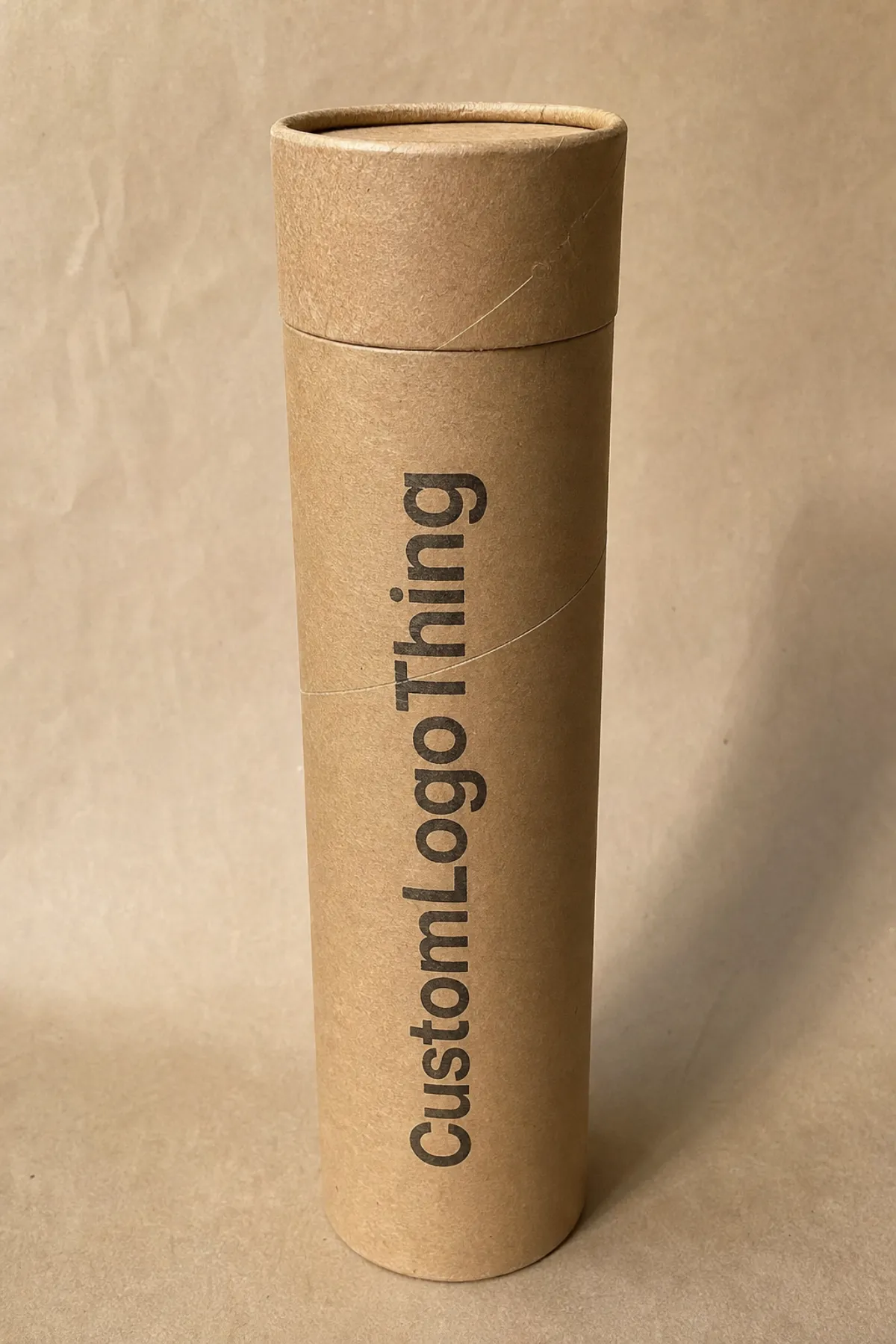
The problem is simple. Rolled prints do not stay perfectly stable on their own. Once a tube is a little oversized, the contents can slide side to side during handling, and every bump raises the chance of edge crush, corner dings, or scuffing on coated stock. That is the kind of damage that turns a good shipment into an expensive apology.
Custom poster tubes with inserts add an internal stabilizer so the product sits where it should. The outer tube absorbs stacking pressure, conveyor movement, and rough handling. The insert holds the roll, centers it, and limits internal movement. That split between structural protection and product retention is the whole point.
Compared with generic tubes, the upgrade is practical, not decorative. You get less movement, better edge protection, and a cleaner presentation for rolled art prints, architectural drawings, posters, maps, certificate sets, and retail collateral that needs to stay organized inside a cylinder. If the item is valuable or fragile, that extra control usually pays for itself faster than people expect.
“The cheapest tube is the one you never have to replace because the first shipment arrived intact.”
That sounds blunt because it is. Packaging buyers fixate on unit cost and ignore the cost of reprints, customer service time, reshipments, and lost trust. A tube that prevents ten damage claims is worth a lot more than the pennies saved by skipping an insert.
The questions buyers actually ask are straightforward: what do inserts do, when do they make sense, and how do you spec them without paying for more material than you need? If you also source broader Custom Packaging Products, the same logic applies across custom printed boxes, mailers, and display packaging: protect first, present second, control cost third.
How custom poster tubes with inserts work inside the package
Think of the system as two jobs split between two parts. The outer tube carries the load and resists crush. The insert keeps the rolled item aligned and stops it from migrating inside the package. Built together correctly, the package becomes far less sensitive to rough handling.
There are several insert styles, and they are not interchangeable. A simple paperboard cradle may be enough for light posters or promotional prints. Die-cut end supports are common when you need to hold a rolled document in place without adding too much bulk. Nested sleeves work well when the product needs more structure. Full-length inserts are the heavy-duty option for fragile, high-value, or tightly specified items.
Common insert styles
- Paperboard cradle: economical, light, and often recyclable; best for moderate protection needs.
- Die-cut end supports: good for centering the roll and preventing end movement.
- Nested sleeve: adds a second layer of structure and can improve presentation.
- Full-length insert: best for premium artwork, dense paper stock, or items that should not shift at all.
The unboxing experience changes too. Without an insert, a poster can scrape along the inside wall and pick up scuffs, especially on gloss or satin coatings. With an insert, the product opens cleaner and looks more deliberate. That matters in retail packaging and branded packaging because the first physical interaction sets the tone for the rest of the purchase.
Closures affect how the insert performs. A friction-fit cap relies more on the insert to stabilize the load. Snap-on closures are faster to assemble but can leave more room for movement if tolerances are loose. Threaded ends usually offer better retention, though they add cost and can slow pack-out. There is no magic here; the closure and insert need to be specified together.
From a process standpoint, the insert is not filler. It changes how the roll sits, how the ends are supported, and how much vibration the contents absorb before damage starts. A serious packaging design review should include the actual rolled product, not just a drawing with dimensions and a hopeful attitude.
For brands that track quality standards, ask about transportation and compression testing aligned with ISTA methods. The International Safe Transit Association publishes packaging test protocols used to simulate shipping abuse; see ISTA for current resources. If your tube has to survive parcel networks, that is not optional reading.
Key factors for sizing, materials, and cost
Sizing comes first, and that is where many buyers get sloppy. The tube diameter must fit the rolled product, but the insert also needs enough clearance to load without forcing the roll. Too tight, and pack-out becomes miserable. Too loose, and the contents slide around and blow up the whole design. The sweet spot usually comes from a sample fit, not a guess.
Wall thickness matters more than people think. A thicker tube wall improves crush resistance, which helps when shipments are stacked, dropped, or pinched in transit. More wall thickness also means more material, more weight, and a higher unit price. On long formats, the tradeoff is often worth it because long tubes are vulnerable to corner crush and conveyor impact. On shorter promotional items, a heavy build may be overkill.
Material choice is another place where buyers can overspend without meaning to. Paperboard is usually the most economical path and is often easier to recycle. Heavier board grades and laminated components hold shape better and can make the package feel more premium, but they add cost. If you are selling premium prints, collectibles, or high-value documents, that stiffness may be justified. If you are mailing low-margin posters, maybe not.
For sustainability teams, fiber sourcing matters too. FSC-certified paper options are common in this category, and they can support branded packaging claims when the paperwork is correct. If that matters to your procurement team, check FSC for certification basics and chain-of-custody context before you lock in a supplier statement.
Cost is rarely just “tube price.” The quote usually depends on diameter, length, board grade, insert complexity, print coverage, finish, and order volume. A simple unprinted tube with a basic insert at 5,000 units may land in one range, while a fully printed, specialty-finished tube with a die-cut insert can climb fast. The point is not to memorize a magic number. The point is to compare the whole build.
| Build option | Typical use case | Relative cost | Protection level | Notes |
|---|---|---|---|---|
| Basic tube, no insert | Low-risk posters, short promo runs | Lowest | Moderate | Works when movement risk is low and the product is forgiving |
| Tube with paperboard insert | Art prints, maps, mid-value rolls | Mid | Good | Often the best balance of cost and protection |
| Tube with full-length custom insert | Premium artwork, signed pieces, fragile stock | Higher | Very good | Better fit control, better presentation, more setup work |
| Printed tube with specialty finish and insert | Retail packaging, brand launches, display sets | Highest | Very good | Chosen for appearance and unboxing impact as much as protection |
Order economics matter too. MOQ, tooling, print setup, and lamination can make a small run look expensive on a per-unit basis. If you are comparing quotes, ask for line-item pricing: tube body, insert, print, finishing, and freight. That is the only honest way to compare custom poster tubes with inserts against a simpler build or against other packaging options from your custom packaging supplier.
If your product is especially sensitive, packaging waste belongs in the cost conversation too. The U.S. Environmental Protection Agency has useful guidance on source reduction and waste prevention; see EPA recycling and waste reduction resources. Less damage means less replacement packaging, which is a boring but real sustainability win.
One more practical point: more structure does not always mean better value. If the insert is overbuilt, the quote rises, the pack-out slows, and the product may become harder to load safely. Good product packaging is not a contest to see who can add the most material. It is a balance of fit, protection, and speed.
Process and timeline: from specs to production steps
The production path is straightforward, but only if the spec is clear. First, confirm dimensions. That means the rolled diameter, overall length, weight, and any unusual features such as a signed card, spot gloss, metallic ink, or delicate coating. Those details change the right insert design more often than people realize.
Next comes the tube construction decision. Are you using a straight cylinder, a telescoping style, a cap-and-body layout, or another closure method? Each one affects retention, assembly speed, and cost. Then the insert style gets finalized. After that, the artwork is approved, followed by a structural sample or dieline review, and then production starts.
Timeline is where project managers either stay calm or start drinking bad coffee. Plain builds move faster. Heavily printed tubes, specialty finishes, and custom-cut inserts take longer because they need more proofing and more setup. If the insert requires die-cut tooling, add time. If the supplier has to source a specific board grade, add time. If freight has to line up with a launch window, add more time because reality likes to interfere.
For most buyers, a practical timeline looks something like this:
- 1 to 3 business days: initial quoting and specification review, assuming the dimensions are ready.
- 3 to 7 business days: proofing, dieline review, and structural confirmation.
- 5 to 15 business days: production for simpler builds after approval.
- Longer for complex work: specialty inserts, heavy print coverage, coatings, or tight scheduling can extend the lead time.
Sample approval is the step too many teams rush. A structural mockup can reveal whether the product loads smoothly, whether the insert holds the roll where it should, and whether the closure creates too much pressure. A print proof checks color and layout. A fit check checks the part that actually matters: will this thing survive a shipment without embarrassing you later?
That is also why coordination matters with other branded packaging pieces. If you are launching custom printed boxes, mailers, or display cartons alongside poster tubes, the art direction and messaging should stay aligned. Package branding works best when the customer sees a consistent system, not a pile of unrelated components that all call themselves “premium.”
From a buyer’s point of view, the real risk is not the lead time itself. It is discovering too late that the insert style or tube diameter was wrong. Build in time for a sample cycle, even if the artwork feels ready. A few extra days now can save a week of rework later.
Step-by-step guide to choosing the right poster tube system
Start with the product, not the tube. Measure the rolled diameter after the print has been conditioned and rolled the way it will be shipped. Record the length, weight, and any fragile content inside the roll. If the piece includes a coated finish, signed overlay, or stiff backing, treat it as more sensitive than a plain paper poster.
Then choose the protection level. A standard shipping tube may be fine for low-risk prints that can tolerate some movement. If the contents are premium, signed, or high-value, use an insert system that reduces shifting and supports the ends. That is where custom poster tubes with inserts stop being a nice extra and start being the sensible choice.
Next, match the insert to the use case. End supports are useful when the roll is narrow and you mainly need to keep it centered. A cradle or sleeve is better when the piece needs more surface contact or a tighter presentation. Full-length support makes sense for fragile items or luxury product packaging where the unboxing moment matters as much as delivery protection.
Then decide how much branding you need. Unprinted tubes are cheapest and fine for internal shipments or lower-value items. Spot-printed tubes can carry a logo, a product name, or a simple instruction set. Fully branded tubes work better for retail packaging, direct-to-consumer campaigns, and kits where the outside needs to carry the marketing load.
Here is the fastest way to narrow the choice:
- Measure the product. Use the actual rolled diameter and length, not a rough estimate.
- Define the shipping abuse. Parcel network, mail, hand carry, or retail shelf display all create different risks.
- Choose the insert level. Basic support for sturdy items, stronger retention for fragile or valuable ones.
- Set the branding goal. Protection only, or protection plus strong package branding.
- Test the fit. A sample that loads badly is a warning, not a minor inconvenience.
Do not skip the sample. A tube that looks ideal on a dieline can still be annoying in production if the insert binds, the cap fights back, or the roll settles too loosely. Small fit issues become big cost problems when they repeat across a large order. That is one reason a good supplier will recommend a sample before you commit to volume.
From a practical buying point of view, a smart spec sheet is short and specific. It Should Include dimensions, print coverage, insert style, closure type, board grade, finish, quantity, and delivery target. If any of those are vague, your quote is likely to be vague too. And vague quotes are where budgets go to die.
Common mistakes that raise damage rates and unit cost
The first mistake is choosing based on appearance alone. A tube can look clean and premium while still being the wrong size for the actual rolled product. That is how people end up with expensive packaging that performs like decorative cardboard. Cute. Useless, but cute.
The second mistake is using an insert that is too short, too loose, or too thin. If the insert does not control movement, it does not matter how nice the outer tube is. The contents still shift. The edges still rub. The claims still show up.
The third mistake is over-specifying the build. Buyers sometimes jump to the thickest wall, the fanciest finish, and the most complicated insert because they think “more” equals “better.” Not always. If the product is low-risk, the overbuild just burns money and slows pack-out. If the product is high-risk, spend the money where it matters. The point is to spend it deliberately.
The fourth mistake is ignoring real shipping conditions. Long tubes face corner crush, stack pressure, conveyor impact, and repeated handoffs. They are not sitting in a museum. If your design assumes gentle handling, the package is probably under-engineered. Good packaging design starts with abuse, not with the fantasy that every carrier employee will cradle the parcel like a sleeping cat.
The fifth mistake is skipping testing. That can mean no fit test, no drop test, no crush check, and no pilot run. If the order is large enough to hurt your budget, it is large enough to justify validation. Even a few sample drops can reveal whether the closure loosens, whether the insert migrates, or whether the outer tube starts to deform.
Here is a practical checklist that prevents the usual mess:
- Confirm rolled diameter after the product is packed the way it will ship.
- Check whether the insert holds the roll without forcing it.
- Verify cap retention under movement, not just on the bench.
- Ask for a quote that separates tube, insert, printing, and finishing.
- Review transit risk by channel: parcel, mail, or retail distribution.
If you sell alongside other packaging formats, like custom printed boxes or specialty mailers, the same discipline applies. The cheapest structure is not always the best buy. The best buy is the one that lowers total landed cost by reducing damage, rework, and returns. That is boring math, but it is the math that keeps a packaging budget honest.
Expert tips and next steps for ordering custom poster tubes with inserts
Use inserts when the value of the print is higher than the modest increase in packaging cost. That is usually the tipping point. If the item is a low-value promo piece, a basic tube may be enough. If it is a premium print, signed artwork, architectural plan set, or a project that would trigger a replacement shipment if damaged, the insert earns its keep quickly.
Ask suppliers for three things before you place a real order: a sample, a production-ready dieline, and a quote broken into line items. That lets you compare builds without guessing where the cost is coming from. If a supplier gives you one lump number and a smile, ask for the breakdown anyway. You are buying packaging, not vibes.
Request real-world tests if the order is important. Drop testing, compression checks, and loading trials tell you more than a polished mockup ever will. The pack may look beautiful on screen and still fail in the first rough shipping lane. A good test setup usually includes enough movement to simulate normal carrier handling, plus a few tougher impacts to expose weak points early.
Plan the rollout in stages if the project matters. Validate the structure first. Confirm artwork second. Then approve the full run. That sequence sounds slower, but it usually saves time because it prevents expensive revisions after production starts. With custom poster tubes with inserts, you do not want to discover a fit problem at the end of the job.
There is also a broader brand angle here. Strong package branding does not require a giant budget. It requires consistency. A well-built tube, a clear print treatment, and a sensible insert can make the shipment feel controlled and intentional. That is the same logic behind good branded packaging across the rest of the line: clear structure, clean presentation, fewer surprises.
If you are building a larger packaging program, use this project as the quality baseline. Lock the dimensions, record the insert spec, document the closure choice, and keep a saved sample. That makes reordering easier later and reduces the chance that someone “simplifies” the build into a weaker version three months from now.
For teams ready to move, the next step is simple: measure the product, define the transit abuse it has to survive, and compare a few structure options from your packaging supplier. If you want to browse related formats and build a fuller packaging plan, start with Custom Packaging Products. Then choose the tube system that fits the product instead of forcing the product to fit the tube.
Done right, custom poster tubes with inserts reduce damage, improve packing efficiency, and make the shipment look like it belongs to a brand that knows what it is doing. That is the whole point, and it is usually worth the small extra spend.
FAQ
Are custom poster tubes with inserts better than standard poster tubes?
Yes, when the print needs to stay centered and protected from shifting, scuffing, or edge crush during shipping. Standard tubes work for simple, low-risk rolls. Inserts make more sense for premium prints, signed art, or heavier paper stock where movement can create damage fast.
What size insert do I need for custom poster tubes with inserts?
Match the insert to the rolled diameter, then leave just enough clearance for easy loading without excess movement. Ask for a sample fit test before approving production, because a few millimeters can decide whether the insert helps or creates a loading problem.
How much do custom poster tubes with inserts cost per unit?
Pricing depends on tube diameter, board grade, print coverage, insert complexity, and order volume. As a rough buying rule, the cheapest option is not always the best value if it leads to damage, reprints, or higher return shipping costs later.
What is the usual turnaround for custom poster tubes with inserts?
Turnaround depends on artwork approval, sample sign-off, material availability, and whether the insert needs die-cut tooling. Simple builds move faster. Fully branded or highly customized structures usually need more lead time, especially if you want a fit check before production.
Do custom poster tubes with inserts work for art prints, maps, and blueprint sets?
Yes, they are a strong fit for rolled items that need shape control, especially when the contents are valuable or easily damaged. The right insert style depends on the length, weight, and surface finish of the item being packed, so the sample matters.

