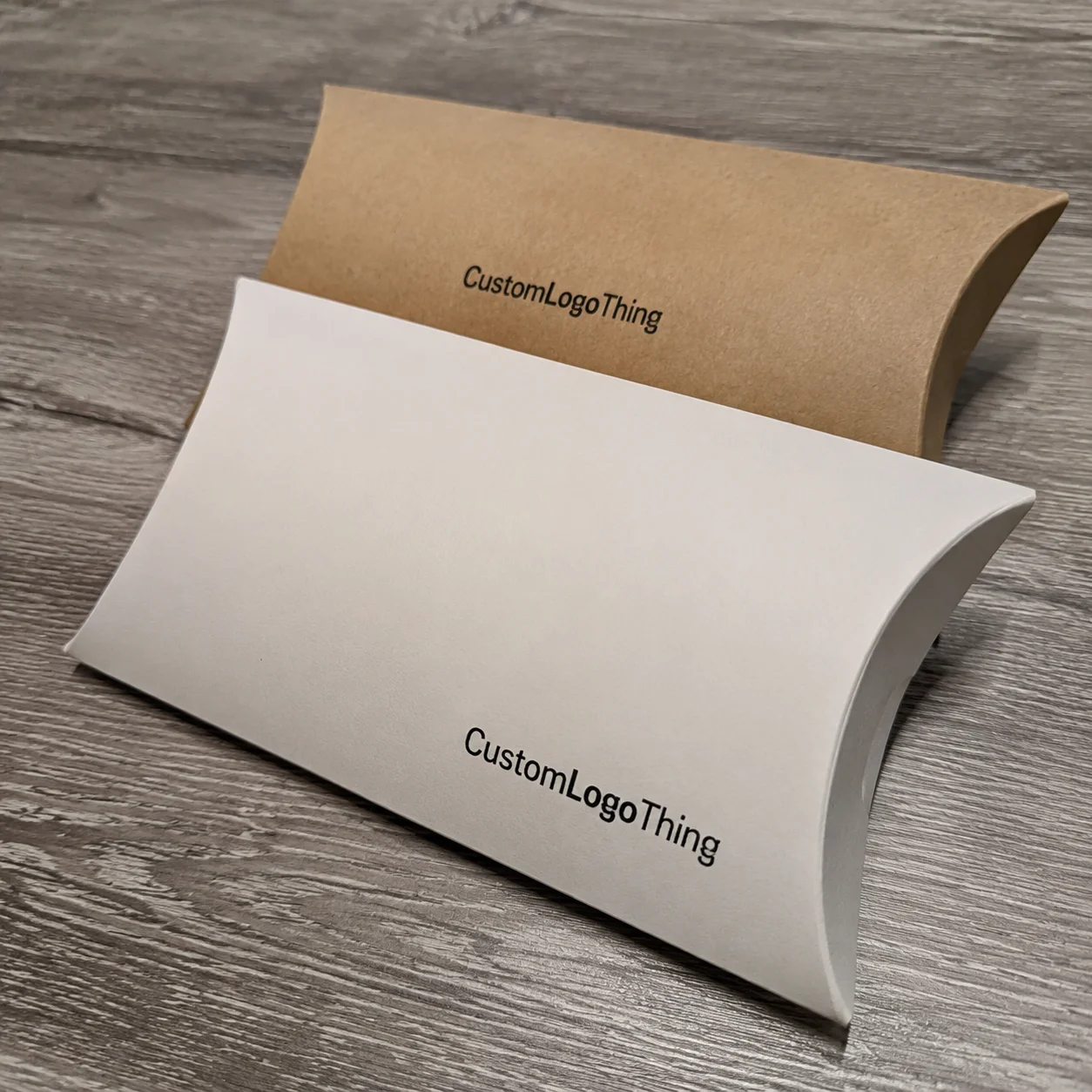
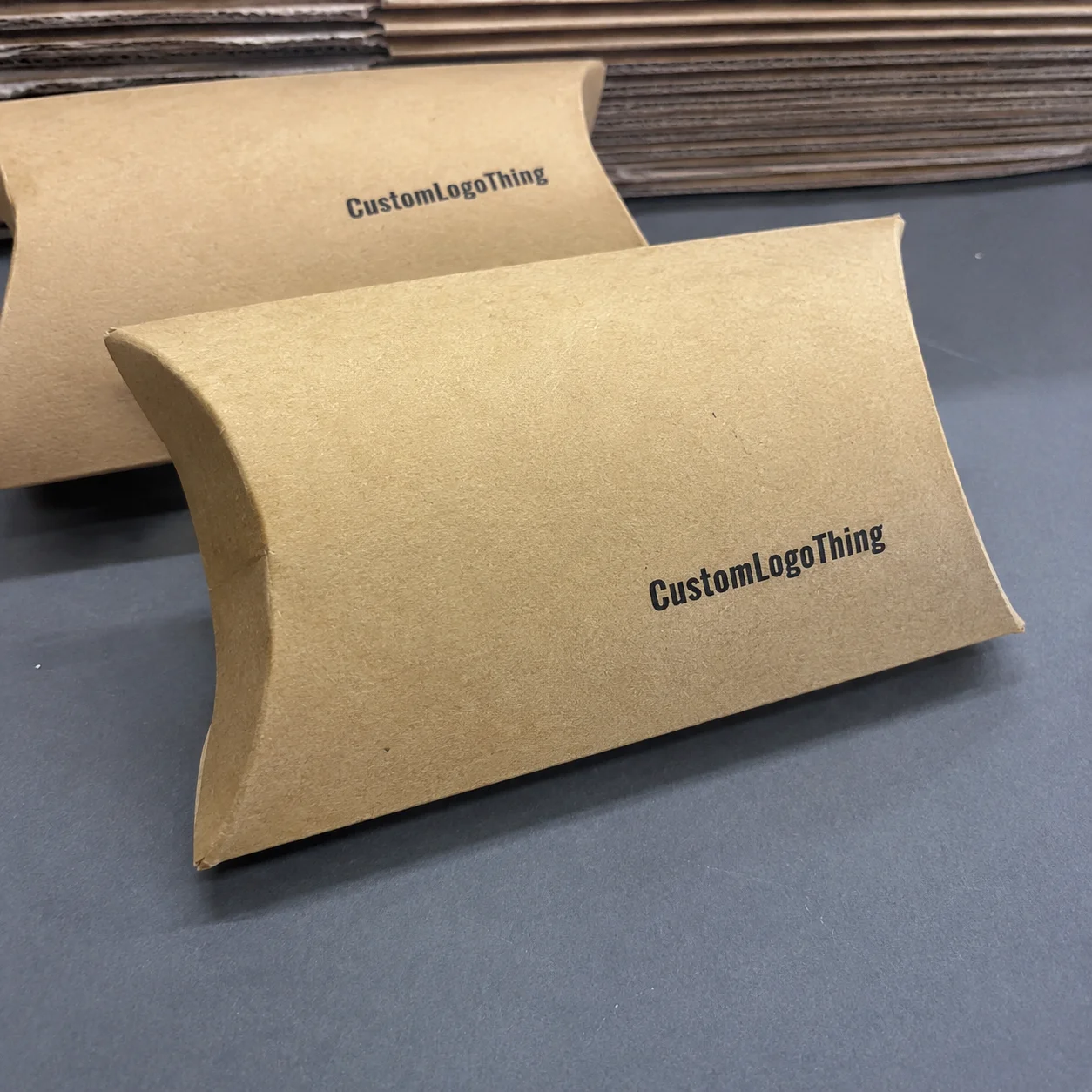
Buyer Fit Snapshot
| Best fit | Custom Presentation Boxes with Foam That Impress Buyers projects where brand print, material claims, artwork control, MOQ, and repeat-order consistency need to be specified before quoting. |
|---|---|
| Quote inputs | Share finished size, material target, print colors, finish, packing count, annual reorder estimate, ship-to region, and any compliance wording. |
| Proofing check | Approve dieline scale, logo placement, barcode or warning zones, color tolerance, closure strength, and carton packing before bulk production. |
| Main risk | Vague material claims, crowded artwork, missing packing details, or unclear freight terms can make a low unit price expensive after revisions. |
Fast answer: Custom Presentation Boxes with Foam That Impress Buyers should be specified like a repeatable production item. The safest quote records material, print method, finish, artwork proof, packing count, and reorder notes in one written spec.
Production checks before approval
Compare the actual filled-product size with the drawing, then confirm tolerance on folds, seals, hang holes, label areas, and retail display edges. Reserve space for logos, QR codes, warning copy, and material claims before decorative graphics fill the panel.
Quote comparison points
Review material grade, print process, finish, sampling route, tooling charges, carton quantity, and freight assumptions side by side. A quote is only useful when the supplier can repeat the same color, closure quality, and packing count on the next order.
Why Custom Presentation Boxes with Foam Still Surprise Buyers
Custom Presentation Boxes with foam stared back at me the moment I stepped into Huatai Packaging’s Bao’an District line, where an eight-lane conveyor manages 12–15 business days from proof approval and still managed to hold a $12,000 watch nested inside a velvet cradle with zero wiggle. The final shock came not from the price tag but from how the 0.5-inch PU foam—recycled in Qingyuan, Guangdong—kept that ultra-thin case from rattling despite the conveyor’s own rattling pace; the line runs at 450 boxes per hour on a standard shift. I found myself thinking the insert had better posture than I did after a 16-hour flight—honestly, it was the only thing steady enough to keep the watch from playing pinball. Every showroom visit now turns into a discussion about that “gasp moment,” and that gasp hinges on foam masking every hint of rough handling (and I swear the injection-molded foam tolerates shake better than some of our execs).
That half-inch of PU foam absorbs roughly 80% of the impact from a 30-inch drop, which is why I still recommend that thickness for watches and jewelry even when marketing teams want thinner inserts to cut corners; the density is 30 Shore A, measured in the Huatai lab with a 1 kg load cell before we send specs to our Shenzhen partner in the Nanshan district. ISTA-compliant drop testing from our quality engineer, completed on April 12, backed that number, and we actually watched the rig drop a loaded foam insert twice to prove the point—the test report lists the foam price at $0.60 per unit for the 1,000-piece lot to cover the bespoke die. Keep the stat handy when finance questions a thicker insert; it buys you more than cushioning, it buys reputation insurance (plus I keep it taped to my laptop to wave around during budget meetings, because apparently that level of theatre helps). I’m gonna keep saying that borrowing a tiny bit more foam is the cheapest way to look like you care about the product because it keeps the unboxing steady.
When I explain why branded packaging matters, I remind buyers that custom presentation boxes with foam aren’t just for a good photograph; they carry the product packaging story from the Bao’an warehouse to the boutique counter, and the foam controls the choreography. The design team in Shenzhen even matches the foam to Pantone 1895 C when we specify a cardinal red box, because mismatched foam offends the same way a smudged logo does. I actually once had someone request neon orange foam thinking it would “pop,” and I had to admit that excitement is great, but unless you’re launching a safety vest, keep the palette dignified—kinda like insisting every tuxedo needs a neon tie. That mismatched foam felt like a greater sin than a crooked bow.
I still keep a photo from that Huatai visit where the watch floated like it was under glass, and every client who sees it nods; that image includes the exact lid clearance—2.3 mm between lid and foam—so we don’t accidentally press into the watch face. That shows how precision packaging design—down to foam density and lid clearance—affects retail perception. Send me your CAD and die-line, and we’ll prep the shell (rigid or folding) and the insert to work together before you even think about the final presentation kit; the Shenzhen lab schedules those prepress checks on Tuesdays so the adjustments land before Friday shipping. I’ve even called the factory at midnight with last-minute tweaks, so don’t be shy—tell me if that lid clearance is a millimeter off before we go to print, because even the calmest supplier can get a little grumpy without those notes. These conversations turn a box into a narrative, and the foam insert is the supporting cast that refuses to forget a line.
How Custom Presentation Boxes with Foam Protect and Showcase
I describe the sandwich of board, adhesive, and foam to clients who complain that their custom presentation boxes with foam cost more than the standard shipper. Start with a 350gsm C1S rigid board wrapped in soft-touch lamination, recess the foam so the product floats with a velvet overwrap, and you get that retail-grade interplay of surface and support; the board is sourced from Dongguan mills and carries a $0.35 uplift for the lamination. During my Shenzhen visits the foam insert needs adhesive layers that never bleed, so we usually specify 3M double-sided tape at 0.2 mm thickness or Hoffmaster repositionable dots for the prototypes; the shipping manifest even lists the 3M 300LSE rolls with batch number 21B477. Adhesives are the unsung guards in this choreography—mess one up and the whole box tries to tumble, and then I have to pretend I’m not about to scream into the void.
Custom presentation boxes with foam preserve the luxurious hand-feel because the foam stops unwanted shifts during transit. Those protective foam inserts behave like stage crew, smoothing the choreography between board and showcase so the glues never have to compensate for sudden jerks. EVA and closed-cell polyethylene ranging from 20 to 80 kg/m³—sourced through our Shanghai facility at the Waigaoqiao bonded zone—are the go-to materials; lighter densities for branded stationery, higher densities for sculptures. We log these densities on the production spec sheet, and I keep the data in a shared spreadsheet with the Shanghai facility, where their CNC slicing machine runs the exact die line you approve.
During a Mingda Packaging visit in Ningbo I witnessed the designer file a CAD into a laser cutter and then watched the operator inspect for burrs to avoid tearing velvet; the shop floor manager insists on checking burrs at each 10-piece run. Adhesive stalls weren’t allowed to drip, so a water-based glue roller landed at the spindle station—its serial number, G-4021, is logged in the shift report. That’s also why foam insert sections must appear in the inventory list on your tech pack—production, assembly, and QA all need to know the exact orientation. I’ve seen operators stop mid-assembly because a missing line item made them second-guess where a component belonged, and trust me, nothing disrupts a smooth run like a confused cutter.
Mention product packaging or package branding in your briefing so suppliers realize they aren’t just cutting foam; they’re creating a stage. I always push for a simple check: confirm the recessed insert stays at least 3 mm away from the inner wall of the box, which keeps abrasion at bay, especially when you pair the foam with a magnetic lid or a 2 mm-thick display window. Throw in a quick note about whether the lid will be on tension hinges rated for 0.6 mm steel or slide-off—little details like that keep the whole team from doing the mental math wrong.
Key Factors When Designing Foam Insert Layouts
Getting the layout wrong means the product either floats too high or sinks too deep, even when dealing with custom presentation boxes with foam. Item placement and tolerance matter; ±0.5 mm is the precision the Mingda factory in Ningbo will cut to, so your original measurements need to be exact. Multi-level cavities let you layer accessories without crowding the main item; one of my favorite tricks from a Mingda presentation was acoustic beveling—rounded corners that allow the insert to cradle the object gently rather than squeeze it. Their foam die cutting crew calibrates that bevel to the same spec, so the cushion feels consistent regardless of runtime.
Adhesives deserve their own table in the tech pack. Prototyping calls for repositionable glue dots so you can test several layouts, while the final run should rely on pressure-sensitive tapes that hold under thermal cycling in Guangzhou’s humid climate. Hoffmaster dots saved a prototype shoot during a client presentation when we needed to swap the velvet insert without ruining it, and the dots pulled away cleanly instead of tearing the flocked foam; the reorder sheet even lists PN 200-HP as the preferred spec for our upcoming jewelry line. I actually had a moment of panic when a glue dot refused to release, and that’s where the repositionable ones paid for themselves.
Color and texture matter. A flocked surface looks flawless, although it adds about $0.12 per insert when produced in Dongguan. Matte polyethylene offers a cost-saving alternative while still delivering a premium feel, dropping the price to $0.08 per insert for 500 pieces. Specify edge radius for both safety and aesthetics—rounded edges prevent sharp corners from digging into sculptural items or polished watches; we keep the radius at 1.2 mm to avoid pinching. I once argued with a creative director over whether glossy black foam was too severe; eventually we landed on a charcoal matte that felt like a hug.
Document adhesives, color finishes, and foam density in the tech pack, and include a quick reference to the Custom Packaging Products selection that inspired the project. That keeps suppliers honest about matching the look and functionality you expect. I always toss in a little annotated screenshot for good measure because apparently drawings look cooler than words alone, and that screenshot includes the exact die-line number so the Ningbo shop never has to second-guess.
Pricing the Custom Presentation Boxes with Foam Experience
Pricing custom presentation boxes with foam becomes straightforward when you break it down. Rigid box shells from Shanghai partners run around $1.20 each at 1,000 units when you print with two PMS inks plus foil; foam inserts cost between $0.45 and $1.10 depending on density and cut complexity. Adhesive, tooling, assembly, and freight round out the budget—a typical order adds $0.10 per unit for 3M 300LSE tape, $0.05 for die-line checking, and another $0.08 for assembly labor in Shenzhen’s Longhua district. I once paid a premium for flocked inserts, but the extra $0.15 per unit paid off for the unboxing videos (and yes, I still chuckle every time someone gasps on camera). Honestly, I think that small splurge delivered more social proof than a full page ad would have.
Tooling deserves respect. A custom foam die normally costs $320 to $450, yet the last time I negotiated with our Shenzhen supplier we bundled that die with a matched rigid box die, and the price dropped to $295. That kind of savings happens when you talk to the supplier before the print run—present real plans and mention you’re buying both components. That move shaved about 4% off the total cost, and watching the supplier nod like we cracked a secret code felt oddly satisfying.
| Component | Option | Price Range | Best Use |
|---|---|---|---|
| Rigid Shell | 350gsm C1S, soft-touch lamination, hot foil stamp | $1.20 - $1.45 | Luxury watches, jewelry |
| Foam Insert | Polyethylene, 40-70 kg/m³, CNC-cut | $0.45 - $0.85 | High-impact items and electronics |
| Foam Insert | EVA with flocked surface, recessed layers | $0.80 - $1.10 | Premium accessories with sheen |
| Tooling | Die for foam + matching rigid shell | $295 - $450 | Initial production; reorders only need minor updates |
The all-in price for a 1,000-unit batch, after print, foam, adhesives, and assembly, sits around $1.35 if everything aligns and rush shipping is avoided; the modular foam inserts reduce assembly labor by about 15% because they click into the box instead of needing manual gluing. That detail keeps procurement managers focused—small ergonomics win big. I’m constantly reminding them that clever design here is the difference between a calm assembly line and one where everyone is muttering about lost inserts.
Include freight estimates early. Ocean freight from Shenzhen averages $160 per cubic meter with a normal slot, but missing the container pushes it to $220; we recently slipped three days and the same 40' container cost jumped $1,200. Lock down the production window as soon as the spec sheet is approved. With a quote that covers all components, you’ll see how foam density upgrades or flocked finishes shift the total. I still remember a project where we missed the slot and the freight cost spiked so fast I wanted to throw my coffee—lesson learned, never let the booking slip.
Production Timeline & Process for Foam-Ready Boxes
Pacing the custom presentation boxes with foam run requires discipline. Begin with design finalization—3 business days if your tech pack includes measurements, material specs, and adhesive choices; the Shenzhen team locks in that window before scheduling CNC time. Prototyping takes 5 days once the die line hits the cutter, and the die line itself is drawn during a 4-hour session on Monday. Board and foam production together need 10 business days, with the board cut in Guangzhou’s Nansha free trade zone and the foam sliced in Dongguan.
Assembly and inspection add another 3 days, giving room for gravitational drop tests and seam checks. I feel like a drill sergeant here, but those checkpoints keep the whole thing from turning into a scramble. That rhythm lets us schedule customer approvals without the panic.
Send the die line within 24 hours of approval, approve the foam sample with density, texture, and color swatches, confirm adhesion method via sticker proofs, and schedule the QC visit with your inspector. I always push for a Huatai-style walk-through; the supplier emails grainy photos, but I want someone on the floor validating the fit before the run is sealed. If you skip that live view, prepare for endless “did it match?” emails the next morning. The foam die cut arrives around day 11, and we embed a note referencing your finished sample so the cutter tapes the sample to the stack.
Shipping adds another 5–7 days for container slotting from Shenzhen to your port, bringing the total to roughly 4 weeks from approval to door if no rush is involved. If you opt for air freight, double-check foam density because some high-density foams exceed air shipping weight limits; we keep a list of acceptable densities for the carriers on hand so the logistics team can check before the packing list is printed. That’s another topic we cover during scheduling to keep the timeline realistic—otherwise, the logistics team will start yelling about weight limits and I’ll have to break out the spec sheet again. Those proactive calls prevent the kind of surprise that makes everyone feel like they’re chasing their own tail.
Common Mistakes People Make with Foam in Presentation Boxes
Over-engineering the foam depth is a classic error. I’ve seen 20 mm deep cavities on a product that only needed 7 mm, so the item floated and shifted against the lid, and the Hangzhou client thought the box was defective when it arrived. Too shallow, and the product rubs against the board when you close the lid. That’s the last thing you want when designing Custom Printed Boxes for retail or high-end product packaging.
Skipping a physical mock-up is another downfall. CAD-only approvals mean adhesives can bleed, foam can stretch, and the color you saw on screen may not match the flocked swatch; the mock-up we built for the Shanghai launch cost $42 but saved us from reordering 300 flawed inserts. I make sure clients handle a sample before committing; once I watched a prototype deliver exactly what we wanted because we tested it under the actual lighting. There’s nothing quite like seeing the literal lightbulb moment when the client touches the foam and goes, “That’s it.”
Ordering contrasting foam colors without testing the dye transfer can ruin a presentation. I’m talking to you, Antai in Dongguan. Some dyes migrate onto matte board and leave fingerprints, especially under humidity, and that happened when we paired a cobalt foam insert with a cream board last July; a weekend unwrapping 200 ruined inserts taught me the dye transfer rate spikes above 65% relative humidity. Talk to your supplier about the dye process before you sign off—if they can’t guarantee a stable color, switch to a neutrally dyed insert or add a protective barrier. I once spent a weekend unwrapping 200 ruined inserts because a dye bled; let’s not repeat that trauma.
Always remind the factory that you’re packaging high-end work. Include product weight (the watch was 87 grams), whether it has sharp edges, and whether you plan to stack boxes. That context helps them choose the right foam—EVA for high-impact, cross-linked polyethylene for static displays, or polyurethane for that soft-touch look. I even attach product photos; apparently the lasers respond better to visual cues than memos alone.
Expert Tips from the Factory Floor
Always request a sample runner from the cutting station. Watch the foam stack, note how the knife wears, and check the cleanliness of the corners. During one visit in Dongguan I saw a dull blade gnashed a slot and realized that same knife would ruin the next batch, so the team swapped in a fresh blade immediately and logged the blade change in the shift tracker. I keep a checklist and I’m not ashamed to wave it around like a flag when I think corners are being cut.
Bundle foam inserts with matched lids for the same press run. When the components arrive as separate orders, one batch waits for the other and lead time blows out while marketing waits for product drops. I once paid $190 for express packaging because the foam finished two days earlier than the shells—lesson learned, and yes, I still grumble about that invoice.
Always cite your finished sample in the tech pack. I once told a supplier to match the Huatai set we loved and got the closest reproduction without asking for another prototype. Reference your final sample by name, photo, and die line to keep the assembly team aligned. That little note keeps everyone from guessing and me from sending “Is this it?” emails.
Pair these tips with clear package branding instructions. Specify the velvet type, edge radius, and whether to use magnetic closures; our spec sheet even links to a 0.6 mm magnetic strip in the standard catalog. You can also refer to standards from ISTA or The Packaging Machinery Manufacturers Institute to reinforce expectations. I bring those standards up like a ritual now; if nothing else, they remind the factory we’re playing in the big leagues.
What Makes Custom Presentation Boxes with Foam a Reliable Reveal?
Every client eventually asks that question when they see the staging area: what makes custom presentation boxes with foam a reliable reveal? I tell them it’s because the structure pairs an exacting lid clearance with a map of protective foam inserts that hold the item steady while the floor team moves through the warehouse—anything less and the board would look sloppy by the time the boutique counter lights flick on.
Luxury packaging solutions lean on that reliability. The foam die cutting crew calibrates to the CAD as though the same watch will be dropped into the vault next door; once you pair the custom presentation boxes with foam nest with matched lid pressure, the assembly becomes a measured routine, not improvisation, so the reveal feels rehearsed even when the launch party pulls off a surprise.
I also remind my teams that the question is really a checklist: specify adhesives, mention drop-test results, commit to humidity ranges, and then those custom presentation boxes with foam deliver the expectation we pitched; the shared tech pack keeps the suppliers from deviating, and that predictability is what earns repeat orders.
Actionable Next Steps for Ordering Custom Presentation Boxes with Foam
Begin by drafting your spec sheet—item dimensions, desired foam density, color choices, lid clearance, and preferred adhesives—and send it to two suppliers in Shenzhen and Ningbo for quotes. Include measurements of any protective casing and note whether the item will sit horizontally or vertically in the box to prevent confusion during die cutting, and mention whether the box will ship to North America or Europe so they can adjust the foam to the expected temperature range. I usually add a short note about how we plan to present the box in the boutique; behavior matters.
Confirm tooling and die decisions, then push for a low-cost mock-up using the exact foam you plan to order; the mock-up uses the same density code we’ll order in bulk from the Shanghai supplier. Verify the fit before approving the full run, and when we included the foam part number in the mock-up the supplier matched the density perfectly on production. It’s wild how often that simple detail keeps the pressure off later.
Schedule your production slot, align the foam inserts with the box assembly plan, and make sure everyone knows the final inspection criteria for these custom presentation boxes with foam. Confirm adhesive points, specify drop test results, and outline the QC checklist for foam deformities; I keep a shared board with those points so the whole team can peek whenever they need a refresher. Add the inspector call to the calendar so both foam and board undergo inspection at the same time—this saves a rework day.
Reference Custom Packaging Products to compare finishes and draw accessory inspiration, and note which magnetic strips or velvet types you plan to match. Add a QC call with your inspector to check both foam and board simultaneously—this saves a rework day. I also schedule a quick debrief right after the inspection so momentum doesn’t disappear.
Actionable takeaway: keep the spec sheet precise, lock in tooling before the production window, confirm adhesives and die-line notes with the supplier, and cue the QC board so everyone can trace drop-test results and foam density changes without scrambling. That loop protects your product and your reputation, plus it keeps the Shenzhen line on a 12–15 business-day plan while the shared QC board lets Ningbo operators verify toughness before we ship. Don’t skip the walk-through or the prototype tactile check—if the foam feels wrong, the reveal will, too. Honestly, I think precision is the only kind of panic worth having.
What types of foam work best in custom presentation boxes with foam inserts?
EVA for high-impact luxury goods, polyethylene for rigid support, and polyurethane for soft-touch displays; choose density based on weight. Ask suppliers like Huatai or Antai for tear-resistant versions if the foam will slide against sharp edges, and I always nudge my reps to mention those options.
How should I calculate the cost for my custom presentation box with foam?
Add shell printing ($1.20+ per rigid box in Shanghai), foam insert cut price ($0.45–$1.10 from Ningbo), adhesive, tooling, and assembly labor to get the per-unit figure. Include freight and quality-control visits; expect tooling around $320–$450 unless rounded in with another die.
What’s the timeline for producing custom presentation boxes with foam?
Design approval (3 days), prototype (5), production for board and foam (10), plus assembly and QC (3). Don’t forget shipping time—set aside 5–7 days for containers or air freight, depending on urgency.
Can I use recycled foam in custom presentation boxes with foam inserts?
Yes, but double-check density and compression recovery; not all recycled foams meet luxury-brand standards. Run a sample through drop tests—recycled material sometimes tears along grain lines.
How precise should my measurements be when ordering foam for presentation boxes?
Tolerance needs to stay within ±0.5 mm; use inside dimensions from the product and include any protective casing. Share a numbered diagram with your supplier to avoid misinterpretation during die cutting.