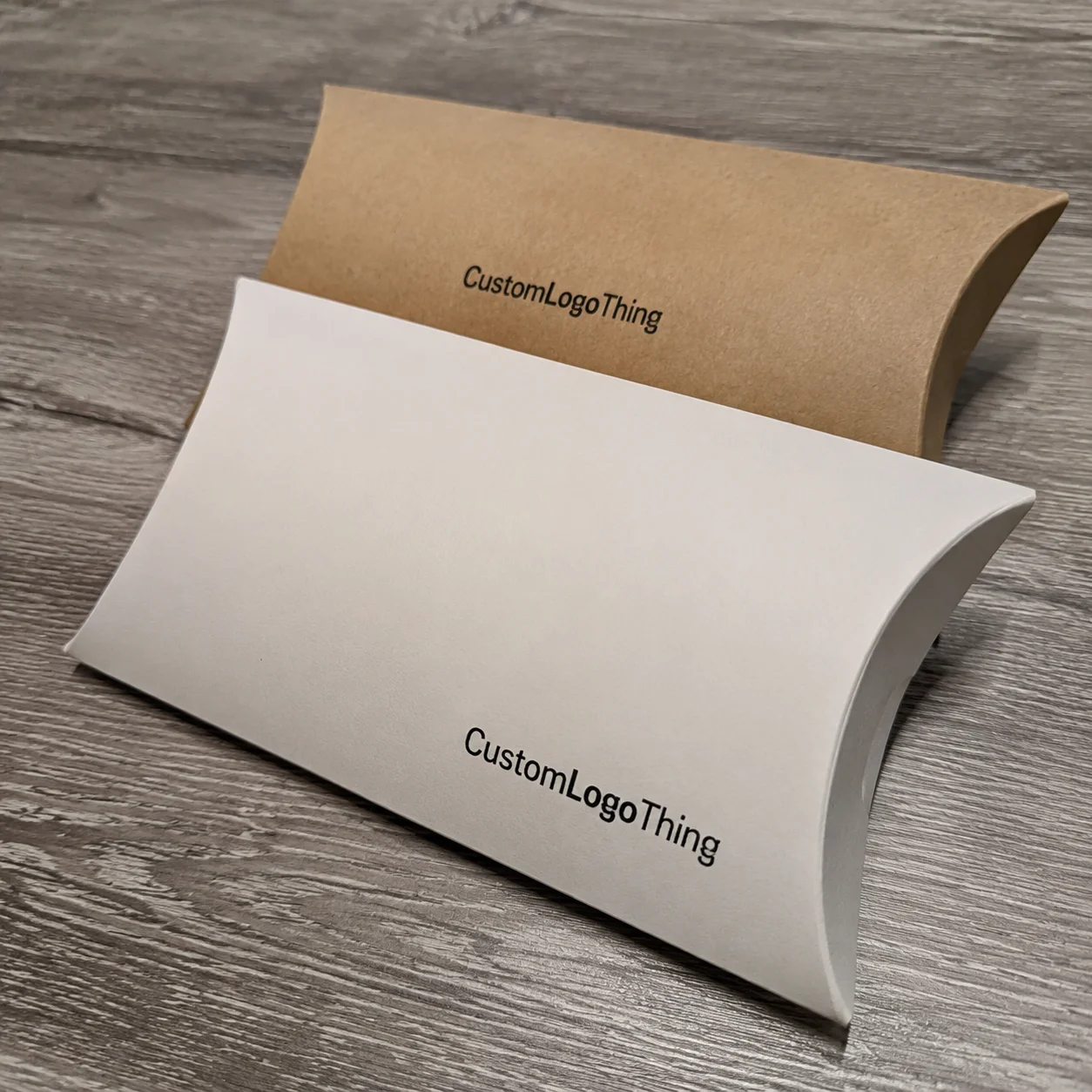
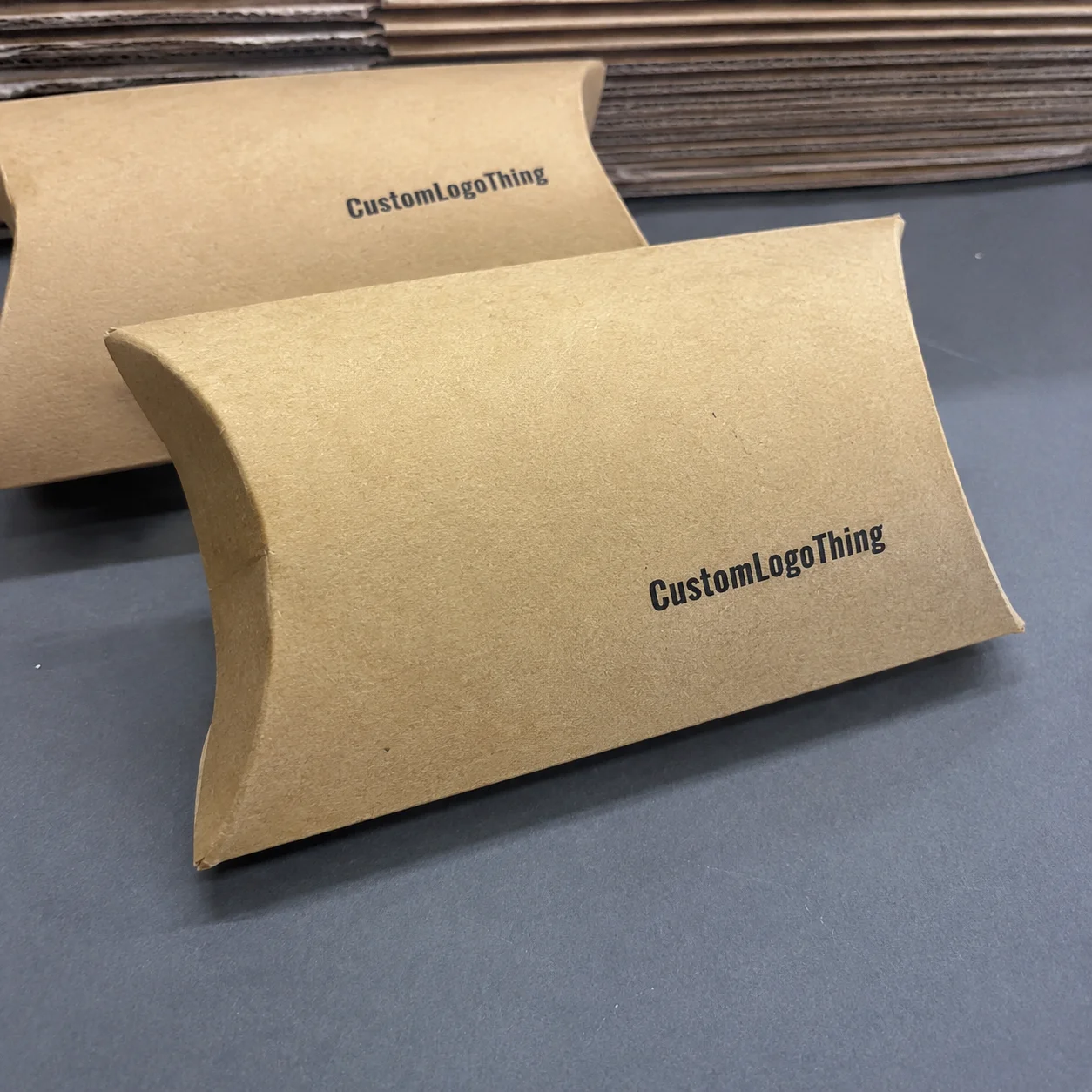
Buyer Fit Snapshot
| Best fit | Custom Presentation Boxes Clients Quickly projects where brand print, material claims, artwork control, MOQ, and repeat-order consistency need to be specified before quoting. |
|---|---|
| Quote inputs | Share finished size, material target, print colors, finish, packing count, annual reorder estimate, ship-to region, and any compliance wording. |
| Proofing check | Approve dieline scale, logo placement, barcode or warning zones, color tolerance, closure strength, and carton packing before bulk production. |
| Main risk | Vague material claims, crowded artwork, missing packing details, or unclear freight terms can make a low unit price expensive after revisions. |
Fast answer: Custom Presentation Boxes Clients Quickly: Board, Finish, Dieline, and Unit Cost should be specified like a repeatable production item. The safest quote records material, print method, finish, artwork proof, packing count, and reorder notes in one written spec.
Production checks before approval
Compare the actual filled-product size with the drawing, then confirm tolerance on folds, seals, hang holes, label areas, and retail display edges. Reserve space for logos, QR codes, warning copy, and material claims before decorative graphics fill the panel.
Quote comparison points
Review material grade, print process, finish, sampling route, tooling charges, carton quantity, and freight assumptions side by side. A quote is only useful when the supplier can repeat the same color, closure quality, and packing count on the next order.
Custom Presentation Boxes Start With a Story
Custom Presentation Boxes should land in the warehouse smelling like success; the first time I heard that claim, a Shenzhen plant foreman grinned because his press in Bao'an could crank out 2,000 pieces in six hours once the artwork was nailed and the buyer had agreed to the $0.38-per-unit quote for a 5,000-piece run, with everything packed for shipment no later than 12–15 business days after proof approval.
The pride he showed rivaled a Formula One pit crew’s swagger, and that moment made me kind of jealous while I became desperate to triple-check the dieline before the next shift change—our Cincinnati engineers had already logged the tolerance at ±0.2 millimeters, and the Los Angeles warehouse was tapping their foot, waiting for the first pallet to hit the dock.
Stepping onto the plant floor taught me how these enclosures combine protection, messaging, and theater, whether the glue is locking a hinge or the corrugated fiber is holding a delicate medal; I still picture the Pratt Industries quality manager in Wapakoneta running his finger along a 350gsm C1S artboard as he explained the differences in ink behavior under 1.3-mil soft-touch lamination versus the client’s requested 2.0-mil satin finish and why the water-based adhesive from 3M kept the folds from staining.
The boxes have to guard fragile items, spotlight the logo, and open in a way people want to film—especially for investor kits going to Boston or limited-edition tech making a jump to Seoul—so precision at the start pays dividends; I’ve watched prototypes survive ISTA 6-Amazon tests, while others failed entirely because someone swapped the call for hot-melt at 190 degrees Celsius with a weak tack glue.
Anyone who values package branding and flawless rollouts already knows these objects are more than corrugate; they move through seven points of contact—digital proofing at 240 lpi, the physical sample, and six finishing decisions—so that magnetic closure, ribbon loop, and holographic foil align before the trucks leave Perris, California, for the distributor.
How the Custom Presentation Boxes Process Unfolds
Each Custom Presentation Boxes project I guide follows a relay: briefing → dieline → digital proof → physical sample → production → finishing → shipping, and the briefing locks down the objective, audience, and quantity—500 keepsakes for VIPs in Miami, 2,000 retail units for a Chicago boutique, or 120 investor kits with foam trays numbered 01–120 for a Boston tech launch.
Once that’s in place, engineering builds a dieline in roughly 48 hours, which fuels the packaging design call so the art team can pin logos, typography, and bleed constraints with precision; during that session we also confirm Pantone 7621 C for the cereal brand drop and note that the dieline must leave at least 1/8 inch clearance from each fold in order to keep the barcode legible.
Digital proofs arrive next, and I tell clients not to blink because this is the final look before ink touches board; we typically spend 7–10 days refining those proofs with exact measurements, Pantone matching, and the occasional scribbled crush test spec from the designer’s napkin, like when the Chicago team demanded a 12-pound crush resistance to make it through the UPS Ground loop.
We wasted two weeks once because the designer ignored that napkin note and sent a sample that flunked the ISTA 6-AM altitude test, forcing a restart with Baldwin’s engineers in Guangzhou—hitting rewind on a project we already celebrated finishing.
After proof approval, Baldwin ships a physical sample from Guangzhou within a week, and this stage is your dress rehearsal; you want to feel the magnetic closure, pull back ribbons, and verify the insert fits the pod, with the whole thing traveling via DHL Express so it reaches New York in four days.
Bulk production runs depend on inventory and typically span four weeks after sample sign-off, assuming Pratt’s 20pt SBS board, the Baldwin embossing tool, and the Guangzhou laminator are ready, while finishing options such as foil stamping, soft-touch lamination, embossing, and spot gloss pass through a daily quality checkpoint where operators log measurements, flag color shifts, and upload client photos.
Packaging heads pack the finished custom presentation boxes into double-walled outer cartons, label them with export declarations, and deliver the shipment to FedEx International Priority or ocean freight from the Port of Long Beach, with Custom Logo Things updating clients via RedLine tracking alongside Pratt and Baldwin so nothing remains assumed—always beats wondering whether that glossy accent is spelled right.
Cost Drivers Behind Custom Presentation Boxes
Material choice, run size, and finishing dominate the final quote for custom presentation boxes; a 500-piece run with 20pt SBS from Pratt lands near $1.40 per unit, while adding foil stamping plus textured embossing tacks on another $0.55–$0.75 depending on the number of foil colors, pattern complexity, and whether a custom plate costing $120–$220 is necessary.
Magnetic closures or velvet-lined interiors further increase costs because tooling fees span fewer units, so we evaluate those add-ons against the budget; for example, a Miami fragrance launch spent $1,250 on die-making because the hidden sleeve required five kiss cuts, yet the return was that each box snapped shut with an audible click buyers still mention in reviews.
Structural tweaking matters too; incorporating an extra flap or hidden sleeve requires a larger die, which runs $300–$450 based on size and kiss cut count, and rush shipping adds around $0.50 per box when FedEx International Priority replaces slower ocean freight, especially when show dates like the New York Fashion Week deadline can’t move.
During a visit to a Los Angeles client, we recalculated the same design into a single-piece folder structure and trimmed $150 from the die cost while keeping the drama, and yes, I remember the client doing a little victory dance in the studio, so I kept that video for future smug references.
Economies of scale surface once you move from 500 to 2,500 pieces: you can shave off $0.30–$0.40 per box because setup fees spread across more units and the board supplier can pull full sheets instead of partials, yet watch storage fees—our warehouse charges $0.25 per box monthly for anything sitting past 45 days and last quarter a Chicago retailer paid $95 extra for a brief overage.
Ordering too many custom presentation boxes locks cash into seasonal launches that may pivot mid-quarter, which is the kind of surprise I could do without, so we also build forecasting cadences around promotional calendars and retailer drop dates.
Comparing finishing options reveals both cost and perception impacts; the table below helps when weighing quotes from packagers, and referencing packaging.org’s material specs keeps comparisons grounded in data, not guesswork, especially when evaluating how a shiny foil choice controls the retail shelf mood.
| Finish | Cost Impact (per unit) | Perceived Value | Notes |
|---|---|---|---|
| Soft-touch lamination | $0.12–$0.18 | High | Pairs well with spot gloss to keep fingerprints low; precise curing is essential. |
| Foil stamping | $0.22–$0.40 | Very high | Two-color foil adds $0.08 extra; Baldwin delivers sharper edges. |
| Embossing/debossing | $0.15–$0.30 | Medium to high | Feels premium; avoid over-embossing anything thinner than 18pt SBS. |
| Spot gloss | $0.10–$0.16 | Medium | Great for logos when foil isn’t possible; target the application to highlight messaging. |
Pricing shifts whenever the substrate changes mid-run; I once swapped 20pt SBS for recycled chipboard from Pratt, cutting $0.18 per unit, but the finish worker had to retool the die and we lost a day, so we always ensure the supplier lists board weight, ink type, and any finish limitations before sign-off.
Custom Logo Things also highlights retail packaging realities—those matte versus gloss or chipboard versus rigid decisions dictate whether your product secures the right shelf space or fades into obscurity, so we align specs with the retailer’s receiving team and the brand’s internal merch calendar.
Step-by-Step Planning for Custom Presentation Boxes
Step 1: Define the story. What emotion should your custom presentation boxes deliver, which audience are you targeting, and which product components must fit inside? Need a foam insert for a ceramic object or space for a certificate? Document the vibe, key colors, tactile cues such as ribbon pulls, and mention Pantone 7621 C or 877 U so the brief stays precise; one luxury candle brand had a $2,000 press kit yet described it as “smells like autumn and prestige,” leaving dieline engineers guessing until I pushed for cedar veneer samples and a scent strip so the printed boxes matched the sensory idea.
Step 2: Gather the assets. Logos must remain vectors, color specs should include Pantone numbers, and copy needs to be final before the first proof; our art directors despise chasing late changes, so we ask clients to upload everything to the shared folder before the kickoff call, including regulatory copy for cosmetics or nutritional info for supplements heading to the EU.
Step 3: Match structure and material, then request the dieline from engineering. We translate the story into the proper style—magnetic closure, sleeve, or two-piece rigid box—and engineers in Atlanta often propose internal flaps that double as cradles, reducing the need for additional inserts, which keeps tooling and board costs manageable without sacrificing function.
Step 4: Approve the proof, sign off on the sample, and finalize finishing touches. I always require a numbered checklist covering bleeds, trims, emboss depth, and soft-touch coverage so no one assumes anything; need ICS (insert card stock) or special adhesives? Call them out. When the sample arrives, measure it with a caliper, verify the finish, and photograph it with a reference card—if it doesn’t feel right, send it back immediately; I have rejected a sample just because the ribbon pull angled wrong and that decision saved us three days later.
Step 5: Lock in production dates, coordinate logistics, and plan a QA checkpoint upon arrival in your warehouse. Collect freight references early—the carrier, tracking number, and expected delivery date—and track milestone dates, responsible parties, and required approvals in a simple spreadsheet; upon arrival at our facility we inspect 10% of the run, document findings, and note any issues before shipping onward. Include an internal link to Custom Packaging Products for vendors seeking deeper dives into available styles.
Common Mistakes With Custom Presentation Boxes
Skipping a prototype because the digital mockup looked flawless is a rookie move; I learned it the hard way when our matte finish arrived chalky because the Suzhou printer swapped to a generic 120gsm stock we hadn’t approved, and 800 kits were already packed for a Chicago launch the next day—layout perfect, tactile check missed, and our partners still mention how that finish ruined the unboxing moment.
Another mistake is ignoring bleed and fold lines; artwork bleeds into seams and makes branding disappear, especially when the logo lives near a fold, and I once watched a 2,000-piece retail run land with the barcode on a corner crease because no one confirmed the dieline preview, so now I require designers to verify that nothing critical sits within 1/8 inch of any fold or tuck.
Forgetting that overseas samples take time to return can crush schedules; we usually add at least ten days for tweaks plus shipping, and one client declined insured air freight and sent samples via surface mail, which took 18 days to come back and forced the trade show to slip to the next cycle, so buffer the timeline or invest in a sample courier for $0.60 per box to keep things on track.
Expert Tips for Custom Presentation Boxes That Sell
Targeted finishes work wonders; pair the 1.3-mil soft-touch lamination with selective gloss or foil accents so the logo pops without covering the entire surface, just like the metallic Baldwin foil we used on a perfume launch that made the packaging read like jewelry rather than cardboard, and consumers kept the box as a keepsake.
Functionality matters. Magnetic closures, inserts, or ribbon pulls raise perceived value, but avoid overbuilding; once I had to abandon a custom insert because it wouldn’t ship flat, so the client paid an extra $0.18 per box for foam padding while the logistics team rewrote the packing list for the California-bound pallets, and the lesson was to test collapse and transport durability before moving ahead.
Partner with your packager early so structural tweaks keep costs in check; engineers at Custom Logo Things often suggest internal flaps that cradle the product or tuck tabs that double as stacking supports, and that kind of insight comes from seeing hundreds of Custom Printed Boxes pass across the floor, keeping lead times reasonable by reducing the need for custom inserts.
Consider the broader branding system. Coordinate tissue paper, stickers, or custom tape with the same narrative so the story continues when the box opens, and our AFP-certified supplier matches Pantone colors within a delta E of 2, so the look stays consistent across every component.
Actionable Next Steps for Your Custom Presentation Boxes
Compile your assets. Gather logos, color palettes, and copy, capture the box’s objective—investor gift, retail drop, launch kit—and draft a one-page brief outlining expected quantities (500–2,500 pieces), shipping window, regulatory requirements like ingredient lists or safety labels for cosmetics, and which fulfillment partners handle the drop so the creative team has everything before the first proof.
Schedule a call with Custom Logo Things, send the brief, and request an itemized quote listing materials, tooling, finishing, and freight; ask for supplier names and lead times, especially if you prefer Pratt boards or Baldwin foils, because we always provide that transparency so you can compare actual costs and weigh options such as recycled stock or single-unit shipping.
Order a sample before committing to the full run, confirm packaging dimensions with fulfillment, determine how many boxes fit per pallet, and note any shipping restrictions; once the sample is approved and the design locked, move forward confidently knowing production dates are set. For a refresher on solutions, visit our Custom Packaging Products page, and download the checklist we use internally—step-by-step approvals, QA, and sign-offs—to keep everything aligned.
How Do Custom Presentation Boxes Influence Brand Perception?
Imagine a premiere where the unboxing video becomes the hero shot; the way your custom presentation boxes open, emit scent, or feel in hand becomes the visual proof of your brand promise, which is exactly why packaging design teams treat the box as the fourth member of the creative squad. Done right, those openings cue emotion—curiosity, delight, reverence—not just because of textures but because the structural cues and print align with what the brand broadcasts across other channels.
Premium packaging solutions like embossed logos, a velvet-lined core, and a measured clack of a magnetic lid signal that the product inside has been vetted and celebrated, and pairing those moments with consistent artwork keeps the narrative tight. I have seen retailers invest extra floor space when they could point to those behaviors; they want boxes that look and feel like they belong next to couture items, which is why our spec sheets always include how the custom printed boxes interact with light, photography, and tactile storytelling.
This isn’t just about aesthetics—it’s about impression management. Every finish choice carries a cost that needs to be justified with a storytelling payoff, so the same budget that could have gone to a larger ad buy instead gets channeled into a giveaway that keeps your audience talking, filming, and sharing.
Custom Presentation Boxes: Closing Thoughts
Custom presentation boxes are the physical handshake of your brand story, and they deserve meticulous planning, precise pricing, and real-world testing, so keep the timeline transparent (12–15 business days from proof approval whenever possible), ask for supplier names, and allow the boxes to remind everyone why they should stay tuned.
Gather your assets, clarify the story, map the timeline, and line up QA milestones so the next release hits the dock without drama; pair that plan with FSC-certified stock from fsc.org, tie board specs to ISTA shipping standards (details at ista.org), and lock in freight windows—those moves keep the boxes worthy of the products they hold, and I’m still gonna watch the unboxing videos on loop.
What materials are best for custom presentation boxes?
Choose SBS for a smooth print surface, chipboard for sustainability, or rigid board for luxury—each carries trade-offs in weight and price; ask your vendor about recycled options from Pratt Industries or other trusted mills and test how they respond to foil stamping or spot UV before approving 2,500 units, and I always request a texture sample because sometimes “smooth” really means “squeaks a little.”
How long does it take to produce custom presentation boxes?
Expect 4–6 weeks from proof approval to shipping for a standard run, extending when tooling or specialty finishes are involved, and add buffer time for sample tweaks and freight, particularly for overseas delivery—the deadline-focused brands I work with build in at least ten extra days, and if you have a show date add another week for breathing room because every minute counts.
Can I order small batches of custom presentation boxes?
Yes, though the unit cost rises slightly; we routinely manage 250-piece runs by adjusting die size and selecting lighter stock, look for suppliers open to digital printing or short-run litho, and negotiate tooling fees—they sometimes disappear if you commit to follow-on volume, and I’ve even convinced a plant to keep a die on file just because the client promised a quarterly drop.
What finishing options elevate custom presentation boxes?
Soft-touch lamination, foil accents, debossing, and spot gloss are reliable choices; pick two to keep production manageable, ask about velvet coatings or other tactile finishes, but ensure Baldwin or another trusted press can deliver them without slowing timelines—my favorite combos usually balance texture and shine, since too much sparkle makes the product feel like a child’s party favor.
How can I ensure custom presentation boxes arrive undamaged?
Add protective separators, wrap them in tissue, and pack strong outer cartons—our logistics team double-boxes runs over 1,000 units for overseas shipping, and demand a full inspection report with photographs before the freight leaves the factory so you have backup if damage claims arise; if a shipment still looks rough, don’t hesitate to send it back, because I’ve told carriers “nope, not until we sort the scuffs,” and it works more often than not.