Request a Logo Patches Quote for Retail Merch Caps
Get a logo patches Quote for Retail merch caps with clear pricing factors, patch options, MOQs, production steps, and retail-ready quality checks.
Why Retail Caps Need a Logo Patches Quote for Retail Merch
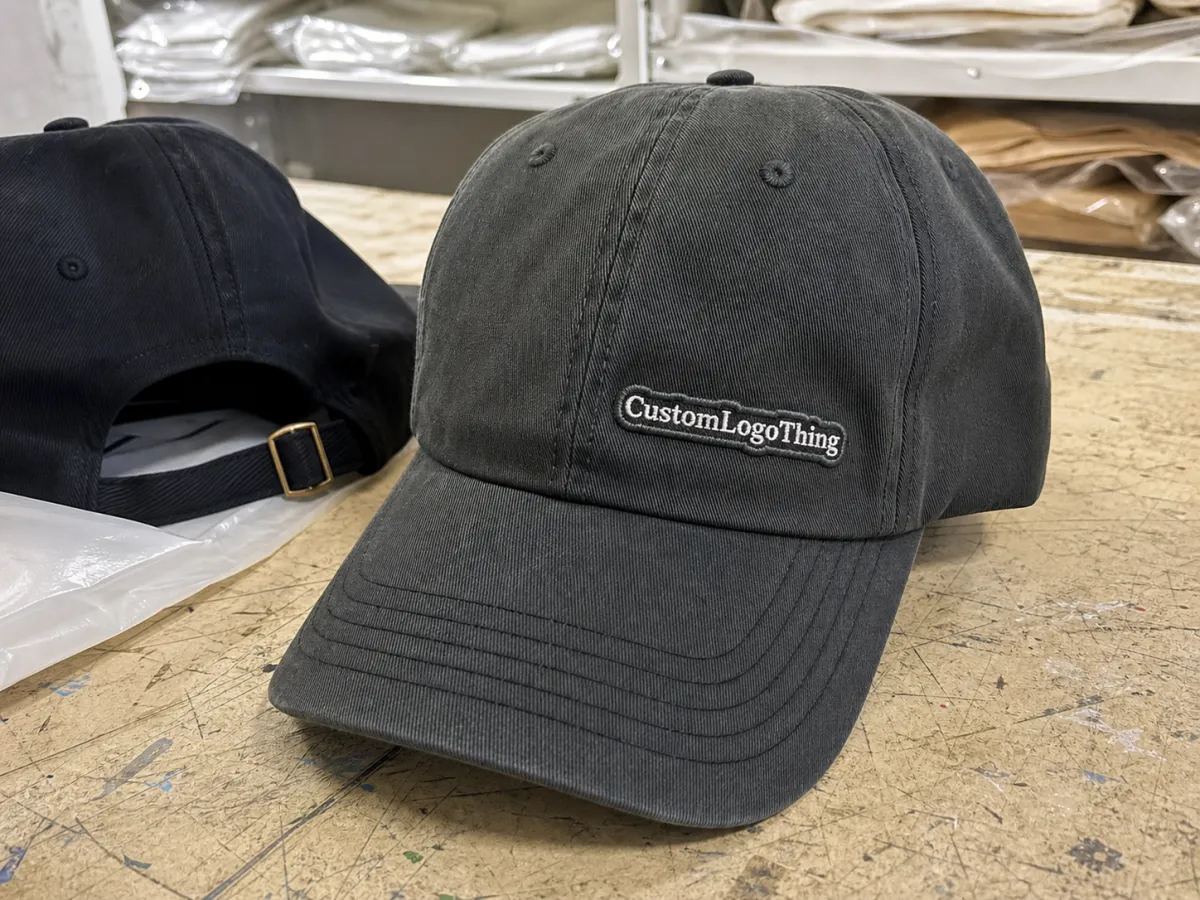
Two caps can start with the same blank and land in completely different retail lanes. Ask for a logo patches quote for retail merch with the right details, and the difference gets obvious fast. One cap feels like giveaway stock. Another looks ready for a $28 to $45 shelf price.
The difference usually sits in the small stuff: patch material, edge finish, stitch density, placement, backing, and how the patch behaves on the crown. A 2.5-inch woven patch sewn onto a structured cotton twill cap has a different hand feel than a thin heat-applied emblem on a soft, low-profile dad hat. Both can work. They are not interchangeable.
Retail caps need texture, shape, and perceived durability. That is why patches often beat flat print on structured caps, trucker hats, rope hats, dad hats, beanies, and limited merch drops. Embroidery still has a place, of course. But a separate patch gives the logo a framed shape, a tactile edge, and better consistency across multiple cap colorways.
A useful quote is not just a patch price. It should separate the cap blank, patch production, application labor, setup or digitizing, proofing, packaging, freight, and timeline assumptions. If the order needs a pre-production sample, retail poly bags, hangtags, barcode labels, or split shipments, those are not tiny footnotes. They affect the real cost.
Practical rule: if the cap will be sold, not handed out, quote it like a finished retail product. The patch, cap body, packaging, and freight all protect the margin.
Clean quoting also prevents the familiar trap: approving a sharp digital mockup, then learning later that the chosen patch type, crown shape, or attachment method does not match the budget or ship date. Very fun. Very avoidable.
Patch Styles That Work Best on Retail Caps and Hats
Patch choice drives the look, the production method, and the price. Each construction has its own tooling, cutting, backing, thread count, mold, or application requirement. A precise quote should name the patch type instead of treating every patch like the same little badge with different vibes.
| Patch Style | Best Retail Use | Typical Detail Level | Cost Direction |
|---|---|---|---|
| Embroidered | Heritage logos, outdoor caps, brewery merch, workwear looks | Medium detail; raised thread texture | Efficient on many standard runs |
| Woven | Small lettering, compact logos, clean fashion labels | High detail; flatter surface | Often efficient for detailed designs |
| Chenille | Varsity marks, boutique drops, oversized front patches | Bold shapes; limited fine detail | Higher due to bulk and texture |
| PVC | Weather-resistant caps, tactical styles, bold molded logos | Medium to high, depending on mold | Higher setup and tooling influence |
| Faux Leather | Premium outdoor, lifestyle, tonal branding | Best with clean line art | Moderate to premium, depending on cut and engraving |
| Sublimated | Gradients, full-color art, photo-like graphics | Very high color range | Depends on size, backing, and application |
Embroidered patches are strong for brands that want raised thread texture and a classic cap look. They handle bold marks well, but tiny lettering can get muddy. Woven patches are better for small text, thin borders, and compact logos under roughly 3 inches wide because the weave can hold finer detail with a flatter surface.
Chenille has a very specific personality. It works for oversized varsity marks, boutique drops, and designs that should feel plush and loud. It can look clumsy on a low-profile cap, though, especially if the patch is too large or the crown has little structure. PVC gives a molded, weather-resistant finish and works best with strong shapes, clear layers, and intentional depth.
Faux leather, often called leatherette, creates a premium outdoor or lifestyle look in tan, charcoal, black, brown, or other neutral tones. It usually needs simplified artwork and good contrast between the engraving and the base material. Sublimated patches solve a different problem: full-color art, gradients, shadows, and photo-like graphics that thread cannot reproduce cleanly.
Match the patch to the cap body. Lighter woven patches suit Unstructured Dad Hats because they do not fight the soft crown. Thicker embroidered, chenille, or PVC patches usually need more support underneath, such as a five-panel camper, foam trucker, structured snapback, rope hat, or mid-profile cotton twill cap. Ignore that, and the cap may pucker, sag, or look front-heavy.
Specifications That Make a Patch Quote Accurate
A vague request gets a vague price. Shocking, I know. For a dependable logo patches quote for retail merch, send the patch width and height, shape, border style, color targets, backing type, cap style, crown height, panel construction, placement, and total quantity.
Common front patch sizes on caps often run from about 2 inches to 3 inches wide for compact logos. Wide rectangular trucker patches may sit closer to 3.5 inches to 4 inches, depending on the front panel. Small side patches, back labels, and woven tabs can be much narrower, sometimes under 1.5 inches. Scale matters because a 0.25-inch change can affect stitch count, die cutting, mold detail, and whether the patch actually fits between seams.
Border selection changes the finish. A merrowed border gives a rounded, traditional edge, but it works best on simple shapes like circles, ovals, squares, and rectangles. Heat-cut edges are flatter and can follow custom shapes. Satin stitch borders create a clean embroidered frame. Laser-cut leatherette edges look sharp, but the artwork has to tolerate heat, engraving, and material behavior. PVC edges are built into the molded design, so they need to be planned before tooling.
Attachment method deserves its own line on the quote. Sew-on application is usually the strongest retail-ready choice for cap patches because the patch is mechanically attached to the fabric. Heat press can work on certain patch and fabric combinations, but pressure, temperature, dwell time, and cap shape all have to cooperate. Adhesive backing is often useful for positioning before sewing. It should not be treated as the only bond for caps expected to survive retail handling and regular wear. Hook-and-loop works for tactical or removable designs, though it adds thickness and changes the look.
Artwork quality matters more than buyers sometimes expect. Vector files such as AI, EPS, SVG, or clean PDF files are preferred. Pantone targets or thread color references help control expectations, although thread, PVC, leatherette, and sublimation do not reflect color the same way. Tiny text below roughly 0.12 inch high, thin outlines, shadows, tight gradients, and small counters inside letters may need simplification before production. Better to find that out during proofing than after 300 caps are decorated.
Pricing, MOQ, and Unit Cost Factors for Custom Patch Caps
Pricing for custom patch caps is built from several line items, not one magic number hiding in a spreadsheet. A serious quote should show the cap blank or custom cap cost, patch production, patch application, setup or digitizing, sample fees when needed, retail packaging, labeling, and freight.
MOQ depends on patch type, cap availability, and setup. Lower quantities usually carry higher unit costs because artwork proofing, machine setup, sewing alignment, and administrative handling are spread across fewer pieces. A 48-piece test run can make sense for a limited drop. It will not price like a 500-piece replenishment order.
Typical cost drivers include patch size, number of colors, stitch density, molded details, laser-cut edges, cap quality, sewing complexity, private-label packaging, and shipping destination. A small woven patch on a stock dad hat may land in a very different cost bracket than a large PVC patch sewn onto a structured rope cap with individual poly bags and barcode labels.
For planning, tiered pricing helps. Ask for a launch quantity, a replenishment quantity, and a larger wholesale or event quantity. For example: 72 pieces, 144 pieces, and 300 pieces. The exact tiers depend on the program, but the comparison shows whether a larger run improves margin enough to justify carrying more inventory.
There are practical ways to reduce cost without making the product look cheap. Standardize the patch size across multiple cap colors. Limit color count where the logo allows it. Choose a cap body that supports the patch weight from the start. Group colorways under one production plan so proofing and setup are not repeated for no good reason. If retail packaging is required, specify it before the unit cost is approved, not after everyone has emotionally moved on.
Price ranges vary by supplier, quantity, and decoration type, but buyers should expect low-volume retail patch cap runs to carry noticeable setup and labor weight. Patch-only costs may look small on paper, then application, sampling, cap upgrades, and freight change the total. That is normal. The useful number is landed cost per sellable cap, not the lowest isolated patch price.
Packaging standards may matter if caps ship through ecommerce, wholesale cartons, or third-party fulfillment. For broader distribution planning, resources from the International Safe Transit Association can help buyers understand why carton strength, packing method, and transit testing affect product presentation after shipping.
Process and Timeline From Artwork to Finished Headwear
The cleanest production path runs in order: quote review, artwork cleanup, patch proof, cap selection, sample or pre-production approval, bulk patch production, application to caps, quality control, packing, and shipping. Skip steps only when the order is simple, repeatable, and already proven.
During proofing, the team confirms size, colors, stitch direction or material texture, border style, placement, and logo simplification. A flat logo on a screen often needs adjustment before it becomes thread, PVC, leatherette, or a woven label. Small letter counters, thin outlines, and stacked text can fill in if the patch is too small.
A physical sample is worth the added time for first-time retail launches, premium price points, new cap styles, or artwork with tight lettering. Buyers sometimes try to save a few days by skipping sampling, then lose more time later if the patch feels too heavy, the crown puckers, or the logo reads poorly from six feet away. Not exactly a win.
Lead time depends on artwork readiness, patch type, order volume, cap stock, approval speed, packaging requirements, and freight method. A simple repeat order may move much faster than a new PVC mold or chenille patch with revised artwork. If caps need hangtags, UPC labels, size stickers, or special master cartons, include those details before the final production schedule is set.
Build in approval time on the buyer side too. Delayed artwork feedback, missing color references, late cap substitutions, and undecided packaging can slow an order more than the production floor itself. If there is a launch date, event date, retailer delivery window, or ecommerce drop, share it before the quote is finalized.
For paper-based hangtags, belly bands, or FSC-labeled packaging components, ask early about material requirements. The Forest Stewardship Council provides useful background on responsible fiber sourcing, but any claim or logo use needs proper chain-of-custody support from the packaging supplier. Do not slap sustainability language on packaging because it sounds nice. Retailers notice. So do regulators.
Retail-Ready Quality Checks Before Caps Ship
Quality control protects the selling price. Before shipment, a good manufacturer checks patch alignment, stitch consistency, edge cleanliness, loose threads, cap panel tension, color consistency, backing security, and overall presentation. The cap and patch should be inspected together, not as separate parts.
That last part matters. A patch can look perfect on a table and still pucker once sewn onto a soft crown. It can also tilt if the front seam, panel shape, or rope placement is not considered during setup. On structured caps, the issue is often alignment and pressure. On unstructured caps, it is often weight, puckering, or a patch that feels too stiff for the body.
Durability expectations should match retail use. Sewn patches generally hold up better through handling, try-ons, storage, shipping, and regular wear than poorly matched adhesives or rushed heat applications. Heat application can be valid, but the patch backing, cap fabric, temperature, dwell time, and pressure need to line up. Guessing is not a process.
Appearance standards matter for stores and ecommerce. Front placement should be centered and consistent. Patch angles should not wander from cap to cap. Brims should not arrive distorted. Crowns should not be crushed in cartons. Labels must scan if barcode labels are part of the order. If caps are individually bagged, the bag should fit the crown without making the item look wrinkled or overpacked.
Ask what the QC check includes before production starts. For retail merch, a basic inspection should cover decoration position, visible defects, color consistency, trim quality, packaging count, carton labeling, and any required retail labels. If the order has multiple colorways, each colorway needs its own placement check. A black patch on a black cap hides different problems than a cream patch on a navy cap.
QC is not just a production task. It is margin protection. Fewer returns, fewer customer complaints, and fewer discounted units mean the original sell price has a better chance of holding.
Quote Mistakes That Slow Down Retail Merch Orders
Most slow quotes start with missing information. A low-resolution PNG, no quantity, no cap style, no deadline, or a request to price six patch types at once can turn a simple quote into a chain of follow-up questions. Nobody gets a prize for that.
Vague requests produce broad price ranges because the estimator has to guess. Is the cap a foam trucker or a brushed Cotton Dad Hat? Is the patch 2 inches wide or 4 inches wide? Is the order 50 pieces or 1,000 pieces? Are the caps going into individual bags, retail boxes, or bulk cartons? Each answer changes the cost model.
Another common mistake is choosing patch style only from a digital mockup. Thread texture, molded PVC depth, leatherette engraving contrast, and cap crown shape all affect the final retail look. A mockup is useful for direction. It does not replace proofing or sampling when the sell price is high or the logo has fine detail.
Changing the patch size or cap style after proof approval can reset pricing, sampling, and lead time. The production setup may need new stitch files, revised molds, updated placement guides, or a different attachment approach. Even a small cap substitution can change the way a patch lays across the front panel.
State the sales channel. Direct-to-consumer retail, wholesale delivery, merch tables, employee resale, and limited drops can all have different packaging, labeling, and reorder needs. If the caps must match shirts, bags, outerwear, or other merchandise in the same collection, share that before color approval. Matching “black” across five product categories is rarely as simple as it sounds.
Also be honest about the target retail price. A cap meant to sell for $18 has different constraints than one meant to sell for $48. The quote should support the margin, not just the prettiest version of the idea.
Next Steps to Request a Clean, Production-Ready Quote
To request a clean logo patches quote for retail merch, gather the practical details before sending the inquiry. The goal is not to overcomplicate the order. The goal is to remove guesswork so Custom Logo Things can price the cap, patch, application, packaging, and freight accurately.
- Logo file: vector artwork is best, but a high-resolution PNG or PDF can be reviewed for cleanup needs.
- Patch type: embroidered, woven, chenille, PVC, faux leather, sublimated, or open to recommendation.
- Cap style: structured, unstructured, trucker, rope hat, dad hat, beanie, five-panel, or reference photo.
- Quantity: include total units and the number of cap colorways.
- Retail details: target sell price, desired brand feel, hangtag needs, bagging, labels, or carton requirements.
- Delivery information: target in-hand date, shipping destination, and whether a sample is required.
Ask for a quote that clearly separates assumptions. At minimum, it should show cap model, patch size, patch type, attachment method, MOQ, production lead time, freight estimate, setup charges, sample costs, and packaging costs if those apply. If you are comparing options, ask for one practical recommendation rather than ten unrelated combinations. Ten options usually create more fog, not better buying decisions.
Before approval, compare the unit cost against expected retail margin. Confirm artwork limitations. Check the delivery schedule against the launch date. Make sure the patch material suits the cap body. If the quote assumes a sewn woven patch and the order later switches to PVC, the price and schedule may change.
If logo files and a cap direction are ready, send the specs through Contact Us. If the patch style is still undecided, Custom Logo Things can narrow the options based on cap style, retail price point, artwork detail, and order size.
A complete request leads to fewer assumptions, cleaner proofs, more reliable unit costs, and less back-and-forth before production starts. That is the whole point.
FAQ
What should I send to get a logo patch quote for retail merch caps?
Send your logo file, preferred patch style, cap type, quantity, patch size, number of colorways, delivery deadline, shipping location, and retail packaging requirements. Vector artwork is best, but a high-resolution image can be reviewed to see whether cleanup or redrawing is needed before production.
How does patch type affect the cost of retail merch hats?
Embroidered and woven patches are often efficient for many retail cap orders, while PVC, chenille, and faux leather can cost more depending on tooling, size, detail, and application method. The final unit cost also depends on the cap blank, sewing labor, quantity, packaging, setup, and freight.
What is the usual MOQ for custom logo patches on caps?
MOQ depends on patch material, cap availability, and production setup. Higher quantities usually reduce the unit cost because setup and proofing are spread across more pieces. Buyers should request tiered pricing so they can compare a small launch run against a larger retail or wholesale order.
Can I see a sample before approving bulk patch cap production?
A sample or pre-production proof is recommended for first-time orders, premium retail launches, complex logos, or new cap styles. Sampling can add time and cost, but it helps confirm patch scale, color, placement, texture, and cap fit before the full order is produced.
How long does a custom patch hat order take after quote approval?
Turnaround depends on artwork readiness, patch type, order size, cap stock, sample approval, packaging needs, and shipping method. Fast approvals and complete specifications help keep the order moving; late artwork changes or cap substitutions can extend the timeline.


