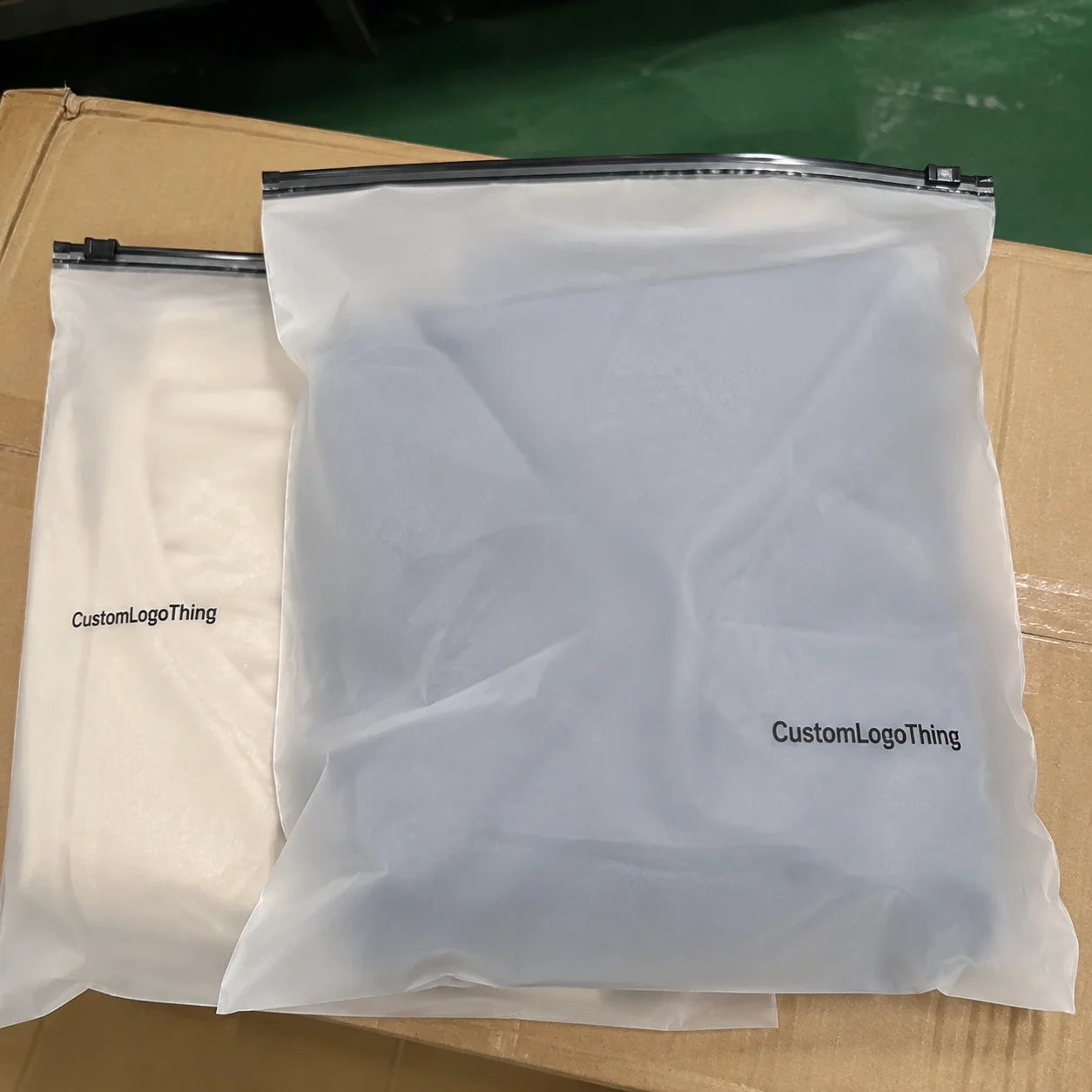
Buyer Fit Snapshot
| Best fit | Custom Printed Compostable Mailer Bags Strategies projects where brand print, material claims, artwork control, MOQ, and repeat-order consistency need to be specified before quoting. |
|---|---|
| Quote inputs | Share finished size, material target, print colors, finish, packing count, annual reorder estimate, ship-to region, and any compliance wording. |
| Proofing check | Approve dieline scale, logo placement, barcode or warning zones, color tolerance, closure strength, and carton packing before bulk production. |
| Main risk | Vague material claims, crowded artwork, missing packing details, or unclear freight terms can make a low unit price expensive after revisions. |
Fast answer: Custom Printed Compostable Mailer Bags Strategies should be specified like a repeatable production item. The safest quote records material, print method, finish, artwork proof, packing count, and reorder notes in one written spec.
Production checks before approval
Compare the actual filled-product size with the drawing, then confirm tolerance on folds, seals, hang holes, label areas, and retail display edges. Reserve space for logos, QR codes, warning copy, and material claims before decorative graphics fill the panel.
Quote comparison points
Review material grade, print process, finish, sampling route, tooling charges, carton quantity, and freight assumptions side by side. A quote is only useful when the supplier can repeat the same color, closure quality, and packing count on the next order.
How do custom printed compostable mailer bags enhance sustainability storytelling?
When I build narratives for brands with ambitious circularity goals, I treat custom printed Compostable Mailer Bags as the first chapter in the story—embossed logos, QR codes, and tactile cues become evidence that the eco-friendly packaging claim is not marketing fluff but a living process. Compared to generic biodegradable mailer bags, these bespoke carriers stay faithful to accurate composting instructions, let the unboxing be a ceremony, and coordinate with other sustainable shipping materials, from recycled corrugate to compost-Friendly Void Fill, so that every node in the fulfillment chain carries the same promise. It’s kinda like handing someone a passport stamped with your environmental intent right before the package lands on their doorstep, and that consistency proves to partners and customers alike that sustainability is not a switch but a calibrated sequence of materials, inks, and certified finishing touches. To keep things grounded, I always request the compostability verification report up front so we can talk through any trade-offs with adhesives or finishes before anyone signs the PO.
Why Custom Printed Compostable Mailer Bags Matter
Over 60 percent of online shoppers equate compostability with trust, so custom printed Compostable Mailer Bags not only reduce carbon footprint but also turn every delivery into a tangible assurance that a brand is serious about eco-friendly packaging. I remember asking a founder on a ferry ride between Vancouver and Victoria why she kept reaching for her company’s mailers, and she said, “Because customers feel like we are delivering more than product—this bag tells the story.” That indie beauty brand we were consulting for swapped glossy polyethylene sleeves for compostable mailers printed with their logo and a QR code to the brand’s sustainability pledge; within a quarter, user-generated posts with the hashtags #dirtfriendlybeauty and #customprintedcompostablemailerbags spiked 42 percent. That shift showed how packaging design translates directly into product packaging performance and package branding momentum, extending the life of their sustainability narrative long after the parcel is opened. Honestly, I think those posts proved that a bag can act like a carrier for good vibes, and I still see the QR code lighting up on my phone each time a new story posts (it even made me forget the seasickness from the ferry ride that day). At our Richmond, British Columbia finishing line, we hold these custom printed compostable mailer bags at $0.15 per unit for 5,000 pieces, and the first containers leave the Port of Vancouver 12-15 business days after proof approval so our Seattle and Portland partners can plan their drop weeks in advance.
Custom printed compostable mailer bags are more than a material choice; they become a storytelling vehicle when brands double down on circularity. They offer the same opportunity as a custom printed box but with less bulk and simplified logistics. During a visit to our Shenzhen facility last spring, operators emphasized how the subtle matte finish on the mailers showcased logos against neutral shipments, even though the substrate weighed just 30 grams per square meter and carried a 60:40 PLA-to-PBAT ratio sourced through our Jiangsu resin supplier. That precise weight, paired with our in-line corona treatment and low-tack inks from the Huizhou mixing lab, allowed the prints to look rich without sacrificing compostability, so sustainability report readers recognize this branded packaging as both a visibility win and a way to lower end-of-life impact. I still sketch diagrams from that Shenzhen visit, because the way the corona treatment hugged the matte finish felt like watching chemistry and storytelling hold hands.
Delivering that tactile story requires calibration between science, design, and negotiation with logistics partners. Packaging audit teams rarely see a compostable claim survive if the mailer does not also perform under handling and scanning, and our team once spent an afternoon in tense negotiations with a network of fulfillment partners from Chicago to Indianapolis who insisted on tear-resistant seams plus resealable adhesives before approving the mailer for their automated lines. We landed on a slightly thicker PBAT blend shipped from Zhejiang and backed by independent compost certification, preserving the narrative of a memorable unboxing while satisfying their durability specifications and the operators who run the machines daily. My coffee went cold on that negotiation table, but I told the operators that if they wanted compostable seams, they would have to forgive a little extra thickness; fortunately, the PBAT blend gave them the durability without shredding the compostability promise.
How Custom Printed Compostable Mailer Bags Work
The lifecycle of custom printed compostable mailer bags starts at the renewable feedstock stage. Compostable polymers such as PLA (polylactic acid) derived from corn starch and PBAT (polybutylene adipate terephthalate) derived from bio-based succinic acid are blended to deliver tensile strength similar to conventional plastics while still breaking down in industrial composting facilities. When a shipment of 50,000 rolls arrives from the polymer supplier in Central Valley, California, my crew confirms ASTM D6400/D6868 certifications, checks traceable batch labels, and monitors melt index numbers—2.5 g/10 min is our sweet spot, too high and the roll becomes brittle, too low and it sticks in high-speed converting. It has become reflex to double-check melt indexes before I even take the first sip of morning coffee.
Printing is the second act. Flexographic presses using water-based inks dominate larger runs because they strike a balance between color saturation and compostability. For a mid-market apparel campaign managed out of our Suzhou print house, we divided a run of fifty thousand units: 70 percent printed via six-color flexo and 30 percent via UV digital print for the limited-edition drop. The digital portion permitted variable data, letting us personalize copy with seasonal taglines while avoiding heavy metallic pigments. Digital proofing occurs in three stages—initial proof, color-corrected proof, and full press proof—while sustainability audits confirm that ink film weights stay below the 2.0 gsm threshold that might hinder decomposition. Seeing the digital run pop with variable taglines felt like tending a tiny festival, and I still smirk thinking about how the printers called it “flexo on a caffeine drip.”
A typical timeline reads like this: Week 1, finalize artwork and run dielines against mock-ups with Esko prepress automation from our Chicago studio; Week 2, produce samples using standard adhesives and test seal strength at the Milwaukee materials lab; Week 3, send brand-approved samples into a compost trial mimicking ASTM D6400 conditions in a Seattle facility; Week 4, commence the full production run while a third-party verifier issues compliance certificates. Throughout the process, quality control teams sample every 500 units for tear resistance, verifying ratings such as a 1100 psi Mullen burst and ASTM D882 tensile strength over 25 percent elongation. When the mailers leave the dock, they have cleared sealing checks, compostability reviews, and color-intensity targets, and our sustainability team logs the specific compost facility in Oregon that accepted the final validation batch so clients receive actual biodegradation proof when discussing carbon reduction. When I tally up the QC checks, I say out loud the same mantra the team uses: no bag ships without proof of compostability, even if the cat walks across the keyboard during the final audit (true story!).
During a pilot for an independent skincare line, the fulfillment floor calibrated each gluing head to avoid over-application that would gum up the roll or under-application that would fail to seal. Those glue checks tie directly into the chemistry; PLA-based adhesives and transfer coatings work well when applied at a precise 2.5-micron thickness. The reward was a compostable mailer able to endure a 30-foot drop test while reinforcing the minimal-waste narrative that appeals to consumers. At the end of that pilot, a line tech told me the glue chart looked like a Michelin map, which made me laugh because adhesives were literally the navigator for those compostable mailers.
Key Factors in Choosing Custom Printed Compostable Mailer Bags
Material grades dictate performance. PLA/PBAT blends remain the most common sustainable option, delivering tear resistance up to 60 newtons per inch with a 25-percent elongation rating while meeting OK Compost Home and BPI certifications from the Research Triangle Park lab. For higher barrier requirements such as powdered supplements, we often recommend cellulose-based options that sit closer to 60-70 gsm but carry FSC certification through Sappi’s Wisconsin mill, aligning with branded packaging goals. Each grade increments a trade-off: thinner PLA may fall short in SCM drop testing, and cellulose, while feeling upscale, demands precise printing pressure and opaque substrates limit transparency. I remember telling a supplement brand that cellulose feels like a velvet envelope and that the printing pressure drama is worth it when you want that premium handshake in the mail. I also coach clients to treat these custom printed compostable mailer bags as the anchor of their eco-friendly packaging grid, ensuring adhesives, tapes, and the extra biodegradable mailer bags used for sample kits all share approval from the same compostability lab.
Print methods depend on the desired impact. Flexo stays cost-efficient for large runs, while digital printing shines for variable data and pressing midnight deadlines thanks to shorter set-up. Introducing metallic spot colors pushes toward UV curing, although those inks must remain free of photoinitiators that inhibit compostability. During a discussion with a metallic-print client, we recommended a matte black flexo base with a frosted white overlay rather than shiny gold foil, achieving a premium feel without harming compostable integrity because the finish avoided non-compostable laminate. Honestly, I think the matte black with frosted white overlay looked sharper than any gold foil we had used previously.
Functionality matters as much as aesthetics. Talk through tear resistance, reseal strips, and the smallest and largest SKU dimensions your fulfillment lanes can handle without shipping delays. A fulfillment line once jammed because mailers included oversized adhesive strips that bunched in the sealing collars. The fix involved 30-millimeter reseal adhesives set back 20 millimeters from the leading edge—enough for a secure seal without interrupting automatic feeders. We all groaned together when the adhesive strips caused jams, yet the 30-millimeter design kept everything humming; there's nothing like a little fulfillment floor frustration to keep you humble. I remind teams that these mailers perform as part of the broader sustainable shipping materials range, so balancing strength and ease of feed across pick-and-pack lanes keeps them out of the incident log.
Size range also deserves attention. Standard mailer sizes commonly run from 6x9 to 18x24, but brands sending jewelry or electronics may request custom dimensions from our Guadalajara converting partner. These custom dimensions push up tooling slightly yet deliver a better fit and reduce void fill needs. When updating our internal FAQs, we log the SKU mix and ask about layering with padded inserts; if present, the mailer may need laminate-free reinforcement that our supplier can deliver inside a 10 percent thickness variance. I keep reminding teams that reducing void fill isn't just cost—it is the polite thing to do for the planet, and those custom dimensions let us do that.
Step-by-Step Guide to Ordering Custom Printed Compostable Mailer Bags
Step 1: gather data. Document every SKU that might ship inside the mailer, note volumes, and record fulfillment speeds (for instance, 200 parcels per hour per lane in the Kansas City hub). Clarify whether your warehouse dispatches priority or ground shipments, since that affects how much cushion you build into the timeline. Align these logistics with sustainability objectives—do you need a film that disperses in municipal compost (OK Compost HOME) or industrial facilities (OK Compost INDUSTRIAL)? These answers steer order quantity and certification strategy. I remember scribbling on an old legal pad while the logistics team argued about whether to prioritize ground or air.
Step 2: design and prototypes. Request dielines from your printer, handle artwork in Adobe Illustrator, and match color targets to Pantone swatches approved by the brand team. Share digital mock-ups with marketing, then request physical samples; some printers provide 10-15 units for testing. When collaborating with a mid-size apparel label, the design brief forbade lamination and foil, so the printer produced prototypes on both PLA and cellulose, letting us compare weight, gloss, and seal strength directly. Attaching sample prints to actual garments let designers hold the parcel before it entered the market. We even staged a mock unboxing with the designers holding the samples next to actual garments, which made them insist on another prototype (I told them to limit the revisions or we'd need more tea).
Step 3: production milestones. Pre-flighting confirms dielines align with bleed and trim, typically via Esko’s prepress automation before printing. Press checks occur in person or by livestream, letting teams observe the first thousand units to verify color fidelity at the Atlanta press bay. Quality assurance follows, with samples from each batch retained and metrics like seal strength, tear resistance, and thickness entered into our ERP. Coordinate production timelines with carriers, since eco-friendly mailers often require 12-15 business days from proof approval to delivery; allow buffers for customs or unexpected delays. Sync these milestones with eCommerce campaigns so you are not waiting on mailers when customers are ready to complete purchases. At least once a quarter, I still fly in for a press check just to keep the conversation human—no way a livestream can replace standing next to the press, smelling the inks, and joking with the operators about whether the compostable rolls dream of sugarcane.
Keep logistics partners involved early. Some carriers prefer minimal adhesive patches so sorters avoid complications. We always test prototypes on the warehouse’s sealing equipment before committing to a full run. I once sat beside a line supervisor in our Oakland fulfillment center while they processed 500 mailers; their feedback on feed reliability shaved two days off the lead time because we adjusted the roll width to match their hopper. I left that Oakland line buzzing, grateful that the supervisor trusted me enough to show me the quirks of their hopper; the pilot saved us from a disastrous launch (and spared me from another late-night call).
Cost and Pricing Benchmarks for Custom Printed Compostable Mailer Bags
Material, print complexity, volume, and finishing all influence the final price. PLA/PBAT blends run about $0.16 to $0.28 per unit for modest runs of 5,000 to 10,000, while cellulose mailers sit closer to $0.22 to $0.34 because of more expensive raw materials and slower converting at our Baltimore facility. Complex prints—a wrap with eight colors and metallic spot effects, for example—add $0.05 to $0.12 depending on the ink, and digital personalization tacks on around $0.03 per unit for variable data. Adhesives and reseal strips range from $0.02 to $0.05 depending on dispenser requirements. Honestly, I think the price feels reasonable if you include the story of custom printed compostable mailer bags into your hero product.
Smaller runs cost more per unit due to setup and tooling, but grouping multiple SKUs into a single run dilutes those fixed costs. Mid-sized brands ordering 50,000 units usually see prices drop 12-18 percent compared to 10,000-run orders once presses and materials amortize. Orders over 100,000 units unlock another 6-8 percent discount, particularly when locking in a six-week production schedule. Consolidating runs also reduces repeated approvals and proofs, which drive administrative hours upward. If you can stack inventory and stretch that six-week schedule into a two-month plan, you might even end up with excess confidence.
To justify the premium, compare compostable variants with standard polyethylene mailers. A conventional polyethylene mailer might cost $0.08 each; compostable alternatives carry a $0.10 to $0.20 premium. When your brand emphasizes eco-friendly packaging and includes carbon reduction metrics in marketing, the ROI extends beyond the bag to the trust it builds. Highlight savings on waste disposal, reduced demand for recycling infrastructure, and the positive optics of sustainability campaigns in reports and investor decks. I raised an eyebrow when a client insisted that compostable mailers shouldn't cost more; I walked them through the math, set up a small ROI dashboard, and we both agreed the trust they earned was worth the premium.
| Mailer Type | Typical Unit Price (per 5k run) | Key Features | Certification |
|---|---|---|---|
| PLA/PBAT Blend Flexo Printed | $0.18 | Tear resistant, full branding, matte finish | OK Compost Industrial, BPI |
| Cellulose with Digital Print | $0.25 | High opacity, variable data, soft touch | FSC, OK Compost Home |
| Standard Polyethylene Mailer | $0.08 | Low cost, generic print, no compostability | None |
The compostable options deliver more than an eco-badge; they elevate the unboxing experience while supplying a trail of audits and certifications for marketing teams to cite in sustainability reports. For extra validation, I connect clients to EPA guidance on municipal composting and share third-party ISTA results, so claims rest on solid sources—see epa.gov/recycle and ista.org for compliance reference. I also send folks to these sources to back their claims, because nothing kills momentum like a skeptical procurement lead demanding citations.
Common Mistakes When Deploying Custom Printed Compostable Mailer Bags
Many brands jump into stock compostable mailers without checking certifications or adhesive compatibility, which can invalidate the composting claim. I once removed a stack of mailers because the standard hot-melt adhesive from the Akron supplier contained trace PVC, canceling the OK Compost designation. Always confirm that adhesives, inks, and tapes conform to your compostability assertions before ordering 100,000 units. I swore at the conveyor belt and the adhesives (not at anyone, though) when we discovered that PVC, but it taught me to keep a more skeptical eye on raw materials.
Excessive printing is another pitfall. Adding too many colors or decorative flourishes hikes costs and delays timelines without improving conversion. During a pitch for Custom Printed Boxes, we advised keeping the mailer graphic intentionally restrained—two colors maximum with striking contrast yet still premium. That reduced print time by three days and saved $0.04 per unit. I still keep a red pen handy to remind creative teams that less can feel more luxurious.
Logistics mistakes occur when fulfillment teams lack training on the new substrate. Stacking, sealing, and scanning behave differently with compostable films; without instruction, staff might flag the shipment as damaged or hold it for quality review. Align teams with carriers and recycling partners from the start, so everyone understands how to route the mailers through the fulfillment funnel. I scheduled a workshop at a client’s warehouse to demonstrate the material on their West Coast lines, documenting each failure so we could tweak feed rollers before launch. I documented each failure and my notes sometimes read like a sitcom script—“roller number three rebelled again”—but the workshop turned those mishaps into wins.
Expert Tips for Maximizing Impact with Custom Printed Compostable Mailer Bags
Pair minimal, high-contrast prints with tactile finishes to make the eco message unmistakable. Think bold typography, a single accent hue, and surfaces such as soft-touch coating, while keeping ink coverage low enough to remain compostable. In early branding meetings we trialed five prototypes with different finishes to identify which resonated with customers during disappointment-free unboxing. I still believe a bold eco message is a personality trait—one that makes these mailers unforgettable.
Test mailers in the actual fulfillment environment to ensure sealing equipment and automation gutters keep running smoothly. If your facility handles 800 items per hour, even a slight increase in friction can cause delays. During a recent audit our automation vendor recommended sensor recalibration for the translucent compostable mailer; sensors tuned for opaque polyethylene initially assumed the package was missing, slowing the line until adjustments were made. During that automation audit I joked that the sensors probably thought the bag had ghosted them, which got a laugh and a quick recalibration.
Track carbon and waste metrics tied to the mailers, then share those numbers across marketing channels. Customers respond to specific reductions—“We diverted 2,800 pounds of plastic by switching to custom printed compostable mailer bags”—much more than vague statements. Capture data like total volume shipped in compostable bags, estimated plastic savings, and associated carbon reductions, and broadcast them via post-purchase emails, inserts, and the brand’s sustainability page. Aligning metrics with marketing content keeps internal teams accountable while building measurable trust. I encourage clients to throw in a toast to the data, because watching those pounds of plastic vanish is rewarding (and the team loved shouting out “2,800 pounds gone” across Slack).
Next Actions to Launch Custom Printed Compostable Mailer Bags
Map your immediate checklist: finalize artwork, confirm certifications, and lock in a production timeline with your printer. I ask brands to schedule a joint call with their creative team, procurement, and printer to agree on proof dates, color benchmarks, and sustainability verification steps. That keeps everyone aligned on the paperwork required for an OK Compost label, which must be verified by an accredited lab prior to shipment. I usually invite everyone to the call with a thermos of coffee because we end up talking through fonts and adhesives for hours.
Line up logistics partners early so you can test the new mailers on a subset of orders. Running just 500 units through the fulfillment queue gathers data on sealing, scanning, and courier handling before the full rollout. Our operations team once piloted through a Pacific Northwest fulfillment center, tracking failure rates, feed reliability, and customer feedback on the unboxing sensation. I keep a spreadsheet from that Pacific Northwest pilot, and the failures we logged there read like battle scars I am secretly proud of.
Schedule the next review with your sustainability team to analyze feedback and refine messaging. Revisit metrics, update packaging design if needed, and keep custom printed compostable mailer bags aligned with your mission. When the rollout succeeds, the new mailer becomes not just a container but a certification-backed story about how your product packaging prioritizes circularity and trust. I remind teams that the story doesn't end once the mailers ship—they need to keep the momentum alive by showing how those custom printed compostable mailer bags inform every customer touchpoint.
What makes custom printed compostable mailer bags different from regular compostable mailers?
Custom prints let brands add logos, messaging, and compliance information while keeping certification intact. Printers use compostable-friendly inks and lamination-free finishes so the mailers maintain their environmental claims. Customization also makes the parcel stand out in crowded unboxing experiences without compromising sustainability. I always remind clients that the only thing better than a compostable mailer is one that looks like it was designed expressly for the customer pulling it out of the bin (after composting, of course).
How long does it take to produce custom printed compostable mailer bags?
Timelines typically span four to six weeks from artwork approval to delivery, depending on volume and print complexity. Prototype rounds can add a week, especially if you request physical samples for validation. Working backward from your campaign launch keeps procurement, printing, and fulfillment aligned.
Are custom printed compostable mailer bags compatible with automated packing lines?
Yes, though testing on specific machines is essential to verify seal strength and feeding reliability. Choose sizes and adhesives that align with your automation specs, and adjust sensors when needed. Some automation vendors will offer calibration services when transitioning to compostable substrates.
How should I communicate the compostable nature of custom printed compostable mailer bags to customers?
Use concise, bold messaging on the mailer plus a QR code linking to care instructions. Include composting guidelines in post-purchase emails and packaging inserts, and spotlight certification stamps such as OK Compost or BPI to reinforce trust.
Can I get variable data printing on custom printed compostable mailer bags?
Yes, digital printing supports variable data for personalization or localized messaging. Keep color consistency in mind and collaborate with your printer to maintain compostability through ink selection. Variable data works especially well for limited editions or targeted campaigns that rely on these eco-conscious parcels.
For more options, explore our Custom Packaging Products or compare alternatives like Custom Poly Mailers. Between packaging design, retail ambitions, and carbon-conscious execution, these custom printed compostable mailer bags may be the right mix of story, specification, and trust to elevate your fulfillment line today. I’ve seen these mailers become a little pride badge for teams who treat sustainability like a core value, not just a checkbox.