Buyer Fit Snapshot
| Best fit | Custom Printed Envelopes Cmyk projects where brand print, material claims, artwork control, MOQ, and repeat-order consistency need to be specified before quoting. |
|---|---|
| Quote inputs | Share finished size, material target, print colors, finish, packing count, annual reorder estimate, ship-to region, and any compliance wording. |
| Proofing check | Approve dieline scale, logo placement, barcode or warning zones, color tolerance, closure strength, and carton packing before bulk production. |
| Main risk | Vague material claims, crowded artwork, missing packing details, or unclear freight terms can make a low unit price expensive after revisions. |
Fast answer: Custom Printed Envelopes Cmyk: Material, Print, Proofing, and Reorder Risk should be specified like a repeatable production item. The safest quote records material, print method, finish, artwork proof, packing count, and reorder notes in one written spec.
Production checks before approval
Compare the actual filled-product size with the drawing, then confirm tolerance on folds, seals, hang holes, label areas, and retail display edges. Reserve space for logos, QR codes, warning copy, and material claims before decorative graphics fill the panel.
Quote comparison points
Review material grade, print process, finish, sampling route, tooling charges, carton quantity, and freight assumptions side by side. A quote is only useful when the supplier can repeat the same color, closure quality, and packing count on the next order.
Custom Printed Envelopes CMYK: Color Accuracy Basics
Custom printed envelopes CMYK can look sharp, credible, and unmistakably on-brand when the artwork, paper, and press settings are matched before the first sheet runs. That matters because the envelope is usually the first physical brand signal anyone sees. Long before the package is opened, color is already doing work.
For a packaging buyer, that first impression belongs to package branding, not stationery. A logo that lands a shade too dull, type that prints too small, or placement that fights the seam can make an entire mail piece feel improvised. The product inside may be excellent. The envelope still sets the tone. If envelopes are part of a broader branded system, it helps to compare them with Custom Packaging Products so the visual language stays consistent across inserts, cartons, and outbound mailers.
A clean proof and the right stock usually do more for envelope color than any glossy mockup ever will.
Why custom printed envelopes CMYK get noticed before the package is opened
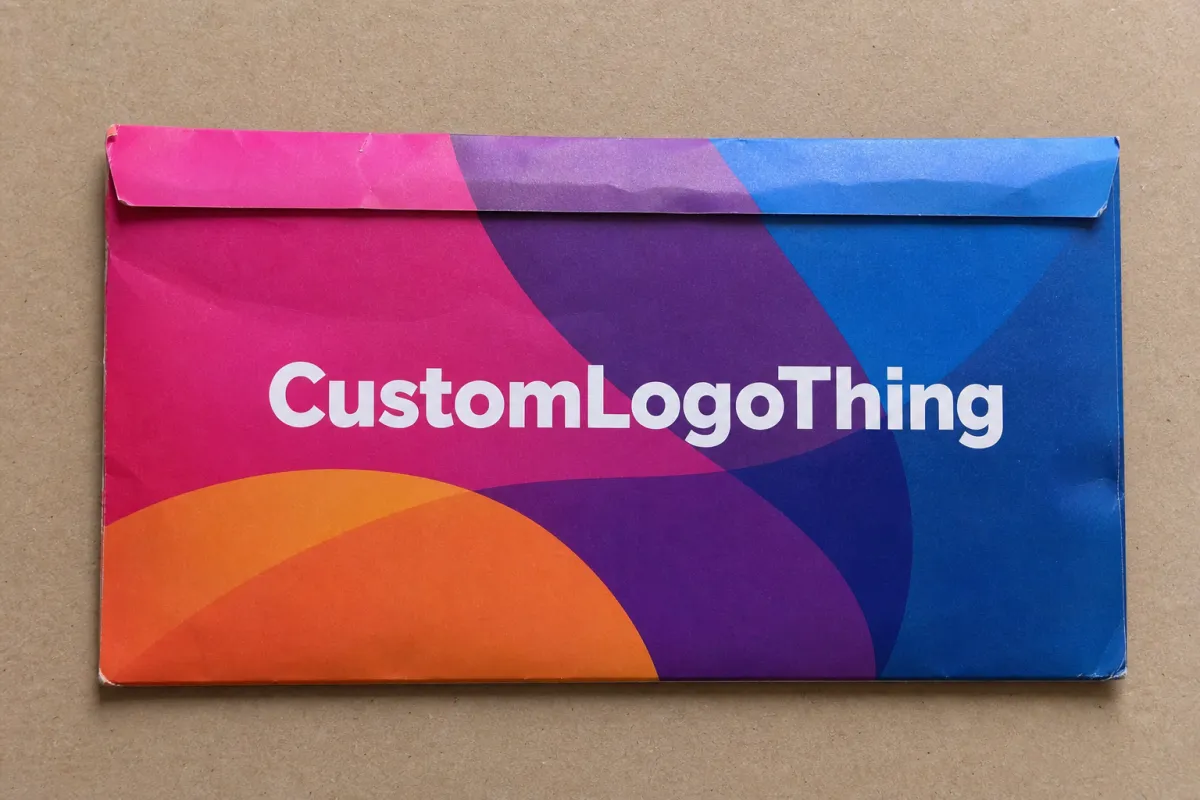
A mailroom sees the envelope before the contents. That sounds obvious, yet it changes the way buyers should judge the order. A clean logo, a brand blue that reads correctly at arm's length, and a layout that feels deliberate can make the piece look organized before it is even opened. Muddy print, weak contrast, or crowded placement has the opposite effect, and the whole campaign can feel rushed because of one small surface.
CMYK stands for cyan, magenta, yellow, and black. Custom printed envelopes CMYK means the artwork is built with those four process inks rather than a single fixed spot color. The press lays tiny dots of ink on the paper, and the eye blends them into the finished color. That process shows up everywhere from inserts and flyers to retail packaging support materials, which makes envelope printing feel familiar to packaging teams even though the format is smaller and less forgiving.
Envelope printing is not the same as printing a flat brochure sheet. Fold lines, side seams, glue flaps, and feeder marks all affect where artwork can safely sit. A logo too close to a seam may stretch, clip, or disappear into the fold. A dark solid that looks smooth on a monitor may show texture once it lands on uncoated stock. The usable print area is often tighter than buyers expect, especially on window envelopes and specialty sizes.
That is why a good result depends on more than the design file alone. The art setup, the envelope stock, and the press method all need to work together. Digital printing can suit short runs and multiple versions. Offset printing usually gives steadier output for larger quantities. Flexographic printing makes sense for long runs with simpler graphics. The best choice depends on the artwork, the budget, and how exact the brand color target needs to be.
For the buyer, the promise is simple: attractive, repeatable color without avoidable reprints, delays, or approval loops. The work starts with the envelope spec, not the mood board.
How CMYK printing works on envelopes
CMYK printing builds color through layers of dots. Cyan shapes cool tones and helps form blues and greens. Magenta adds warmth and supports reds and purples. Yellow brightens the mix. Black deepens shadows, type, and neutrals. On a screen, those colors are light. On an envelope, they are ink on fiber. That difference is why the print never behaves exactly like a monitor preview, even when the file looks perfect in the design app.
Process color is different from spot color. A spot color is premixed, often specified by a Pantone number, and laid down as a dedicated ink. CMYK uses four process inks to simulate the color. That makes custom printed envelopes CMYK a practical choice for gradients, photos, multi-color logos, and layouts that need flexibility without adding extra ink stations. Spot color still matters when exact brand matching outranks range, especially for a signature red or a tightly controlled corporate blue.
The substrate changes the outcome as much as the ink set. Most envelopes use uncoated paper stocks that absorb more ink than coated sheets, so colors can read softer, darker, or less saturated. A solid black on a coated carton sleeve will not read the same way as a solid black on an envelope. That difference is one reason envelope proofs should be judged against the actual stock whenever possible rather than against a generic paper sample.
Press calibration and file conversion matter too. A file created in RGB may look vivid on screen, but it still has to be translated into CMYK for print. Depending on the color profile, total ink coverage, and press condition, some tones shift more than others. Bright greens, electric blues, and certain reds are common trouble spots. A disciplined prepress team checks the file under the intended output profile because a simple conversion can change the look of a logo more than most teams expect.
Different print methods handle the same file in different ways:
- Digital printing often suits shorter runs, versioned campaigns, and fast setup, though the color may vary slightly by device and stock.
- Offset printing usually gives more stable color across larger quantities, especially when the same envelope will be reordered often.
- Flexographic printing can work well for high-volume envelope work, but it favors simpler artwork and solid areas more than fine gradients.
For teams already used to Custom Printed Boxes or other forms of product packaging, the lesson is familiar: the file matters, but the press, substrate, and production settings decide whether the printed piece looks intentional or approximate.
Key factors that change color, stock, and finish
Envelope stock has a bigger influence on color than many buyers expect. Weight, brightness, surface texture, and coating all change how the ink sits and how the eye reads the print. A smooth white 24 lb or 80 gsm envelope usually gives the clearest type and the most predictable CMYK reproduction. A kraft envelope creates a warmer, more natural feel, but the same artwork will usually look darker and less saturated because the brown base tone absorbs and shifts the color.
Brightness matters too. High-brightness white stock reflects more light and makes colors read cleaner. Lower-brightness recycled stock softens contrast. If the design depends on pale tints, light gray type, or delicate brand colors, a darker or rougher stock can make the whole composition feel weaker. That is not a flaw in the paper. It is the paper doing exactly what paper does.
Texture is a design choice, not just a paper detail. Smooth, wove, laid, and recycled finishes each bring a different feel. A laid finish can add a classic stationery character, while a heavily textured recycled stock can support a sustainability story in package branding. The tradeoff is sharpness. Fine type and hairline logos usually hold up best on a smoother envelope face.
Material sourcing matters for buyers who track sustainability claims. If a recycled or FSC-certified option is part of the brief, verify the stock against recognized certification language instead of relying on a vague label. The FSC site is a useful reference for understanding what certified paper means and how chain-of-custody language is typically described.
Artwork structure changes the final appearance just as much as the paper does. Full-bleed coverage can look strong, but it also raises the chance of visible variation if the print is slightly out of register. Fine type smaller than about 6 pt may still print, yet it becomes harder to read on textured stock or in areas with heavy ink coverage. Rich black should be used carefully. It is useful for large solids, but it can become too dense for small type and thin lines. A lot of envelope disappointment comes from placing text too close to the flap fold, seams, or edge trim, where the artwork can clip or distort.
Lighting is the last factor many teams underestimate. Color proofed under a warm office lamp can look different the next day under daylight. If the brand team is making a close call on shade or contrast, a calibrated monitor helps, but a physical proof reviewed under consistent, daylight-balanced lighting around 5000K gives a better read on the real-world result. That matters even more when the envelope sits inside a larger retail packaging or product packaging system and the same brand color has to hold together across several substrates.
Production steps, timeline, and lead time for custom printed envelopes CMYK
The production path is straightforward, but every step can add delay if the file is messy. It usually starts with artwork intake, then prepress review, proof creation, approval, press setup, printing, drying or curing, finishing if needed, and final inspection. A clean order moves quickly. A file with missing fonts, unclear bleed, or color-profile issues slows the schedule before the press even starts.
Common file problems are easy to spot once you know what the production team is checking. Missing fonts can shift type or break layout. Low-resolution images may look fine in a slide deck but print soft or jagged. Incorrect templates create bleed problems, and a design built on the wrong envelope size can place key elements over a seam or fold. Color profile mismatches are another frequent delay because they usually trigger a second review before approval.
Run size affects lead time in a practical way. Setup and proofing take roughly the same effort on a small order as on a large order, so a tiny run can carry a longer per-unit cost without saving much calendar time. Press time changes with quantity, but the early-stage work does not shrink much. That is why 250 envelopes can still take nearly as much coordination as 2,500, even though the production volume is very different.
Envelope style matters too. Window envelopes may require different handling because the clear panel and window position limit where the printed image can be placed. Side-seam formats, booklet envelopes, and specialty sizes may need different feeder settings or production planning. A standard #10 envelope is usually easier to schedule than a custom size with a unique flap or a more delicate paper face.
Typical lead times vary by method and complexity, but a practical planning range looks like this:
- Digital runs: often 5-10 business days after proof approval, assuming the stock is on hand and no major revisions are needed.
- Offset runs: often 10-15 business days after approval, especially when plates, make-ready, and drying time are part of the job.
- Large flexo orders: can take 2-4 weeks or more depending on tooling, stock availability, and the number of versions being printed.
If the envelopes need to land alongside a campaign launch, add time for sample review, revision rounds, and shipping. A job that feels rushed at proof stage usually costs more later. For buyers who have dealt with mailer testing or packaging validation before, the logic is similar to ISTA handling tests: a little planning at the front end often prevents expensive surprises at the end.
One more practical point: approval discipline matters. Once a proof is signed off, even a small change can mean fresh setup, extra cost, or a missed ship date. The safest workflow treats the proof as the final production map, not a loose visual reference.
Cost, pricing, and MOQ for custom printed envelopes CMYK
Envelope pricing is mostly driven by five things: size, stock, print coverage, print method, and quantity. A standard white envelope with a simple one-color or light CMYK design is usually less expensive than a heavy-coverage full-front layout on premium stock. Printing on both sides, adding variable data, or using specialty papers can raise cost quickly. Freight matters more than buyers sometimes expect, especially when the order is short-run and rushed.
MOQ means minimum order quantity. In envelope work, lower MOQs usually carry a higher unit price because the setup cost is spread across fewer pieces. That does not make small runs a poor choice. It means the buyer should compare the per-unit math against the value of speed, inventory control, and reduced storage needs. For a limited campaign or a regional mail drop, a small digital run can be the smarter spend even if the unit cost is higher.
True project cost is broader than the quote line at the top of the page. Proofing fees, shipping, rush charges, special finishing, and version control all affect the final spend. A low base price with expensive freight is not always better than a slightly higher print quote with better stock availability and a cleaner schedule. The right comparison uses the same envelope spec, the same quantity, and the same print method across every quote.
| Print method | Typical MOQ | Approx. unit cost | Best fit | Main tradeoff |
|---|---|---|---|---|
| Digital printing | 250-2,000 pieces | $0.45-$1.40 each | Short runs, multiple versions, fast turnaround | Higher unit cost and some device-to-device color variation |
| Offset printing | 1,000-20,000 pieces | $0.12-$0.48 each | Stable repeat jobs, smoother solids, larger campaigns | More setup time and plate-related prep |
| Flexographic printing | 10,000+ pieces | $0.06-$0.20 each | High-volume, simpler artwork, efficient long runs | Less ideal for fine gradients, photos, and small detail |
Artwork complexity also shapes the quote. A clean logo and return address block is much easier to produce than a full-color envelope with multiple brand panels, changing promotional copy, and several SKUs. Variable data can help segmented campaigns, but it adds setup and file management. Dense ink coverage can also slow drying or curing, which affects scheduling on some stocks.
For teams working with broader branded packaging programs, there is a real buying advantage in standardizing specs across envelopes, inserts, and Custom Packaging Products. That approach keeps print expectations aligned, reduces approval friction, and often makes reorders easier because the same art system can be reused across more than one piece.
Common mistakes that hurt custom printed envelopes CMYK results
The most common problem is designing in RGB and expecting the press to reproduce every bright screen color exactly. RGB is made for displays, not print. Once the file converts to CMYK, some tones shift, especially vivid blues, bright greens, and intense oranges. That does not mean the print will be bad. It means the artwork should be built with print limitations in mind from the start.
Another frequent issue is placing important graphics too close to the flap fold, seams, or trim line. Envelopes are built from folded paper, so the image area is not as forgiving as a flat sheet. Text can clip, logos can stretch, and thin borders can disappear. If a design uses a border or frame, it should sit comfortably inside the safe zone, not just barely inside it.
Thin type and faint tints often underperform on uncoated envelope stock. A 4 pt gray return address may look elegant on screen, but on a textured face it can print light or uneven. The same is true for low-contrast logos on kraft or recycled stock. The art may be attractive, yet if the contrast is too soft for the substrate, the brand message gets lost in the material.
Skipping a physical proof review is another common mistake, especially on jobs where brand color matters. A monitor can hide small alignment problems, and a PDF proof does not always show how the ink will behave on the selected stock. A hard proof or printed sample is the better choice when exact color, small type, or a matched envelope suite is involved. That is a standard quality-control habit across packaging design, not just envelopes.
Rushing approval also creates avoidable cost. The moment a proof is signed, production moves from checking to making. If someone spots a typo after approval, the correction usually means a new proof, new setup, and a later ship date. The safest review process is slow enough to catch details but focused enough not to stall the job.
A quick checklist helps prevent the most common failures:
- Build the file in CMYK, not RGB.
- Use the exact envelope template for size, flap, bleed, and safe area.
- Keep small text away from seams and folds.
- Review proof color under consistent lighting.
- Ask whether the stock is smooth, textured, coated, or recycled before signing off.
Expert tips and next steps for a smoother envelope order
The easiest way to improve envelope output is to start with the final size and a real production template, then design around the fold lines rather than trying to force a layout onto the stock later. That simple step avoids most placement mistakes. It also makes the job feel more like a planned packaging design project and less like a late-stage file rescue.
Simpler color builds usually print more reliably. Dense artwork can be beautiful, but restrained coverage often gives cleaner separations and fewer color surprises, especially on textured or uncoated envelopes. If the brand has multiple versions, it is often better to keep one strong master layout and vary only the small details that truly need to change.
Ask for a printed proof or sample whenever the project depends on exact brand color, readability, or paper feel. A sample is especially helpful if the envelope will be part of a larger launch that also includes custom printed boxes, inserts, or other branded packaging pieces. Seeing the materials together helps a team judge whether the whole system feels aligned in hand.
Before requesting a quote, gather the information the production team actually needs:
- Envelope size and style
- Quantity and target re-order volume
- Stock preference, including white, kraft, recycled, or specialty paper
- One-sided or two-sided printing
- Artwork files and any brand standards for color
- Delivery target and whether the timeline is fixed
That list may look basic, but it prevents most back-and-forth. It also makes price comparison cleaner because every vendor is quoting the same job instead of making different assumptions about the spec. The more exact the brief, the easier it is to judge whether digital printing, offset printing, or another method is the best fit.
Custom printed envelopes CMYK works best when the project is treated like a production job from the beginning, not a decorative afterthought. Choose the stock carefully, approve the proof with real attention, and align the envelope with the rest of the branded packaging system. Done that way, the first thing the recipient sees can feel as intentional as the product packaging inside the package.
What file setup is best for custom printed envelopes CMYK artwork?
Use the exact envelope template, including bleed, safe area, and flap placement. Build the file in CMYK mode, and embed or outline fonts before sending it to press. Keep fine text and small logos away from folds, seams, and edge trim so the artwork stays readable after production.
Can custom printed envelopes CMYK match a brand Pantone exactly?
CMYK can get close, but exact Pantone matching is not guaranteed on process-color printing. If color precision is critical, ask whether a spot-color approach or a printed proof is available. The stock, press method, and ink behavior will all influence how the final color reads in hand.
What affects turnaround time for custom printed envelopes CMYK orders?
Quantity, proofing time, artwork corrections, and stock availability are the biggest schedule factors. Special sizes, window envelopes, and heavy coverage artwork can add setup and drying time. Clean files and fast proof approval usually shorten the overall lead time.
How much bleed do custom printed envelopes CMYK designs need?
Use the manufacturer template because bleed and safe area can vary by envelope style. Keep important text and logos inside the safe zone so folds and trim do not interfere. If anything is unclear, request a preflight check before approval to avoid rework.
What stock works best for custom printed envelopes CMYK printing?
Smooth white stock usually gives the sharpest text and the cleanest color reproduction. Kraft and textured stocks can look premium, but they may soften CMYK color slightly. Choose the stock that fits both the brand look and the handling needs of the mail piece.
The best final step is practical: lock the envelope template, choose the stock with the real mail environment in mind, and approve the proof under daylight-balanced light before production begins. If those three pieces are right, custom printed envelopes CMYK are far more likely to arrive looking deliberate, readable, and ready to carry the rest of the packaging program with them.

