Why custom printed gable boxes punch above their size
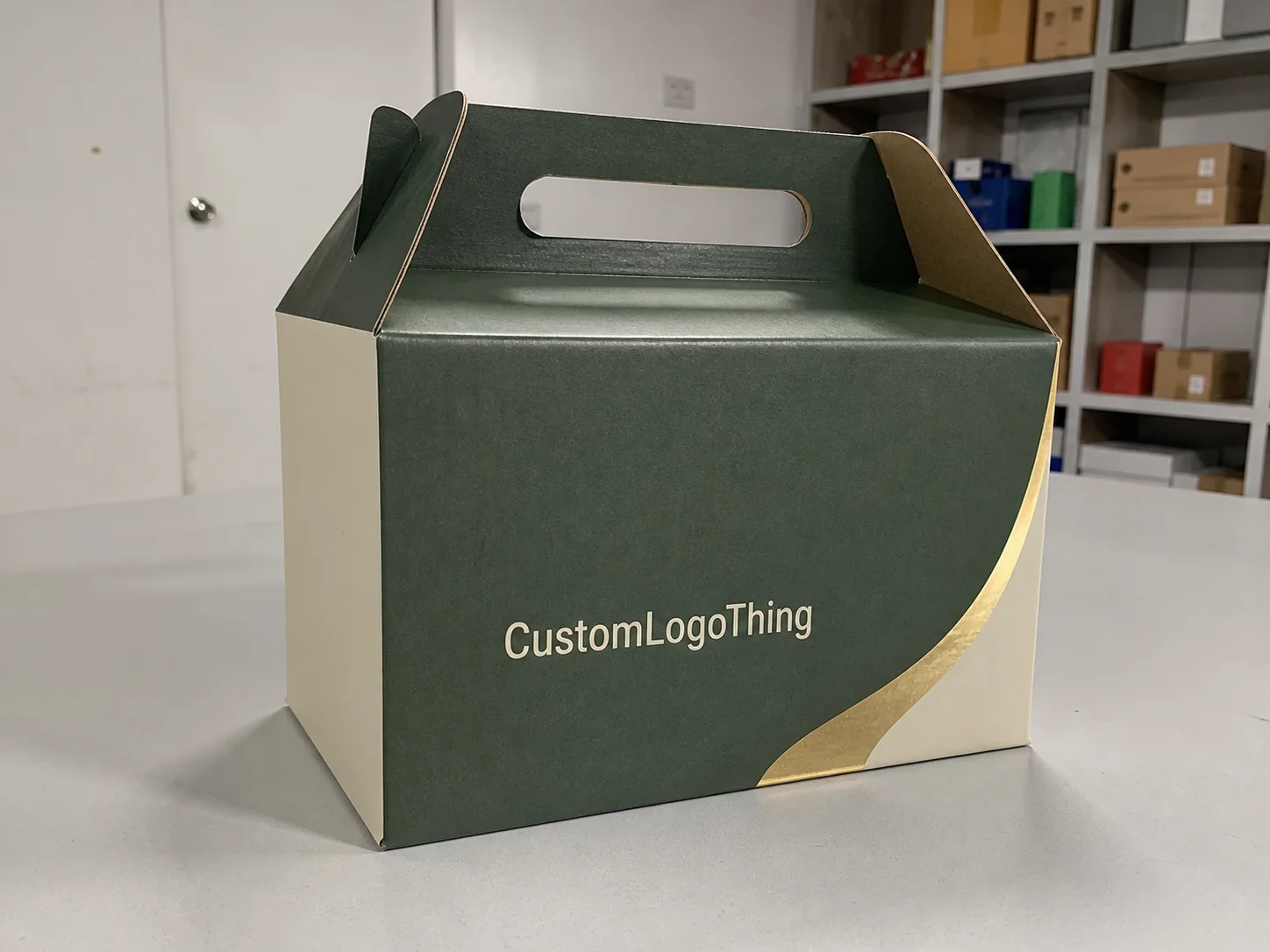
Custom printed gable boxes do more than hold a product. They carry, present, and brand the item in one move, which is why they show up everywhere from bakery counters to retail kits and event giveaways. The shape does a lot of quiet work. A handle is built into the structure, the silhouette looks finished even before decoration, and the panels give enough room for branding without turning the box into a billboard.
That combination matters because packaging rarely gets judged on one function alone. A box can protect the contents and still fail if it is awkward to assemble, hard to carry, or too plain to justify a premium price. Gable packaging avoids some of those tradeoffs. It is more polished than a plain carton and lighter than a rigid gift box, so it fits Brands That Need presentation without unnecessary weight or expense.
There is a reason buyers keep returning to this format. Staff can pack it quickly, customers can carry it comfortably, and the box stands up visually on a shelf or counter. For products that move through hands before they reach the end user, that is a useful balance. The box has to look deliberate from three feet away and still hold up once someone picks it up.
Use cases tend to be practical rather than decorative. Bakery assortments, spa sets, promotional bundles, small apparel packs, and seasonal retail kits all suit the format because the packaging needs to feel considered from multiple angles. If the contents are light to medium weight and the box will be handled more than once, the gable structure starts making sense fast. It gives brands a familiar shape with enough presence to distinguish the product without adding a separate bag or ribbon system.
That is the real value of custom Printed Gable Boxes: they turn packaging into part of the product experience instead of a disposable afterthought.
How the structure, board, and print actually work
A gable box begins as a flat die-cut sheet of paperboard. Once folded, the top rises into two angled panels that meet at a handle, while the body forms a compact container with scored sides and a locking base. It sounds simple on paper. In production, the geometry is what decides whether the box feels crisp or flimsy. Score depth, panel alignment, and glue placement all affect how cleanly it assembles.
Board choice is where performance starts. For light, dry products, 14pt to 18pt SBS or similar paperboard is often enough. That range is common for bakery packaging, small gifts, and short handling cycles. If the contents are heavier, have sharper edges, or will be stacked in transport, thicker board or a corrugated build with a printed outer liner can make more sense. A stronger board usually costs more, but it also reduces corner crush and panel collapse, which can save money in spoilage or rework.
Printing happens before the box is assembled. Artwork is mapped to a dieline, then printed on the flat sheet, coated if required, cut, folded, and glued or locked into shape. That order creates the main design constraint: everything visible on the final box has to account for folds, handle zones, and glue areas. Put a logo too close to a crease and it will distort. Place small legal copy too near an edge and it may disappear in assembly. The best layouts are built around the structure, not pasted onto it after the fact.
That is also why a strong proof process matters. A proof should confirm more than color. It should show whether the graphic hierarchy still works once the box is assembled, whether barcodes have enough quiet space around them, and whether panel breaks cut through important text. If the product has regulatory copy, ingredients, or warning text, check those lines first. Tiny type that reads well on screen can turn muddy on coated stock or vanish in a fold.
Practical testing helps more than most buyers expect. A plain mockup reveals fit and handle geometry. A printed proof shows color, contrast, and placement. If the box is expected to survive real distribution, the supplier should also inspect score cracking, glue-line hold, and handle tear resistance before the run is approved. Standards bodies such as ISTA are useful references even when a job does not need formal certification, because they push the conversation toward actual handling conditions instead of studio conditions.
Size, strength, and finish choices that change the outcome
Size is where many orders go wrong. Buyers often measure the product footprint and stop there, but a gable box needs room for closure, handle formation, and any internal movement. If the box is too tight, the seam can bulge and the top may not sit cleanly. If it is too loose, the product shifts and the package loses the tailored look that justified the custom run in the first place. Dimensions should be based on the packed product, not the product alone.
That becomes more important with mixed contents. Cookies, soap, candles, and promotional bundles behave differently once they are inside the box. Some need height tolerance for a lid fold. Some need headroom for tissue or inserts. Some need the side walls to resist pressure from a heavier item sitting off-center. A box that works for a lightweight pastry box may fail quickly with a dense gift set. The same outline can hide very different structural demands.
Finish changes both the look and the handling characteristics. Gloss tends to make color pop and is useful when the design relies on photography or bright brand color. Matte gives a quieter surface and usually reads better under strong retail lighting. Uncoated stock feels more natural and can work well for artisanal or food-adjacent brands that want a less polished look. Soft-touch adds a refined hand feel, but it increases cost and can wear differently if the box is handled repeatedly.
There is no universal “best” finish. The right choice depends on how the box will live after it leaves the press. A box sitting on a counter for a one-time event can tolerate a different surface than a box packed, carried, opened, and reopened through a retail cycle. If the packaging needs to be marked by hand, stamped, or signed, uncoated stock may be more useful than a slick coated surface. If the box is trying to support a premium price point, a better coating can make the whole line look more intentional.
Weight also changes the spec. Heavier board can improve rigidity and stacking performance, especially if the boxes travel in master cartons. That can be worth paying for. A weaker carton may look cheaper on a quote, then cost more once damaged units, returns, or repacking are added in. Packaging buyers often focus on the line item price and ignore the operational cost of a carton that does not hold up.
For brands buying multiple formats, consistency matters. Keep color targets, logo scale, and finish choices aligned across the packaging line so the product family looks deliberate rather than assembled from separate decisions. If you are comparing formats, reviewing custom printed boxes alongside the gable style helps keep the visual system under control.
Pricing, MOQ, and what changes the unit cost
Pricing for custom printed gable boxes is driven by a short list of variables: size, board grade, print coverage, number of colors, finish, and any special structure such as inserts or windows. Each one adds cost in a different way. A small one-color box on standard board sits in a very different cost band from a full-coverage, coated, multi-color box with premium finishing. The quote may look close at first glance, then shift quickly once the actual structure and artwork are locked.
MOQ, or minimum order quantity, is the point where the supplier can spread setup across enough units to make the run economical. Smaller runs are possible, but the unit price usually rises because the die-cutting, press setup, and finishing work are divided across fewer boxes. For highly customized work, the setup burden can matter more than the exact print count. If the job needs a special die, extra press passes, or hand assembly, those steps add up fast.
For a realistic budget, many buyers will see straightforward gable boxes fall somewhere around $0.20 to $0.60 per unit at moderate quantities, depending on board and print coverage. Simple jobs can land lower. Premium builds with specialty coatings, foil, inserts, or complex internal structures can climb well beyond that. Those ranges are not a quote. They are a reminder that spec decisions move the number just as much as volume does.
| Option | Typical Use | Relative Unit Cost | What It Changes |
|---|---|---|---|
| Standard paperboard, 1-color print | Light gifts, bakery items, simple retail packs | Lowest | Fast to produce, minimal setup complexity |
| Thicker board, full-color print | Branded packaging, retail kits, seasonal promotions | Moderate | Better stiffness and stronger shelf presence |
| Premium finish, inserts, special coating | Gift sets, higher-value product packaging | Highest | More labor, more setup, stronger presentation |
There are hidden cost variables too. Freight can change landed cost enough to alter the decision. Rush fees can appear quickly if the deadline shrinks. Sample charges may apply if a physical mockup or short proof run is needed. Even artwork revisions can add cost if the file has to be rebuilt after the job is already in proofing. A quote is only reliable when the design is close to final.
Good buyers keep the structure efficient. Tight dimensions, standard board where possible, and restrained print coverage usually produce the best value. The goal is not to make the box plain. The goal is to avoid paying for complexity that does not improve the customer’s experience.
If the brand talks about responsible sourcing, it is worth understanding fiber standards such as FSC. That does not solve packaging design by itself, but it gives the sustainability claims a clearer basis than vague eco language.
Production process and turnaround: from file to delivery
The production sequence is usually straightforward once the file is clean. It begins with the specifications: dimensions, quantity, board choice, print coverage, and finish. From there, the supplier reviews the dieline, checks the artwork, and issues a proof or sample for approval. After that comes printing, die-cutting, folding or gluing, packing, and shipment. Most delays show up before the press starts, not after.
Incomplete information slows everything down. If the dimensions are still changing, the dieline has to be revised. If the artwork is not press-ready, prepress has to fix it. If the brand color is loosely defined, proofing stretches because nobody wants to guess at a color that has to match the rest of the packaging line. Clean inputs are one of the few things that genuinely shorten lead time.
A straightforward run often lands in the 12 to 15 business day range after proof approval, though the exact timing depends on quantity, finishing, and the supplier’s queue. More customized work can take longer. Specialty coating, heavier board, or additional assembly steps can add days. Rush schedules are possible, but they usually reduce the number of finish options or raise the total cost. Fast and highly customized are not the same thing.
A useful production habit is to lock the spec before requesting the final quote. Decide on the stock, finish, print coverage, and target quantity up front. That keeps the discussion anchored and avoids the back-and-forth that tends to push the project sideways. It also makes it easier to compare suppliers on equal terms. One quote may include proofing or freight assumptions that another leaves out, which makes a direct comparison misleading unless the scope is identical.
Before the job is released, a good supplier should also check the parts that do not show up in a mockup: score cracking, glue-line consistency, handle integrity, and how the box behaves when packed. Those checks matter because a box that looks clean on screen can still fail in assembly if the folds are too tight or the handle area tears under load.
Mistakes that make the box feel cheaper or less useful
Under-sizing is the first common mistake. It often looks efficient during ordering, then causes trouble during packing. The product presses into the seams, the closure sits unevenly, and staff end up forcing items into a box that was never meant to fit that tightly. A box that is only a little too small can still look wrong. It also increases the risk of damage, which defeats the purpose of paying for a custom format.
Design issues follow close behind. Tiny copy placed near a fold becomes hard to read after assembly. Low contrast artwork loses visibility under retail lighting. Overcrowded panels make the box feel busy, especially on a format with limited print real estate. A gable box does not have the same front-face area as a mailer or rigid carton, so the graphic system has to work harder. Supporting copy often belongs on the side panels, not the main face.
Ignoring the handling environment is another expensive mistake. A box that looks good on a studio table may sag in warm storage, scuff during transport, or soften if the contents release moisture. Food items, candles, soaps, and mixed retail bundles all create different stress points. If the box will be carried by customers, stacked by staff, or stored for a while before use, board and finish should be chosen with that in mind.
Another frequent miss is forgetting about color on the actual stock. A bright design printed on a white-coated sheet will not look the same on an uncoated or natural board. Ink density, coating choice, and paper shade change the final result. If brand color matters, ask for a physical proof or at least a swatch comparison rather than relying on a screen.
Skipping samples is the mistake that hurts the most. A print proof catches layout and color issues. A plain mockup catches fit and closure problems. Together, they reduce the chance of reprints and wasted inventory. If the product is fragile, new, or likely to shift inside the box, a sample is cheap insurance.
What to prepare before you request a quote or sample
If you want a useful quote, start with the details that affect the build. Final dimensions come first, followed by target fill weight, estimated quantity, artwork files, and the timeline you actually need. That list tells the supplier whether the project can use a standard board or needs a heavier spec. It also gives a more honest answer on price, because the spec is already close to production instead of still being negotiated.
A sensible order helps the whole process: confirm what goes inside, choose the board strength, decide on print coverage, then compare suppliers. That approach keeps the conversation tied to the actual package, not to broad sales language. It also makes it easier to compare custom printed gable boxes against other custom printed boxes without mixing different assumptions about setup, proofing, or freight.
If the product is unusual, fragile, or likely to move during transport, request a plain sample or dimensional mockup before approving the printed run. You do not need a finished proof to catch a fit issue. You need enough physical information to see whether the handle clears the contents, whether the top closes cleanly, and whether the box still feels balanced once filled.
“A good box should make the product easier to carry, easier to present, and harder to damage. If it only looks good in a file, it is not finished yet.”
One more practical point: keep the approval chain short. The more people who comment on artwork after the dieline is finalized, the more likely the job is to drift. Finalize the dimensions, finish, and handling assumptions before production starts. That is the difference between a packaging project that feels controlled and one that keeps reopening itself.
Once those basics are locked, custom printed gable boxes become a useful piece of product packaging rather than an expensive compromise. The shape is simple. The execution is where the value appears.
What products fit best in custom printed gable boxes?
They work best for lightweight to medium-weight items that benefit from presentation and easy carrying. Common uses include gifts, baked goods, retail kits, event favors, and bundled promotional items. The right fit still depends on height, weight, and whether the contents need an insert or extra support.
How much do custom printed gable boxes usually cost?
Cost depends on size, board grade, print coverage, finishes, and order quantity. Many straightforward runs land around $0.20 to $0.60 per unit at moderate volumes, while premium builds can cost more. Freight, rush service, and sample requests can also change the final quote.
What is a realistic turnaround for custom printed gable boxes?
Turnaround depends on how quickly artwork is approved and whether the design is standard or highly customized. A typical run can take 12 to 15 business days after proof approval, with shipping added on top. Rush jobs are possible, but they may limit finish choices or raise total cost.
Do custom printed gable boxes need inserts or extra reinforcement?
Not always, but inserts help when the product can shift, tip, or press against the handle area. Extra reinforcement can be useful for heavier contents, stacked packing, or shipping conditions that create stress. The right choice depends on product weight and how the box will be handled after packing.
What artwork details should I confirm before ordering custom printed gable boxes?
Confirm final dimensions, logo placement, color targets, and whether the artwork needs to wrap across folds. Make sure the file format is press-ready and that small text will stay readable on the assembled box. Ask for a proof so layout issues are caught before production begins.