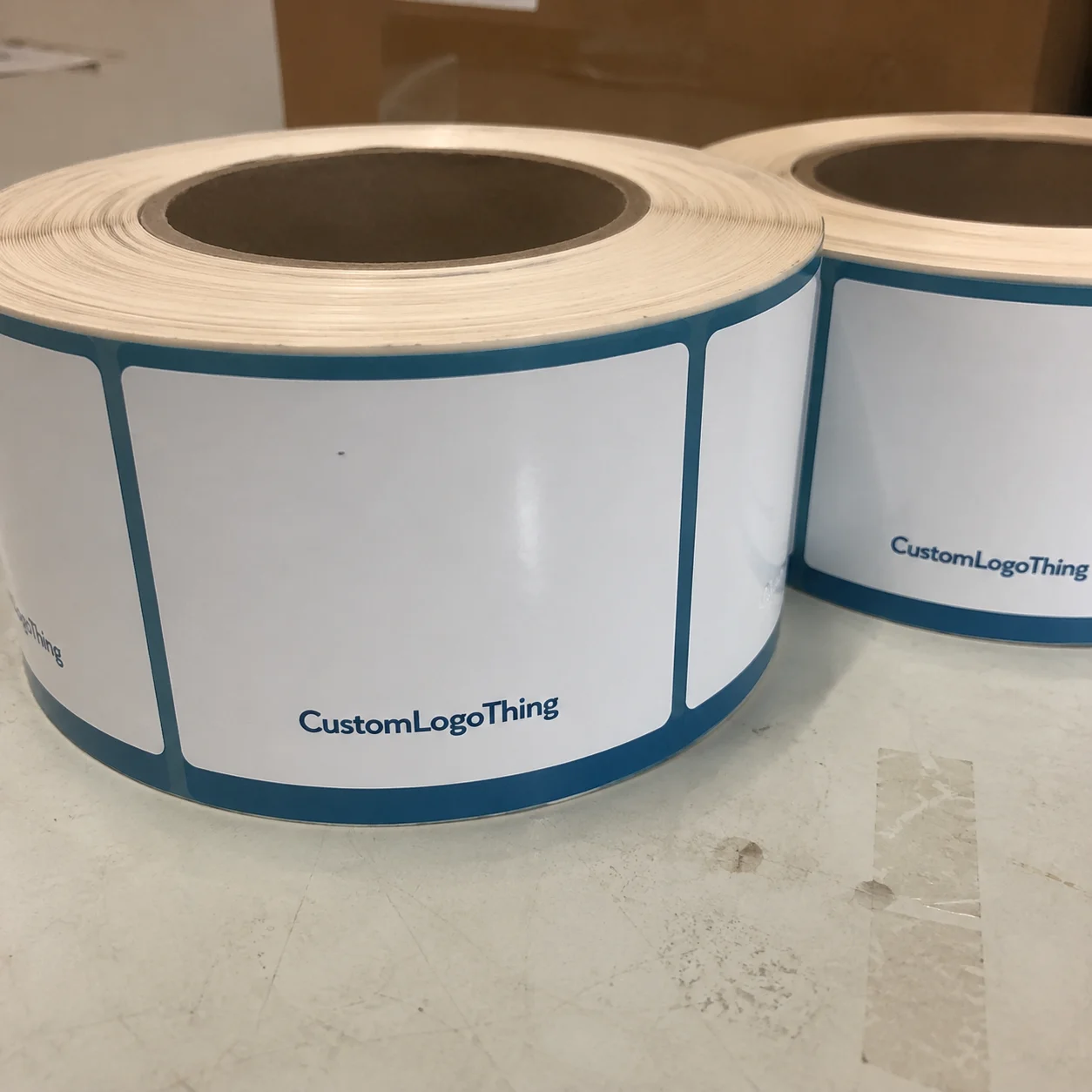
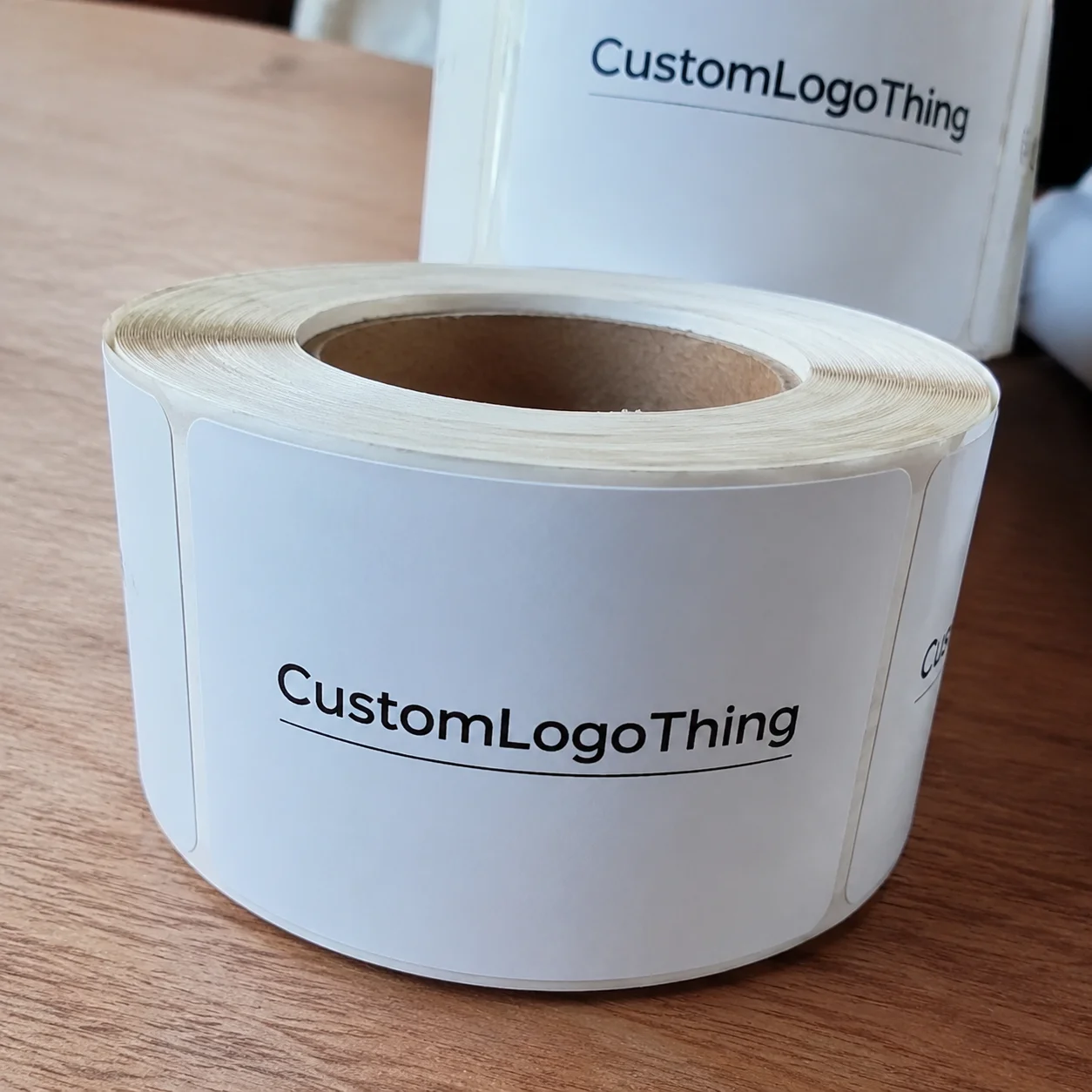
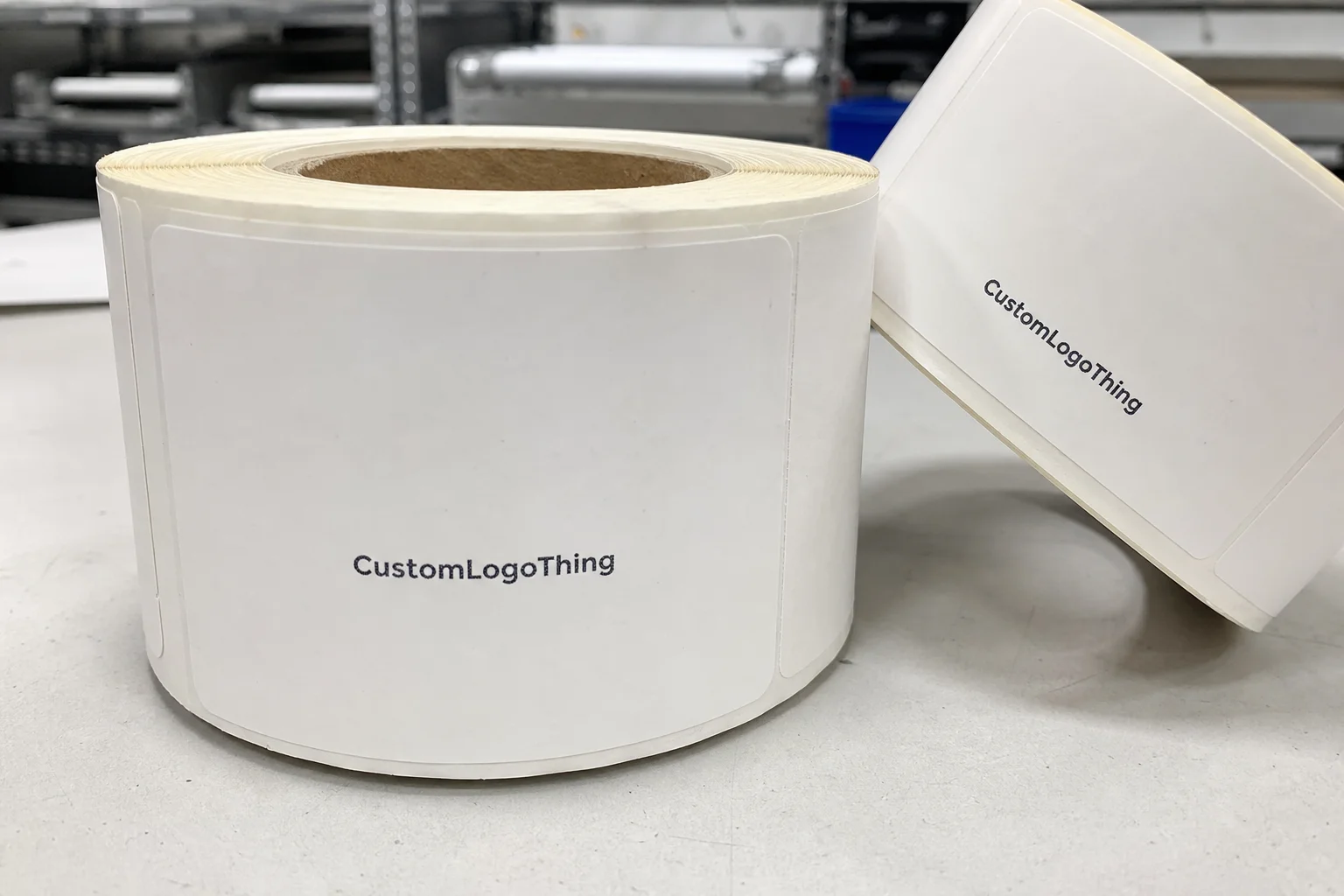
Buyer Fit Snapshot
| Best fit | Custom Printed Poly Film Roll Wholesale projects where brand print, material claims, artwork control, MOQ, and repeat-order consistency need to be specified before quoting. |
|---|---|
| Quote inputs | Share finished size, material target, print colors, finish, packing count, annual reorder estimate, ship-to region, and any compliance wording. |
| Proofing check | Approve dieline scale, logo placement, barcode or warning zones, color tolerance, closure strength, and carton packing before bulk production. |
| Main risk | Vague material claims, crowded artwork, missing packing details, or unclear freight terms can make a low unit price expensive after revisions. |
Fast answer: Custom Printed Poly Film Roll Wholesale: Specs, Pricing should be specified like a repeatable production item. The safest quote records material, print method, finish, artwork proof, packing count, and reorder notes in one written spec.
Production checks before approval
Compare the actual filled-product size with the drawing, then confirm tolerance on folds, seals, hang holes, label areas, and retail display edges. Reserve space for logos, QR codes, warning copy, and material claims before decorative graphics fill the panel.
Quote comparison points
Review material grade, print process, finish, sampling route, tooling charges, carton quantity, and freight assumptions side by side. A quote is only useful when the supplier can repeat the same color, closure quality, and packing count on the next order.
I’ve spent enough time on plant floors to know this: packaging failures rarely announce themselves loudly. They show up as a split seal at station four, a registration drift that ruins a run of 18,000 pouches, or a roll that looks fine in the pallet photo and then walks off-center on the line after 20 minutes. I remember one night shift in particular at a corrugated packing facility outside Cleveland, Ohio, where the operator kept muttering that “the film has a personality problem” because the unwind was so inconsistent on a 300 feet-per-minute line. He wasn’t wrong. That is why so many buyers move toward Custom Printed Poly film roll wholesale once they start comparing waste, uptime, and brand control instead of just unit price.
The first thing I ask clients is simple: how much does one bad roll cost you after labor, downtime, and rework? In one meeting with a mid-size snack brand in Columbus, the procurement lead showed me a quote that was $0.04 cheaper per roll, but the film gauge varied enough to cause sealing issues on their vertical form-fill-seal machine. The “cheap” option ended up costing them three hours of line time, 1,200 units of scrap, and one emergency reprint. Honestly, that kind of math makes my eye twitch a little. It is the real business case for Custom Printed Poly film roll wholesale.
Here, I’ll break down the specs, pricing logic, MOQ, and lead times buyers actually need to know. I’ll also flag the spots where suppliers sometimes hide extra cost in the details, like thicker-than-quoted gauge, plate charges, or freight from Shenzhen, Ningbo, or Dongguan that appears only after approval. The trap is rarely the headline price; it lives in the assumptions behind it, the part of the quote that looks harmless until the press starts running and then everybody suddenly remembers how expensive “small” changes can be.
Custom Printed Poly Film Roll Wholesale: Why Buyers Switch Fast
Most packaging losses happen before a product ever reaches the shelf. A weak seal, a bad unwind, or inconsistent ink coverage can turn a full production run into scrap fast. I’ve watched this play out on a frozen foods line in Milwaukee where a 2 mil film looked acceptable in the sample room but shrank differently under heat at 95°C on the sealing jaws. The result was a stack of retail-ready packs with wrinkled graphics and seal distortion. That sort of problem pushes buyers toward custom printed poly film roll wholesale because the cost of failure is usually bigger than the cost of better material.
Brands switch for three practical reasons. First, they want lower Cost Per Unit when volumes rise. Second, they need tighter control over package branding, especially when retail packaging has to stay consistent across multiple SKUs. Third, they want fewer interruptions in production. A single roll format can reduce handoffs, simplify warehouse storage, and keep automated lines moving with fewer changeovers than smaller-run alternatives. In a plant running 16 hours a day in Atlanta, Georgia, shaving even 12 minutes off each changeover can translate into dozens of extra finished cases per shift.
Wholesale roll stock also scales better. If a brand moves from 25,000 units a month to 120,000, the economics change quickly. A pre-made package may still work, but the per-unit packaging expense often stays higher because every pouch or bag has to be formed and handled individually. With custom printed poly film roll wholesale, the material can be cut and sealed in-line, which trims labor and usually improves throughput by a measurable margin. I’ve seen plants cut packaging handling steps by 30% simply by shifting to roll-fed film, and on one line in Charlotte that meant moving from 42 cases per hour to 55 cases per hour after a month of tuning.
Price alone still misses the point. I’ve sat in supplier negotiations where the lowest quote came from a thinner structure, fewer print checks, and slower production scheduling. Buyers who know their line speed, seal window, and target shelf appearance usually get better results than buyers who just chase the lowest number. The right supplier should be able to talk about repeatable print registration, stable film gauge, and rollout timing with the kind of detail that proves they’ve run the material before in facilities in Taiwan, Vietnam, or coastal China, not just on a sales sheet.
“We stopped losing money on reprints once we asked for machine compatibility, not just artwork approval,” a packaging director told me after switching to custom printed poly film roll wholesale. That sentence is worth more than a dozen sales brochures.
For brands building out branded packaging across multiple product packaging formats, roll stock can also create visual consistency. It is easier to hold a graphic standard across a family of sizes when the print process, film structure, and color control all come from one managed program. That matters in food, personal care, and even industrial goods where package branding now carries more weight than people used to admit, especially for launch programs in retail chains across the Midwest and Southeast.
Custom Printed Poly Film Roll Wholesale Product Details
Custom printed poly film roll wholesale means printed polyethylene film supplied in roll form for form-fill-seal, overwrap, and other automated packaging workflows. In plain language, it is the long-web material that your machine feeds, prints, seals, and converts into finished packs. The roll format is the reason many high-volume buyers prefer it: one roll can feed thousands of units with minimal interruption, provided the specification matches the machine and the rewind tension is set correctly, often around 0.8 to 1.5 kg depending on the line.
The film itself usually falls into a few common structures. LDPE is often chosen for flexibility and sealability. LLDPE brings better puncture resistance and is widely used where product weight or sharp edges matter. HDPE can be useful when stiffness and thinner gauges are priorities. Co-extruded films combine layers for specific performance targets, and barrier-enhanced options can help with oxygen, moisture, or aroma protection when the application demands it. A snack pack shipped from Suzhou does not need the same structure as a hardware sleeve coming off a line in Indianapolis, and that difference is what makes film selection a technical decision rather than a guessing game.
Printing method changes the economics. Flexographic printing is the workhorse for longer runs because plate costs are spread across more units. Digital printing can make sense for shorter runs or variable designs, but the unit economics shift quickly once volumes increase. With custom printed poly film roll wholesale, print count matters. A 2-color design is usually easier and cheaper to run than a 6-color full-coverage graphic with tight registration and heavy ink laydown. On a 20,000-meter order, that difference can be the gap between an easy press week and a rushed one that needs extra proof checks.
In one client meeting with a health-and-beauty brand in Los Angeles, the art team insisted on a deep black background with metallic accents. The supplier could do it, but the film spec had to change from a standard clear PE to a higher-opacity co-ex structure to keep the image from showing pallet shadows and product silhouette. That’s the kind of discussion that saves trouble later. The film isn’t just a canvas; it affects how the package looks on the shelf and how it behaves in the machine.
Buyers use custom printed poly film roll wholesale across a wide range of categories: food, cosmetics, medical products, hardware, consumer goods, and promotional kits. I’ve even seen it used for seasonal retail packaging where the launch window was eight weeks and the line had to run fast through a contract packer in Dallas, Texas. If the product is light enough to fit a web-fed process and the print is stable enough to maintain brand standards, roll stock usually deserves a close look.
Common structure and use comparison
| Film type | Typical use | Strength | Watch-out |
|---|---|---|---|
| LDPE | General-purpose packaging, light products | Good sealability and flexibility | Can be too soft for sharp or heavy items |
| LLDPE | Food, mixed-use retail packaging | Better puncture resistance | May need tuning for slip and unwind |
| HDPE | Thin-gauge applications, mailers, overwrap | Stiffness and material efficiency | Less forgiving on seal conditions |
| Co-extruded PE | Higher-performance custom printed poly film roll wholesale programs | Balanced layers for seal and strength | Specification must match machine speed |
| Barrier-enhanced film | Food, odor-sensitive, and longer shelf-life products | Improved protection properties | Usually higher cost and tighter MOQs |
If you are comparing custom printed poly film roll wholesale against other packaging formats, do not ignore the workflow. A converted roll can support efficient production for Custom Packaging Products across multiple programs, while a pre-made bag or pouch may suit lower-speed or highly specialized applications. Neither is “better” in the abstract. The right answer depends on machine type, order volume, and the defect cost you can tolerate, whether the job is running in Ohio, Guangdong, or Baja California.
For buyers who also use Custom Poly Mailers, the lesson is similar: material choice follows function. A mailer, a roll film, and a folded carton all solve different problems. I’ve worked with brands that tried to force one packaging format to do everything. It usually costs them more, not less, especially once product packaging grows beyond one SKU and the program starts shipping to fulfillment centers in Pennsylvania, Texas, and Nevada.
Specifications That Matter in Custom Printed Poly Film Roll Wholesale
Specs are where deals either become reliable or fall apart. When a buyer asks for custom printed poly film roll wholesale, I want to see width, length, gauge or thickness, core size, roll diameter, and unwind direction spelled out clearly. If any one of those is vague, the risk moves from the supplier to your production floor, and that is exactly where a $0.03 mistake becomes a $3,000 cleanup.
Width controls how the material fits the machine path. Length affects changeover frequency and run time. Gauge, often expressed in mils or microns, determines strength, seal behavior, and machine response. Core size matters because the wrong core can cause loading trouble or wobble. Roll diameter matters because a large roll may not clear guards or unwind smoothly at high speed. Unwind direction sounds minor until a line operator loads the wrong orientation and loses 800 feet before anyone catches it. That is not a hypothetical. I’ve seen it happen on a snack line in Grand Rapids at 5:40 a.m., and the silence after that mistake is somehow worse than the mistake itself.
Tolerances matter just as much as nominal size. A width tolerance that looks harmless on paper can trigger web tracking issues, seal misalignment, or inconsistent cut length. On automated lines, even small variation can turn into waste faster than most people expect. With custom printed poly film roll wholesale, a spec sheet is not paperwork. It is risk control, especially if your run is built around a 400 mm web and a seal bar gap measured in fractions of a millimeter.
Ink and compliance are another layer. If the film is used for food contact, buyers may need food-safe inks, migration compliance, and packaging materials aligned with applicable standards. Depending on the market, that can mean attention to ASTM methods, FDA-related expectations, or customer-specific testing. For broader industry reference, the International Safe Transit Association offers test protocols that help validate packaging performance in transit, and those protocols matter when your film has to survive distribution without scuffing or seal damage. I’ve had clients think a glossy finish alone would protect a package; shipping tests proved otherwise, usually with a very annoying pile of scuffed product to prove the point after a 1,000-mile truck route from Nashville to Newark.
Printing variables influence appearance and cost. The number of colors is obvious. Less obvious is repeat length, because artwork that repeats every 18 inches may behave differently from artwork that repeats every 24 inches, especially when there are multiple panel changes or backside print elements. Artwork coverage also matters. A mostly white film with a single logo is cheaper to run than full-coverage graphics with dense ink and tight color matching. This is why I push buyers to request a true quote based on the actual design, not an estimated one.
Spec checklist to request before approval
- Film width: exact finished width in inches or millimeters
- Gauge/thickness: target mil or micron with tolerance
- Core size: usually 3" or 6", depending on the line
- Roll diameter: maximum allowed on your equipment
- Unwind direction: top first, bottom first, or machine-specific orientation
- Print count: number of colors and whether white ink is required
- Finish: gloss, matte, anti-static, or specialty surface treatment
- Compliance needs: food contact, migration, or customer testing requirements
There are also finishing options that affect both performance and appearance. Matte or gloss changes shelf presentation. Anti-static can matter in dry environments where film clings or attracts dust. Perforation, tear-notches, and reseal features may be available depending on the structure and converting setup. I always tell buyers to match these options to the machine type and product weight before artwork approval. That one step prevents expensive rework, especially for lines running in Arizona or Alberta where low humidity can make film handling trickier than expected.
One practical truth: buyers often focus on design first and compatibility second. That reverses the logic. Start with machine requirements, then move to packaging design, then finalize the artwork. That sequence usually produces a better custom printed poly film roll wholesale outcome and fewer surprises in production, including fewer emergency calls at 6:00 p.m. from operations teams trying to save a Friday shift.
Custom Printed Poly Film Roll Wholesale Pricing and MOQ
Pricing for custom printed poly film roll wholesale usually comes down to six variables: film grade, roll size, print complexity, number of colors, order volume, and compliance requirements. If someone gives you a quote without asking about all six, they are probably quoting a generic version of the job. That can be fine for an estimate, but not for a purchase decision, especially if the order is shipping into a warehouse in Chicago or a co-packer in North Carolina.
Larger wholesale volumes reduce unit cost because setup expenses get spread out. Plates, prepress work, testing, and machine setup do not change much whether you order 5,000 units or 50,000. That is why a run of 5,000 pieces might come out at $0.18/unit, while 25,000 pieces can land much lower depending on gauge and print coverage. For a straightforward 2-color LDPE film with standard packaging, a buyer might see $0.15 per unit for 5,000 pieces or $0.08 per unit at 20,000 pieces, assuming the artwork is locked and the roll size is standard. The math is not mysterious. The fixed costs shrink as the order grows.
MOQ is usually tied to print method and production efficiency. Flexographic runs often have different thresholds than digital runs, and wide-format film may require a higher minimum because material waste and press setup are larger. With custom printed poly film roll wholesale, the minimum should be quoted by spec, not by a vague company-wide number. A 10-inch-wide, 2-color roll is a different job from a 28-inch-wide, 6-color film with barrier layers, and a factory in Dongguan may batch those jobs differently from a plant in Suzhou or Ho Chi Minh City.
Here’s the part many buyers miss: the lowest quote is not always the lowest total cost. A supplier may quote thinner film, broader tolerances, or fewer quality checks to get close to your target. That can work if your machine is forgiving and your product is low-risk. It can also backfire if the line runs fast or the product is high-value. I’ve seen a 7% material savings disappear after one seal failure caused 2,400 units of waste and one overtime shift. That was a fun budget meeting, especially when the plant in St. Louis had to stop a full pallet build and rework the lot.
How to compare quotes fairly
- Same film gauge and structure
- Same width, length, and core size
- Same number of print colors and coverage
- Same finish and compliance requirements
- Same shipping terms and delivery destination
- Same proofing and plate costs included or excluded
That list sounds basic. It is not. I once reviewed three bids for a beverage accessory brand that thought they were comparing identical options. One quote excluded plates, one assumed a 3" core, and one used a slightly wider roll that required machine adjustment. The true spread was nowhere near the headline numbers. This is why disciplined buyers make their custom printed poly film roll wholesale comparison on the same specification sheet, whether the vendor is located in Jiangsu, Southern California, or the Dallas-Fort Worth corridor.
| Quote factor | Low price risk | What to verify |
|---|---|---|
| Film gauge | May be thinner than expected | Ask for actual micron or mil and tolerance |
| Print coverage | Less ink, fewer colors, weaker branding | Confirm artwork coverage and white ink needs |
| MOQ | Could be inflated or hidden in setup fees | Request MOQ by structure and print method |
| Lead time | May not include proof or material sourcing | Get a production timeline from proof approval |
| Quality control | Higher risk of reprints or line waste | Ask about inspection steps and sample validation |
Negotiation still has room. Volume commitments help. Standardized repeat orders help more. Simplified artwork can also reduce cost, especially when a full-coverage graphic can be redesigned into a cleaner layout without losing shelf appeal. If a brand is already using other branded packaging assets, the print file can sometimes be adapted rather than rebuilt, which saves prepress time and keeps package branding consistent across SKUs in markets like Denver, Miami, and Portland.
Custom Printed Poly Film Roll Wholesale Process and Timeline
The workflow for custom printed poly film roll wholesale is straightforward on paper and less straightforward in practice. It usually moves through quote, spec confirmation, artwork review, proofing, production, inspection, and shipment. The fastest projects are the ones where the buyer has already decided on dimensions, machine type, and artwork format before asking for pricing. A clean repeat order from a factory in Guangdong can move faster than a first-time launch from a supplier in eastern China simply because the file history already exists.
Proofing is where many schedules slow down. Buyers often approve the quote quickly and then spend a week revising artwork, color notes, or legal copy. If the film is brand-critical, that proof stage matters. It is the last moment to catch print orientation, barcode placement, or panel order before the press runs. I’ve seen an expensive retail launch delayed because the back panel nutrition copy was placed 12 millimeters too low and interfered with a seal bar. That sort of mistake is easy to prevent and painful to fix.
A realistic timing framework depends on the size of the order, artwork readiness, and material availability. A clean repeat order can move faster than a first-time custom program. New tooling, specialty inks, or barrier structures will add time. So will any revision after proof approval. If a buyer gives final artwork late, the supplier’s schedule will usually slip. That is not blame; it is supply chain reality. For most standard jobs, production typically takes 12-15 business days from proof approval, while shipping to the U.S. West Coast from Shenzhen or Ningbo can add 18-24 days by sea freight or 3-5 business days by air.
To keep custom printed poly film roll wholesale on schedule, the best move is to lock the dimensions early, send print-ready files, and align launch dates with the supplier’s production windows. If the buying team is still changing pack size while asking for a final quote, lead time will stretch. It happens all the time, and it is avoidable. A 10-day proof cycle in Boston is still better than a 10-minute panic after the PO is issued and the label copy is incomplete.
Ways to avoid delays
- Confirm machine requirements before artwork starts
- Send vector files and dielines together
- Decide on finish and compliance needs up front
- Avoid last-minute quantity changes after proof approval
- Ask for a timeline based on proof signoff, not inquiry date
Shipping should be part of the timeline, not an afterthought. Confirm pallet counts, box counts, and receiving requirements early. A warehouse with limited dock space may need a scheduled delivery window. A plant with strict inbound labeling rules may reject a shipment if cartons are not marked correctly. For buyers managing multiple product packaging programs, that one logistics detail can create a chain reaction. It is one reason I always ask about receiving conditions before signing off on custom printed poly film roll wholesale, especially for cross-border shipments into Ontario, California, or Tennessee distribution hubs.
For companies that care about sustainability claims, material sourcing can also matter. The Forest Stewardship Council is most associated with fiber-based packaging, not polyethylene film itself, but many buyers use FSC-certified printed collateral alongside film programs to keep broader packaging systems aligned. I mention that because packaging decisions are increasingly interconnected. A film order, a carton spec, and a shelf-ready display often move together in the same launch calendar, sometimes out of factories in Shanghai, Guangzhou, and Kuala Lumpur within the same quarter.
Why Buy Custom Printed Poly Film Roll Wholesale From Us
I do not think buyers need another supplier who only sends a quote and disappears. They need a manufacturing partner who understands what a wrong spec does to a line. That is the difference with custom printed poly film roll wholesale programs that are built for repeat business rather than one-off transactions.
We focus on stable quality control, clear spec communication, and practical film-to-machine matching. That sounds simple because it should be. When I visited a Shenzhen production floor during a sourcing trip, the best-run line I saw was not the fanciest. It was the one with labeled unwind charts, gauge logs at every station, and a preflight check for width, core, and print orientation before a press run started. The operator told me they had cut rework by nearly half after formalizing that checklist. Experience like that matters more than glossy sales language, especially in plants running 24-hour shifts with 4-color flexographic presses.
Operationally, the value shows up in fewer reprints, fewer line stoppages, and easier reorder continuity. If your brand runs quarterly promotions or seasonal retail packaging, repeatability matters. A film that prints well once but drifts on the next run is not a reliable packaging solution. Buyers who choose custom printed poly film roll wholesale want output they can trust across multiple production cycles, whether the next order is 10,000 rolls or 100,000 meters of material.
Support also matters. Artwork guidance, material selection help, sample validation, and production updates can save time and reduce stress. In one supplier negotiation, a client was ready to approve a film that looked good on paper but would have failed on their high-speed wrapper because the unwind tension range was too narrow. We adjusted the structure before purchase, and the customer avoided a costly machine issue. That is the kind of help you want from Wholesale Programs support: specific, measured, and based on actual production conditions, not vague assurances from a sales deck prepared in a conference room in Hong Kong.
Transparency is the final differentiator. Buyers should get straightforward answers on MOQ, pricing tiers, and feasibility before they commit. If a design needs a thicker gauge, say so. If the print count pushes the job into a different cost bracket, explain it. Honest specs build trust. Hype breaks it. That principle applies just as much to custom printed poly film roll wholesale as it does to custom printed boxes or any other package branding asset.
For brands balancing packaging design across film, cartons, and mailers, we can coordinate with related packaging formats through Custom Packaging Products. That helps keep artwork consistent, especially when the same logo, color palette, and compliance copy must appear on multiple substrates. I’ve seen brands save weeks simply by centralizing approvals instead of treating each packaging item as a separate creative project, particularly when launch calendars were split between Chicago, Toronto, and Atlanta teams.
One more thing: if your line also uses shipping formats such as Custom Poly Mailers, keeping the visual system aligned can make procurement easier. One master brand kit, multiple packaging applications. That is how serious product packaging programs stay organized, and it is one reason buyers return to the same supplier when the next program starts in Nashville, Phoenix, or Richmond.
What should you prepare before ordering custom printed poly film roll wholesale?
If you are ready to request custom printed poly film roll wholesale, gather the basics first: product dimensions, target gauge, roll width, print artwork, order volume, and required delivery date. If you send those six items up front, the quote process becomes faster and much more accurate, often within 24 to 48 hours for a standard spec.
My quote checklist is simple. Tell the supplier your machine type, seal requirements, food-contact needs, number of colors, and preferred shipping destination. If you know the unwind direction and core size, include those too. A good spec packet removes guesswork, and guesswork is expensive in packaging. It is the difference between an order that lands cleanly in Newark and one that sits in receiving because the cartons were labeled incorrectly.
The smartest buying sequence is this: confirm specs first, review pricing second, approve proof third, then schedule production. Buyers sometimes reverse that order and then wonder why the timeline slips. I’ve watched it happen in supplier meetings where everyone is trying to solve avoidable problems after the PO is already issued. The fix is not complicated. It is discipline.
Ask for a sample or specification review before placing a large order. Even a simple review can expose a mismatch in film structure, gauge, or print orientation. For custom printed poly film roll wholesale, that check is often the difference between a smooth launch and a warehouse headache, especially for products shipping from a contract packer in Kentucky or a fulfillment center in Southern California.
Here is the practical truth: the fastest path to a clean order is to lock dimensions and artwork before requesting a wholesale quote. If you are still debating whether the pack should be 8 inches wide or 8.5 inches wide, hold off for a day and make that decision first. It will save you money, time, and probably one round of revisions.
If you want to build a dependable sourcing plan, start with the packaging item that causes the most waste on your line. For many brands, that is the film. Once the roll is right, everything downstream becomes easier. That is why custom printed poly film roll wholesale remains one of the most practical moves for growing brands that care about cost control, line performance, and strong package branding.
FAQs
What is the minimum order for custom printed poly film roll wholesale?
MOQ depends on print method, film width, and total color count. A 2-color flexographic job can have a different minimum than a 6-color barrier film run. Higher volumes usually lower the per-roll price because setup costs are spread out, so always ask for MOQ by spec rather than a generic number. For example, one supplier may quote 5,000 pieces at $0.15 per unit while another requires 10,000 units before the price drops below $0.12.
How do I compare custom printed poly film roll wholesale quotes?
Compare the same film gauge, width, length, core size, and print coverage. Check whether the quote includes plates, shipping, and proofing. A lower quote may not be cheaper if the film runs poorly on your machine or creates waste during setup. I usually ask buyers to compare quotes line by line, including freight from cities like Ningbo, Shenzhen, or Los Angeles, so the final landed cost is visible.
Can custom printed poly film roll wholesale work on automated packaging lines?
Yes, if the film is specified for your machine’s sealing and unwind requirements. Request compatibility details before approval to avoid jams or seal failures. The wrong slip, thickness, or roll diameter can disrupt high-speed production very quickly. A line running 120 packs per minute needs much tighter tolerance control than a manual packing station in a regional warehouse.
How long does custom printed poly film roll wholesale production usually take?
Timeline depends on artwork readiness, material sourcing, and order size. Proof approval is often the biggest variable after spec confirmation. Providing final artwork and dimensions early is the best way to reduce delays and keep the launch date intact. For standard jobs, production typically takes 12-15 business days from proof approval, and shipping can add another 3-5 business days by air or 2-4 weeks by sea depending on the destination.
What file format should I send for custom printed poly film roll wholesale artwork?
Vector files are usually preferred for clean text and logos. Suppliers often request dielines or repeat dimensions to check print alignment. Send brand colors, notes on front-back orientation, and any compliance copy at the same time so proofing does not stall. If you can include Pantone references and a repeat length in inches or millimeters, the proof process becomes much more precise.
If you want a quote that reflects the real job, send full specs, not a rough idea. That is how you get reliable pricing on custom printed poly film roll wholesale, better control over MOQ, and a production timeline you can actually plan around. For brands that care about cost, consistency, and branded packaging that performs on the line, the next move is simple: lock the machine requirements, finalize the artwork, and let the spec sheet do the heavy lifting.