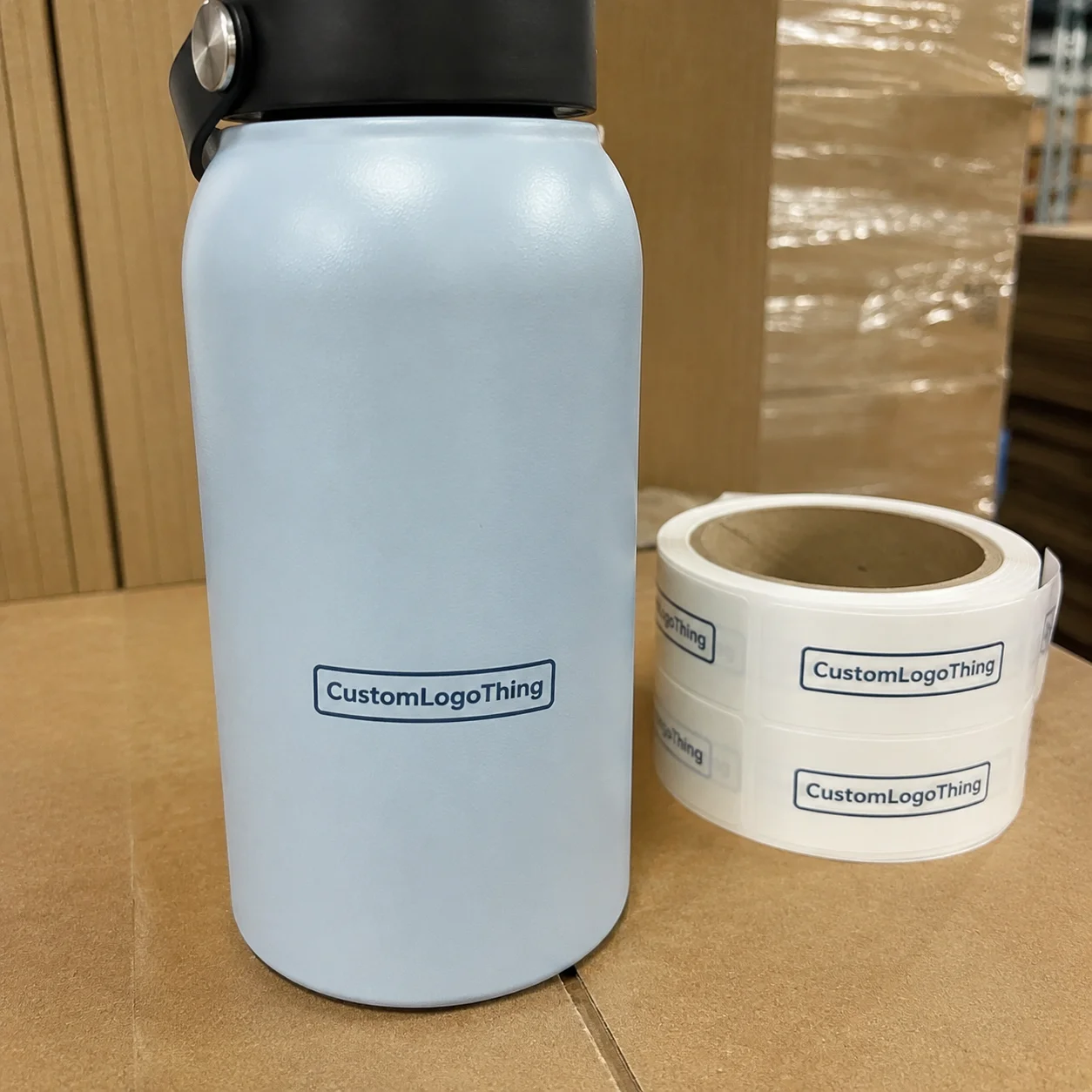
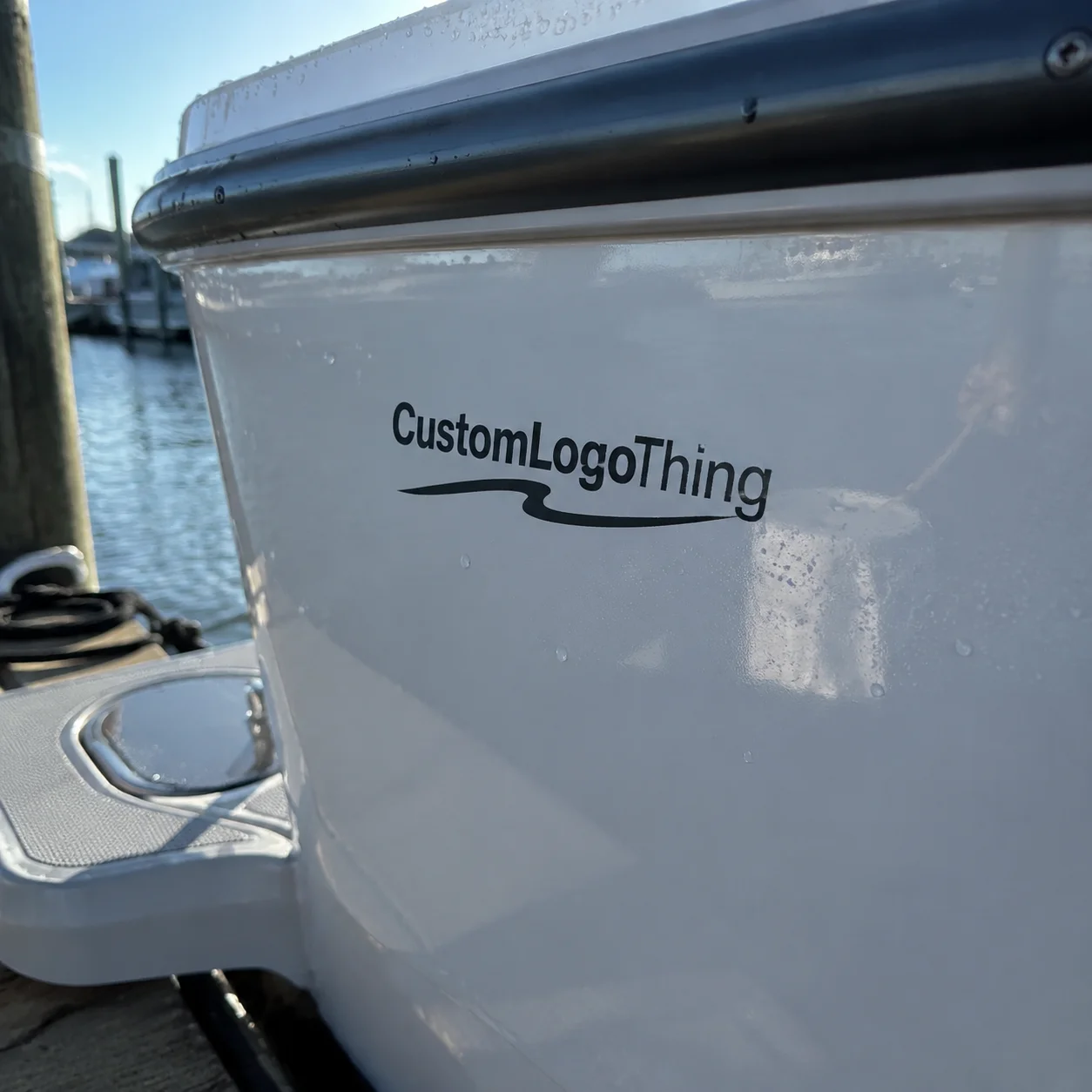
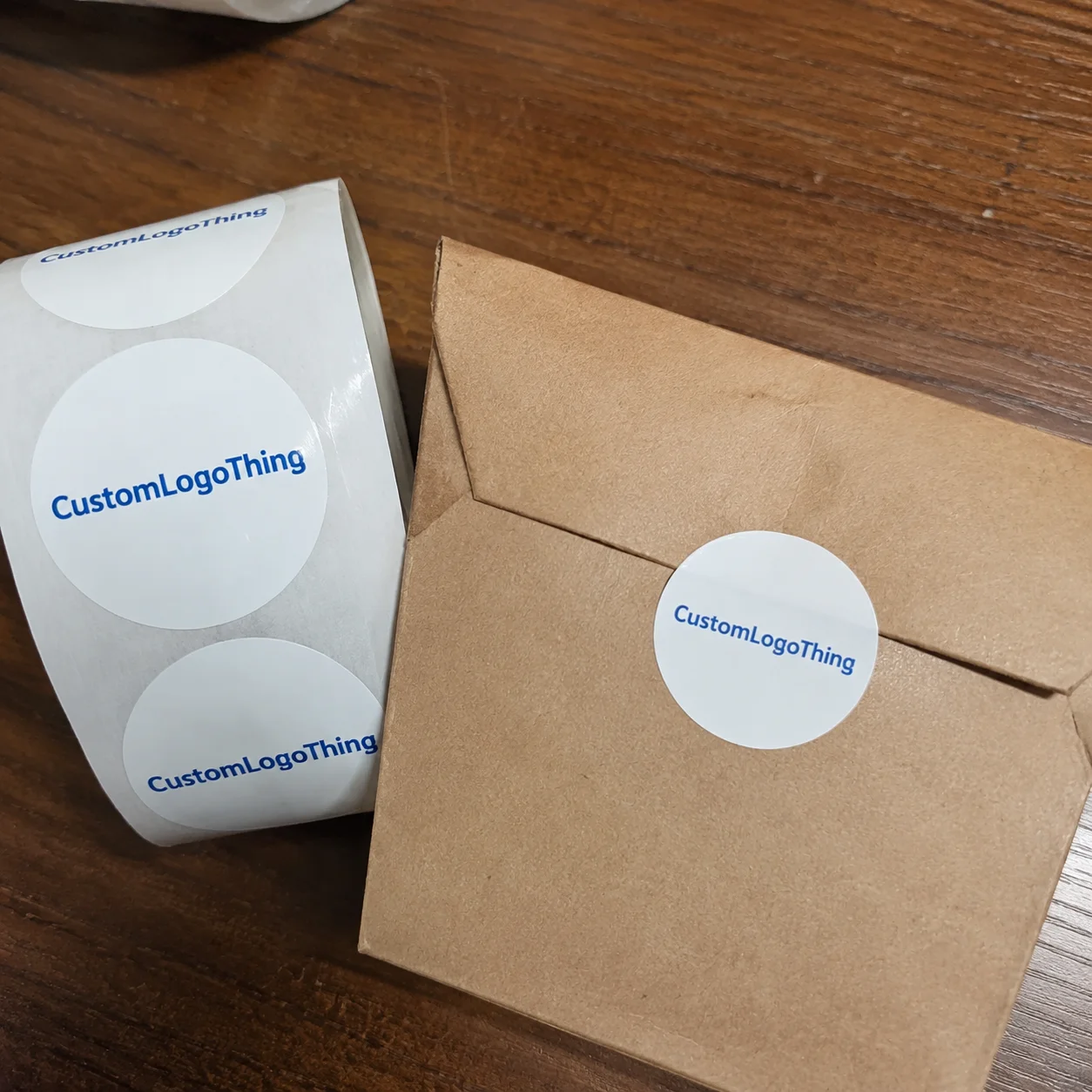
Put two identical glass jars on a retail shelf. Same fill weight. Same product inside. The jar with sharper alignment, cleaner color, and better material feel looks more expensive before anyone reads the flavor name. That is the quiet work of custom printed product labels: they are a product’s first sales argument, compliance surface, and handling instruction compressed into a few square inches.
Labels look simple from a distance. A rectangle. A logo. A barcode. Done? Not usually. One label may carry brand identity, product naming, ingredients, allergens, nutrition facts, safety warnings, batch codes, usage directions, QR codes, tamper-evident cues, and anti-counterfeit details. If one element fails, the whole package can feel less trustworthy.
Custom Printed Product Labels: What They Actually Do on the Shelf
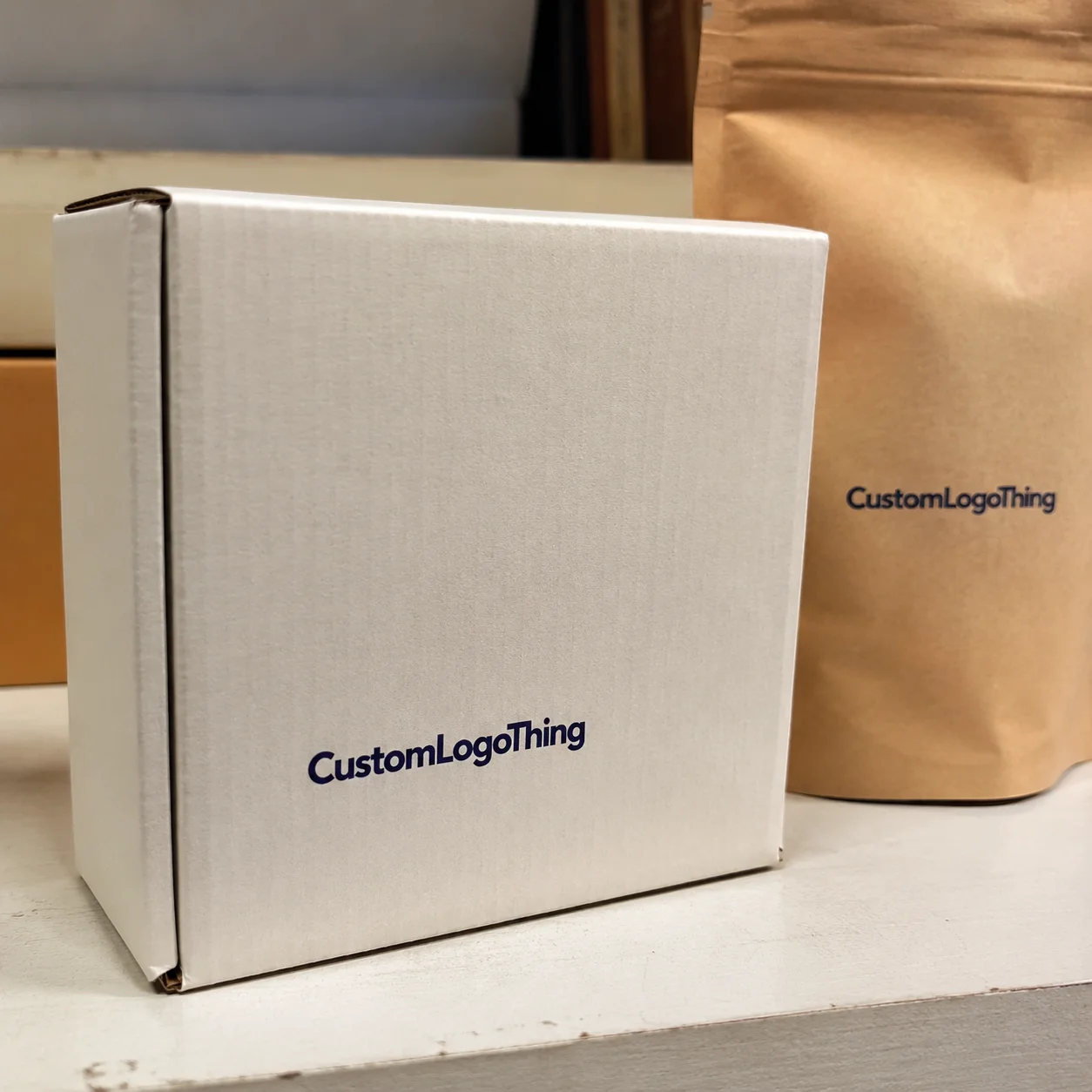
Shoppers make fast judgments. Faster than most packaging briefs admit. Print clarity, registration, edge quality, material texture, and whether the label sits straight on the container can shape the first quality signal in under a second. The product has not changed. The perception has.
That matters in crowded categories: sauces, candles, supplements, skincare, coffee, pet treats, small-batch beverages, cleaning products, and specialty foods. A matte paper label on a kraft pouch tells a different story than a clear BOPP label on a glossy bottle. Metallic film suggests premium pricing. Rough kraft stock hints at natural or handmade positioning. These cues operate before the customer compares price per ounce.
Buyers should separate label formats before asking for quotes:
- Stock labels use pre-made blanks and are usually limited in shape, color, and finish.
- Digitally printed custom labels suit short runs, seasonal products, and multiple SKUs because setup costs are typically lower.
- Flexographic labels are efficient for larger repeat orders, especially when color consistency and press speed matter across long runs.
- Cut-to-size labels arrive as individual pieces, useful for hand application, kits, samples, and low-volume packaging.
- Roll labels are supplied on cores, commonly 1 inch or 3 inches, for dispensers or machine application.
- Water-resistant labels use film materials and suitable adhesives for moisture, condensation, and frequent handling.
- Specialty labels include foil, embossing, clear film, tamper-evident seals, freezer labels, textured stocks, and variable data.
The strongest orders start with the job the label must do. Is it selling on a shelf? Surviving a cooler? Wrapping a small-diameter tube? Matching custom packaging products used in a launch kit? Each answer changes the specification. A label is not only a printed graphic; it is a material system that has to survive storage, packing, shipping, merchandising, and use.
How Product Label Printing Works From Artwork to Finished Roll
A typical order moves through a predictable chain: artwork setup, dieline check, material selection, proofing, printing, finishing, cutting, inspection, and packing. Short sentence. Long consequences. If the dieline is wrong at step two, the finished roll may be perfectly printed and still unusable.
Digital printing is the flexible route. It works well for short runs, variable artwork, multiple scents, limited flavors, or test launches where 250 to 2,000 labels per SKU may be enough. Flexographic printing uses plates and is usually stronger for repeat runs, large quantities, spot colors, and high-speed production. The breakeven point depends on label size, colors, material, and supplier setup, but many buyers start comparing flexo once orders move into the tens of thousands.
File setup matters because presses are literal. Bleed usually needs about 0.0625 to 0.125 inch beyond the cut edge. Safe zones often need at least 0.0625 inch inside the trim line so text does not get clipped. Vector logos print cleaner than low-resolution screenshots. Fonts should be outlined or embedded. Barcodes need enough quiet zone, contrast, and size to scan after printing and application.
Color creates its own trap. Screens glow. Ink absorbs. A white label, kraft label, clear film, and silver film can make the same CMYK build look like four different colors. On clear film, white ink layers may be needed behind artwork so colors do not disappear against amber glass, dark plastic, or tinted liquid. Varnish masks, foil layers, and spot UV files should be separated clearly rather than buried inside a flattened PDF.
Packaging reality check: a digital proof confirms layout, spelling, dimensions, and general color direction. It does not fully prove adhesive performance, opacity, barcode scan quality on a curve, or exact color on the final material. Physical samples are cheap compared with a failed production run.
Finishing options change both appearance and durability. Matte laminate reduces glare and fingerprints. Gloss laminate boosts color saturation. Soft-touch coating gives a muted premium feel but can show scuffs on some dark designs. Spot UV adds shine only in selected areas. Foil stamping catches light but adds setup cost and may require extra lead time. Embossing raises part of the surface, which can look excellent on candles, cosmetics, and premium food packaging, though it is not always practical for small labels with dense copy.
Format affects operations too. Roll labels work with dispensers and applicators, but they require the correct unwind direction, gap, core size, and roll outer diameter. Cut-to-size labels are easier for hand packing and small batches. Sheet labels can suit internal samples or office application, though they are rarely the best choice for retail production.
Label Materials, Adhesives, and Finishes That Change Performance
The face stock gets the attention. The adhesive causes the complaints. A beautiful label that peels from a cold glass jar after 20 minutes in a refrigerator is not a branding problem; it is a specification problem.
Paper is economical and works well for dry goods, boxes, jars stored at room temperature, and many indoor retail products. BOPP, short for biaxially oriented polypropylene, is a common film choice for moisture resistance. Vinyl is tougher and often used for outdoor or high-abrasion needs. Kraft paper gives a natural, textured appearance. Metallic film creates shine without full foil stamping. Clear film can produce a “no-label look” on glass or clear plastic, but container color and white ink planning become critical.
Adhesive choice should match the container and exposure conditions. Permanent adhesive is the default for many glass, plastic, metal, and paperboard surfaces. Removable adhesive allows labels to be taken off with less residue, useful for temporary promotions or reusable containers. Freezer-grade adhesive is designed for low-temperature storage and can perform better on frozen foods or cold-chain products. Repositionable adhesive gives packers a small correction window. High-tack adhesive helps on textured cardboard, flexible pouches, rough plastics, and low-energy surfaces. Wash-off adhesive can support returnable glass programs, but the full washing process must be tested before rollout.
Real-world exposure is messy. Refrigeration creates condensation. Oils migrate. Shipping cartons rub. Small curved containers create lift at the edges. A candle label may face heat, fragrance oil, and textured glass. A supplement bottle may need dense regulatory copy and a scannable barcode on a curved panel. A cosmetic tube flexes every time a customer squeezes it.
| Material or Finish | Typical Use | Practical Watchout | Cost Direction |
|---|---|---|---|
| Paper label stock | Dry goods, boxes, indoor jars | Weak around moisture unless coated or laminated | Lower |
| BOPP film | Bottles, sauces, cosmetics, refrigerated items | Needs the right adhesive for condensation and cold fill | Medium |
| Vinyl | Outdoor, durable, high-handling labels | May be more durable than a basic retail product needs | Medium to higher |
| Kraft paper | Natural, handmade, artisan package branding | Color appears muted on brown stock | Medium |
| Foil or metallic film | Premium candles, cosmetics, spirits, gifting | Can complicate barcode placement and readability | Higher |
| Laminate | Products handled often or exposed to moisture | Adds thickness and changes surface feel | Medium add-on |
Finish selection should follow the desired outcome. Matte reduces glare under store lighting. Gloss makes reds, greens, and blacks feel more saturated. Laminate protects ink against handling and shipping friction. Foil signals premium pricing, particularly when paired with restrained packaging design rather than a crowded layout.
Test labels on the actual container. Not a similar jar. Not a blank bottle from another supplier. The actual one. Squeezable bottles, textured pouches, narrow tubes, candles, cosmetics, food jars, and supplement bottles all reveal different weaknesses. For sustainability claims or responsibly sourced paperboard, buyers can also check standards from the Forest Stewardship Council, especially if label stock is part of a broader certified packaging program.
Pricing and Unit Cost: What Drives a Product Label Quote
Label pricing is rarely one flat number. Unit cost depends on size, shape, material, adhesive, quantity, number of SKUs, finish, print method, setup needs, and how the finished labels are packed. A 2 x 3 inch paper rectangle is a different job from a clear film wrap label with white ink, cold-foil detail, and tight roll specifications for an applicator.
As a practical range, a simple digitally printed paper or BOPP label might land around $0.08 to $0.22 per unit at several thousand pieces, depending on size and ink coverage. Shorter runs of 250 to 500 pieces can climb to $0.35 to $1.00 or more per label because setup, proofing, material waste, and cutting time are spread over fewer units. Specialty finishes, unusual shapes, foil, embossing, waterproof constructions, and variable data can push costs higher.
Quantity changes the math. A short digital run has a higher unit cost but lower inventory risk. That can be useful for a new flavor, trial subscription box, seasonal candle, or product still seeking retail placement. Larger runs usually reduce unit cost because press setup, material handling, and finishing are spread across more labels. For established SKUs, ordering 10,000 labels rather than 1,000 can be logical. For a new product with untested demand, the cheaper unit price may be a trap if half the roll becomes obsolete after a formula, claim, or barcode change.
Minimum order quantities exist for practical reasons: machine setup, material roll widths, die costs, finishing requirements, and waste control. A custom shape may require a new cutting die. Foil stamping may require a die as well. Some suppliers can digitally cut short runs with less tooling, but that can be slower or more expensive per piece.
Cheap labels and cost-effective labels are not the same thing. The lowest quote can become expensive if labels peel in cold storage, smudge during fulfillment, scan poorly at checkout, or arrive wound in the wrong direction for machine application. For buyers comparing Custom Labels & Tags, the quote should be judged against the full packaging job, not only the unit price.
To get an accurate quote, provide label dimensions, shape, container type, surface material, order quantity, number of designs, material preference, finish, application method, roll direction, core size if needed, and delivery deadline. Add the product category. Food, cosmetics, chemicals, supplements, alcohol, and cannabis-adjacent goods can carry different copy, adhesive, and durability expectations.
Process and Timeline: From Design Approval to Label Delivery
The clock does not really start at “I sent the logo.” It starts when the supplier has the complete specification and the buyer has approved the proof. That distinction causes a surprising number of missed launch dates.
A clean timeline usually moves through specification gathering, artwork check, digital proof, revisions, approval, printing, finishing, cutting, quality control, packing, and shipping. Standard digital roll labels can often move faster than specialty work, but timing depends on material availability, quantity, finishing, and the supplier’s press schedule. Many straightforward orders run in the range of 5 to 12 business days after proof approval. Foil, embossing, specialty materials, large volumes, or new dies can extend that window.
The fastest path starts before the purchase order. Correct dielines reduce layout questions. High-resolution artwork avoids fuzzy print. Approved copy prevents late edits. Confirmed UPC or EAN barcode data reduces scan risk. Known container dimensions prevent a label from landing across a seam, taper, shoulder, or lid overlap.
Delays tend to repeat. Missing bleed. Low-resolution logos pulled from websites. Regulatory text not approved by the brand owner. Late SKU additions. Unclear color expectations. A material change after proofing. A barcode placed on a tight curve. None of these are dramatic. They are just expensive when discovered late.
Proof approval time and production time should be treated separately. A supplier may quote five business days for production, but if artwork review takes four days and the buyer needs three rounds of changes, the calendar has already shifted. For custom printed product labels tied to a retail launch, build a buffer before filling, kitting, product photography, or freight booking.
Testing also needs a slot. Apply labels to the real package and wait. Check edge lift after 24 hours. Put refrigerated products in the cooler. Rub the label after handling. Scan the barcode on the filled container, not only on the flat proof. For transport testing, buyers can review procedures from ISTA, especially if labels must stay readable after shipping vibration, carton compression, and warehouse handling.
Common Label Ordering Mistakes That Create Waste
Most label failures are not printing failures. They come from incomplete specs, wrong materials, rushed proofs, or labels designed without the container in mind. The press may do its job perfectly and still produce waste.
The first mistake is choosing size by guesswork. A jar may look cylindrical, but the printable panel can be interrupted by shoulders, seams, embossing, taper, or lid overlap. A bottle label that is 0.25 inch too tall may wrinkle near the curve. A pouch label may bridge a texture or seal area. Measure the usable panel with a flexible ruler, then leave breathing room.
The second mistake is ignoring application method. Hand-applied labels forgive more variation, though they still need a manageable shape and stiffness. Machine-applied labels require roll direction, unwind direction, core size, gap, liner strength, and roll outer diameter to match the applicator. A label wound the wrong way can stop a packing line. That is not a small problem if a filling crew is scheduled by the hour.
Artwork mistakes are just as common. Tiny type may pass on a large monitor but fail at actual size. Low-contrast ingredients can look elegant and become unreadable under store lighting. Nutrition panels can get crowded. Barcodes placed on curved, glossy, metallic, or reflective areas may scan inconsistently. A safer barcode zone is flat, high contrast, and not too close to the edge.
Color approvals can be slippery. A buyer approves a screen proof, then the printed label looks warmer, darker, or less saturated because the material absorbs ink differently. Brand colors should have tolerances. If a label must match Custom Printed Boxes, cartons, or other branded packaging, share physical references, Pantone targets where relevant, and realistic expectations about different substrates.
Compliance deserves caution. Not legal advice, but practical packaging advice: food, supplements, cosmetics, chemicals, children’s products, alcohol, and cannabis-adjacent categories may need category-specific label review before print. Required warnings, net quantity statements, ingredient order, claims, symbols, and batch-code space should be final before approval. Reprinting 5,000 labels because a warning was missing is the kind of waste no buyer forgets.
Before You Order Product Labels
Before requesting a quote, slow down for 20 minutes and build a simple label specification sheet. It does not need to be fancy. It needs to be complete.
- Measure the container’s usable label area, including curves, seams, shoulders, tapers, and closures.
- Identify the surface material: glass, PET, HDPE, metal, coated paperboard, kraft, pouch film, or textured plastic.
- List exposure conditions such as refrigeration, condensation, oils, sunlight, abrasion, freezing, or repeated handling.
- Choose hand application, dispenser application, or machine application.
- List every SKU, scent, flavor, size, batch variation, or seasonal version that needs artwork.
- Confirm dimensions, shape, material, adhesive, finish, quantity, roll direction, core size, and deadline.
Artwork should be reviewed at actual size. Print a paper mockup if needed and tape it to the container. It sounds basic because it is. Basic checks catch real problems: cramped type, awkward logo scale, crowded claims, barcode placement, or a label that fights the container shape.
If the product faces moisture, oils, abrasion, outdoor use, repeated handling, cold storage, or bathroom conditions, ask for material recommendations or samples. For a sauce jar, beverage bottle, candle, or personal care item, a BOPP label with the right adhesive and protective laminate may be more reliable than paper. For dry products in cartons, paper may be perfectly sensible and more cost-effective.
Grouping related SKUs can improve production efficiency, especially if the same size, material, adhesive, and finish are used across the line. Keep small test runs for unproven containers or products still changing. The best label strategy balances unit cost with flexibility. That is true for start-up packaging and established retail lines expanding into new flavors.
Custom printed product labels work best when buyers treat them like packaging specifications, not an afterthought. Define the container, exposure, material, finish, application method, and artwork requirements before the quote. The result is usually cleaner packaging, fewer delays, and a label that still performs after the product leaves the packing table.
FAQ
What are custom product labels usually made from?
Common materials include paper, BOPP film, vinyl, kraft paper, clear film, and metallic film. The best choice depends on moisture exposure, handling, surface type, container shape, and desired shelf appearance. Paper works well for many dry indoor products, while film-based labels are usually better for bottles, jars, cosmetics, refrigerated products, and packaging exposed to oils or condensation.
How much do custom printed labels cost per unit?
Unit cost depends on label size, order quantity, material, adhesive, finish, shape, number of designs, print method, and special effects such as foil, embossing, or spot UV. Simple labels may cost only a few cents each at higher quantities, while short runs, specialty materials, and premium finishes can raise the unit price sharply. Larger orders usually lower unit cost, but a short digital run may be smarter when testing a new product, container, seasonal SKU, or revised packaging design.
How long does it take to print custom product labels?
Timeline depends on proof approval, material availability, order size, finishing requirements, cutting needs, and shipping location. Many straightforward digital label orders take about 5 to 12 business days after proof approval, while foil, embossing, specialty stock, custom dies, and large volumes can take longer. The review stage often causes more delay than printing, so final artwork, confirmed dimensions, approved copy, barcode files, and clear material specifications help shorten turnaround.
Do I need waterproof custom labels for bottles or jars?
Waterproof or water-resistant labels are recommended for products exposed to refrigeration, condensation, bathrooms, sinks, oils, ice buckets, or frequent handling. BOPP film with a suitable adhesive and protective laminate is often a practical choice for beverage, cosmetic, sauce, candle, and personal care packaging. Paper may still work for dry, room-temperature products if the handling environment is controlled.
What should I send before ordering custom printed product labels?
Send final artwork, label dimensions, container type, surface material, quantity, number of SKUs, finish preference, application method, roll direction if needed, and deadline. If the product has compliance requirements, confirm ingredients, warnings, net weight, barcode, batch-code space, and required claims before approving the proof.