What Custom Rectangular Stickers Actually Do Best
A good product can still look cheap if the front label is crooked, undersized, or printed on the wrong stock. Packaging is unfair like that. People judge fast, and custom rectangular stickers remain one of the most useful label formats because they fit jars, boxes, mailers, bags, bottles, envelopes, tins, and product inserts without requiring unusual die lines.
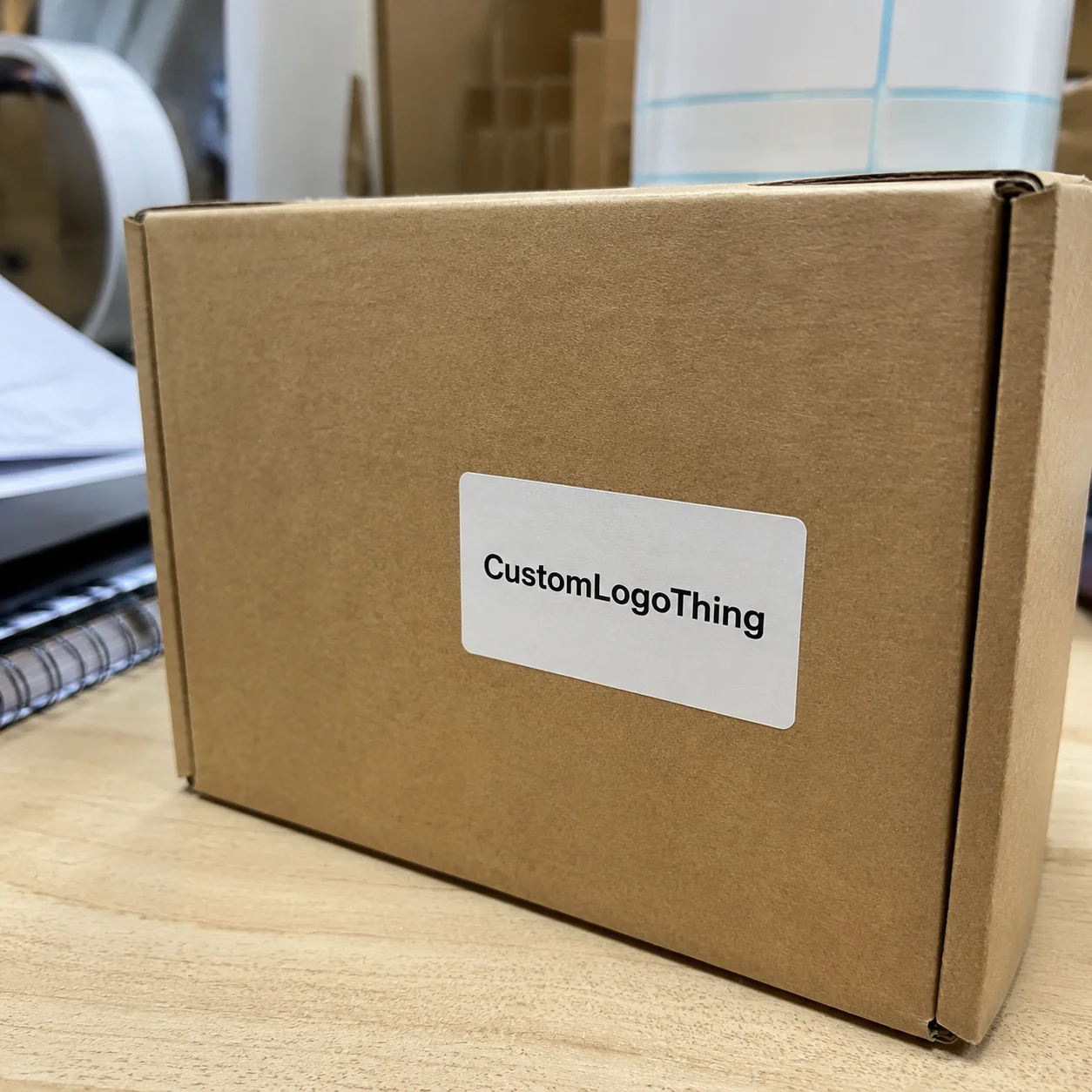
At the basic level, a rectangular sticker is an adhesive label or decal cut into a rectangle. It may carry a logo, product name, ingredients, barcode, QR code, warning statement, batch number, promotional offer, or decorative artwork. Simple format. High consequences.
The rectangle earns its keep through alignment. Straight edges sit cleanly against box panels, jar shoulders, pouch windows, mailer flaps, and retail display surfaces. Printers can also gang rectangular shapes efficiently on sheets or rolls, so there is usually less wasted material than with complex shapes that leave awkward gaps between cuts.
Use cases stack up quickly: product labels, shipping labels, brand seals, candle labels, food packaging labels, compliance labels, retail price stickers, event stickers, and e-commerce thank-you labels. For sellers building around custom packaging products, a clean rectangle often does more practical work than a specialty shape that costs more and applies worse.
Practical rule: if the label needs to communicate information quickly, align cleanly, and stay affordable across repeat orders, a rectangle is usually the least dramatic choice. Packaging already has enough drama.
The format is forgiving, but not magic. Size, adhesive, material, finish, application surface, and artwork setup decide whether the finished sticker looks retail-ready or like it came from a desk printer five minutes before a trade show opened.
How Rectangular Sticker Printing Works From File to Finish
Sticker production usually moves through artwork review, proofing, material selection, print setup, color output, coating or lamination, cutting, quality check, packing, and shipping. The order matters. If the size changes after proofing, the file may need a new proof. Annoying? Yes. Better than printing 5,000 labels that miss the jar panel by a quarter inch? Also yes.
Most short and mid-size runs are printed digitally. Digital printing works well for lower quantities, fast turnarounds, multiple versions, and jobs where the buyer needs 250 of one scent label and 500 of another. Flexographic printing can be more efficient for very large runs because setup cost gets spread across thousands or tens of thousands of stickers. Flexo is not automatically superior. It is superior in the right quantity range.
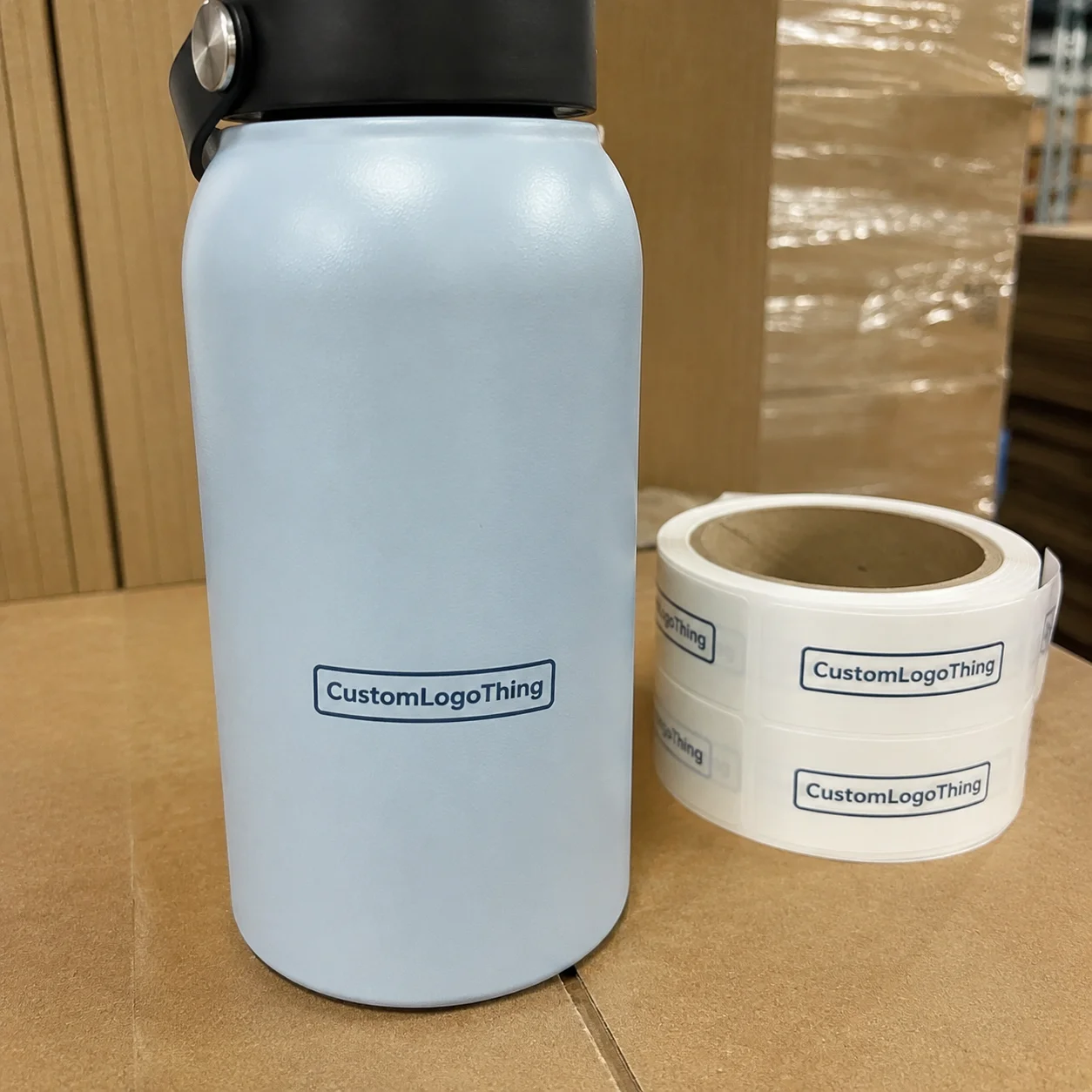
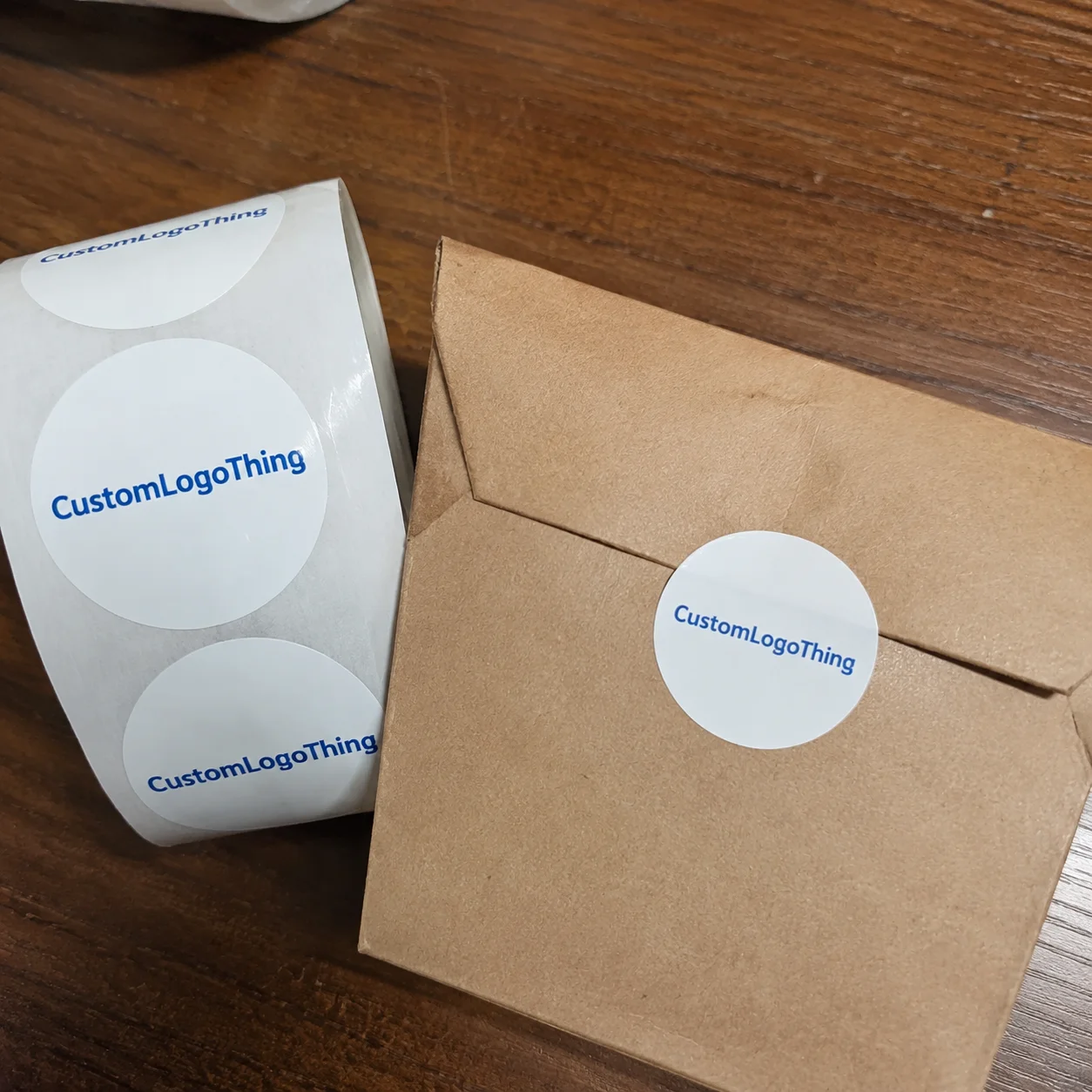
Delivery format changes the workflow more than many buyers expect. Singles are useful for giveaways, inserts, kits, and event handouts. Sheets are practical for hand labeling because they keep designs organized and easy to peel. Rolls make sense for high-volume application, label dispensers, or automatic labeling equipment. Roll labels may require core size, outside roll diameter, gap size, and unwind direction. Yes, even stickers have opinions.
Finish controls appearance and durability. Gloss laminate boosts color and resists handling. Matte laminate gives a quieter retail look and photographs with less glare. Uncoated paper is better when someone needs to write on the label. Waterproof films, usually BOPP or vinyl, perform better around moisture, oils, cold storage, and frequent handling.
Cut style matters too. Square corners look crisp, especially on cartons and flat panels, but sharp corners can lift sooner on curved or heavily handled surfaces. Rounded corners are more forgiving. Kiss-cut sheets keep each label attached to a backing sheet, while roll labels are cut and wound for dispensing. If a roll is going into an applicator, the unwind direction is not a decorative preference; it determines whether the label feeds correctly.
A proper digital proof should confirm size, trim, bleed, safe zone, color mode, material, finish, quantity, and delivery format. Cutting can shift slightly, often by 1/32 inch or more depending on equipment and material. Tiny borders around the outside edge are risky unless the file includes proper bleed and realistic tolerance. If the border must look perfect, make it thicker or move it inward. Physics remains undefeated.
Key Specs That Decide Size, Material, Adhesive, and Finish
Start with size. Measure the actual package surface, not the old label file sitting on someone’s desktop from three rebrands ago. Use a ruler, caliper, or printed mockup. Then apply the mockup to the real jar, box, pouch, tin, or bottle before ordering a full run.
Common sizes are useful starting points. A 2 x 3 inch sticker works well for small jars, tins, and sample pouches. A 3 x 4 inch rectangle gives more room for branding and required copy on boxes, bags, and stand-up pouches. A 4 x 6 inch label is common for shipping, larger product labels, or back-panel information. Slim rectangles, such as 0.75 x 2.5 inches or 1 x 3 inches, work for seals, warnings, tamper-style closures, and promotional strips.
Curves change the math. A label that looks modest on a flat screen can wrinkle on a round bottle because the material has to bridge a curved surface. Wide rectangles are especially vulnerable to tunneling, edge lift, and small diagonal creases. Before ordering, print the size on plain paper, cut it out, and tape it to the container. Crude test. Useful result.
Surface compatibility is where many orders quietly go wrong. Glass, plastic, kraft paper, coated boxes, metal tins, and flexible pouches all behave differently. A label that sticks beautifully to a coated carton may lift on a squeezable bottle. A paper label that looks charming on dry kraft packaging may wrinkle badly on a refrigerated drink.
| Sticker Material | Best Use | Typical Tradeoff | Common Finish Pairing |
|---|---|---|---|
| Paper | Dry indoor packaging, jars, boxes, inserts | Lower cost, weaker moisture resistance | Matte, gloss, or uncoated |
| BOPP Film | Food, cosmetics, bath products, refrigerated items | Higher cost than paper, better durability | Gloss or matte laminate |
| Vinyl | Outdoor use, promo decals, rough handling | Durable but usually more expensive | Gloss laminate or UV coating |
| Textured Stock | Boutique retail, candles, premium gifts | Strong tactile feel, less moisture-friendly | Often uncoated or light matte |
Adhesive choice should match the job. Permanent adhesive is the normal pick for product labels. Removable adhesive fits temporary promotions, seasonal pricing, or reusable containers. Freezer-grade adhesive is built for cold storage. High-tack adhesive helps on rough, curved, or low-energy plastics. Repositionable adhesive gives hand-labeling teams a little forgiveness, useful when the crew is applying 1,000 labels before lunch and everyone is pretending they are fine.
Finish is a tradeoff, not a beauty contest. Gloss improves vibrancy but can create glare under retail lighting. Matte looks more premium and photographs nicely, but it may show scuffs sooner depending on the laminate. Lamination adds durability and moisture resistance, but it also raises unit cost. For packaging that gets shipped, wiped, refrigerated, stacked, or handled every day, that added cost is often cheaper than peeling corners and rework.
Compliance labels need more discipline. Food, cosmetic, supplement, candle, and chemical products may require ingredient panels, warnings, net weight, batch codes, manufacturer information, or barcode readability. For packaging rules and waste-related guidance, the EPA sustainable materials management resources are a useful reference point. If shipping performance matters, especially for e-commerce bundles, the ISTA testing standards are also worth knowing.
If a sticker faces heat, cold, oil, condensation, abrasion, curved containers, or direct handling, test samples first. A small sample step can prevent a much larger mistake. Not always. Often enough that skipping it starts to look less like efficiency and more like gambling with adhesive.
Cost, Pricing, and MOQ Factors Buyers Should Expect
Sticker pricing is driven by size, material, quantity, finish, delivery format, artwork complexity, number of designs, and production speed. Larger labels use more material. Specialty films cost more than paper. Lamination adds cost but protects the print. Rush production costs more because someone has to rearrange a production queue, and “we only need them by Friday” is not a production strategy.
For basic paper rectangle labels, a small run of 100 pieces may land around $0.35 to $1.20 per sticker depending on size and finish. At 1,000 pieces, common sizes might drop to $0.08 to $0.35 each. At 5,000 pieces, simple labels may fall into the $0.03 to $0.18 range, while waterproof films, specialty adhesives, variable data, or premium finishes can sit higher. These are planning ranges, not promises. Quotes depend on the exact spec, current material costs, and how the job is produced.
Quantity breaks are real because setup, proofing, and handling get spread across more units. A 100-piece order carries a lot of fixed labor. A 5,000-piece order lets the printer use material and setup time more efficiently. That is why buyers often see the unit price drop sharply between 250, 1,000, and 5,000 pieces.
Minimum order quantity depends on production method and delivery format. Custom rectangular stickers often have lower minimums than boxes, bags, or molded packaging, especially with digital printing. Roll labels may require higher minimums depending on material, core size, finishing, and setup. If you need labels for Custom Labels & Tags, keep the first run realistic, then reorder once the spec is proven.
Multi-design orders can save money if all versions use the same size, material, finish, and delivery format. Change every variable and the quote gets messy fast. Same size with five scent names? Reasonable. Five sizes, three finishes, two adhesives, and a mystery deadline? That is not a sticker order. That is a committee with a purchase order.
Prepare these quote details before asking for pricing:
- Final size, such as 2 x 3 inches or 3 x 4 inches
- Quantity per design and total quantity
- Material, finish, and adhesive requirement
- Sheets, rolls, or individually cut singles
- Indoor, outdoor, refrigerated, or wet-use conditions
- Application surface, such as glass, kraft paper, plastic, or metal
- Artwork file, shipping destination, and deadline
Pay more for waterproof film, specialty adhesive, metallic effects, variable data, rush timing, or exact color matching. Also, do not compare quotes blindly. A cheap paper sticker and a laminated BOPP sticker are not the same product just because both are rectangles. That is like comparing a paper grocery bag to custom printed boxes and declaring the cheaper one “better.” Better for what?
Process and Timeline: Ordering Without Delays
The clean ordering process is straightforward: define the sticker’s purpose, measure the package, select material and adhesive, prepare artwork, Request a Quote, approve the proof, and then production begins. That last phrase matters. Production begins after proof approval, not after someone writes, “Looks good, I think,” in a group chat.
Simple digital sticker orders can often move in 3 to 7 business days after proof approval, depending on quantity, workload, and finishing. Specialty materials, large roll label runs, complex finishing, color matching, or multi-design orders may need 8 to 15 business days or more. Shipping time is separate unless the quote clearly states otherwise.
Proof approval is the real clock starter. If the proof sits in an inbox for three days, the press did not secretly produce the labels in the background. Printers need written approval because the proof locks the size, cut, art, finish, quantity, and production format.
Common delay triggers are painfully predictable: missing bleed, low-resolution logos, unclear size, undecided material, last-minute copy edits, barcode changes, color matching requests, and unanswered proof questions. A 72 DPI logo pulled from a website is not print-ready. It may look fine on a phone. It will not look fine on a 3 x 4 inch front label beside real retail packaging.
Separate the timeline into four parts: proofing, production, transit, and receiving buffer. Turnaround usually means manufacturing time, not delivery time. If labels are needed for a launch on the 20th, do not approve proofs on the 19th and act surprised. Build in at least 2 to 5 business days of cushion for critical packaging design projects, more if freight, fulfillment appointments, or retail deadlines are involved.
Order samples or a short run before a major launch if the container is new, the label is waterproof, the product goes into cold storage, or the surface is curved. Once the spec is approved, future reorders are faster because the size, material, finish, adhesive, and file history are already set.
Use this checklist before approving production:
- Final art is approved and sized correctly
- Barcode or QR code has been tested at final size
- Package surface has been measured with margins allowed
- Deadline, production time, and transit time are confirmed
- Quantity and design versions are approved
- Shipping address and receiving contact are correct
Common Sticker Mistakes That Make Labels Look Cheap
Size mistakes are the fastest way to make labels look wrong. Too small, and the sticker feels like an afterthought. Too large, and it wrinkles on curves, covers seams, fights package edges, or tunnels across flexible packaging. A rectangle should look intentional, not like someone guessed from a PDF preview.
Artwork mistakes come next. Low-resolution images, missing bleed, tiny text, thin borders, and RGB colors can all produce disappointing print results. For most sticker printing, raster images should be 300 DPI at final size. Logos and text should ideally be vector. Fonts should be outlined or embedded. Bleed should usually extend 0.0625 to 0.125 inch beyond the trim, depending on the printer’s spec.
Contrast deserves more respect. Light gray text on a kraft background may look tasteful on screen and useless on a shelf. White text over a pale yellow label might pass a designer’s monitor test and fail every customer over age 40. If the sticker carries ingredients, warnings, or scan codes, readability is not optional.
Material mismatch is another classic. Paper labels on wet bottles. Removable adhesive on retail products. Glossy labels on packaging that needs handwriting. Textured paper on a bottle that will sit in a bathroom. None of these are rare errors. They happen because buyers pick based on appearance before thinking about use.
Application conditions can ruin even good stickers. Dirty surfaces, oily containers, cold packaging, condensation, and rushed hand labeling all create bubbles, lifting, and crooked placement. For hand application, use a light placement guide, apply at room temperature when possible, and avoid touching the adhesive with fingers. For roll application, confirm unwind direction before production. Rewinding finished rolls after the fact is sometimes possible, but it wastes money and patience.
Barcodes and QR codes need testing. Keep them high contrast, large enough, and away from seams, tight curves, and heavy texture. Scan a printed proof or sample, not just the screen file. A QR code that works on a monitor can fail after matte lamination, reduced size, or low-contrast color choices.
Overdesign is the quiet killer. Logo, slogan, ingredients, social handles, QR code, website, origin story, five icons, and a certification badge on one small rectangle is not package branding. It is clutter. Pick the hierarchy: what should be seen first, second, and third? Everything else earns its place or gets cut.
Quality control should be boring and specific. Check that the cut is square, the corners are clean, the print is not banded, the laminate is not bubbling, the adhesive backing releases properly, and the count matches the packing slip. On roll labels, inspect winding direction and whether labels sit evenly on the liner. A small shift at the beginning of a roll can become a bigger problem once it hits a dispenser.
Before approval, review spelling, size, trim, safe area, material, finish, roll direction, quantity, compliance text, and ship-to details. Rectangular labels are usually easy to produce once the file and spec are clean. They become expensive when the proof is treated like a formality.
Build a Sticker Spec That Prints Cleanly
Start by writing down the sticker’s job. Is it for branding, product identification, sealing, compliance, promotion, shipping, or retail display? One sticker can do more than one job, but it should not be asked to do ten. That is how small labels become unreadable little billboards.
Measure the real application area with a ruler or caliper, then choose two possible rectangle sizes. Compare visibility, fit, and cost. Print both sizes on plain paper, cut them out, and tape them to the package. It is not fancy. It works. A 10-minute mockup often catches problems that a polished screen render hides.
Choose material based on environment. Paper is fine for dry indoor packaging. Waterproof BOPP film is better for moisture, oils, cosmetics, cold cases, and bath products. Vinyl is better for rough handling, outdoor use, or promotional decals. Textured stock is a strong choice for premium presentation, especially candles, gifts, and boutique retail items, but test it before pairing it with moisture or heavy handling.
Prepare production-ready artwork with a vector logo, 300 DPI images, outlined fonts, correct dimensions, bleed, safe margins, and separate files for each design variation. If the sticker uses white ink, metallic effects, spot gloss, variable data, or special cut notes, label those layers clearly. Printers are good. They are not mind readers.
Request a quote with specifics instead of vague guesses: size, quantity, material, finish, adhesive, delivery format, deadline, shipping location, and application surface. If the stickers need to match cartons, mailers, or other product packaging, share those specs too. The best label decision supports the whole packaging system, not just the sticker by itself.
Order a sample or small batch if testing a new package, new adhesive, curved surface, cold storage, direct product contact scenario, or premium launch. Once the label is proven, save the final spec and reorder from that record. Future you will be less annoyed.
Custom rectangular stickers are simple to buy when the specs are clear, and expensive to fix when everyone guesses. Measure the package, Choose the Right material, approve the proof carefully, and the label will do its job without making the product look like it was assembled during a fire drill.
FAQ
What size custom rectangle labels should I order for product packaging?
Measure the flat labeling area first, then leave a small margin around the edges so the label does not wrinkle, lift, or cover seams. Common sizes include 2 x 3 inches for small jars, 3 x 4 inches for pouches and boxes, and 4 x 6 inches for larger labels or shipping uses. If the container is curved, test the size before ordering a full run because wide labels can crease or tunnel.
Are custom rectangular stickers waterproof?
They can be waterproof if printed on film materials such as BOPP or vinyl with the right ink and laminate. Standard paper stickers are usually fine for dry indoor packaging but are not the right choice for ice buckets, refrigerators, oils, bathrooms, or outdoor use. For moisture-heavy products, ask for waterproof material and confirm whether the adhesive also fits the application.
How much do custom rectangular stickers cost?
Cost depends on size, quantity, material, finish, adhesive, roll or sheet format, number of designs, and turnaround speed. Higher quantities usually lower the unit cost because setup and proofing are spread across more stickers. Waterproof film, matte or gloss laminate, specialty adhesive, rush production, and variable data usually increase the quote.
Should I order rectangular stickers on rolls, sheets, or singles?
Rolls are best for high-volume labeling, label dispensers, or machine application. Sheets are practical for hand application, small batches, and organized storage. Singles work well for giveaways, inserts, event handouts, and promotional stickers where each piece needs to be separate.
What artwork file is best for printing custom rectangular stickers?
Vector files such as AI, EPS, or print-ready PDF are best for logos, text, and sharp edges. Raster images should be at least 300 DPI at the final print size. Artwork should include bleed, safe margins, outlined fonts, correct dimensions, and any notes for finish, cut style, or roll direction.