Custom Reflective Vinyl Stickers: Order With Specs, Not Guesswork
Custom reflective vinyl stickers do not glow by themselves. That small misunderstanding causes a surprising number of bad orders: labels that vanish at night, safety marks that only look good in daylight, or packaging stickers that cost more than standard vinyl without adding much visibility.
Reflective stickers are printed or cut decals made with retroreflective film. The material bounces light back toward the source, so it becomes much more visible under headlights, a flashlight, or a phone flash. Common uses include bike helmets, hard hats, delivery gear, emergency kits, warehouse labels, trail markers, vehicle decals, outdoor equipment, and limited-edition packaging. They look fairly normal at noon. Under direct light, they get loud.
What Custom Reflective Vinyl Stickers Actually Do
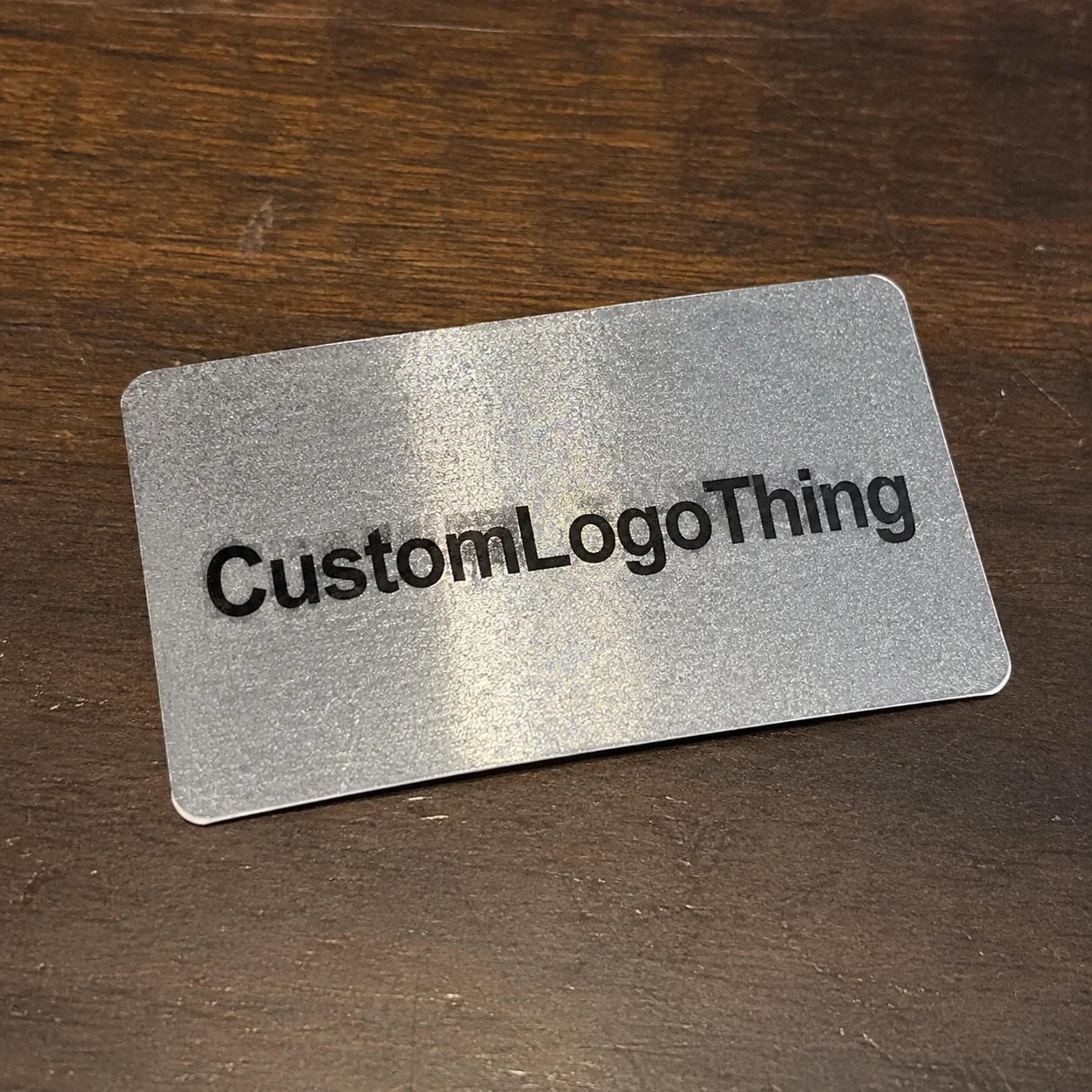
Reflective vinyl is built for visibility first, decoration second. It can look sharp, especially with simple artwork and clean die cutting, but its real job is to help a logo, warning mark, location label, or graphic show up when light hits it. If a sticker needs to catch attention in a parking lot, on a delivery bag, on the side of a case, or on a helmet, reflective vinyl earns its higher price.
Buyers often mix up reflective vinyl, glow-in-the-dark material, metallic vinyl, holographic film, and standard white vinyl. Cute mistake. Expensive too.
Reflective vinyl returns light toward the source. Glow-in-the-dark vinyl stores light and emits a dim glow for a limited time after the lights go out. Metallic vinyl has a shiny foil-like surface but does not strongly retroreflect. Holographic film gives rainbow movement and sparkle. Standard white vinyl is the everyday printed sticker base, usually cheaper, easier to print, and more predictable for color.
The base color matters. Many reflective films have a gray-silver look before printing, though white reflective options are available. Ink sits over that surface, so daylight color can look slightly muted compared with printing on bright white vinyl. Red may read deeper. Blue may feel less clean. Black can look crisp in daylight but block reflectivity at night. If the entire design is buried under dark ink, don’t act shocked when it barely reflects.
For Custom Labels & Tags, reflective vinyl can add function instead of just decoration. The right build depends on surface, exposure, adhesive, print method, finish, and how long the sticker needs to survive. A reflective insert for a retail box is not the same job as a decal on a rain-soaked equipment case.
Practical rule: if nighttime visibility is the point, leave enough exposed reflective material in the design. Ink is not magic. Heavy coverage reduces bounce-back.
How Reflective Vinyl Works Under Light
Reflective vinyl relies on retroreflection. Tiny glass beads or microprisms inside the film redirect incoming light back toward the source instead of scattering it everywhere. A driver sees the sticker because headlights hit the film and the reflected light returns toward the vehicle. A person holding a flashlight sees the same effect because their eyes are close to the light source.
Most buyers hear about two material styles: glass bead reflective film and prismatic reflective film. Glass bead films are common for general decals, promotional stickers, labels, and light-duty outdoor use. Prismatic films can be brighter because their tiny geometric structures return more light, but they may cost more and can have limits around printing, cutting, small details, or flexibility.
Viewing angle changes the result. A reflective sticker may look bright when viewed straight on with a flashlight, then less dramatic from the side. That is normal. Retroreflective materials perform best when the viewer is near the light source. For vehicle decals, the strongest visibility usually comes from the direction of headlights, not from every possible angle like a neon sign. Physics, annoyingly, still gets a vote.
Print coverage matters just as much. Light colors and open reflective areas preserve more nighttime punch. Dense black backgrounds, heavy gradients, and full-bleed dark artwork can flatten the effect. If the design needs both brand color and visibility, use bold shapes, high contrast, and reflective negative space around the logo or message.
Finish changes performance too. Gloss laminate usually keeps reflectivity sharper and adds outdoor protection. Matte laminate can reduce glare and give a softer retail look, but it may dull the reflective hit. No laminate can save money on short-term indoor or light outdoor jobs, but it leaves ink more exposed to abrasion, UV, moisture, and cleaning chemicals.
Reflective vinyl is usually thicker and stiffer than standard sticker vinyl. That affects tiny cuts, tight curves, small type, and curved surfaces. A 1-inch hard-hat logo with a chunky icon can work beautifully. A 1-inch reflective sticker with thin script, a QR code, and a scalloped contour cut is asking production to perform a circus trick for no good reason.
Key Specs That Decide Durability, Adhesion, and Visibility
The first spec is material grade. Economy reflective vinyl works for short campaigns, event giveaways, indoor labels, and light-duty outdoor use. Premium reflective vinyl is a better match for equipment, vehicles, outdoor gear, safety markings, and longer exposure. A promotional reflective sticker may only need to last a few months. A decal on a delivery case or vehicle panel may need one to five years depending on film, laminate, abrasion, and sun exposure.
Adhesive is the next decision. Permanent adhesive is the default for long-term labels, gear decals, and product identification. Removable adhesive suits temporary campaigns, rented equipment, windows, and seasonal promotions. High-tack adhesive may be needed for textured plastic, powder-coated metal, low-energy plastics, or gear cases. It can help, but it does not fix dirty surfaces, peeling paint, oily rubber, or silicone. Nothing sticks well to bad prep. Not even optimism.
Surface compatibility is where many orders go sideways. Smooth painted metal, glass, clean plastic, and coated surfaces are usually easier. Fabric, rubber, silicone, dusty cardboard, raw wood, and heavily textured surfaces are sticker drama waiting to happen. If the sticker goes on retail packaging, check the box coating. Soft-touch lamination, uncoated kraft stock, and heavily textured paper can behave very differently from glossy SBS board.
Size and shape affect visibility. Larger decals show the reflective material better, especially at night. Tiny reflective details can disappear visually or become hard to weed if the design uses cut vinyl. For most logos, 2-inch to 4-inch stickers are a practical range for giveaways, helmets, cases, and packaging inserts. For vehicle or equipment visibility, 4 inches and up usually performs better.
Artwork needs to be blunt in the best way. Bold shapes. Clean lines. Thicker strokes. Readable type. Thin scripts, hairline borders, delicate texture, and microscopic QR codes perform badly on reflective vinyl, especially at small sizes. Someone always asks for a 0.75-inch reflective QR code. No, that is not a plan. That is a tiny square of regret.
Exposure should decide the protective build. UV, rain, salt, abrasion, cleaning chemicals, and temperature swings all change the spec. For outdoor branding or safety visibility, ask for the material type, laminate option, adhesive type, estimated outdoor life, and sample photos under direct light. If the job supports product packaging or Custom Printed Boxes, compare the sticker against the full packaging design so it looks intentional, not slapped on five minutes before launch.
- Short-term promotions: economy reflective film, standard permanent adhesive, no laminate or basic gloss laminate.
- Outdoor gear: premium reflective film, permanent or high-tack adhesive, gloss laminate.
- Retail packaging: reflective film matched to box coating, clean die cut, realistic color expectations.
- Safety labeling: confirmed performance standards before ordering, especially for regulated use.
If compliance matters, ask about specific standards instead of using vague language. Some safety and shipping programs reference standards from groups such as ASTM International or testing protocols from ISTA. A sticker being reflective does not automatically make it compliant for road, workplace, or regulated safety use.
Pricing, MOQ, and Unit Cost Drivers
Reflective vinyl costs more than standard white vinyl because the base film is specialized, thicker, and less forgiving during printing and cutting. The shop also has to manage material waste, blade pressure, lamination compatibility, and proof expectations. Cheap tiny runs are not magic. Somebody still sets up the job.
The biggest price drivers are sticker size, order quantity, material grade, print coverage, die-cut complexity, lamination, sheeted versus individual pieces, and packing requirements. Full-color printing can be efficient, but dense ink coverage may add cost and reduce reflectivity. Complex shapes take longer to cut and weed. Individual pieces feel premium, while sheeted stickers are usually cheaper to pack and ship.
| Spec Choice | Best Use | Typical Cost Impact | Buyer Tradeoff |
|---|---|---|---|
| Economy reflective vinyl | Short campaigns, event stickers, indoor labels | Lower | Less durability and possibly weaker reflectivity |
| Premium reflective vinyl | Equipment, outdoor gear, vehicle decals | Medium to high | Better lifespan, higher unit cost |
| Gloss laminate | Outdoor branding, weather exposure, frequent handling | Adds moderate cost | Improves protection but changes surface feel |
| Matte laminate | Retail packaging, low-glare designs | Adds moderate cost | Softer look, reduced reflective punch |
| Individual die-cut pieces | Giveaways, inserts, retail handouts | Higher than sheets | More premium, more handling and packing |
| Sticker sheets | Bulk labeling, kitting, warehouse application | Lower per sticker | Less premium as a giveaway format |
As a rough buying benchmark, small custom reflective vinyl stickers in simple shapes often land around $0.45 to $1.50 each at low quantities, depending on size and finish. At 1,000 to 5,000 pieces, simple 2-inch to 3-inch reflective decals may drop into the $0.18 to $0.60 range. Larger decals, premium films, lamination, intricate cuts, specialty adhesives, and individual packing push pricing up quickly. Treat these as planning ranges, not a universal price list.
MOQ depends on production method. Digital printing supports lower minimums for testing, sometimes 50 to 100 pieces. Larger runs unlock better unit pricing because setup, proofing, material handling, and packing spread across more units. If you need 12 perfect reflective logo stickers with rush shipping and five proof rounds, expect the unit price to look rude. That is not the supplier being dramatic; that is setup math.
Hidden cost traps include ultra-small text, heavy ink coverage, multiple proof revisions, rushed production, special adhesive requests, custom back printing, split shipments, and individual bagging. For quotes, send a real spec list: size, quantity, shape, use environment, adhesive need, laminate preference, deadline, and packing format. If the sticker is part of Custom Packaging Products, include the box material or coating too.
Process and Timeline From Artwork to Delivery
The standard process is simple on paper: quote, artwork review, proof, approval, material prep, printing or cutting, lamination if needed, die cutting, quality check, packing, and shipping. In practice, the proof stage is where timelines either stay clean or fall into a swamp.
Simple reflective sticker orders can move quickly after proof approval. A basic digitally printed shape in a common size may produce in 5 to 10 business days after approval, depending on queue and material availability. Custom shapes, premium materials, large quantities, specialty adhesives, or individual packing can push production to 10 to 20 business days. International freight, peak seasons, and event deadlines need more buffer.
The clock usually starts after final proof approval, not when the buyer sends a blurry logo from a group chat. Production teams are good. They are not psychics. If artwork arrives as a low-resolution screenshot, someone has to rebuild it, reject it, or print a sad version of it. None of those helps your deadline.
Vector files are best for logos, cut lines, and clean shapes. AI, EPS, SVG, or editable PDF files usually work well. High-resolution raster files can work for full-color print if they are sized correctly, often 300 dpi at final print size. Cut paths should be clean, closed, and not overly complex. If the sticker needs a kiss cut, die cut, or sticker sheet layout, label the cut line clearly in the file.
Proofing is not a rubber-stamp step. Check size, shape, cut line, color placement, spelling, reflectivity expectations, and exposed reflective areas. If a safety label says “emergency shutoff,” read it twice. If a QR code is part of the design, test it at final size. If the sticker wraps onto a curved surface, ask whether the material is flexible enough for that radius.
Plan shipping like a grown-up. Add time for proof revisions, material availability, carrier delays, warehouse receiving, and application before launch. For event, retail packaging, safety, or branded packaging projects, start quoting two to four weeks before the in-hand date when possible. More time gives you room for samples, edits, and less-panicked decisions.
Common Ordering Mistakes That Make Reflective Stickers Disappoint
The first mistake is treating reflective vinyl like standard sticker vinyl. It is thicker, more expensive, and more sensitive to design choices. The same fine details that print cleanly on white BOPP or standard vinyl may cut poorly or look muddy on reflective film.
The second mistake is covering the whole reflective surface with dark ink. If visibility matters, leave reflective negative space. Use dark color for contrast, not as a full blanket. A black logo on a silver reflective field usually performs better than a full black background with a tiny reflective outline.
The third mistake is ordering the wrong adhesive. A sticker meant for smooth painted metal may fail on textured plastic, rubberized coatings, powder-coated equipment, or dusty outdoor gear. Ask for adhesive guidance based on the exact surface. “Plastic” is not specific enough. Polypropylene, ABS, polycarbonate, and low-energy plastics do not all behave the same.
The fourth mistake is choosing matte laminate without understanding the tradeoff. Matte may look better for Premium Retail Packaging or low-glare product photography, but it can reduce the sharp reflective punch. Gloss is usually better for maximum reflectivity and outdoor protection.
The fifth mistake is using tiny lettering, thin borders, delicate scripts, or complex shapes that look fancy on screen and miserable in production. If the sticker is under 2 inches, simplify. If the label must be read from 6 feet away, use larger type. If the shape has 37 little points, expect either a higher quote or a production note asking you to calm down.
The sixth mistake is skipping samples or material photos for serious applications. For vehicle decals, outdoor gear, safety labels, industrial equipment, or high-volume package branding, ask for a sample or at least photos under direct light. Office lighting, daylight, headlights, and phone flash make reflective material look different.
The seventh mistake is assuming reflective means certified safety compliance. If your decal has to meet a specific regulation or performance level, ask for documentation. For packaging programs, also consider sustainability claims carefully. If paper components are part of the same retail packaging system, references such as FSC may matter for the broader packaging mix, but they do not certify reflective vinyl performance.
Next Steps Before You Request a Quote
Before asking for pricing, decide the visibility goal. Is the sticker for branding, safety, decoration, product labeling, night wayfinding, or a promotional drop? That answer affects material grade, design contrast, laminate, adhesive, and cost. A cool-looking sticker for a custom printed boxes insert is not the same build as a decal for outdoor equipment.
Use a simple pre-quote checklist. It saves everyone time, which is apparently still legal.
- Final size: width and height in inches or millimeters.
- Quantity: target quantity and backup range, such as 500, 1,000, and 2,500 pieces.
- Shape: circle, rectangle, rounded corner, contour cut, or sticker sheet.
- Surface: glass, painted metal, coated paperboard, plastic type, powder-coated metal, or other material.
- Use environment: indoor, outdoor, rain, UV, salt, abrasion, chemicals, or frequent handling.
- Lifespan: short event use, seasonal campaign, one year, or multi-year outdoor use.
- Finish: gloss laminate, matte laminate, or no laminate.
- Adhesive: removable, permanent, or high-tack.
- Deadline: in-hand date, not just the launch date.
- Packing: sheeted, individually cut, bagged, kitted, or inserted with product packaging.
Prepare artwork properly. Vector logo files help keep cut paths clean. Editable cut lines prevent guesswork. Pantone references help if color matters, though reflective bases can shift the final appearance. A mockup showing where the sticker will be applied is useful, especially on curved, dark, textured, or coated surfaces.
Ask for a sample or photo under direct light when visibility is critical. Reflective material can look quiet in office lighting, flat in daylight, bright under phone flash, and very strong under headlights. If that difference affects your project, verify before full production.
A useful supplier message sounds like this: “We need 1,000 3-inch custom reflective vinyl stickers for outdoor equipment cases. They will be applied to clean powder-coated metal, exposed to rain and handling, and need to last about two years. We prefer gloss laminate and permanent or high-tack adhesive. Artwork is vector. Target delivery is three weeks from proof approval.” That gets a better quote than “How much for reflective logo stickers?” Shocking, I know.
Before ordering, confirm the material, adhesive, laminate, proof, production timeline, and shipping plan so the finished decals do the job instead of just looking shiny in a PDF.
FAQ
Are custom reflective vinyl stickers waterproof?
Most reflective vinyl stickers can handle water when made with outdoor-rated vinyl and the right adhesive. For rain, washing, or longer outdoor exposure, request a protective laminate and ask for the expected durability range. Waterproof does not mean indestructible; abrasion, pressure washing, cleaning chemicals, and bad surface prep can still shorten sticker life.
How long do reflective vinyl decals usually last outdoors?
Light-duty reflective decals may last months to a couple of years depending on exposure. Premium outdoor reflective vinyl with laminate can last longer, especially on clean, smooth, low-abrasion surfaces. Sun exposure, salt, road grime, surface texture, and frequent handling all reduce lifespan.
Can custom reflective stickers be printed in full color?
Yes, full-color printing is possible on reflective vinyl, but heavy ink coverage can reduce reflectivity. Bright colors and open reflective areas usually perform better than dense dark backgrounds. Ask for a proof or sample if the design depends on both accurate color and strong nighttime reflection.
What is the best adhesive for reflective vinyl stickers on equipment?
Permanent adhesive is usually best for tools, cases, machinery, helmets, and outdoor equipment. High-tack adhesive may be needed for textured plastics, powder-coated metal, or slightly rough surfaces. Always clean the surface first and avoid applying over dust, oil, silicone, rubber, or peeling paint.
Do custom reflective vinyl stickers cost more than regular stickers?
Yes, they usually cost more because the material is specialized and thicker than standard sticker vinyl. Unit cost depends on size, quantity, laminate, cut complexity, material grade, and packing format. Ordering larger quantities, simplifying the shape, and using sheeted layouts can help lower the unit cost.