Buyer Fit Snapshot
| Best fit | custom resealable pouches price for packaging buyers comparing material specs, print proof, MOQ, unit cost, freight, and repeat-order risk where brand print, material, artwork control, and repeat-order consistency matter. |
|---|---|
| Quote inputs | Share finished size, material target, print colors, finish, packing count, annual reorder estimate, and delivery region. |
| Proofing check | Approve dieline scale, logo placement, barcode or warning zones, color tolerance, and any recyclable or compostable wording before bulk production. |
| Main risk | Vague material claims, crowded artwork, or missing packing details can create delays even when the unit price looks attractive. |
Fast answer: Custom Resealable Pouches Price: What Drives Cost for Brands should be specified like a repeatable production item. The safest quote includes material, print method, finish, artwork proof, carton packing, and reorder notes in one written spec.
What to confirm before approving the packaging proof
Check the product dimensions against the actual filled item, not only the sales mockup. Ask for tolerance on folds, seals, hang holes, label areas, and retail display edges. If the package carries a logo, QR code, warning copy, or legal claim, reserve that space before decorative graphics fill the panel.
How to compare quotes without losing quality
Compare board or film grade, print process, finish, sampling route, tooling charges, carton quantity, and freight assumptions side by side. A lower quote is only useful if the supplier can repeat the same color, closure quality, and packing count on the next order.
Two pouches can look nearly identical on a screen, yet the custom resealable pouches price can shift quite a bit once the zipper, film stack, print coverage, and surface finish are locked in. That is the part many buyers do not see at first glance, and it is why a quote that looks high at the start can turn out to be the better value once the full specification is understood.
For a packaging buyer, the goal is not to chase the lowest number on the page. The real task is to understand what is included in the custom resealable pouches price, compare quotes on the same basis, and choose a structure that protects the product, supports branded packaging, and still respects the budget. In food, supplement, coffee, and retail packaging programs, a slightly higher unit cost can reduce total cost by protecting freshness, limiting spoilage, and making the product look more credible on shelf.
At Custom Logo Things, the most useful conversations usually begin with a simple question: what does the pouch need to do after it leaves the press and converting line? That answer drives the custom resealable pouches price more than almost anything else. A pouch for dry snacks, a pouch for protein powder, and a pouch for moisture-sensitive ingredients may all use a resealable closure, yet they do not need the same material structure, barrier level, or finish. Good packaging design starts there, not with a guess about price.
Why Custom Resealable Pouches Price Can Surprise Buyers
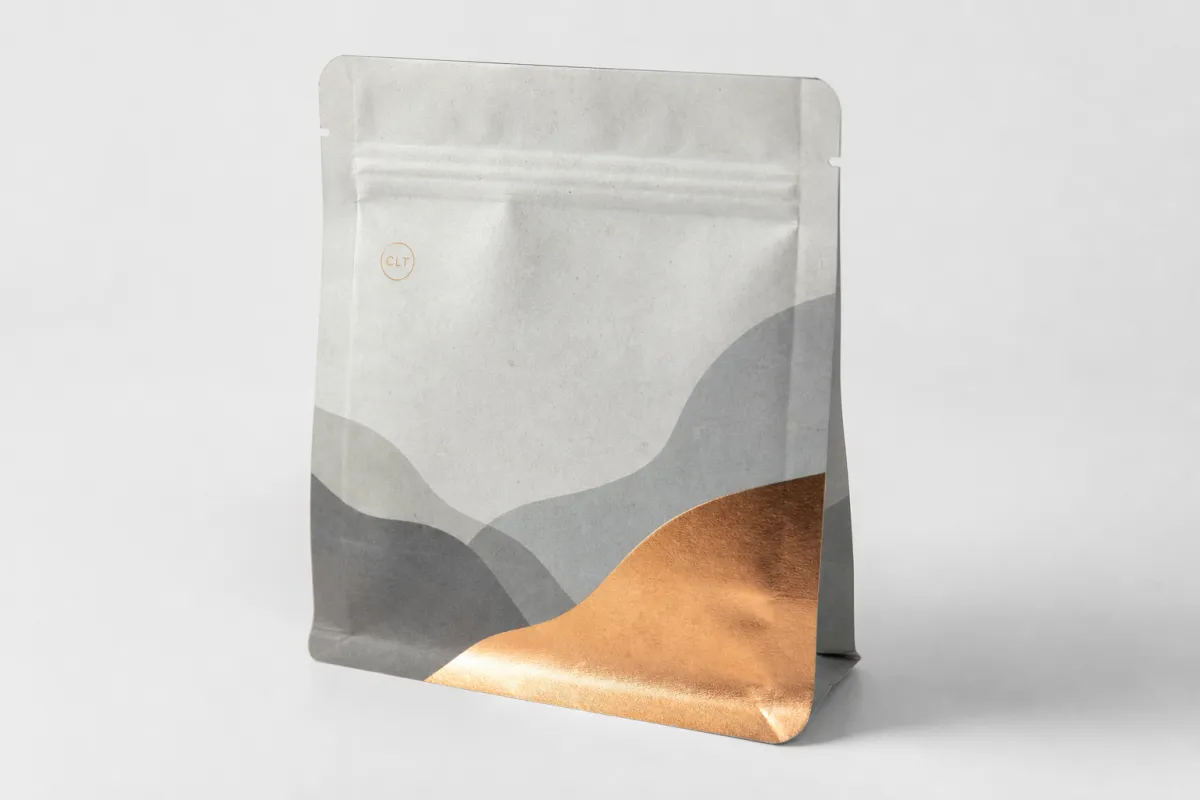
The biggest surprise for many buyers is that size alone does not control the custom resealable pouches price. Yes, a larger pouch uses more film, so dimensions matter. Yet the bigger cost swings usually come from barrier performance, zipper style, print build, and finishing choices. A 6 oz pouch with a simple clear film and standard zipper may cost less than a smaller pouch built with a heavier barrier layer, matte finish, and custom printed accents.
Two pouches can share the same footprint and still land in very different price bands. One may use a straightforward PET/PE structure with a standard reseal closure. The other may need a foil laminate for oxygen protection, a tear notch, a clear window, and white ink under print to keep brand colors bright and accurate. The custom resealable pouches price rises because the material stack and converting steps are more demanding, not because the bag simply looks more polished.
That is why comparison shopping often goes wrong. If one supplier quotes a pouch with a 2.0 mil structure, gloss finish, and no special effects, while another quotes a 4.0 mil high-barrier construction with matte lamination and a custom zipper, those are not the same offer. Ask for the same size, same fill weight, same material stack, same print method, and same closure before deciding whether the custom resealable pouches price is truly competitive.
A better quote also reflects the use case. A coffee pouch that must hold aroma and block oxygen for weeks on a store shelf may justify a higher price than a dry snack pouch with a shorter shelf life. The lower unit cost option can become the expensive one if the product loses freshness, comes back as a return, or weakens the brand presentation. The smartest buyers read the custom resealable pouches price alongside product protection, shelf appeal, and customer experience.
One more point gets overlooked often: the pouch is part of the product package, not just a container. It carries branding, sets expectations, and can influence conversion before the customer even opens it. That remains true whether you are launching a new supplement line, refreshing retail packaging, or building a broader program that includes Custom Printed Boxes and matching labels. The pouch price matters, but so does what the pouch communicates on shelf.
If the quote does not tell you what film, zipper, and finish are included, you are not comparing the real custom resealable pouches price yet. You are comparing assumptions.
For buyers who want a clearer framework, it helps to think in layers. The first layer is structure. The second is print. The third is converting and finishing. Once those are separated, the custom resealable pouches price becomes much easier to read, and a higher quote often turns out to be a better engineered package rather than an overpriced one.
Custom Resealable Pouches Price: Materials, Structures, and Print Options
Materials are where many of the pricing differences begin. A basic PET/PE pouch is usually more economical than a foil laminate or a specialty barrier film, but the lower-cost option is not always the right one. The right structure depends on moisture sensitivity, oxygen exposure, light protection, puncture resistance, and how the pouch will be displayed. That means the custom resealable pouches price should always be tied to product performance, not only the look of the sample image.
Common structures include clear film pouches, kraft-look laminations, foil barrier pouches, and printed barrier films with matte or gloss finishes. Clear materials can help shoppers see the contents, which is useful for snacks, dry goods, and some retail packaging programs. Foil and high-barrier films are better when aroma, freshness, or oxidation is a concern, such as coffee, nutritional powders, and specialty ingredients. Each step up in barrier performance usually adds to the custom resealable pouches price because the raw material cost and converting complexity increase.
Printing changes the economics too. Spot color layouts can be efficient for certain brands, while full process printing adds flexibility for gradients, photography, and complex package branding. White ink on clear film is another cost factor because it adds an extra pass and more careful registration. Matte coatings, soft-touch finishes, and metallic effects can help a pouch stand out, but they also add finishing cost. If the brand only needs clean, bold graphics, a simpler print build may keep the custom resealable pouches price in a better range without giving up shelf presence.
Functional extras change the price as well. Tear notches make opening easier. Hang holes help in retail displays. Child-resistant features can be essential in specific categories. Custom zipper styles may improve user experience, but they can also add tooling or assembly cost. A clear window can help sell the product, though it may require a more careful barrier design if the contents are sensitive to light or oxygen. Every added feature can move the custom resealable pouches price, so the best packaging design is the one that solves a real need rather than checking every available option.
For buyers comparing structures, the table below gives a practical view of how the build affects price and use case. These are typical relationships, not fixed quotes, because production volume, print coverage, and supplier setup will always influence the final number.
| Structure | Typical Use Case | Price Impact | Performance Notes |
|---|---|---|---|
| PET/PE with resealable zipper | Dry snacks, simple retail packaging, general product packaging | Lower | Good everyday option when barrier demands are moderate and print is straightforward. |
| Printed barrier film with matte finish | Supplements, dry ingredients, premium branded packaging | Moderate | Stronger shelf presentation and improved protection, often a balanced value choice. |
| Foil laminate with custom zipper | Coffee, powders, aroma-sensitive goods | Higher | Better oxygen and light barrier, often worth the cost for freshness and shelf life. |
| Kraft-look laminated pouch | Natural or artisan package branding | Moderate to higher | Provides a natural visual style, but the print and laminate build can add cost. |
| Clear window pouch with premium print | Retail snacks, specialty food, visual merchandising | Moderate to higher | Window and print details can increase the custom resealable pouches price, especially with white ink. |
Material selection should also align with industry expectations. When a pouch is meant for food contact or shelf-stable goods, buyers often ask for a structure that supports the product’s required performance without unnecessary layers. For sustainability-related decisions, some brands look at FSC-certified paper components where paper is part of the build, or they ask whether the packaging program can reduce material use while keeping protection intact. If your team is evaluating packaging standards or environmental claims, resources from industry groups such as packaging.org and the Forest Stewardship Council can be useful references.
It also helps to understand what you are comparing on the print side. A pouch with dense full-coverage artwork is not the same as a minimal design with one or two color fields. The more ink coverage, the more demanding the setup can be. If the artwork includes photographic detail, metallic effects, or a large white underlay on clear film, the custom resealable pouches price may rise even though the bag size stays the same. That is normal, and it is one reason why the design file should be reviewed before the quote is finalized.
From a practical packaging design standpoint, the smartest move is to decide what the pouch must protect, then build outward from there. A simple product with a short shelf cycle may not need a premium barrier. A fragile or aroma-sensitive item usually does. That is where a consultative supplier can help you avoid overbuying features you do not need while still protecting the product properly. The custom resealable pouches price should reflect that balance.
Pricing, MOQ, and Unit Cost: How Quotes Are Built
A proper quote is not a single mystery number. It is a stack of decisions. The custom resealable pouches price usually reflects material cost, print setup, finishing, bag size, zipper type, and any extra converting steps needed to produce the pouch. If the pouch includes a matte finish, special window placement, or a unique gusset format, those details should be visible in the price structure. Buyers who request a line-item breakdown usually get a much clearer read on where the money is going.
MOQ matters because setup cost has to be spread somewhere. If a line is being prepared for a small order, the setup, proofing, and machine time do not disappear; they are simply divided across fewer units. That is why the unit price is usually higher at lower quantities. Larger runs tend to improve the custom resealable pouches price per piece because material purchasing and production efficiency improve as the order grows.
Here is a practical way to think about it. A 1,000-piece order may look affordable in total dollars, but the per-unit price can be noticeably higher than a 5,000-piece or 10,000-piece run. On the other hand, ordering far more than you can sell quickly can tie up cash and storage space. A good purchasing decision balances unit cost against sell-through rate, warehouse capacity, and launch risk. That is far more useful than simply chasing the lowest custom resealable pouches price at any volume.
The landed cost matters as well. Freight, duties, sampling, and tooling can change the economics enough to affect the buying decision. Two quotes that look close on paper may not be close once shipping and extras are added. If you are comparing suppliers, ask whether the quote includes delivery to your facility or only ex-factory pricing. Ask whether there are tooling charges for custom zipper assembly or special dies. The most reliable custom resealable pouches price comparison is the one that includes every major cost element.
For some brands, it helps to compare pouches against adjacent packaging formats as well. If you are currently buying labels, stock bags, or even custom printed boxes for parts of the line, the pouch program may be part of a broader package branding strategy. A well-structured pouch can replace extra outer packaging, simplify fulfillment, or improve shelf impact enough to justify a slightly higher upfront price. The right number is not always the lowest number; it is the one that fits the product and the sales model.
Below is a simple cost logic buyers can use when reviewing quotes:
- Confirm the exact pouch size and fill weight.
- Match the film structure and zipper style across all quotes.
- Check whether finishing, tooling, and freight are included.
- Compare the order quantity and MOQ assumptions.
- Review whether the quote includes sampling or press proof charges.
If the quote still feels unclear, ask for the basis of the custom resealable pouches price in writing. A supplier that can explain the cost drivers usually has a better handle on production too. That transparency matters when the job has tight margins or a launch window that cannot move.
One useful habit is to quote based on realistic sales velocity. If a product is expected to sell 2,000 units per month, ordering 20,000 pouches just to reach a slightly better tier may not be wise unless storage conditions are ideal and the design is locked. Better to place a run that supports demand and then revisit the custom resealable pouches price once the product proves itself in market.
Process and Lead Time: From Art Files to Delivery
The production path for custom resealable pouches is straightforward when the buyer comes prepared. The process usually begins with inquiry and specification review, then moves to artwork preparation, proof approval, scheduling, production, quality inspection, and shipment. Each step influences the custom resealable pouches price only indirectly, but it has a major effect on timing and the risk of rework. A clean spec sheet often saves more money than people expect.
Lead time depends on more than the calendar. Print complexity, material availability, quantity, and custom tooling all influence the schedule. A simple pouch with standard specs can move faster than a pouch with a specialty zipper or a barrier structure that requires specific raw materials. If a supplier has to source a particular film or coordinate a finishing step, the timeline can stretch. That is why the fastest jobs are often the ones with complete details and print-ready artwork. Missing information can add days or even weeks, which matters if a launch date is fixed.
When requesting a quote, send the following right away: dimensions, fill weight, product type, zipper preference, target quantity, artwork files, and ship date. If you know the required barrier level, include that too. The more precise the starting information, the more reliable the custom resealable pouches price will be. You will also get a more useful production timeline because the supplier is not guessing at the spec.
Proofing deserves special attention. A digital proof is useful for layout and text review, but it may not be enough if color match, film feel, or seal performance is critical. In those cases, ask for a physical sample or a production-style proof. That is especially true for premium retail packaging, food products with strict shelf-life requirements, or launches where the pouch has to sit beside other branded packaging with exact color expectations. If the pouch is part of a broader packaging design system, the proof stage protects consistency across the line.
Testing standards also matter in some programs. For transport performance, many brands reference ISTA methods, such as ISTA protocols, to understand how packaging may behave in transit. In other contexts, buyers may look at ASTM-related material testing or ask for barrier performance data from the supplier. That does not mean every pouch must be lab tested to the same degree, but it does mean you should choose a testing level that matches product risk. A pouch that fails in shipping can be far more expensive than a better-built one with a slightly higher custom resealable pouches price.
Turnaround expectations should be realistic. If everything is approved quickly, a job can move efficiently from proof to production. If artwork is still changing, or if the quote must be revised because the structure changes midway, the timeline will expand. That is normal, but it is avoidable. A well-run packaging order starts with disciplined communication, and that discipline helps control both lead time and the final custom resealable pouches price.
For buyers who manage multiple packaging categories, the same discipline applies across product packaging lines. If you are coordinating a pouch launch alongside custom printed boxes or other retail packaging, align the approval windows early so one delay does not push the whole program. Good schedule control often protects both launch date and budget.
Performance Specs That Affect Shelf Life and User Experience
A pouch does not earn its keep by looking good on a screen. It earns its keep by protecting the product and giving the customer a clean, easy experience every time they open and reseal it. That is where seal strength, zipper quality, film thickness, and barrier performance influence the custom resealable pouches price in a way that directly affects value. A slightly more expensive pouch can be the better buy if it keeps freshness intact and makes the product easier to use.
Barrier is the first technical question for many categories. Oxygen-sensitive goods need stronger protection than dry snacks that will move quickly. Moisture-sensitive powders need a different film conversation than a product that is not affected by humidity. Light protection matters for some ingredients as well. If the pouch must block oxygen, moisture, and odors, the structure needs to be designed accordingly. Those requirements usually raise the custom resealable pouches price, but they also protect shelf life and reduce the chance of loss.
Then there is reseal performance. A zipper that feels flimsy or misaligns easily will frustrate the customer, even if the print looks excellent. Over time, weak closures can flatten a brand’s perceived quality. A stronger zipper, properly matched to the film gauge and product weight, can improve user experience substantially. That is a good reason to think beyond the lowest quote. The correct custom resealable pouches price is the one that accounts for how the pouch behaves after repeated use, not just how it looks at first opening.
Real-world handling matters too. A pouch that will be stacked, shipped, and opened multiple times needs edge seals that hold up, a film thickness that resists puncture, and a finish that does not scuff too easily. Easy-tear features can help customers open the pouch cleanly. Stable gussets help the pouch stand on shelf. These details sound small, but they affect customer satisfaction and returns. In practice, a well-specified pouch can reduce complaints and make the brand feel more polished without resorting to unnecessary premium effects. That last bit is kinda the difference between a package that just survives and one That Actually Sells.
Product-category fit is critical. Coffee pouches often need strong aroma protection and a reliable zipper. Snack pouches may prioritize shelf visibility and easy opening. Protein and supplement pouches need a clean reseal and enough structure to handle repeated scooping. Dry goods may benefit from a practical, economical build that still looks good in retail packaging. Each category can use a resealable closure, but each one has its own performance priorities, and the custom resealable pouches price should reflect those priorities.
For brands that care about sustainability signals, it is also worth asking what the pouch is made of and what can realistically be improved without sacrificing performance. Material reduction, responsibly sourced paper components, and smart format choices can matter, but the pouch still has to do its job. EPA guidance on packaging and waste reduction is a useful reference point when your team is thinking about broader environmental goals: EPA packaging and recycling resources. That kind of thinking supports better decisions, especially when the goal is to balance product protection, retail presentation, and the custom resealable pouches price.
Buyers sometimes assume the cheapest pouch is the most efficient. That is not always the case. If the lower-cost pouch lets in moisture, tears more easily, or presents poorly on shelf, the hidden cost can be much higher. The right specification is the one that supports product integrity and package branding while keeping the quote honest and understandable.
Why Choose Custom Logo Things for Custom Resealable Pouches
Custom Logo Things is a practical partner for brands that want clear answers, not vague promises. The best packaging relationships are built on matching the structure to the product, the print to the brand, and the budget to the volume. That is the kind of support buyers need when they are evaluating the custom resealable pouches price and trying to avoid expensive assumptions.
A consultative process matters because most pricing problems start with incomplete specifications. If a brand asks for “a resealable pouch” without defining barrier needs, closure style, artwork coverage, or finish, the quote can only be approximate. A stronger supplier helps narrow those choices early. That means fewer surprises, better planning, and a more reliable custom resealable pouches price once the final spec is approved.
Communication is part of the product. Accurate quote language, clear confirmation of dimensions and materials, and straightforward production updates reduce mistakes. That matters whether you are ordering a first run or managing an ongoing packaging design refresh. When a customer understands what is being made, it becomes easier to compare it with other packaging options like custom printed boxes, labels, or adjacent retail packaging formats. In a larger package branding program, consistency is often worth as much as a small unit-price difference.
Another practical advantage is problem solving before production begins. Zipper selection, barrier tradeoffs, and artwork setup are easier to address during quoting than after the order is placed. A buyer who gets guidance early is less likely to end up with a pouch that looks good but performs poorly. The best reason to choose a supplier is not a slogan. It is the ability to turn requirements into a pouch that works, ships correctly, and stays aligned with the target custom resealable pouches price.
That kind of support is especially useful for businesses with multiple product lines. If your team is coordinating branded packaging across pouches, cartons, and other product packaging, having one source that understands structure, print, and presentation makes the process cleaner. It also helps keep the design language consistent across the shelf, which can strengthen recognition and improve customer trust.
In practical terms, buyers usually want three things: a correct spec, a fair quote, and a schedule that can be trusted. Those are not flashy promises, but they are what matters on the factory floor and in the sales forecast. If you can get those three pieces aligned, the custom resealable pouches price becomes a business tool instead of a guessing game.
Next Steps to Get an Accurate Custom Resealable Pouches Price
The fastest way to get a useful quote is to send complete specifications from the start. Gather the pouch size, fill weight, product type, target quantity, zipper preference, material preference, artwork files, ship date, and any must-have finish or barrier requirements. When that information is complete, the custom resealable pouches price is usually much easier to evaluate because the supplier can quote against a real build, not a guess.
Then compare at least two structured quotes on the same basis. Make sure they include the same film stack, zipper style, finish, quantity, and freight assumptions. If one quote is lower, find out why. It may be a simpler structure, a different MOQ, or a different shipping assumption. Without that clarification, the custom resealable pouches price comparison is incomplete.
If you are deciding between barrier levels or finish options, ask for a sample or specification sheet. A small sample can reveal a lot about feel, closure action, and print quality. That is especially useful when the pouch will sit in premium retail packaging or carry a product where shelf life matters. A sample can also help your internal team sign off faster, which keeps the schedule moving.
It also helps to work backward from your launch date. If you need the product on shelf by a fixed time, build in time for proofing, revisions, and production. That planning protects both delivery and the final custom resealable pouches price, because rush changes and late artwork edits often create unnecessary cost. A calm schedule is usually a cheaper schedule.
Finally, think about the purchase in the context of the whole package. If the pouch is part of a broader line that includes custom printed boxes, labels, or other branded packaging elements, align the design and ordering timeline so everything works together. The strongest programs are the ones where the package looks unified, the product is protected, and the economics make sense.
If you want the most accurate custom resealable pouches price, send a complete spec sheet and ask for a line-item response. The most useful takeaway is simple: compare like with like, define the barrier and zipper up front, and build the quote around your real fill weight and sell-through plan. That is the cleanest path to a pouch that fits the product, the brand, and the budget.
What affects custom resealable pouches price the most?
The biggest drivers are material structure, zipper style, print coverage, pouch size, and order quantity. Barrier needs and special finishes can raise the custom resealable pouches price, while standard materials and larger runs usually lower the unit cost. A line-item quote is the best way to see which feature is moving the total.
What is the MOQ for custom resealable pouches?
MOQ depends on the pouch structure, print method, and production setup required for the job. Lower quantities are possible in some cases, but the unit price is usually higher because setup cost is spread across fewer pouches. If you are testing a new product, ask for the smallest viable run and compare it to your expected sell-through rate.
How long does custom resealable pouches production take?
Lead time depends on artwork readiness, material availability, order size, and any custom features that need additional setup. Jobs move faster when files are complete and approvals are prompt. If you have a hard launch date, share it early so the production schedule can be planned around it.
Can I get a sample before placing an order?
Yes, sampling is often the best way to verify size, feel, closure performance, and print expectations before committing to production. Request a sample when the pouch will carry a premium product or when barrier performance matters. Ask whether the sample is a stock example, a printed proof, or a production-style sample so expectations are clear.
What should I send for an accurate quote on custom resealable pouches?
Send the pouch size, product type, fill weight, quantity, closure preference, material preference, and any finish or barrier requirements. Include artwork files if you have them, plus your target ship date and shipping destination. The more complete the spec sheet, the faster the quote and the more reliable the pricing.

