A custom Retail Merch Beanies bulk order gets complicated fast once you move past the mockup. Shape, yarn, knit density, decoration, and pack-out all affect whether the finished piece feels shelf-ready or just serviceable. The sample may look close, but the real buyer decision usually comes down to durability, price, and how the unit will hold up on display.
Beanies work well in retail because they are compact, easy to merchandise, and simple to reorder. One size covers most buyers, which removes the sizing curve that slows down apparel programs. For gift shops, team stores, winter assortments, and event merchandise, that makes planning less risky than many other categories.
The strongest programs are built around the selling conditions, not just the proof. A beanie that folds badly, loses shape in transit, or feels too light on rack can underperform even if the logo looks good. Buyers who focus on spec, cost, MOQ, Lead Time, decoration, and inspection usually get a cleaner result.
Why Beanies Move in Retail
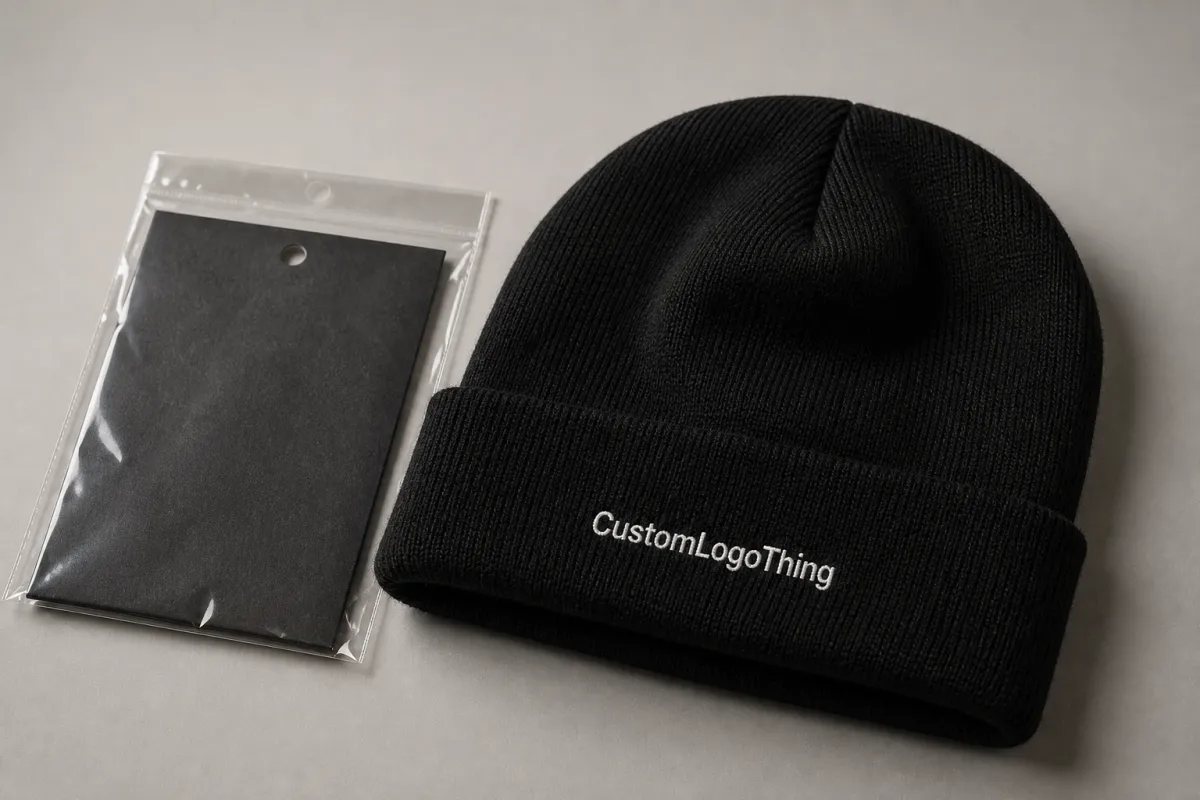
Retail buyers like products that are easy to stock and easy to explain. Beanies fit that requirement well. They stack tightly, merchandise cleanly in bins or on hooks, and can be sold folded, bagged, or hung without much setup.
They also solve a real customer need when temperatures drop. Cold-weather accessories tend to shift from optional to practical very quickly, which is why beanies often perform well at registers, in gift shops, and at event counters.
Branding is another reason they sell. A logo on a beanie is visible without being loud, so the same item can work as a souvenir, a utility piece, or a fashion accessory depending on the silhouette and decoration choice.
Reorders are simpler too. A stable one-size accessory is easier to repeat than a size-run garment, and that matters when a first order sells through faster than expected.
A beanie still has to survive folding, stretching, shelf handling, and wear. Retail-friendly construction usually matters more than the proof sheet once the units are on display.
Styles, Fits, and Decoration That Hold Up
Cuffed beanies are the safest retail option because the cuff creates a stable decoration zone and helps the hat sit neatly. That flat front panel is useful for embroidery or patches and usually keeps the logo readable from a few feet away.
Uncuffed beanies create a cleaner, more minimal look. They are often better for fashion-led assortments or brands that want the knit texture to carry more of the visual work. Slouch beanies feel softer and more casual, but they need more care in display because the shape is less structured.
Fit matters more than many buyers expect. A retail beanie should stretch comfortably and recover well without bagging out after a few wears. The crown should not collapse awkwardly, and the cuff should lie flat instead of twisting.
Decoration should match the logo and the target price. Embroidery is still the standard for cuffed styles because it is durable and clean. Woven patches work well when the artwork needs more detail or when the brand wants a more premium finish. Woven labels and sewn badges support a subtler retail look.
Placement matters as much as method. Center-front cuff placement is the easiest to read and usually the most predictable to produce. Higher or off-center placements can look more fashion-forward, but they also increase the risk of puckering or uneven alignment.
Here is a practical comparison of common styles:
| Style | Best Use | Typical Decoration | Retail Feel | Typical Bulk Unit Range |
|---|---|---|---|---|
| Cuffed acrylic beanie | Everyday merch, team shops, gift retail | Embroidery or woven patch | Clean, familiar, easy to stock | $4.25-$7.50 |
| Uncuffed knit beanie | Minimal branding, fashion-led assortments | Small embroidery or woven label | Simple and modern | $4.75-$8.25 |
| Slouch beanie | Premium merch, lifestyle retail | Patch, label, or embroidery | Looser, softer, more casual | $5.50-$9.75 |
The right choice depends on the sales channel. Counter display, seasonal wall, event checkout, and boutique shelving all reward slightly different looks. A style that works in one channel can underperform in another.
Materials, Gauge, and Color Control
Acrylic is the most common material because it is cost-effective, color-stable, and available at volume. It also tends to hold shape well enough for retail use without pushing the price into a premium bracket.
Wool blends usually feel warmer and more refined, but they cost more and can be harder to source consistently. Recycled yarns are a good option for buyers who want a sustainability story, though they still need the same review for texture, color consistency, and pilling.
Knit gauge is easy to overlook and expensive to ignore. A tighter gauge usually creates a cleaner surface and better logo definition. The beanie looks more finished, and the decoration has a flatter area to sit on. A looser knit can feel softer, but it may show more variation from piece to piece.
Color control is never exact like print. Yarn-dyed knitwear will not match a Pantone chip perfectly. It can get close, but the result depends on the fiber, the knit structure, and the dye lot. Dark colors are usually easier to keep consistent. Very light shades and heathered effects tend to show more variation.
If a brand needs a specific tone, ask how the supplier handles lab dips, yarn matching, and production tolerances. The answer should be clear. If it is vague, the bulk run may drift farther from the sample than expected.
Durability matters too. Ask about pilling, stretch recovery, seam integrity, and how the cuff holds its shape after handling. A retail beanie gets folded, tried on, and put back on display many times. If the yarn fuzzes fast or the knit relaxes too much, the product starts looking old before the season ends.
For programs that include hangtags, insert cards, or other paper components, FSC-certified stock can support a cleaner packaging story. For shipping performance, it is also useful to think about carton protection and transit stress. The International Safe Transit Association publishes helpful guidance for pack-out and distribution planning.
Pricing, MOQ, and Unit Cost
Pricing is driven by five main variables: base style, yarn type, decoration method, color count, and packaging. Add custom knit construction, and setup costs rise again. Unit price matters, but the quote only makes sense once landed cost is visible.
MOQ depends on the style. A stock beanie with decoration may start around 100 to 250 pieces. A custom knit program usually asks for 300 to 500 pieces or more because the knit file, sampling, and production setup take more work.
Small details move the price more than many buyers expect. A dense embroidery file costs more than a simple one. A large woven patch costs more than a small label. Individual polybags, barcodes, fold cards, and split shipping all add labor or material cost.
These ranges are useful for planning, not for locking a budget:
| Program | MOQ | Typical Setup Factors | Estimated Unit Range |
|---|---|---|---|
| Stock acrylic beanie with embroidery | 100-250 | Stitch count, thread colors, basic folding | $3.95-$6.75 |
| Stock beanie with woven patch | 150-300 | Patch size, shape, border stitch, placement | $4.50-$7.95 |
| Custom knit beanie | 300-500 | Knit chart, yarn count, color changes, sample approval | $5.75-$10.50 |
| Premium wool blend with branded trim | 250-500 | Material blend, finish details, retail packaging | $7.25-$12.50 |
Those numbers move with order size and complexity. A simple logo with two thread colors is one thing. A detailed patch with multiple color breaks and a retail-ready pack-out is another. Freight can also change the answer, especially for multi-location delivery or split shipments.
The most reliable budgeting method is landed cost per sellable unit. That includes product, decoration, packaging, and freight to the destination that actually receives the goods. A lower base price can become the more expensive option if it creates handling problems downstream.
Production Steps and Lead Times
A solid production flow usually moves through quote review, artwork approval, proofing, bulk production, inspection, packing, and shipment. The sequence sounds ordinary, but the quality of the output depends on how clean each step is before the next one begins.
Stock decorated beanies usually move faster than custom knit programs because the blank already exists and the decoration method is familiar. Custom knit projects take longer, especially if color mapping, logo size, or cuff placement is still being debated. Sampling adds time, but it also protects the bulk order from expensive mistakes.
Lead time is often lost in the first two emails. Missing vector art, uncertain color references, and shifting quantities create revision loops. A buyer who sends a clean file, a firm quantity split, and a delivery window gets a faster answer and a more usable proof.
Typical production windows vary, but a decorated stock program often lands in the 12-15 business day range after proof approval. Custom knit orders can take longer depending on sample approval, yarn sourcing, and order complexity. Shipping time sits on top of production, so it should be built into the in-hand date from the start.
Proofing matters because small changes in logo placement or cuff height can make a run look off-center once it is unpacked. The proof is the best chance to catch mistakes before they become inventory.
Production and transit are not the same thing. An order can finish on time and still miss launch if the receiving window was never built into the schedule. That is especially true for seasonal retail, where a late arrival can matter more than a slightly higher unit cost.
Packaging, Cartons, and Retail Delivery
Packaging is part of the product on a retail beanie order. Individual polybags help keep units clean. Hangtags and insert cards support branding. Barcodes make receiving easier. None of that needs to be flashy, but it does need to be orderly.
Case pack planning should happen early. How many units per carton? What is the cube? Does the shipment go to one warehouse or several stores? Those questions affect freight costs and labor on the receiving end. Good buyers treat carton planning as part of margin control, not a logistics afterthought.
Clean pack-out protects the shape of the beanie as well. A hat that arrives crushed or badly folded can lose its retail look before anyone touches it. Sensible folding and carton fill reduce that risk and make the order easier to count and display.
If the program includes shelf cards or branded inserts, they should match the same packaging logic used across the rest of the merchandising program. The goal is not to over-design the knitwear. The goal is to make the item look ready for sale the moment it lands.
Distribution teams appreciate predictability. Stable pack counts, clear carton markings, and pallet notes reduce receiving errors and make replenishment less painful. For seasonal rollouts, that structure often matters more than shaving a few cents off the base unit price.
Ask one practical question before the order closes: should this ship retail-ready or warehouse-ready? The answer changes packing, labeling, and receiving expectations. It also prevents avoidable problems later.
What to Send for a Faster Quote
A fast quote starts with a complete brief. Send the quantity, color breakdown, decoration method, logo file, target delivery date, and destination ZIP or warehouse address. If packaging matters, include that too. A quote that reflects the real destination is far more useful than a rough estimate.
Usage context helps as well. Retail gift shop, team merch, winter counter display, event resale, and outdoor promo all point to slightly different specs. A softer hand feel, a cleaner logo read, or a more premium hangtag setup should be stated early rather than added after the proof is out.
One decision-maker is usually better than three. Too many approvals create extra revisions, and every revision adds delay. The cleanest orders are the ones with one person who can confirm the proof, lock the carton plan, and sign off on the schedule.
Here is a simple checklist:
- Vector logo file and any color references.
- Quantity by color and style.
- Decoration method and placement.
- Packaging needs: polybag, hangtag, barcode, insert card, or none.
- Target in-hand date and final destination.
- Reorder notes if the same spec may be repeated later.
That level of detail speeds up the quote and reduces the odds of a mismatch between the sample, the bulk run, and the receiving plan. On a product this compact, those mismatches are easy to avoid and annoying to fix.
FAQs
What is the usual MOQ for a custom retail merch beanies bulk order?
MOQ depends on whether the beanie is stock, decorated stock, or fully custom knit. Stock decorated programs often start around 100 to 250 pieces, while custom knit styles usually require 300 to 500 pieces or more. If you plan to split colors, ask for the MOQ by color so pricing reflects the real run.
Which decoration method works best for retail beanies?
Embroidery is the most common choice because it is durable and reads cleanly on cuffed beanies. Woven patches and woven labels are good alternatives when you want more detail or a more textured finish. The best method depends on the logo, the target price, and how polished the product should look on shelf.
How long does a bulk beanie order usually take?
Lead time depends on style complexity and whether sampling is required. Simple decorated stock beanies are usually faster than custom knit orders, and shipping time should be added separately to protect the in-hand date. Clean files and fast proof approval shorten the schedule.
Can I mix colors in one bulk beanie order?
Yes, many programs allow color splits if the style and MOQ support it. Each color may have its own threshold or pricing tier, so it is better to provide the breakdown up front. That keeps production and packing aligned before the order starts.
What should I send to get a quote quickly?
Send the logo file, quantity, color preferences, decoration placement, packaging needs, and target delivery date. Include the final destination if the order needs to be warehouse-ready or store-ready. A complete brief shortens the quote cycle and reduces proof revisions.

