Tea Brand Corner Boards Cost: Pricing, MOQ, Lead Time
Tea brand corner boards cost more than many buyers expect because they do three jobs at once: they hold shape, carry brand identity, and protect the pack during handling. From the aisle, a corner board can look like a simple insert or frame. Under production lights, though, it is a stack of choices: board grade, caliper, print coverage, finish, tolerance, and how all of that behaves on the line. A one-cent change in material is rarely just one cent in the final quote.
Unit price alone can be misleading. A slightly stronger board, a tighter cut tolerance, or cleaner print may nudge the quote upward, but the payoff can show up in shelf presence, fewer reworks, and a steadier unboxing experience from the first delivery through replenishment. Tea buyers live or die by details: how the corners sit, how the artwork reads, and whether the pack still looks tidy after transit and retail handling. Those details are small until they are not.
Packaging teams often underprice structural elements because they compare them with plain cartons. A corner board is closer to a support component and a branding surface at the same time. If it fails either role, the tea brand corner boards cost savings can disappear in damaged units, store reset delays, or a weaker shelf story. I have watched a low bid turn into the expensive option because the specification was vague and the pack needed corrections after launch. That part is kinda common, honestly.
A board that prevents even one damaged case at retail can justify a higher unit cost quickly, especially on tea lines where consistency and visual branding are part of the sales argument.
Why Tea Brand Corner Boards Cost More Than They Look
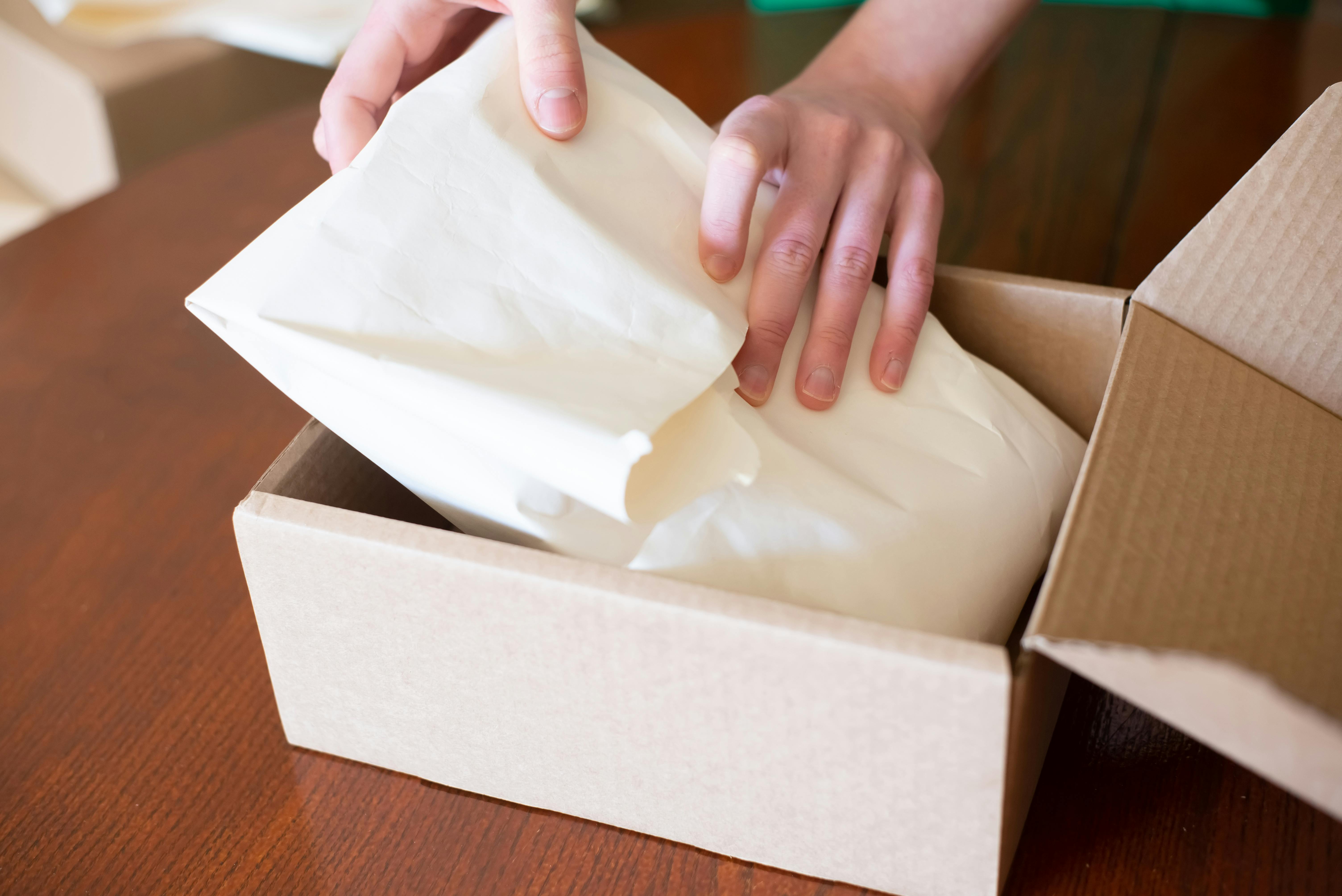
Tea brand corner boards cost more than they look because the product is rarely just a flat printed piece. It has to fit a real package, survive real handling, and still present cleanly under store lights. If the board is supporting a tea carton, framing a sampler pack, or stabilizing a gift set, the structure has to be accurate enough to stay square and the print has to stay crisp enough to protect brand recognition.
A buyer may see a board and think, "That is just a corner piece." The factory sees die lines, board grain, cut scores, glue points, press setup, and a stack of tolerances that all have to work together. A small shift in board grade changes stiffness. A small shift in cut size changes fit. A small shift in print coverage changes press time and waste. That is why tea brand corner boards cost sounds simple but hides several production decisions.
From a packaging buyer's point of view, the real question is not whether the board is inexpensive in isolation. The better question is whether the board gives enough strength, brand consistency, and presentation quality to justify the total spend. When the board helps the carton stay upright, reduces scuffing during shipping, and keeps the display geometry clean after a store reset, it creates value beyond the raw material line.
Tea packaging also tends to live in a premium lane. Loose-leaf boxes, sachet cartons, pyramid sachet packs, and seasonal gift packs all rely on visual branding to signal flavor, origin, and quality level. That means the board is often doing quiet selling. If the edge alignment is poor or the print is muddy, customer perception drops immediately, even before the product is opened. A pack that looks off by a few millimeters can feel cheaper by a mile.
That is where tea brand corner boards cost becomes more than a sourcing question. It becomes a brand decision. Buyers who track only the cheapest quote sometimes miss the hidden cost of weak structure, inconsistent print, or a unit price that looks low until the first spoilage, split corner, or remake. I have seen packing programs get more expensive because the specification was too loose, not because the printer charged too much.
The safest way to think about the product is this: the board should support the package, not fight it. If it adds unnecessary material, complicated assembly, or oversized dimensions, the board is too expensive. If it saves labor, protects the pack, and helps the tea shelf look neat, the tea brand corner boards cost may be doing exactly what it should. The weird part is that the cheapest-looking option is not always the cheap one.
Tea Brand Corner Boards: What They Are and Where They Work
Tea brand corner boards are structural packaging components used to support, frame, or stabilize tea packaging in retail and shipping settings. They are not always visible in the same way a sleeve or carton is visible, but they shape how the pack behaves and how it presents. In some programs they reinforce a tea carton. In others they act as shelf-ready frames, sampler pack supports, or inserts that keep a gift set from shifting during transit.
They are used anywhere the brand wants a cleaner outline, better stack stability, or a more premium presentation without moving to a full rigid box. Tea brand corner boards cost can vary by format because the structure needs to match the job. A simple support corner for a light carton is very different from a rigid board set for a seasonal gift pack with foil, embossing, and a wraparound print.
Common applications include:
- Tea carton reinforcement for retail packs that need firmer corners and straighter faces.
- Shelf-ready presentation where the pack must look neat across a long facing on the shelf.
- Sampler packs that need visual order and a more premium first impression.
- Gift sets where the board helps hold multiple items in place.
- Promotional bundles that combine multiple tea SKUs and need consistent display geometry.
The visual role is easy to underestimate. A tea brand corner board often carries the brand mark, flavor hierarchy, and compliance copy, so print quality matters as much as strength. Clean registration, accurate color, and sharp type support visual branding in a way that plain brown support pieces never can. If the board looks off by even a small amount, the entire pack can feel less finished.
That is especially true in tea. Buyers often think of tea as calm, natural, and refined, which means the packaging cannot look sloppy. The right board helps communicate that the product belongs in a premium set, not a commodity bin. Good structure raises brand recognition because the pack repeatedly presents the same silhouette and same art placement across flavors and shipments.
Tea brand corner boards cost also depends on how the design fits the product family. Loose-leaf boxes often want a flatter, more polished face. Sachet cartons may need a tighter internal fit so the packs do not rattle. Pyramid sachet packs can need different board support because the pack is lighter and more sensitive to crush marks. Seasonal gift packs usually need a more decorative finish and a little more material control to keep corners crisp.
The best designs balance three things: protection, presentation, and efficient packing. If the board is too light, the structure fails. If it is too decorative, the quote rises without adding much value. If it is too bulky, shipping and packing efficiency suffer. Good sourcing keeps tea brand corner boards cost aligned with the real job, not with an oversized spec that looks impressive but wastes material.
For comparison, think of the board as a small piece with a big influence. It does not need to dominate the package. It just needs to hold its shape, print well, and support the brand story every time the carton is seen on the shelf or opened in the customer’s hands.
Tea Brand Corner Boards Cost Drivers, Materials, and Specs
Tea brand corner boards cost is shaped by a handful of technical choices, and most of them are visible in the specification sheet before production starts. The first is board grade. The second is thickness or caliper. The third is print complexity. After that come finishing choices, cut tolerances, and any special assembly features. Each one adds or removes cost in a way that is easy to underestimate if you only look at the proof image.
Material Choices That Move The Number
For lighter retail-facing pieces, a printed paperboard may be enough. For more rigid applications, greyboard, chipboard, or a heavier folding-carton stock may be a better fit. Recycled content can suit tea brands with a natural positioning, but recycled boards can also vary more in surface smoothness and color tone, which affects the printed result. Tea brand corner boards cost is not just a material line; it is also a print-quality line.
Higher caliper usually means better stiffness, but it also means more material usage and sometimes more difficult folding or die cutting. If the board needs to stand up in retail and still pack efficiently, the goal is the lightest material that does the job without losing shape. Anything heavier than necessary pushes the unit cost up without helping the pack sell better. The packaging may feel more substantial, but the economics often become less attractive very quickly.
Buyers should also ask whether the stock needs a white top liner, a kraft surface, or a coated face. White surfaces give sharper print, especially for small type and pale tea-inspired colors. Kraft can support a more natural brand identity, but it can dull certain colors. Soft-touch or laminated surfaces improve feel, though they add handling and finish cost. In other words, tea brand corner boards cost is often decided before the first ink hits paper.
Print And Finish Choices
Print coverage has a direct effect on cost. One-color branding on a limited panel is faster and cleaner to run than full-coverage art on multiple sides. If the board carries a lot of flavor detail, legal copy, icons, QR codes, and seasonal graphics, the press setup becomes more involved. Metallic inks, spot colors, or tight color matching across multiple tea SKUs can push the price higher because more checking and more waste are usually involved.
Finishing is another area where the budget can move fast. Matte and gloss aqueous coatings are common and fairly controlled. Soft-touch lamination adds a premium feel, but it also adds labor and material. Spot varnish, embossing, and foil stamping can make the board stand out, yet they are not low-cost upgrades. If the tea line is positioned as a gift or premium retail product, those finishes may be justified. If the board is purely a support component, they may not be.
Good quoting starts with a clear purpose. A board that only needs to stabilize a carton should be spec'd one way. A board that needs to look elegant under close inspection should be spec'd another way. The right answer depends on how the tea is sold, how it is packed, and how much visual branding the component is expected to carry.
Tea brand corner boards cost also changes if the job needs custom tooling, special locks, glue points, or insert tabs. Simple rectangles and standard corner geometries are easier to make. Custom die lines with tight tolerances or unusual fold lines take longer to set and can increase waste during startup. The more the structure departs from a standard board, the more the price reflects that engineering work.
There is also the issue of compliance and source control. If the board is part of a food-adjacent pack, the buyer may need confirmation on material suitability, coating behavior, and any indirect food-contact concerns. If the brand is making a sustainability claim, recycled content or FSC documentation may matter. For transit-sensitive packs, it is smart to align the spec with ISTA transport test methods. If chain-of-custody documentation matters, check FSC standards and ask for the right paper trail up front.
In practice, the cleanest quotes come from buyers who already know the finished size, the board feel they want, the print coverage, and the finish level. That is the shortest path to a real tea brand corner boards cost estimate, because the printer is not forced to guess at the structure or the decoration level.
- Board grade affects stiffness, surface smoothness, and raw material cost.
- Caliper changes rigidity and can affect cutting and folding behavior.
- Print coverage drives press time, setup, and waste.
- Finishing such as foil or soft-touch can lift the quote quickly.
- Tolerances matter if the board must fit an existing carton or display fixture.
Tea Brand Corner Boards Cost, MOQ, and Quote Range
Tea brand corner boards cost is easiest to understand when you split the quote into separate pieces: unit price, tooling, proofing, freight, and any assembly or packing service. That approach makes the numbers readable. A quote that looks high on unit price may be competitive once setup is included. A quote that looks cheap may turn expensive once freight, rework, or delays are added.
MOQ matters because setup costs do not disappear on a small run. Press setup, die cutting, inspection, and packing all take roughly the same effort whether the order is 1,000 pieces or 10,000 pieces. That is why the unit cost drops as quantity rises. The tea brand corner boards cost on a short run may feel steep, but the machine time and handling are being spread over fewer pieces. A 1,000-piece pilot and a 10,000-piece replenishment are not the same economics, even if the artwork is identical.
Here is a practical way to think about the quote structure. The numbers below are illustrative ranges for custom tea brand corner boards cost, and the final price will move with board grade, print coverage, finish, and design complexity.
| Run Size | Typical MOQ | Indicative Unit Cost | Best Fit | Notes |
|---|---|---|---|---|
| 1,000-2,499 pcs | 1,000 pcs | $0.28-$0.55 | New launches, pilot programs, sample approvals | Setup cost is spread across a small quantity, so tea brand corner boards cost is highest here. |
| 2,500-4,999 pcs | 2,500 pcs | $0.18-$0.36 | Small retail runs, regional tea lines | Often the first range where unit cost starts to feel efficient. |
| 5,000-9,999 pcs | 5,000 pcs | $0.12-$0.28 | Seasonal packs, recurring retail programs | Good balance of print efficiency, material usage, and repeatability. |
| 10,000+ pcs | 10,000 pcs | $0.08-$0.20 | National programs, stable artwork, high-volume orders | Best unit cost if the artwork is fixed and the spec does not need frequent changes. |
Tooling and sampling may add another layer. A simple dieline may be low-cost if the structure already exists, while a fully new die or complex prepress setup can add a one-time charge. Depending on the job, that may be roughly $75-$250 for a basic setup or more if the structure is unusual. When buyers ask about tea brand corner boards cost, it helps to ask whether that setup charge is one-time or recurring.
Freight can change the picture just as quickly. A board job can look cheap until the cartons are packed and shipped. If the order is light but bulky, shipping can be a meaningful part of the total. That is why unit cost should always be viewed alongside cube efficiency, packing method, and transit distance. A well-designed board that nests or packs flat can lower the total landed cost even if the print quote is a little higher.
Comparing quotes fairly is critical. If one vendor is quoting a 350gsm coated board and another is quoting a heavier chipboard with lamination, the numbers are not directly comparable. If one quote includes proofing and another excludes it, the same is true. Tea brand corner boards cost only becomes useful as a decision tool when the specifications are matched line by line.
From a buyer's point of view, the cleanest quoting brief includes finished dimensions, target quantity, board preference, artwork status, finish preference, and any compliance or retail-fit requirement. Give those details, and the estimate usually becomes much sharper. Leave them out, and the quote is often padded to protect against unknowns.
For tea brands that want to control spend without weakening the package, the best tactic is often to reuse a proven structure and update only the printed artwork. That keeps tea brand corner boards cost lower because the board geometry, tooling, and pack fit already exist. It also protects brand consistency across flavor extensions and seasonal changes. A reused structure can save both money and decision fatigue.
Production Process, Timeline, and Lead Time
Tea brand corner boards cost is tied closely to lead time because every extra proof, revision, or finish choice adds work before the order can move into production. The process usually begins with the inquiry. Then comes the spec review, quote, artwork check, proofing, and final approval. Once those pieces are signed off, the job enters material procurement, printing, cutting, finishing, inspection, and packing.
That sequence sounds simple, but timing depends on the details. A straightforward run with a stable dieline and ready artwork can move much faster than a job with new dimensions or multiple finish layers. The more custom the structure, the more time you should allow for proof confirmation. Buyers who leave no margin for revisions tend to feel the pressure later, especially if the tea launch date is fixed.
A practical schedule often looks like this:
- Brief review and quote: 1-2 business days if the spec is complete.
- Artwork check and dieline confirmation: 1-3 business days depending on revisions.
- Sample or proof stage: 3-7 business days for digital or physical confirmation.
- Production run: often 10-15 business days for standard work, longer for specialty finishes.
- Inspection and packing: 1-2 business days before shipment.
Tea brand corner boards cost can rise slightly when buyers request extra proof rounds, but that spend is usually cheaper than discovering a fit problem after production. A sample is especially helpful if the board must align with an existing tea carton or retail fixture. One measured sample can save a full run from dimensional drift, which is a more expensive mistake than the sample itself.
Lead time also depends on finishing complexity. Standard print and cut work tends to be predictable. Add soft-touch lamination, foil, embossing, or specialty coating and the schedule extends. Add FSC stock sourcing or a unique board grade and material lead time may stretch further. The same applies if the factory is balancing several large jobs at once. Production calendars are real, and the board is only as fast as the next available slot.
For brands that ship through retail distribution, transport expectations matter too. If the product must pass through rough handling, ask how the pack behaves in transit and whether a simple handling test is appropriate. Stronger boards can help, but the outer shipper, pallet pattern, and carton count are part of the story as well. Tea packaging is not just a shelf item; it is a supply chain item.
Planning backward from the launch date is the safest method. Start with the in-store date, subtract freight time, subtract production time, and then leave room for proof changes. That buffer keeps tea brand corner boards cost from being distorted by expediting fees or emergency shipping. A rushed order almost always costs more than a properly planned one.
There is also a quiet benefit to schedule discipline: it improves brand consistency. If each flavor or seasonal version is run with the same proofing process and same approval steps, the final result stays more stable across the line. That stability is part of the product, even if it never appears on the spec sheet.
Why Tea Brand Buyers Choose Our Corner Boards Program
Tea brands usually come back to the same problem: they need the package to look premium, stay consistent, and land at a sensible unit cost. That is where a disciplined corner board program helps. The value is not just in printing a nice surface. It is in repeatability. When the structure is controlled, the color stays consistent, the cut stays true, and the board fits the carton the same way from one run to the next.
Tea brand corner boards cost becomes easier to manage when the spec is stable. Repeat orders benefit from known tooling, known material behavior, and a predictable approval path. That matters for brands with multiple tea flavors, seasonal graphics, or retailer-specific packaging. You do not want one flavor looking slightly off compared with the next, because that hurts brand recognition and makes the line feel less coherent on shelf.
Another reason buyers value a steady program is that it reduces hidden costs. A board that is cut too loose can shift in transit. A board that is cut too tight can slow packing or damage the carton. A board with weak print control can trigger rework. Each of those problems adds labor and can push tea brand corner boards cost higher than the original quote suggested.
Practical support matters as well. Many tea packaging projects begin with a rough idea and a deadline. A useful supplier will ask for the right dimensions, compare the structure against the intended cartoning method, and flag any risks before the job starts. That kind of guidance helps keep the quote realistic and the production path clean.
If you want to see how specification choices affect final outcomes, our Case Studies page is a good place to start. It shows how real packaging decisions influence fit, presentation, and production discipline without turning the project into guesswork. For buyers who want to talk through a new spec, a conversation early in the process usually saves more time than a round of corrective changes later. You can also use our packaging case studies to compare different board and finish approaches before you request pricing.
We also focus on the parts that do not show up in the design mockup. Color matching, carton fit, stacking behavior, and finish stability are the details that keep a tea pack looking like the same brand every time. That is what brand consistency really means on the factory floor. It is not a slogan; it is the outcome of controlled materials and repeatable process steps.
When the spec is right, the tea brand corner boards cost usually feels easier to defend internally. Marketing sees the presentation quality. Operations sees the fit and packing speed. Purchasing sees fewer surprises in the quote. That is the kind of balance most tea brands are really looking for.
How to Order Tea Brand Corner Boards Without Overpaying
The easiest way to avoid overpaying is to request the quote with enough detail that the supplier can price the actual job, not a guess. Send finished dimensions, target quantity, artwork files, board preference, finish preference, and any compliance or retail-fit requirements. If the board must fit an existing tea carton or shelf fixture, say so early. Tea brand corner boards cost gets more accurate when the specification is concrete.
Compare quotes on equal terms. That means matching board grade, print method, coating, tooling, and freight. A quote that looks low may be using a lighter board or skipping a finish that you actually need. A quote that looks higher may include a more stable material or tighter tolerances that save money later. The number on the page is only meaningful if the structures are equivalent.
If the packaging is new, ask for a sample or proof first. That is especially wise when the tea pack needs to align with an existing carton or when the artwork has fine text. A small proof step is far cheaper than a full remake. It also helps protect the unboxing experience, because a properly fitted and well-printed board feels deliberate rather than improvised.
Here are a few buying habits that usually keep tea brand corner boards cost under control:
- Reuse a proven dieline whenever the product family allows it.
- Limit specialty finishes to the packs that truly need them.
- Approve artwork early so the schedule does not drift.
- Balance MOQ against inventory risk instead of chasing the absolute lowest unit cost.
- Keep the structure simple if the board only needs to support and frame the carton.
MOQ is not just a supplier requirement; it is a planning tool. If your tea line sells steadily, a higher MOQ may give you better unit cost and fewer repeat setup charges. If the flavor is seasonal or test-market only, a lower MOQ may be the safer choice even if the unit cost rises a little. The right answer depends on sell-through, storage space, and how often the artwork changes.
Think about total cost, not only the pack price. A board that packs faster, fits better, and prints cleaner can save labor and reduce waste. That can matter more than a few cents on the quote. For tea brands, the packaging has to support the product story, the shelf story, and the operations story at the same time.
If you already know your finished spec, send it in one clean brief and ask for a tailored tea brand corner boards cost estimate. If you are still shaping the design, start with the board function, the carton fit, and the finish level, then build the price from there. That approach usually leads to a more accurate quote and fewer surprises during production.
In the end, the best tea brand corner boards cost is the one that matches the real job: stable structure, clear branding, sensible MOQ, and a lead time that fits the launch calendar. If you keep those four pieces aligned, the board does its work quietly and well, which is exactly what good packaging should do.
FAQ
What affects tea brand corner boards cost the most?
Quantity is usually the biggest driver because setup costs spread over more pieces as the run gets larger. Board grade, print coverage, and finishing options can raise the price quickly, especially with specialty coatings or foil. Custom sizes or new tooling also add cost, so reuse of an existing dieline can help keep the quote lower.
Is there a minimum order for tea brand corner boards?
Yes, most custom runs have an MOQ because cutting, press setup, and inspection take the same effort whether the run is small or large. The exact minimum depends on structure, material, and print complexity, so the best answer comes from the finished spec. If you are testing a new tea line, ask for the lowest practical quantity and compare the unit cost against the setup savings.
How do I get an accurate quote for tea brand corner boards?
Send finished dimensions, target quantity, artwork files, and finish preferences so the quote reflects the real production job. Include any special needs such as coating, color matching, or compliance requirements because those details affect cost and lead time. If you already have a sample or dieline, share it early to avoid guesswork and revision cycles.
How long does production take for tea brand corner boards?
Lead time depends on artwork approval, material availability, finishing complexity, and current production load. Simple runs move faster, while custom structures with specialty finishes or multiple proofs will take longer. Plan for proof review, production, and shipping time together so your launch date is realistic.
Can tea brand corner boards match existing tea packaging sizes?
Yes, the board can usually be sized to fit an existing carton, sleeve, or display format with tight dimensional control. A sample or measured spec helps confirm fit before the full run begins. Matching the current pack size is often the best way to control waste and keep tea brand corner boards cost efficient.
If you are comparing options now, send the dimensions, quantity, artwork, and finish targets so the tea brand corner boards cost quote reflects the actual job rather than a rough assumption. The more precise the brief, the better the fit, the cleaner the print, and the easier it is to keep both unit cost and lead time under control.


