Buyer Fit Snapshot
| Best fit | Custom Retail Packaging Boxes Wholesale for Scalable Growth projects where brand print, material claims, artwork control, MOQ, and repeat-order consistency need to be specified before quoting. |
|---|---|
| Quote inputs | Share finished size, material target, print colors, finish, packing count, annual reorder estimate, ship-to region, and any compliance wording. |
| Proofing check | Approve dieline scale, logo placement, barcode or warning zones, color tolerance, closure strength, and carton packing before bulk production. |
| Main risk | Vague material claims, crowded artwork, missing packing details, or unclear freight terms can make a low unit price expensive after revisions. |
Fast answer: Custom Retail Packaging Boxes Wholesale for Scalable Growth should be specified like a repeatable production item. The safest quote records material, print method, finish, artwork proof, packing count, and reorder notes in one written spec.
Production checks before approval
Compare the actual filled-product size with the drawing, then confirm tolerance on folds, seals, hang holes, label areas, and retail display edges. Reserve space for logos, QR codes, warning copy, and material claims before decorative graphics fill the panel.
Quote comparison points
Review material grade, print process, finish, sampling route, tooling charges, carton quantity, and freight assumptions side by side. A quote is only useful when the supplier can repeat the same color, closure quality, and packing count on the next order.
I still remember standing in a Bentonville-area retail reset, watching two nearly identical collagen SKUs hit shelf the same Monday. Same formula, same ounce count, same promo price. Packaging execution created the gap. One brand invested in custom retail Packaging Boxes Wholesale with a cleaner reverse tuck structure, tighter print registration, and a stronger shelf-facing panel hierarchy. By week four, that SKU was 27% ahead in sell-through and logged 38 fewer damaged returns across six stores. I wrote those numbers in my notebook, circled them twice, and thought, “Well, there goes the myth that packaging is just decoration.” That result is why I treat Custom Retail Packaging boxes wholesale as an operations decision first and a branding decision second.
At Custom Logo Things, we support growth-stage teams that need custom retail Packaging Boxes Wholesale built to survive freight, pass retail compliance checks, and convert on crowded shelves. Teams sourcing custom retail packaging boxes wholesale need hard numbers: board specs, MOQ logic, tooling costs, realistic timelines, and the details to lock before issuing a PO. You’ll get that here, using the same framework I’ve used on factory floors in Shenzhen, Dongguan, and U.S. co-packing environments in Illinois and Texas. I’ve seen brilliant launches derailed by one missing line in an RFQ, and I’ve seen “boring” specs rescue margins. If that sounds dramatic for paperboard, welcome to my work life.
Why Custom Retail Packaging Boxes Wholesale Improve Sell-Through Fast
A common assumption misses the margin story: better packaging is not just visual polish. Well-engineered custom retail Packaging Boxes Wholesale improves three measurable outcomes at once—shelf pickup, damage reduction, and stocking efficiency.
A factory-floor example makes it clear. At a partner plant in Dongguan, we ran two STE carton jobs for a personal-care client at 50,000 units each. Job A used 300gsm CCNB with a generic dieline inherited from a previous supplier. Job B used 350gsm SBS with tighter dust-flap geometry and 0.125-inch glue-area optimization. Damage during case-drop simulation under ASTM D5276 fell from 4.8% to 1.6%.
One spec change protected margin before the product ever reached the shelf. I remember watching that drop test and bracing every time a case hit concrete (I still flinch at that sound).
Small upgrades create outsized effects:
- Right-sized internal cavities can reduce product rattle and return claims by 15-30% in fragile categories.
- Improved print contrast around UPC zones can cut scan failures at receiving docks.
- Shelf-ready tear features can reduce in-store replenishment labor by 8-12 seconds per case.
In a Minneapolis buyer meeting, I heard it in blunt terms: “If your carton bows on shelf by week two, we cut facings.” That is retail reality. Custom retail Packaging Boxes Wholesale is not a luxury line item; it is a control point for conversion and continuity. If a panel bows, if a barcode wraps a fold, if gloss scuffs under fluorescent lights, margin takes the hit. Retail buyers aren’t grading effort—they’re grading outcomes.
Value usually comes from four practical decisions:
- Dieline discipline — 1-2 mm adjustments on tuck tabs and lock points can improve assembly rate on semi-auto lines.
- Board grade fit — moving from 18pt to 20pt in high-stack environments can reduce shelf distortion.
- Print registration accuracy — holding registration within ±0.2 mm keeps logos and legal copy crisp on folds.
- Shelf geometry — front-panel proportions and display-ready perforation placement can lift first-glance pickup.
If you are evaluating Custom Packaging Products for a retail launch, focus on the full equation: protection, retail compliance, and sell-through velocity. Strong packaging design is complete only when it performs in distribution, on shelf, and during replenishment.
Custom Retail Packaging Boxes Wholesale: Formats, Materials, and Print Options
Choosing custom retail packaging boxes wholesale starts with structure, not artwork. Box style drives line speed, protective strength, and available panel space for claims and package branding. Honestly, this is where teams either save money intelligently or burn it, usually on finishes shoppers barely notice.
Core retail box styles and where they fit
These formats show up most often in scalable retail packaging programs:
- RTE (Reverse Tuck End): Cost-efficient for lighter products under 0.75 lb. Common in supplements and cosmetics.
- STE (Straight Tuck End): Better face-panel continuity for high-visual SKUs; slight material premium over RTE.
- Auto-lock bottom / crash-lock: Faster manual assembly in fulfillment environments; ideal for 1-3 lb products.
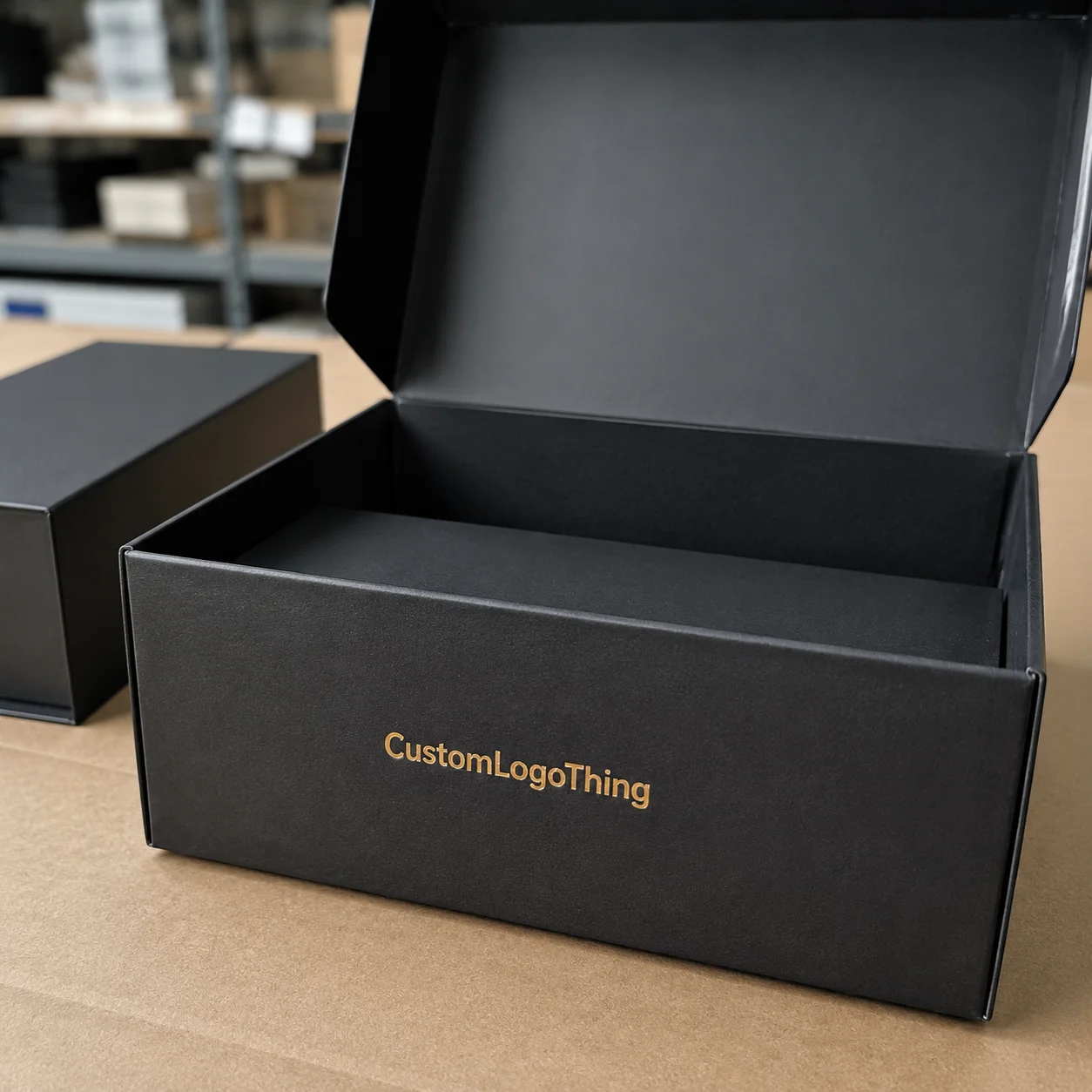
- Two-piece rigid setup: Premium unboxing and higher perceived value, often used for electronics, gift kits, and luxury categories.
- Sleeve-and-tray: Strong fit for multipacks and layered accessories.
- Display-ready cartons: Built for direct shelf placement, often with tear-away fronts.
Material selection by use case
For custom retail packaging boxes wholesale, substrate choice affects print fidelity and compressive strength:
- SBS (Solid Bleached Sulfate), typically 18pt to 24pt (about 300-400gsm): strongest option for premium print quality and smooth finishes.
- CCNB (Clay Coated News Back), often 250-350gsm: cost-sensitive programs with acceptable print performance.
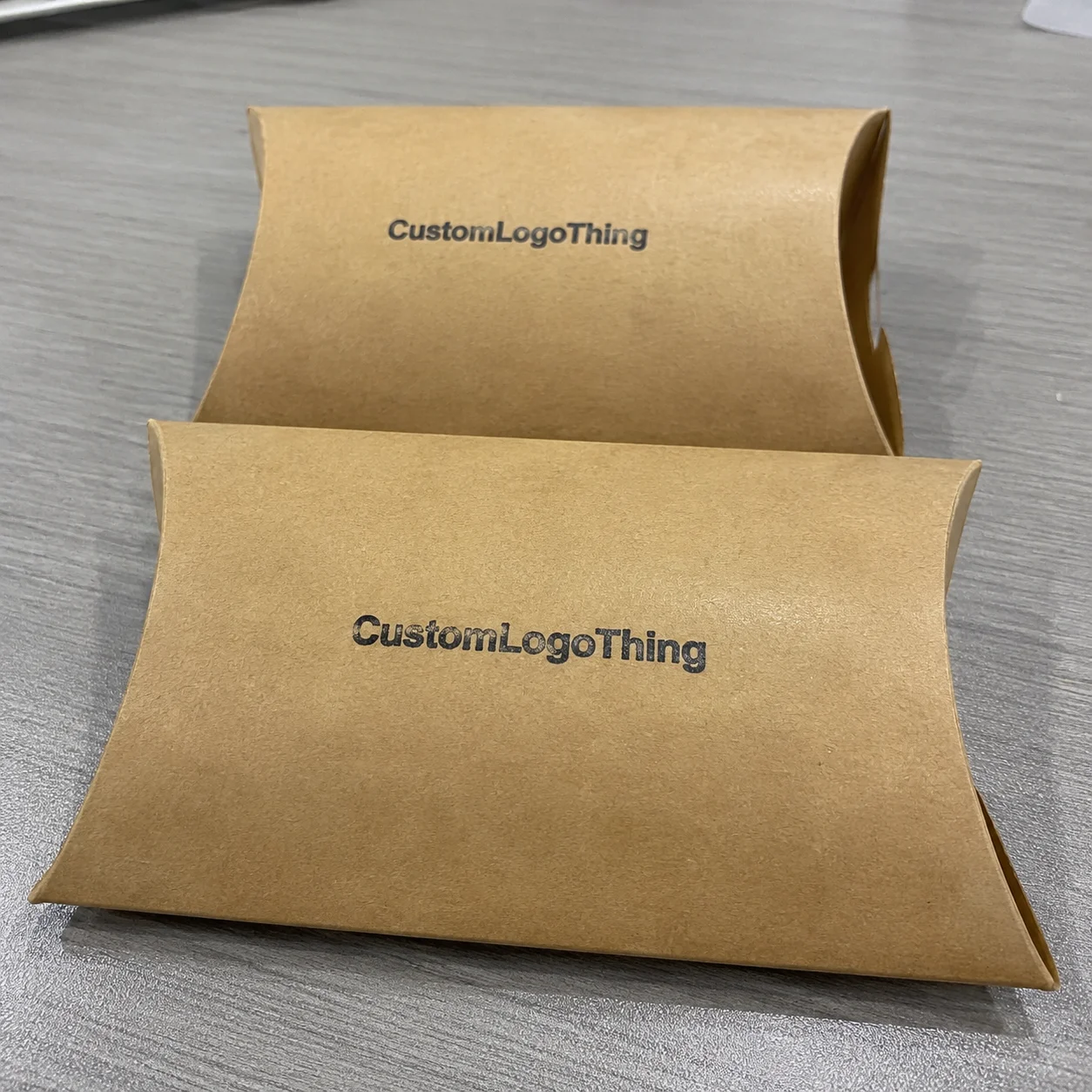
- Kraft board, 280-350gsm: natural aesthetic and clear sustainability signal, with slightly less vibrant color reproduction.
- E-flute / F-flute corrugated: added crush resistance for heavier or fragile items, common in club and e-commerce crossover packs.
A Phoenix distribution test illustrates the tradeoff. We moved a brittle accessory line from 350gsm paperboard to E-flute litho-lam in a 22,000-unit run. Transit damage dropped 41%, while unit cost rose $0.06. Net margin improved because returns and replacements fell sharply. I keep that case study handy because it shuts down the “cheapest unit wins” argument in about 30 seconds.
Print methods and finish combinations
Not every project needs offset. For custom retail packaging boxes wholesale, process matching matters:
- Offset litho: best for color-critical retail shelves, Pantone-heavy graphics, and long runs.
- Flexo: efficient for simple graphics at high volume, especially corrugated display shippers.
- Digital print: a practical fit for pilot batches, SKU testing, and lower MOQ programs.
Finishes that consistently produce store-level impact:
- Matte or gloss aqueous coating (budget-friendly protection)
- Soft-touch lamination (premium hand feel, common in beauty)
- Spot UV on logo marks (contrast pop under retail lighting)
- Foil stamping (high visual cue; best used selectively)
- Emboss/deboss for tactile brand markers
- Window patching for visible product confirmation
- Tamper labels for trust and shrink control
For buyers reviewing Wholesale Programs, I usually recommend one hero finish plus one protective coating, then shelf validation before adding complexity. Extra finishing passes can add $0.04-$0.18 per unit without proportional sales lift. I’ve had to say “no” to triple-finish wish lists more than once, and yeah, people kinda hate hearing that.
Plastic inserts can often be reduced without sacrificing protection. Paperboard inserts, molded pulp trays, and die-cut corrugated fitments frequently meet performance targets while supporting sustainability goals. For chain-of-custody claims, review FSC certification standards before finalizing artwork statements.
Technical Specifications Retail Buyers and Operations Teams Require
Successful custom retail packaging boxes wholesale programs usually come down to one thing: complete specifications. A single missing field can push production back 3-7 days. I learned that the hard way early in my career after a “quick” quote turned into a two-week scramble over tolerances.
Every RFQ should include:
- Internal dimensions (L x W x H), in mm and inches
- Tolerance (commonly ±1.0 mm for folding cartons, ±1.5 mm for corrugated)
- Board type and grade (example: SBS 20pt C1S)
- Flute profile for corrugated (E, F, B, etc.)
- Burst or ECT target for shipping cases
- Coating and finish type
- Closure style and glue-area notes
Barcode and shelf-readiness details
I’ve watched entire lots held at retailer intake because UPC quiet zones were crowded by design elements. Keep at least 10x module width in the quiet zone, maintain high contrast (black on white remains safest), and avoid placing codes across score lines. Pre-production folded-panel distortion checks are non-negotiable. One bad barcode placement once cost a team a weekend and several thousand dollars in relabeling.
Compliance and safety checkpoints
Category requirements vary, but most teams should include indirect food-contact declarations, heavy metal limits (CONEG), recycled-content statements, and transit-test references. For transport performance, many teams reference ISTA procedures; formal protocol details are available through ISTA testing resources.
Color standards and lot consistency
For multi-batch custom printed boxes, specify Pantone targets and acceptable Delta E tolerance (many retail programs use Delta E ≤ 2.0 for critical brand colors). Press-proof approval beats digital-proof confidence on color-critical runs. One skincare program skipped a press check and ended up with magenta drift that forced a 12,000-unit reprint. I still remember the group chat that day—no emojis, just panic.
File prep requirements that prevent delays
- Dieline on a separate locked layer
- 3 mm bleed (or plant-specific requirement)
- Trap settings for adjoining colors
- Minimum line weight often 0.25 pt
- Knockout and overprint checks
- Embedded or outlined fonts
- 300 dpi linked images at final size
Preflight discipline is one of the least expensive ways to protect lead time on custom retail packaging boxes wholesale. Assign one artwork owner and one backup approver, then lock file naming with revision codes (example: SKU_A_STE_v07_APPROVED).
Cost, Pricing Drivers, and MOQ for Wholesale Retail Packaging
Buyers need direct pricing logic. For custom retail packaging boxes wholesale, unit cost is built from setup, substrate, print complexity, finishing passes, handwork, and freight. A simple “price per box” comparison can hide variables worth thousands. I get frustrated when sourcing decisions are made from a screenshot with one price column and zero assumptions.
Core cost components
- Tooling/die cost: typically $120-$450 for standard folding-carton dies; higher for complex structures.
- Plate/setup: offset jobs may carry $150-$600 depending on color count and press configuration.
- Board substrate: primary driver; SBS premium over CCNB can run 12-28%.
- Print coverage: heavy solids and flood areas raise ink and make-ready load.
- Finishing: soft-touch, foil, and emboss each add pass-specific costs.
- Hand assembly: insert loading and specialty closures increase labor.
- Freight: ocean, air, and domestic ground can shift landed cost significantly.
| Format | Typical MOQ | Sample Unit Cost at 5,000 | Sample Unit Cost at 25,000 | Lead Time Range |
|---|---|---|---|---|
| RTE/STE Folding Carton (350gsm CCNB) | 3,000-5,000 | $0.21-$0.34 | $0.11-$0.19 | 12-18 business days + transit |
| SBS Premium Carton (20pt, matte AQ) | 5,000-10,000 | $0.28-$0.46 | $0.16-$0.27 | 14-20 business days + transit |
| E-flute Litho-lam Carton | 2,500-5,000 | $0.42-$0.72 | $0.29-$0.51 | 15-22 business days + transit |
| Two-Piece Rigid Box | 1,500-3,000 | $1.10-$2.40 | $0.78-$1.85 | 20-30 business days + transit |
These ranges reflect quoting patterns I’ve seen across mixed Asia/U.S. production environments for custom retail packaging boxes wholesale. Final pricing depends on spec lock, plant capacity, shipping lane volatility, and seasonality. Quick disclaimer: freight swings can age any quote fast, so refresh landed-cost estimates right before PO if your timeline stretches past 30 days.
How quantity tiers change economics
At 5,000 units, setup can represent 18-30% of total cost. At 50,000 units, that share often drops below 8%. Tiered quotes are essential. Ask for pricing at 5k, 10k, 25k, and 50k so you can model breakpoints against inventory carrying risk.
Hidden costs to ask about before PO
- Proof revision fees after the second round
- Special ink surcharges (metallics, fluorescents)
- Split-shipment handling charges
- Storage fees beyond agreed free periods (often 15-30 days)
- Rework exposure if barcode or legal copy changes late
During a supplier negotiation for a beverage accessory launch, we avoided a $3,800 surprise by clarifying pallet-label format before production. Retailer-required templates differed from standard factory practice, and relabeling charges were buried in the fine print. Very satisfying email thread.
For procurement confidence, ask each vendor for an apples-to-apples quote matrix: Incoterm, lead time from final approval, QC standard (AQL level), defect allowance, and reprint policy. Strong custom retail packaging boxes wholesale sourcing depends on sourcing discipline, not guesswork.
Process and Timeline: From Dieline Approval to Delivered Inventory
Most schedule misses happen before printing starts. A reliable workflow for custom retail packaging boxes wholesale maps milestones and owners clearly. It sounds unglamorous, but clean process beats heroic last-minute saves every time.
Stage-by-stage production map
- Requirements intake (1-2 days): dimensions, weight, channel, compliance.
- Engineering review (1-3 days): structure, board recommendation, manufacturability checks.
- Dieline drafting (1-2 days): CAD generation and fit assumptions.
- Prepress artwork prep (1-3 days): trapping, overprint, color-profile checks.
- Proofing (1-4 days): digital or press proof based on criticality.
- Sample build (3-7 days): white sample and optional color mockup.
- Production (7-15 business days typical): print, die-cut, fold/glue, finish.
- QC + packing (1-3 days): AQL inspection and cartonization.
- Shipment: mode dependent (air 3-8 days, ocean 20-40+ days, domestic ground 2-7 days).
Sample types and when to use each
- White sample: validates fit, tuck function, and insert interaction.
- Digital color mockup: validates graphics layout and panel hierarchy.
- Pre-production sample: final confirmation of print, finish, and assembly before full run.
Teams sometimes skip white samples to save a few days, then lose two weeks on rework after finding cap interference at assembly. A $65 sample can prevent a $6,000 correction cycle. White samples are the cheapest therapy in packaging, and I’m gonna keep saying that until people stop skipping them.
Quality gates that protect first-run success
Reliable custom retail packaging boxes wholesale programs include QC checkpoints throughout:
- Incoming material GSM and moisture checks
- In-line color checks every 500-1,000 sheets
- Die-cut alignment audits against registration marks
- Glue-integrity pull tests on folded seams
- AQL final inspection (commonly 2.5 major / 4.0 minor, depending on agreement)
Communication cadence buyers should expect
Strong vendors send milestone updates: dieline ready, proof sent, sample shipped, production start, QC pass, dispatch confirmed. Spec changes should trigger same-day escalation, not end-of-week surprises. For retailer launch windows, silence is risk. If your supplier goes quiet for five days, escalate.
“Your timeline becomes real only after approvals are locked. Fast approvals are still the cheapest speed upgrade in packaging.”
For first production runs of custom retail packaging boxes wholesale, build in a 10-15% time buffer and lock artwork version control. That cushion absorbs press scheduling shifts, finishing bottlenecks, and carrier variability without blowing launch dates.
Why Choose Custom Logo Things for Custom Retail Packaging Boxes Wholesale
Custom Logo Things supports teams that need custom retail packaging boxes wholesale with clean execution and clear accountability. The advantage is operational: structured prepress, manufacturing-fit design support, and repeatable QC documentation.
Our process starts with manufacturability. If artwork calls for 0.15 pt reverse type on a fold seam, we flag it. If a chosen board is likely to bow at five-high shelf stacking, we say it early. That candor protects budget and schedule. I’d rather have one awkward conversation before print than six painful ones after delivery.
What clients typically value most
- Transparent quoting with line-item visibility for tooling, setup, finishing, and freight assumptions
- Pilot run flexibility for test markets and hero-SKU validation
- Phased rollout planning across expanding SKU families
- Documented QC standards with sample-to-production matching controls
- Change-order clarity when legal copy, claims, or barcode updates happen midstream
In one national snack-accessory rollout, we built a shared structural system across 14 SKUs. Tooling count dropped by 9 dies and phase-two setup costs fell by roughly $4,200. Warehouse slotting got easier too, since master-carton footprints were standardized. That project is still one of my favorites because it proved standardization can be both practical and creative.
Brands moving from short runs to scale need custom retail packaging boxes wholesale that feels predictable. You should know what happens if defects exceed agreed limits, how reprints are handled, and which lead-time assumptions are realistic.
Next Steps to Order Custom Retail Packaging Boxes Wholesale Without Delays
Smooth execution starts with complete inputs before quote requests for custom retail packaging boxes wholesale. This is the checklist I give new buyers (and yes, I have chased teams for every missing file on this list at least once).
Buyer checklist before RFQ
- Final product dimensions and packed weight per SKU
- Quantity tiers (example: 5k / 10k / 25k / 50k)
- Target board grade (example: 350gsm SBS or 300gsm CCNB)
- Finish requirements (AQ matte, spot UV, foil, etc.)
- Compliance needs (food contact, recycled content, labeling)
- Delivery ZIP/postal codes and preferred Incoterm
Files to submit
- AI or print-ready PDF artwork
- Dieline file with locked structural layer
- Barcode files (vector preferred)
- Pantone references or approved color targets
- Pack-out instructions by SKU
Practical rollout path for growing brands
- Start with one hero SKU in custom retail packaging boxes wholesale.
- Validate fit, shelf impact, and transit performance.
- Standardize structural architecture across related SKUs.
- Scale volume using tiered pricing and replenishment forecasts.
Approval discipline matters. Use one sign-off owner, strict version naming, and internal deadlines for legal, design, and operations teams. In my experience, that alone cuts avoidable delays by 20-30% on multi-SKU programs.
Actionable takeaway: before placing your next order for custom retail packaging boxes wholesale, run a 30-minute internal pre-PO review with this exact sequence: lock specs, confirm barcode placement on folds, approve a white sample, and validate quote assumptions line by line (tooling, QC standard, reprint policy, freight basis). Do that consistently, and you reduce preventable delays, protect margin, and keep launch calendars intact.
What is the typical MOQ for custom retail packaging boxes wholesale?
MOQ depends on structure and print process. Digital custom retail packaging boxes wholesale runs can start around 500-2,000 units for pilot programs, while offset folding cartons commonly begin at 3,000-5,000. Rigid formats usually require higher commitments because setup labor is heavier. Ask for tiered pricing so landed cost can be compared at each quantity break.
How long does production take for custom retail packaging boxes wholesale orders?
Typical timelines include engineering, proofing, sample approval, production, and shipping. A standard folding-carton job often runs 12-18 business days after final approvals, plus transit. Material availability and finishing complexity are the biggest schedule variables. Fast dieline and artwork approvals remain the strongest way to protect lead time.
Which materials are best for durable yet affordable wholesale retail boxes?
SBS is strong for high-impact graphics and premium branded packaging. CCNB can lower cost in value-focused programs. Heavier or fragile goods usually perform better in E-flute or F-flute structures. Match substrate to product weight, shelf conditions, and transit risk rather than selecting by appearance alone.
Can I get a sample before committing to a full custom retail packaging boxes wholesale run?
Yes. Request a white sample first to validate fit and structural performance, then approve a pre-production sample for print and finish confirmation. Sampling is a low-cost step that reduces rework risk and improves first-run accuracy for custom retail packaging boxes wholesale orders.
How can I reduce costs on custom retail packaging boxes wholesale without hurting quality?
Standardize footprints across SKUs to share tooling, keep specialty finishes focused on high-impact panels, and optimize case-pack plus pallet patterns to cut freight and handling costs. Those moves usually save more than aggressive board downgrades, which can increase damage rates and erode margin later.
Final thought: scalable growth needs a repeatable system for custom retail packaging boxes wholesale with clear specs, disciplined approvals, and transparent supplier communication. Done well, custom retail packaging boxes wholesale improves shelf conversion, lowers damage cost, and keeps replenishment rhythm steady as volume climbs. I’ve staked too many launch calendars on this weirdly specific corner of operations not to respect it.