Buyer Fit Snapshot
| Best fit | Art Supplies Packaging Boxes Wholesale for Reliable B2B Orders projects where brand print, material claims, artwork control, MOQ, and repeat-order consistency need to be specified before quoting. |
|---|---|
| Quote inputs | Share finished size, material target, print colors, finish, packing count, annual reorder estimate, ship-to region, and any compliance wording. |
| Proofing check | Approve dieline scale, logo placement, barcode or warning zones, color tolerance, closure strength, and carton packing before bulk production. |
| Main risk | Vague material claims, crowded artwork, missing packing details, or unclear freight terms can make a low unit price expensive after revisions. |
Fast answer: Art Supplies Packaging Boxes Wholesale for Reliable B2B Orders should be specified like a repeatable production item. The safest quote records material, print method, finish, artwork proof, packing count, and reorder notes in one written spec.
Production checks before approval
Compare the actual filled-product size with the drawing, then confirm tolerance on folds, seals, hang holes, label areas, and retail display edges. Reserve space for logos, QR codes, warning copy, and material claims before decorative graphics fill the panel.
Quote comparison points
Review material grade, print process, finish, sampling route, tooling charges, carton quantity, and freight assumptions side by side. A quote is only useful when the supplier can repeat the same color, closure quality, and packing count on the next order.
One cracked ink bottle can erase profit on an entire case. I watched it happen on a receiving dock in New Jersey: 2,400 marker sets landed with corner-crushed cartons, then leakage claims hit 11%. Most teams blame couriers first (I used to, too). In real audits, board grade mismatch and weak insert geometry usually do more damage than trucks and conveyors. That’s why serious brands buy Art Supplies Packaging boxes wholesale with engineered specs, not off-the-shelf cartons and crossed fingers.
My work has run through converting plants in Shenzhen, rigid box lines in Dongguan, and fulfillment planning sessions with U.S. school-supply distributors in Illinois. Honestly, I think profitable brands treat packaging as a supply-chain instrument that can be measured, tuned, and defended. They watch damage rates to decimal points, track retailer intake failures, and calculate Packaging Cost Per sellable unit rather than cost per box.
Procurement and operations teams need usable detail, not vague promises. So this page focuses on MOQ ranges, board specs, insert materials, quality gates, lead times, and cost drivers. If you’re comparing art supplies Packaging Boxes Wholesale options for retail sets, eCommerce kits, subscription bundles, or private-label programs, you’ll get numbers you can act on quickly.
Why Art Supplies Packaging Boxes Wholesale Prevents Costly Product Damage
A few years back, I walked a contract packing floor in Ontario running a six-SKU watercolor line for a national craft chain. They chose 14pt folding cartons because the quote looked attractive. The floor told a different story. Cartons bowed under 1.6-meter pallet loads, tray inserts drifted in transit, and brush ferrules punctured sidewalls on roughly 3.8% of units. They moved to 18pt C1S, added a die-cut SBS retention insert, tightened glue-line control, and claim rates dropped below 0.9% across two shipments. I remember when that second shipment arrived with almost no exceptions—the ops lead just stared at the dashboard and said, “Wait, that’s it?”
That pattern repeats in well-structured art supplies Packaging Boxes Wholesale programs. You gain stable paperboard sourcing, controlled dielines, and repeatable assembly standards over larger runs. None of that is easy when each reorder lands with a different short-run supplier. Wholesale planning also makes channel-specific engineering possible: shelf display stress, pick-pack-ship strain, and parcel-drop impact.
The biggest buying mistake is comparing total quote only. Downstream loss often dwarfs line-item savings. Returns processing can run $3.50–$7.00 per unit. Replacement shipping can run $4.80–$9.20. Retailer chargebacks may exceed 2% of PO value if compliance fails. A stronger art supplies packaging boxes wholesale build might add $0.04 per unit and still prevent $0.60 in avoidable loss. That tradeoff is not “nice to have”; it’s the margin line wearing a fake mustache.
For B2B teams, measurable value usually appears in four places:
- Lower damage rates: improved board caliper, insert retention force, and stacking performance.
- Retail compliance: barcode quiet zones, warning-panel positioning, and shelf-ready dimensions.
- Cleaner unboxing: tighter fit, less dust transfer, fewer scuffs from poor internal contact.
- Higher reorder confidence: same specs, same output, fewer cycle-to-cycle surprises.
School-supply wholesalers tend to see fast returns, especially during back-to-school spikes where replacement delays cost shelf time. DTC bundle brands benefit when corrugated and inserts are tuned for parcel abuse. Premium studio lines care most about finish and fit precision, while private-label chains press hardest on lot-to-lot consistency. Every one of these models benefits from disciplined art supplies packaging boxes wholesale execution.
Need a broader options baseline first? Review Custom Packaging Products, then place your SKUs into the right Wholesale Programs based on order cadence and channel mix.
Product Formats for Art Supplies Packaging Boxes Wholesale Programs
Art SKUs don’t share the same structural needs. The right format inside an art supplies packaging boxes wholesale plan can lower total packaging spend while improving both presentation and transit protection. Below are the formats I recommend most often for B2B buyers (and yes, I’ve argued over all of them in conference rooms with bad coffee).
Folding cartons for pens, markers, and compact sets
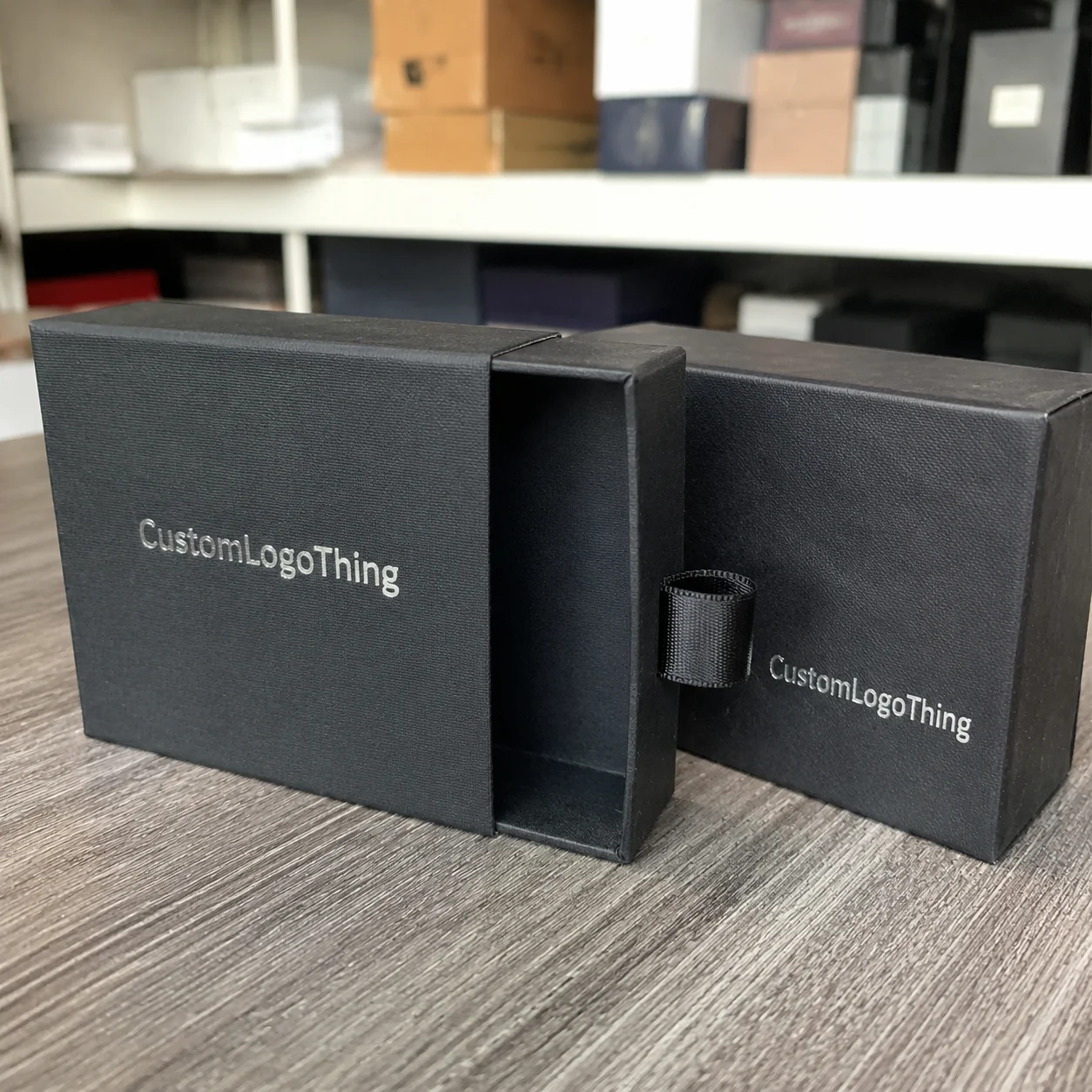
Straight tuck end and reverse tuck end cartons in 16pt–24pt SBS work well for high-volume pens and marker assortments. A 12-color marker set often performs well in 18pt C1S with matte AQ coating, die-cut internal divider, and lock-bottom once weight passes 420g. At 10,000 units, market pricing commonly lands around $0.19 to $0.34 each, depending on finish complexity and insert design.
Rigid setup boxes for premium and giftable lines
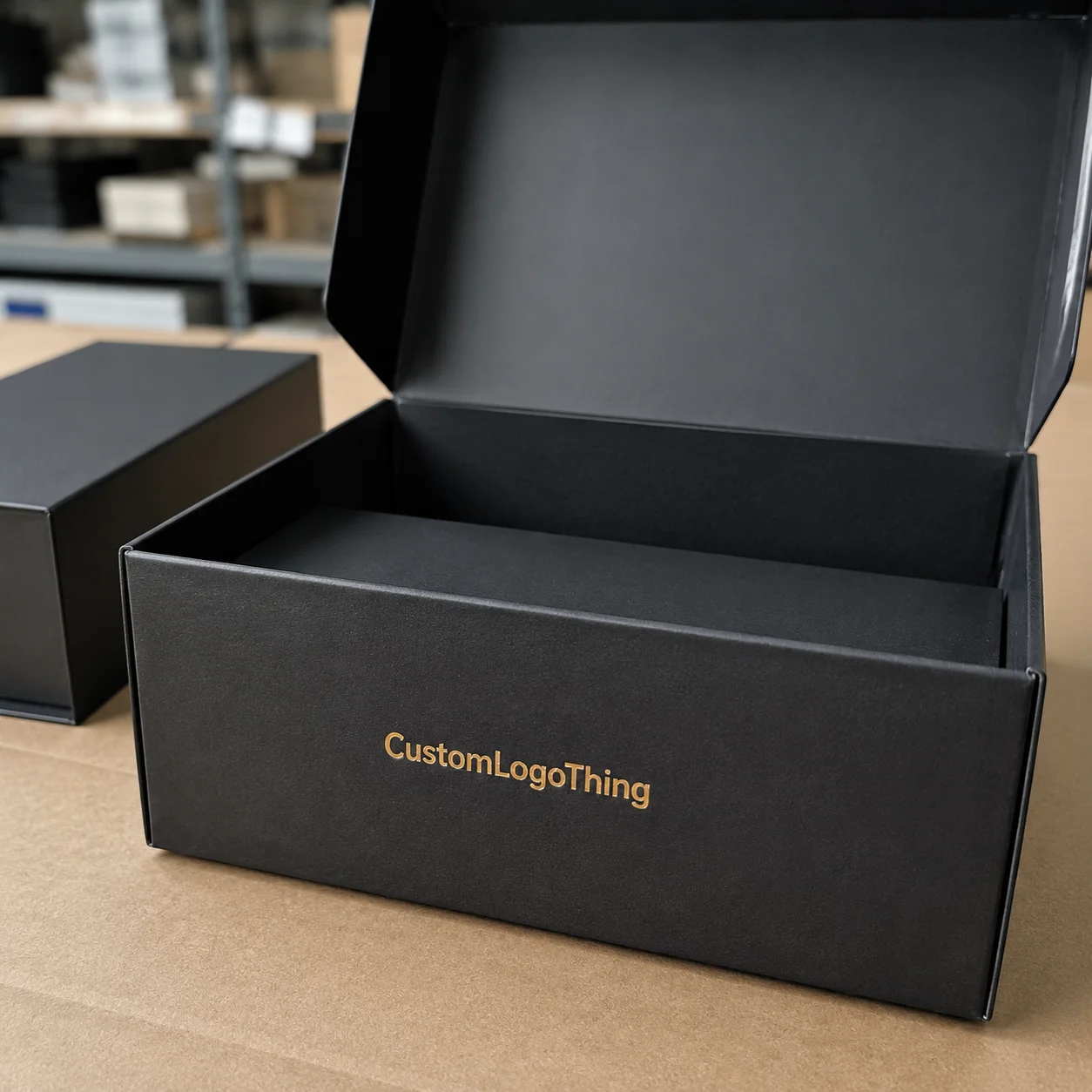
Watercolor master sets, charcoal collections, and artist-grade gift kits usually need stronger presentation. A 1.5mm–2.0mm greyboard shell wrapped in 157gsm art paper gives shelf authority and good handling performance. Magnetic closures and ribbon pull tabs should be margin-tested before adoption; they can add $0.38–$0.95 per unit. Soft-touch lamination paired with spot UV logos remains a common premium combination. In art supplies packaging boxes wholesale, rigid programs generally require higher MOQ, often 1,000–3,000 units per SKU.
Corrugated mailers for DTC and subscription kits
E-flute and B-flute mailers remain practical choices for monthly parcel networks. E-flute offers cleaner graphics and sharper print. B-flute handles heavier payloads better. One California subscription brand shifted from a single-wall mailer without inserts to an E-flute build with molded pulp tray and cut claims from 6.1% to 1.7% over three cycles. I remember when they showed me the before/after photos—same branding, wildly different survival rate.
Magnetic closure and book-style boxes for collector sets
High-AOV gift lines often use these structures for tactile value and perceived quality. They perform well under strict QC. Hinge stress and magnet alignment need real testing, not visual approval alone. A magnet offset of 1.5mm can cause rework spikes during assembly. And if you’ve ever watched a team hand-fix misaligned magnets at 9:40 p.m., you don’t forget it.
Insert systems that actually protect products
- Die-cut SBS partitions: cost-efficient, recyclable, effective for pencils and marker barrels.
- Molded pulp trays: eco-friendly packaging and protective for irregular shapes and bottle shoulders.
- EVA foam: high cushioning for fragile components; higher cost and weaker sustainability profile.
- Cardboard fitments: plastic-free support for brushes, tubes, and palette knives.
The strongest art supplies packaging boxes wholesale programs engineer outer structure and insert as one system. Buying them separately often creates tolerance stack-up, where products fit the tray but bind after carton closure. That single issue has wasted more Monday mornings than I care to count.
Print and finishing choices by channel
Offset printing usually wins where artwork fidelity and gradient depth matter, which is common in art product packaging. Flexo fits shipping cartons where speed and cost are bigger priorities. Digital runs are useful for pilot launches in the 300–1,500 unit range. Common finishes include matte or gloss lamination, anti-scuff film, AQ coating, spot UV, and soft-touch. Dark retail packs benefit heavily from anti-scuff because rub marks can trigger shelf rejection (and yes, buyers absolutely notice). For many teams, Custom Printed Boxes are where brand identity and structural performance finally meet.
Sustainability and compliance details buyers ask for
Request FSC-certified paper options through FSC, recycled kraft alternatives, and water-based inks where performance allows. Transit assumptions should be validated with ISTA protocols from ISTA. Lock barcode clear zones (often 80% quiet area), warning-label space, country-of-origin placement, and shelf footprint before proofing starts.
Technical Specifications Buyers Should Lock Before Production
Predictable output in art supplies packaging boxes wholesale starts with locked specs before PO release. “Close enough” dimensions create expensive chaos. I’ve seen a project lose 18 days because internal dimensions missed by 2mm and brush trays jammed during pack-out. Two millimeters doesn’t sound like a big deal—until it wrecks your launch calendar.
Critical structural specs
- Internal dimensions: length × width × depth with tolerance (often ±0.5mm to ±1.0mm).
- Board thickness: 16pt, 18pt, 24pt for folding cartons; 1.5mm+ for rigid bases and lids.
- Flute type: E-flute for print quality, B-flute for heavier load handling.
- Load requirement: top-load compression target tied to pallet stack height.
- Drop expectation: parcel simulation definition (example: six-face drop sequence).
Material selection by product fragility
Watercolor pans often sit safely in snug SBS partitions. Glass ink bottles need more protection: corrugated outer plus molded pulp or EVA cradle support at shoulder and base. Metal pencil tins can transfer abrasion, so anti-rub spacing or micro-flute separation helps prevent print scuff. In art supplies packaging boxes wholesale, material choice should be test-led, never assumption-led. Honestly, I think teams skip this step because testing feels slow—right up until replacement costs show up.
Color and print control standards
For custom printed boxes, define color method early: CMYK only or CMYK plus Pantone spots. Retail-controlled environments should set acceptable delta range and proof workflow: digital soft proof, calibrated hard copy, then signed pre-production sample by both teams. One EU client required Pantone 186 C consistency across three SKUs; fixed ink batch control plus hourly densitometer checks stabilized drift.
Engineering checkpoints during dieline review
- Crease direction against artwork and fold stress zones
- Lock-tab retention force (to prevent accidental pop-open)
- Glue-line width and tolerance (excess causes squeeze-out and staining)
- Insert friction fit (secure hold without abrasion)
- Case-pack stack strength
Cartonization and freight math
Set units per inner carton, master carton dimensions, and pallet pattern before mass production. I once cut ocean freight by 11% for a Midwest brand by shifting master carton orientation from 24 units to 20 and raising container cube utilization from 82% to 90%. Margin in art supplies packaging boxes wholesale often swings on this step.
Buyer checklist for apples-to-apples vendor comparison
| Spec Category | Required Detail | Example Value | Why It Matters |
|---|---|---|---|
| Box Structure | Style + exact internal dimensions | RTE, 210 x 145 x 32mm | Prevents fit failures and repacking delays |
| Material | Board grade + caliper | 18pt C1S SBS | Controls crush resistance and shelf appearance |
| Insert | Type + retention points | Die-cut SBS, 8 lock points | Reduces movement and leakage risk |
| Color mode + Pantone references | CMYK + PMS 186 C | Maintains branding consistency | |
| QC | AQL level + test methods | AQL 2.5, drop + glue tests | Sets acceptance expectations in advance |
Pricing, Cost Drivers, and MOQ for Wholesale Orders
The first question is always unit price. Fair. Still, art supplies packaging boxes wholesale pricing is component-based, and every component is tied to technical choices. If two quotes are far apart, there’s usually a structural reason hiding in plain sight.
How pricing is built
- Tooling/die: $120–$450 for standard folding carton dies; higher for complex inserts.
- Material: board type, caliper, and waste factor from sheet layout.
- Print setup: plates, make-ready sheets, and color calibration time.
- Finishing: lamination, foil, emboss/deboss, spot UV, anti-scuff.
- Assembly labor: hand-insert operations can add $0.05–$0.30 each.
- Packing/freight: case-pack design, palletization, and shipping term selection.
For standard folding-carton art supplies packaging boxes wholesale jobs, digital print may start near 500–1,000 units, while offset economics usually improve from 3,000+ units depending on size and color density. Rigid builds generally run with higher MOQ because setup and handwork demand more labor.
Why the unit cost drops with volume
Make-ready and setup costs are mostly fixed, so larger quantities dilute them. Sheet utilization also improves after dimension tuning for press layout. Marker-set cartons often move from $0.31 at 3,000 units to $0.22 at 15,000 units after dieline optimization and better nesting.
Common cost adders buyers miss
- Multi-layer inserts or mixed insert materials
- Foil stamping with narrow registration tolerance
- High-density spot UV coverage across large panels
- Tight color matching standards across several facilities
- Rush windows that trigger expedited production premiums
The most expensive mistake is often unnecessary variation. Too many unique carton footprints force extra tooling and weaker sheet yield. Standardization pays. In one private-label acrylic paint negotiation, reducing nine carton sizes to four shared footprints cut total packaging spend by 14.6% without hurting shelf presentation. I still bring up that example whenever someone insists every SKU needs a “special” box.
Budget tiers by channel
| Tier | Typical Unit Range | Typical Specs | Best Use Case |
|---|---|---|---|
| Economy | $0.12–$0.24 | 16pt-18pt carton, CMYK, AQ coating, simple insert | High-volume online bundles |
| Mid-tier | $0.25–$0.58 | 18pt-24pt carton, lamination, spot UV, stronger insert | Retail shelf + eCommerce hybrid |
| Premium | $0.95–$3.40 | Rigid box, specialty finish, multi-part tray | Gift sets and studio-grade collections |
Negotiation in art supplies packaging boxes wholesale is mostly technical. Split SKUs only where demand curves truly differ, standardize dimensions for sheet efficiency, and ask suppliers to show line-by-line impact from dieline optimization.
Process and Timeline: From Dieline Approval to Delivery
A dependable art supplies packaging boxes wholesale order follows a clear workflow. Teams that skip stages to save time usually pay for rework later. I get the temptation—everyone wants the launch date and nobody wants the delay email—but the math is brutal if you rush the wrong step.
Typical production stages
- Brief intake and SKU mapping
- Structural engineering and dieline release
- Artwork preflight and compliance check
- Sample creation (plain + printed)
- Mass production
- In-process QA and final AQL inspection
- Packing, palletizing, and shipment handoff
Simple cartons with basic print often run 12–15 business days after proof approval. Premium boxes with layered finishes, inserts, and hand assembly typically need 20–30 business days. Freight timing depends on Incoterm and shipping lane. Retail launches built on art supplies packaging boxes wholesale need schedule buffer before planogram dates.
What causes delays most often
- Artwork not outlined or missing linked assets
- Late spec changes after sample signoff
- Unclear barcode orientation and placement
- Slow internal approval routing on buyer side
I’ve seen approvals stall for a full week because legal requested warning-text edits after press scheduling. That one change forced plate updates and vessel rebooking. Cross-functional alignment among marketing, legal, and procurement should happen at the dieline stage, before print prep starts. Frustrating? Absolutely. Preventable? Also yes.
Quality gates that protect consistency
Strong suppliers run incoming material checks, in-line color monitoring, glue-strength testing, drop simulation, and final AQL inspection before release. Damage-sensitive kits should include random pack-out simulation with actual product weight, not dummy blocks. Insert drift shows up fast under real loading.
Logistics terms and landed cost visibility
EXW gives buyers maximum freight control but requires full coordination capacity. FOB balances control with supplier port handling. CIF includes freight and insurance to destination port. DDP provides delivered pricing with duties handled. The right term for art supplies packaging boxes wholesale depends on internal logistics capability and required landed-cost visibility.
Practical procurement calendar template
- Week 1: final specs + intake sheet
- Week 2: dieline and structural sample approval
- Week 3: print proof approval
- Week 4–6: production + QC
- Week 7+: freight transit + receiving buffer
For replenishment cycles, reorder triggers at six to eight weeks of stock coverage usually prevent rush premiums and stabilize packaging supply.
Why Choose Custom Logo Things for Art Supplies Packaging Boxes Wholesale
Custom Logo Things serves buyers who want controlled output from art supplies packaging boxes wholesale programs. The advantage is operational: consistent board sourcing, disciplined print control, and repeatable assembly methods across recurring orders.
I’ve worked with teams that rotated through three vendors in one year. Every run looked different. Colors drifted, inserts loosened, retailers flagged inconsistency. Performance improved once they moved to an engineering-led model: one approved spec library, one sample signoff protocol, and clear change-order rules. That’s the structure buyers should expect from a packaging partner. Personally, I trust boring consistency over flashy promises every single time.
Engineering support tied to product reality
Not every product needs premium treatment. A 24-pack school marker set faces different risk than glass ink bottles or palette knife kits. Custom Logo Things can recommend board and insert combinations by fragility, channel, and budget. That keeps package branding aligned with handling conditions rather than assumptions.
Transparent quoting and revision control
Line-item pricing shows exactly what drives cost: materials, print, finishing, assembly, and freight assumptions. Sample signoff checkpoints reduce surprise revisions. If changes are required, documented change-order flow helps finance and procurement approve quickly.
Production strengths for scaled B2B buyers
- Multi-style capability across cartons, rigid boxes, and corrugated formats
- Insert integration for brushes, tubes, bottles, and accessory tools
- Stable color control for branded packaging consistency
- Scalable runs from pilot lots to high-volume wholesale cycles
Service reliability buyers feel immediately
Dedicated project management matters. Early risk alerts matter even more. If paper stock lead time shifts or artwork raises rework risk, teams need that signal before dispatch week. In art supplies packaging boxes wholesale, milestone-based updates keep sourcing, marketing, and logistics aligned.
“After standardizing our custom printed boxes and insert specs, our damage claims dropped from 4.4% to 1.2% in two quarters, and retailer receiving exceptions fell by more than half.” — Operations Manager, U.S. craft supply distributor
Reduced claims, lower packaging cost per sellable unit, and stronger retailer acceptance are the outcomes that justify scaling a wholesale packaging program.
How to Place Your Wholesale Order: Next Steps That Speed Approval
Fast quoting and smooth production for art supplies packaging boxes wholesale starts with complete technical inputs on day one. Incomplete briefs are still the top reason timelines drag. I remember when one team sent “final” files without barcode placement notes; we lost four days untangling something that should have been a 20-minute decision.
Submit one intake sheet with all commercial inputs
- SKU list and SKU-level forecast
- Product dimensions and individual unit weight
- Target order quantity and reorder cadence
- Channel split: retail, online, subscription, distributor
- Required delivery window and destination
Provide a complete file package for quoting
- AI/PDF artwork files (fonts outlined)
- Pantone references where required
- Barcode files with placement notes
- Dieline annotations and compliance text requirements
Request two sample paths. First, a plain structural sample for fit and pack-out verification. Second, a full print sample for color and finish signoff. This two-step method catches structural errors before mass production spend starts. A pilot run is smart for new SKUs or unfamiliar inserts, especially in mixed retail-plus-parcel programs.
PO readiness checklist
- Approved dieline and internal dimensions
- Approved print proof and finish specification
- QC criteria confirmed (AQL level + key tests)
- Incoterm confirmed (EXW/FOB/CIF/DDP)
- Packing plan and pallet standard confirmed
- Delivery window signed by all parties
Once these items are locked, your art supplies packaging boxes wholesale order moves faster and avoids costly revision loops. If your team is ready, request a quote from Custom Logo Things with full technical input so engineering, pricing, and production align in one pass. Better input quality shortens cycle time and improves outcome reliability.
FAQs
What is the typical MOQ for art supplies packaging boxes wholesale?
MOQ depends on structure, print method, and finish. Folding cartons generally support lower entry quantities than rigid setup boxes. Digital production can fit smaller test runs, while offset tends to become more cost-efficient at higher volumes. Many buyers ease MOQ pressure by consolidating SKUs onto shared dimensions and common inserts inside a single art supplies packaging boxes wholesale program.
How long does production take for custom art supply boxes in wholesale quantities?
Production time includes structural design, sample approval, mass production, and shipping. Simple custom printed boxes may finish in about 12–15 business days after approvals. Premium structures with complex inserts and layered finishes can take 20–30 business days. Fast dieline and proof approvals create the largest schedule gains, and freight/customs buffer remains essential for launch planning.
Which material is best for wholesale packaging of fragile art supplies?
Material choice depends on fragility and product weight. Pens and markers often perform well in SBS cartons with die-cut partitions. Glass bottles usually need corrugated outers plus molded pulp or EVA retention. The right choice should be validated through drop and compression testing. For sustainability goals, recycled board and molded pulp can perform extremely well when engineered and tested correctly.
How is pricing calculated for art supplies packaging boxes wholesale orders?
Unit pricing combines material, print method, finishing, tooling, labor, packing, and logistics. Higher quantities frequently reduce per-unit cost because setup costs spread over more pieces and sheet utilization improves. Premium effects and tight color tolerance targets can increase cost, so line-item quotes are the clearest way to compare suppliers in any art supplies packaging boxes wholesale decision process.
Can wholesale art supplies packaging boxes be customized for retail and eCommerce at the same time?
Yes. Dual-channel packaging is common: retail-focused graphics paired with shipping-safe structure and protective inserts. Barcode zones, warning text, and transit strength should be planned together during dieline development. A pilot run before full rollout helps confirm shelf presentation and parcel durability under real handling conditions.